
🌊 SURF 'N TURF 🏝️
-THE BORACAY ISLAND LIFE-
 10 Alternatives To Everyday Items When The Stores Are Empty.
In the prepper community, there are several sayings or mottos, such as, “Two is one and one is none.” In other words, it's a good idea to have multiple backups of important items. Another prepper principle is to substitute singular items for ones that can be multipurpose. Why are we bringing this up? Because it has to do with today’s topic of finding alternatives to everyday items.
Imagine if you will, that some big event has happened such as a pandemic or war, and it has affected the world supply chain or at least the supply chain of your country. In either case, the next time you go to the store you are confronted with empty shelves that used to be full of items that you use every day or almost every day. Items like candles, hygiene supplies, general cleaning supplies, or even toilet paper.
Don’t think these very common and popular items will ever be scarce from the shelves of your local store? Well, you don’t have to look back that far to see examples of this very thing happening. During and at the beginning of the 2019 pandemic, many products such as cleaning supplies, toilet paper, and other health-related products could not be found for quite some time.
Does this mean people stopped cleaning their homes or themselves simply because the products they normally use weren’t on the shelves? No! They simply used alternative items or methods.
But what if this situation happened to you? What are you going to do? How are you going to get by?
The two best things a prepper can do to increase their survivability is to learn to adapt and gain knowledge. This means if you don’t have a plan for what to do without your normal everyday items then you need to start thinking about that scenario today. Please keep reading because it is highly likely that you will find some very helpful solutions in the list of alternatives we have put together.
Alternatives To Everyday Items
With the ideas listed below you may find that you have some of the needed materials at your home post SHTF. Many of the items can also be easily scavenged from nearby areas or it might be a good idea to stock up on the materials beforehand so that you are always ready.
Keep in mind that while the items listed below may not be the greatest primary item to use for a task, they do work and are effective. By reading through the following alternatives you will have more solutions post-SHTF, and the more solutions you have, the better off you will be.
Candles
Candles are used to put a lovely fragrance in the air or as a light source but when SHTF you are probably going to use them as a light source. Finding yourself without a light source can be a dangerous situation but here are a few alternatives for when your traditional candles run out.
Regular coloring crayons are made primarily of wax, just like a candle. You can use a crayon like a stand-alone candle by first standing it on its flat end. Then rip the paper wrapper slightly so that the paper stands above the crayon and acts like a wick. A larger candle can be made by simply melting down all the crayons you have and adding a new wick.
Another option is to make a quick candle using cooking grease, or fat, and a paper towel. First, heat the grease or fat until it’s liquid. Then, dip the towel into the liquid making sure it becomes completely saturated. Lay the towel on a flat surface and starting at one of the edges, roll it into the shape of a pencil. Once the towel has cooled and dried, one of the ends can be lit and the whole thing will act as a burning wick.
The last option is actually used more as an improvised stove but if you need a light source it will work as a candle. It's called a tuna can stove and all you need is a can of tuna (one with oil and not water) and a paper product like toilet paper, paper towels, or cardboard. Open the can up and scoop out all of the meat but leave as much of the oil as possible in the can.
Next, stuff the inside of the can with the paper product so that it soaks up all the oil and the material is level with the top of the can. The paper material will act as a wick so all you have to do is ignite it with a lighter and you have yourself a wick. The great thing about this option is that it’s reusable. All you need to do is cover the top of the can to snuff out the flame and relight it when you need it again.
Cleaning Supplies
It may be post SHTF but it’s just as important to keep your living conditions as clean as possible. In fact, it’s probably more important because if you get sick from dirty conditions, you may not be able to go to your family doctor for help.
When stores run out of your favorite pre-mixed scented cleaners, some other household cleaning solutions are just as effective. Vinegar makes for a fantastic disinfectant and general cleaner due to its acidity. For best results, fill a spray bottle with half water and half vinegar and you have yourself a cleaning solution for wiping down countertops, sinks, showers, floors, and toilets, and it’s even a great pre wash for fruits and vegetables.
Regular old table salt is another great homemade cleaning option. Just like vinegar, it can be mixed into a solution of water and put into a spray bottle. Once sprayed onto a surface, the salt water may have an adverse effect on some germs.
However, the best application for salt is as a scrubbing agent. Add just enough water to salt to make a paste and you have a very effective abrasive that can be used on all types of surfaces and since it is food-grade material, it can be used on hard-to-clean pots and pans.
Baking soda is another versatile cleaner that can be used in different ways. If you need a little more scrubbing power without being too abrasive, add a tablespoon or two of baking soda to the bottom side of a sponge with a little bit of water.
For something that is a bit more stubborn, sprinkle baking soda on the soiled surface, then spray vinegar onto the baking soda until it foams up. Let the mixture sit for five to ten minutes and wipe away with a sponge or clean rag. Repeat this process as many times as needed.
Kleenex
Here’s another short suggestion for an alternative to Kleenex. Get yourself a handkerchief. If you can’t get one of those then you can easily make one from an old kitchen towel or you can cut one out from an old shirt.
Matches
You are going to need a way to light your candle from the previous example but what if your box of matches is empty or your lighter has run out of fluid? Not to worry because here are two quick ways to build a match with simple household materials.
To make a battery match, you will need an AA battery and a small piece of aluminum foil, like what you find with a gum wrapper. Fold the foil in half and cut away one of the corners so that it creates a thin middle section. Now, hold one end of the foil on the positive terminal of the battery and the other end on the negative terminal. This will cause the middle of the foil to heat up and burst into flame.
Another easy-to-make match is the paper towel match. For this match, you will need a piece of paper towel, some lint, and a way to make sparks, such as an empty BiC lighter or a ferro rod. Roll or twist the paper towel into a cylindrical shape but leave one end slightly open. Now, stuff the open end with a bit of lint and throw some sparks on it.
Nail Clipper
This suggestion will be short and to the point. When you need to trim your nails but there aren’t any nail clippers around, scissors are a darn good substitute and are much safer than trying to use a knife. Small facial hair scissors tend to work the best.
Shampoo
Rice water, or the rinse water from household rice, has some benefits when used as shampoo. According to MedicalNewsToday.com, the benefits of using rice water as shampoo may include detangling hair, making hair smoother, increasing the shine, making hair stronger, and helping it to grow longer.
Making rice shampoo is pretty easy and if you want to try it out, follow these steps. Place a couple of cups of rice into a bowl and fill with water. Allow the rice to sit and soak for up to thirty minutes. Drain the rice in a colander but be sure to collect the rinse water and pour it into a separate bottle.
Stove
During a big event, electricity or gas may not be available for indoor stoves but you still gotta cook and eat. Luckily, you have several options available to you. There’s the tuna can stove that was mentioned earlier in the article, which again, can be viewed by clicking here.
Or you can gather up some simple materials such as cardboard, wood, and aluminum foil and make yourself a solar oven. These are incredibly simple ovens to make and on a hot, sunny day, they are quite effective. Of course, they only work on sunny days, so if you choose to have a solar oven, you may want to have another stove option for cooking, such as a backyard fire pit or patio grill.
In the absence of a backyard fire pit or a patio grill, you can always make yourself a hobo can stove. A hobo stove is a small stove made from simple materials using simple tools. Not only can it be constructed in a very short period, but the materials needed for the project can be scavenged from your home or garage.
All you need is an aluminum can, tin snips, a permanent marker, and an awl or large nail. Since the sides of cut aluminum are razor sharp, we recommend using a quality pair of work gloves to help protect your hands.
Toilet Paper
We all know what toilet paper used for, and everybody needs it. Seeing that it's used every single day, it’s not going to take long for you to run out when your local store doesn’t get resupplied.
Not to worry though as there are several available options for cleaning your backside that don't involve going to the store.
The first option is to make your own. One way of doing this is by mixing newspaper and water in a bucket to create a slurry. The slurry can then be dried and shaped into toilet paper-like sheets. To see how to make toilet paper like this, check out this video.
The second option is to simply use any paper product that you can find, like newspapers. Cut the paper into squares that are several inches long per side so that they’re easier to use, or you can use the whole sheets.
If you have access to an abundance of clean water you can easily make yourself some reusable toilet paper. To do this you are going to need some old t-shirts, preferably all cotton. Once you’ve gathered them up, use a pair of scissors to cut out squares that are several inches per side. When you’re done, put a stack of these next to your toilet and they are ready to go.
Since these cannot, or should not, be flushed down a toilet, you’re going to need a container to put the soiled squares into. Get yourself any kind of container or bucket but make sure it has a lid. Once the container is full or you need more toilet paper, wash the soiled squares and the container and they’re ready to go again and again and again.
Toothbrush
Keeping up with dental hygiene is extremely important and we’ve already covered toothpaste alternatives, but what if you find yourself without a toothbrush? Here are a few suggestions.
The simplest thing you can do is to put some paste on your index finger and move your finger around like you would a toothbrush. Just make sure your fingers are good and clean before sticking them in your mouth. A step up from this would be to put a piece of clean cloth over your finger and then put some paste on the cloth before brushing your teeth.
If you want something that feels a little more like your old toothbrush then you are going to need to head outside. Find yourself a short twig that is green and that is no thicker in diameter than a pencil. A green twig is one that is fresh from the tree and not a dried-up one that has been sitting on the ground.
Take one end of the twig and chew it up or smash it between two hard surfaces many times. This will break up the wood fibers and create a section of “bristles” that look very similar to a toothbrush. The only difference is that you will have to hold the twig differently than how you would hold a toothbrush.
Toothpaste
It's time to polish those pearly whites but when you reach for your store-bought tube of paste, it’s empty. What’s a prepper to do? Well, there is actually a very easy and effective solution and all you need is some baking soda.
Pour a tablespoon or two of baking soda into a small dish and add just enough water to turn the powder into a wet paste. Now, put the paste onto your toothbrush and start scrubbing away.
If you don’t have any baking soda but you do have access to an outdoor fire then you do have another option for homemade organic toothpaste. Simply grab some charcoal that's been made from a recent fire, grind it up into a powder, and prepare it just like you would the baking soda.
Washing Machine
You may not use your washing machine every single day but it is an important appliance that we all use often and keeping our clothes clean is an important step in keeping our bodies clean and healthy. In the event that utilities are shut off or you can’t get a needed spare part for your machine, you can still get your clothes clean by using the following methods.
A bathtub or deep enough sink can be used as an improvised washtub but we warned that this is going to require some elbow grease! First, add enough water to soak and cover your clothes. Then add your normal amount of laundry soap. Now, it’s time to get to work and use your arm as the impromptu agitator! Or if you don’t feel like soaking your arm for that long, you could stand above the tub and use a broom handle instead.
If you want to take the agitator out of the equation, you can use a large cutting board by placing it at an angle in the sink and using it as an improvised washboard. Of course, you could also just get yourself a cheap washboard before SHTF happens.
Another option is to build a simple but effective manual washing machine. All you need is a five gallon bucket with a lid, a toilet plunger, and a cutting tool to cut a hole in the top of the bucket lid. A cutting tool like a utility knife can be used, but a power drill with some bits works much better. To see how to make one of these manual washers with some really cool and effective upgrades, check out this video.
Conclusion
It’s easy to become stuck in a rut of thinking, actions, or only being able to use one type of product, but continuing that as a prepper is beyond detrimental. Adaptability and knowledge are incredibly important to being a successful prepper and your survival.
Just because one product is not available doesn’t mean there isn’t an alternative way or item that can do the same job, and sometimes an even better job. All you need to be extra prepared is the knowledge of the products at the store and in your home that can be used in a variety of ways.
"Pure signal, no noise"
Credits Goes to the respective
Author ✍️/ Photographer📸
🐇 🕳️
10 Alternatives To Everyday Items When The Stores Are Empty.
In the prepper community, there are several sayings or mottos, such as, “Two is one and one is none.” In other words, it's a good idea to have multiple backups of important items. Another prepper principle is to substitute singular items for ones that can be multipurpose. Why are we bringing this up? Because it has to do with today’s topic of finding alternatives to everyday items.
Imagine if you will, that some big event has happened such as a pandemic or war, and it has affected the world supply chain or at least the supply chain of your country. In either case, the next time you go to the store you are confronted with empty shelves that used to be full of items that you use every day or almost every day. Items like candles, hygiene supplies, general cleaning supplies, or even toilet paper.
Don’t think these very common and popular items will ever be scarce from the shelves of your local store? Well, you don’t have to look back that far to see examples of this very thing happening. During and at the beginning of the 2019 pandemic, many products such as cleaning supplies, toilet paper, and other health-related products could not be found for quite some time.
Does this mean people stopped cleaning their homes or themselves simply because the products they normally use weren’t on the shelves? No! They simply used alternative items or methods.
But what if this situation happened to you? What are you going to do? How are you going to get by?
The two best things a prepper can do to increase their survivability is to learn to adapt and gain knowledge. This means if you don’t have a plan for what to do without your normal everyday items then you need to start thinking about that scenario today. Please keep reading because it is highly likely that you will find some very helpful solutions in the list of alternatives we have put together.
Alternatives To Everyday Items
With the ideas listed below you may find that you have some of the needed materials at your home post SHTF. Many of the items can also be easily scavenged from nearby areas or it might be a good idea to stock up on the materials beforehand so that you are always ready.
Keep in mind that while the items listed below may not be the greatest primary item to use for a task, they do work and are effective. By reading through the following alternatives you will have more solutions post-SHTF, and the more solutions you have, the better off you will be.
Candles
Candles are used to put a lovely fragrance in the air or as a light source but when SHTF you are probably going to use them as a light source. Finding yourself without a light source can be a dangerous situation but here are a few alternatives for when your traditional candles run out.
Regular coloring crayons are made primarily of wax, just like a candle. You can use a crayon like a stand-alone candle by first standing it on its flat end. Then rip the paper wrapper slightly so that the paper stands above the crayon and acts like a wick. A larger candle can be made by simply melting down all the crayons you have and adding a new wick.
Another option is to make a quick candle using cooking grease, or fat, and a paper towel. First, heat the grease or fat until it’s liquid. Then, dip the towel into the liquid making sure it becomes completely saturated. Lay the towel on a flat surface and starting at one of the edges, roll it into the shape of a pencil. Once the towel has cooled and dried, one of the ends can be lit and the whole thing will act as a burning wick.
The last option is actually used more as an improvised stove but if you need a light source it will work as a candle. It's called a tuna can stove and all you need is a can of tuna (one with oil and not water) and a paper product like toilet paper, paper towels, or cardboard. Open the can up and scoop out all of the meat but leave as much of the oil as possible in the can.
Next, stuff the inside of the can with the paper product so that it soaks up all the oil and the material is level with the top of the can. The paper material will act as a wick so all you have to do is ignite it with a lighter and you have yourself a wick. The great thing about this option is that it’s reusable. All you need to do is cover the top of the can to snuff out the flame and relight it when you need it again.
Cleaning Supplies
It may be post SHTF but it’s just as important to keep your living conditions as clean as possible. In fact, it’s probably more important because if you get sick from dirty conditions, you may not be able to go to your family doctor for help.
When stores run out of your favorite pre-mixed scented cleaners, some other household cleaning solutions are just as effective. Vinegar makes for a fantastic disinfectant and general cleaner due to its acidity. For best results, fill a spray bottle with half water and half vinegar and you have yourself a cleaning solution for wiping down countertops, sinks, showers, floors, and toilets, and it’s even a great pre wash for fruits and vegetables.
Regular old table salt is another great homemade cleaning option. Just like vinegar, it can be mixed into a solution of water and put into a spray bottle. Once sprayed onto a surface, the salt water may have an adverse effect on some germs.
However, the best application for salt is as a scrubbing agent. Add just enough water to salt to make a paste and you have a very effective abrasive that can be used on all types of surfaces and since it is food-grade material, it can be used on hard-to-clean pots and pans.
Baking soda is another versatile cleaner that can be used in different ways. If you need a little more scrubbing power without being too abrasive, add a tablespoon or two of baking soda to the bottom side of a sponge with a little bit of water.
For something that is a bit more stubborn, sprinkle baking soda on the soiled surface, then spray vinegar onto the baking soda until it foams up. Let the mixture sit for five to ten minutes and wipe away with a sponge or clean rag. Repeat this process as many times as needed.
Kleenex
Here’s another short suggestion for an alternative to Kleenex. Get yourself a handkerchief. If you can’t get one of those then you can easily make one from an old kitchen towel or you can cut one out from an old shirt.
Matches
You are going to need a way to light your candle from the previous example but what if your box of matches is empty or your lighter has run out of fluid? Not to worry because here are two quick ways to build a match with simple household materials.
To make a battery match, you will need an AA battery and a small piece of aluminum foil, like what you find with a gum wrapper. Fold the foil in half and cut away one of the corners so that it creates a thin middle section. Now, hold one end of the foil on the positive terminal of the battery and the other end on the negative terminal. This will cause the middle of the foil to heat up and burst into flame.
Another easy-to-make match is the paper towel match. For this match, you will need a piece of paper towel, some lint, and a way to make sparks, such as an empty BiC lighter or a ferro rod. Roll or twist the paper towel into a cylindrical shape but leave one end slightly open. Now, stuff the open end with a bit of lint and throw some sparks on it.
Nail Clipper
This suggestion will be short and to the point. When you need to trim your nails but there aren’t any nail clippers around, scissors are a darn good substitute and are much safer than trying to use a knife. Small facial hair scissors tend to work the best.
Shampoo
Rice water, or the rinse water from household rice, has some benefits when used as shampoo. According to MedicalNewsToday.com, the benefits of using rice water as shampoo may include detangling hair, making hair smoother, increasing the shine, making hair stronger, and helping it to grow longer.
Making rice shampoo is pretty easy and if you want to try it out, follow these steps. Place a couple of cups of rice into a bowl and fill with water. Allow the rice to sit and soak for up to thirty minutes. Drain the rice in a colander but be sure to collect the rinse water and pour it into a separate bottle.
Stove
During a big event, electricity or gas may not be available for indoor stoves but you still gotta cook and eat. Luckily, you have several options available to you. There’s the tuna can stove that was mentioned earlier in the article, which again, can be viewed by clicking here.
Or you can gather up some simple materials such as cardboard, wood, and aluminum foil and make yourself a solar oven. These are incredibly simple ovens to make and on a hot, sunny day, they are quite effective. Of course, they only work on sunny days, so if you choose to have a solar oven, you may want to have another stove option for cooking, such as a backyard fire pit or patio grill.
In the absence of a backyard fire pit or a patio grill, you can always make yourself a hobo can stove. A hobo stove is a small stove made from simple materials using simple tools. Not only can it be constructed in a very short period, but the materials needed for the project can be scavenged from your home or garage.
All you need is an aluminum can, tin snips, a permanent marker, and an awl or large nail. Since the sides of cut aluminum are razor sharp, we recommend using a quality pair of work gloves to help protect your hands.
Toilet Paper
We all know what toilet paper used for, and everybody needs it. Seeing that it's used every single day, it’s not going to take long for you to run out when your local store doesn’t get resupplied.
Not to worry though as there are several available options for cleaning your backside that don't involve going to the store.
The first option is to make your own. One way of doing this is by mixing newspaper and water in a bucket to create a slurry. The slurry can then be dried and shaped into toilet paper-like sheets. To see how to make toilet paper like this, check out this video.
The second option is to simply use any paper product that you can find, like newspapers. Cut the paper into squares that are several inches long per side so that they’re easier to use, or you can use the whole sheets.
If you have access to an abundance of clean water you can easily make yourself some reusable toilet paper. To do this you are going to need some old t-shirts, preferably all cotton. Once you’ve gathered them up, use a pair of scissors to cut out squares that are several inches per side. When you’re done, put a stack of these next to your toilet and they are ready to go.
Since these cannot, or should not, be flushed down a toilet, you’re going to need a container to put the soiled squares into. Get yourself any kind of container or bucket but make sure it has a lid. Once the container is full or you need more toilet paper, wash the soiled squares and the container and they’re ready to go again and again and again.
Toothbrush
Keeping up with dental hygiene is extremely important and we’ve already covered toothpaste alternatives, but what if you find yourself without a toothbrush? Here are a few suggestions.
The simplest thing you can do is to put some paste on your index finger and move your finger around like you would a toothbrush. Just make sure your fingers are good and clean before sticking them in your mouth. A step up from this would be to put a piece of clean cloth over your finger and then put some paste on the cloth before brushing your teeth.
If you want something that feels a little more like your old toothbrush then you are going to need to head outside. Find yourself a short twig that is green and that is no thicker in diameter than a pencil. A green twig is one that is fresh from the tree and not a dried-up one that has been sitting on the ground.
Take one end of the twig and chew it up or smash it between two hard surfaces many times. This will break up the wood fibers and create a section of “bristles” that look very similar to a toothbrush. The only difference is that you will have to hold the twig differently than how you would hold a toothbrush.
Toothpaste
It's time to polish those pearly whites but when you reach for your store-bought tube of paste, it’s empty. What’s a prepper to do? Well, there is actually a very easy and effective solution and all you need is some baking soda.
Pour a tablespoon or two of baking soda into a small dish and add just enough water to turn the powder into a wet paste. Now, put the paste onto your toothbrush and start scrubbing away.
If you don’t have any baking soda but you do have access to an outdoor fire then you do have another option for homemade organic toothpaste. Simply grab some charcoal that's been made from a recent fire, grind it up into a powder, and prepare it just like you would the baking soda.
Washing Machine
You may not use your washing machine every single day but it is an important appliance that we all use often and keeping our clothes clean is an important step in keeping our bodies clean and healthy. In the event that utilities are shut off or you can’t get a needed spare part for your machine, you can still get your clothes clean by using the following methods.
A bathtub or deep enough sink can be used as an improvised washtub but we warned that this is going to require some elbow grease! First, add enough water to soak and cover your clothes. Then add your normal amount of laundry soap. Now, it’s time to get to work and use your arm as the impromptu agitator! Or if you don’t feel like soaking your arm for that long, you could stand above the tub and use a broom handle instead.
If you want to take the agitator out of the equation, you can use a large cutting board by placing it at an angle in the sink and using it as an improvised washboard. Of course, you could also just get yourself a cheap washboard before SHTF happens.
Another option is to build a simple but effective manual washing machine. All you need is a five gallon bucket with a lid, a toilet plunger, and a cutting tool to cut a hole in the top of the bucket lid. A cutting tool like a utility knife can be used, but a power drill with some bits works much better. To see how to make one of these manual washers with some really cool and effective upgrades, check out this video.
Conclusion
It’s easy to become stuck in a rut of thinking, actions, or only being able to use one type of product, but continuing that as a prepper is beyond detrimental. Adaptability and knowledge are incredibly important to being a successful prepper and your survival.
Just because one product is not available doesn’t mean there isn’t an alternative way or item that can do the same job, and sometimes an even better job. All you need to be extra prepared is the knowledge of the products at the store and in your home that can be used in a variety of ways.
"Pure signal, no noise"
Credits Goes to the respective
Author ✍️/ Photographer📸
🐇 🕳️
10 Alternatives To Everyday Items When The Stores Are Empty.
In the prepper community, there are several sayings or mottos, such as, “Two is one and one is none.” In other words, it's a good idea to have multiple backups of important items. Another prepper principle is to substitute singular items for ones that can be multipurpose. Why are we bringing this up? Because it has to do with today’s topic of finding alternatives to everyday items.
Imagine if you will, that some big event has happened such as a pandemic or war, and it has affected the world supply chain or at least the supply chain of your country. In either case, the next time you go to the store you are confronted with empty shelves that used to be full of items that you use every day or almost every day. Items like candles, hygiene supplies, general cleaning supplies, or even toilet paper.
Don’t think these very common and popular items will ever be scarce from the shelves of your local store? Well, you don’t have to look back that far to see examples of this very thing happening. During and at the beginning of the 2019 pandemic, many products such as cleaning supplies, toilet paper, and other health-related products could not be found for quite some time.
Does this mean people stopped cleaning their homes or themselves simply because the products they normally use weren’t on the shelves? No! They simply used alternative items or methods.
But what if this situation happened to you? What are you going to do? How are you going to get by?
The two best things a prepper can do to increase their survivability is to learn to adapt and gain knowledge. This means if you don’t have a plan for what to do without your normal everyday items then you need to start thinking about that scenario today. Please keep reading because it is highly likely that you will find some very helpful solutions in the list of alternatives we have put together.
Alternatives To Everyday Items
With the ideas listed below you may find that you have some of the needed materials at your home post SHTF. Many of the items can also be easily scavenged from nearby areas or it might be a good idea to stock up on the materials beforehand so that you are always ready.
Keep in mind that while the items listed below may not be the greatest primary item to use for a task, they do work and are effective. By reading through the following alternatives you will have more solutions post-SHTF, and the more solutions you have, the better off you will be.
Candles
Candles are used to put a lovely fragrance in the air or as a light source but when SHTF you are probably going to use them as a light source. Finding yourself without a light source can be a dangerous situation but here are a few alternatives for when your traditional candles run out.
Regular coloring crayons are made primarily of wax, just like a candle. You can use a crayon like a stand-alone candle by first standing it on its flat end. Then rip the paper wrapper slightly so that the paper stands above the crayon and acts like a wick. A larger candle can be made by simply melting down all the crayons you have and adding a new wick.
Another option is to make a quick candle using cooking grease, or fat, and a paper towel. First, heat the grease or fat until it’s liquid. Then, dip the towel into the liquid making sure it becomes completely saturated. Lay the towel on a flat surface and starting at one of the edges, roll it into the shape of a pencil. Once the towel has cooled and dried, one of the ends can be lit and the whole thing will act as a burning wick.
The last option is actually used more as an improvised stove but if you need a light source it will work as a candle. It's called a tuna can stove and all you need is a can of tuna (one with oil and not water) and a paper product like toilet paper, paper towels, or cardboard. Open the can up and scoop out all of the meat but leave as much of the oil as possible in the can.
Next, stuff the inside of the can with the paper product so that it soaks up all the oil and the material is level with the top of the can. The paper material will act as a wick so all you have to do is ignite it with a lighter and you have yourself a wick. The great thing about this option is that it’s reusable. All you need to do is cover the top of the can to snuff out the flame and relight it when you need it again.
Cleaning Supplies
It may be post SHTF but it’s just as important to keep your living conditions as clean as possible. In fact, it’s probably more important because if you get sick from dirty conditions, you may not be able to go to your family doctor for help.
When stores run out of your favorite pre-mixed scented cleaners, some other household cleaning solutions are just as effective. Vinegar makes for a fantastic disinfectant and general cleaner due to its acidity. For best results, fill a spray bottle with half water and half vinegar and you have yourself a cleaning solution for wiping down countertops, sinks, showers, floors, and toilets, and it’s even a great pre wash for fruits and vegetables.
Regular old table salt is another great homemade cleaning option. Just like vinegar, it can be mixed into a solution of water and put into a spray bottle. Once sprayed onto a surface, the salt water may have an adverse effect on some germs.
However, the best application for salt is as a scrubbing agent. Add just enough water to salt to make a paste and you have a very effective abrasive that can be used on all types of surfaces and since it is food-grade material, it can be used on hard-to-clean pots and pans.
Baking soda is another versatile cleaner that can be used in different ways. If you need a little more scrubbing power without being too abrasive, add a tablespoon or two of baking soda to the bottom side of a sponge with a little bit of water.
For something that is a bit more stubborn, sprinkle baking soda on the soiled surface, then spray vinegar onto the baking soda until it foams up. Let the mixture sit for five to ten minutes and wipe away with a sponge or clean rag. Repeat this process as many times as needed.
Kleenex
Here’s another short suggestion for an alternative to Kleenex. Get yourself a handkerchief. If you can’t get one of those then you can easily make one from an old kitchen towel or you can cut one out from an old shirt.
Matches
You are going to need a way to light your candle from the previous example but what if your box of matches is empty or your lighter has run out of fluid? Not to worry because here are two quick ways to build a match with simple household materials.
To make a battery match, you will need an AA battery and a small piece of aluminum foil, like what you find with a gum wrapper. Fold the foil in half and cut away one of the corners so that it creates a thin middle section. Now, hold one end of the foil on the positive terminal of the battery and the other end on the negative terminal. This will cause the middle of the foil to heat up and burst into flame.
Another easy-to-make match is the paper towel match. For this match, you will need a piece of paper towel, some lint, and a way to make sparks, such as an empty BiC lighter or a ferro rod. Roll or twist the paper towel into a cylindrical shape but leave one end slightly open. Now, stuff the open end with a bit of lint and throw some sparks on it.
Nail Clipper
This suggestion will be short and to the point. When you need to trim your nails but there aren’t any nail clippers around, scissors are a darn good substitute and are much safer than trying to use a knife. Small facial hair scissors tend to work the best.
Shampoo
Rice water, or the rinse water from household rice, has some benefits when used as shampoo. According to MedicalNewsToday.com, the benefits of using rice water as shampoo may include detangling hair, making hair smoother, increasing the shine, making hair stronger, and helping it to grow longer.
Making rice shampoo is pretty easy and if you want to try it out, follow these steps. Place a couple of cups of rice into a bowl and fill with water. Allow the rice to sit and soak for up to thirty minutes. Drain the rice in a colander but be sure to collect the rinse water and pour it into a separate bottle.
Stove
During a big event, electricity or gas may not be available for indoor stoves but you still gotta cook and eat. Luckily, you have several options available to you. There’s the tuna can stove that was mentioned earlier in the article, which again, can be viewed by clicking here.
Or you can gather up some simple materials such as cardboard, wood, and aluminum foil and make yourself a solar oven. These are incredibly simple ovens to make and on a hot, sunny day, they are quite effective. Of course, they only work on sunny days, so if you choose to have a solar oven, you may want to have another stove option for cooking, such as a backyard fire pit or patio grill.
In the absence of a backyard fire pit or a patio grill, you can always make yourself a hobo can stove. A hobo stove is a small stove made from simple materials using simple tools. Not only can it be constructed in a very short period, but the materials needed for the project can be scavenged from your home or garage.
All you need is an aluminum can, tin snips, a permanent marker, and an awl or large nail. Since the sides of cut aluminum are razor sharp, we recommend using a quality pair of work gloves to help protect your hands.
Toilet Paper
We all know what toilet paper used for, and everybody needs it. Seeing that it's used every single day, it’s not going to take long for you to run out when your local store doesn’t get resupplied.
Not to worry though as there are several available options for cleaning your backside that don't involve going to the store.
The first option is to make your own. One way of doing this is by mixing newspaper and water in a bucket to create a slurry. The slurry can then be dried and shaped into toilet paper-like sheets. To see how to make toilet paper like this, check out this video.
The second option is to simply use any paper product that you can find, like newspapers. Cut the paper into squares that are several inches long per side so that they’re easier to use, or you can use the whole sheets.
If you have access to an abundance of clean water you can easily make yourself some reusable toilet paper. To do this you are going to need some old t-shirts, preferably all cotton. Once you’ve gathered them up, use a pair of scissors to cut out squares that are several inches per side. When you’re done, put a stack of these next to your toilet and they are ready to go.
Since these cannot, or should not, be flushed down a toilet, you’re going to need a container to put the soiled squares into. Get yourself any kind of container or bucket but make sure it has a lid. Once the container is full or you need more toilet paper, wash the soiled squares and the container and they’re ready to go again and again and again.
Toothbrush
Keeping up with dental hygiene is extremely important and we’ve already covered toothpaste alternatives, but what if you find yourself without a toothbrush? Here are a few suggestions.
The simplest thing you can do is to put some paste on your index finger and move your finger around like you would a toothbrush. Just make sure your fingers are good and clean before sticking them in your mouth. A step up from this would be to put a piece of clean cloth over your finger and then put some paste on the cloth before brushing your teeth.
If you want something that feels a little more like your old toothbrush then you are going to need to head outside. Find yourself a short twig that is green and that is no thicker in diameter than a pencil. A green twig is one that is fresh from the tree and not a dried-up one that has been sitting on the ground.
Take one end of the twig and chew it up or smash it between two hard surfaces many times. This will break up the wood fibers and create a section of “bristles” that look very similar to a toothbrush. The only difference is that you will have to hold the twig differently than how you would hold a toothbrush.
Toothpaste
It's time to polish those pearly whites but when you reach for your store-bought tube of paste, it’s empty. What’s a prepper to do? Well, there is actually a very easy and effective solution and all you need is some baking soda.
Pour a tablespoon or two of baking soda into a small dish and add just enough water to turn the powder into a wet paste. Now, put the paste onto your toothbrush and start scrubbing away.
If you don’t have any baking soda but you do have access to an outdoor fire then you do have another option for homemade organic toothpaste. Simply grab some charcoal that's been made from a recent fire, grind it up into a powder, and prepare it just like you would the baking soda.
Washing Machine
You may not use your washing machine every single day but it is an important appliance that we all use often and keeping our clothes clean is an important step in keeping our bodies clean and healthy. In the event that utilities are shut off or you can’t get a needed spare part for your machine, you can still get your clothes clean by using the following methods.
A bathtub or deep enough sink can be used as an improvised washtub but we warned that this is going to require some elbow grease! First, add enough water to soak and cover your clothes. Then add your normal amount of laundry soap. Now, it’s time to get to work and use your arm as the impromptu agitator! Or if you don’t feel like soaking your arm for that long, you could stand above the tub and use a broom handle instead.
If you want to take the agitator out of the equation, you can use a large cutting board by placing it at an angle in the sink and using it as an improvised washboard. Of course, you could also just get yourself a cheap washboard before SHTF happens.
Another option is to build a simple but effective manual washing machine. All you need is a five gallon bucket with a lid, a toilet plunger, and a cutting tool to cut a hole in the top of the bucket lid. A cutting tool like a utility knife can be used, but a power drill with some bits works much better. To see how to make one of these manual washers with some really cool and effective upgrades, check out this video.
Conclusion
It’s easy to become stuck in a rut of thinking, actions, or only being able to use one type of product, but continuing that as a prepper is beyond detrimental. Adaptability and knowledge are incredibly important to being a successful prepper and your survival.
Just because one product is not available doesn’t mean there isn’t an alternative way or item that can do the same job, and sometimes an even better job. All you need to be extra prepared is the knowledge of the products at the store and in your home that can be used in a variety of ways.
"Pure signal, no noise"
Credits Goes to the respective
Author ✍️/ Photographer📸
🐇 🕳️ 12 Reasons to Stockpile Raw Honey.
You've probably seen jars of raw honey lining the shelves of grocery stores and farmer's markets. And if you're a homesteader or a prepper, you might have even considered stockpiling some raw honey for emergencies.
But what is raw honey, and why should you stockpile it?
In this blog post, we'll cover 12 reasons why raw honey is an awesome survival food that you should add to your pantry ASAP.
Want to save this post for later? Click Here to Pin It On Pinterest!
Honey has been used for hundreds of years for its numerous health benefits. It's no secret that honey is a natural sweetener that's perfect for adding some natural flavor to our meals. But did you know raw honey, in particular, has tons of health benefits that make it a must-have in your stockpile?
Here are a few reasons why it needs to be added to your survival cache – ASAP.
1. Can Help With Allergy Symptoms
One of the most significant and well-known benefits of raw honey is that it can help with allergy symptoms. If you're prone to seasonal allergies, you know how frustrating it can be to deal with congestion, itchy eyes, and a scratchy throat.
Raw honey has been shown to contain small amounts of the same pollen that causes allergies. By consuming a small amount of raw honey every day, you can build up immunity to these allergens and reduce the severity of your symptoms.
2. Great for Digestion
Many people don't realize that raw honey is an excellent source of probiotics. Probiotics are live bacteria that are essential for digestive health. They help break down food and absorb nutrients.
Raw honey contains a wide range of probiotics that can help balance the bacteria in your gut and improve your digestion. By stocking up on raw honey, you'll have a natural and delicious way to keep your digestive system functioning optimally.
3. Can Fight Inflammation
Inflammation can lead to a variety of health problems, from joint pain to chronic diseases. Raw honey contains a compound called propolis, which has been shown to have powerful anti-inflammatory effects.
When you consume raw honey regularly, you can help reduce inflammation in your body and protect yourself from a wide range of health problems.
4. Use it For Wound Healing
Raw honey has antibacterial and antimicrobial properties that may help prevent and treat infections in wounds. Applying raw honey to cuts, burns, and scrapes can help speed up the healing process by reducing inflammation and promoting tissue regeneration.
5. May Help Moisturize Chapped Lips
Raw honey is a natural humectant, which means it has the ability to retain moisture, making it an excellent ingredient for lip balms. Applying raw honey to chapped lips can help keep them nourished, hydrated, and soft.
6. Might Help You Sleep
Raw honey contains small amounts of tryptophan, an amino acid that helps the body produce serotonin, a neurotransmitter that regulates mood and sleep. Consuming raw honey before bedtime may help increase serotonin levels, helping you sleep better.
7. Can Be Added to Natural Energy Drinks
Raw honey contains natural sugars that provide a quick source of energy without causing a subsequent crash, unlike other conventional energy drinks.
Adding honey to your natural energy drink can provide an instant energy boost without exposing you to harmful synthetic chemicals.
8. Can Be Put on Bee Stings
As ironic as it may sound, a bee sting can be treated with honey. Raw honey has natural antibacterial properties that help reduce inflammation and swelling. Therefore, applying honey to a bee sting can help reduce pain and minimize the chances of an allergic reaction.
9. Use it for Food Preservation
Raw honey is an excellent natural preservative. It has antimicrobial properties that make it effective in preventing bacterial growth in food. In addition, it can also add some sweetness to certain foods while maintaining their freshness.
Try using raw honey as a natural sweetener in your homemade preserves or simple syrups that you use in your cooking.
10. Relieves a Cough
Honey has natural anti-inflammatory properties that make it an excellent remedy for soothing a cough. Simply take a spoonful whenever you have the urge to cough. Honey is especially useful for coughs caused by allergies or a cold. And unlike over-the-counter cough medications, honey doesn't have any harmful side effects.
11. Can Be Used as a Hair and Skin Care Product
If you're looking for a new addition to your beauty routine, consider adding raw honey. Its antimicrobial properties make it an excellent natural remedy for acne-prone skin.
Using raw honey on your skin will help reduce inflammation, fight off bacteria, and keep your skin feeling fresh and moisturized. It's also great as a hair conditioner. Mixing raw honey into your shampoo before applying it to your hair can help keep your hair soft and shiny.
12. The Most Obvious Reason: It Tastes Great!
Let's face it – honey is delicious. Raw honey is a natural sweetener that is perfect for adding to your tea, coffee, or any other beverage. You can also spread it on toast, mix it into salad dressings, or even use it as a glaze for your grilled chicken. There are so many ways to incorporate raw honey into your diet.
Raw Honey vs. Pasteurized Honey: Which is Better to Stockpile?
As you can see, it's no wonder why homesteaders and preppers alike are eager to have honey in their stockpiles, as honey can serve both as food and as a natural remedy for various conditions.
However, not all honey is equal. There are two main types of honey: raw and pasteurized.
Raw honey is honey that has not been heated or pasteurized. It is taken straight from the hive and may contain small bits of pollen, wax, and propolis.
Raw honey is often cloudy and has a thicker texture than pasteurized honey. It has a higher nutritional value than pasteurized honey and contains a variety of beneficial enzymes and antioxidants that can aid in digestion, heal wounds, and boost the immune system. Raw honey is also known to have a lower glycemic index than pasteurized honey, meaning it doesn't cause a rapid spike in blood sugar levels.
On the other hand, pasteurized honey undergoes heat treatment, which removes any impurities and kills off any potential bacteria that may be harmful. This process also makes the honey smoother and more transparent.
However, the heat treatment also destroys many of the beneficial enzymes and antioxidants found in raw honey, making it less nutritious. In addition, pasteurized honey may also contain added sugar and other additives that reduce its quality and nutritional value.
So Which Type of Honey Should I Stockpile?
If you're looking to stockpile honey for its nutritional benefits, then raw honey is the way to go. Not only does it contain more enzymes and antioxidants, but it also has a lower glycemic index and tastes richer and more flavorful.
However, if you're concerned about the shelf life of your honey and want to ensure it lasts longer, then pasteurized honey may be a more practical option. Pasteurized honey can last for years if stored properly, whereas raw honey may crystallize and ferment over time.
When it comes to using honey as a natural remedy, both raw and pasteurized honey can be beneficial. However, raw honey may have more potent antibacterial and antimicrobial properties due to the enzymes and antioxidant content.
Raw honey has also been shown to be effective in treating coughs, sore throats, and even skin infections. It can also be used topically as a wound dressing to promote healing. In contrast, pasteurized honey may not be as effective in treating these conditions due to its reduced nutritional value.
Quick Tips for Storing Honey
To keep your honey fresh, choose a dark, cool place in your pantry away from sunlight and heat. This is because heat and sunlight can affect the quality and taste of the honey, making it lose its flavor and color over time. Keeping your honey in a darker, cooler environment will help preserve its natural properties.
Also, storing honey in glass jars is a great way to keep it fresh for a longer period of time. Glass jars help keep air and moisture out of the honey, two factors that can cause spoilage over time. Therefore, it is advisable to store your honey in an airtight glass jar to prevent the honey from fermenting and crystallizing.
As you can see, raw honey is a must-have item for any homesteader or prepper. With its long shelf life, natural health benefits, and versatility, you'll always be glad you stocked up on some when an emergency arises.
And even if you never need to use it for survival purposes, you can still enjoy it as a delicious and healthy sweetener in your everyday life. So what are you waiting for? Stock up on some raw honey today!
"Pure signal, no noise"
Credits Goes to the respective
Author ✍️/ Photographer📸
🐇 🕳️
✕
Sign Up & Get Your FREE Collapse Survival Checklist!
Enter your email...
SEND IT!
12 Reasons to Stockpile Raw Honey.
You've probably seen jars of raw honey lining the shelves of grocery stores and farmer's markets. And if you're a homesteader or a prepper, you might have even considered stockpiling some raw honey for emergencies.
But what is raw honey, and why should you stockpile it?
In this blog post, we'll cover 12 reasons why raw honey is an awesome survival food that you should add to your pantry ASAP.
Want to save this post for later? Click Here to Pin It On Pinterest!
Honey has been used for hundreds of years for its numerous health benefits. It's no secret that honey is a natural sweetener that's perfect for adding some natural flavor to our meals. But did you know raw honey, in particular, has tons of health benefits that make it a must-have in your stockpile?
Here are a few reasons why it needs to be added to your survival cache – ASAP.
1. Can Help With Allergy Symptoms
One of the most significant and well-known benefits of raw honey is that it can help with allergy symptoms. If you're prone to seasonal allergies, you know how frustrating it can be to deal with congestion, itchy eyes, and a scratchy throat.
Raw honey has been shown to contain small amounts of the same pollen that causes allergies. By consuming a small amount of raw honey every day, you can build up immunity to these allergens and reduce the severity of your symptoms.
2. Great for Digestion
Many people don't realize that raw honey is an excellent source of probiotics. Probiotics are live bacteria that are essential for digestive health. They help break down food and absorb nutrients.
Raw honey contains a wide range of probiotics that can help balance the bacteria in your gut and improve your digestion. By stocking up on raw honey, you'll have a natural and delicious way to keep your digestive system functioning optimally.
3. Can Fight Inflammation
Inflammation can lead to a variety of health problems, from joint pain to chronic diseases. Raw honey contains a compound called propolis, which has been shown to have powerful anti-inflammatory effects.
When you consume raw honey regularly, you can help reduce inflammation in your body and protect yourself from a wide range of health problems.
4. Use it For Wound Healing
Raw honey has antibacterial and antimicrobial properties that may help prevent and treat infections in wounds. Applying raw honey to cuts, burns, and scrapes can help speed up the healing process by reducing inflammation and promoting tissue regeneration.
5. May Help Moisturize Chapped Lips
Raw honey is a natural humectant, which means it has the ability to retain moisture, making it an excellent ingredient for lip balms. Applying raw honey to chapped lips can help keep them nourished, hydrated, and soft.
6. Might Help You Sleep
Raw honey contains small amounts of tryptophan, an amino acid that helps the body produce serotonin, a neurotransmitter that regulates mood and sleep. Consuming raw honey before bedtime may help increase serotonin levels, helping you sleep better.
7. Can Be Added to Natural Energy Drinks
Raw honey contains natural sugars that provide a quick source of energy without causing a subsequent crash, unlike other conventional energy drinks.
Adding honey to your natural energy drink can provide an instant energy boost without exposing you to harmful synthetic chemicals.
8. Can Be Put on Bee Stings
As ironic as it may sound, a bee sting can be treated with honey. Raw honey has natural antibacterial properties that help reduce inflammation and swelling. Therefore, applying honey to a bee sting can help reduce pain and minimize the chances of an allergic reaction.
9. Use it for Food Preservation
Raw honey is an excellent natural preservative. It has antimicrobial properties that make it effective in preventing bacterial growth in food. In addition, it can also add some sweetness to certain foods while maintaining their freshness.
Try using raw honey as a natural sweetener in your homemade preserves or simple syrups that you use in your cooking.
10. Relieves a Cough
Honey has natural anti-inflammatory properties that make it an excellent remedy for soothing a cough. Simply take a spoonful whenever you have the urge to cough. Honey is especially useful for coughs caused by allergies or a cold. And unlike over-the-counter cough medications, honey doesn't have any harmful side effects.
11. Can Be Used as a Hair and Skin Care Product
If you're looking for a new addition to your beauty routine, consider adding raw honey. Its antimicrobial properties make it an excellent natural remedy for acne-prone skin.
Using raw honey on your skin will help reduce inflammation, fight off bacteria, and keep your skin feeling fresh and moisturized. It's also great as a hair conditioner. Mixing raw honey into your shampoo before applying it to your hair can help keep your hair soft and shiny.
12. The Most Obvious Reason: It Tastes Great!
Let's face it – honey is delicious. Raw honey is a natural sweetener that is perfect for adding to your tea, coffee, or any other beverage. You can also spread it on toast, mix it into salad dressings, or even use it as a glaze for your grilled chicken. There are so many ways to incorporate raw honey into your diet.
Raw Honey vs. Pasteurized Honey: Which is Better to Stockpile?
As you can see, it's no wonder why homesteaders and preppers alike are eager to have honey in their stockpiles, as honey can serve both as food and as a natural remedy for various conditions.
However, not all honey is equal. There are two main types of honey: raw and pasteurized.
Raw honey is honey that has not been heated or pasteurized. It is taken straight from the hive and may contain small bits of pollen, wax, and propolis.
Raw honey is often cloudy and has a thicker texture than pasteurized honey. It has a higher nutritional value than pasteurized honey and contains a variety of beneficial enzymes and antioxidants that can aid in digestion, heal wounds, and boost the immune system. Raw honey is also known to have a lower glycemic index than pasteurized honey, meaning it doesn't cause a rapid spike in blood sugar levels.
On the other hand, pasteurized honey undergoes heat treatment, which removes any impurities and kills off any potential bacteria that may be harmful. This process also makes the honey smoother and more transparent.
However, the heat treatment also destroys many of the beneficial enzymes and antioxidants found in raw honey, making it less nutritious. In addition, pasteurized honey may also contain added sugar and other additives that reduce its quality and nutritional value.
So Which Type of Honey Should I Stockpile?
If you're looking to stockpile honey for its nutritional benefits, then raw honey is the way to go. Not only does it contain more enzymes and antioxidants, but it also has a lower glycemic index and tastes richer and more flavorful.
However, if you're concerned about the shelf life of your honey and want to ensure it lasts longer, then pasteurized honey may be a more practical option. Pasteurized honey can last for years if stored properly, whereas raw honey may crystallize and ferment over time.
When it comes to using honey as a natural remedy, both raw and pasteurized honey can be beneficial. However, raw honey may have more potent antibacterial and antimicrobial properties due to the enzymes and antioxidant content.
Raw honey has also been shown to be effective in treating coughs, sore throats, and even skin infections. It can also be used topically as a wound dressing to promote healing. In contrast, pasteurized honey may not be as effective in treating these conditions due to its reduced nutritional value.
Quick Tips for Storing Honey
To keep your honey fresh, choose a dark, cool place in your pantry away from sunlight and heat. This is because heat and sunlight can affect the quality and taste of the honey, making it lose its flavor and color over time. Keeping your honey in a darker, cooler environment will help preserve its natural properties.
Also, storing honey in glass jars is a great way to keep it fresh for a longer period of time. Glass jars help keep air and moisture out of the honey, two factors that can cause spoilage over time. Therefore, it is advisable to store your honey in an airtight glass jar to prevent the honey from fermenting and crystallizing.
As you can see, raw honey is a must-have item for any homesteader or prepper. With its long shelf life, natural health benefits, and versatility, you'll always be glad you stocked up on some when an emergency arises.
And even if you never need to use it for survival purposes, you can still enjoy it as a delicious and healthy sweetener in your everyday life. So what are you waiting for? Stock up on some raw honey today!
"Pure signal, no noise"
Credits Goes to the respective
Author ✍️/ Photographer📸
🐇 🕳️
✕
Sign Up & Get Your FREE Collapse Survival Checklist!
Enter your email...
SEND IT!
 A Nov. 11
  Andy LaPointe, owner of Travis Bay Farms in Michigan. Courtesy of Travis Bay Farms
LaPointe owns two retail locations for Traverse Bay Farms in Michigan, offering locally produced fruit juices, fruit-based dietary supplements, fruit salsa, dried fruit, barbecue sauces, preserves, and even cookbooks.
His Bellaire store opened in 2001, and his Elk Rapids outlet opened in 2011. Over the years, the business has won close to 40 national food awards.
“Our stores are unique—you can’t get this on Amazon or in ‘big box’ stores,” LaPointe told The Epoch Times. “We use as many local ingredients as we can for our products, and I think that’s something our customers really appreciate.”
Set on the banks of Lake Michigan, both locations are year-round tourist destinations. Nearby Traverse City is also known as the “Cherry Capital of the World.” The area is the largest producer of tart cherries in the United States and home to the National Cherry Festival as well as other cherry-themed events.
‘Experience Beats Convenience’
LaPointe often features salsa and jam tastings, as well as other product samplings, at both stores. While he does sell online, LaPointe noted that he has a loyal in-store customer following.
Part of his holiday sales strategy is transforming his stores into “mini holiday destinations,” complete with a train display, music, and product samples. “Experience beats convenience,” he said. “When shoppers feel the connection, they don’t just buy, they belong.”
LaPointe’s “secret weapon” is the company’s “two-bowl strategy.” Each store has two bowls by the checkout counters, with one offering an instant in-store discount and the other a coupon for a future date. The coupons can be used both in-house and online, and give customers a reason to return. “This simple experience bridges the offline-to-online gap and creates what I call holiday loyalty momentum,” he said.
Andy LaPointe, owner of Travis Bay Farms in Michigan. Courtesy of Travis Bay Farms
LaPointe owns two retail locations for Traverse Bay Farms in Michigan, offering locally produced fruit juices, fruit-based dietary supplements, fruit salsa, dried fruit, barbecue sauces, preserves, and even cookbooks.
His Bellaire store opened in 2001, and his Elk Rapids outlet opened in 2011. Over the years, the business has won close to 40 national food awards.
“Our stores are unique—you can’t get this on Amazon or in ‘big box’ stores,” LaPointe told The Epoch Times. “We use as many local ingredients as we can for our products, and I think that’s something our customers really appreciate.”
Set on the banks of Lake Michigan, both locations are year-round tourist destinations. Nearby Traverse City is also known as the “Cherry Capital of the World.” The area is the largest producer of tart cherries in the United States and home to the National Cherry Festival as well as other cherry-themed events.
‘Experience Beats Convenience’
LaPointe often features salsa and jam tastings, as well as other product samplings, at both stores. While he does sell online, LaPointe noted that he has a loyal in-store customer following.
Part of his holiday sales strategy is transforming his stores into “mini holiday destinations,” complete with a train display, music, and product samples. “Experience beats convenience,” he said. “When shoppers feel the connection, they don’t just buy, they belong.”
LaPointe’s “secret weapon” is the company’s “two-bowl strategy.” Each store has two bowls by the checkout counters, with one offering an instant in-store discount and the other a coupon for a future date. The coupons can be used both in-house and online, and give customers a reason to return. “This simple experience bridges the offline-to-online gap and creates what I call holiday loyalty momentum,” he said.
 Roberta Perry, owner of ScrubzBody Skin Care at her Long Island, New York store. Courtesy of ScrubzBody Skin Care
Perry, who has owned ScrubzBody Skin Care in Farmingdale, New York, for almost 20 years, also emphasizes experience.
The Long Island shop carries homemade scrubs, along with body lotions, oils, eye creams, shampoos, conditioners, and other related products. While Perry also sells products online, her core customers look forward to shopping in the store, especially during the holiday season.
“We’ve done the same thing for years—our ‘buy-one-get-one-free’ sale on the Friday before Thanksgiving,” she told The Epoch Times. “Our customers go wild, and it starts our holiday season off with a bang.”
Many of her customers order online and pick up at the store, while others choose to visit in person for the experience.
Occasionally, the store will feature special events and themed parties. “People work hard for their money, and we want to give them the experience, not just the products,” Perry said.
Perry is reluctant to compete with every other retailer on Black Friday, so this year, Nov. 21 will be the firm’s big sale day. Because it’s the week before Thanksgiving, Perry said people are less stressed, and there is no competition with Black Friday.
On Cyber Monday, the company offers free shipping, and by early December, most of Perry’s regular customers have already finished their holiday shopping.
“It’s just mind-blowing what this sale has turned into over the years,” Perry said. “We make enough money to cover us for months like January, when sales are really slow.”
Local Relationship Key
Tami Cannizzaro, chief marketing officer at Thryv, a small business software firm, deals with more than 100,000 small business owners throughout the country. The company’s main focus is to help small retailers get found online and turn leads into customers.
“It’s really important for small retailers to leverage that local relationship with their customers,” she told The Epoch Times. “National retailers cannot compete with that, especially when there’s an element of personal service.”
Cannizzaro suggests incorporating events such as small business shopping days along with other local retailers or “residents only” shopping days.
“This will make hyper-local people feel special and will also create an experience for them,” she said. Many of her clients have adopted special events such as “Wine Around Wednesdays,” where shops will offer wine and cheese while customers browse.
For the holidays, Cannizzaro recommends involving the local high school by inviting student singing groups that will bring in parents and friends. Inviting local artists or musicians is another way of creating an experience that customers won’t find online or in larger retail outlets.
“While the objective is to bring people into the store, retailers can’t ignore their online presence,” Cannizzaro said. “They need to make sure their website is optimized so that they can be found easily, and also ensure that all of their information is up-to-date.”
Best Deals Often Found in Stores
According to a recent
Roberta Perry, owner of ScrubzBody Skin Care at her Long Island, New York store. Courtesy of ScrubzBody Skin Care
Perry, who has owned ScrubzBody Skin Care in Farmingdale, New York, for almost 20 years, also emphasizes experience.
The Long Island shop carries homemade scrubs, along with body lotions, oils, eye creams, shampoos, conditioners, and other related products. While Perry also sells products online, her core customers look forward to shopping in the store, especially during the holiday season.
“We’ve done the same thing for years—our ‘buy-one-get-one-free’ sale on the Friday before Thanksgiving,” she told The Epoch Times. “Our customers go wild, and it starts our holiday season off with a bang.”
Many of her customers order online and pick up at the store, while others choose to visit in person for the experience.
Occasionally, the store will feature special events and themed parties. “People work hard for their money, and we want to give them the experience, not just the products,” Perry said.
Perry is reluctant to compete with every other retailer on Black Friday, so this year, Nov. 21 will be the firm’s big sale day. Because it’s the week before Thanksgiving, Perry said people are less stressed, and there is no competition with Black Friday.
On Cyber Monday, the company offers free shipping, and by early December, most of Perry’s regular customers have already finished their holiday shopping.
“It’s just mind-blowing what this sale has turned into over the years,” Perry said. “We make enough money to cover us for months like January, when sales are really slow.”
Local Relationship Key
Tami Cannizzaro, chief marketing officer at Thryv, a small business software firm, deals with more than 100,000 small business owners throughout the country. The company’s main focus is to help small retailers get found online and turn leads into customers.
“It’s really important for small retailers to leverage that local relationship with their customers,” she told The Epoch Times. “National retailers cannot compete with that, especially when there’s an element of personal service.”
Cannizzaro suggests incorporating events such as small business shopping days along with other local retailers or “residents only” shopping days.
“This will make hyper-local people feel special and will also create an experience for them,” she said. Many of her clients have adopted special events such as “Wine Around Wednesdays,” where shops will offer wine and cheese while customers browse.
For the holidays, Cannizzaro recommends involving the local high school by inviting student singing groups that will bring in parents and friends. Inviting local artists or musicians is another way of creating an experience that customers won’t find online or in larger retail outlets.
“While the objective is to bring people into the store, retailers can’t ignore their online presence,” Cannizzaro said. “They need to make sure their website is optimized so that they can be found easily, and also ensure that all of their information is up-to-date.”
Best Deals Often Found in Stores
According to a recent 
 This is an excellent way to enjoy a homemade pizza without more complications. With few ingredients, creativity, and quick cooking, you'll get a fresh and tasty product. Let's see how.
 23 Toilet Paper Alternatives After The Stores Are Empty.
A couple of years ago it came as a surprise to many that the most sought after commodity in the midst of a life-threatening, global pandemic would be toilet paper. What’s curious is that this panicked demand was largely an American phenomenon.
In actual fact, about 70% of the world’s population does not use toilet paper. That’s four billion people. It’s not that they do without but use alternative means to keep themselves clean. We’ll cover many of those in addition to some improvised and natural solutions.
It All Started in China
The idea of using soft paper as toilet paper first appeared in China in the 6th century AD and it continued to be mass produced into the 14th century. In 1893 the toilet paper we recognize today was patented in the United States and sold on perforated rolls. An alarming marketing promise that appeared on packages until 1930 was “Splinter free.”
It was the widespread use of modern plumbing (flush toilets) that made toilet paper an everyday product used by most people in the United States. Some of the alternatives used around the world are typically defined by water.
Bidet
In Europe a dedicated bowl next to a toilet called a bidet gently squirts a stream of water to allow someone to clean themselves. In Japan a self-cleaning water wand call a Toto Washlet performs a similar function. In some cultures particularly in the middle-east people simply use their left hand to clean themselves and then carefully wash their hands. It’s why in many cultures people will only eat with their right hand.
What Makes Toilet Paper Unique?
Unlike other papers including napkins, facial tissues and paper towels toilet paper has very small and short wood pulp fibers. This makes it highly biodegradable allowing it to quickly decompose in sewers and especially septic systems. Its thin and light texture also allows it to be flushed easily and typically won’t clog toilets and drains.
That’s one of the reasons you may need to avoid flushing heavier weight papers or other alternatives. You’ll need to throw them away in a dedicated covered trash bin or knot in a plastic bag and dispose of after each use.
When There is No Toilet Paper
There are a lot of reasons we may see toilet paper shortages again. Any level of public panic or a new pandemic can affect the supply chain which is still struggling to recover. Widespread natural disasters can also create shortages as stores are closed or unable to restock.
People in a wilderness area or while camping often have to find toilet paper alternatives as well. Rather than dwell on all the possibilities that could leave you without toilet paper let’s just look at a number of options.
Water
Water from Water Bottle
It’s unlikely that a lot of us are going to go out and buy a bidet when we’re out of toilet paper but there’s an easy option you can improvise with a plastic water bottle. Just fill the bottle with water and then drill or burn a small hole in the cap and use it to squirt to clean yourself. You may need to wipe yourself dry with some paper or a rag but you’ll be clean.
Newspaper
Newspapers and Bowl
Newspaper has a high rag or pulp content and when torn into squares can be crumpled and used like toilet paper. Don’t flush it; they may clog your drain. Instead, toss it into a plastic bag or into a 5-gallon bucket half filled with vinegar to kill the germs and moderate any odors. We’ll come back to this vinegar bucket for other options.
Family Cloths
Family Cloth Towels
Family cloths is a common name for the use of pieces of flannel or terry cloth fabric to use in place of toilet paper. The cloths are dropped into a 5-gallon bucket half filled with vinegar for later washing. They’re called family cloths because even after washing it’s important to keep the cloths separate and unique to each family member. One idea is to give each family member a stack of cloths that are the same color.
There are also some specific tips about washing these family cloths. It is essential to thoroughly wash the cloth between uses, making sure to sanitize before washing and dry on a hot setting. The Centers for Disease Control and Prevention (CDC) offer advice on the best way to do this.
To reduce the mess and smell associated with reusable or alternative toilet paper, invest in a small covered trash can or a cover for your 5-gallon bucket. Use two cans if the family opts for a mix of disposable and reusable alternatives.
When it is time to wash a load, soak the reusable cloths in warm water with a little bleach. Then place in the washing machine as its own load, without other clothes. Wash at a very high temperature. Dry in the dryer to sanitize, and use the highest heat setting to help kill germs.
Family members should not share reusable toilet paper options since it can carry bacteria, yeast, and other microbes unique to each family member.
If this seems like a strange alternative solution it’s no different than what people do who use cloth diapers for an infant. Speaking of diapers….
Diapers
Stack of Cloth Diapers
Diapers are another fabric source for a toilet paper alternative. Cut them into smaller squares that can be used comfortably and throw them into your vinegar bucket. Remember to try and mark them with a laundry marker with initials to keep them separate and uniquely used by one individual in the family.
Napkins and Facial Tissue
Napkins and Facial Tissue
Paper napkins and facial tissue have the texture and softness of toilet paper and make an excellent substitute but because they have longer fibers that don’t decompose as quickly as toilet paper and can clog a toilet or septic system. This is another time when you should dispose of them in a covered trash can or a 5-gallon bucket with a lid.
Sponges
Sea Sponge
The ancient Romans used a sea sponge on a stick in place of toilet paper. It was often stored in a bucket or water or vinegar. It was used by others in the community before people understood the dangers of bacterial cross-contamination.
If you use a sponge you’ll need to dispose of it after use. They’re very difficult to effectively wash and sanitize. If you have a large sponge you can cut it into square slices for one-time use but unless you have sponges to spare it’s a short-term solution.
Sanitary Pads
Sanitary pads can also be cut into squares and used in place of toilet paper. They should never be flushed but disposed of in a trash can or bucket.
Cotton Balls
Bag of Cotton Balls
This is a little harder than it sounds. You need a handful of cotton balls and while you might be okay with a couple of them falling into the toilet you don’t want a lot of cotton balls getting flushed. They eventually decompose but they can clog a toilet or septic system.
Paper Towels
Paper Towels on Counter
Strip off the paper towels at the perforations and then tear or cut them in half. They make an effective toilet paper substitute but once again, should not be flushed.
Coffee Filters
Coffee filters are another good substitute but you’ll need two or three of them and they should also be disposed of in a trash bin or bucket.
Pages from Old Books (Not Glossy Pages)
It seems a shame to destroy a book for toilet paper but if it’s not worth reading again it may be a candidate for the bathroom. Old books, especially paperbacks have a high rag content in the paper that makes it absorbent and pliable especially if it has been crumpled. Wetting it slightly could help. And here again, don’t flush it.
Cardboard TP Tube
Cardboard TP Tube
It’s unlikely that you’ll have a lot of these but if you get down to the last sheet of toilet paper on the cardboard tube you can tear the tube apart and have a fighting chance. This is another one that shouldn’t be flushed.
Phone Book
A lot of us don’t have phone books laying around anymore but on the off chance that you do, they have been used as a toilet paper substitute since they first showed up. The pages are thin and also have a high rag content so they are absorbent to some degree. No flush.
Frayed Rope
The end of rope when frayed can do an effective job as a toilet paper substitute. Use once and toss it. The benefit is that a long length of rope will give you multiple uses.
When Nature Calls
Portable Toilet
This is about those times when we’re out of the house and the bathroom and using anything from a latrine to an outhouse to an improvised toilet in the woods. There are many options outdoors from leaves to moss. Typically you want to use green plants rather than dry and dead ones.
Dry leaves crumble in your hand and that’s not a good idea when you’re trying to use a toilet paper alternative. In some instances you can soak dry leaves or grasses and make them more flexible and sturdy but green leaves are best.
Burdock Leaves
Burdock Leaves
Burdock leaves grow wide and long up to a foot in length or more. They are very common and grow everywhere. Use 2 or 3 green leaves and you’re good to go.
Maple Leaves
Maple Trees and Leaves
Maple leaves are soft, wide and when green or Autumn orange make an excellent toilet paper substitute. The reason maples are a first choice is because there are no toxic varieties of Maples like Poison Oak or Poison Sumac.
Lamb's Ear
Lamb’s Ear Leaves
If you come across Lamb’s Ear growing in the wild you’re in luck. The leaves are naturally soft, sturdy and have natural antibacterial properties. The leaves grow long and a couple of leaves should do the trick.
Corn Husks
Corn Husks
Use the green husks. Corn husks have been a toilet paper alternative of choice for centuries. If the husks are dry they can be softened in water.
Wild Grape Leaves
Wild Grape Leaves
Wild grape leaves are wide and soft and a few grape leaves also make an excellent toilet paper substitute. You can suspend a few on a stick or even tear down a vine and put it next to your latrine so you have a ready supply.
Moss
Moss Outside
Moss is another excellent toilet paper substitute. It’s naturally soft, absorbent and easily found.
Cattails
Cattails in Nature
Cattails are great toilet paper option all year round. The brown flower top is what you use and it even is attached to a handy handle making the whole task easier. Use a few until you’re through.
Dry Grasses
Dry Grasses
While green leaves and plants are the best for toilet paper alternatives you’ll have to improvise if outdoors in winter. Dry grasses when bundled make a great alternative. Typically dry plants parts like leaves tend to crumble when used but dry grasses will not fall apart in your hands.
Lichens
Lichen on a Tree
Lichens are another good winter alternative. As an organism they are a cross between algae and a fungus. Look for the large, blue-green lichens and peel it off the tree. It’s soft with almost a rubbery texture. Avoid yellow and orange lichens. They’re toxic.
Be Careful Out There
Poison Ivy
Poison Oak
Poison Sumac
The last thing you want to do is use some poison ivy for a toilet paper alternative. The same goes for poison oak and poison sumac. If in doubt, find some maple leaves or look for a mound of moss.
Snow
Snow Outside
It sounds cold and it is but snow actually makes a very good toilet paper alternative. You grab a handful and clean up but you’ll probably want something to dry off. Dry leaves can work if you’re only drying or you just tough it out and let yourself dry.
How to Make Your Own Toilet Paper
Homemade Toilet Paper
When all else fails you can make your own toilet paper. The easiest way to do that is to use old newspapers or other non-glossy papers with a high pulp or rag content. A second way to make your own is to use sawdust or wood shavings. It’s a bit more complicated but it can be done. Here’s a link to a full article on how to make your own toilet paper.
If you’re wondering if any toilet paper alternative is flushable including your homemade toilet paper, here’s a simple test:
Place four sheets of the toilet paper alternative in a plastic container with a lid.
Fill the container two-thirds full with water.
Shake the container for 10 seconds, and then wait for the water to settle. If the toilet paper alternative begins to dissolve, it is flushable.
Why Not Just Stockpile?
You certainly can and should. But here are the TP facts:
In an average household, the average roll of toilet paper lasts approximately five days.
It takes about 384 trees to make the toilet paper that one man uses within his lifetime.
The average person uses 100 rolls of toilet paper per year (over 20,000 sheets).
If you do the math for a family of 4 you’ll need to stockpile 400 rolls of toilet paper for a year. That’s quite a stockpile.
That’s why it’s worth taking to time to consider these alternatives and if you’re so inclined, take a little time and try to actually make your own toilet paper.
Credits Goes to the respective
Author ✍️/ Photographer📸
🐇 🕳️
23 Toilet Paper Alternatives After The Stores Are Empty.
A couple of years ago it came as a surprise to many that the most sought after commodity in the midst of a life-threatening, global pandemic would be toilet paper. What’s curious is that this panicked demand was largely an American phenomenon.
In actual fact, about 70% of the world’s population does not use toilet paper. That’s four billion people. It’s not that they do without but use alternative means to keep themselves clean. We’ll cover many of those in addition to some improvised and natural solutions.
It All Started in China
The idea of using soft paper as toilet paper first appeared in China in the 6th century AD and it continued to be mass produced into the 14th century. In 1893 the toilet paper we recognize today was patented in the United States and sold on perforated rolls. An alarming marketing promise that appeared on packages until 1930 was “Splinter free.”
It was the widespread use of modern plumbing (flush toilets) that made toilet paper an everyday product used by most people in the United States. Some of the alternatives used around the world are typically defined by water.
Bidet
In Europe a dedicated bowl next to a toilet called a bidet gently squirts a stream of water to allow someone to clean themselves. In Japan a self-cleaning water wand call a Toto Washlet performs a similar function. In some cultures particularly in the middle-east people simply use their left hand to clean themselves and then carefully wash their hands. It’s why in many cultures people will only eat with their right hand.
What Makes Toilet Paper Unique?
Unlike other papers including napkins, facial tissues and paper towels toilet paper has very small and short wood pulp fibers. This makes it highly biodegradable allowing it to quickly decompose in sewers and especially septic systems. Its thin and light texture also allows it to be flushed easily and typically won’t clog toilets and drains.
That’s one of the reasons you may need to avoid flushing heavier weight papers or other alternatives. You’ll need to throw them away in a dedicated covered trash bin or knot in a plastic bag and dispose of after each use.
When There is No Toilet Paper
There are a lot of reasons we may see toilet paper shortages again. Any level of public panic or a new pandemic can affect the supply chain which is still struggling to recover. Widespread natural disasters can also create shortages as stores are closed or unable to restock.
People in a wilderness area or while camping often have to find toilet paper alternatives as well. Rather than dwell on all the possibilities that could leave you without toilet paper let’s just look at a number of options.
Water
Water from Water Bottle
It’s unlikely that a lot of us are going to go out and buy a bidet when we’re out of toilet paper but there’s an easy option you can improvise with a plastic water bottle. Just fill the bottle with water and then drill or burn a small hole in the cap and use it to squirt to clean yourself. You may need to wipe yourself dry with some paper or a rag but you’ll be clean.
Newspaper
Newspapers and Bowl
Newspaper has a high rag or pulp content and when torn into squares can be crumpled and used like toilet paper. Don’t flush it; they may clog your drain. Instead, toss it into a plastic bag or into a 5-gallon bucket half filled with vinegar to kill the germs and moderate any odors. We’ll come back to this vinegar bucket for other options.
Family Cloths
Family Cloth Towels
Family cloths is a common name for the use of pieces of flannel or terry cloth fabric to use in place of toilet paper. The cloths are dropped into a 5-gallon bucket half filled with vinegar for later washing. They’re called family cloths because even after washing it’s important to keep the cloths separate and unique to each family member. One idea is to give each family member a stack of cloths that are the same color.
There are also some specific tips about washing these family cloths. It is essential to thoroughly wash the cloth between uses, making sure to sanitize before washing and dry on a hot setting. The Centers for Disease Control and Prevention (CDC) offer advice on the best way to do this.
To reduce the mess and smell associated with reusable or alternative toilet paper, invest in a small covered trash can or a cover for your 5-gallon bucket. Use two cans if the family opts for a mix of disposable and reusable alternatives.
When it is time to wash a load, soak the reusable cloths in warm water with a little bleach. Then place in the washing machine as its own load, without other clothes. Wash at a very high temperature. Dry in the dryer to sanitize, and use the highest heat setting to help kill germs.
Family members should not share reusable toilet paper options since it can carry bacteria, yeast, and other microbes unique to each family member.
If this seems like a strange alternative solution it’s no different than what people do who use cloth diapers for an infant. Speaking of diapers….
Diapers
Stack of Cloth Diapers
Diapers are another fabric source for a toilet paper alternative. Cut them into smaller squares that can be used comfortably and throw them into your vinegar bucket. Remember to try and mark them with a laundry marker with initials to keep them separate and uniquely used by one individual in the family.
Napkins and Facial Tissue
Napkins and Facial Tissue
Paper napkins and facial tissue have the texture and softness of toilet paper and make an excellent substitute but because they have longer fibers that don’t decompose as quickly as toilet paper and can clog a toilet or septic system. This is another time when you should dispose of them in a covered trash can or a 5-gallon bucket with a lid.
Sponges
Sea Sponge
The ancient Romans used a sea sponge on a stick in place of toilet paper. It was often stored in a bucket or water or vinegar. It was used by others in the community before people understood the dangers of bacterial cross-contamination.
If you use a sponge you’ll need to dispose of it after use. They’re very difficult to effectively wash and sanitize. If you have a large sponge you can cut it into square slices for one-time use but unless you have sponges to spare it’s a short-term solution.
Sanitary Pads
Sanitary pads can also be cut into squares and used in place of toilet paper. They should never be flushed but disposed of in a trash can or bucket.
Cotton Balls
Bag of Cotton Balls
This is a little harder than it sounds. You need a handful of cotton balls and while you might be okay with a couple of them falling into the toilet you don’t want a lot of cotton balls getting flushed. They eventually decompose but they can clog a toilet or septic system.
Paper Towels
Paper Towels on Counter
Strip off the paper towels at the perforations and then tear or cut them in half. They make an effective toilet paper substitute but once again, should not be flushed.
Coffee Filters
Coffee filters are another good substitute but you’ll need two or three of them and they should also be disposed of in a trash bin or bucket.
Pages from Old Books (Not Glossy Pages)
It seems a shame to destroy a book for toilet paper but if it’s not worth reading again it may be a candidate for the bathroom. Old books, especially paperbacks have a high rag content in the paper that makes it absorbent and pliable especially if it has been crumpled. Wetting it slightly could help. And here again, don’t flush it.
Cardboard TP Tube
Cardboard TP Tube
It’s unlikely that you’ll have a lot of these but if you get down to the last sheet of toilet paper on the cardboard tube you can tear the tube apart and have a fighting chance. This is another one that shouldn’t be flushed.
Phone Book
A lot of us don’t have phone books laying around anymore but on the off chance that you do, they have been used as a toilet paper substitute since they first showed up. The pages are thin and also have a high rag content so they are absorbent to some degree. No flush.
Frayed Rope
The end of rope when frayed can do an effective job as a toilet paper substitute. Use once and toss it. The benefit is that a long length of rope will give you multiple uses.
When Nature Calls
Portable Toilet
This is about those times when we’re out of the house and the bathroom and using anything from a latrine to an outhouse to an improvised toilet in the woods. There are many options outdoors from leaves to moss. Typically you want to use green plants rather than dry and dead ones.
Dry leaves crumble in your hand and that’s not a good idea when you’re trying to use a toilet paper alternative. In some instances you can soak dry leaves or grasses and make them more flexible and sturdy but green leaves are best.
Burdock Leaves
Burdock Leaves
Burdock leaves grow wide and long up to a foot in length or more. They are very common and grow everywhere. Use 2 or 3 green leaves and you’re good to go.
Maple Leaves
Maple Trees and Leaves
Maple leaves are soft, wide and when green or Autumn orange make an excellent toilet paper substitute. The reason maples are a first choice is because there are no toxic varieties of Maples like Poison Oak or Poison Sumac.
Lamb's Ear
Lamb’s Ear Leaves
If you come across Lamb’s Ear growing in the wild you’re in luck. The leaves are naturally soft, sturdy and have natural antibacterial properties. The leaves grow long and a couple of leaves should do the trick.
Corn Husks
Corn Husks
Use the green husks. Corn husks have been a toilet paper alternative of choice for centuries. If the husks are dry they can be softened in water.
Wild Grape Leaves
Wild Grape Leaves
Wild grape leaves are wide and soft and a few grape leaves also make an excellent toilet paper substitute. You can suspend a few on a stick or even tear down a vine and put it next to your latrine so you have a ready supply.
Moss
Moss Outside
Moss is another excellent toilet paper substitute. It’s naturally soft, absorbent and easily found.
Cattails
Cattails in Nature
Cattails are great toilet paper option all year round. The brown flower top is what you use and it even is attached to a handy handle making the whole task easier. Use a few until you’re through.
Dry Grasses
Dry Grasses
While green leaves and plants are the best for toilet paper alternatives you’ll have to improvise if outdoors in winter. Dry grasses when bundled make a great alternative. Typically dry plants parts like leaves tend to crumble when used but dry grasses will not fall apart in your hands.
Lichens
Lichen on a Tree
Lichens are another good winter alternative. As an organism they are a cross between algae and a fungus. Look for the large, blue-green lichens and peel it off the tree. It’s soft with almost a rubbery texture. Avoid yellow and orange lichens. They’re toxic.
Be Careful Out There
Poison Ivy
Poison Oak
Poison Sumac
The last thing you want to do is use some poison ivy for a toilet paper alternative. The same goes for poison oak and poison sumac. If in doubt, find some maple leaves or look for a mound of moss.
Snow
Snow Outside
It sounds cold and it is but snow actually makes a very good toilet paper alternative. You grab a handful and clean up but you’ll probably want something to dry off. Dry leaves can work if you’re only drying or you just tough it out and let yourself dry.
How to Make Your Own Toilet Paper
Homemade Toilet Paper
When all else fails you can make your own toilet paper. The easiest way to do that is to use old newspapers or other non-glossy papers with a high pulp or rag content. A second way to make your own is to use sawdust or wood shavings. It’s a bit more complicated but it can be done. Here’s a link to a full article on how to make your own toilet paper.
If you’re wondering if any toilet paper alternative is flushable including your homemade toilet paper, here’s a simple test:
Place four sheets of the toilet paper alternative in a plastic container with a lid.
Fill the container two-thirds full with water.
Shake the container for 10 seconds, and then wait for the water to settle. If the toilet paper alternative begins to dissolve, it is flushable.
Why Not Just Stockpile?
You certainly can and should. But here are the TP facts:
In an average household, the average roll of toilet paper lasts approximately five days.
It takes about 384 trees to make the toilet paper that one man uses within his lifetime.
The average person uses 100 rolls of toilet paper per year (over 20,000 sheets).
If you do the math for a family of 4 you’ll need to stockpile 400 rolls of toilet paper for a year. That’s quite a stockpile.
That’s why it’s worth taking to time to consider these alternatives and if you’re so inclined, take a little time and try to actually make your own toilet paper.
Credits Goes to the respective
Author ✍️/ Photographer📸
🐇 🕳️
 --
✍️ Bicarbonate of soda is a versatile and accessible product that can be used to eliminate odors from shoes. It is a natural and non-toxic solution that is widely used in Latin America.
--
👉 Bicarbonate of soda is a natural and non-toxic solution
👉 It is widely used in Latin America
👉 It can be used to eliminate odors from shoes
👉 It is a versatile product with many applications
👉 It is a popular household product
--
#AméricaLatina #lifestyle
--
--
✍️ Bicarbonate of soda is a versatile and accessible product that can be used to eliminate odors from shoes. It is a natural and non-toxic solution that is widely used in Latin America.
--
👉 Bicarbonate of soda is a natural and non-toxic solution
👉 It is widely used in Latin America
👉 It can be used to eliminate odors from shoes
👉 It is a versatile product with many applications
👉 It is a popular household product
--
#AméricaLatina #lifestyle
--

 --
✍️ The article discusses the art of making jam and preserves, highlighting the importance of using fresh ingredients and proper techniques to ensure a high-quality final product.
--
👉 Use fresh fruit and proper techniques to make high-quality jam
👉 Understand the chemistry behind food preservation
👉 Use proper equipment and techniques to ensure a long-lasting product
👉 Clara Marini shares her secrets for making delicious and long-lasting jam
👉 Small-scale food producers can use their own kitchens to make products
👉 Proper training and certification are important for food producers
--
#ClaraMarini #GiselleBilesio #MarcelaCaratozzolo #JorgeMoares #JuanNovelino #9deJulio #LaPlata #BuenosAires #Gorina #lifestyle
--
--
✍️ The article discusses the art of making jam and preserves, highlighting the importance of using fresh ingredients and proper techniques to ensure a high-quality final product.
--
👉 Use fresh fruit and proper techniques to make high-quality jam
👉 Understand the chemistry behind food preservation
👉 Use proper equipment and techniques to ensure a long-lasting product
👉 Clara Marini shares her secrets for making delicious and long-lasting jam
👉 Small-scale food producers can use their own kitchens to make products
👉 Proper training and certification are important for food producers
--
#ClaraMarini #GiselleBilesio #MarcelaCaratozzolo #JorgeMoares #JuanNovelino #9deJulio #LaPlata #BuenosAires #Gorina #lifestyle
--

 Bird Buddy is a company known for its camera-equipped bird feeder, a product that started out on Kickstarter. Since debuting the original bird feeder in 2021, Bird Buddy has expanded its product lineup, giving people more ways to bring nature indoors. I first reviewed the Bird Buddy last year, but I am revisiting my review because there's an upgraded camera that's now available, along with a hummingbird feeder and a stand. Bird Buddy Pro Camera The Bird Buddy Pro is Bird Buddy's newest standard setup, and it comes with an improved camera that supports 2K video, HDR, and slow-motion video playback. It has a wider field of view, and better sensor, and the HDR is new. If you already have the Bird Buddy like I did, you can buy the camera on a standalone basis, because it is the same size as the original camera and the enclosure is the same. The Bird Buddy enclosure is made from a thick plastic material, and it has an optional solar roof add-on that keeps the camera charged up using the sun. I've had the Bird Buddy up and running for a year now, and it's held up well despite exposure to sun, rain, frost, and heat. The clear back panel that pulls out to clean the Bird Buddy has yellowed a bit, and my solar panel can pop loose a little bit at the top, but I otherwise haven't run into any issues with the integrity of the bird feeder. I'm able to pop the solar panel roof back down, and I haven't had problems with water intrusion or problems with charging. When placed in an area that gets a small amount of sun a day, the Bird Buddy stays charged up, but in a shadier area, I've had to add supplemental charging. Right now, I've got the Bird Buddy in a forested spot next to my house, and it gets little to no direct sunlight. Unsurprisingly, that hasn't been enough to keep the battery charged. Without the solar roof powering the Bird Buddy, it needs to be charged about every week, so I do think the solar panel is worth the extra $50. The camera pops right into the Bird Buddy enclosure, which is why it was easy for me to swap out the standard camera for the 2K model. The camera connects to the solar panel over USB-C, with the cable tucked away from the elements. Seed goes into the hopper behind the camera, and feeds into the tray where birds sit to eat. With a better sensor and HDR support, there is a noticeable difference between the newer camera that Bird Buddy offers and the original model. Videos are a lot crisper, and I can see quite a bit more detail in each bird that visits. The Pro camera also has the benefit of having an option for a close-up view or a view with a wider angle, and that solves a problem that I've sometimes had with the Bird Buddy. At times, birds will come to the edge of the Bird Buddy to eat rather than the front and so they can stay out of view. That doesn't happen with the wider-angle lens, though I still tend to prefer the shots that I get with the closer view. I don't want to give the impression that the camera is perfect, because it still needs good lighting to get crisp shots. In the dark and in situations with odd backlighting or sunlight shining right on the camera, pictures don't come out the best. This isn't a DSLR by any means, but all pictures and videos are an improvement over the standard Nature Cam thanks to the hardware differences, even though the Nature Cam also has 2K video recording as an option and 5-megapixel photos. If you already have a Bird Buddy, enjoy it, and are considering the upgrade, I think it's worthwhile for the better quality pictures. I bought the extended perch for my Bird Buddy, and I've been happy with it. The birds use it often, and it gives them more space. I also bought the suet ball and water dish add-on, but I've long since removed those. The suet ball was messy and it took up too much space, as did the water dish. I have a different water source for the birds, and I serve suet in a dedicated suet container just so I have less of a mess to clean up. The Bird Buddy is by no means squirrel proof, and if you have local squirrels, they can and will get to it if it's in reach. I've had luck putting it further than a squirrel can jump. Hot seed also seems to be a good deterrent because birds don't mind the pepper taste, but squirrels can't stand it. I've had all kinds of birds come to visit the Bird Buddy, and I sometimes get different visitors depending on what I put out. It can accommodate bigger birds like mourning doves, as well as tiny birds like finches and sparrows. As long as squirrels aren't stealing food from the Bird Buddy, I can go around five days without needing to refill it. There are people that sell larger hoppers that attach to it, or plenty of 3D files for that purpose if you have a 3D printer. I do wish Bird Buddy sold add-on options like that. Seed is added through a little pulldown at the back of the hopper, and Bird Buddy does include a seed scooper that works well. I clean the Bird Buddy every couple of weeks, and the app will send reminders to do so. I remove all remaining seed debris, take out the camera, and give everything a good rinse. I then sanitize with alcohol and give it another rinse before letting it dry and filling it back up. It's easy to take apart and clean, and it's a process that takes me only a few minutes. I clean all of my bird feeders regularly just to ensure that I'm not perpetuating any diseases to the local birds, like bird flu. I haven't seen an ill bird at my feeder, but checking on bird health and knowing if a cleaning is needed is one benefit of having a camera. By default, the Bird Buddy comes with a hanger. I've used it on a hanger for the last year, but there is an option to purchase a pole mount. I think birds might prefer the stability of a pole mount, but they've still been regularly using it with the hanger even though it wobbles. With the Pro camera and any Bird Buddy camera, you can pop it out from one enclosure and put it into another. So if you have a Bird Buddy and want to move the camera over to a Hummingbird Feeder, that's possible. The cameras are meant to work with Bird Buddy products, so if you just take it out of the enclosure or try to transfer it to a homemade enclosure, it doesn't work. You can, however, add a magnet to get the camera to function outside of a standard Bird Buddy feeder. Even after a year, the Bird Buddy works as it did when I first received it. I've continued to use it, and I'm still a fan of it. The Bird Buddy feeders that I've gifted to others are also still in use. Hummingbird Feeder Pro Bird Buddy makes a Hummingbird Feeder now, which I've been testing for a few months. Hummingbird feeders are tricker, because hummingbirds are seasonal birds. You're not going to start seeing them until right around April or May, because they migrate. They'll stick around until August or September, and then they head off again. Before considering a hummingbird feeder of any kind, you need to make sure that you live in an area where hummingbird visits, and there's a whole website for that. As long as hummingbirds are near you, you can likely attract them to your yard. They're good at spotting anything red, which is why hummingbird feeders are red. The Bird Buddy Hummingbird Feeder looks a lot like traditional hummingbird feeders, and it has the same red flower-shaped nectar cups. Like the standard Bird Buddy, the Hummingbird Feeder has a solar roof option. The solar roof is convenient, but because hummingbirds are seasonal and because the hummingbird food needs to be swapped out often, it's not quite as worth the extra cost as the solar panel for the Bird Buddy. It's still a good option if you want to be able to swap food and put the feeder right back out, and it prevents you from needing to pull out the camera to hook it up to a cable. The Hummingbird Feeder unscrews from the bottom so you can pour sugar water inside, and then it screws back on. The feeder holds 1.5 cups of liquid, which seems about right for hummingbirds. Hummingbirds are probably the cheapest birds to feed, which is a benefit. You just need a big bag of sugar, and then you can make your own nectar. Bird Buddy recommends six tablespoons of water dissolved in 1.5 cups of water. I just make it with hot water from the sink and stir until the sugar is well-dissolved, but you can boil water and it may last a little longer. I don't boil because it changes the concentration of the sugar water mixture. Sugar water doesn't last a particularly long time, so while it's a cheaper feeder to operate, it requires more maintenance. Bird Buddy recommends cleaning and refilling the feeder about every three days, because hummingbirds won't drink sugar water that's started to ferment. If your feeder is in the shade, you might be able to go a little longer, and if it's in hot sun, it might need to be swapped out more often. I think the design of the Hummingbird Feeder works, though it does get ants because there isn't an ant moat. Hummingbirds have been using it, but I'm not getting a huge variety because it's mostly ruby-throated hummingbirds in my area, and they're territorial. Hummingbird feeders need to be in an area where the hummingbird has shelter, and it's not recommended to keep them near bird feeders for larger birds. I had mixed luck with hummingbirds in the early months of the year, but as summer turned to fall, visits picked up. My one complaint about the Hummingbird Feeder is the hook for it. It slots into two divots on the side of the feeder, but it doesn't stay in place, and I always have to fix it. I've also noticed that the flowers are straight down and can't be angled at all, which is different from other hummingbird feeders I've had. I do wish that Bird Buddy sold the Hummingbird Feeder with another enclosure, because it's not useful for most people several months out of the year. I packed mine up in late September. Bird Buddy App The Bird Buddy app is the key part of the Bird Buddy system. The cameras in the bird feeders snap photos that are sent to you as "postcards" in the Bird Buddy app. Not every visit is recorded, with Bird Buddy choosing the best images and visits to preserve battery life. Receiving postcards from visiting birds is free, as is the identification that the app offers. You can use the Bird Buddy without paying any kind of additional fees for the app. The app has changed a lot over the last couple of years, and sometimes, I think the addition of new AI features made detection worse. It's accurate about what bird has visited about 80 percent of the time, but the other 20 percent, it can be way off or unable to detect a bird at all. I don't mind too much because I can see what the bird is and I typically know the ones around me, but it can be problematic for people who are trying to use the app to learn more about birds. I do sometimes find myself having to look up a particular bird to figure out what it actually is, but there are in-app features for reporting misidentified birds, so I hope the detection is going to improve over time. There is a subscription that adds premium features, but it's not mandatory, does not include any of the core features, and it is opt-in. The subscription lets you share live stream access with more people, it unlocks 2K Ultra resolution, adds more cloud storage, and it lets you watch more remote feeders from around the world. There are also options to name frequent visitors, get tips if you come across a sick bird, chat with AI for bird info, and identify birds by sound with your iPhone. Nature Station Bird Buddy has a Nature Station, which is basically a pole system for the different Bird Buddy bird feeders and products. It's $349, so it's expensive for a pole, but it is the most premium pole that I've seen. I've had the Nature Station outside in the full sun and rain for about six months now, and it still looks new. The light blue powder coating hasn't chipped or degraded at all, and it's stable in the soil. There are three larch wood arms with prongs, and each arm can hold multiple feeders. There are also add-on arms for bird houses and the Bird Buddy bath. At the bottom, there's an optional pollinator planter where you can put flowers to attract additional birds and butterflies. I don't have this, but it's essentially just a pot with drainage holes and a slot for the pole to go into. The baffle design does work, and I haven't had a squirrel that's able to climb it. Squirrels are crafty creatures, so you do need to make sure that it's out of range of anywhere a squirrel can jump from. Raccoons also aren't able to skirt the baffle. The ground stakes are secure, and I've been happy with its performance even in an area that can get fairly wet. The Nature Station is around 90 inches tall, but if you want it to be shorter you can leave out a pole segment. I don't have anything negative to say about the Nature Station other than pointing out that it's probably more than most people are going to want to pay for a pole system. I have seen some reviews about the plastic arms snapping off, but my review unit did not have those arms so I am unable to comment on them. I just have the three branches, which have worked fine for holding feeders. I have a fairly expensive pole setup from Wild Birds Unlimited as well, and Bird Buddy's version is sturdier and better looking. My Wild Birds Unlimited pole has many of the same components, but the base isn't as stable and I have a harder time keeping it upright. Upcoming Products Bird Buddy recently announced the Bird Buddy 2. It has an upgraded dual solar panel that provides more power, it's faster at detection, it can identify birds with sound, and it holds more seed, so it's definitely worth considering if you're thinking about getting a Bird Buddy. I haven't had a chance to try the Bird Buddy 2 yet, but I'll share a review in the future if I'm able to test it. Bird Buddy also has a Bird Bath option that doesn't seem to be widely available yet, and I'm not sure how to get one. Finally, there's a Kickstarter project for a "Wonder" camera that can be put anywhere and can identify bugs, birds, and other critters. It's coming in June 2026. I backed this one, so I should be able to share a review when it comes out. Bottom Line Two years in, I still like getting notifications from the Bird Buddy and seeing what birds are coming to the feeder, even if they're the same birds I'm seeing all the time. What visits does change with the seasons, and sometimes I get special visitors that are out of the ordinary. I have not had issues with the Bird Buddy feeders, and they are still functioning with no issue. The app can be a little hit or miss, but it's still fun to receive bird postcards and browse through my visitors each day. I've bought the Bird Buddy as gifts, and it's still my favorite thing to give people that are hard to shop for. If you don't mind getting into the habit of refilling and maintaining bird feeders, the Bird Buddy is a fun and family friendly way to bring some nature indoors. How to Buy The Bird Buddy Pro and Hummingbird Feeder Pro can be purchased from the Bird Buddy website. The Smart Bird Feeder is $209, while the Hummingbird Feeder is the same price. Solar charging is an additional $50 fee. The Nature Station is $350 and is also available from the Bird Buddy website. This article, "Review: Bird Buddy's Hummingbird Feeder and Accessories Put Nature at Your Fingertips" first appeared on MacRumors.comDiscuss this article in our forums


 How to Render Lard At Home.
Back in the day, our grandparents didn't go running to the store every time they needed some fat to make a pie crust or fry up some potatoes. They went to the kitchen cupboard and grabbed a jar of lard.
The act of rendering lard may seem like a task better suited for our ancestors than our modern kitchen, but there are several reasons why homesteaders like us should consider incorporating this traditional practice into their lifestyle.
Lard is a nutrient-dense fat that can add depth and flavor to various dishes, and rendering it at home is an economical and sustainable way to use all parts of the animal.
In this blog post, we’ll go through the steps on how to render lard, and why you should consider making your own.
Why Should You Render Lard?
How to Render Lard At Home.
Back in the day, our grandparents didn't go running to the store every time they needed some fat to make a pie crust or fry up some potatoes. They went to the kitchen cupboard and grabbed a jar of lard.
The act of rendering lard may seem like a task better suited for our ancestors than our modern kitchen, but there are several reasons why homesteaders like us should consider incorporating this traditional practice into their lifestyle.
Lard is a nutrient-dense fat that can add depth and flavor to various dishes, and rendering it at home is an economical and sustainable way to use all parts of the animal.
In this blog post, we’ll go through the steps on how to render lard, and why you should consider making your own.
Why Should You Render Lard?
 FINISHED LARD
One of the things I love about lard is how it can be used in so many different ways. You can use it for frying, baking, and even as a substitute for butter in certain recipes.
It has a high smoke point, which means it can handle high heat without burning, making it perfect for frying everything from chicken to donuts. It also has a neutral flavor, so it won't overpower the taste of whatever you're cooking or baking.
Lard has gotten a bad rap in recent years, but believe it or not, lard is actually a healthy fat. It's high in monounsaturated fat and low in polyunsaturated fat, which is the opposite of most vegetable oils.
It's also high in vitamin D, which is important for bone health and immune function. Of course, like any fat, it should be consumed in moderation, but it's nice to know that it's better for you than some other fats.
Finally, rendering lard is a sustainable practice. By using every part of the animal, you're reducing waste and making sure that nothing goes to waste.
If you raise your own animals for meat, you've already made an investment in time, money, and resources. It only makes sense to get the most out of them that you can. Rendering lard is a great way to do that. It doesn't cost anything extra, and you're able to get a valuable product out of something you would have otherwise thrown away.
Plus, since lard has a longer shelf life than other fats, you won't have to replace it as often, which means more money saved in the long run.
Getting Your Hands on the Right Type of Fat
UNPROCESSED LARD
You need pork fat to make lard – everybody knows that – but what many people don't realize is that a pig has a few different types of fat, and not all are equally well-suited to making lard.
Belly
FINISHED LARD
One of the things I love about lard is how it can be used in so many different ways. You can use it for frying, baking, and even as a substitute for butter in certain recipes.
It has a high smoke point, which means it can handle high heat without burning, making it perfect for frying everything from chicken to donuts. It also has a neutral flavor, so it won't overpower the taste of whatever you're cooking or baking.
Lard has gotten a bad rap in recent years, but believe it or not, lard is actually a healthy fat. It's high in monounsaturated fat and low in polyunsaturated fat, which is the opposite of most vegetable oils.
It's also high in vitamin D, which is important for bone health and immune function. Of course, like any fat, it should be consumed in moderation, but it's nice to know that it's better for you than some other fats.
Finally, rendering lard is a sustainable practice. By using every part of the animal, you're reducing waste and making sure that nothing goes to waste.
If you raise your own animals for meat, you've already made an investment in time, money, and resources. It only makes sense to get the most out of them that you can. Rendering lard is a great way to do that. It doesn't cost anything extra, and you're able to get a valuable product out of something you would have otherwise thrown away.
Plus, since lard has a longer shelf life than other fats, you won't have to replace it as often, which means more money saved in the long run.
Getting Your Hands on the Right Type of Fat
UNPROCESSED LARD
You need pork fat to make lard – everybody knows that – but what many people don't realize is that a pig has a few different types of fat, and not all are equally well-suited to making lard.
Belly
 PORK BELLIES
Belly is the cut of meat that is used to make bacon. However, it's not typically used to make lard because there is too much meat attached to it. This makes it difficult to render just the fat. If you're looking to render lard, belly is not the best option.
Fatback
PORK BELLIES
Belly is the cut of meat that is used to make bacon. However, it's not typically used to make lard because there is too much meat attached to it. This makes it difficult to render just the fat. If you're looking to render lard, belly is not the best option.
Fatback
 FATBACK
If you're making sausage, then fatback is the fat you want. This type of fat includes the back, shoulder, rump, and a thick layer of fat beneath the skin. It produces yellowish lard that has a strong odor and flavor.
While fatback can be used for cooking and baking, it's not the cleanest type of fat available.
Leaf Fat: The Cream of the Crop
Leaf fat is considered the cleanest, healthiest type of fat for rendering lard. It comes from the internal fat surrounding the hog's kidneys and is found between the loin and the inner cavity of the animal. It produces white lard that is mild in flavor, making it perfect for baking and cooking.
Leaf fat is more expensive than other types of fat, if you're buying it directly from the butcher, but it's worth the investment.
How to Render Lard: Step by Step
There are a few different ways you can render lard, including on the stovetop or in the oven. However, if you're like me without a lot of time to spare, I recommend the most hands-off method of rendering lard – doing it in the slow cooker.
Here's how.
Step 1: Gather Your Materials
FATBACK
If you're making sausage, then fatback is the fat you want. This type of fat includes the back, shoulder, rump, and a thick layer of fat beneath the skin. It produces yellowish lard that has a strong odor and flavor.
While fatback can be used for cooking and baking, it's not the cleanest type of fat available.
Leaf Fat: The Cream of the Crop
Leaf fat is considered the cleanest, healthiest type of fat for rendering lard. It comes from the internal fat surrounding the hog's kidneys and is found between the loin and the inner cavity of the animal. It produces white lard that is mild in flavor, making it perfect for baking and cooking.
Leaf fat is more expensive than other types of fat, if you're buying it directly from the butcher, but it's worth the investment.
How to Render Lard: Step by Step
There are a few different ways you can render lard, including on the stovetop or in the oven. However, if you're like me without a lot of time to spare, I recommend the most hands-off method of rendering lard – doing it in the slow cooker.
Here's how.
Step 1: Gather Your Materials
 CROCKPOT
First and foremost, you'll need to gather the materials necessary for rendering lard. You'll need pork fat (preferably from pastured pigs), a slow cooker, cheesecloth, and a large bowl or container for straining the finished lard. Be sure to also have a sharp knife on hand for cutting the pork fat into small pieces.
Step 2: Cut the Pork Fat into Small Pieces
CROCKPOT
First and foremost, you'll need to gather the materials necessary for rendering lard. You'll need pork fat (preferably from pastured pigs), a slow cooker, cheesecloth, and a large bowl or container for straining the finished lard. Be sure to also have a sharp knife on hand for cutting the pork fat into small pieces.
Step 2: Cut the Pork Fat into Small Pieces
 CUT UP PORK BELLY
Using your sharp knife, cut your pork fat into small pieces. The smaller the pieces, the easier it will be for the fat to render down into lard.
Your butcher (if you didn't process the pig yourself) will likely have already chunked the lard up into pieces, but they'll be quite large. The smaller the pieces, the easier the lard will render down. I recommend cutting the pork fat into pieces that are no larger than an inch.
Step 3: Add the Pork Fat to the Slow Cooker
CUT UP PORK BELLY
Using your sharp knife, cut your pork fat into small pieces. The smaller the pieces, the easier it will be for the fat to render down into lard.
Your butcher (if you didn't process the pig yourself) will likely have already chunked the lard up into pieces, but they'll be quite large. The smaller the pieces, the easier the lard will render down. I recommend cutting the pork fat into pieces that are no larger than an inch.
Step 3: Add the Pork Fat to the Slow Cooker
 LARD PIECES IN CROCKPOT
Once your pork fat is cut into small pieces, add them to your slow cooker. You can add as much pork fat as you can fit into your slow cooker, but be sure not to overfill it or you're going to have a major mess (and fire hazard) on your hands.
Step 4: Turn on the Slow Cooker
LARD PIECES IN CROCKPOT
Once your pork fat is cut into small pieces, add them to your slow cooker. You can add as much pork fat as you can fit into your slow cooker, but be sure not to overfill it or you're going to have a major mess (and fire hazard) on your hands.
Step 4: Turn on the Slow Cooker
 COOKING DOWN LARD
Set your slow cooker to low heat and let it start to do its thing. You can also add a small amount of water (about 1/4 cup) to the slow cooker at this point to prevent the pork fat from sticking to the bottom.
I'll add here that you'll want to do your rendering on a day you don't plan on having any company over. The smell produced by rendering fat isn't necessarily unpleasant, but it's strong – you probably won't want to hang out too much in your kitchen while the slow cooker is on.
Step 5: Let the Pork Fat Render
COOKING DOWN LARD
Set your slow cooker to low heat and let it start to do its thing. You can also add a small amount of water (about 1/4 cup) to the slow cooker at this point to prevent the pork fat from sticking to the bottom.
I'll add here that you'll want to do your rendering on a day you don't plan on having any company over. The smell produced by rendering fat isn't necessarily unpleasant, but it's strong – you probably won't want to hang out too much in your kitchen while the slow cooker is on.
Step 5: Let the Pork Fat Render
 LARD RENDERING
Now comes the waiting game. Let the pork fat render in the slow cooker for about 8-10 hours, stirring occasionally. You'll notice that the pork fat will start to melt down and turn into liquid.
After 8-10 hours, the majority of the fat should be rendered, but it depends on how much lard you've put into the slow cooker.
Step 6: Strain the Lard
LARD RENDERING
Now comes the waiting game. Let the pork fat render in the slow cooker for about 8-10 hours, stirring occasionally. You'll notice that the pork fat will start to melt down and turn into liquid.
After 8-10 hours, the majority of the fat should be rendered, but it depends on how much lard you've put into the slow cooker.
Step 6: Strain the Lard
 HOT LARD IN JAR
Once the pork fat has rendered down, it's time to strain the lard.
Place a piece of cheesecloth over your large bowl or container and carefully pour the liquid lard through the cheesecloth to strain out any bits of meat or pork fat (these pieces of fat are called “cracklings” and some people love them – they taste a little like pork rinds, so feel free to save them).
Be careful doing this, as the fat will be extremely hot.
After straining, you can then discard the leftover meat bits and store your finished lard in a clean, airtight container. If you still notice impurities in the strained fat, you can go ahead and render it again in the slow cooker. Just keep an eye on it to make sure it doesn't burn.
How Long Does it Take to Render Lard?
The amount of water in the fat will determine how long the rendering process takes.
For leaf fat with low water content, the process may take only a few hours. With higher water content, or for larger volumes of fat, the rendering process can take up to 24 hours.
HOT LARD IN JAR
Once the pork fat has rendered down, it's time to strain the lard.
Place a piece of cheesecloth over your large bowl or container and carefully pour the liquid lard through the cheesecloth to strain out any bits of meat or pork fat (these pieces of fat are called “cracklings” and some people love them – they taste a little like pork rinds, so feel free to save them).
Be careful doing this, as the fat will be extremely hot.
After straining, you can then discard the leftover meat bits and store your finished lard in a clean, airtight container. If you still notice impurities in the strained fat, you can go ahead and render it again in the slow cooker. Just keep an eye on it to make sure it doesn't burn.
How Long Does it Take to Render Lard?
The amount of water in the fat will determine how long the rendering process takes.
For leaf fat with low water content, the process may take only a few hours. With higher water content, or for larger volumes of fat, the rendering process can take up to 24 hours.
 CRACKLINGS
You'll know the rendering process is complete when the remaining bits of fat have turned brown and crispy, and there's a pool of clear, golden liquid left in the pot. This liquid is the rendered lard which can be strained through a cheesecloth or fine mesh before storing it in a jar in the fridge or freezer.
If you choose to render lard via one of the other methods I've talked about, such as stovetop, it will be done faster, in about three hours. However, I prefer not to use this method since you'll have to babysit the pot constantly, whereas, with the slow cooker, you can set it and forget it.
Tips for Storing Lard
CRACKLINGS
You'll know the rendering process is complete when the remaining bits of fat have turned brown and crispy, and there's a pool of clear, golden liquid left in the pot. This liquid is the rendered lard which can be strained through a cheesecloth or fine mesh before storing it in a jar in the fridge or freezer.
If you choose to render lard via one of the other methods I've talked about, such as stovetop, it will be done faster, in about three hours. However, I prefer not to use this method since you'll have to babysit the pot constantly, whereas, with the slow cooker, you can set it and forget it.
Tips for Storing Lard
 FINISHED LARD IN JAR
When it comes to storing lard, the best place to keep it is in the fridge. Lard lasts for up to six months in the fridge and is less likely to go rancid than if you were to store it at room temperature.
Make sure to keep your lard in an airtight container to prevent any air or moisture from getting in, which can lead to spoilage. Plastic or glass containers with tight-fitting lids work well for storing lard.
If you have rendered your lard properly, removing as much water as possible, it can actually be stored at room temperature without going bad. Make sure that your lard is completely free from any moisture and has been rendered properly before leaving it out. To do this, you can add a spoonful of baking soda to a small amount of lard, and if it bubbles, then there is water present.
Keep your lard away from any direct sunlight or heat sources, as these can cause it to go rancid more quickly. If you don't have space in your fridge, you can also store your lard in a cool, dark pantry or cupboard.
If you have a surplus of lard that you won't be able to use up within a few months, you can try freezing it. Lard can be frozen for up to a year without any loss in quality. Again, make sure to store it in an airtight container and label it with the date so you can keep track of how long it's been in the freezer.
Final Thoughts
While the process of rendering lard may seem a bit intimidating at first, it’s actually a straightforward and rewarding experience. With just a few simple steps, you can obtain a nutrient-dense fat that adds flavor and depth to dishes of all kinds.
Plus, rendering lard at home is an environmentally friendly and sustainable way to use all parts of the animal.
By following the steps outlined in this blog post, you can start incorporating homemade lard into your cooking and baking today.
Credits Goes to the respective
Author ✍️/ Photographer📸
🐇 🕳️
FINISHED LARD IN JAR
When it comes to storing lard, the best place to keep it is in the fridge. Lard lasts for up to six months in the fridge and is less likely to go rancid than if you were to store it at room temperature.
Make sure to keep your lard in an airtight container to prevent any air or moisture from getting in, which can lead to spoilage. Plastic or glass containers with tight-fitting lids work well for storing lard.
If you have rendered your lard properly, removing as much water as possible, it can actually be stored at room temperature without going bad. Make sure that your lard is completely free from any moisture and has been rendered properly before leaving it out. To do this, you can add a spoonful of baking soda to a small amount of lard, and if it bubbles, then there is water present.
Keep your lard away from any direct sunlight or heat sources, as these can cause it to go rancid more quickly. If you don't have space in your fridge, you can also store your lard in a cool, dark pantry or cupboard.
If you have a surplus of lard that you won't be able to use up within a few months, you can try freezing it. Lard can be frozen for up to a year without any loss in quality. Again, make sure to store it in an airtight container and label it with the date so you can keep track of how long it's been in the freezer.
Final Thoughts
While the process of rendering lard may seem a bit intimidating at first, it’s actually a straightforward and rewarding experience. With just a few simple steps, you can obtain a nutrient-dense fat that adds flavor and depth to dishes of all kinds.
Plus, rendering lard at home is an environmentally friendly and sustainable way to use all parts of the animal.
By following the steps outlined in this blog post, you can start incorporating homemade lard into your cooking and baking today.
Credits Goes to the respective
Author ✍️/ Photographer📸
🐇 🕳️ 12 Reasons to Stockpile Raw Honey.
You've probably seen jars of raw honey lining the shelves of grocery stores and farmer's markets. And if you're a homesteader or a prepper, you might have even considered stockpiling some raw honey for emergencies.
But what is raw honey, and why should you stockpile it?
In this blog post, we'll cover 12 reasons why raw honey is an awesome survival food that you should add to your pantry ASAP.
Honey has been used for hundreds of years for its numerous health benefits. It's no secret that honey is a natural sweetener that's perfect for adding some natural flavor to our meals. But did you know raw honey, in particular, has tons of health benefits that make it a must-have in your stockpile?
Here are a few reasons why it needs to be added to your survival cache – ASAP.
1. Can Help With Allergy Symptoms
One of the most significant and well-known benefits of raw honey is that it can help with allergy symptoms. If you're prone to seasonal allergies, you know how frustrating it can be to deal with congestion, itchy eyes, and a scratchy throat.
Raw honey has been shown to contain small amounts of the same pollen that causes allergies. By consuming a small amount of raw honey every day, you can build up immunity to these allergens and reduce the severity of your symptoms.
2. Great for Digestion
Many people don't realize that raw honey is an excellent source of probiotics. Probiotics are live bacteria that are essential for digestive health. They help break down food and absorb nutrients.
Raw honey contains a wide range of probiotics that can help balance the bacteria in your gut and improve your digestion. By stocking up on raw honey, you'll have a natural and delicious way to keep your digestive system functioning optimally.
3. Can Fight Inflammation
Inflammation can lead to a variety of health problems, from joint pain to chronic diseases. Raw honey contains a compound called propolis, which has been shown to have powerful anti-inflammatory effects.
When you consume raw honey regularly, you can help reduce inflammation in your body and protect yourself from a wide range of health problems.
4. Use it For Wound Healing
Raw honey has antibacterial and antimicrobial properties that may help prevent and treat infections in wounds. Applying raw honey to cuts, burns, and scrapes can help speed up the healing process by reducing inflammation and promoting tissue regeneration.
5. May Help Moisturize Chapped Lips
Raw honey is a natural humectant, which means it has the ability to retain moisture, making it an excellent ingredient for lip balms. Applying raw honey to chapped lips can help keep them nourished, hydrated, and soft.
6. Might Help You Sleep
Raw honey contains small amounts of tryptophan, an amino acid that helps the body produce serotonin, a neurotransmitter that regulates mood and sleep. Consuming raw honey before bedtime may help increase serotonin levels, helping you sleep better.
7. Can Be Added to Natural Energy Drinks
Raw honey contains natural sugars that provide a quick source of energy without causing a subsequent crash, unlike other conventional energy drinks.
Adding honey to your natural energy drink can provide an instant energy boost without exposing you to harmful synthetic chemicals.
8. Can Be Put on Bee Stings
As ironic as it may sound, a bee sting can be treated with honey. Raw honey has natural antibacterial properties that help reduce inflammation and swelling. Therefore, applying honey to a bee sting can help reduce pain and minimize the chances of an allergic reaction.
9. Use it for Food Preservation
Raw honey is an excellent natural preservative. It has antimicrobial properties that make it effective in preventing bacterial growth in food. In addition, it can also add some sweetness to certain foods while maintaining their freshness.
Try using raw honey as a natural sweetener in your homemade preserves or simple syrups that you use in your cooking.
10. Relieves a Cough
Honey has natural anti-inflammatory properties that make it an excellent remedy for soothing a cough. Simply take a spoonful whenever you have the urge to cough. Honey is especially useful for coughs caused by allergies or a cold. And unlike over-the-counter cough medications, honey doesn't have any harmful side effects.
11. Can Be Used as a Hair and Skin Care Product
If you're looking for a new addition to your beauty routine, consider adding raw honey. Its antimicrobial properties make it an excellent natural remedy for acne-prone skin.
Using raw honey on your skin will help reduce inflammation, fight off bacteria, and keep your skin feeling fresh and moisturized. It's also great as a hair conditioner. Mixing raw honey into your shampoo before applying it to your hair can help keep your hair soft and shiny.
12. The Most Obvious Reason: It Tastes Great!
Let's face it – honey is delicious. Raw honey is a natural sweetener that is perfect for adding to your tea, coffee, or any other beverage. You can also spread it on toast, mix it into salad dressings, or even use it as a glaze for your grilled chicken. There are so many ways to incorporate raw honey into your diet.
Raw Honey vs. Pasteurized Honey: Which is Better to Stockpile?
As you can see, it's no wonder why homesteaders and preppers alike are eager to have honey in their stockpiles, as honey can serve both as food and as a natural remedy for various conditions.
However, not all honey is equal. There are two main types of honey: raw and pasteurized.
Raw honey is honey that has not been heated or pasteurized. It is taken straight from the hive and may contain small bits of pollen, wax, and propolis.
Raw honey is often cloudy and has a thicker texture than pasteurized honey. It has a higher nutritional value than pasteurized honey and contains a variety of beneficial enzymes and antioxidants that can aid in digestion, heal wounds, and boost the immune system. Raw honey is also known to have a lower glycemic index than pasteurized honey, meaning it doesn't cause a rapid spike in blood sugar levels.
On the other hand, pasteurized honey undergoes heat treatment, which removes any impurities and kills off any potential bacteria that may be harmful. This process also makes the honey smoother and more transparent.
However, the heat treatment also destroys many of the beneficial enzymes and antioxidants found in raw honey, making it less nutritious. In addition, pasteurized honey may also contain added sugar and other additives that reduce its quality and nutritional value.
So Which Type of Honey Should I Stockpile?
If you're looking to stockpile honey for its nutritional benefits, then raw honey is the way to go. Not only does it contain more enzymes and antioxidants, but it also has a lower glycemic index and tastes richer and more flavorful.
However, if you're concerned about the shelf life of your honey and want to ensure it lasts longer, then pasteurized honey may be a more practical option. Pasteurized honey can last for years if stored properly, whereas raw honey may crystallize and ferment over time.
When it comes to using honey as a natural remedy, both raw and pasteurized honey can be beneficial. However, raw honey may have more potent antibacterial and antimicrobial properties due to the enzymes and antioxidant content.
Raw honey has also been shown to be effective in treating coughs, sore throats, and even skin infections. It can also be used topically as a wound dressing to promote healing. In contrast, pasteurized honey may not be as effective in treating these conditions due to its reduced nutritional value.
Quick Tips for Storing Honey
To keep your honey fresh, choose a dark, cool place in your pantry away from sunlight and heat. This is because heat and sunlight can affect the quality and taste of the honey, making it lose its flavor and color over time. Keeping your honey in a darker, cooler environment will help preserve its natural properties.
Also, storing honey in glass jars is a great way to keep it fresh for a longer period of time. Glass jars help keep air and moisture out of the honey, two factors that can cause spoilage over time. Therefore, it is advisable to store your honey in an airtight glass jar to prevent the honey from fermenting and crystallizing.
As you can see, raw honey is a must-have item for any homesteader or prepper. With its long shelf life, natural health benefits, and versatility, you'll always be glad you stocked up on some when an emergency arises.
And even if you never need to use it for survival purposes, you can still enjoy it as a delicious and healthy sweetener in your everyday life. So what are you waiting for? Stock up on some raw honey today!
Credits Goes to the respective
Author ✍️/ Photographer📸
🐇 🕳️
12 Reasons to Stockpile Raw Honey.
You've probably seen jars of raw honey lining the shelves of grocery stores and farmer's markets. And if you're a homesteader or a prepper, you might have even considered stockpiling some raw honey for emergencies.
But what is raw honey, and why should you stockpile it?
In this blog post, we'll cover 12 reasons why raw honey is an awesome survival food that you should add to your pantry ASAP.
Honey has been used for hundreds of years for its numerous health benefits. It's no secret that honey is a natural sweetener that's perfect for adding some natural flavor to our meals. But did you know raw honey, in particular, has tons of health benefits that make it a must-have in your stockpile?
Here are a few reasons why it needs to be added to your survival cache – ASAP.
1. Can Help With Allergy Symptoms
One of the most significant and well-known benefits of raw honey is that it can help with allergy symptoms. If you're prone to seasonal allergies, you know how frustrating it can be to deal with congestion, itchy eyes, and a scratchy throat.
Raw honey has been shown to contain small amounts of the same pollen that causes allergies. By consuming a small amount of raw honey every day, you can build up immunity to these allergens and reduce the severity of your symptoms.
2. Great for Digestion
Many people don't realize that raw honey is an excellent source of probiotics. Probiotics are live bacteria that are essential for digestive health. They help break down food and absorb nutrients.
Raw honey contains a wide range of probiotics that can help balance the bacteria in your gut and improve your digestion. By stocking up on raw honey, you'll have a natural and delicious way to keep your digestive system functioning optimally.
3. Can Fight Inflammation
Inflammation can lead to a variety of health problems, from joint pain to chronic diseases. Raw honey contains a compound called propolis, which has been shown to have powerful anti-inflammatory effects.
When you consume raw honey regularly, you can help reduce inflammation in your body and protect yourself from a wide range of health problems.
4. Use it For Wound Healing
Raw honey has antibacterial and antimicrobial properties that may help prevent and treat infections in wounds. Applying raw honey to cuts, burns, and scrapes can help speed up the healing process by reducing inflammation and promoting tissue regeneration.
5. May Help Moisturize Chapped Lips
Raw honey is a natural humectant, which means it has the ability to retain moisture, making it an excellent ingredient for lip balms. Applying raw honey to chapped lips can help keep them nourished, hydrated, and soft.
6. Might Help You Sleep
Raw honey contains small amounts of tryptophan, an amino acid that helps the body produce serotonin, a neurotransmitter that regulates mood and sleep. Consuming raw honey before bedtime may help increase serotonin levels, helping you sleep better.
7. Can Be Added to Natural Energy Drinks
Raw honey contains natural sugars that provide a quick source of energy without causing a subsequent crash, unlike other conventional energy drinks.
Adding honey to your natural energy drink can provide an instant energy boost without exposing you to harmful synthetic chemicals.
8. Can Be Put on Bee Stings
As ironic as it may sound, a bee sting can be treated with honey. Raw honey has natural antibacterial properties that help reduce inflammation and swelling. Therefore, applying honey to a bee sting can help reduce pain and minimize the chances of an allergic reaction.
9. Use it for Food Preservation
Raw honey is an excellent natural preservative. It has antimicrobial properties that make it effective in preventing bacterial growth in food. In addition, it can also add some sweetness to certain foods while maintaining their freshness.
Try using raw honey as a natural sweetener in your homemade preserves or simple syrups that you use in your cooking.
10. Relieves a Cough
Honey has natural anti-inflammatory properties that make it an excellent remedy for soothing a cough. Simply take a spoonful whenever you have the urge to cough. Honey is especially useful for coughs caused by allergies or a cold. And unlike over-the-counter cough medications, honey doesn't have any harmful side effects.
11. Can Be Used as a Hair and Skin Care Product
If you're looking for a new addition to your beauty routine, consider adding raw honey. Its antimicrobial properties make it an excellent natural remedy for acne-prone skin.
Using raw honey on your skin will help reduce inflammation, fight off bacteria, and keep your skin feeling fresh and moisturized. It's also great as a hair conditioner. Mixing raw honey into your shampoo before applying it to your hair can help keep your hair soft and shiny.
12. The Most Obvious Reason: It Tastes Great!
Let's face it – honey is delicious. Raw honey is a natural sweetener that is perfect for adding to your tea, coffee, or any other beverage. You can also spread it on toast, mix it into salad dressings, or even use it as a glaze for your grilled chicken. There are so many ways to incorporate raw honey into your diet.
Raw Honey vs. Pasteurized Honey: Which is Better to Stockpile?
As you can see, it's no wonder why homesteaders and preppers alike are eager to have honey in their stockpiles, as honey can serve both as food and as a natural remedy for various conditions.
However, not all honey is equal. There are two main types of honey: raw and pasteurized.
Raw honey is honey that has not been heated or pasteurized. It is taken straight from the hive and may contain small bits of pollen, wax, and propolis.
Raw honey is often cloudy and has a thicker texture than pasteurized honey. It has a higher nutritional value than pasteurized honey and contains a variety of beneficial enzymes and antioxidants that can aid in digestion, heal wounds, and boost the immune system. Raw honey is also known to have a lower glycemic index than pasteurized honey, meaning it doesn't cause a rapid spike in blood sugar levels.
On the other hand, pasteurized honey undergoes heat treatment, which removes any impurities and kills off any potential bacteria that may be harmful. This process also makes the honey smoother and more transparent.
However, the heat treatment also destroys many of the beneficial enzymes and antioxidants found in raw honey, making it less nutritious. In addition, pasteurized honey may also contain added sugar and other additives that reduce its quality and nutritional value.
So Which Type of Honey Should I Stockpile?
If you're looking to stockpile honey for its nutritional benefits, then raw honey is the way to go. Not only does it contain more enzymes and antioxidants, but it also has a lower glycemic index and tastes richer and more flavorful.
However, if you're concerned about the shelf life of your honey and want to ensure it lasts longer, then pasteurized honey may be a more practical option. Pasteurized honey can last for years if stored properly, whereas raw honey may crystallize and ferment over time.
When it comes to using honey as a natural remedy, both raw and pasteurized honey can be beneficial. However, raw honey may have more potent antibacterial and antimicrobial properties due to the enzymes and antioxidant content.
Raw honey has also been shown to be effective in treating coughs, sore throats, and even skin infections. It can also be used topically as a wound dressing to promote healing. In contrast, pasteurized honey may not be as effective in treating these conditions due to its reduced nutritional value.
Quick Tips for Storing Honey
To keep your honey fresh, choose a dark, cool place in your pantry away from sunlight and heat. This is because heat and sunlight can affect the quality and taste of the honey, making it lose its flavor and color over time. Keeping your honey in a darker, cooler environment will help preserve its natural properties.
Also, storing honey in glass jars is a great way to keep it fresh for a longer period of time. Glass jars help keep air and moisture out of the honey, two factors that can cause spoilage over time. Therefore, it is advisable to store your honey in an airtight glass jar to prevent the honey from fermenting and crystallizing.
As you can see, raw honey is a must-have item for any homesteader or prepper. With its long shelf life, natural health benefits, and versatility, you'll always be glad you stocked up on some when an emergency arises.
And even if you never need to use it for survival purposes, you can still enjoy it as a delicious and healthy sweetener in your everyday life. So what are you waiting for? Stock up on some raw honey today!
Credits Goes to the respective
Author ✍️/ Photographer📸
🐇 🕳️ When the Hospitals are Overrun: First Aid Basics.
Table of Contents:
Introduction
Basic Preps
First Aid Kits
Minor Injuries and Illnesses
Colds and Flu
Cuts and Scrapes
Sprains
Insect Bites and Stings
Rashes and Skin Irritation
First Degree Burns
Eye Redness
Supply Checklist for Minor Injuries
Equipment Checklist for Minor Injuries
Major Injuries and Illness
Wound Care
Broken Bones
2nd and 3rd Degree Burns
Choking
Poisoning
Animal Bites
Venomous Snake Bites
Shock
Supply Checklist for Major Injuries
Traumatic Injuries and Illness
Pet and Livestock First Aid
Livestock
Assembling Your Medical Knowledge Bank
Books
Apps
Skills You Should Learn and Practice
Alternative Medical Treatments
Conclusion
Introduction
We take hospitals for granted. Most of us assume that if something goes wrong, like a car accident, a broken bone, or a heart attack, we can just call 911, be rushed to an emergency room, and get medical care. But that assumption is becoming more dangerous by the day.
Today, most hospitals are operating at or near capacity. Emergency rooms are often overwhelmed. Wait times are hours long. Patients are lined up in hallways or turned away altogether. Nurses and doctors are overworked and understaffed. And this is during so-called “normal” times.
The situation is even more dire in rural America. Hundreds of rural hospitals have already closed in the last decade, and more are on the brink of shutting down due to financial pressures and staffing shortages. For millions of people, the nearest emergency room may already be an hour or more away, if it's even still open. The harsh reality is that access to good medical care is shrinking fast.
Now imagine what happens when a major disaster strikes such as a natural disaster or civil unrest. If hospitals can barely function during normal times, how can we expect them to save us when things fall apart?
There may come a time when hospitals are no longer an option. And that’s why it’s more important than ever to learn first aid skills and stockpile essential medical supplies. Because when the system breaks down, the only healthcare you can count on is the kind you can give yourself.
From A Plan to Prepared
It’s fairly easy to assemble a lot of first aid “stuff.
”It’s actually a good idea. But it’s a mistake to simply toss a first aid kit in the cupboard or the car and assume all is well. For one, most standard first aid kits are designed to injuries. If the injury is significant like a deep wound that won’t stop bleeding or severe burns ranging from second to third degree, are you ready and do you know what to do?
At a time when people are hesitant to spend hours and hours in a hospital waiting room we may have to think more proactively about treating more significant injuries ourselves. It’s also possible that emergency services can’t keep up with the number of calls or the disaster has made it impossible for an ambulance to travel.
In some instances, professional medical help is the only solution but even then, how well can you stabilize someone while you travel or wait for the medical help to happen? And what if it never shows up?
In a repeating scenario occurring more and more these days, some people may find themselves at least waiting in a hospital bed. A hospital bed parked in a hallway unattended by overwhelmed medical personnel and eventually receiving minimal treatment and an immediate release due to the lack of hospital rooms and staff.
Someone who would usually spend a day or two in a hospital to recover is sent home not only because it’s the only alternative, but in the event of a contagious pandemic – safer.
As the threat of disasters grow from climate change to the failing infrastructure of the power grid and our water supply, the threats to our healthcare system will only grow with them , That kind of situation puts a tremendous burden on a family as the injured or ill person now has to be cared for at home. In a catastrophic disaster, injured and ill people may never make it to a hospital and home treatment will be the only and last desperate resort.
Basic Preps
This covers basic planning and an adjustment to a mindset that’s more focused on enabling you and your family to deal with medical emergencies during and following a disaster. We’ll get into specific checklists and more information but before we do any actual assembly it’s important to understand the big picture of what and why any of us need to do this.
Assemble first aid equipment but ordinary. Most first aid kits are designed for cuts, scrapes and minor burns. They’re common and should be treated properly but self-sufficient first aid supplies need to be assembled to treat a wide range of injuries and illnesses.
Create a medical knowledge bank of books, first aid apps, bookmarked medical sites on the Internet, awareness of how to access medical advice online with doctors and specialists, and skills acquired through research, practice or classes in first aid across minor and major injuries and illnesses.
Assess your family’s unique medical needs. Many people have chronic conditions requiring routine testing, treatments, therapy, equipment, medications and anything else they need to function comfortably and stay well. Learn as much as you can about their conditions and possible side-effects or other conditions that could result and make sure you know how to provide consistent care at home if professional medical care is unavailable.
Stockpile some items. We’ve all learned the hard way that some items are quickly gone from store shelves and this can be especially true for medical supplies that are reused with any frequency like bandages, antiseptics, medicines and other first aid items that are typically used once and replaced.
Collect and store OTC medicines across a range of possible conditions.
OTC Medications are inexpensive and don’t require a prescription. Store them in bulk in the original sealed, unopened container and store in a cool, dark place. OTC meds will eventually expire but most will simply lose their potency. Rotate your storage as time goes on but remember that replacing any medicine may be a challenge if the disaster has a long-term duration.
Remember the kids. OTC medicines for children of various ages have different dosage levels. If you have children in your family or group, make sure you have them covered with kid’s strength medicines. This is also true for any equipment or supplies that need to be “kid-sized” like splints or braces. Treatments for children.
Prescription medications can be difficult to stockpile but in many instances you can purchase a 90-day supply instead of 30 days. Some Canadian pharmacies will provide a 6-month supply but make sure they are a credible Canadian pharmacy and remember that insurance may or may not cover the full cost. If you or a family member is highly dependent on a pharmaceutical like insulin or Coumadin, talk to your doctor about your concerns and they may give you a larger prescription. Whether or not your insurance will comply is another question so you may have to pay an additional cost. And make sure you are aware of any implications related to the expiration of any prescription pharmaceutical. Some prescribed medicines like Tetracycline can become toxic after expiration.
Learn about alternative methods of treatment. Some herbal remedies are surprisingly effective but make sure you understand exactly how effective they will be and all the details with regards to preparation and treatment. Most are long-term treatments that do not provide immediate results the way a pharmaceutical would do, but some are surprising exceptions. This may motivate you to plant some unique herbs and vegetables while you learn how to use them to treat medical conditions. You should also discuss this with your doctor because some herbal medicines have adverse reactions with prescribed pharmaceuticals.
Take the time to actually practice some first aid and medical skills. There are online. Practice applying a tourniquet. Practice wrapping a limb with a splint and wraps; take the time to practice the simple and critical techniques. You don’t want to be doing this for the first time in the fog of panic that accompanies most serious injuries.
Share your knowledge with your family. You never know who may have to apply the skills and shared awareness of what could happen, and what needs to be done to treat it could make for a calmer and more understanding patient in the event that some level of first aid needs to be applied to them. Approaching someone in pain with a suture needle for the first time is not a best case scenario. Awareness of what can happen and what must be done is a good heads-up for all concerned.
An emergency dental kit is a good idea. We tend to get so focused on injuries and illnesses affecting our bodies that we sometimes forget something as basic as our teeth.
First Aid Kits
An easy way to approach some of this is to buy a trauma level first aid kit. They’re expensive but they have a large range of supplies and equipment to handle some of the most serious medical emergencies.
Most are stocked with the equipment that paramedics carry with them for a medical emergency. Just make sure you take the time to look carefully at the contents to make sure it not only has all of the items you think you may need, but sufficient quantities of frequently used or disposable items.
You could also yourself. Some of us already have some supplies on hand and others may have some financial challenges that make a significant and difficult. If that’s the case you can find many quality first aid items at a dollar store or improvise solutions.
These lists are designed around the needs of one person. Multiply the disposable supplies and OTC medicines by the number of people in your family or group to determine a total quantity.
Regardless of the circumstances, you could always approach this gradually and build up your equipment and supplies using the following checklists to make sure you are well stocked and supplied for any self-sufficient, medical emergency.
A note on supply quantities: Anytime we recommend a quantity of any item it’s for one person over the course of a year. The quantities assume treatment of potential injuries from a serious event or disaster. Many can also be used for everyday first aid. Regardless of the severity, most of us don’t get injured every day. If you feel any of the quantities are more or less than you would actually need, increase or decrease based on your personal level of concern or afflictions common to your location or situation.
Minor Injuries and Illnesses
Minor injuries are common and can usually be treated at home. The supplies and equipment are fairly straight forward and the conditions rarely life threatening. The minor injuries come from infection and the use of topical antiseptics is both a standard and critical part of any first aid treatment for minor injuries. The knowledge and skills to treat minor injuries and illness can be found in most first aid manuals or through video tutorials online.
The following identifies symptoms and treatments based on recommendations from Clinic. At times they recommend seeing a doctor. If none is available in person there are options to consult with doctors online who can also prescribe pharmaceuticals that can be delivered or picked up from a local pharmacy.
Colds and Flu
The standard recommendation for treating colds and flu is to drink plenty of fluids and bed rest. However, a severe infection you put you at a high risk of complications. Your doctor can prescribe you a range of antiviral drugs to treat you including:
Oseltamivir (Tamiflu)
Zanamivir (Relenza)peramivir (Rapivab)
Baloxavir (Xofluza).
These pharmaceuticals are taken a variety of ways. Zanamivir is taken through an inhaler and as a result should be avoided by anyone with asthma, lung disease or any other chronic respiratory conditions. In that instance a drug like Oseltamivir which is taken orally is a good alternative.
They are no miracle cures but can shorten the flu by a day or two and prevent further serious complications.
Cuts and Scrapes
Scrapes remove an outer layer of skin but sometimes don’t bleed or only bleed topically. Cuts penetrate the skin and cause minor bleeding. Here are some general guidelines for the treatment of cuts and scrapes:
Wash your hands. This is standard procedure to prevent infection.
Stop any bleeding. Typically, minor scrapes and cuts will stop bleeding on their own. If it continues to bleed, apply a bandage, gauze pad or sterile cloth with gentle pressure. Also, keep the wound area elevated if possible until the bleeding stops.
Clean the cut or scrape. The first step is to gently rinse with water. You can use tap water and just keep the wound under the running water. You should also wash around the wound but try and keep the soap out of the wound. If you see any dirt or debris in the wound, remove with tweezers or rinse it out. If you can’t get all of the debris out of the wound, see your doctor.
Apply an antiseptic or antibiotic. If you don’t have a topical antibiotic like Neosporin you could apply Vaseline. The idea is to keep the area moist to help prevent scarring. If the ingredients in any antiseptic ointment causes a rash, stop using it.
Apply a bandage. This depends on the size of the wound. For smaller wounds use a Bandaid. Larger wounds require a gauze pad with paper tape or you may need to wrap with rolled gauze if on an arm or leg.
Change the bandage. You should do this at least once a day or whenever the covering becomes dirty or wet.
Consider a tetanus shot. If your cut or scrape is dirty or deep and you haven’t had a tetanus shot in five years –get one.
Sign of infection. If you see redness, swelling, pus, drainage, increased pain or warmth it’s a sign that an infection has set in. See a doctor.
Sprains
In some instances, a sprain can be more painful than a broken bone.
Watch for any swelling or tenderness wherever the sprain has occurred. The specific location and intensity of any pain can help you determine the nature and extent of the injury.
Get an X-ray to rule out a serious bone injury or fracture.
Remember the R.I.C.E. approach for sprains. This stands for rest, ice, compression and elevation.
Rest. Don’t do anything. Especially activities that can aggravate the pain and discomfort. Simply avoid physical activity.
Ice. Try to apply ice as soon as possible. You can use an ice pack or immerse the sprained ankle or wrist in a slushy bath of water and ice for 15 to 20 minutes and repeat for 2 to 3 hours. You might want to do this every day for 3 to 5 days after the injury first occurs.
Compression. This can help stop swelling after your ice treatments. It usually involves wrapping the affected area with an elastic bandage (ACE) until the swelling stops. The key is to not wrap it too tightly and cut off circulation. A common recommendation is to start wrapping the sprain at the end farthest from your heart and wrapped towards your heart. If there’s any pain, loosen the wrapping. You should also loosen if you feel numbness or swelling shows up above or below the wrap.
Elevation. Elevate the injury above your heart if you can. This is especially important at night. A couple of pillows can do the trick. Gravity helps to reduce the swelling.
Take an over-the-counter medication like Ibuprofen or Acetaminophen.
Slowly begin to use the injured limb after a couple of days or when the pain allows. Go slow and you should see gradual improvement in your ability to support your weight and to move with lessening pain. Be patient, recovering from a sprain can take days to weeks to even months.
Insect Bites and Stings
Reactions to insect bites and stings are usually mild resulting in itching, redness, stinging (depending on the insect) or some minor swelling. On rare occasions a severe reaction can occur especially if the sting is from a wasp, hornet, bee or more exotic insects like scorpions and fire ants. Remember too that some insects transmit disease such as Malaria, Lyme Disease and West Nile Virus.
For mild reactions:
Get away from the area where the sting or bite occurred. Many stinging insects live in nests.
Remove the stinger if you see one. A credit card rubbed gently over the stinger can work or use your fingernail or tweezers.
Wash the area with soap and water to prevent infection.
Apply a cold, clean rag filled with ice to reduce the swelling and relieve the pain.
If the sting or bite is on an arm or leg, elevate it.
Think about applying an ointment like calamine lotion, hydrocortisone cream or even a paste made out of baking soda and water. Do this several times a day until the pain and swelling stops.
If the pain and swelling persists longer than a day or two you might want to see a doctor.
For severe reactions:
You may have to call 911 or go to a hospital if any of the following occurs after a bite or sting:
Sudden swelling around the lips, throat or eyelids
Any difficulty breathing. This is a sign of a severe allergy and could lead to anaphylactic shock
Heart racing or rapid heartbeat
Hives
Vomiting, cramps or general nausea
Any scorpion sting should be taken seriously especially with children
Take these actions immediately for severe reactions
Loosen any tight clothing and treat for shock by covering the person with a blanket. Avoid the temptation to give them anything to drink.
Some people with allergies to bites and stings carry something called an Epi-pen. This injects epinephrine to counteract the allergic reaction. Ask them if they have one and if they need help injection it. This is done by pressing the Epi-pen against their thigh and holding it in place for several seconds.
Consider CPR if the person stops breathing, is unresponsive and shows no signs of circulation or movement.
If vomiting begins make sure you or the stung person is sitting in a position to prevent choking.
Rashes and Skin Irritation
Various plants from Poison Ivy to Stinging Nettle can cause rashes on the skin.
Cold water and soap are a standard treatment in addition to topical anesthetics.
Some rashes are symptomatic of more serious conditions like shingles, psoriasis, an allergic reaction or poisoning so the condition should be monitored for improvement.
Apply a topical skin ointment like cortisone cream (Cortizone 10) at least for a few days.
Soak the area in a cold-water bath and add a half cup of baking soda or a soaking product like Aveeno.
Take an antihistamine like Bendryl. This will not only help you sleep but will combat many allergic reactions. A non-drowsy alternative is Claritin.
First Degree Burns
First degree burns usually cause redness and pain.
Common treatment is running the burned area under cold water.
The use of OTC burn creams or topical anesthetic sprays and sometimes simple bandages to cover the burned area.
Eye Redness
Red eye is a common problem that can affect one or both eyes. The redness associated with red eye comes from blood vessels on the surface of your eye that is expanded (dilated) due to some form of irritation.
The cause of the irritation can emerge from a variety of causes. The most common cause is when someone gets something in their eye. General treatments include:
Start by washing your hands with soap and water.
Use a stream of warm water to gently flush the object out of the eye. You could use an eyecup or a clean shot glass. Make sure the rim of the glass is resting on the bone around the base of the eye socket.
Take a shower. It’s the easiest way to direct a gentle stream of warm water into your eyes. You could also hold your eyelid open to thoroughly flush the eye.
Always remove contact lenses before flushing or irrigating your eyes. Often the thing in your eye can get under the contact lens.
Supply Checklist for Minor Injuries
Many of these items are what you’ll find in a common kitchen first aid kit. The only caveat is that disasters and other afflictions that occur over the course of a year may exhaust the standard supply of some items in a common first aid kit. There are also pre-packed first aid cabinets.
Here’s a starting point for what one person might need to cover minor injuries and illness over a disastrous year:
100 Adhesive bandages in assorted sizes
40 gauze pads in assorted sizes
5 rolls of gauze wrap
2 rolls of medical adhesive tape
12 butterfly bandages
2 tubes of topical antiseptic like Neosporin
Topical anesthetics like Bactine cream and spray, hydrocortisone cream or Cortisone-10, calamine lotion, anti-itch cream, sunburn relief cream, insect bite relief cream or spray. It may be wise to buy at least 1 of the entire range of topical anesthetics due to the multiple conditions they can treat.
1 bottle of saline eye rinse and eye drops.
4 eye patches
OTC medicines including:
100 pain relief pills or caplets
50 decongestant pills or caplets
50 allergy relief tablets (antihistamine) like Benadryl
1 bottle cough medicine like Robitussin
Equipment Checklist for Minor Emergencies
Most equipment for any medical treatment is diagnostic although some are therapeutic and some surgical. One piece of equipment can typically be used to assess the condition of multiple people so the quantity is usually one unless it’s designed for unique parts of the body like a left hand versus right hand.
Sizes can also vary depending on the age of the person. We’re also listing non-digital equipment that doesn’t use batteries which may be unavailable in a disaster.
Traditional thermometer
Blood pressure cuff
Stethoscope
Wrist sprain braces. One for each hand and additional if needed for children.
Ankle sprain braces. One for each foot and additional if needed for children.
2 arm slings
Major Injuries and Illness
Major injuries and illness are alarming in their nature and often life-threatening. First aid and medical treatment often requires immediate attention and recovery is sometimes measured in weeks and even months.
The knowledge and skills to treat major injuries and illness is potentially complex and any reference materials from books should also be accompanied by video tutorials online and if possible, actual training and practice for treatments such as CPR, the Heimlich maneuver, suturing, 2nd and 3rd degree burn care and broken bones.
The following symptoms and treatments are from the Mayo Clinic:
Wound Care
Wounds penetrate the skin into muscle. Deep wounds can potentially cut veins and arteries. Treatments include:
The use of pressure or tourniquets to control heavy bleeding.
Sterile water to thoroughly cleanse the wound.
Topical antiseptics
The use of either butterfly bandages or sutures to close the wound.
They are then dressed with bandages, gauze or wraps depending on the location and size of the wound.
Broken Bones
It’s difficult to diagnose a broken bone without an X-ray. Complicating matters are the variety of bone breaks affecting so many different parts of the body.
Usual symptoms are the inability to use the limb affected, intense pain, redness and swelling. You’ll need to either go online or consult a medical reference book to understand the symptoms and treatments for various broken bones. Some breaks have to be set and that can be dangerous for a non-professional.
General treatments include the use of:
Pain relievers
Splints and elastic wraps (ACE bandage)
Slings
And the RICE therapy used for sprains including:
Rest. Avoid activities that cause pain, swelling or discomfort. But don't avoid all physical activity.
Ice. Even if you're seeking medical help, ice the area immediately. Use an ice pack or slush bath of ice and water for 15 to 20 minutes each time and repeat every two to three hours while you're awake for the first few days after the injury.
Compression. To help stop swelling, compress the area with an elastic bandage until the swelling stops. Don't wrap it too tightly or you may hinder circulation. Begin wrapping at the end farthest from your heart. Loosen the wrap if the pain increases, the area becomes numb or swelling is occurring below the wrapped area.
Elevation. Elevate the injured area above the level of your heart, especially at night, which allows gravity to help reduce swelling.
Every effort should be made to get someone with a suspected broken bone to professional medical care. If that’s impossible, continue to carefully monitor the injured person and consult multiple sources for more information.
2nd and 3rd Degree Burns
2nd and 3rd degree burns are serious and should be treated by a medical professional if at all possible. Symptoms include:
2nd-degree burn. A second degree burn not only affects the outer layer of skin (the epidermis) but the under layer of skin (the dermis). It results in both redness and swelling and is often accompanied by red, white or even splotchy skin. Blisters usually develop and the pain is often severe. Any deep second degree burn can lead to permanent scarring.
3rd-degree burn. This is the most serious burn and it reaches beyond the epidermis and dermis to the fat layer of skin and even muscle. The area can be burned black, brown or even white. The skin often appears leathery. A third degree burn can permanently destroy nerves causing chronic numbness.
Treatments vary depending on the severity and the percentage of the body that has suffered the burns. Recovery can take months and scarring is common.
Water-based treatments. This is more complicated than it sounds and usually involves a form of treatment called “mist therapy.” It’s used by medical professionals to both clean and stimulate the affected tissue.
Pain and anxiety medications. These are often administered by medical professionals to manage the intense pain that often accompanies a third-degree burn. Possibilities include morphine and other anti-anxiety medications. This is often done during wound dressing changes when the pain is most severe.
Fluid therapy to prevent dehydration. Intravenous fluids (IV) are often administered to prevent dehydration and the possibility of organ failure.
Ointments and burn creams. Common topical treatments for severe burns include bacitracin and Silvadene. Both help burn wounds to close, heal and prevent infection.
Drugs to fight infection. It’s quite possible that a patient with third-degree burns will receive an antibiotic injection of IV. This could also include a tetanus shot.
Choking
Choking is a very common occurrence and everyone should have a good working knowledge of how to determine when someone is choking and various treatments.
Choking happens when an object is caught in the windpipe or throat causing a blockage in the air-flow. In adults this is often as a result of a piece of food. Young children and infants often swallow all manner of objects. Immediate first aid is critical due to the fact that choking cuts off oxygen to the brain.
The class is signs of choking are when someone clutches their hands to their throat. There are other signs as well:
The sudden inability to talk
Squeaking sounds when trying to breathe
Obvious difficulty breathing or very noisy, raspy breathing
Persistent coughing which may be loud or a hoarse whisper
Flushed skin turning bluish or pale in color
Blue or dusky appearance of the lips, skin and fingernails
Non-responsiveness or total loss of consciousness
If the person is coughing they should be encouraged to keep coughing. Coughing will often expel the object. If the person can’t talk, laugh or cry and continues to choke the approach to take is called the “five-and-five.”
5 back blows is the first step. You do this by standing to the side of the choking person or in the case of children, kneeling next to them. Place one arm across the chest to support them and bend them over at the waist. You want their body parallel with the ground. You then deliver five back blows between the shoulder blades with the heel of your hand.
The Heimlich maneuver. There are classes where you can learn this maneuver on medical dummies. It involves wrapping your arms around their waist while tipping the person forward slightly. You make a fist with one hand and press heard into the abdomen and pull in with a quick, upward thrust. This is similar to lifting the person up. Do this 6 to 10 times until the blockage is dislodged or do 5 more blows on the back and repeat the Heimlich.
Do the Heimlich before calling 911. If another person is available, ask them to call 911 but continue the Heimlich and back blows until emergency medical help arrives. That assumes that emergency services are still available to some degree. If the person becomes unconscious perform CPR.
And here is how to do the Heimlich on children.
Performing the Heimlich on yourself:
Start by calling 911 if you can. Even if you can’t speak, any noise will alert most 911 operators that something is wrong at your number and they may dispatch to your address if calling from a cell phone. If emergency services aren’t available you’re on your own.
Place your fist on your stomach just above your navel.
Grab your fist with your other hand and bend over a countertop or chair.
Pull your fist in and up.
If you or another person is obese place your hand a little bit higher under the breastbone and proceed with the in and upward thrusts.
Repeat these steps until the blockage is dislodged.
If the blockage is visible in the back of your throat while looking in a mirror, try to reach in with your finger and sweep it out but don’t push it farther down.
Clearing the airway of a choking infant:
Call 911 if emergency services are available
Sit and hold the infant face down on your forearm. Rest your forearm and the infant on your thigh. Make sure you support the infant’s head and neck with your head and place the infant with its head lower than the trunk of its body.
Begin by thumping the back of the infant gently with the heel of your hand. The idea is to use gravity and the gently blows of your hand to release the blockage.
A Heimlich maneuver on an infant must be done gently. Turn the infant face up on your forearm and rest your arm and the infant on your thigh. Place 2 fingers at the center of the infant’s breastbone and give 5 quick but gently compressions. You only want to press down about an inch and a half. Make sure you let the infant’s chest rise again between each one of the 5 compressions.
Alternate the back blows and Heimlich until the object is dislodged.
If the child is older than age one and still conscious use only abdominal thrusts.
If the infant loses consciousness perform CPR.
Devices used to suck an obstruction from an infant’s throat can also be used if all else fails.
The best step to take is a certified first-aid training course that specializes in the Heimlich maneuver and CPR for all ages.
Poisoning
Poisoning is difficult to diagnose in many instances. So many of the symptoms of poisoning are similar to other conditions that it can be difficult to recognize. Other conditions that often mimic poisoning symptoms include stroke, alcohol intoxication, seizures, insulin shock and other reactions to medications and allergies. Specific symptoms of poisoning include:
An off, chemical odor on the breath smelling like a solvent, paint thinner or gasoline
Vomiting and abdominal cramp[s
Redness or the appearance of burns around the lips and mouth
Difficulty breathing or excessive coughing and choking
Drowsiness and intense fatigue
Confusion of the mental state inconsistent with a person’s typical behavior
Often, many of these symptoms will happen concurrently. If you think the person has been poisoned, look for chemical bottles or cans; empty pill bottles or medicine packages, scattered pills or spilled chemicals, and stains, odors or even burns on the person the objects nearby.
With children the range of possibilities increases from a swallowed button battery to medicated patches like Nicoderme or any other chemical under the sink or in the garage. Here are various ways to treat someone who you suspect has been poisoned:
Call 911 if emergency services are available.
Call the poison helpline at 800-222-1222. Hopefully they’re still responding to calls.
If swallowed poison, remove anything in the person or child’s mouth. If you suspect a specific chemical like a household cleaner, read the label for any directions for how to treat accidental poisoning.
For poison on the skin, remove contaminated clothing while wearing gloves and rinse the skin for 15 to 20 minutes with water either with a hose or in a shower.
For poison in the eye, flush the eye continually with lukewarm water in a shower or sink for 20 minutes until emergency medical services arrive.
If the poison has been inhaled, move the person to fresh air as soon as possible.
If vomiting occurs, support the person by the shoulders. Turn their head to either side if vomiting while semi-conscious or non-responsive.
Collect any suspected pill bottles, chemicals or any other poisoning possibility and give to emergency medical services when they arrive. Make sure to inform them that you are not sure what if any of them are the source of the emergency.
Perform CPR if the person appears to have stopped breathing.
Activated charcoal is often used to absorb poisons in the body and is a standard practice in many poisoning cases.
Animal Bites
The severity of animal bites varies depending on the amount of injury and the species of animal. For injuries that only break the skin as a result of a bite or claw wound:
Clean and wash the wound with soap and running water.
Apply an antiseptic ointment or cream and bandage the bite or wound.
Here are some other things to keep in mind:
If the wound is deep, or the skin is torn or bleeding significantly you need to initially treat it like all deep wounds with a clean cloth to stop the bleeding followed by a pressure bandage.
If there are any signs of swelling, oozing, pain or redness you should treat the wound for infection with continuous changes of dressings, additional antiseptic ointment and consider seeing a doctor.
If the bite was from a cat or dog, try to determine if the animal has an up to date rabies vaccination.
It it’s a wild animal bite, see a doctor and they may recommend a rabies shot as a precaution. Bats are the worst and can bite without leaving any signs. In fact, if you are in an area with bats or awaken to find a bat in your bedroom you should see a doctor for a quick body checkup and possible rabies shot.
Venomous Snake Bites
This is serious and while symptoms can vary, amputation and death is always a possibility. According to the CDC, 7,000 to 8,000 people are bitten by venomous snakes in the U.S. every year. Here are some of the common signs of a venomous bite:
Clearly defined puncture marks at the site of the wound usually topped by two larger holes of wounds from the fangs.
Swelling, redness, bleeding, blistering, and bruising around the area of the bite.
Nausea, diarrhea and vomiting (a common poisoning symptom)
Severe pain at the site of the bite
Difficult and labored breathing and in extreme cases breathing can stop altogether.
A rapid heart rate, low blood pressure and a weak pulse
Blurred or disturbed vision
A metallic, rubber or minty taste in the mouth
Tingling and numbness around the face or the limbs (usually localized to the area of the bite)
Increased sweating and salivation (another common poisoning symptom)
Muscle contractions and twitching
More often than not, combinations of the above symptoms occur
First Aid for Venomous Bites
Call 911 immediately if emergency medical services are available.
A snake bite kit is an inexpensive and reliable way to withdraw venom as a result of a snake bite.
Antivenom will often be administered by a doctor or hospital. The sooner the antivenom is given the soon the irreversible damage from the venom can be stopped. This is why many venomous bites result in amputation. Without hospitals you’re only hope is that some kind of access to medical treatment is available with antivenom in stock.
Lie down or at least sit with the bite in a neutral position neither above you or below you if possible. Most venomous bites are on the legs, hands or arms.
Immediately remove rings, watches or any other constricting jewelry in proximity to the bite.
Thoroughly wash the bite with soap and water.
Use a snakebite kit if you have one. It would be wise to read the directions and understand how to do this long before you are ever bitten.
Bandage the bite with a sterile dressing and antiseptic ointment.
Use a marker or pen to indicate the area of swelling or tenderness after the bite and write the time next to it so you and any medical professional can monitor any advancement.
DO NOT DO ANY OF THE FOLLOWING:
Don’t pick the snake up or try to trap it. You should never handle a venomous snake even if it’s dead or its head is decapitated.
Don’t wait for symptoms to appear. Act fast and seek medical help if you can find it.
It’s not recommended that you apply a tourniquet.
Don’t slash the wound or the bite area.
Never suck out the venom. Either use a snakebite kit or find some other way to draw the venom out if you must.
Avoid alcohol. It is not a pain killer.
Don’t apply ice. Some argue that it slows down the spread of the venom. It doesn’t.
Avoid folk remedies
Do not take aspirin or any other pain relievers, especially those that may thin the blood.
Shock
Any severe injuring or medical condition can result in shock. Signs and symptoms may vary and different people respond to events in different ways. Here are some common symptoms that can occur singly or in combination:
Very pale or ashen colored skin
Clammy, cool skin
Bluish tinge appearing on fingertips or finger nails. This appears as gray in people with darker complexions.
A very rapid and pounding pulse
Shortness of breath and rapid breathing
Enlarged pupils
Vomiting and nausea
Head spinning; dizziness and or fainting
Weakness and general fatigue
Noticeable changes in behavior or mental state including agitation, anxiousness and panic
First Aid for Shock
Immediately lay the person down with their legs elevated unless the injury occurred to the legs and causes increased pain.
Begin CPR if the person is not showing obvious sign of life
Encourage the person to keep still. They will be very anxious, so reassure them.
Remove any tight clothing or at least loosen buckles, buttons and other restraining items.
Cover the person with a blanket your jacket
Cover any bleeding wounds and keep pressure to prevent more bleeding.
If the person is vomiting or bleeding from the mouth, turn them on their side to avoid choking.
Supply Checklist for Major Injuries
Expedition Level first aid kit
Eye first aid kit
Snake bite kit
Traumatic Injuries and Illness
Unfortunately, there are occasions where no amount of supplies and equipment can heal or help someone suffering from a traumatic injury or illness. Professional medical care is the best solution.
What can be done falls in the category of short-term care to maintain someone as much as possible until professional medical care can be found. CPR is one example of how someone can be somewhat stabilized but there are limits to how much anyone can do with some conditions and afflictions.
The subjects below are linked to more information. That information should be used as a starting point for additional information. What’s critical is to find professional medical help as soon as possible. In the meantime, do what can be done to keep them as stable as possible.
Compound fractures
Broken neck or back
Heart failure
Heart attack
Stroke
Gunshot and knife wounds
There are trauma first aid kits that can at least provide some of the tools for traumatic conditions. Some of the first aid field manuals from various armed services also contain information about how to treat traumatic injuries.
Pet and Livestock First Aid
Life is filled with ironies and it may actually be easier to see a veterinarian than a doctor in a hospital someday, but following many disasters even a trip to the vet can be out of the question.
Pets and livestock are subject to the same level of injury and illness as people and there are couple ways to prepare.
Pet First Aid Kits
There are custom care. They include unique tools and supplies mostly for cats and dogs. It’s worth at least looking at the contents of these kits if not just buying one. They’re relatively inexpensive and easy to buy online.
Pet First Aid Books
The ability to diagnose and treat an injury or illness in pets is sometimes similar and sometimes very different from first aid approaches for people. It’s worth taking the time to buy at least one book on pet first aid and reading about common conditions and treatments.
Livestock
People who raise livestock usually are aware of common conditions that can affect farm animals. If you are new to raising livestock even if it’s just some chickens in a chicken coop, it’s worth taking the time to read about ways to diagnose.
First aid kits and treatments for farm animals can be found at farm and feed stores or online. If you access a veterinary medicine site online you can buy medicines without a prescription but do your research to make sure you have an accurate diagnosis and use the proper medicines and dosage.
Some missionaries have reported using veterinary medicines on humans but that is a very dangerous proposition given the range of dosages and the biological and physiological differences between people and farm animals.
Assembling Your Medical Knowledge Bank
Books
Books are a reliable way to quickly access medical knowledge and information. They’re indispensable is everyday communication like cell phones and the Internet are compromised due to a disaster. They also are an easy way to learn about medical conditions and their treatment.
We’ve covered a range of books here from the everyday to the catastrophic. Across all of them there are some redundancies but it’s wise to have at least two or three of them on the shelf:
Survival Medical Handbook
U.S. Army First Aid Manual
Survival Surgery
Emergency Wound Treatment
U.S. Army First Aid Field Manual
The Merck Manual in Layman's Language
Apps
Numerous apps for the iPhone and Android have been developed by medical resources from the Mayo Clinic to the Red Cross. Their greatest value is their portability especially if you are in a remote location away from home without access to books or a computer.
They cover a range of conditions from simple to significant. Some are free. The most reliable are those that are small enough to fit on your phone’s hard drive so you don’t have to depend on cellular service to access the information.
American Red Cross
Basic First Aid
Red Cross – How to Prepare for Emergencies
Cat and Dog First Aid
There are also articles online about a range of first aid apps tailored to specific conditions and situations.
Skills You Should Learn and Practice
Having the knowledge and ability to treat medical emergencies is more important than any collection of medical supplies and equipment. Here are some critical skills that are worth studying and practicing. Hands-on classes are best and are often offered at local fire stations, hospitals and community colleges.
Many of the links are to video tutorials.
Basic wound care for cuts, scrapes and deep wounds
Methods to stop bleeding
Suturing and practice with a suturing kit
Burn treatment and continuing care
Sprains and breaks and methods of treatment
CPR
The Heimlich maneuver
Heimlich on Children
Diagnosis and treatments for poisoning
Eye first aid
Rashes and other skin conditions
Unique needs of children for first aid
Alternative Medical Treatments
At a time where supplies, equipment, or medicines are not available the only solution is to improvise. Some of these alternatives are fairly simple like improvising a sling or a tourniquet. Others are scientifically proven like the pain relief benefits of willow bark or the use of homemade, activated charcoal for poisoning. Others are derived from native medicine including the use of plants as bandage alternatives or herbal remedies.
Where things get a little complicated is when using herbal remedies as a replacement for pharmaceuticals. It’s true that some plants have natural anti-biotic properties but there are many variables affecting dosage, potency and side-effects that make the overuse or total reliance on herbal remedies a cautionary tale.
Do extensive research and due diligence and be mindful of any cautions. In a dire emergency it may seem like herbal remedies are the only alternative but the critical thing is to not make things worse in a desperate effort to make things better.
Improvising a sling
Improvising a tourniquet
Improvising a splint
Natural alternatives to bandages
Natural pain relievers
Making your own activated charcoal
Natural remedies for rashes and other skin conditions
Natural immune system boosters
Medical uses for raw honey
Books are also an excellent reference especially across the variety of natural and herbal remedies.
Native American Herbal Remedies
Herbal Medicine
Modern Herbal Medicine
Herbal Antibiotics
Herbalism for Beginners
Conclusion
The breadth of information we covered may seem imposing and it is. One approach could be to start small with a focus on possible medical emergencies that could occur based on where you live and the situation surrounding you. As you continue to think about other possibilities you can extend your level of supplies and knowledge.
Another approach is to divide and conquer. Sit down with the family and ask people what they are interested in learning more about and let each family member become the resident expert. They can teach others as a family activity.
Better yet, try to form a community of neighbors, family and friend with varied skills. One set of skills to pursue are those with various degrees of medical knowledge. After a collapse they may be the only medical resource you have and they will literally be lifesavers.
You could also dedicate 30 minutes a day to either learning, purchasing, or improvising the things you need to have and need to know to deal with medical emergencies. It would make sense if everyone in your group did the same.
No matter how you approach it, having the knowledge, tools and supplies to deal with a medical emergency is a comforting skill. Hopefully you never have to deal with a severe injury or illness, but if you do you’ll at least have the confidence to find a solution –and maybe save a life.
Credits Goes to the respective
Author ✍️/ Photographer📸
🐇 🕳️
When the Hospitals are Overrun: First Aid Basics.
Table of Contents:
Introduction
Basic Preps
First Aid Kits
Minor Injuries and Illnesses
Colds and Flu
Cuts and Scrapes
Sprains
Insect Bites and Stings
Rashes and Skin Irritation
First Degree Burns
Eye Redness
Supply Checklist for Minor Injuries
Equipment Checklist for Minor Injuries
Major Injuries and Illness
Wound Care
Broken Bones
2nd and 3rd Degree Burns
Choking
Poisoning
Animal Bites
Venomous Snake Bites
Shock
Supply Checklist for Major Injuries
Traumatic Injuries and Illness
Pet and Livestock First Aid
Livestock
Assembling Your Medical Knowledge Bank
Books
Apps
Skills You Should Learn and Practice
Alternative Medical Treatments
Conclusion
Introduction
We take hospitals for granted. Most of us assume that if something goes wrong, like a car accident, a broken bone, or a heart attack, we can just call 911, be rushed to an emergency room, and get medical care. But that assumption is becoming more dangerous by the day.
Today, most hospitals are operating at or near capacity. Emergency rooms are often overwhelmed. Wait times are hours long. Patients are lined up in hallways or turned away altogether. Nurses and doctors are overworked and understaffed. And this is during so-called “normal” times.
The situation is even more dire in rural America. Hundreds of rural hospitals have already closed in the last decade, and more are on the brink of shutting down due to financial pressures and staffing shortages. For millions of people, the nearest emergency room may already be an hour or more away, if it's even still open. The harsh reality is that access to good medical care is shrinking fast.
Now imagine what happens when a major disaster strikes such as a natural disaster or civil unrest. If hospitals can barely function during normal times, how can we expect them to save us when things fall apart?
There may come a time when hospitals are no longer an option. And that’s why it’s more important than ever to learn first aid skills and stockpile essential medical supplies. Because when the system breaks down, the only healthcare you can count on is the kind you can give yourself.
From A Plan to Prepared
It’s fairly easy to assemble a lot of first aid “stuff.
”It’s actually a good idea. But it’s a mistake to simply toss a first aid kit in the cupboard or the car and assume all is well. For one, most standard first aid kits are designed to injuries. If the injury is significant like a deep wound that won’t stop bleeding or severe burns ranging from second to third degree, are you ready and do you know what to do?
At a time when people are hesitant to spend hours and hours in a hospital waiting room we may have to think more proactively about treating more significant injuries ourselves. It’s also possible that emergency services can’t keep up with the number of calls or the disaster has made it impossible for an ambulance to travel.
In some instances, professional medical help is the only solution but even then, how well can you stabilize someone while you travel or wait for the medical help to happen? And what if it never shows up?
In a repeating scenario occurring more and more these days, some people may find themselves at least waiting in a hospital bed. A hospital bed parked in a hallway unattended by overwhelmed medical personnel and eventually receiving minimal treatment and an immediate release due to the lack of hospital rooms and staff.
Someone who would usually spend a day or two in a hospital to recover is sent home not only because it’s the only alternative, but in the event of a contagious pandemic – safer.
As the threat of disasters grow from climate change to the failing infrastructure of the power grid and our water supply, the threats to our healthcare system will only grow with them , That kind of situation puts a tremendous burden on a family as the injured or ill person now has to be cared for at home. In a catastrophic disaster, injured and ill people may never make it to a hospital and home treatment will be the only and last desperate resort.
Basic Preps
This covers basic planning and an adjustment to a mindset that’s more focused on enabling you and your family to deal with medical emergencies during and following a disaster. We’ll get into specific checklists and more information but before we do any actual assembly it’s important to understand the big picture of what and why any of us need to do this.
Assemble first aid equipment but ordinary. Most first aid kits are designed for cuts, scrapes and minor burns. They’re common and should be treated properly but self-sufficient first aid supplies need to be assembled to treat a wide range of injuries and illnesses.
Create a medical knowledge bank of books, first aid apps, bookmarked medical sites on the Internet, awareness of how to access medical advice online with doctors and specialists, and skills acquired through research, practice or classes in first aid across minor and major injuries and illnesses.
Assess your family’s unique medical needs. Many people have chronic conditions requiring routine testing, treatments, therapy, equipment, medications and anything else they need to function comfortably and stay well. Learn as much as you can about their conditions and possible side-effects or other conditions that could result and make sure you know how to provide consistent care at home if professional medical care is unavailable.
Stockpile some items. We’ve all learned the hard way that some items are quickly gone from store shelves and this can be especially true for medical supplies that are reused with any frequency like bandages, antiseptics, medicines and other first aid items that are typically used once and replaced.
Collect and store OTC medicines across a range of possible conditions.
OTC Medications are inexpensive and don’t require a prescription. Store them in bulk in the original sealed, unopened container and store in a cool, dark place. OTC meds will eventually expire but most will simply lose their potency. Rotate your storage as time goes on but remember that replacing any medicine may be a challenge if the disaster has a long-term duration.
Remember the kids. OTC medicines for children of various ages have different dosage levels. If you have children in your family or group, make sure you have them covered with kid’s strength medicines. This is also true for any equipment or supplies that need to be “kid-sized” like splints or braces. Treatments for children.
Prescription medications can be difficult to stockpile but in many instances you can purchase a 90-day supply instead of 30 days. Some Canadian pharmacies will provide a 6-month supply but make sure they are a credible Canadian pharmacy and remember that insurance may or may not cover the full cost. If you or a family member is highly dependent on a pharmaceutical like insulin or Coumadin, talk to your doctor about your concerns and they may give you a larger prescription. Whether or not your insurance will comply is another question so you may have to pay an additional cost. And make sure you are aware of any implications related to the expiration of any prescription pharmaceutical. Some prescribed medicines like Tetracycline can become toxic after expiration.
Learn about alternative methods of treatment. Some herbal remedies are surprisingly effective but make sure you understand exactly how effective they will be and all the details with regards to preparation and treatment. Most are long-term treatments that do not provide immediate results the way a pharmaceutical would do, but some are surprising exceptions. This may motivate you to plant some unique herbs and vegetables while you learn how to use them to treat medical conditions. You should also discuss this with your doctor because some herbal medicines have adverse reactions with prescribed pharmaceuticals.
Take the time to actually practice some first aid and medical skills. There are online. Practice applying a tourniquet. Practice wrapping a limb with a splint and wraps; take the time to practice the simple and critical techniques. You don’t want to be doing this for the first time in the fog of panic that accompanies most serious injuries.
Share your knowledge with your family. You never know who may have to apply the skills and shared awareness of what could happen, and what needs to be done to treat it could make for a calmer and more understanding patient in the event that some level of first aid needs to be applied to them. Approaching someone in pain with a suture needle for the first time is not a best case scenario. Awareness of what can happen and what must be done is a good heads-up for all concerned.
An emergency dental kit is a good idea. We tend to get so focused on injuries and illnesses affecting our bodies that we sometimes forget something as basic as our teeth.
First Aid Kits
An easy way to approach some of this is to buy a trauma level first aid kit. They’re expensive but they have a large range of supplies and equipment to handle some of the most serious medical emergencies.
Most are stocked with the equipment that paramedics carry with them for a medical emergency. Just make sure you take the time to look carefully at the contents to make sure it not only has all of the items you think you may need, but sufficient quantities of frequently used or disposable items.
You could also yourself. Some of us already have some supplies on hand and others may have some financial challenges that make a significant and difficult. If that’s the case you can find many quality first aid items at a dollar store or improvise solutions.
These lists are designed around the needs of one person. Multiply the disposable supplies and OTC medicines by the number of people in your family or group to determine a total quantity.
Regardless of the circumstances, you could always approach this gradually and build up your equipment and supplies using the following checklists to make sure you are well stocked and supplied for any self-sufficient, medical emergency.
A note on supply quantities: Anytime we recommend a quantity of any item it’s for one person over the course of a year. The quantities assume treatment of potential injuries from a serious event or disaster. Many can also be used for everyday first aid. Regardless of the severity, most of us don’t get injured every day. If you feel any of the quantities are more or less than you would actually need, increase or decrease based on your personal level of concern or afflictions common to your location or situation.
Minor Injuries and Illnesses
Minor injuries are common and can usually be treated at home. The supplies and equipment are fairly straight forward and the conditions rarely life threatening. The minor injuries come from infection and the use of topical antiseptics is both a standard and critical part of any first aid treatment for minor injuries. The knowledge and skills to treat minor injuries and illness can be found in most first aid manuals or through video tutorials online.
The following identifies symptoms and treatments based on recommendations from Clinic. At times they recommend seeing a doctor. If none is available in person there are options to consult with doctors online who can also prescribe pharmaceuticals that can be delivered or picked up from a local pharmacy.
Colds and Flu
The standard recommendation for treating colds and flu is to drink plenty of fluids and bed rest. However, a severe infection you put you at a high risk of complications. Your doctor can prescribe you a range of antiviral drugs to treat you including:
Oseltamivir (Tamiflu)
Zanamivir (Relenza)peramivir (Rapivab)
Baloxavir (Xofluza).
These pharmaceuticals are taken a variety of ways. Zanamivir is taken through an inhaler and as a result should be avoided by anyone with asthma, lung disease or any other chronic respiratory conditions. In that instance a drug like Oseltamivir which is taken orally is a good alternative.
They are no miracle cures but can shorten the flu by a day or two and prevent further serious complications.
Cuts and Scrapes
Scrapes remove an outer layer of skin but sometimes don’t bleed or only bleed topically. Cuts penetrate the skin and cause minor bleeding. Here are some general guidelines for the treatment of cuts and scrapes:
Wash your hands. This is standard procedure to prevent infection.
Stop any bleeding. Typically, minor scrapes and cuts will stop bleeding on their own. If it continues to bleed, apply a bandage, gauze pad or sterile cloth with gentle pressure. Also, keep the wound area elevated if possible until the bleeding stops.
Clean the cut or scrape. The first step is to gently rinse with water. You can use tap water and just keep the wound under the running water. You should also wash around the wound but try and keep the soap out of the wound. If you see any dirt or debris in the wound, remove with tweezers or rinse it out. If you can’t get all of the debris out of the wound, see your doctor.
Apply an antiseptic or antibiotic. If you don’t have a topical antibiotic like Neosporin you could apply Vaseline. The idea is to keep the area moist to help prevent scarring. If the ingredients in any antiseptic ointment causes a rash, stop using it.
Apply a bandage. This depends on the size of the wound. For smaller wounds use a Bandaid. Larger wounds require a gauze pad with paper tape or you may need to wrap with rolled gauze if on an arm or leg.
Change the bandage. You should do this at least once a day or whenever the covering becomes dirty or wet.
Consider a tetanus shot. If your cut or scrape is dirty or deep and you haven’t had a tetanus shot in five years –get one.
Sign of infection. If you see redness, swelling, pus, drainage, increased pain or warmth it’s a sign that an infection has set in. See a doctor.
Sprains
In some instances, a sprain can be more painful than a broken bone.
Watch for any swelling or tenderness wherever the sprain has occurred. The specific location and intensity of any pain can help you determine the nature and extent of the injury.
Get an X-ray to rule out a serious bone injury or fracture.
Remember the R.I.C.E. approach for sprains. This stands for rest, ice, compression and elevation.
Rest. Don’t do anything. Especially activities that can aggravate the pain and discomfort. Simply avoid physical activity.
Ice. Try to apply ice as soon as possible. You can use an ice pack or immerse the sprained ankle or wrist in a slushy bath of water and ice for 15 to 20 minutes and repeat for 2 to 3 hours. You might want to do this every day for 3 to 5 days after the injury first occurs.
Compression. This can help stop swelling after your ice treatments. It usually involves wrapping the affected area with an elastic bandage (ACE) until the swelling stops. The key is to not wrap it too tightly and cut off circulation. A common recommendation is to start wrapping the sprain at the end farthest from your heart and wrapped towards your heart. If there’s any pain, loosen the wrapping. You should also loosen if you feel numbness or swelling shows up above or below the wrap.
Elevation. Elevate the injury above your heart if you can. This is especially important at night. A couple of pillows can do the trick. Gravity helps to reduce the swelling.
Take an over-the-counter medication like Ibuprofen or Acetaminophen.
Slowly begin to use the injured limb after a couple of days or when the pain allows. Go slow and you should see gradual improvement in your ability to support your weight and to move with lessening pain. Be patient, recovering from a sprain can take days to weeks to even months.
Insect Bites and Stings
Reactions to insect bites and stings are usually mild resulting in itching, redness, stinging (depending on the insect) or some minor swelling. On rare occasions a severe reaction can occur especially if the sting is from a wasp, hornet, bee or more exotic insects like scorpions and fire ants. Remember too that some insects transmit disease such as Malaria, Lyme Disease and West Nile Virus.
For mild reactions:
Get away from the area where the sting or bite occurred. Many stinging insects live in nests.
Remove the stinger if you see one. A credit card rubbed gently over the stinger can work or use your fingernail or tweezers.
Wash the area with soap and water to prevent infection.
Apply a cold, clean rag filled with ice to reduce the swelling and relieve the pain.
If the sting or bite is on an arm or leg, elevate it.
Think about applying an ointment like calamine lotion, hydrocortisone cream or even a paste made out of baking soda and water. Do this several times a day until the pain and swelling stops.
If the pain and swelling persists longer than a day or two you might want to see a doctor.
For severe reactions:
You may have to call 911 or go to a hospital if any of the following occurs after a bite or sting:
Sudden swelling around the lips, throat or eyelids
Any difficulty breathing. This is a sign of a severe allergy and could lead to anaphylactic shock
Heart racing or rapid heartbeat
Hives
Vomiting, cramps or general nausea
Any scorpion sting should be taken seriously especially with children
Take these actions immediately for severe reactions
Loosen any tight clothing and treat for shock by covering the person with a blanket. Avoid the temptation to give them anything to drink.
Some people with allergies to bites and stings carry something called an Epi-pen. This injects epinephrine to counteract the allergic reaction. Ask them if they have one and if they need help injection it. This is done by pressing the Epi-pen against their thigh and holding it in place for several seconds.
Consider CPR if the person stops breathing, is unresponsive and shows no signs of circulation or movement.
If vomiting begins make sure you or the stung person is sitting in a position to prevent choking.
Rashes and Skin Irritation
Various plants from Poison Ivy to Stinging Nettle can cause rashes on the skin.
Cold water and soap are a standard treatment in addition to topical anesthetics.
Some rashes are symptomatic of more serious conditions like shingles, psoriasis, an allergic reaction or poisoning so the condition should be monitored for improvement.
Apply a topical skin ointment like cortisone cream (Cortizone 10) at least for a few days.
Soak the area in a cold-water bath and add a half cup of baking soda or a soaking product like Aveeno.
Take an antihistamine like Bendryl. This will not only help you sleep but will combat many allergic reactions. A non-drowsy alternative is Claritin.
First Degree Burns
First degree burns usually cause redness and pain.
Common treatment is running the burned area under cold water.
The use of OTC burn creams or topical anesthetic sprays and sometimes simple bandages to cover the burned area.
Eye Redness
Red eye is a common problem that can affect one or both eyes. The redness associated with red eye comes from blood vessels on the surface of your eye that is expanded (dilated) due to some form of irritation.
The cause of the irritation can emerge from a variety of causes. The most common cause is when someone gets something in their eye. General treatments include:
Start by washing your hands with soap and water.
Use a stream of warm water to gently flush the object out of the eye. You could use an eyecup or a clean shot glass. Make sure the rim of the glass is resting on the bone around the base of the eye socket.
Take a shower. It’s the easiest way to direct a gentle stream of warm water into your eyes. You could also hold your eyelid open to thoroughly flush the eye.
Always remove contact lenses before flushing or irrigating your eyes. Often the thing in your eye can get under the contact lens.
Supply Checklist for Minor Injuries
Many of these items are what you’ll find in a common kitchen first aid kit. The only caveat is that disasters and other afflictions that occur over the course of a year may exhaust the standard supply of some items in a common first aid kit. There are also pre-packed first aid cabinets.
Here’s a starting point for what one person might need to cover minor injuries and illness over a disastrous year:
100 Adhesive bandages in assorted sizes
40 gauze pads in assorted sizes
5 rolls of gauze wrap
2 rolls of medical adhesive tape
12 butterfly bandages
2 tubes of topical antiseptic like Neosporin
Topical anesthetics like Bactine cream and spray, hydrocortisone cream or Cortisone-10, calamine lotion, anti-itch cream, sunburn relief cream, insect bite relief cream or spray. It may be wise to buy at least 1 of the entire range of topical anesthetics due to the multiple conditions they can treat.
1 bottle of saline eye rinse and eye drops.
4 eye patches
OTC medicines including:
100 pain relief pills or caplets
50 decongestant pills or caplets
50 allergy relief tablets (antihistamine) like Benadryl
1 bottle cough medicine like Robitussin
Equipment Checklist for Minor Emergencies
Most equipment for any medical treatment is diagnostic although some are therapeutic and some surgical. One piece of equipment can typically be used to assess the condition of multiple people so the quantity is usually one unless it’s designed for unique parts of the body like a left hand versus right hand.
Sizes can also vary depending on the age of the person. We’re also listing non-digital equipment that doesn’t use batteries which may be unavailable in a disaster.
Traditional thermometer
Blood pressure cuff
Stethoscope
Wrist sprain braces. One for each hand and additional if needed for children.
Ankle sprain braces. One for each foot and additional if needed for children.
2 arm slings
Major Injuries and Illness
Major injuries and illness are alarming in their nature and often life-threatening. First aid and medical treatment often requires immediate attention and recovery is sometimes measured in weeks and even months.
The knowledge and skills to treat major injuries and illness is potentially complex and any reference materials from books should also be accompanied by video tutorials online and if possible, actual training and practice for treatments such as CPR, the Heimlich maneuver, suturing, 2nd and 3rd degree burn care and broken bones.
The following symptoms and treatments are from the Mayo Clinic:
Wound Care
Wounds penetrate the skin into muscle. Deep wounds can potentially cut veins and arteries. Treatments include:
The use of pressure or tourniquets to control heavy bleeding.
Sterile water to thoroughly cleanse the wound.
Topical antiseptics
The use of either butterfly bandages or sutures to close the wound.
They are then dressed with bandages, gauze or wraps depending on the location and size of the wound.
Broken Bones
It’s difficult to diagnose a broken bone without an X-ray. Complicating matters are the variety of bone breaks affecting so many different parts of the body.
Usual symptoms are the inability to use the limb affected, intense pain, redness and swelling. You’ll need to either go online or consult a medical reference book to understand the symptoms and treatments for various broken bones. Some breaks have to be set and that can be dangerous for a non-professional.
General treatments include the use of:
Pain relievers
Splints and elastic wraps (ACE bandage)
Slings
And the RICE therapy used for sprains including:
Rest. Avoid activities that cause pain, swelling or discomfort. But don't avoid all physical activity.
Ice. Even if you're seeking medical help, ice the area immediately. Use an ice pack or slush bath of ice and water for 15 to 20 minutes each time and repeat every two to three hours while you're awake for the first few days after the injury.
Compression. To help stop swelling, compress the area with an elastic bandage until the swelling stops. Don't wrap it too tightly or you may hinder circulation. Begin wrapping at the end farthest from your heart. Loosen the wrap if the pain increases, the area becomes numb or swelling is occurring below the wrapped area.
Elevation. Elevate the injured area above the level of your heart, especially at night, which allows gravity to help reduce swelling.
Every effort should be made to get someone with a suspected broken bone to professional medical care. If that’s impossible, continue to carefully monitor the injured person and consult multiple sources for more information.
2nd and 3rd Degree Burns
2nd and 3rd degree burns are serious and should be treated by a medical professional if at all possible. Symptoms include:
2nd-degree burn. A second degree burn not only affects the outer layer of skin (the epidermis) but the under layer of skin (the dermis). It results in both redness and swelling and is often accompanied by red, white or even splotchy skin. Blisters usually develop and the pain is often severe. Any deep second degree burn can lead to permanent scarring.
3rd-degree burn. This is the most serious burn and it reaches beyond the epidermis and dermis to the fat layer of skin and even muscle. The area can be burned black, brown or even white. The skin often appears leathery. A third degree burn can permanently destroy nerves causing chronic numbness.
Treatments vary depending on the severity and the percentage of the body that has suffered the burns. Recovery can take months and scarring is common.
Water-based treatments. This is more complicated than it sounds and usually involves a form of treatment called “mist therapy.” It’s used by medical professionals to both clean and stimulate the affected tissue.
Pain and anxiety medications. These are often administered by medical professionals to manage the intense pain that often accompanies a third-degree burn. Possibilities include morphine and other anti-anxiety medications. This is often done during wound dressing changes when the pain is most severe.
Fluid therapy to prevent dehydration. Intravenous fluids (IV) are often administered to prevent dehydration and the possibility of organ failure.
Ointments and burn creams. Common topical treatments for severe burns include bacitracin and Silvadene. Both help burn wounds to close, heal and prevent infection.
Drugs to fight infection. It’s quite possible that a patient with third-degree burns will receive an antibiotic injection of IV. This could also include a tetanus shot.
Choking
Choking is a very common occurrence and everyone should have a good working knowledge of how to determine when someone is choking and various treatments.
Choking happens when an object is caught in the windpipe or throat causing a blockage in the air-flow. In adults this is often as a result of a piece of food. Young children and infants often swallow all manner of objects. Immediate first aid is critical due to the fact that choking cuts off oxygen to the brain.
The class is signs of choking are when someone clutches their hands to their throat. There are other signs as well:
The sudden inability to talk
Squeaking sounds when trying to breathe
Obvious difficulty breathing or very noisy, raspy breathing
Persistent coughing which may be loud or a hoarse whisper
Flushed skin turning bluish or pale in color
Blue or dusky appearance of the lips, skin and fingernails
Non-responsiveness or total loss of consciousness
If the person is coughing they should be encouraged to keep coughing. Coughing will often expel the object. If the person can’t talk, laugh or cry and continues to choke the approach to take is called the “five-and-five.”
5 back blows is the first step. You do this by standing to the side of the choking person or in the case of children, kneeling next to them. Place one arm across the chest to support them and bend them over at the waist. You want their body parallel with the ground. You then deliver five back blows between the shoulder blades with the heel of your hand.
The Heimlich maneuver. There are classes where you can learn this maneuver on medical dummies. It involves wrapping your arms around their waist while tipping the person forward slightly. You make a fist with one hand and press heard into the abdomen and pull in with a quick, upward thrust. This is similar to lifting the person up. Do this 6 to 10 times until the blockage is dislodged or do 5 more blows on the back and repeat the Heimlich.
Do the Heimlich before calling 911. If another person is available, ask them to call 911 but continue the Heimlich and back blows until emergency medical help arrives. That assumes that emergency services are still available to some degree. If the person becomes unconscious perform CPR.
And here is how to do the Heimlich on children.
Performing the Heimlich on yourself:
Start by calling 911 if you can. Even if you can’t speak, any noise will alert most 911 operators that something is wrong at your number and they may dispatch to your address if calling from a cell phone. If emergency services aren’t available you’re on your own.
Place your fist on your stomach just above your navel.
Grab your fist with your other hand and bend over a countertop or chair.
Pull your fist in and up.
If you or another person is obese place your hand a little bit higher under the breastbone and proceed with the in and upward thrusts.
Repeat these steps until the blockage is dislodged.
If the blockage is visible in the back of your throat while looking in a mirror, try to reach in with your finger and sweep it out but don’t push it farther down.
Clearing the airway of a choking infant:
Call 911 if emergency services are available
Sit and hold the infant face down on your forearm. Rest your forearm and the infant on your thigh. Make sure you support the infant’s head and neck with your head and place the infant with its head lower than the trunk of its body.
Begin by thumping the back of the infant gently with the heel of your hand. The idea is to use gravity and the gently blows of your hand to release the blockage.
A Heimlich maneuver on an infant must be done gently. Turn the infant face up on your forearm and rest your arm and the infant on your thigh. Place 2 fingers at the center of the infant’s breastbone and give 5 quick but gently compressions. You only want to press down about an inch and a half. Make sure you let the infant’s chest rise again between each one of the 5 compressions.
Alternate the back blows and Heimlich until the object is dislodged.
If the child is older than age one and still conscious use only abdominal thrusts.
If the infant loses consciousness perform CPR.
Devices used to suck an obstruction from an infant’s throat can also be used if all else fails.
The best step to take is a certified first-aid training course that specializes in the Heimlich maneuver and CPR for all ages.
Poisoning
Poisoning is difficult to diagnose in many instances. So many of the symptoms of poisoning are similar to other conditions that it can be difficult to recognize. Other conditions that often mimic poisoning symptoms include stroke, alcohol intoxication, seizures, insulin shock and other reactions to medications and allergies. Specific symptoms of poisoning include:
An off, chemical odor on the breath smelling like a solvent, paint thinner or gasoline
Vomiting and abdominal cramp[s
Redness or the appearance of burns around the lips and mouth
Difficulty breathing or excessive coughing and choking
Drowsiness and intense fatigue
Confusion of the mental state inconsistent with a person’s typical behavior
Often, many of these symptoms will happen concurrently. If you think the person has been poisoned, look for chemical bottles or cans; empty pill bottles or medicine packages, scattered pills or spilled chemicals, and stains, odors or even burns on the person the objects nearby.
With children the range of possibilities increases from a swallowed button battery to medicated patches like Nicoderme or any other chemical under the sink or in the garage. Here are various ways to treat someone who you suspect has been poisoned:
Call 911 if emergency services are available.
Call the poison helpline at 800-222-1222. Hopefully they’re still responding to calls.
If swallowed poison, remove anything in the person or child’s mouth. If you suspect a specific chemical like a household cleaner, read the label for any directions for how to treat accidental poisoning.
For poison on the skin, remove contaminated clothing while wearing gloves and rinse the skin for 15 to 20 minutes with water either with a hose or in a shower.
For poison in the eye, flush the eye continually with lukewarm water in a shower or sink for 20 minutes until emergency medical services arrive.
If the poison has been inhaled, move the person to fresh air as soon as possible.
If vomiting occurs, support the person by the shoulders. Turn their head to either side if vomiting while semi-conscious or non-responsive.
Collect any suspected pill bottles, chemicals or any other poisoning possibility and give to emergency medical services when they arrive. Make sure to inform them that you are not sure what if any of them are the source of the emergency.
Perform CPR if the person appears to have stopped breathing.
Activated charcoal is often used to absorb poisons in the body and is a standard practice in many poisoning cases.
Animal Bites
The severity of animal bites varies depending on the amount of injury and the species of animal. For injuries that only break the skin as a result of a bite or claw wound:
Clean and wash the wound with soap and running water.
Apply an antiseptic ointment or cream and bandage the bite or wound.
Here are some other things to keep in mind:
If the wound is deep, or the skin is torn or bleeding significantly you need to initially treat it like all deep wounds with a clean cloth to stop the bleeding followed by a pressure bandage.
If there are any signs of swelling, oozing, pain or redness you should treat the wound for infection with continuous changes of dressings, additional antiseptic ointment and consider seeing a doctor.
If the bite was from a cat or dog, try to determine if the animal has an up to date rabies vaccination.
It it’s a wild animal bite, see a doctor and they may recommend a rabies shot as a precaution. Bats are the worst and can bite without leaving any signs. In fact, if you are in an area with bats or awaken to find a bat in your bedroom you should see a doctor for a quick body checkup and possible rabies shot.
Venomous Snake Bites
This is serious and while symptoms can vary, amputation and death is always a possibility. According to the CDC, 7,000 to 8,000 people are bitten by venomous snakes in the U.S. every year. Here are some of the common signs of a venomous bite:
Clearly defined puncture marks at the site of the wound usually topped by two larger holes of wounds from the fangs.
Swelling, redness, bleeding, blistering, and bruising around the area of the bite.
Nausea, diarrhea and vomiting (a common poisoning symptom)
Severe pain at the site of the bite
Difficult and labored breathing and in extreme cases breathing can stop altogether.
A rapid heart rate, low blood pressure and a weak pulse
Blurred or disturbed vision
A metallic, rubber or minty taste in the mouth
Tingling and numbness around the face or the limbs (usually localized to the area of the bite)
Increased sweating and salivation (another common poisoning symptom)
Muscle contractions and twitching
More often than not, combinations of the above symptoms occur
First Aid for Venomous Bites
Call 911 immediately if emergency medical services are available.
A snake bite kit is an inexpensive and reliable way to withdraw venom as a result of a snake bite.
Antivenom will often be administered by a doctor or hospital. The sooner the antivenom is given the soon the irreversible damage from the venom can be stopped. This is why many venomous bites result in amputation. Without hospitals you’re only hope is that some kind of access to medical treatment is available with antivenom in stock.
Lie down or at least sit with the bite in a neutral position neither above you or below you if possible. Most venomous bites are on the legs, hands or arms.
Immediately remove rings, watches or any other constricting jewelry in proximity to the bite.
Thoroughly wash the bite with soap and water.
Use a snakebite kit if you have one. It would be wise to read the directions and understand how to do this long before you are ever bitten.
Bandage the bite with a sterile dressing and antiseptic ointment.
Use a marker or pen to indicate the area of swelling or tenderness after the bite and write the time next to it so you and any medical professional can monitor any advancement.
DO NOT DO ANY OF THE FOLLOWING:
Don’t pick the snake up or try to trap it. You should never handle a venomous snake even if it’s dead or its head is decapitated.
Don’t wait for symptoms to appear. Act fast and seek medical help if you can find it.
It’s not recommended that you apply a tourniquet.
Don’t slash the wound or the bite area.
Never suck out the venom. Either use a snakebite kit or find some other way to draw the venom out if you must.
Avoid alcohol. It is not a pain killer.
Don’t apply ice. Some argue that it slows down the spread of the venom. It doesn’t.
Avoid folk remedies
Do not take aspirin or any other pain relievers, especially those that may thin the blood.
Shock
Any severe injuring or medical condition can result in shock. Signs and symptoms may vary and different people respond to events in different ways. Here are some common symptoms that can occur singly or in combination:
Very pale or ashen colored skin
Clammy, cool skin
Bluish tinge appearing on fingertips or finger nails. This appears as gray in people with darker complexions.
A very rapid and pounding pulse
Shortness of breath and rapid breathing
Enlarged pupils
Vomiting and nausea
Head spinning; dizziness and or fainting
Weakness and general fatigue
Noticeable changes in behavior or mental state including agitation, anxiousness and panic
First Aid for Shock
Immediately lay the person down with their legs elevated unless the injury occurred to the legs and causes increased pain.
Begin CPR if the person is not showing obvious sign of life
Encourage the person to keep still. They will be very anxious, so reassure them.
Remove any tight clothing or at least loosen buckles, buttons and other restraining items.
Cover the person with a blanket your jacket
Cover any bleeding wounds and keep pressure to prevent more bleeding.
If the person is vomiting or bleeding from the mouth, turn them on their side to avoid choking.
Supply Checklist for Major Injuries
Expedition Level first aid kit
Eye first aid kit
Snake bite kit
Traumatic Injuries and Illness
Unfortunately, there are occasions where no amount of supplies and equipment can heal or help someone suffering from a traumatic injury or illness. Professional medical care is the best solution.
What can be done falls in the category of short-term care to maintain someone as much as possible until professional medical care can be found. CPR is one example of how someone can be somewhat stabilized but there are limits to how much anyone can do with some conditions and afflictions.
The subjects below are linked to more information. That information should be used as a starting point for additional information. What’s critical is to find professional medical help as soon as possible. In the meantime, do what can be done to keep them as stable as possible.
Compound fractures
Broken neck or back
Heart failure
Heart attack
Stroke
Gunshot and knife wounds
There are trauma first aid kits that can at least provide some of the tools for traumatic conditions. Some of the first aid field manuals from various armed services also contain information about how to treat traumatic injuries.
Pet and Livestock First Aid
Life is filled with ironies and it may actually be easier to see a veterinarian than a doctor in a hospital someday, but following many disasters even a trip to the vet can be out of the question.
Pets and livestock are subject to the same level of injury and illness as people and there are couple ways to prepare.
Pet First Aid Kits
There are custom care. They include unique tools and supplies mostly for cats and dogs. It’s worth at least looking at the contents of these kits if not just buying one. They’re relatively inexpensive and easy to buy online.
Pet First Aid Books
The ability to diagnose and treat an injury or illness in pets is sometimes similar and sometimes very different from first aid approaches for people. It’s worth taking the time to buy at least one book on pet first aid and reading about common conditions and treatments.
Livestock
People who raise livestock usually are aware of common conditions that can affect farm animals. If you are new to raising livestock even if it’s just some chickens in a chicken coop, it’s worth taking the time to read about ways to diagnose.
First aid kits and treatments for farm animals can be found at farm and feed stores or online. If you access a veterinary medicine site online you can buy medicines without a prescription but do your research to make sure you have an accurate diagnosis and use the proper medicines and dosage.
Some missionaries have reported using veterinary medicines on humans but that is a very dangerous proposition given the range of dosages and the biological and physiological differences between people and farm animals.
Assembling Your Medical Knowledge Bank
Books
Books are a reliable way to quickly access medical knowledge and information. They’re indispensable is everyday communication like cell phones and the Internet are compromised due to a disaster. They also are an easy way to learn about medical conditions and their treatment.
We’ve covered a range of books here from the everyday to the catastrophic. Across all of them there are some redundancies but it’s wise to have at least two or three of them on the shelf:
Survival Medical Handbook
U.S. Army First Aid Manual
Survival Surgery
Emergency Wound Treatment
U.S. Army First Aid Field Manual
The Merck Manual in Layman's Language
Apps
Numerous apps for the iPhone and Android have been developed by medical resources from the Mayo Clinic to the Red Cross. Their greatest value is their portability especially if you are in a remote location away from home without access to books or a computer.
They cover a range of conditions from simple to significant. Some are free. The most reliable are those that are small enough to fit on your phone’s hard drive so you don’t have to depend on cellular service to access the information.
American Red Cross
Basic First Aid
Red Cross – How to Prepare for Emergencies
Cat and Dog First Aid
There are also articles online about a range of first aid apps tailored to specific conditions and situations.
Skills You Should Learn and Practice
Having the knowledge and ability to treat medical emergencies is more important than any collection of medical supplies and equipment. Here are some critical skills that are worth studying and practicing. Hands-on classes are best and are often offered at local fire stations, hospitals and community colleges.
Many of the links are to video tutorials.
Basic wound care for cuts, scrapes and deep wounds
Methods to stop bleeding
Suturing and practice with a suturing kit
Burn treatment and continuing care
Sprains and breaks and methods of treatment
CPR
The Heimlich maneuver
Heimlich on Children
Diagnosis and treatments for poisoning
Eye first aid
Rashes and other skin conditions
Unique needs of children for first aid
Alternative Medical Treatments
At a time where supplies, equipment, or medicines are not available the only solution is to improvise. Some of these alternatives are fairly simple like improvising a sling or a tourniquet. Others are scientifically proven like the pain relief benefits of willow bark or the use of homemade, activated charcoal for poisoning. Others are derived from native medicine including the use of plants as bandage alternatives or herbal remedies.
Where things get a little complicated is when using herbal remedies as a replacement for pharmaceuticals. It’s true that some plants have natural anti-biotic properties but there are many variables affecting dosage, potency and side-effects that make the overuse or total reliance on herbal remedies a cautionary tale.
Do extensive research and due diligence and be mindful of any cautions. In a dire emergency it may seem like herbal remedies are the only alternative but the critical thing is to not make things worse in a desperate effort to make things better.
Improvising a sling
Improvising a tourniquet
Improvising a splint
Natural alternatives to bandages
Natural pain relievers
Making your own activated charcoal
Natural remedies for rashes and other skin conditions
Natural immune system boosters
Medical uses for raw honey
Books are also an excellent reference especially across the variety of natural and herbal remedies.
Native American Herbal Remedies
Herbal Medicine
Modern Herbal Medicine
Herbal Antibiotics
Herbalism for Beginners
Conclusion
The breadth of information we covered may seem imposing and it is. One approach could be to start small with a focus on possible medical emergencies that could occur based on where you live and the situation surrounding you. As you continue to think about other possibilities you can extend your level of supplies and knowledge.
Another approach is to divide and conquer. Sit down with the family and ask people what they are interested in learning more about and let each family member become the resident expert. They can teach others as a family activity.
Better yet, try to form a community of neighbors, family and friend with varied skills. One set of skills to pursue are those with various degrees of medical knowledge. After a collapse they may be the only medical resource you have and they will literally be lifesavers.
You could also dedicate 30 minutes a day to either learning, purchasing, or improvising the things you need to have and need to know to deal with medical emergencies. It would make sense if everyone in your group did the same.
No matter how you approach it, having the knowledge, tools and supplies to deal with a medical emergency is a comforting skill. Hopefully you never have to deal with a severe injury or illness, but if you do you’ll at least have the confidence to find a solution –and maybe save a life.
Credits Goes to the respective
Author ✍️/ Photographer📸
🐇 🕳️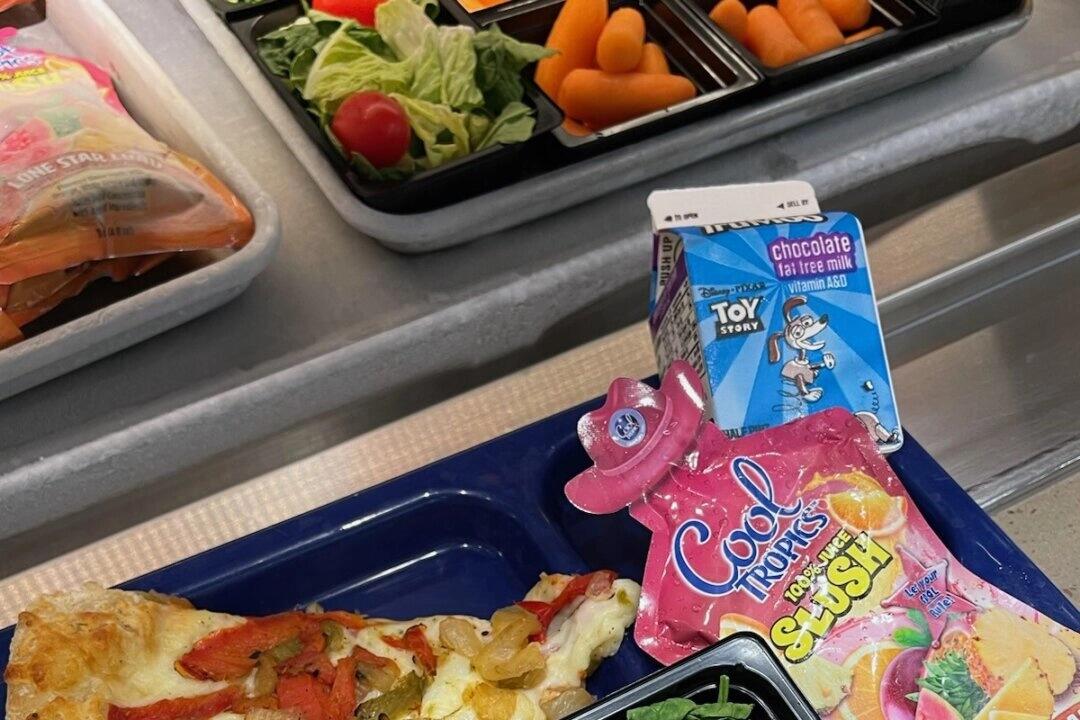 In the months and years ahead, school cafeteria trays could look much different as some state and federal lawmakers push to restrict ultra-processed foods in K–12 public schools, under the premise of assisting students to be happier, healthier, and higher-achieving.
Arizona, California, Louisiana, Utah, and Virginia passed laws removing unhealthy products, ingredients, or food dyes from school cafeterias, with healthier choices being phased in within the next two academic years. Similar legislation is pending in Hawaii, New Jersey, Pennsylvania, and South Carolina, according to the websites of their respective state legislatures.
Foods that are considered “ultra-processed” have an abundance of additives and preservatives and are linked to chronic health issues such as obesity and diabetes, according to the Department of Health and Human Services’ Make Our Children Healthy Again
In the months and years ahead, school cafeteria trays could look much different as some state and federal lawmakers push to restrict ultra-processed foods in K–12 public schools, under the premise of assisting students to be happier, healthier, and higher-achieving.
Arizona, California, Louisiana, Utah, and Virginia passed laws removing unhealthy products, ingredients, or food dyes from school cafeterias, with healthier choices being phased in within the next two academic years. Similar legislation is pending in Hawaii, New Jersey, Pennsylvania, and South Carolina, according to the websites of their respective state legislatures.
Foods that are considered “ultra-processed” have an abundance of additives and preservatives and are linked to chronic health issues such as obesity and diabetes, according to the Department of Health and Human Services’ Make Our Children Healthy Again 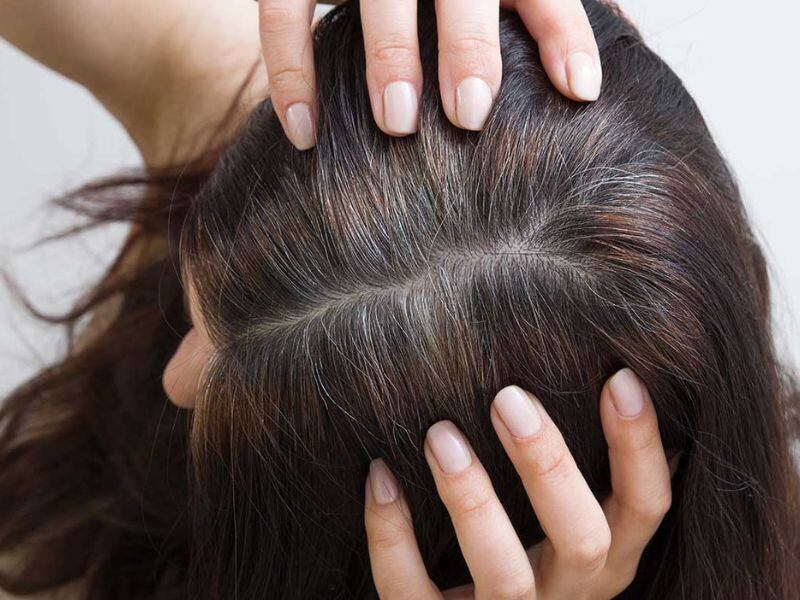 --
✍️ Baking soda can help neutralize brassy or yellow tones in hair with gray canas, but it's not a myth-busting solution to restore lost melanin.
--
👉 Baking soda cannot restore lost melanin in hair follicles
👉 It can neutralize brassy or yellow tones in hair with gray canas
👉 It can eliminate product residue and exfoliate the scalp
👉 It can control excess oil and improve hair appearance
👉 Use baking soda in moderation to avoid irritation or dryness
--
#health
--
--
✍️ Baking soda can help neutralize brassy or yellow tones in hair with gray canas, but it's not a myth-busting solution to restore lost melanin.
--
👉 Baking soda cannot restore lost melanin in hair follicles
👉 It can neutralize brassy or yellow tones in hair with gray canas
👉 It can eliminate product residue and exfoliate the scalp
👉 It can control excess oil and improve hair appearance
👉 Use baking soda in moderation to avoid irritation or dryness
--
#health
--
 30 Basic Skills You’ll Have To Learn After The Collapse.
by Alan Urban
30 Basic Skills We'll Have to Relearn After the Collapse.
The modern world has brought with it a wide range of conveniences that have made life much easier for those fortunate enough to live in a wealthy country. However, these conveniences also mean that a majority of people have forgotten skills that were once basic necessities for survival.
Now, in the event of a major collapse, there are a number of skills that most people will need to relearn in order to survive. If you would like to get a head start on mastering the skills you will need to know following a major disaster, check out these basic skills that most people will be forced to learn after the collapse.
1. Animal Husbandry
Growing a garden is a great way to put food on the table, but if you want more than a vegan diet, then animal husbandry is a skill that you will need to know.
2. Bartering
In a world of cash and credit cards, bartering has become a mostly forgotten skill. There was a time, though, when most all goods were purchased through bartering – and we may very well return to that time in the event of a major collapse.
3. Butchering
Raising an animal such as a goat or a steer to maturity won’t do you any good if you don’t know how to butcher an animal. Likewise, hunting for game such as deer also won’t put any food on the table unless you are able to process your kill.
Before you go out and purchase livestock that you intend to eat or take to the woods on a hunting trip, make sure you know how to butcher an animal.
4. Candle Making
Life without electricity presents a wide range of challenges, and one of those challenges is lighting your home. While there are a number of ways to light a home without relying on electric power, putting up candles is one of the most effective and most convenient methods.
Also, if you know how to make your own candles you can keep your home lit for as long as you have candle-making supplies available.
5. Canning
Knowing how to garden will take you a long way when it comes to keeping food on the table. However, most garden vegetables are only harvested during specific seasons and will only last for a matter of days unrefrigerated.
If you want to ensure that you have a supply of food that will last year-round, knowing how to can the vegetables you harvest is essential.
6. Carpentry and Shelter Building
Being able to construct and repair shelters using natural or scavenged materials is critical for protection from the elements. Skills include understanding structural integrity, insulation techniques, and using hand tools to build or repair homes.
7. Communication Without Technology
In the absence of modern communication tools, alternative methods become crucial. Learning skills such as signaling with mirrors, smoke, or Morse code, and using radios for long-distance communication without relying on the internet or cell service.
8. Community Building and Leadership
Survival often depends on community strength. Skills in conflict resolution, organization, and leadership can help rebuild social structures and create cooperative systems for resource sharing, defense, and mutual support in post-collapse societies.
9. Fire Starting
In almost every disaster scenario, knowing how to start a fire is one of the most important skills you can have.
If you want to ensure that you are able to stay warm, cook food, and more when the electricity goes out, fire starting is definitely a skill that you should learn.
10. First Aid
When going to a hospital or clinic isn’t an option, even minor injuries can become life-threatening. Thankfully, most complications due to injury can be prevented using basic first aid skills.
In a post-collapse scenario, first aid is undoubtedly one of the most important skills to know if you want to survive in a world that is full of injury risks.
11. Fishing
Like hunting, fishing enables you to put fresh meat on the table at a time when purchasing meat from the store is no longer an option.
Best of all, it’s easier in most cases to have success fishing than it is to have success hunting, especially if you have access to a pond, lake, or river that is stocked with fish.
Fishing Early in the Morning
12. Food Preservation
Beyond canning, there are numerous ways to preserve food, including drying, smoking, fermenting, and salting. Mastering these methods can diversify your food storage and extend the shelf life of harvests without reliance on electricity.
13. Foraging
There’s plenty of food to be found in the wilderness providing you know what to look for. Thankfully, foraging is a relatively easy skill to learn. To become a successful forager, you will need to know what plants are edible in your area, where to find them, and how to identify them.
Armed with this knowledge, you should be able to locate a worthwhile amount of food no matter where you might be located.
14. Gardening
Putting food on the table is by far the most concerning challenge that goes along with surviving a major collapse.
If you are able to grow a garden, though, you can ensure that you and your family are fed long after the last supermarket has closed its doors.
15. Herbal Medicine
With limited access to pharmaceuticals, understanding the medicinal properties of plants becomes vital. This skill encompasses identifying beneficial herbs, preparing natural remedies, and knowing their applications for treating common ailments and injuries.
16. Home Maintenance
When things break down around the home and you aren’t able to call for professional help, home maintenance skills such as plumbing, electrical wiring, carpentry, and more will be very valuable.
17. Hunting
If you live in the right area, hunting is a skill that can enable you to put fresh meat on your table at a time when fresh meat is a rare and precious commodity.
There’s a lot that goes into being an effective hunter, though, and many of the skills necessary to bag large game can take years to master. With that said, hunting is a skill that you should start practicing sooner rather than later.
18. Making Butter
Butter is an essential ingredient in a wide range of recipes. It’s also something that people used to make for themselves back in the days when purchasing butter from the store wasn’t an option.
Homemade Butter
Of course, you’ll need fresh milk (and therefore a milk cow) if you want to make butter. If you do have access to fresh milk following a major disaster, knowing how to make your own butter will bring a lot of meals back onto the menu.
19. Making Soap
In addition to keeping your clothes clean, keeping yourself clean will also be much more challenging after a major collapse as well the minute your soap supply runs out.
Thankfully, soap isn’t a difficult product to make, and it’s something that almost everyone knew how to make for themselves back before the days of store-bought soap.
20. Natural Camouflage and Stealth Techniques
In a world where resources are scarce, the ability to move unseen and protect your location can be life-saving. Learning how to use natural materials for camouflage, moving silently, and avoiding detection can be crucial for safety and hunting.
21. Navigation
In a world where almost everyone has access to GPS navigation at all times, navigating the old-fashioned way has become a forgotten skill. But in the event of a major collapse, cell phone service is almost certainly going to be one of the first things to go.
Unless you plan to stay in one location the entire time, knowing how to navigate without using a GPS will be an essential skill. Purchasing some maps and planning your bug out routes is a great place to start. Learning how to navigate in the wilderness using the stars and physical landmarks is also a valuable skill to know.
22. Renewable Energy Harnessing
As traditional energy sources become unavailable, the ability to harness renewable energy can provide essential power. Skills in building and maintaining wind turbines or water wheels can ensure access to electricity for basic needs.
23. Seed Harvesting
If you’ve stockpiled seeds, growing your first garden shouldn’t be an insurmountable challenge. Once you’ve run out of seeds, growing another garden the following year becomes much more difficult.
Unless you are certain that you have enough seeds set aside to keep growing food for as long as necessary, learning how to harvest and store seeds from the vegetables you’ve planted is very important.
24. Sewing
When replacing torn clothing with brand-new clothing is no longer an option, sewing will be an invaluable skill to possess. Since electricity isn’t a given after a collapse, learning how to sew by hand is your best bet.
Related: Needle & Thread – Sewing 101
25. Tanning
Fresh meat may be your primary reason for raising animals such as cows and goats after a major collapse, but there’s no sense in wasting the skin you have leftover when it can be turned into clothing, tents, and more.
If you learn how to tan hide, you can put animal skin to use for a wide range of purposes.
26. Vehicle Maintenance
If you’ve stockpiled enough fuel, your vehicles will continue to be a very valuable resource following a major disaster.
Unless you know how to maintain a vehicle without relying on a mechanic, though, you won’t be able to rely on your vehicles for very long.
Washing Clothes by Hand
27. Washing Clothes by Hand
Laundry machines have turned a once-tedious task into something that no requires little effort at all. Without the convenience of electricity, though, you’ll need to learn how to properly wash clothes by hand if you want to ensure that you and your family have clean clothes to wear.
Related: How To Wash Your Clothes Without a Washing Machine
28. Water Filtration and Purification
Clean drinking water is a cornerstone of survival. Knowing how to filter and purify water using natural or improvised methods ensures access to safe drinking water when traditional systems fail. Techniques might include boiling, using sand and charcoal filters, or solar distillation.
29. Welding
Being able to weld enables you to repair a wide range of metal products as well as make new parts and products using scrap metal.
Of course, welding requires electrical power in addition to a number of supplies, so you will likely need a quality generator if you want to ensure that you are able to weld, regardless of whether or not the power has gone out.
30. Well Drilling
After a major disaster or societal collapse, tap water may no longer be available. Of course, water is by far the most essential ingredient for survival.
While you may be able to gather and purify water from a nearby stream, digging a well will be a much better long-term solution. Well-drilling is a skill that most people used to know, and it’s one that could become very important again should there come a day tap water is no longer available.
Credits Goes to the respective
Author ✍️/ Photographer📸
🐇 🕳️
30 Basic Skills You’ll Have To Learn After The Collapse.
by Alan Urban
30 Basic Skills We'll Have to Relearn After the Collapse.
The modern world has brought with it a wide range of conveniences that have made life much easier for those fortunate enough to live in a wealthy country. However, these conveniences also mean that a majority of people have forgotten skills that were once basic necessities for survival.
Now, in the event of a major collapse, there are a number of skills that most people will need to relearn in order to survive. If you would like to get a head start on mastering the skills you will need to know following a major disaster, check out these basic skills that most people will be forced to learn after the collapse.
1. Animal Husbandry
Growing a garden is a great way to put food on the table, but if you want more than a vegan diet, then animal husbandry is a skill that you will need to know.
2. Bartering
In a world of cash and credit cards, bartering has become a mostly forgotten skill. There was a time, though, when most all goods were purchased through bartering – and we may very well return to that time in the event of a major collapse.
3. Butchering
Raising an animal such as a goat or a steer to maturity won’t do you any good if you don’t know how to butcher an animal. Likewise, hunting for game such as deer also won’t put any food on the table unless you are able to process your kill.
Before you go out and purchase livestock that you intend to eat or take to the woods on a hunting trip, make sure you know how to butcher an animal.
4. Candle Making
Life without electricity presents a wide range of challenges, and one of those challenges is lighting your home. While there are a number of ways to light a home without relying on electric power, putting up candles is one of the most effective and most convenient methods.
Also, if you know how to make your own candles you can keep your home lit for as long as you have candle-making supplies available.
5. Canning
Knowing how to garden will take you a long way when it comes to keeping food on the table. However, most garden vegetables are only harvested during specific seasons and will only last for a matter of days unrefrigerated.
If you want to ensure that you have a supply of food that will last year-round, knowing how to can the vegetables you harvest is essential.
6. Carpentry and Shelter Building
Being able to construct and repair shelters using natural or scavenged materials is critical for protection from the elements. Skills include understanding structural integrity, insulation techniques, and using hand tools to build or repair homes.
7. Communication Without Technology
In the absence of modern communication tools, alternative methods become crucial. Learning skills such as signaling with mirrors, smoke, or Morse code, and using radios for long-distance communication without relying on the internet or cell service.
8. Community Building and Leadership
Survival often depends on community strength. Skills in conflict resolution, organization, and leadership can help rebuild social structures and create cooperative systems for resource sharing, defense, and mutual support in post-collapse societies.
9. Fire Starting
In almost every disaster scenario, knowing how to start a fire is one of the most important skills you can have.
If you want to ensure that you are able to stay warm, cook food, and more when the electricity goes out, fire starting is definitely a skill that you should learn.
10. First Aid
When going to a hospital or clinic isn’t an option, even minor injuries can become life-threatening. Thankfully, most complications due to injury can be prevented using basic first aid skills.
In a post-collapse scenario, first aid is undoubtedly one of the most important skills to know if you want to survive in a world that is full of injury risks.
11. Fishing
Like hunting, fishing enables you to put fresh meat on the table at a time when purchasing meat from the store is no longer an option.
Best of all, it’s easier in most cases to have success fishing than it is to have success hunting, especially if you have access to a pond, lake, or river that is stocked with fish.
Fishing Early in the Morning
12. Food Preservation
Beyond canning, there are numerous ways to preserve food, including drying, smoking, fermenting, and salting. Mastering these methods can diversify your food storage and extend the shelf life of harvests without reliance on electricity.
13. Foraging
There’s plenty of food to be found in the wilderness providing you know what to look for. Thankfully, foraging is a relatively easy skill to learn. To become a successful forager, you will need to know what plants are edible in your area, where to find them, and how to identify them.
Armed with this knowledge, you should be able to locate a worthwhile amount of food no matter where you might be located.
14. Gardening
Putting food on the table is by far the most concerning challenge that goes along with surviving a major collapse.
If you are able to grow a garden, though, you can ensure that you and your family are fed long after the last supermarket has closed its doors.
15. Herbal Medicine
With limited access to pharmaceuticals, understanding the medicinal properties of plants becomes vital. This skill encompasses identifying beneficial herbs, preparing natural remedies, and knowing their applications for treating common ailments and injuries.
16. Home Maintenance
When things break down around the home and you aren’t able to call for professional help, home maintenance skills such as plumbing, electrical wiring, carpentry, and more will be very valuable.
17. Hunting
If you live in the right area, hunting is a skill that can enable you to put fresh meat on your table at a time when fresh meat is a rare and precious commodity.
There’s a lot that goes into being an effective hunter, though, and many of the skills necessary to bag large game can take years to master. With that said, hunting is a skill that you should start practicing sooner rather than later.
18. Making Butter
Butter is an essential ingredient in a wide range of recipes. It’s also something that people used to make for themselves back in the days when purchasing butter from the store wasn’t an option.
Homemade Butter
Of course, you’ll need fresh milk (and therefore a milk cow) if you want to make butter. If you do have access to fresh milk following a major disaster, knowing how to make your own butter will bring a lot of meals back onto the menu.
19. Making Soap
In addition to keeping your clothes clean, keeping yourself clean will also be much more challenging after a major collapse as well the minute your soap supply runs out.
Thankfully, soap isn’t a difficult product to make, and it’s something that almost everyone knew how to make for themselves back before the days of store-bought soap.
20. Natural Camouflage and Stealth Techniques
In a world where resources are scarce, the ability to move unseen and protect your location can be life-saving. Learning how to use natural materials for camouflage, moving silently, and avoiding detection can be crucial for safety and hunting.
21. Navigation
In a world where almost everyone has access to GPS navigation at all times, navigating the old-fashioned way has become a forgotten skill. But in the event of a major collapse, cell phone service is almost certainly going to be one of the first things to go.
Unless you plan to stay in one location the entire time, knowing how to navigate without using a GPS will be an essential skill. Purchasing some maps and planning your bug out routes is a great place to start. Learning how to navigate in the wilderness using the stars and physical landmarks is also a valuable skill to know.
22. Renewable Energy Harnessing
As traditional energy sources become unavailable, the ability to harness renewable energy can provide essential power. Skills in building and maintaining wind turbines or water wheels can ensure access to electricity for basic needs.
23. Seed Harvesting
If you’ve stockpiled seeds, growing your first garden shouldn’t be an insurmountable challenge. Once you’ve run out of seeds, growing another garden the following year becomes much more difficult.
Unless you are certain that you have enough seeds set aside to keep growing food for as long as necessary, learning how to harvest and store seeds from the vegetables you’ve planted is very important.
24. Sewing
When replacing torn clothing with brand-new clothing is no longer an option, sewing will be an invaluable skill to possess. Since electricity isn’t a given after a collapse, learning how to sew by hand is your best bet.
Related: Needle & Thread – Sewing 101
25. Tanning
Fresh meat may be your primary reason for raising animals such as cows and goats after a major collapse, but there’s no sense in wasting the skin you have leftover when it can be turned into clothing, tents, and more.
If you learn how to tan hide, you can put animal skin to use for a wide range of purposes.
26. Vehicle Maintenance
If you’ve stockpiled enough fuel, your vehicles will continue to be a very valuable resource following a major disaster.
Unless you know how to maintain a vehicle without relying on a mechanic, though, you won’t be able to rely on your vehicles for very long.
Washing Clothes by Hand
27. Washing Clothes by Hand
Laundry machines have turned a once-tedious task into something that no requires little effort at all. Without the convenience of electricity, though, you’ll need to learn how to properly wash clothes by hand if you want to ensure that you and your family have clean clothes to wear.
Related: How To Wash Your Clothes Without a Washing Machine
28. Water Filtration and Purification
Clean drinking water is a cornerstone of survival. Knowing how to filter and purify water using natural or improvised methods ensures access to safe drinking water when traditional systems fail. Techniques might include boiling, using sand and charcoal filters, or solar distillation.
29. Welding
Being able to weld enables you to repair a wide range of metal products as well as make new parts and products using scrap metal.
Of course, welding requires electrical power in addition to a number of supplies, so you will likely need a quality generator if you want to ensure that you are able to weld, regardless of whether or not the power has gone out.
30. Well Drilling
After a major disaster or societal collapse, tap water may no longer be available. Of course, water is by far the most essential ingredient for survival.
While you may be able to gather and purify water from a nearby stream, digging a well will be a much better long-term solution. Well-drilling is a skill that most people used to know, and it’s one that could become very important again should there come a day tap water is no longer available.
Credits Goes to the respective
Author ✍️/ Photographer📸
🐇 🕳️ 27 Most Overlooked Survival Foods.
When you read about what to stockpile for an emergency, you tend to see the same recommendations. Water tops every list, and rightly so since water is essential for survival.
In terms of food, however, rice, beans, pasta, and canned vegetables show up frequently as staples to have on hand. Then, you usually see sugar, flour, and other long-lasting foods. These are good options, but many other choices are often overlooked.
Here is a list of foods and ingredients that offer a long shelf life as well as nutrition that you will need in an emergency scenario.
1. Bouillon Cubes
Bouillon cubes are more important than most people realize. They last indefinitely, they take up very little space, and they can make a pot of stew taste about ten times better, in my opinion.
2. Canned Coconut Milk
Canned coconut milk, with a shelf life of 2 to 5 years, is a great item to have in your emergency pantry. It's not only a key ingredient in many Asian dishes but also serves as a dairy substitute for those with lactose intolerance. Rich in calories and healthy fats, it can provide the much-needed energy in a survival situation. Use it in cooking, baking, or even as a creamer in your emergency coffee supply.
3. Canned Pink Salmon
Canned pink salmon offers a shelf life of up to six years when stored unopened in a cool, dark pantry. The fish is filling and offers healthy omega-3 fatty acids in a high-quality protein form. A USDA study found that there were slightly higher levels of two omega-3 acids in canned pink salmon than there were in fresh salmon.
4. Cocoa Powder
Everybody takes chocolate for granted, but did you know that in the near future, it could become a rare delicacy? Chocolate consumption is increasing faster than cocoa production. Pretty soon, people might only get to enjoy chocolate during the holidays.
The good news is that cocoa powder can last for decades when stored properly. Although no one needs a cup of hot chocolate to survive the collapse of society, it certainly doesn't hurt.
5. Coconut Oil
Coconut oil is solid at room temperature and is able to withstand high cooking temperatures (such as over a fire in a survival situation). It routinely has a shelf life of more than two years, and you can use it as a replacement for butter in baking and cooking.
Coconut oil also has many other purposes in an emergency scenario, including as a skin moisturizer, as a healing balm, and as a hair product.
6. Dehydrated Fruit
Offering a range of healthy vitamins and nutrients as well as calories, most dehydrated fruits will store well for up to five years. And there are plenty of options besides raisins and dates. Try dried cranberries, figs, dried cherries, dried apricots, banana chips, dried mangoes, dried blueberries, and dried plums.
Dried Fruit Trail Mix
You can dry fruits in your oven, in a dehydrator, or even out in the sunlight. For best results, remove and replace store packaging with mylar bags or other air-tight containers.
7. Dehydrated Veggies
You know about stockpiling canned veggies, but did you know dehydrated carrots can last up to 20 years under proper conditions? And dried corn can have a 10-year shelf life. If you've never dehydrated fruit or veggies before, check out our beginner's guide to dehydrating food.
8. Dried Lentils
Dried lentils are a powerhouse of nutrition and an excellent source of plant-based protein and fiber. With a shelf life of up to 30 years when stored properly, they are an ideal survival food. Lentils cook faster than most dried beans and don't require soaking, making them a convenient option in situations where fuel and time are limited. They can be used in soups, stews, and even ground into flour for baking.
9. Garbanzo Beans
These beans are flavorful, protein-rich, and inexpensive. They're also called chickpeas, and in their dry form, they have a shelf life of up to 30 years or even more.
10. Instant Coffee
While not a necessity, instant coffee can be a morale booster during tough times. It has an almost indefinite shelf life when stored properly and can provide a quick source of comfort and normalcy, as well as a caffeine kick to boost energy and alertness. Instant coffee can be easily prepared with hot water, and it takes up very little space in your storage, making it an excellent addition to your emergency food supplies.
11. Jerky
Eating dehydrated meat in the form of jerky is a good way to get protein in an emergency situation. Jerky takes up little space in your pantry and stores well for long periods. You can make your own jerky from a variety of meats in your oven or dehydrator or even over a fire. Check out this delicious beef jerky recipe.
12. Jello
Here's another one that isn't crucial for surviving a grid-down disaster, but it'd still be nice to have. Don't underestimate the importance of comfort foods. They give you something to look forward to and create a sense of normalcy that makes coping with a major disaster just a little bit easier.
Jello powder has an indefinite shelf life, and it doesn't take much space, so stock up.
13. Kamut
Kamut is another nutritious grain to consider for your stockpile. It is easy to digest and provides more energy than regular wheat. This ancient grain contains up to 40 percent more protein than modern wheat, and it is richer in zinc, magnesium, selenium, and healthy fatty acids. Its high lipid content has given it the nickname of the “high-energy grain.”
14. Lentils
High in protein, lentils boost energy and support healthy digestion. You do not need to pre-soak dried lentils, so they are easier to prepare and gentler on your water supply than other beans. Best of all, whole lentils (as opposed to split ones) will store well for up to five years in air-tight containers.
15. Maple Syrup
Can you imagine making a stack of pancakes from scratch only to realize you don't have any maple syrup? Yes, you can eat them without syrup, but it's just not the same. Maple syrup is another comfort food that makes life after the collapse a little more bearable.
16. Millet
Millet is an affordable, nutritious, and filling alternative to wheat and rice. It’s also a good option for people who must avoid gluten. Millet contains vitamin B, iron, calcium, potassium, magnesium, zinc, and healthy fats. It also offers protein and dietary fiber.
17. Nut Butters
Calorie-dense and easy to store, peanut butter makes many pantry lists for preppers, but don’t neglect the benefits of other nut butters.
Two kinds of butter that are good choices for both nutrition and long-term storage are sun butter (made from sunflower seeds) and almond butter. They are quick and easy sources of energy and nutrition.
Selection of Nut Butters
18. Nuts and Seeds
Portable and tasty, nuts and seeds are a great survival food. Try hazelnuts, almonds, walnuts, cashews, pecans, Brazil nuts, as well as sunflower seeds, pumpkin seeds, and alfalfa seeds.
Nuts and seeds are susceptible to heat and humidity, however, and will go rancid without proper storage methods. Here are some tips for storing nuts and seeds in your pantry.
19. Pemmican
Pemmican has been called the ultimate survival food. Invented by Native North Americans and traditionally made of venison or buffalo, pemmican is low-fat dried meat (traditionally dried over a fire) that is mixed with fat and berries and then pressed into biscuit-sized shapes.
When prepared properly, pemmican can last up to 50 years! Here’s how to make your own pemmican.
20. Powdered Eggs
Eggs are a crucial ingredient for so many recipes. But if you don't have chickens, then whatever eggs you've stored won't last for long. The solution is to use powdered eggs instead. Although they don't taste great on their own, they make a decent substitute for regular eggs in most recipes.
Note: Stay away from scrambled egg mixes as they're more expensive but not any better than regular powdered eggs.
21. Powdered Milk
As with eggs, you can only store so much. If you don't drink your entire supply of milk within a few weeks, it will all go bad. The solution is powdered milk, which can last a surprisingly long time when stored in the right conditions.
I'll be honest, a glass of milk made from water and powdered milk doesn't taste great, but it's better than nothing if you're eating cereal, and it works great in most recipes that call for milk.
22. Protein Bars
Why protein bars? In many disaster scenarios, you could find yourself doing lots of manual labor—making repairs, chopping up trees, working in the garden, and so forth. If that happens, don't just rely on high-carb foods. They may give you a quick burst of energy, but it usually won't last long.
Be sure you also eat plenty of protein to help your muscles recover faster. Be warned, if you get the kind with chocolate, they will melt all over the place if you don't keep them in a cool environment.
23. Quinoa
Nicknamed the “mother of all grains” by the ancient Incas, quinoa contains eight grams of protein per cup and offers eight essential amino acids. You can store uncooked quinoa in air-tight containers in your pantry for months.
24. Rolled Oats
Rolled oats are a versatile and nutritious addition to any emergency food supply. Not only do they have a long shelf life, they're also packed with essential nutrients like fiber, protein, and iron. Oats can be used in a variety of ways – from a simple, hearty breakfast porridge to a base for homemade granola bars. Plus, they can be ground into flour for baking or used as a thickener in soups and stews.
25. Tomatoes
Canned tomatoes are a natural for the emergency pantry. You can use them in soups, stews, and sauces. Whether you are storing your home-grown tomatoes or store-bought ones, it is important to check tomato containers frequently in the pantry for spoilage. Here's a video that explains how to can tomatoes.
26. Vanilla Extract
Here's another ingredient that can last forever. While it's not very crucial, I think vanilla extract is important to have anyway as it can greatly enhance the taste of cookies, pancakes, and other baked goods.
27. Yeast
While you can make bread without yeast, it's usually not as good. If you want the classic, delicious, home-baked bread, you gotta have some yeast on hand. The cool thing about yeast is that you can keep it going indefinitely by adding flour and water every now and then.
Dry and Fresh Yeast
Food Storage Tips
Now that we’ve listed some items to include in your pantry, let’s go over some other emergency pantry tips.
Do have a hand-operated can opener available? Your countertop one won’t do you much good when the power is out.
Don’t forget the water. Plan to store at least a couple gallons of water per family member per day.
Include foods that your family enjoys on a daily basis. During a stressful situation, it is wise to have familiar foods on hand to lower everyone’s stress levels.
Don’t forget your pets and livestock. Store enough animal food and water to meet their basic needs in a crisis.
Remember to include food and other necessities for your infant and toddler in your emergency pantry.
Don’t be caught in the dark. Keep flashlights, batteries, matches, and candles in an easy-to-find location. If your pantry is in your basement or a dark closet, keeping these items in or near the pantry is a good idea.
Check your food storage on a regular basis, rotating them into your regular meals and replacing them with fresh ones as necessary. While most of the items on our list have a long shelf life, it is crucial to look for any problems that could occur during storage due to heat, sunlight, moisture, or insect infestation.
Don’t lose track of what you have stored. Use a notebook or a computer spreadsheet to note the items and the dates they go into storage. Follow the FIFO rule (First In, First Out), noting changes in your inventory when the items rotate out.
Finally, building up an emergency food supply can seem rather daunting and even depressing at first. It also can be expensive to think about purchasing these items all at once.
Don’t feel like you have to get it all done right away. You can build up your food supply gradually on a week-by-week basis. If there is a sale on something at the supermarket or if you have a bounty from your garden, you can eat some now and put some aside for storage. Then add more items as you go.
Also, if you are short on space, don’t feel you need to have a special room set aside for your emergency food supply. Many people are able to stock items well on high closet shelves or in plastic storage bins under dressers, sofas, or dressers, and many other places.
Credits Goes to the respective
Author ✍️/ Photographer📸
🐇 🕳️
27 Most Overlooked Survival Foods.
When you read about what to stockpile for an emergency, you tend to see the same recommendations. Water tops every list, and rightly so since water is essential for survival.
In terms of food, however, rice, beans, pasta, and canned vegetables show up frequently as staples to have on hand. Then, you usually see sugar, flour, and other long-lasting foods. These are good options, but many other choices are often overlooked.
Here is a list of foods and ingredients that offer a long shelf life as well as nutrition that you will need in an emergency scenario.
1. Bouillon Cubes
Bouillon cubes are more important than most people realize. They last indefinitely, they take up very little space, and they can make a pot of stew taste about ten times better, in my opinion.
2. Canned Coconut Milk
Canned coconut milk, with a shelf life of 2 to 5 years, is a great item to have in your emergency pantry. It's not only a key ingredient in many Asian dishes but also serves as a dairy substitute for those with lactose intolerance. Rich in calories and healthy fats, it can provide the much-needed energy in a survival situation. Use it in cooking, baking, or even as a creamer in your emergency coffee supply.
3. Canned Pink Salmon
Canned pink salmon offers a shelf life of up to six years when stored unopened in a cool, dark pantry. The fish is filling and offers healthy omega-3 fatty acids in a high-quality protein form. A USDA study found that there were slightly higher levels of two omega-3 acids in canned pink salmon than there were in fresh salmon.
4. Cocoa Powder
Everybody takes chocolate for granted, but did you know that in the near future, it could become a rare delicacy? Chocolate consumption is increasing faster than cocoa production. Pretty soon, people might only get to enjoy chocolate during the holidays.
The good news is that cocoa powder can last for decades when stored properly. Although no one needs a cup of hot chocolate to survive the collapse of society, it certainly doesn't hurt.
5. Coconut Oil
Coconut oil is solid at room temperature and is able to withstand high cooking temperatures (such as over a fire in a survival situation). It routinely has a shelf life of more than two years, and you can use it as a replacement for butter in baking and cooking.
Coconut oil also has many other purposes in an emergency scenario, including as a skin moisturizer, as a healing balm, and as a hair product.
6. Dehydrated Fruit
Offering a range of healthy vitamins and nutrients as well as calories, most dehydrated fruits will store well for up to five years. And there are plenty of options besides raisins and dates. Try dried cranberries, figs, dried cherries, dried apricots, banana chips, dried mangoes, dried blueberries, and dried plums.
Dried Fruit Trail Mix
You can dry fruits in your oven, in a dehydrator, or even out in the sunlight. For best results, remove and replace store packaging with mylar bags or other air-tight containers.
7. Dehydrated Veggies
You know about stockpiling canned veggies, but did you know dehydrated carrots can last up to 20 years under proper conditions? And dried corn can have a 10-year shelf life. If you've never dehydrated fruit or veggies before, check out our beginner's guide to dehydrating food.
8. Dried Lentils
Dried lentils are a powerhouse of nutrition and an excellent source of plant-based protein and fiber. With a shelf life of up to 30 years when stored properly, they are an ideal survival food. Lentils cook faster than most dried beans and don't require soaking, making them a convenient option in situations where fuel and time are limited. They can be used in soups, stews, and even ground into flour for baking.
9. Garbanzo Beans
These beans are flavorful, protein-rich, and inexpensive. They're also called chickpeas, and in their dry form, they have a shelf life of up to 30 years or even more.
10. Instant Coffee
While not a necessity, instant coffee can be a morale booster during tough times. It has an almost indefinite shelf life when stored properly and can provide a quick source of comfort and normalcy, as well as a caffeine kick to boost energy and alertness. Instant coffee can be easily prepared with hot water, and it takes up very little space in your storage, making it an excellent addition to your emergency food supplies.
11. Jerky
Eating dehydrated meat in the form of jerky is a good way to get protein in an emergency situation. Jerky takes up little space in your pantry and stores well for long periods. You can make your own jerky from a variety of meats in your oven or dehydrator or even over a fire. Check out this delicious beef jerky recipe.
12. Jello
Here's another one that isn't crucial for surviving a grid-down disaster, but it'd still be nice to have. Don't underestimate the importance of comfort foods. They give you something to look forward to and create a sense of normalcy that makes coping with a major disaster just a little bit easier.
Jello powder has an indefinite shelf life, and it doesn't take much space, so stock up.
13. Kamut
Kamut is another nutritious grain to consider for your stockpile. It is easy to digest and provides more energy than regular wheat. This ancient grain contains up to 40 percent more protein than modern wheat, and it is richer in zinc, magnesium, selenium, and healthy fatty acids. Its high lipid content has given it the nickname of the “high-energy grain.”
14. Lentils
High in protein, lentils boost energy and support healthy digestion. You do not need to pre-soak dried lentils, so they are easier to prepare and gentler on your water supply than other beans. Best of all, whole lentils (as opposed to split ones) will store well for up to five years in air-tight containers.
15. Maple Syrup
Can you imagine making a stack of pancakes from scratch only to realize you don't have any maple syrup? Yes, you can eat them without syrup, but it's just not the same. Maple syrup is another comfort food that makes life after the collapse a little more bearable.
16. Millet
Millet is an affordable, nutritious, and filling alternative to wheat and rice. It’s also a good option for people who must avoid gluten. Millet contains vitamin B, iron, calcium, potassium, magnesium, zinc, and healthy fats. It also offers protein and dietary fiber.
17. Nut Butters
Calorie-dense and easy to store, peanut butter makes many pantry lists for preppers, but don’t neglect the benefits of other nut butters.
Two kinds of butter that are good choices for both nutrition and long-term storage are sun butter (made from sunflower seeds) and almond butter. They are quick and easy sources of energy and nutrition.
Selection of Nut Butters
18. Nuts and Seeds
Portable and tasty, nuts and seeds are a great survival food. Try hazelnuts, almonds, walnuts, cashews, pecans, Brazil nuts, as well as sunflower seeds, pumpkin seeds, and alfalfa seeds.
Nuts and seeds are susceptible to heat and humidity, however, and will go rancid without proper storage methods. Here are some tips for storing nuts and seeds in your pantry.
19. Pemmican
Pemmican has been called the ultimate survival food. Invented by Native North Americans and traditionally made of venison or buffalo, pemmican is low-fat dried meat (traditionally dried over a fire) that is mixed with fat and berries and then pressed into biscuit-sized shapes.
When prepared properly, pemmican can last up to 50 years! Here’s how to make your own pemmican.
20. Powdered Eggs
Eggs are a crucial ingredient for so many recipes. But if you don't have chickens, then whatever eggs you've stored won't last for long. The solution is to use powdered eggs instead. Although they don't taste great on their own, they make a decent substitute for regular eggs in most recipes.
Note: Stay away from scrambled egg mixes as they're more expensive but not any better than regular powdered eggs.
21. Powdered Milk
As with eggs, you can only store so much. If you don't drink your entire supply of milk within a few weeks, it will all go bad. The solution is powdered milk, which can last a surprisingly long time when stored in the right conditions.
I'll be honest, a glass of milk made from water and powdered milk doesn't taste great, but it's better than nothing if you're eating cereal, and it works great in most recipes that call for milk.
22. Protein Bars
Why protein bars? In many disaster scenarios, you could find yourself doing lots of manual labor—making repairs, chopping up trees, working in the garden, and so forth. If that happens, don't just rely on high-carb foods. They may give you a quick burst of energy, but it usually won't last long.
Be sure you also eat plenty of protein to help your muscles recover faster. Be warned, if you get the kind with chocolate, they will melt all over the place if you don't keep them in a cool environment.
23. Quinoa
Nicknamed the “mother of all grains” by the ancient Incas, quinoa contains eight grams of protein per cup and offers eight essential amino acids. You can store uncooked quinoa in air-tight containers in your pantry for months.
24. Rolled Oats
Rolled oats are a versatile and nutritious addition to any emergency food supply. Not only do they have a long shelf life, they're also packed with essential nutrients like fiber, protein, and iron. Oats can be used in a variety of ways – from a simple, hearty breakfast porridge to a base for homemade granola bars. Plus, they can be ground into flour for baking or used as a thickener in soups and stews.
25. Tomatoes
Canned tomatoes are a natural for the emergency pantry. You can use them in soups, stews, and sauces. Whether you are storing your home-grown tomatoes or store-bought ones, it is important to check tomato containers frequently in the pantry for spoilage. Here's a video that explains how to can tomatoes.
26. Vanilla Extract
Here's another ingredient that can last forever. While it's not very crucial, I think vanilla extract is important to have anyway as it can greatly enhance the taste of cookies, pancakes, and other baked goods.
27. Yeast
While you can make bread without yeast, it's usually not as good. If you want the classic, delicious, home-baked bread, you gotta have some yeast on hand. The cool thing about yeast is that you can keep it going indefinitely by adding flour and water every now and then.
Dry and Fresh Yeast
Food Storage Tips
Now that we’ve listed some items to include in your pantry, let’s go over some other emergency pantry tips.
Do have a hand-operated can opener available? Your countertop one won’t do you much good when the power is out.
Don’t forget the water. Plan to store at least a couple gallons of water per family member per day.
Include foods that your family enjoys on a daily basis. During a stressful situation, it is wise to have familiar foods on hand to lower everyone’s stress levels.
Don’t forget your pets and livestock. Store enough animal food and water to meet their basic needs in a crisis.
Remember to include food and other necessities for your infant and toddler in your emergency pantry.
Don’t be caught in the dark. Keep flashlights, batteries, matches, and candles in an easy-to-find location. If your pantry is in your basement or a dark closet, keeping these items in or near the pantry is a good idea.
Check your food storage on a regular basis, rotating them into your regular meals and replacing them with fresh ones as necessary. While most of the items on our list have a long shelf life, it is crucial to look for any problems that could occur during storage due to heat, sunlight, moisture, or insect infestation.
Don’t lose track of what you have stored. Use a notebook or a computer spreadsheet to note the items and the dates they go into storage. Follow the FIFO rule (First In, First Out), noting changes in your inventory when the items rotate out.
Finally, building up an emergency food supply can seem rather daunting and even depressing at first. It also can be expensive to think about purchasing these items all at once.
Don’t feel like you have to get it all done right away. You can build up your food supply gradually on a week-by-week basis. If there is a sale on something at the supermarket or if you have a bounty from your garden, you can eat some now and put some aside for storage. Then add more items as you go.
Also, if you are short on space, don’t feel you need to have a special room set aside for your emergency food supply. Many people are able to stock items well on high closet shelves or in plastic storage bins under dressers, sofas, or dressers, and many other places.
Credits Goes to the respective
Author ✍️/ Photographer📸
🐇 🕳️ Homemade tricks with a product you probably already have at home. Simple solutions for stains, noises, and opaque surfaces.