Profile

User's avatar
npub1vdd8...wted
npub1vdd8...wted
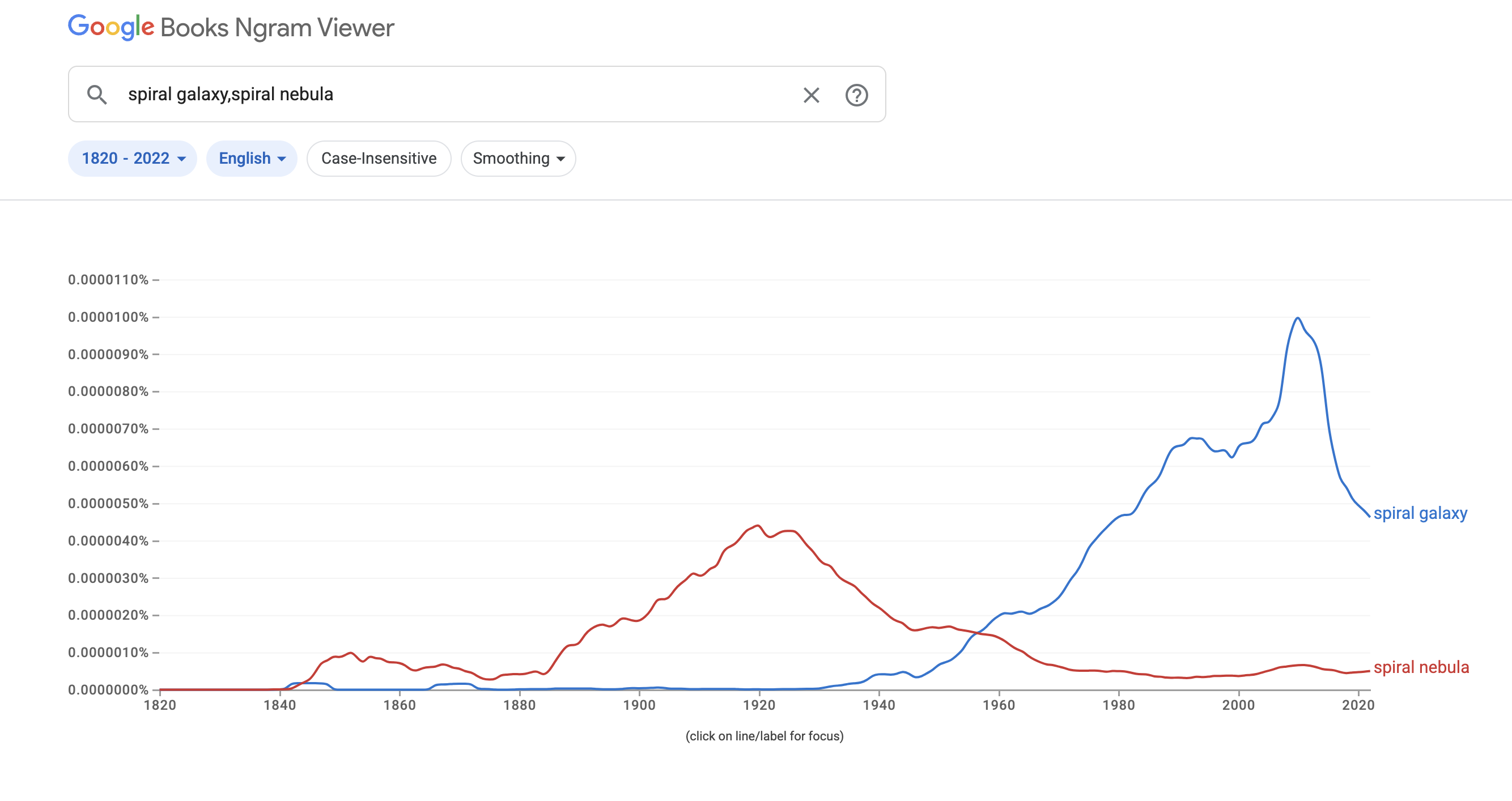
I've been reading some old astronomy papers (as one does on a Saturday night), and was surprised to come across the term "extragalactic nebula" to describe a galaxy in a paper written in 1941. The famous "great debate" took place in 1920, with Harlow Shapley arguing that the "spiral nebulae" were within the Milky Way and Heber Curtis arguing that they were distant "island universes". Edwin Hubble solved this debate once and for all in 1929, by measuring the distances to several spiral nebulae like Andromeda and Triangulum, and showing they were too far away to be within the Milky Way. So then, why were astronomers still referring to these things as nebulae into the 1940s? 1/ image
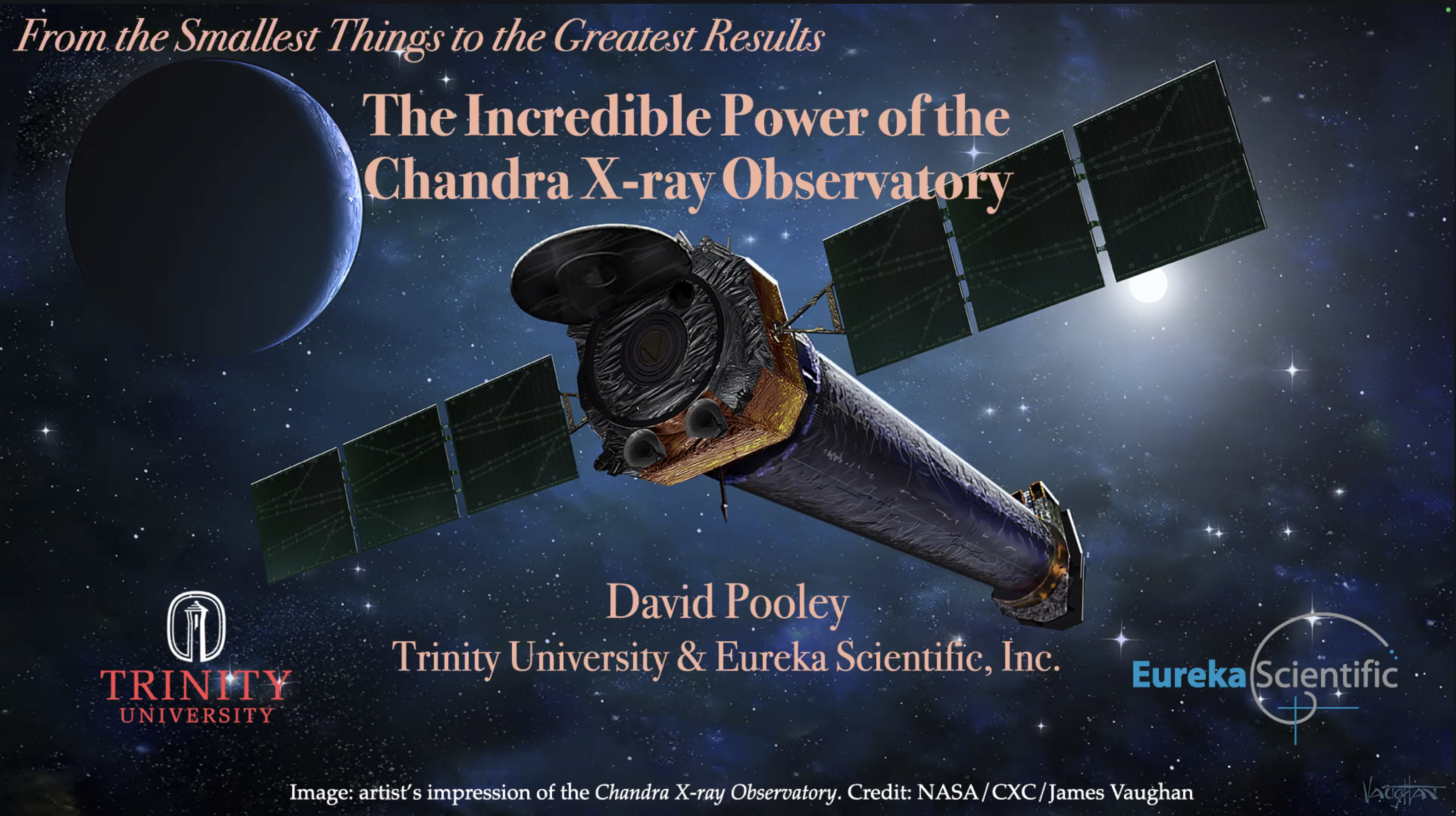
Day 2 #AAS245 Dave Pooley had the first plenary lecture: From the Smallest Things to the Greatest Results β€” The Incredible Power of the Chandra X-ray Observatory In addition to giving us some history, this talk made the case for Chandra science, and its continued importance in the face of possible mission-ending budget cuts. image
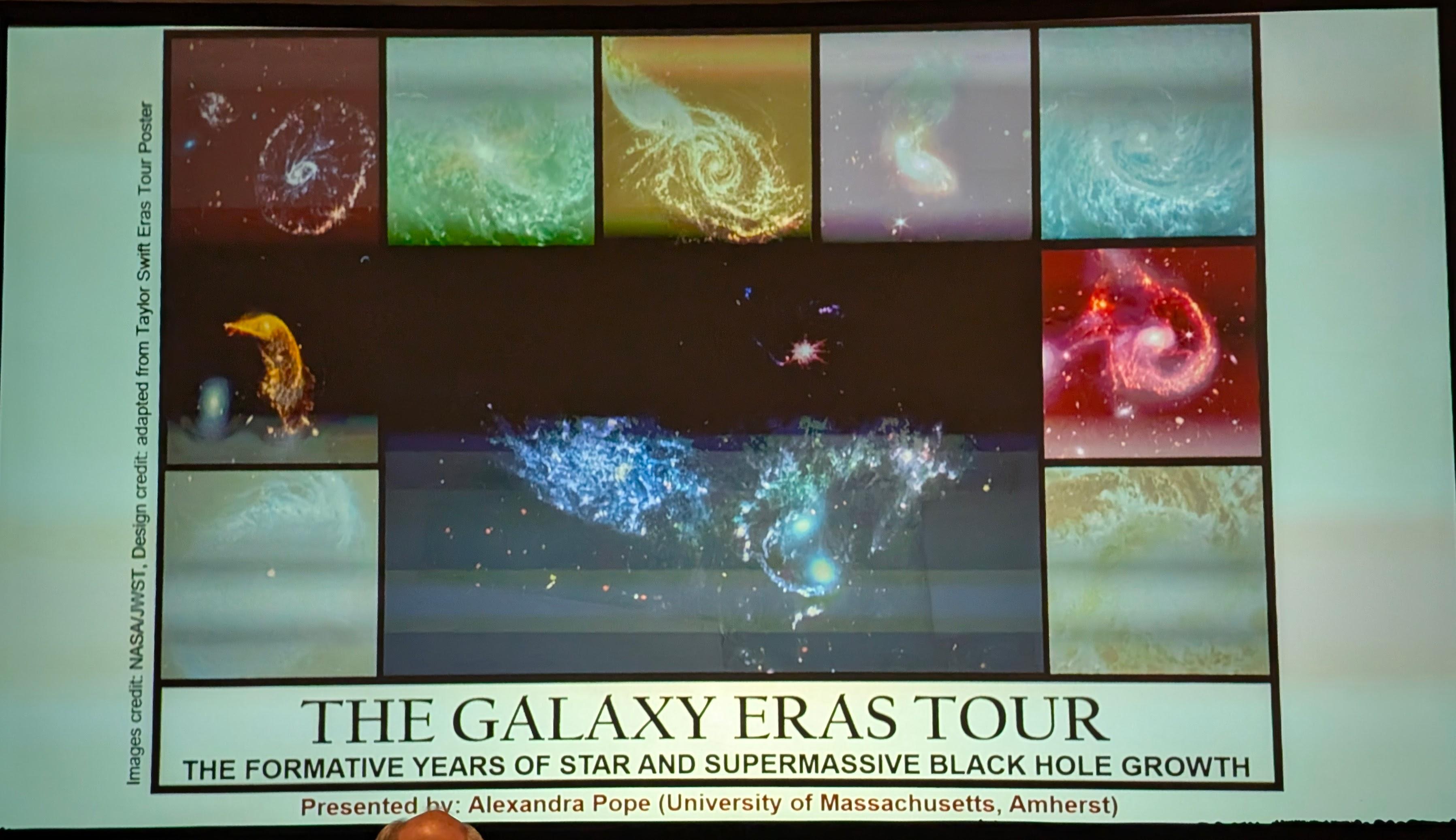
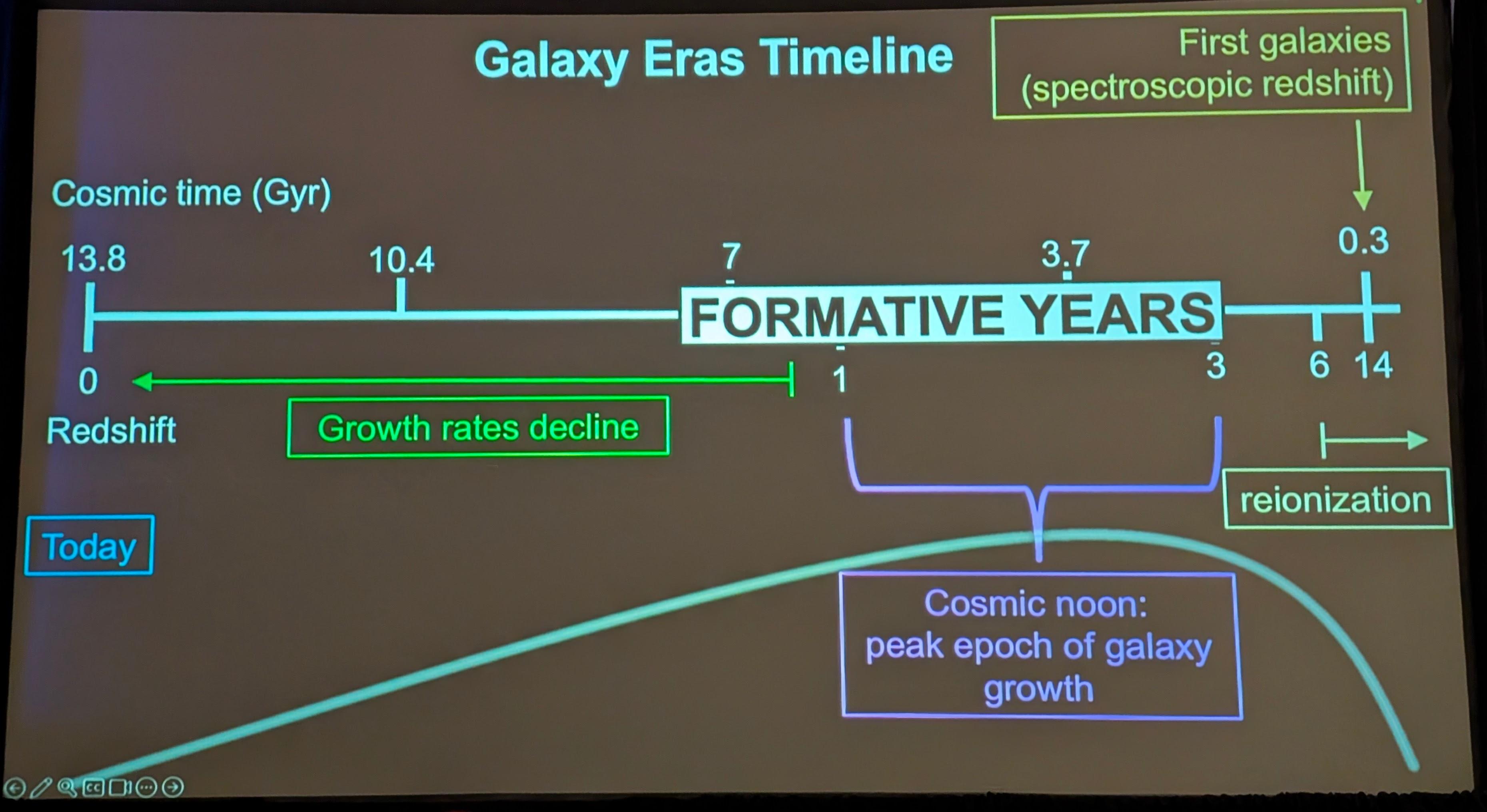
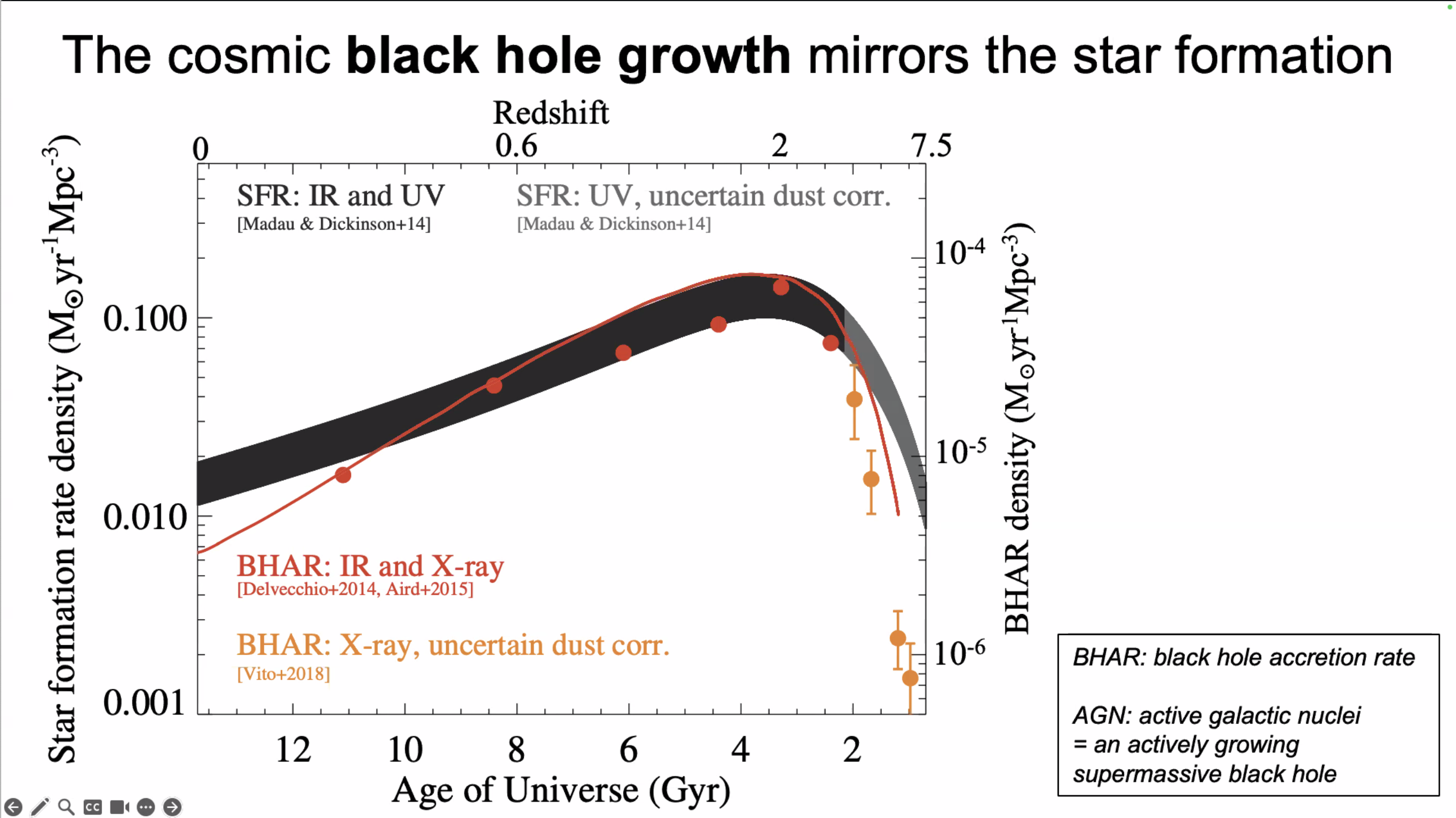
More from #AAS245 Day 1 Alexandra Pope's Plenary Lecture: Galaxy Evolution Eras Tour: The Formative Years of Star Formation and Supermassive Black Hole Growth. Early era – star formation is β€œbursty” Cosmic noon - steady star formation is the formative era After that, the growth rates decline The back hole accretion rate over time seems to correspond with the star formation rate, but the samples are pulled from different galaxies. Is this trend real?
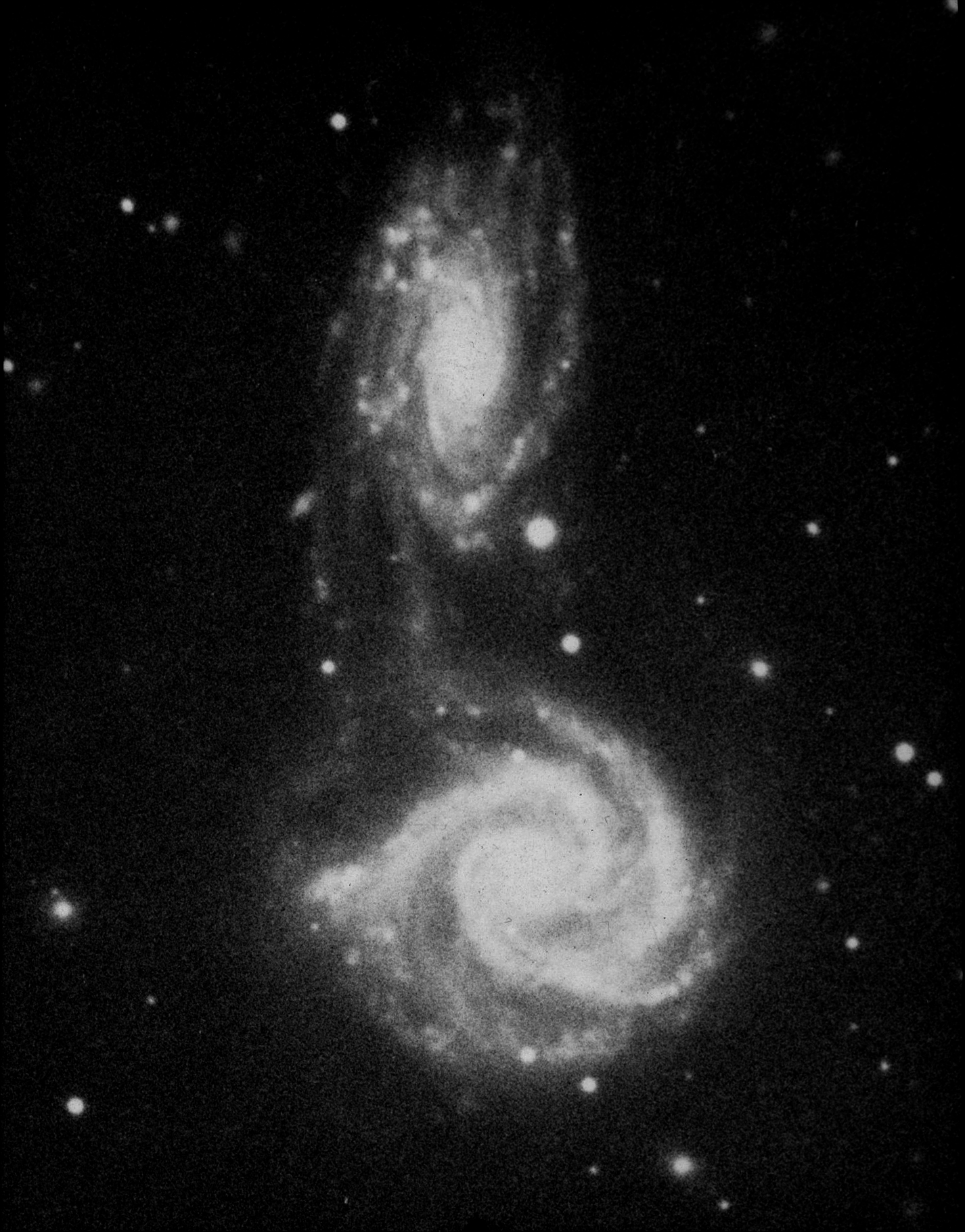
Need more galaxies in your feed? Of course you do. Over the break I made @npub1n6vc...0963, mostly because I thought the name "Arp Bot" was funny. It posts an image of a galaxy in Halton Arp's Atlas of Peculiar Galaxies twice a day. Images are from the archives of professional observatories and the original 1966 catalog. I curated the images and wrote the image descriptions and most of the alt text. Give it a follow! #Astrodon #space #galaxies image
For a while, I had a gig answering astronomy questions online. When I got "what is that bright thing I saw in the sky?" questions, I'd guess "Venus" and then go look it up, putting their location and the time and direction of the observation into Stellarium. I'd say 98% of the time that guess was right.
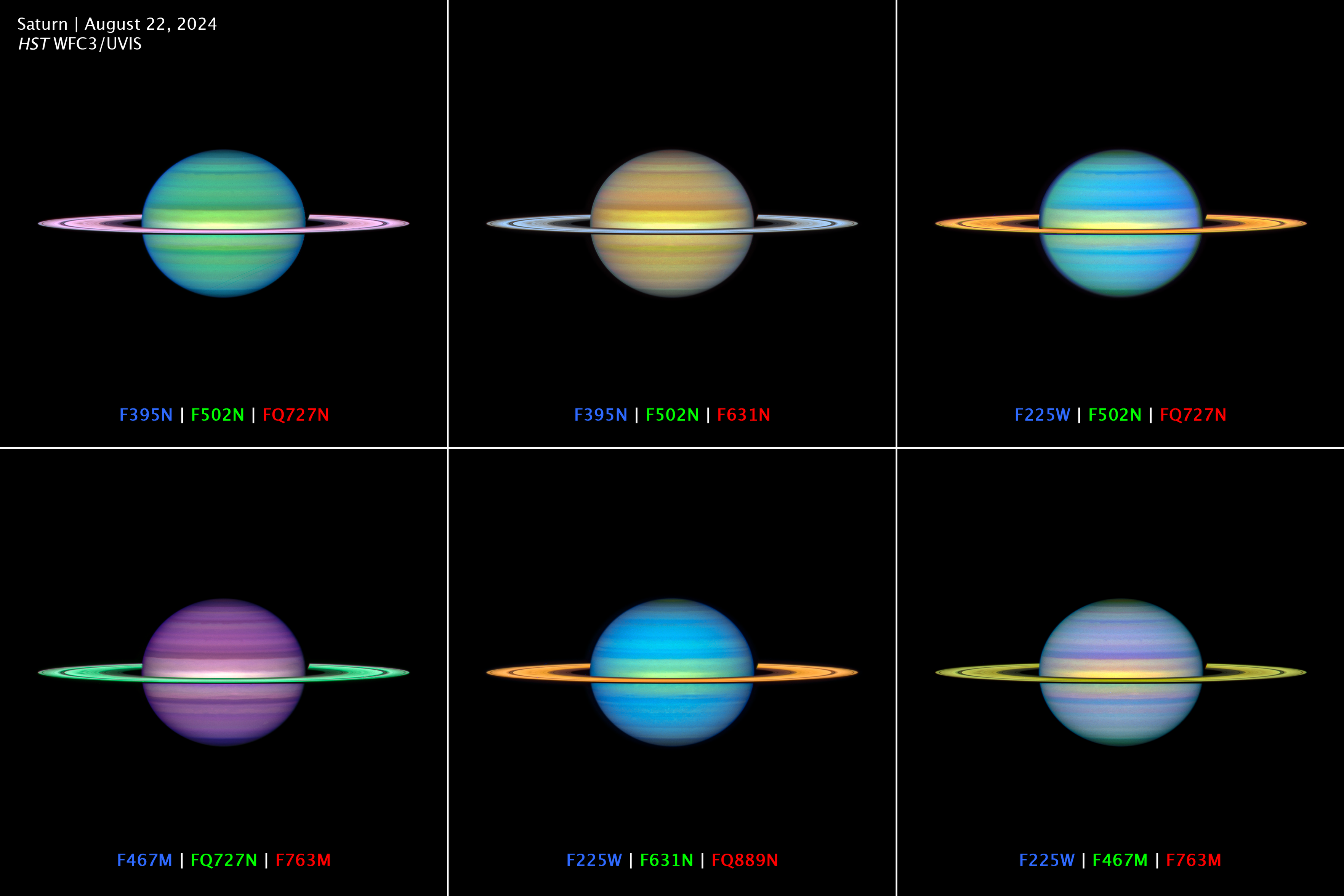
Six views of Saturn from the Hubble Space Telescope in different filters. While this looks like a piece of pop art, these images show Saturn in different combinations of filters, mapped to red, green, and blue colors. The planet and its rings shift hues based on how strongly the planet reflects light at different wavelengths. Each filter combination emphasizes subtle differences in cloud altitude or composition. https://hubblesite.org/contents/media/images/2024/010/01JE3Z7PH0PES72VF2CRG9ED56?news=true #Space #Astronomy #Hubble #Saturn #SciArt image