Thread

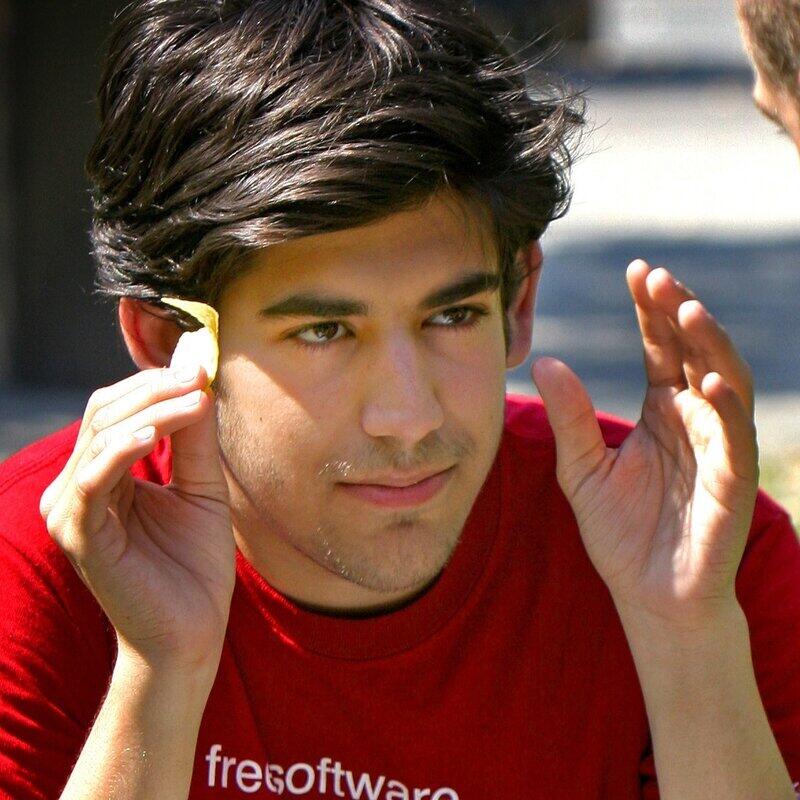
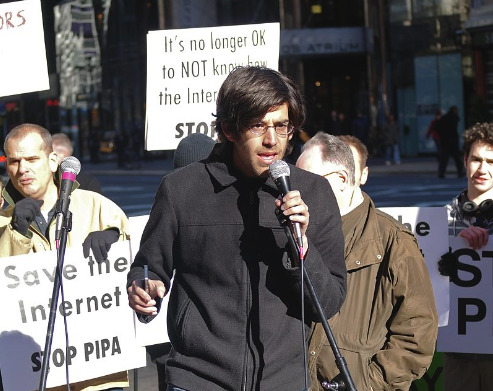
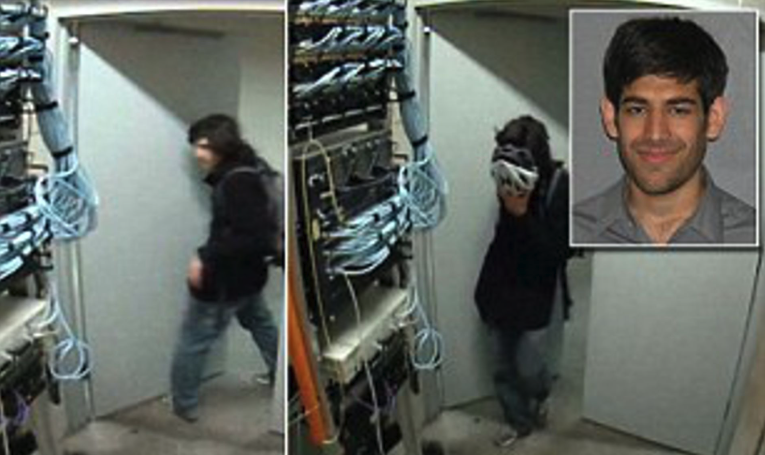
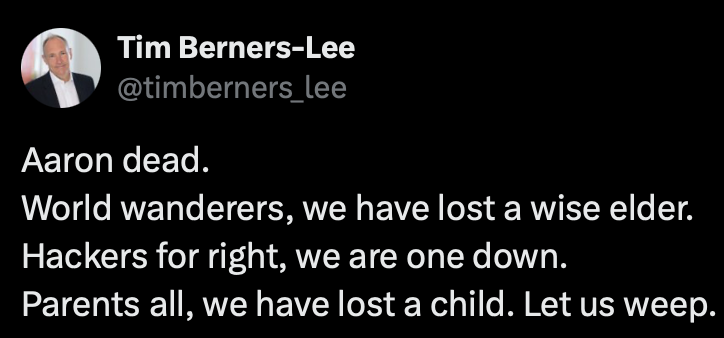
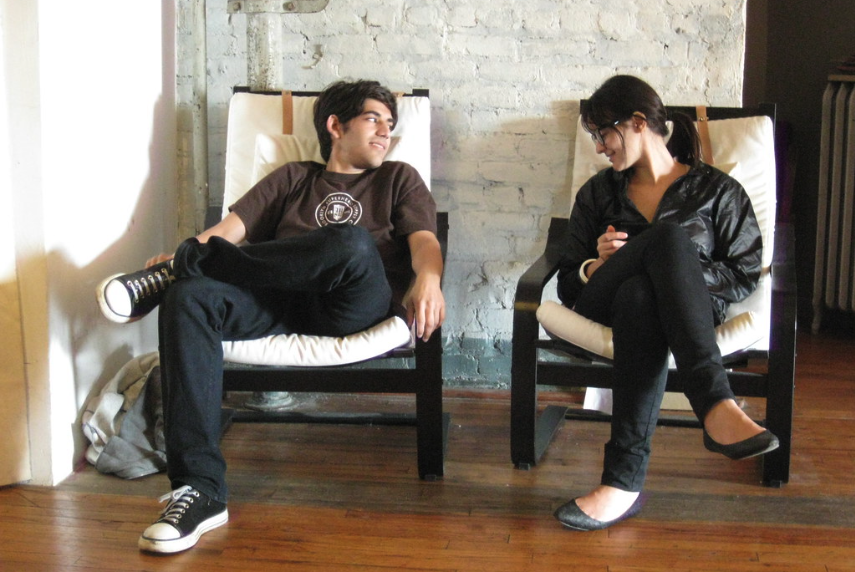
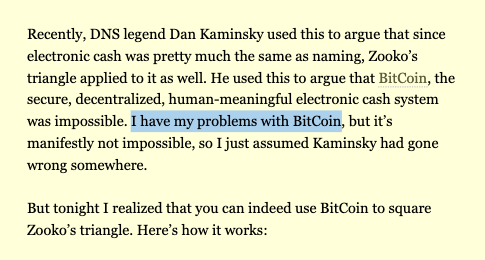
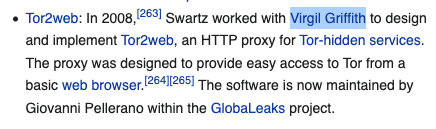
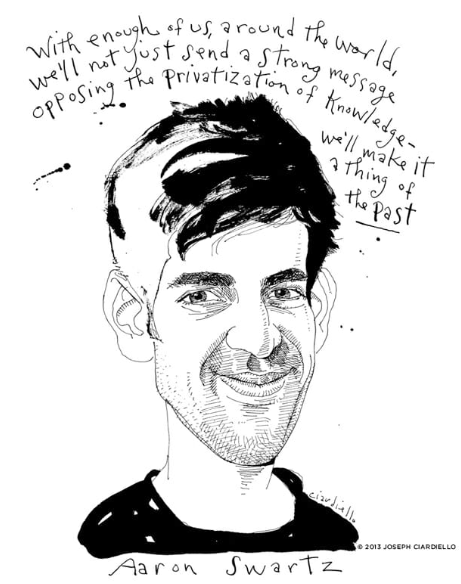
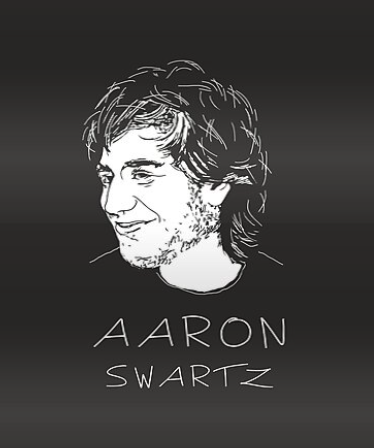
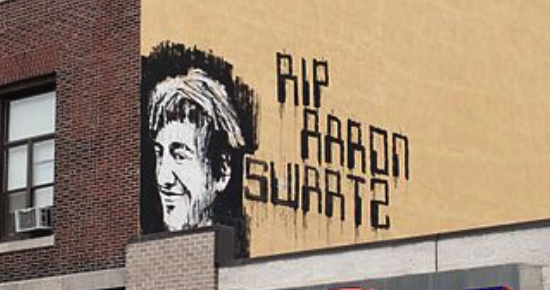
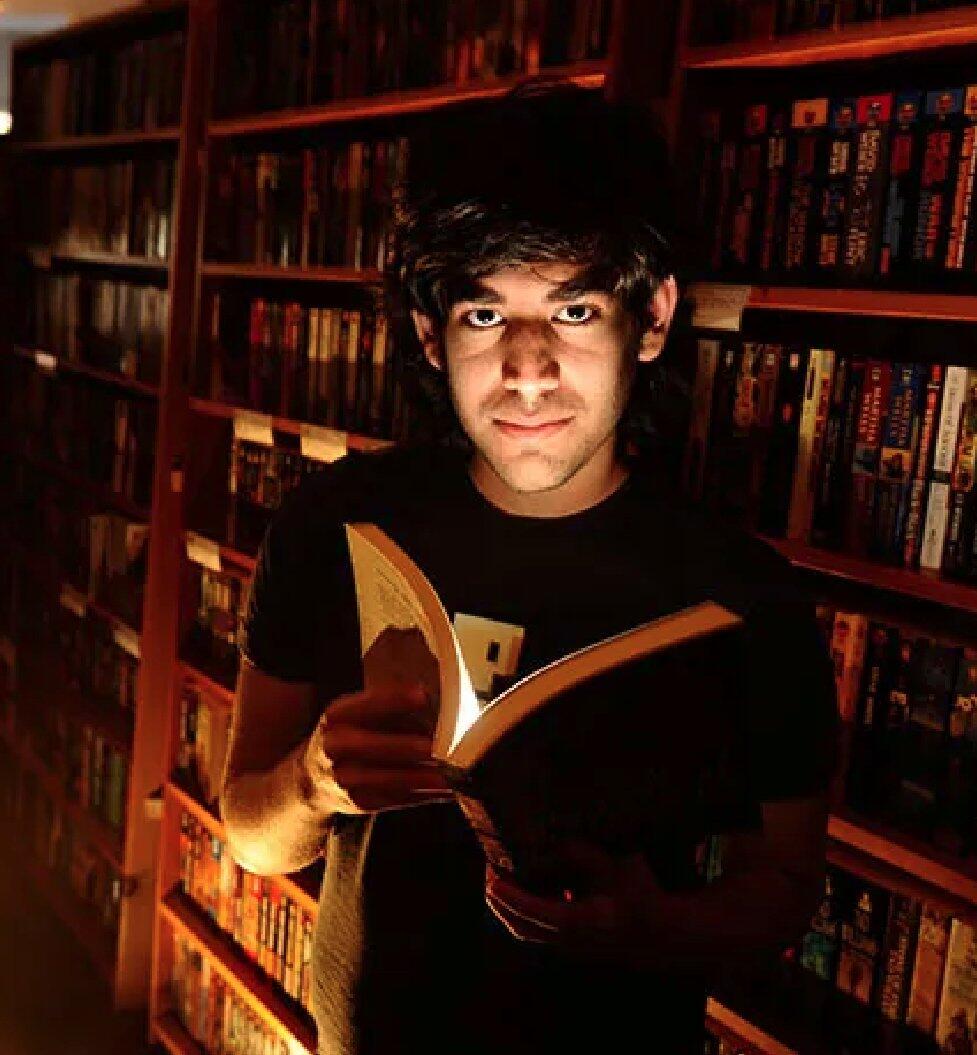
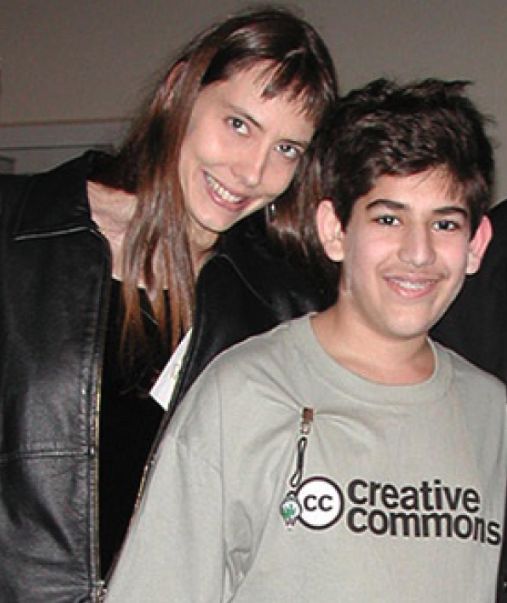
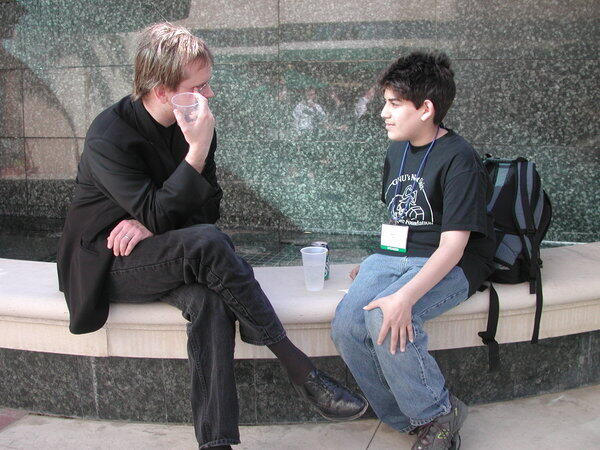
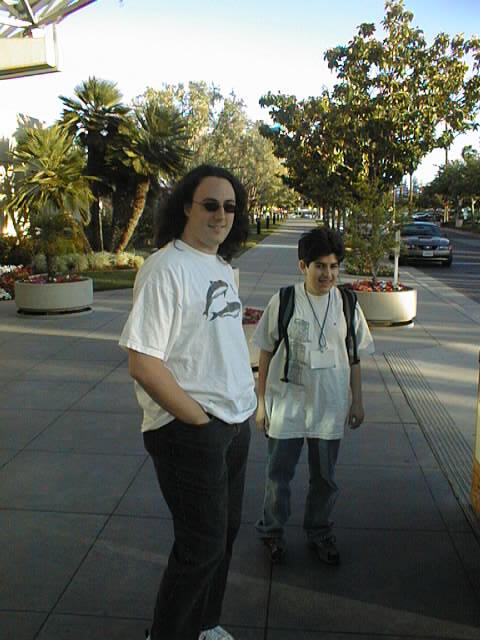
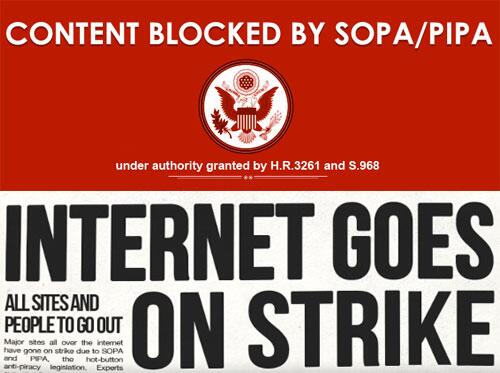
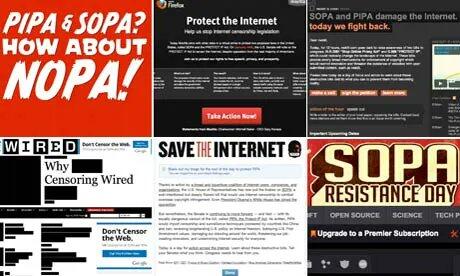
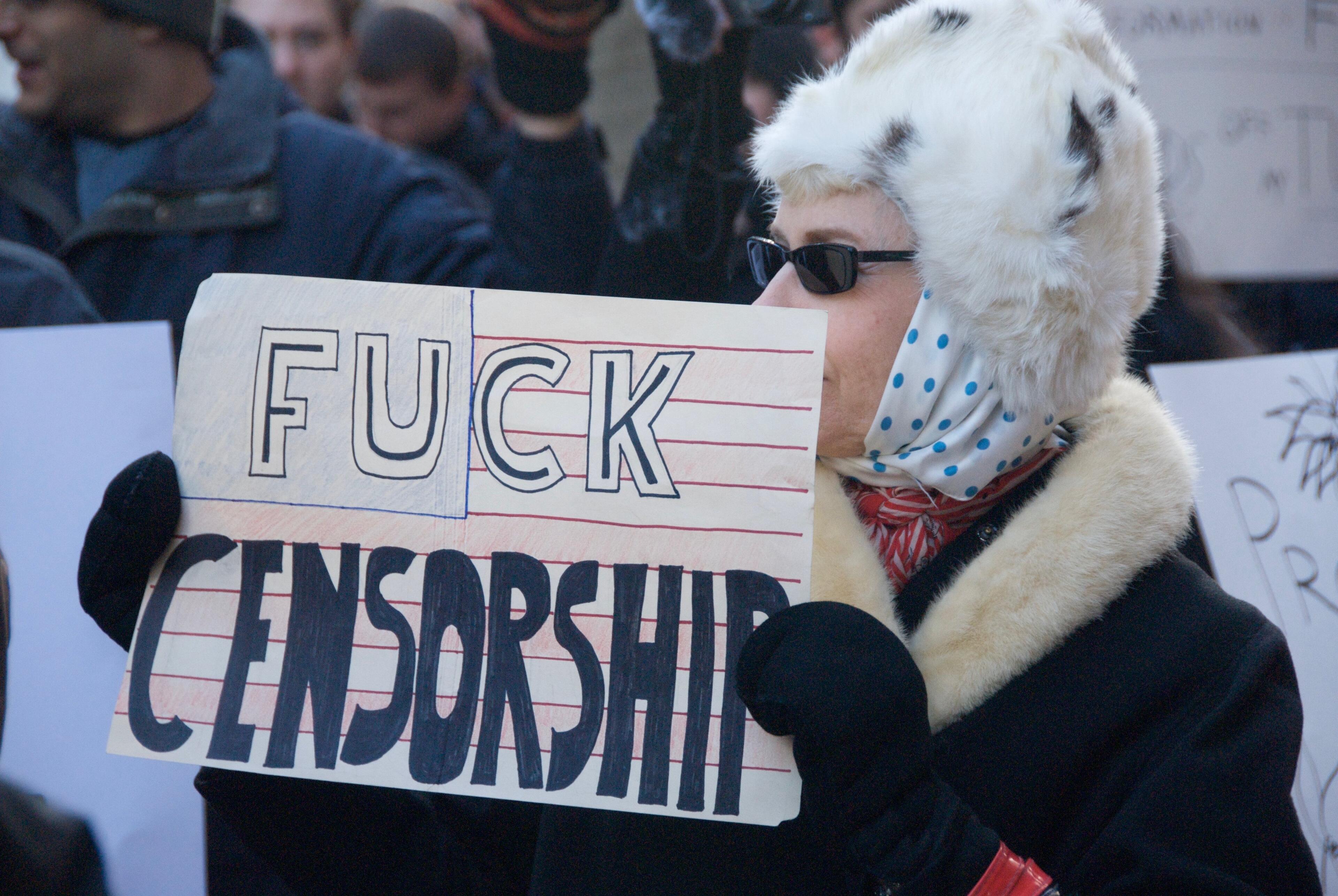
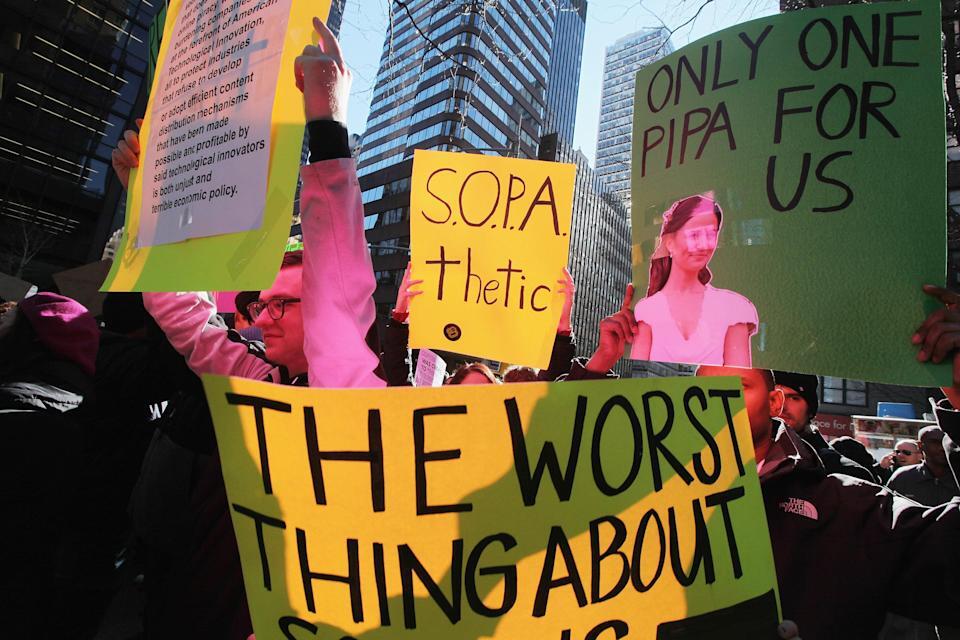
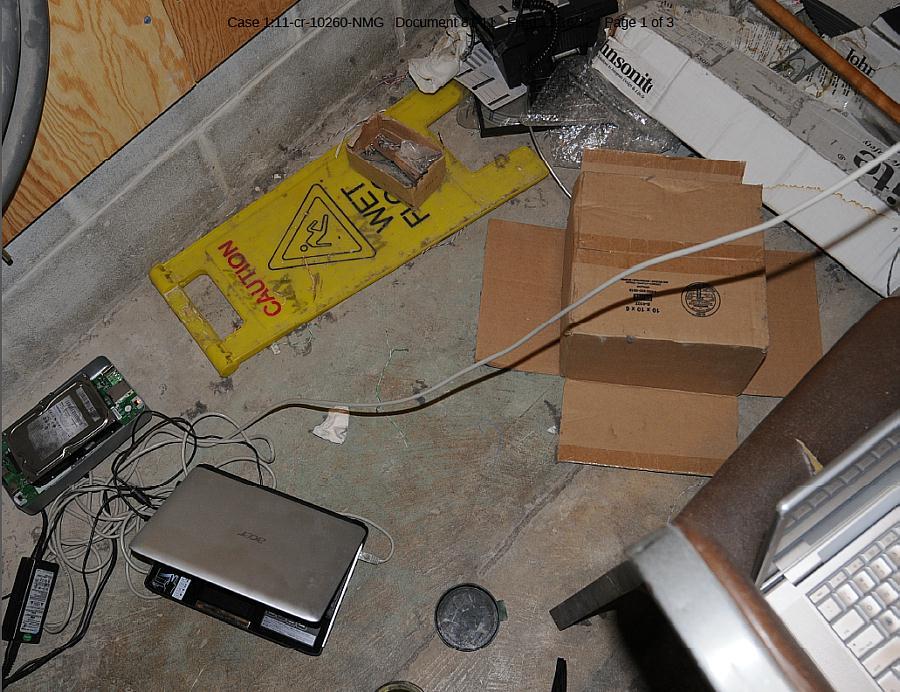
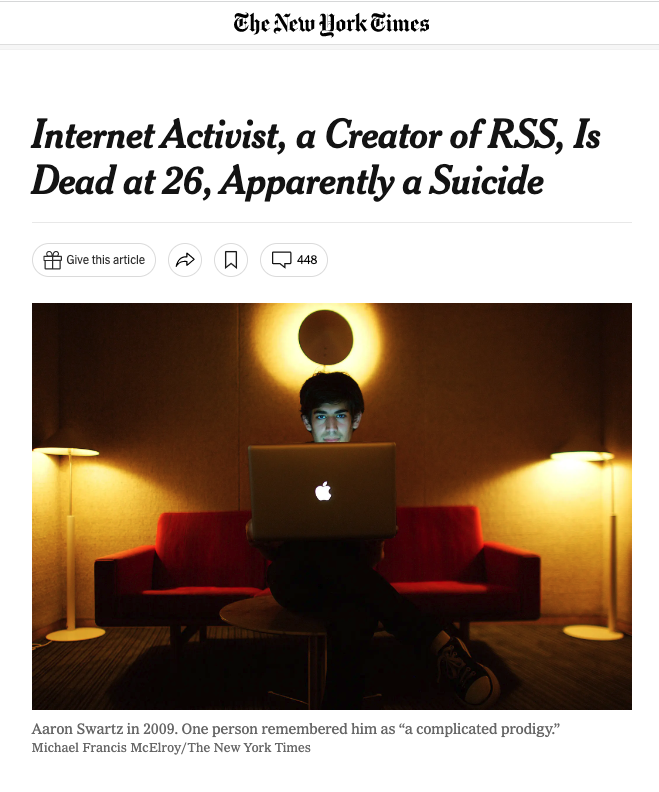
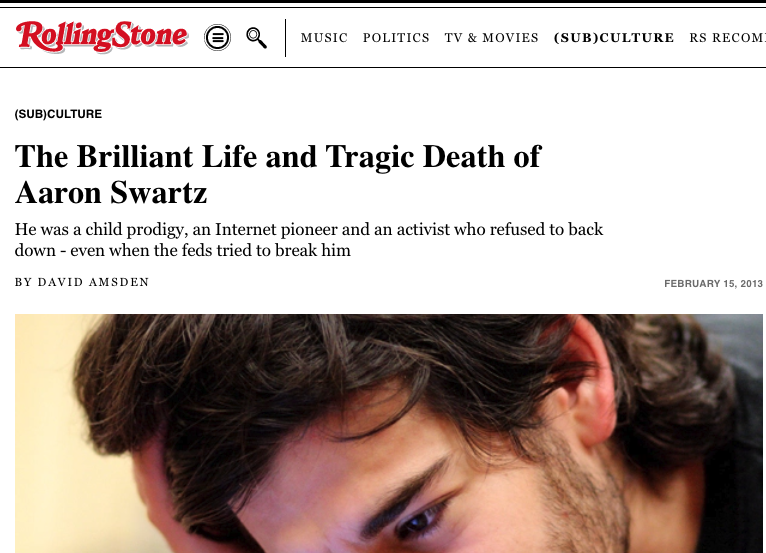
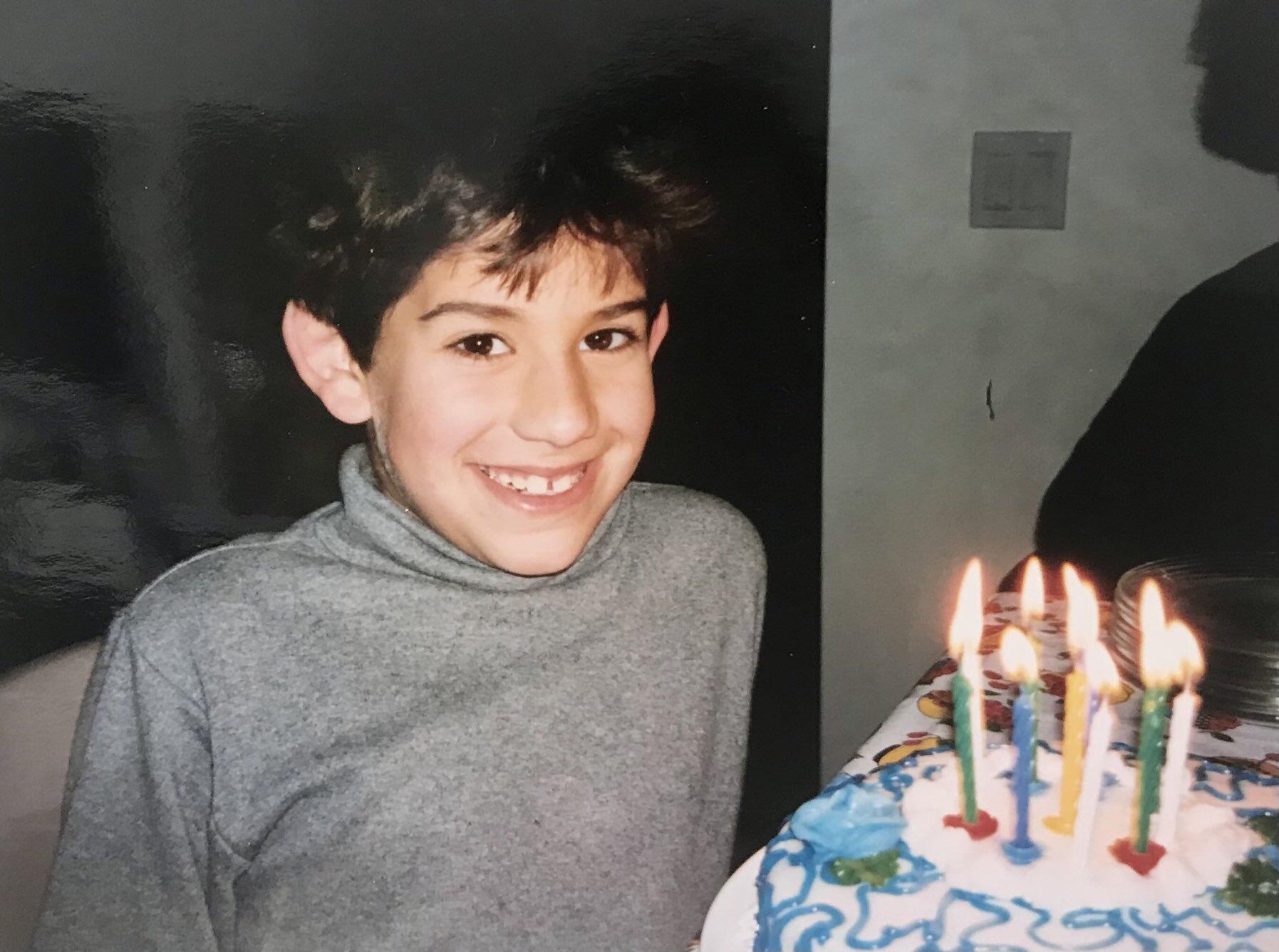
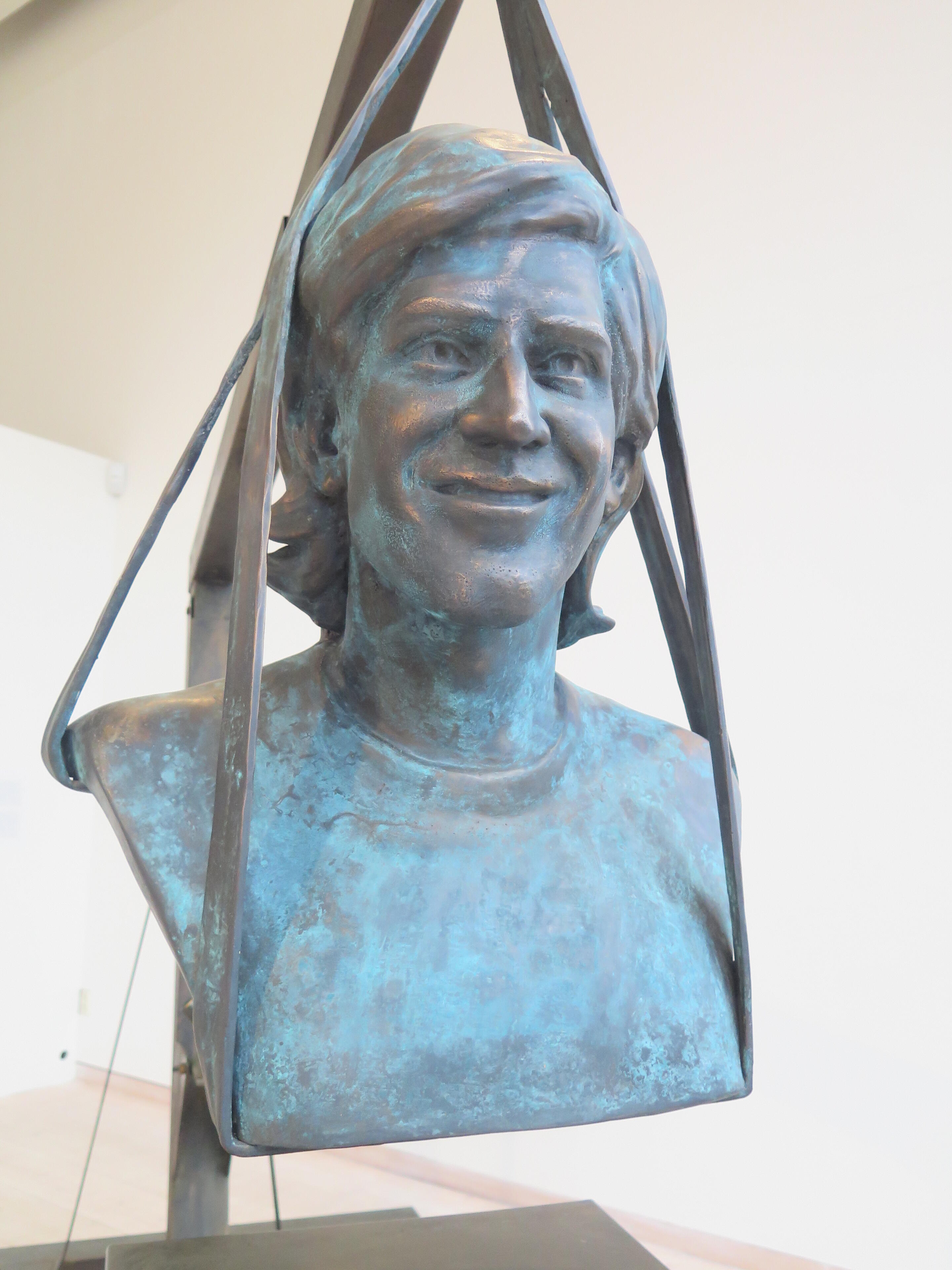
This boy SAVED the INTERNETโ€ฆ but couldn't save himself. 10 years ago, he was persecuted by his government, and ultimately paid with his life. Aaron Swartz is a modern hero that most people DO NOT KNOW. But they should. image Aaron was creative, focused, and brilliant. At 14, he invented RSS; He dropped out of Stanford; At 19, he was in the first Y Combinator class; He co-founded Reddit. Most likely, if he were alive today, he would be involved with #Bitcoin. But thatโ€™s not EVEN 1% of what he did for us ๐Ÿ™ Letโ€™s take a look ๐Ÿ‘‡ image From a young age, Aaron believed in an OPEN INTERNET. In computers as a tool for LIBERATION. "But wait, wasnโ€™t the internet always open?" No. Believe it or not, there was a time when they wanted you to REGISTER your ID before you could browse or send an email. He believed that PUBLIC LEGAL RECORDS and SCIENTIFIC RESEARCH should be accessible to everyone. But in the U.S., โ€ข 98% of scientific articles are behind paywalls; and โ€ข ~80% of legal records are too. Imagine being sued and still having to pay to view the documents? Aaron's war had 3 major battles. The first was against PACER. A legal records database. PACER is PAID... but it was "free" in 17 public libraries. With friends, Aaron wrote a script on a USB drive, plugged it into a USB port, downloaded 2.7 million documents... and SET THEM FREE. No charges were made against the group. But the FBI began to take notice. That had only been the beginning. That boy would still challenge the system. The following year, Aaron would enter the biggest fight of his life โ€” and the greatest battle in internet history against censorship โœŠ image "SOPA/PIPA" ๐Ÿ‘‰ if you're over 20, you probably still remember these acronyms. A bill to "combat piracy"... which was just an excuse for the government to shut down ANY SITE, without warning. Some companies loved the idea. But those who loved the internet fought back. image And then, something wonderful happened. We still knew how to fight against online censorship. In a coordinated response, the biggest websites on the internet "went on STRIKE." Wikipedia and Reddit went offline. Google turned black. Protests also erupted in the STREETS. But... ... but people have short memories. This battle was won. However, the NEXT one would be the LAST for young Aaron. This MIT security camera was the final straw that ruined his life ๐Ÿ‘‡๐Ÿ“น image JSTOR was Swartz's final target: the largest database of academic papers in the world. Aaron wrote a script to download MILLIONS of papers, over the course of months, using his MIT access, in a small room. MIT has a rebellious culture. But the FBI could no longer tolerate the boy's defiance. image With the video evidence, the U.S. prosecution charged Aaron with 13 crimes. Up to 50 years in prison. In January 2011, he was arrested by undercover agents near the Harvard campus. From then on, he was legally tortured. Two years later, he would be found dead at home. "Aaron would be 38 years old today. He was accused of 'pirating' scientific papers funded with public money. Facing up to 50 years in prison, he took his own life. Those he inspired continue to democratize access to science. Let us remember him." *These are the words of Susan, his mother. image After his death, the charges were dropped by the government. Aaron never considered entering a 'plea deal'. He would have faced millions of dollars in legal costs. The father of the internet, Tim Berners-Lee, published a short poem at the time that says it all: โ€œThe world was a little worse for his passing, But a lot better for his being.โ€ image Aaron wasnโ€™t a unanimous figure. You may disagree with his methods. But he was faithful to his ideal. He was genuine. Firm in what he believed. He was a person who used his prodigious skills not to enrich himself, but to make the internet fairer, and the world a better place. image Aaron had worked with Virgil Griffith (former Ethereum, now imprisoned for "teaching about crypto" to North Koreans). He knew Elizabeth Stark (from Lightning). He was friends with Zooko. And he wrote about #Bitcoin โ€” on the DAY he was arrested (1/6/11)! ๐Ÿ˜ข Curious? To learn more about the story, start with this documentary (on YouTube) ๐Ÿ‘‡ [](https://youtu.be/9vz06QO3UkQ) Weโ€™ll finish with an excerpt from the "Manifesto for Free Access," by Aaron himself: "Information is power. But, like all power, there are those who want to keep it for themselves. There is no justice in following unjust laws. Itโ€™s time to come to the light, and, in the tradition of civil disobedience, declare our opposition to the private theft of public culture. We must take information, wherever it is, make our copies, and share them with the world." RIP, Aaron โœŠ
Replies (43)

"suicide" sure right lets not look into that at all
User's avatar npub1z204...mxwn
This boy SAVED the INTERNETโ€ฆ but couldn't save himself. 10 years ago, he was persecuted by his government, and ultimately paid with his life. Aaron Swartz is a modern hero that most people DO NOT KNOW. But they should. image Aaron was creative, focused, and brilliant. At 14, he invented RSS; He dropped out of Stanford; At 19, he was in the first Y Combinator class; He co-founded Reddit. Most likely, if he were alive today, he would be involved with #Bitcoin. But thatโ€™s not EVEN 1% of what he did for us ๐Ÿ™ Letโ€™s take a look ๐Ÿ‘‡ image From a young age, Aaron believed in an OPEN INTERNET. In computers as a tool for LIBERATION. "But wait, wasnโ€™t the internet always open?" No. Believe it or not, there was a time when they wanted you to REGISTER your ID before you could browse or send an email. He believed that PUBLIC LEGAL RECORDS and SCIENTIFIC RESEARCH should be accessible to everyone. But in the U.S., โ€ข 98% of scientific articles are behind paywalls; and โ€ข ~80% of legal records are too. Imagine being sued and still having to pay to view the documents? Aaron's war had 3 major battles. The first was against PACER. A legal records database. PACER is PAID... but it was "free" in 17 public libraries. With friends, Aaron wrote a script on a USB drive, plugged it into a USB port, downloaded 2.7 million documents... and SET THEM FREE. No charges were made against the group. But the FBI began to take notice. That had only been the beginning. That boy would still challenge the system. The following year, Aaron would enter the biggest fight of his life โ€” and the greatest battle in internet history against censorship โœŠ image "SOPA/PIPA" ๐Ÿ‘‰ if you're over 20, you probably still remember these acronyms. A bill to "combat piracy"... which was just an excuse for the government to shut down ANY SITE, without warning. Some companies loved the idea. But those who loved the internet fought back. image And then, something wonderful happened. We still knew how to fight against online censorship. In a coordinated response, the biggest websites on the internet "went on STRIKE." Wikipedia and Reddit went offline. Google turned black. Protests also erupted in the STREETS. But... ... but people have short memories. This battle was won. However, the NEXT one would be the LAST for young Aaron. This MIT security camera was the final straw that ruined his life ๐Ÿ‘‡๐Ÿ“น image JSTOR was Swartz's final target: the largest database of academic papers in the world. Aaron wrote a script to download MILLIONS of papers, over the course of months, using his MIT access, in a small room. MIT has a rebellious culture. But the FBI could no longer tolerate the boy's defiance. image With the video evidence, the U.S. prosecution charged Aaron with 13 crimes. Up to 50 years in prison. In January 2011, he was arrested by undercover agents near the Harvard campus. From then on, he was legally tortured. Two years later, he would be found dead at home. "Aaron would be 38 years old today. He was accused of 'pirating' scientific papers funded with public money. Facing up to 50 years in prison, he took his own life. Those he inspired continue to democratize access to science. Let us remember him." *These are the words of Susan, his mother. image After his death, the charges were dropped by the government. Aaron never considered entering a 'plea deal'. He would have faced millions of dollars in legal costs. The father of the internet, Tim Berners-Lee, published a short poem at the time that says it all: โ€œThe world was a little worse for his passing, But a lot better for his being.โ€ image Aaron wasnโ€™t a unanimous figure. You may disagree with his methods. But he was faithful to his ideal. He was genuine. Firm in what he believed. He was a person who used his prodigious skills not to enrich himself, but to make the internet fairer, and the world a better place. image Aaron had worked with Virgil Griffith (former Ethereum, now imprisoned for "teaching about crypto" to North Koreans). He knew Elizabeth Stark (from Lightning). He was friends with Zooko. And he wrote about #Bitcoin โ€” on the DAY he was arrested (1/6/11)! ๐Ÿ˜ข Curious? To learn more about the story, start with this documentary (on YouTube) ๐Ÿ‘‡ [](https://youtu.be/9vz06QO3UkQ) Weโ€™ll finish with an excerpt from the "Manifesto for Free Access," by Aaron himself: "Information is power. But, like all power, there are those who want to keep it for themselves. There is no justice in following unjust laws. Itโ€™s time to come to the light, and, in the tradition of civil disobedience, declare our opposition to the private theft of public culture. We must take information, wherever it is, make our copies, and share them with the world." RIP, Aaron โœŠ
View quoted note →
RIP Aaron Schwartz
User's avatar npub1z204...mxwn
This boy SAVED the INTERNETโ€ฆ but couldn't save himself. 10 years ago, he was persecuted by his government, and ultimately paid with his life. Aaron Swartz is a modern hero that most people DO NOT KNOW. But they should. image Aaron was creative, focused, and brilliant. At 14, he invented RSS; He dropped out of Stanford; At 19, he was in the first Y Combinator class; He co-founded Reddit. Most likely, if he were alive today, he would be involved with #Bitcoin. But thatโ€™s not EVEN 1% of what he did for us ๐Ÿ™ Letโ€™s take a look ๐Ÿ‘‡ image From a young age, Aaron believed in an OPEN INTERNET. In computers as a tool for LIBERATION. "But wait, wasnโ€™t the internet always open?" No. Believe it or not, there was a time when they wanted you to REGISTER your ID before you could browse or send an email. He believed that PUBLIC LEGAL RECORDS and SCIENTIFIC RESEARCH should be accessible to everyone. But in the U.S., โ€ข 98% of scientific articles are behind paywalls; and โ€ข ~80% of legal records are too. Imagine being sued and still having to pay to view the documents? Aaron's war had 3 major battles. The first was against PACER. A legal records database. PACER is PAID... but it was "free" in 17 public libraries. With friends, Aaron wrote a script on a USB drive, plugged it into a USB port, downloaded 2.7 million documents... and SET THEM FREE. No charges were made against the group. But the FBI began to take notice. That had only been the beginning. That boy would still challenge the system. The following year, Aaron would enter the biggest fight of his life โ€” and the greatest battle in internet history against censorship โœŠ image "SOPA/PIPA" ๐Ÿ‘‰ if you're over 20, you probably still remember these acronyms. A bill to "combat piracy"... which was just an excuse for the government to shut down ANY SITE, without warning. Some companies loved the idea. But those who loved the internet fought back. image And then, something wonderful happened. We still knew how to fight against online censorship. In a coordinated response, the biggest websites on the internet "went on STRIKE." Wikipedia and Reddit went offline. Google turned black. Protests also erupted in the STREETS. But... ... but people have short memories. This battle was won. However, the NEXT one would be the LAST for young Aaron. This MIT security camera was the final straw that ruined his life ๐Ÿ‘‡๐Ÿ“น image JSTOR was Swartz's final target: the largest database of academic papers in the world. Aaron wrote a script to download MILLIONS of papers, over the course of months, using his MIT access, in a small room. MIT has a rebellious culture. But the FBI could no longer tolerate the boy's defiance. image With the video evidence, the U.S. prosecution charged Aaron with 13 crimes. Up to 50 years in prison. In January 2011, he was arrested by undercover agents near the Harvard campus. From then on, he was legally tortured. Two years later, he would be found dead at home. "Aaron would be 38 years old today. He was accused of 'pirating' scientific papers funded with public money. Facing up to 50 years in prison, he took his own life. Those he inspired continue to democratize access to science. Let us remember him." *These are the words of Susan, his mother. image After his death, the charges were dropped by the government. Aaron never considered entering a 'plea deal'. He would have faced millions of dollars in legal costs. The father of the internet, Tim Berners-Lee, published a short poem at the time that says it all: โ€œThe world was a little worse for his passing, But a lot better for his being.โ€ image Aaron wasnโ€™t a unanimous figure. You may disagree with his methods. But he was faithful to his ideal. He was genuine. Firm in what he believed. He was a person who used his prodigious skills not to enrich himself, but to make the internet fairer, and the world a better place. image Aaron had worked with Virgil Griffith (former Ethereum, now imprisoned for "teaching about crypto" to North Koreans). He knew Elizabeth Stark (from Lightning). He was friends with Zooko. And he wrote about #Bitcoin โ€” on the DAY he was arrested (1/6/11)! ๐Ÿ˜ข Curious? To learn more about the story, start with this documentary (on YouTube) ๐Ÿ‘‡ [](https://youtu.be/9vz06QO3UkQ) Weโ€™ll finish with an excerpt from the "Manifesto for Free Access," by Aaron himself: "Information is power. But, like all power, there are those who want to keep it for themselves. There is no justice in following unjust laws. Itโ€™s time to come to the light, and, in the tradition of civil disobedience, declare our opposition to the private theft of public culture. We must take information, wherever it is, make our copies, and share them with the world." RIP, Aaron โœŠ
View quoted note →
User's avatar npub1z204...mxwn
This boy SAVED the INTERNETโ€ฆ but couldn't save himself. 10 years ago, he was persecuted by his government, and ultimately paid with his life. Aaron Swartz is a modern hero that most people DO NOT KNOW. But they should. image Aaron was creative, focused, and brilliant. At 14, he invented RSS; He dropped out of Stanford; At 19, he was in the first Y Combinator class; He co-founded Reddit. Most likely, if he were alive today, he would be involved with #Bitcoin. But thatโ€™s not EVEN 1% of what he did for us ๐Ÿ™ Letโ€™s take a look ๐Ÿ‘‡ image From a young age, Aaron believed in an OPEN INTERNET. In computers as a tool for LIBERATION. "But wait, wasnโ€™t the internet always open?" No. Believe it or not, there was a time when they wanted you to REGISTER your ID before you could browse or send an email. He believed that PUBLIC LEGAL RECORDS and SCIENTIFIC RESEARCH should be accessible to everyone. But in the U.S., โ€ข 98% of scientific articles are behind paywalls; and โ€ข ~80% of legal records are too. Imagine being sued and still having to pay to view the documents? Aaron's war had 3 major battles. The first was against PACER. A legal records database. PACER is PAID... but it was "free" in 17 public libraries. With friends, Aaron wrote a script on a USB drive, plugged it into a USB port, downloaded 2.7 million documents... and SET THEM FREE. No charges were made against the group. But the FBI began to take notice. That had only been the beginning. That boy would still challenge the system. The following year, Aaron would enter the biggest fight of his life โ€” and the greatest battle in internet history against censorship โœŠ image "SOPA/PIPA" ๐Ÿ‘‰ if you're over 20, you probably still remember these acronyms. A bill to "combat piracy"... which was just an excuse for the government to shut down ANY SITE, without warning. Some companies loved the idea. But those who loved the internet fought back. image And then, something wonderful happened. We still knew how to fight against online censorship. In a coordinated response, the biggest websites on the internet "went on STRIKE." Wikipedia and Reddit went offline. Google turned black. Protests also erupted in the STREETS. But... ... but people have short memories. This battle was won. However, the NEXT one would be the LAST for young Aaron. This MIT security camera was the final straw that ruined his life ๐Ÿ‘‡๐Ÿ“น image JSTOR was Swartz's final target: the largest database of academic papers in the world. Aaron wrote a script to download MILLIONS of papers, over the course of months, using his MIT access, in a small room. MIT has a rebellious culture. But the FBI could no longer tolerate the boy's defiance. image With the video evidence, the U.S. prosecution charged Aaron with 13 crimes. Up to 50 years in prison. In January 2011, he was arrested by undercover agents near the Harvard campus. From then on, he was legally tortured. Two years later, he would be found dead at home. "Aaron would be 38 years old today. He was accused of 'pirating' scientific papers funded with public money. Facing up to 50 years in prison, he took his own life. Those he inspired continue to democratize access to science. Let us remember him." *These are the words of Susan, his mother. image After his death, the charges were dropped by the government. Aaron never considered entering a 'plea deal'. He would have faced millions of dollars in legal costs. The father of the internet, Tim Berners-Lee, published a short poem at the time that says it all: โ€œThe world was a little worse for his passing, But a lot better for his being.โ€ image Aaron wasnโ€™t a unanimous figure. You may disagree with his methods. But he was faithful to his ideal. He was genuine. Firm in what he believed. He was a person who used his prodigious skills not to enrich himself, but to make the internet fairer, and the world a better place. image Aaron had worked with Virgil Griffith (former Ethereum, now imprisoned for "teaching about crypto" to North Koreans). He knew Elizabeth Stark (from Lightning). He was friends with Zooko. And he wrote about #Bitcoin โ€” on the DAY he was arrested (1/6/11)! ๐Ÿ˜ข Curious? To learn more about the story, start with this documentary (on YouTube) ๐Ÿ‘‡ [](https://youtu.be/9vz06QO3UkQ) Weโ€™ll finish with an excerpt from the "Manifesto for Free Access," by Aaron himself: "Information is power. But, like all power, there are those who want to keep it for themselves. There is no justice in following unjust laws. Itโ€™s time to come to the light, and, in the tradition of civil disobedience, declare our opposition to the private theft of public culture. We must take information, wherever it is, make our copies, and share them with the world." RIP, Aaron โœŠ
View quoted note →
Who invented RSS? RSS has a complex history of development with multiple contributors rather than a single inventor. Here's how it evolved: ## Early Development The conceptual foundation for RSS began in 1997 when Dave Winer developed scriptingNews, which is considered the birth of RSS[4]. However, the first official version of RSS (RSS 0.9) was created by Ramanathan V. Guha and others at Netscape in March 1999 for use on the My.Netscape.Com portal[1][6]. ## Key Evolution Stages **Netscape Era** Dan Libby at Netscape produced RSS 0.91 in July 1999, simplifying the format by removing RDF elements and incorporating elements from Dave Winer's news syndication format[2]. At this point, RSS was renamed to "Rich Site Summary." **UserLand Software Period** After Netscape abandoned the project, UserLand Software took control of the RSS specifications[6]. Dave Winer, while at UserLand, continued development through various versions, ultimately leading to RSS 2.0 in September 2002[2]. **Harvard Standardization** In July 2003, Winer and UserLand Software assigned the copyright of RSS 2.0 to Harvard's Berkman Klein Center for Internet & Society[2]. This move effectively standardized the format and made it freely available for use. ## Industry Adoption The format gained widespread adoption between 2005 and 2006, particularly after Microsoft Internet Explorer and Opera Software adopted the now-familiar RSS icon that was originally created by Stephen Horlander for Mozilla Firefox[2]. However, RSS usage declined with the rise of social media platforms like Facebook and Twitter[6]. Citations: [1] Rashtriya Swayamsevak Sangh - Wikipedia [2] RSS - Wikipedia [3] RSS Feed Generator, Create RSS feeds from URL [4] RSS - Version History - TutorialsPoint [5] How I almost invented RSS | Scott Berkun [6] RSS | Definition, Meaning, & Facts - Britannica https://www.britannica.com/technology/RSS
never forget
User's avatar npub1z204...mxwn
This boy SAVED the INTERNETโ€ฆ but couldn't save himself. 10 years ago, he was persecuted by his government, and ultimately paid with his life. Aaron Swartz is a modern hero that most people DO NOT KNOW. But they should. image Aaron was creative, focused, and brilliant. At 14, he invented RSS; He dropped out of Stanford; At 19, he was in the first Y Combinator class; He co-founded Reddit. Most likely, if he were alive today, he would be involved with #Bitcoin. But thatโ€™s not EVEN 1% of what he did for us ๐Ÿ™ Letโ€™s take a look ๐Ÿ‘‡ image From a young age, Aaron believed in an OPEN INTERNET. In computers as a tool for LIBERATION. "But wait, wasnโ€™t the internet always open?" No. Believe it or not, there was a time when they wanted you to REGISTER your ID before you could browse or send an email. He believed that PUBLIC LEGAL RECORDS and SCIENTIFIC RESEARCH should be accessible to everyone. But in the U.S., โ€ข 98% of scientific articles are behind paywalls; and โ€ข ~80% of legal records are too. Imagine being sued and still having to pay to view the documents? Aaron's war had 3 major battles. The first was against PACER. A legal records database. PACER is PAID... but it was "free" in 17 public libraries. With friends, Aaron wrote a script on a USB drive, plugged it into a USB port, downloaded 2.7 million documents... and SET THEM FREE. No charges were made against the group. But the FBI began to take notice. That had only been the beginning. That boy would still challenge the system. The following year, Aaron would enter the biggest fight of his life โ€” and the greatest battle in internet history against censorship โœŠ image "SOPA/PIPA" ๐Ÿ‘‰ if you're over 20, you probably still remember these acronyms. A bill to "combat piracy"... which was just an excuse for the government to shut down ANY SITE, without warning. Some companies loved the idea. But those who loved the internet fought back. image And then, something wonderful happened. We still knew how to fight against online censorship. In a coordinated response, the biggest websites on the internet "went on STRIKE." Wikipedia and Reddit went offline. Google turned black. Protests also erupted in the STREETS. But... ... but people have short memories. This battle was won. However, the NEXT one would be the LAST for young Aaron. This MIT security camera was the final straw that ruined his life ๐Ÿ‘‡๐Ÿ“น image JSTOR was Swartz's final target: the largest database of academic papers in the world. Aaron wrote a script to download MILLIONS of papers, over the course of months, using his MIT access, in a small room. MIT has a rebellious culture. But the FBI could no longer tolerate the boy's defiance. image With the video evidence, the U.S. prosecution charged Aaron with 13 crimes. Up to 50 years in prison. In January 2011, he was arrested by undercover agents near the Harvard campus. From then on, he was legally tortured. Two years later, he would be found dead at home. "Aaron would be 38 years old today. He was accused of 'pirating' scientific papers funded with public money. Facing up to 50 years in prison, he took his own life. Those he inspired continue to democratize access to science. Let us remember him." *These are the words of Susan, his mother. image After his death, the charges were dropped by the government. Aaron never considered entering a 'plea deal'. He would have faced millions of dollars in legal costs. The father of the internet, Tim Berners-Lee, published a short poem at the time that says it all: โ€œThe world was a little worse for his passing, But a lot better for his being.โ€ image Aaron wasnโ€™t a unanimous figure. You may disagree with his methods. But he was faithful to his ideal. He was genuine. Firm in what he believed. He was a person who used his prodigious skills not to enrich himself, but to make the internet fairer, and the world a better place. image Aaron had worked with Virgil Griffith (former Ethereum, now imprisoned for "teaching about crypto" to North Koreans). He knew Elizabeth Stark (from Lightning). He was friends with Zooko. And he wrote about #Bitcoin โ€” on the DAY he was arrested (1/6/11)! ๐Ÿ˜ข Curious? To learn more about the story, start with this documentary (on YouTube) ๐Ÿ‘‡ [](https://youtu.be/9vz06QO3UkQ) Weโ€™ll finish with an excerpt from the "Manifesto for Free Access," by Aaron himself: "Information is power. But, like all power, there are those who want to keep it for themselves. There is no justice in following unjust laws. Itโ€™s time to come to the light, and, in the tradition of civil disobedience, declare our opposition to the private theft of public culture. We must take information, wherever it is, make our copies, and share them with the world." RIP, Aaron โœŠ
View quoted note →
Remember Aaron Swartz. FUCK INTELLECTUAL PROPERTY.
User's avatar npub1z204...mxwn
This boy SAVED the INTERNETโ€ฆ but couldn't save himself. 10 years ago, he was persecuted by his government, and ultimately paid with his life. Aaron Swartz is a modern hero that most people DO NOT KNOW. But they should. image Aaron was creative, focused, and brilliant. At 14, he invented RSS; He dropped out of Stanford; At 19, he was in the first Y Combinator class; He co-founded Reddit. Most likely, if he were alive today, he would be involved with #Bitcoin. But thatโ€™s not EVEN 1% of what he did for us ๐Ÿ™ Letโ€™s take a look ๐Ÿ‘‡ image From a young age, Aaron believed in an OPEN INTERNET. In computers as a tool for LIBERATION. "But wait, wasnโ€™t the internet always open?" No. Believe it or not, there was a time when they wanted you to REGISTER your ID before you could browse or send an email. He believed that PUBLIC LEGAL RECORDS and SCIENTIFIC RESEARCH should be accessible to everyone. But in the U.S., โ€ข 98% of scientific articles are behind paywalls; and โ€ข ~80% of legal records are too. Imagine being sued and still having to pay to view the documents? Aaron's war had 3 major battles. The first was against PACER. A legal records database. PACER is PAID... but it was "free" in 17 public libraries. With friends, Aaron wrote a script on a USB drive, plugged it into a USB port, downloaded 2.7 million documents... and SET THEM FREE. No charges were made against the group. But the FBI began to take notice. That had only been the beginning. That boy would still challenge the system. The following year, Aaron would enter the biggest fight of his life โ€” and the greatest battle in internet history against censorship โœŠ image "SOPA/PIPA" ๐Ÿ‘‰ if you're over 20, you probably still remember these acronyms. A bill to "combat piracy"... which was just an excuse for the government to shut down ANY SITE, without warning. Some companies loved the idea. But those who loved the internet fought back. image And then, something wonderful happened. We still knew how to fight against online censorship. In a coordinated response, the biggest websites on the internet "went on STRIKE." Wikipedia and Reddit went offline. Google turned black. Protests also erupted in the STREETS. But... ... but people have short memories. This battle was won. However, the NEXT one would be the LAST for young Aaron. This MIT security camera was the final straw that ruined his life ๐Ÿ‘‡๐Ÿ“น image JSTOR was Swartz's final target: the largest database of academic papers in the world. Aaron wrote a script to download MILLIONS of papers, over the course of months, using his MIT access, in a small room. MIT has a rebellious culture. But the FBI could no longer tolerate the boy's defiance. image With the video evidence, the U.S. prosecution charged Aaron with 13 crimes. Up to 50 years in prison. In January 2011, he was arrested by undercover agents near the Harvard campus. From then on, he was legally tortured. Two years later, he would be found dead at home. "Aaron would be 38 years old today. He was accused of 'pirating' scientific papers funded with public money. Facing up to 50 years in prison, he took his own life. Those he inspired continue to democratize access to science. Let us remember him." *These are the words of Susan, his mother. image After his death, the charges were dropped by the government. Aaron never considered entering a 'plea deal'. He would have faced millions of dollars in legal costs. The father of the internet, Tim Berners-Lee, published a short poem at the time that says it all: โ€œThe world was a little worse for his passing, But a lot better for his being.โ€ image Aaron wasnโ€™t a unanimous figure. You may disagree with his methods. But he was faithful to his ideal. He was genuine. Firm in what he believed. He was a person who used his prodigious skills not to enrich himself, but to make the internet fairer, and the world a better place. image Aaron had worked with Virgil Griffith (former Ethereum, now imprisoned for "teaching about crypto" to North Koreans). He knew Elizabeth Stark (from Lightning). He was friends with Zooko. And he wrote about #Bitcoin โ€” on the DAY he was arrested (1/6/11)! ๐Ÿ˜ข Curious? To learn more about the story, start with this documentary (on YouTube) ๐Ÿ‘‡ [](https://youtu.be/9vz06QO3UkQ) Weโ€™ll finish with an excerpt from the "Manifesto for Free Access," by Aaron himself: "Information is power. But, like all power, there are those who want to keep it for themselves. There is no justice in following unjust laws. Itโ€™s time to come to the light, and, in the tradition of civil disobedience, declare our opposition to the private theft of public culture. We must take information, wherever it is, make our copies, and share them with the world." RIP, Aaron โœŠ
View quoted note →
User's avatar npub1z204...mxwn
This boy SAVED the INTERNETโ€ฆ but couldn't save himself. 10 years ago, he was persecuted by his government, and ultimately paid with his life. Aaron Swartz is a modern hero that most people DO NOT KNOW. But they should. image Aaron was creative, focused, and brilliant. At 14, he invented RSS; He dropped out of Stanford; At 19, he was in the first Y Combinator class; He co-founded Reddit. Most likely, if he were alive today, he would be involved with #Bitcoin. But thatโ€™s not EVEN 1% of what he did for us ๐Ÿ™ Letโ€™s take a look ๐Ÿ‘‡ image From a young age, Aaron believed in an OPEN INTERNET. In computers as a tool for LIBERATION. "But wait, wasnโ€™t the internet always open?" No. Believe it or not, there was a time when they wanted you to REGISTER your ID before you could browse or send an email. He believed that PUBLIC LEGAL RECORDS and SCIENTIFIC RESEARCH should be accessible to everyone. But in the U.S., โ€ข 98% of scientific articles are behind paywalls; and โ€ข ~80% of legal records are too. Imagine being sued and still having to pay to view the documents? Aaron's war had 3 major battles. The first was against PACER. A legal records database. PACER is PAID... but it was "free" in 17 public libraries. With friends, Aaron wrote a script on a USB drive, plugged it into a USB port, downloaded 2.7 million documents... and SET THEM FREE. No charges were made against the group. But the FBI began to take notice. That had only been the beginning. That boy would still challenge the system. The following year, Aaron would enter the biggest fight of his life โ€” and the greatest battle in internet history against censorship โœŠ image "SOPA/PIPA" ๐Ÿ‘‰ if you're over 20, you probably still remember these acronyms. A bill to "combat piracy"... which was just an excuse for the government to shut down ANY SITE, without warning. Some companies loved the idea. But those who loved the internet fought back. image And then, something wonderful happened. We still knew how to fight against online censorship. In a coordinated response, the biggest websites on the internet "went on STRIKE." Wikipedia and Reddit went offline. Google turned black. Protests also erupted in the STREETS. But... ... but people have short memories. This battle was won. However, the NEXT one would be the LAST for young Aaron. This MIT security camera was the final straw that ruined his life ๐Ÿ‘‡๐Ÿ“น image JSTOR was Swartz's final target: the largest database of academic papers in the world. Aaron wrote a script to download MILLIONS of papers, over the course of months, using his MIT access, in a small room. MIT has a rebellious culture. But the FBI could no longer tolerate the boy's defiance. image With the video evidence, the U.S. prosecution charged Aaron with 13 crimes. Up to 50 years in prison. In January 2011, he was arrested by undercover agents near the Harvard campus. From then on, he was legally tortured. Two years later, he would be found dead at home. "Aaron would be 38 years old today. He was accused of 'pirating' scientific papers funded with public money. Facing up to 50 years in prison, he took his own life. Those he inspired continue to democratize access to science. Let us remember him." *These are the words of Susan, his mother. image After his death, the charges were dropped by the government. Aaron never considered entering a 'plea deal'. He would have faced millions of dollars in legal costs. The father of the internet, Tim Berners-Lee, published a short poem at the time that says it all: โ€œThe world was a little worse for his passing, But a lot better for his being.โ€ image Aaron wasnโ€™t a unanimous figure. You may disagree with his methods. But he was faithful to his ideal. He was genuine. Firm in what he believed. He was a person who used his prodigious skills not to enrich himself, but to make the internet fairer, and the world a better place. image Aaron had worked with Virgil Griffith (former Ethereum, now imprisoned for "teaching about crypto" to North Koreans). He knew Elizabeth Stark (from Lightning). He was friends with Zooko. And he wrote about #Bitcoin โ€” on the DAY he was arrested (1/6/11)! ๐Ÿ˜ข Curious? To learn more about the story, start with this documentary (on YouTube) ๐Ÿ‘‡ [](https://youtu.be/9vz06QO3UkQ) Weโ€™ll finish with an excerpt from the "Manifesto for Free Access," by Aaron himself: "Information is power. But, like all power, there are those who want to keep it for themselves. There is no justice in following unjust laws. Itโ€™s time to come to the light, and, in the tradition of civil disobedience, declare our opposition to the private theft of public culture. We must take information, wherever it is, make our copies, and share them with the world." RIP, Aaron โœŠ
View quoted note →
We shall never forget Aaron Swartz.
User's avatar npub1z204...mxwn
This boy SAVED the INTERNETโ€ฆ but couldn't save himself. 10 years ago, he was persecuted by his government, and ultimately paid with his life. Aaron Swartz is a modern hero that most people DO NOT KNOW. But they should. image Aaron was creative, focused, and brilliant. At 14, he invented RSS; He dropped out of Stanford; At 19, he was in the first Y Combinator class; He co-founded Reddit. Most likely, if he were alive today, he would be involved with #Bitcoin. But thatโ€™s not EVEN 1% of what he did for us ๐Ÿ™ Letโ€™s take a look ๐Ÿ‘‡ image From a young age, Aaron believed in an OPEN INTERNET. In computers as a tool for LIBERATION. "But wait, wasnโ€™t the internet always open?" No. Believe it or not, there was a time when they wanted you to REGISTER your ID before you could browse or send an email. He believed that PUBLIC LEGAL RECORDS and SCIENTIFIC RESEARCH should be accessible to everyone. But in the U.S., โ€ข 98% of scientific articles are behind paywalls; and โ€ข ~80% of legal records are too. Imagine being sued and still having to pay to view the documents? Aaron's war had 3 major battles. The first was against PACER. A legal records database. PACER is PAID... but it was "free" in 17 public libraries. With friends, Aaron wrote a script on a USB drive, plugged it into a USB port, downloaded 2.7 million documents... and SET THEM FREE. No charges were made against the group. But the FBI began to take notice. That had only been the beginning. That boy would still challenge the system. The following year, Aaron would enter the biggest fight of his life โ€” and the greatest battle in internet history against censorship โœŠ image "SOPA/PIPA" ๐Ÿ‘‰ if you're over 20, you probably still remember these acronyms. A bill to "combat piracy"... which was just an excuse for the government to shut down ANY SITE, without warning. Some companies loved the idea. But those who loved the internet fought back. image And then, something wonderful happened. We still knew how to fight against online censorship. In a coordinated response, the biggest websites on the internet "went on STRIKE." Wikipedia and Reddit went offline. Google turned black. Protests also erupted in the STREETS. But... ... but people have short memories. This battle was won. However, the NEXT one would be the LAST for young Aaron. This MIT security camera was the final straw that ruined his life ๐Ÿ‘‡๐Ÿ“น image JSTOR was Swartz's final target: the largest database of academic papers in the world. Aaron wrote a script to download MILLIONS of papers, over the course of months, using his MIT access, in a small room. MIT has a rebellious culture. But the FBI could no longer tolerate the boy's defiance. image With the video evidence, the U.S. prosecution charged Aaron with 13 crimes. Up to 50 years in prison. In January 2011, he was arrested by undercover agents near the Harvard campus. From then on, he was legally tortured. Two years later, he would be found dead at home. "Aaron would be 38 years old today. He was accused of 'pirating' scientific papers funded with public money. Facing up to 50 years in prison, he took his own life. Those he inspired continue to democratize access to science. Let us remember him." *These are the words of Susan, his mother. image After his death, the charges were dropped by the government. Aaron never considered entering a 'plea deal'. He would have faced millions of dollars in legal costs. The father of the internet, Tim Berners-Lee, published a short poem at the time that says it all: โ€œThe world was a little worse for his passing, But a lot better for his being.โ€ image Aaron wasnโ€™t a unanimous figure. You may disagree with his methods. But he was faithful to his ideal. He was genuine. Firm in what he believed. He was a person who used his prodigious skills not to enrich himself, but to make the internet fairer, and the world a better place. image Aaron had worked with Virgil Griffith (former Ethereum, now imprisoned for "teaching about crypto" to North Koreans). He knew Elizabeth Stark (from Lightning). He was friends with Zooko. And he wrote about #Bitcoin โ€” on the DAY he was arrested (1/6/11)! ๐Ÿ˜ข Curious? To learn more about the story, start with this documentary (on YouTube) ๐Ÿ‘‡ [](https://youtu.be/9vz06QO3UkQ) Weโ€™ll finish with an excerpt from the "Manifesto for Free Access," by Aaron himself: "Information is power. But, like all power, there are those who want to keep it for themselves. There is no justice in following unjust laws. Itโ€™s time to come to the light, and, in the tradition of civil disobedience, declare our opposition to the private theft of public culture. We must take information, wherever it is, make our copies, and share them with the world." RIP, Aaron โœŠ
View quoted note →
User's avatar npub1z204...mxwn
This boy SAVED the INTERNETโ€ฆ but couldn't save himself. 10 years ago, he was persecuted by his government, and ultimately paid with his life. Aaron Swartz is a modern hero that most people DO NOT KNOW. But they should. image Aaron was creative, focused, and brilliant. At 14, he invented RSS; He dropped out of Stanford; At 19, he was in the first Y Combinator class; He co-founded Reddit. Most likely, if he were alive today, he would be involved with #Bitcoin. But thatโ€™s not EVEN 1% of what he did for us ๐Ÿ™ Letโ€™s take a look ๐Ÿ‘‡ image From a young age, Aaron believed in an OPEN INTERNET. In computers as a tool for LIBERATION. "But wait, wasnโ€™t the internet always open?" No. Believe it or not, there was a time when they wanted you to REGISTER your ID before you could browse or send an email. He believed that PUBLIC LEGAL RECORDS and SCIENTIFIC RESEARCH should be accessible to everyone. But in the U.S., โ€ข 98% of scientific articles are behind paywalls; and โ€ข ~80% of legal records are too. Imagine being sued and still having to pay to view the documents? Aaron's war had 3 major battles. The first was against PACER. A legal records database. PACER is PAID... but it was "free" in 17 public libraries. With friends, Aaron wrote a script on a USB drive, plugged it into a USB port, downloaded 2.7 million documents... and SET THEM FREE. No charges were made against the group. But the FBI began to take notice. That had only been the beginning. That boy would still challenge the system. The following year, Aaron would enter the biggest fight of his life โ€” and the greatest battle in internet history against censorship โœŠ image "SOPA/PIPA" ๐Ÿ‘‰ if you're over 20, you probably still remember these acronyms. A bill to "combat piracy"... which was just an excuse for the government to shut down ANY SITE, without warning. Some companies loved the idea. But those who loved the internet fought back. image And then, something wonderful happened. We still knew how to fight against online censorship. In a coordinated response, the biggest websites on the internet "went on STRIKE." Wikipedia and Reddit went offline. Google turned black. Protests also erupted in the STREETS. But... ... but people have short memories. This battle was won. However, the NEXT one would be the LAST for young Aaron. This MIT security camera was the final straw that ruined his life ๐Ÿ‘‡๐Ÿ“น image JSTOR was Swartz's final target: the largest database of academic papers in the world. Aaron wrote a script to download MILLIONS of papers, over the course of months, using his MIT access, in a small room. MIT has a rebellious culture. But the FBI could no longer tolerate the boy's defiance. image With the video evidence, the U.S. prosecution charged Aaron with 13 crimes. Up to 50 years in prison. In January 2011, he was arrested by undercover agents near the Harvard campus. From then on, he was legally tortured. Two years later, he would be found dead at home. "Aaron would be 38 years old today. He was accused of 'pirating' scientific papers funded with public money. Facing up to 50 years in prison, he took his own life. Those he inspired continue to democratize access to science. Let us remember him." *These are the words of Susan, his mother. image After his death, the charges were dropped by the government. Aaron never considered entering a 'plea deal'. He would have faced millions of dollars in legal costs. The father of the internet, Tim Berners-Lee, published a short poem at the time that says it all: โ€œThe world was a little worse for his passing, But a lot better for his being.โ€ image Aaron wasnโ€™t a unanimous figure. You may disagree with his methods. But he was faithful to his ideal. He was genuine. Firm in what he believed. He was a person who used his prodigious skills not to enrich himself, but to make the internet fairer, and the world a better place. image Aaron had worked with Virgil Griffith (former Ethereum, now imprisoned for "teaching about crypto" to North Koreans). He knew Elizabeth Stark (from Lightning). He was friends with Zooko. And he wrote about #Bitcoin โ€” on the DAY he was arrested (1/6/11)! ๐Ÿ˜ข Curious? To learn more about the story, start with this documentary (on YouTube) ๐Ÿ‘‡ [](https://youtu.be/9vz06QO3UkQ) Weโ€™ll finish with an excerpt from the "Manifesto for Free Access," by Aaron himself: "Information is power. But, like all power, there are those who want to keep it for themselves. There is no justice in following unjust laws. Itโ€™s time to come to the light, and, in the tradition of civil disobedience, declare our opposition to the private theft of public culture. We must take information, wherever it is, make our copies, and share them with the world." RIP, Aaron โœŠ
View quoted note →