Mongabay

Mongabay's avatar
Mongabay
npub1yazn...wke8
Reader-supported news and inspiration from nature's frontline. Mongabay is a non-profit. Website: https://news.mongabay.com/ YouTube: https://www.youtube.com/channel/UCnrubbmyCz8krGnpsbhJRYg Instagram: https://www.instagram.com/mongabay/ LinkedIn: https://www.linkedin.com/in/mongabay-news/
A state-funded survey in California has identified hundreds of fungi new to science, part of a first-of-its-kind effort in North America to map fungal diversity statewide. Fungi are often overlooked, yet they support plant growth, store carbon, and shape ecosystem health. Understanding their roles could guide conservation and forest restoration as wildfires intensify — and even help clean up polluted landscapes. by Sean Mowbray #news #fungi #conservation #climate
From Dec. 30, 2026, companies importing many products into the EU must comply with the EUDR (deforestation-free regulation). Satellite and remote-sensing maps are expected to guide compliance and government checks. But a new review finds most maps can’t yet meet EUDR standards — risking over- or underestimating deforestation. A major gap: distinguishing forests from agroforestry systems used by smallholder cocoa, coffee and rubber farmers. by John Cannon #news #EUDR
Congratulations to journalist Glòria Pallarès on winning the Anti-Corruption Excellence (ACE) Award. Her investigation with Mongabay exposed corrupt forest finance schemes affecting 9.5M+ hectares of Indigenous land — and helped communities in Peru, Bolivia and Panama reclaim their rights. Journalism that creates real change. Read the full investigation: .
Uganda’s Echuya Forest Reserve will become a national park, a move welcomed by conservationists working to protect the vulnerable African golden cat. Forest-dependent and heavily threatened by snaring, the elusive cat may benefit as national parks increasingly act as species strongholds, alongside new community programs offering alternatives to bushmeat. by Sean Mowbray #news #wildlife #forests #conservation #biodiversity #bigcats
As sea levels are projected to rise at least 30 cm this century, researchers are exploring whether reflooding Egypt’s vast Qattara Depression could help. Project lead Amir AghaKouchak says it may also offer benefits like aquaculture, renewable energy and tourism — though the idea is still in its early stages. by Jeremy Hance #news #climatechange #environment #oceans
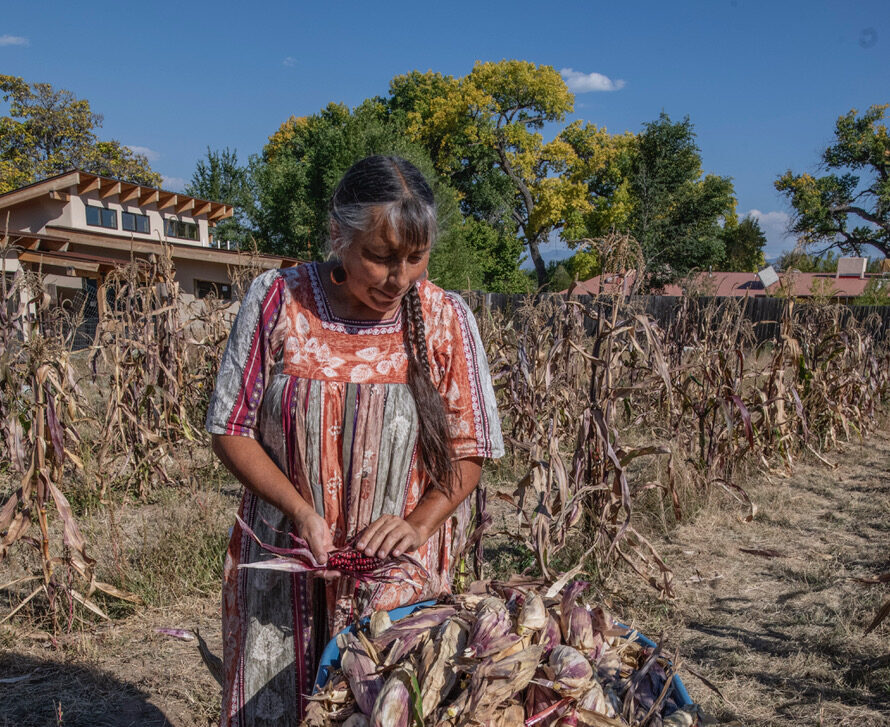
Native American farmers in the southwestern U.S. have long deployed weather-adaptive techniques to grow crops in high-desert environments. The techniques range from hillside terracing and “waffle” gardening, to water conservation and leveraging microclimates on a piece of land. This month, Mongabay spoke with the leaders of these groups about how these farming techniques can be replicated in increasingly dry regions around the world. #environment #indigenous #climate
Aware that fossil fuels and renewables by themselves likely can’t handle the astronomical energy demands posed by AI mega-data centers, Internet companies are reactivating the once moribund nuclear industry, despite intractable problems with radioactive waste disposal. Voices in the Global South say that AI computing (whose producers remain principally in the Global North) is evolving as a new form of extractive colonialism. by Gerry McGovern and Sue Branford #AI #news
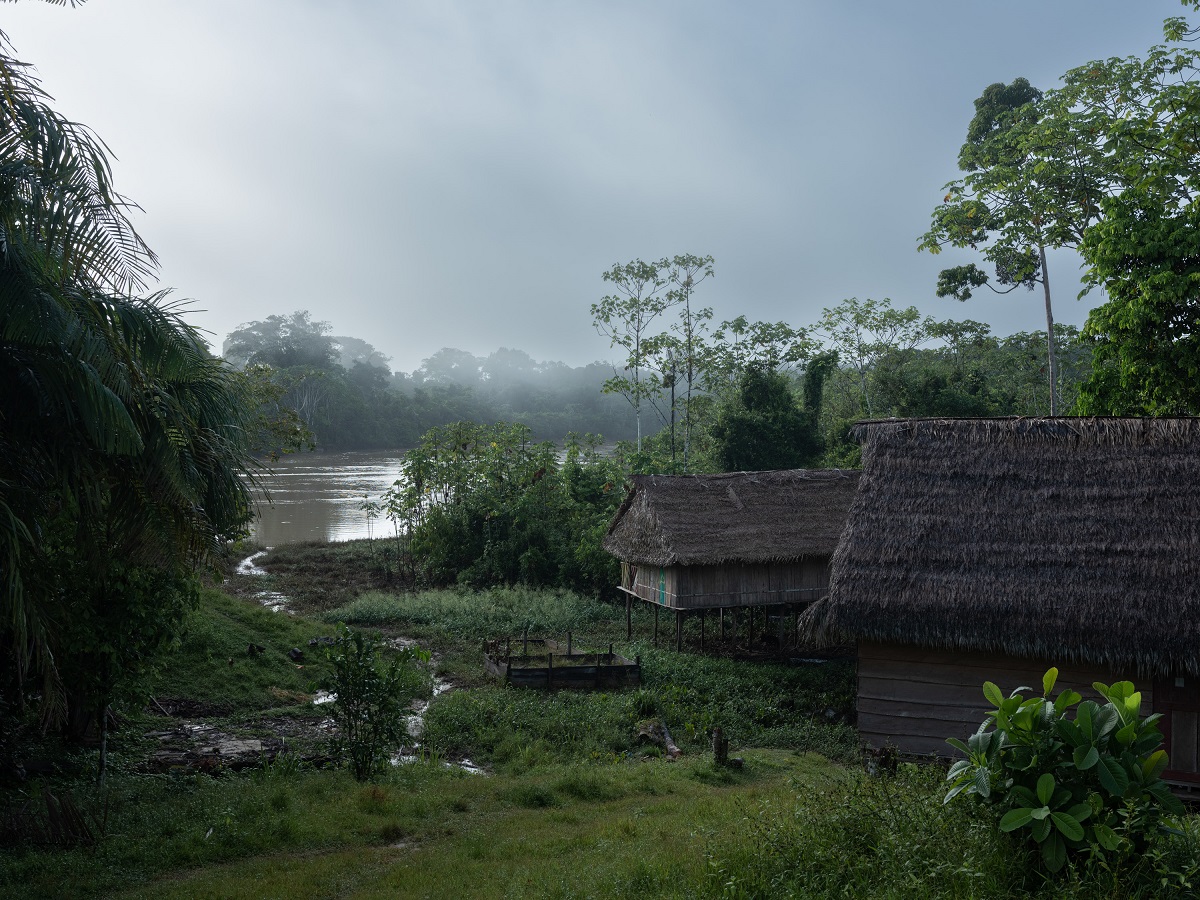
Across parts of Venezuela, Indigenous communities have been drawn into gold mining as their traditional way of life has been disturbed and they lack other economic opportunities. Armed groups and a push for extractives have turned the Imataca Forest Reserve in the state of Bolivar into a mining hotspot, sources tell Mongabay, boosting deforestation and river pollution and destroying the livelihoods of Indigenous PemĂłn families. by Catherine Ellis #news #venezuela #gold
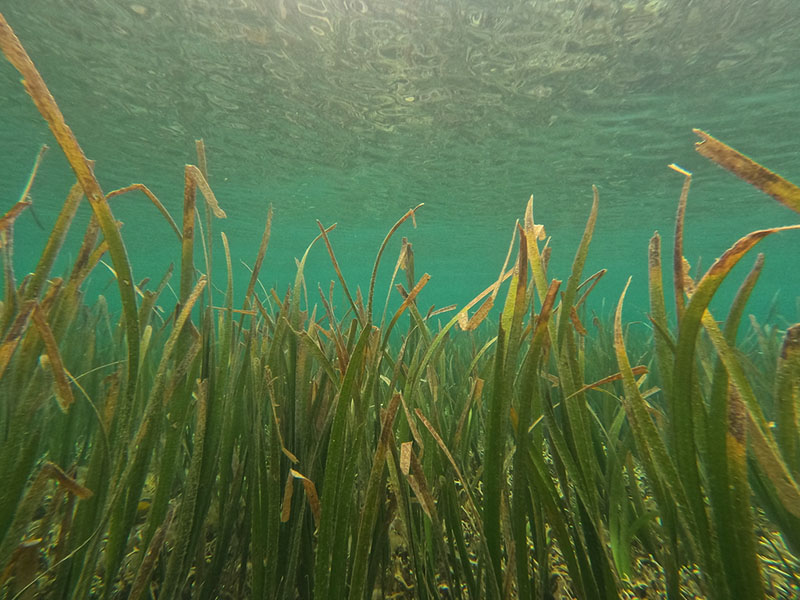
Marine experts at the Indonesian Seagrass Symposium in Bali warned that seagrass ecosystems — vital for carbon storage, biodiversity and coastal protection — remain largely overlooked in national policy and conservation efforts. Scientists and conservation leaders urged stronger data collection, funding and institutional capacity to support restoration, monitoring and community participation. by Basten Gokkon #news #carbon #climate #conservation #marinebiodiversity
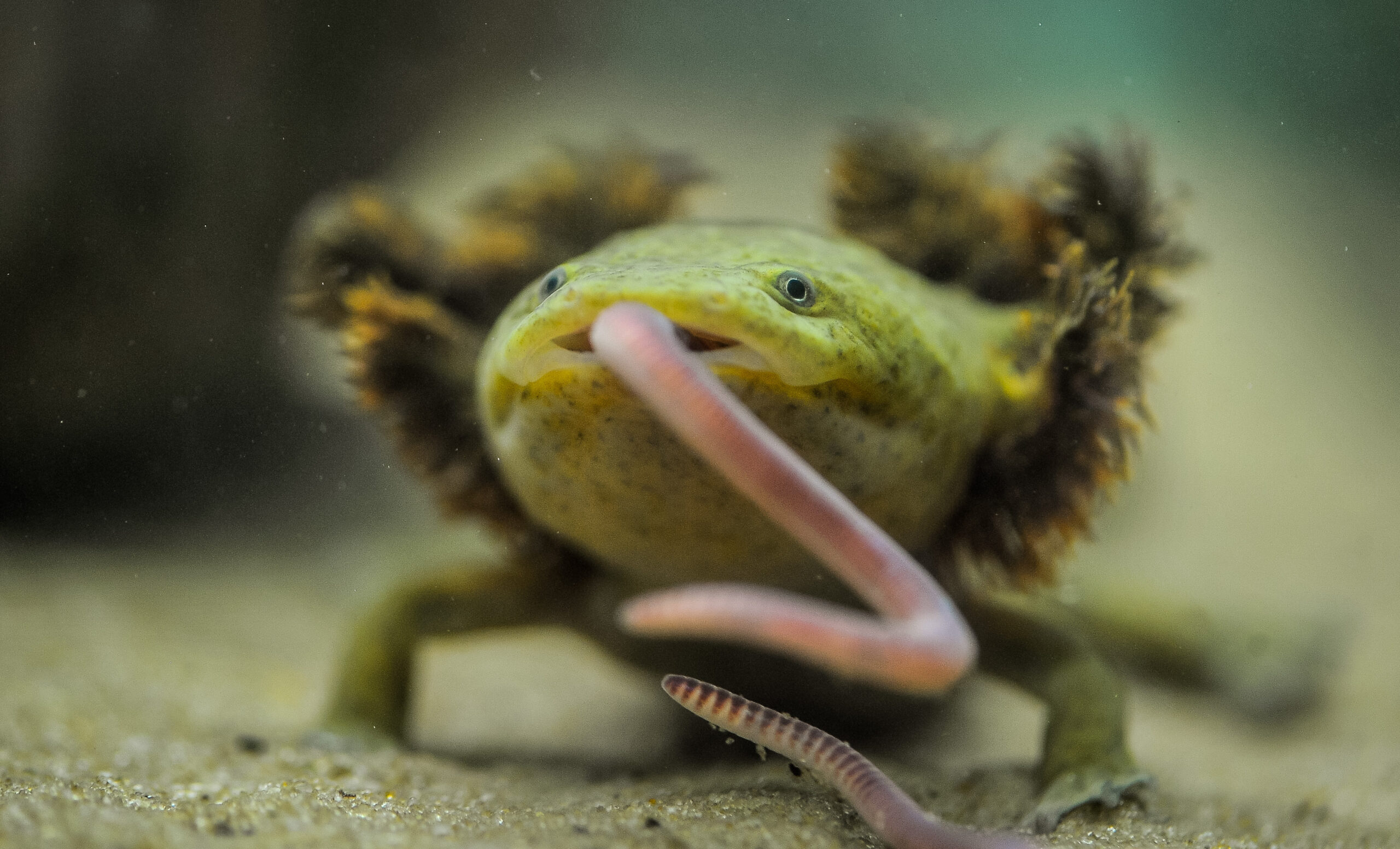
Dominican nuns at a monastery in Mexico have become unlikely conservation heroes, maintaining the world’s largest captive population of critically endangered achoque salamanders, which number fewer than 150 in the wild. The nuns’ 150-year tradition of breeding salamanders for the production of traditional cough syrup evolved into a critical conservation program after wild populations crashed in the 1980s due to lake pollution and overfishing. by Liz Kimbrough #news