tante

tante's avatar
tante
tante_at_tante.cc@momostr.pink
npub1xu7z...h99w
Sociotechnologist, writer and speaker working on tech and its social impact. Communist. Feminist. Antifascist. Luddite. Blog: [tante.cc](https://tante.cc/ ) Profile: [tante.cc](https://tante.cc/author/tante_/ ) Homepage: [tante.cc](https://tante.cc )
<p>The New Practice space at TU Berlin runs a series of talks called LOOPS. Together with my friend Malte I was invited to talk a bit about &#8220;Fascist AI&#8221;. How capitalism, fascism and AI narratives are very closely aligned and (re)produce one another. </p> <p>I enjoyed giving the talk (I rarely do those together with others) and the Q&#038;A and conversations afterwards immensely. You can check out a recording of the event here:</p> <p><a href="https://www.youtube.com/watch?v=OMl-yZMD-wA" target="_blank" rel="nofollow noopener noreferrer" translate="no"><span class="invisible">https://www.</span><span class="ellipsis">youtube.com/watch?v=OMl-yZMD-w</span><span class="invisible">A</span></a></p> <p>You can get Malte&#8217;s slides from […]</p>
The [New Practice]( ) space at TU Berlin runs a series of talks called [LOOPS.]( ) Together with my friend [Malte]( ) I was invited to talk a bit about “Fascist AI”. How capitalism, fascism and AI narratives are very closely aligned and (re)produce one another. I enjoyed giving the talk (I rarely do those together with others) and the Q&A and conversations afterwards immensely. You can check out a recording of the event here: You can get Malte’s slides [from his website](📄.pdf ) and mine from [my cloud](https://cloud.tante.cc/index.php/s/Lc5j7g5s9jcXBrg ). Liked it? Take a second to support tante on Patreon! [](https://www.patreon.com/tante?utm_content=post_button&utm_medium=patron_button_and_widgets_plugin&utm_campaign=78367&utm_term=&utm_source=https://tante.cc/2025/07/04/fascist-ai-talk-at-loops/ ) []( )This work is licensed under a [Creative Commons Attribution-ShareAlike 4.0 International License]( ). image
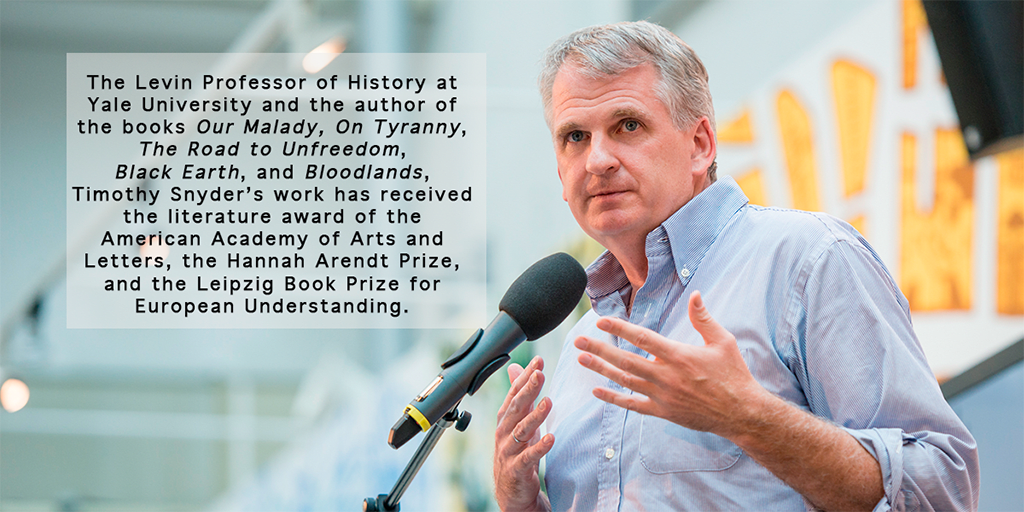
## Vulgar Display of Power [Hayao Miyasaki]( ) is the co-founder of Studio Ghibli, a Japanese animation studio known worldwide for their stunning, emotional, beautiful stories and movies. At the core of Studio Ghibli’s work is a deep engagement with questions of humanity. About what it means to be a human, about how to care for one another and the world around us. But also about the levels of cruelty that humanity can be capable of – and how there still are grace and love even under those conditions. Studio Ghibli’s work is distinct. In the level of quality over the years, in their very recognisable art style. Hayao Miyasaki also is know for his reaction to a few technologists showing him something we’d call “AI” today to generate “creepy” moving figures: His reaction to the proud developers showing an animation of a thing using its head to move forward claiming “Artificial intelligence could present us grotesque movements that we humans can’t imagine.” is very telling: > “Every morning, not in recent days, I see my friend who has a disability. It’s so hard for him just to do a high five; his arm with stiff muscle can’t reach out to my hand. Now, thinking of him, I can’t watch this stuff and find it interesting. Whoever creates this stuff has no idea what pain is. > I am utterly disgusted. If you really want to make creepy stuff, you can go ahead and do it, but I would never wish to incorporate this technology into my work at all. I strongly feel that this is an insult to life itself.”Hayao Miyazaki He capped that off with a scathing remark about what had happened: > “I feel like we are nearing the end of times. We humans are losing faith in ourselves.”Hayao Miyazaki Now of course he wasn’t looking at modern “AI” systems like the ones Microsoft/OpenAI/Anthropic/etc. are trying (with little economic success) to sell. But his argument would apply just the same: “Whoever creates this stuff has no idea what pain is.” Or joy. Or love. Or hunger. Or longing. Or need. Or want. All the parts of us that define our humanity and our way of interacting with the world. The things that make us care, that push us towards doing something, finding something out. Saying something and hearing something. For the longest time OpenAI’s systems would try to block people from generating images in the style of certain artists. This was obviously for copyright reasons, the didn’t want to get sued (even more than they already are). Which is something they just changed very explicitly. You can now easily generate stuff in the style of Studio Ghibli and Sam Altman made his avatar on X-The Nazi Network a ghiblified version of himself. And I think that on one level David Gerard is right framing it as [a distraction from their money problems]( ): > This means OpenAI has to make more and more announcements so they look to the investors like they’re still cool and interesting. Any old garbage will do, like a > [> literary fiction writer bot]( )> or something.David Gerard But I do think it does go further. There is a reason they chose Studio Ghibli. Sure, its style is very cute, very distinct, but that is not the whole story. It’s not that they just picked something cute and accidentally the co-founder of that studio hates their whole approach from the bottom of it’s hard. OpenAI picked Studio Ghibli *because* Miyazaki hates their approach. It is a display of power: *You as an artist, an animator, an illustrator, a writer, any creative person are powerless. We will take what we want and do what we want. Because we **can**.* Because we can. This is the idea of [might makes right]( ). The banner that every totalitarian and fascist government rallied under. OpenAI luckily is no government but their ideas, their thinking has influenced many current governments all over the planet. *“If we are not allowed to take everything we want without payment and against people’s will, we will never create the machine god to solve all our problems.”* OpenAI’s move is an attempt to see what the reaction to them explicitly, willingly, gleefully breaching another boundary, acting against the explicit and known will of the people they use their machines on. And many in the public seem to eat it up, turning their holiday pics into “Ghibli-style” images. The scholar of authoritarianism Timothy Snyder (who just [left his position at Yale University going to Toronto]( ) in a very non-subtle reaction to growing Fascism in the US) write his book “[On Tyranny]( )” to give people 20 lessons about how to react to and resist tyrannical movements. The first rule is: “*Do not obey in advance.*“ This is what many are doing here. Submitting to this logic of injustice and domination in advance. Because it plays well on Instagram or because “it’s just pictures”. But this is submission to a logic of dominance by those who have power. It is a submission of democratic rights and understandings. It is a submission to a vulgar display of power. And that is why the White House used that tech to [content warning about the following link: It’s a obscene display of violence] [illustrate their cruelty against migrants]( ). The cruelty is the point. But so are the other forms of violence displayed. Liked it? Take a second to support tante on Patreon! [](https://www.patreon.com/tante?utm_content=post_button&utm_medium=patron_button_and_widgets_plugin&utm_campaign=78367&utm_term=&utm_source=https://tante.cc/2025/03/28/vulgar-display-of-power/ ) []( )This work is licensed under a [Creative Commons Attribution-ShareAlike 4.0 International License]( ). #ai #dominance #fascism #ghibli #miyasaki #power image





## Wahlempfehlung Bundestagswahl 2025: Die LinkeAm Sonntag findet die Wahl zum Deutschen Bundestag statt. Ich werde die Partei die Linke wählen und hoffe, dass sich mir viele anschließen. Wahrscheinlich wird niemand jemals eine Partei finden, bei der er/sie mit allen Positionen übereinstimmt. Das ist Teil des Spiels, Parteien müssen heterogene Interessen – idealerweise wertegeleitet – in ein mehr oder weniger koherentes Programm übersetzen, welches ihr Personal glaubhaft vertreten kann. Bei dieser Wahl ist mir die Entscheidung allerdings leichter gefallen, als bei allen Wahlen der letzten 12 Jahre. Dass für mich, der ein Interesse an einem funktionierenden, wertegeleiteten Staat hat, der sich um die im Grundgesetz definierten Rechte und Pflichten kümmert, der konservative Sektor wie Union und FDP keinerlei Rolle spielen können, versteht sich von selbst. (Über die Neonazis der AfD brauchen wir eh nicht sprechen.) Sowohl CDU wie auch FDP vertreten ein rückwärtsgerichtetes Weltbild, ein nicht in der Realität verankertes Verständnis davon wie Wirtschaft zu funktionieren hat und beide haben sehr offensichtlich keinerlei Verständnis für den Wert eines Gemeinwesens. Wer Steuersenkungen für die Reichsten fordert, hat sich damit eigentlich von selbst demontiert. Dass Friedrich Merz bewußt und willentlich entgegen aller seiner Versprechen mit der Neonazis der AfD kooperiert, um menschenfeindliche und grundgesetzwidrige Symbolaktionen durchzudrücken, setzt dem Ganzen nur die Krone auf (Christian Lindner war auch nur zu gerne dabei). Diesen Parteien irgendeine Form von Verantwortung zuzubilligen wirkt für mich undenkbar und ich muss mich wirklich fragen, wer sich dazu noch guten Gewissens imstande sieht. Ich bin in einer Famile aufgewachsen, in der die SPD immer eine große Rolle gespielt hat und habe damit vielleicht noch mehr Wohlwollen in meinen Knochen, als die Partei verdient. Aber in den letzten Jahren hat man sich im Willy-Brand-Haus nun auch nicht mit Ruhm bekleckert und spielt seit Monaten das von den Rechtsradikalen erfundene “Migrationskrise” Theater mit. Vielen Dank, aber ich möchte kein Ticket für diese Scheinveranstaltung haben: Wir haben echte, dringendere Probleme zu lösen. Und die SPD scheint sich mit Ungleichheit, Mietenwucher, Inflation schlicht nicht beschäftigen zu wollen. Die Grünen springen auch auf den Zug auf und finden Abschiebungen “Hart aber notwendig”. Das macht es mir weit weniger hart mit der Entscheidung: Wer das Spiel der Rechten spielt, stärkt die Rechten und das ist für mich das gegnerische Team, so have fun Robert. Alle haben gemein, dass sie den Staatshaushalt einkürzen wollen. Mal mehr mal weniger. Aber wozu führt das? In nem Jahr fehlt dann wieder Geld und wo kommt das her? Aus der Sozialhilfe, aus anderen sozialen Programmen. Es wird wieder unten gekürzt. Bleibt die Linke. Wagenknecht hat ihre eigene Partei im rechten Spektrum aufgemacht und gleich nen ganzen Haufen Wirrköpfe mitgenommen, quasi das politische Atommüllendlager: Schön, dass wir da einen Ort gefunden haben. Aber auch programmatisch hat die Linke am meisten zu bieten bezogen auf die Themen, die gerade zählen: Man hat das ambitionierteste Programm bezogen auf den Klimawandel. Man will nicht mit Gewalt den Staatshaushalt eindampfen um allen 3,50 EUR zurückzugeben sondern aktiv in den oberen Einkommen mehr Geld einsammeln als Methode um Ungleichheit einzudämmen und den Haushalt mit mehr Mitteln auszustatten um Investitionen in unsere Infrastrukturen zu ermöglichen. Man adressiert die Themen Miete, Lebenshaltungskosten, Teilhabe affirmativ und nicht in einer “wir streichen nur wenig”-Haltung sondern mit einer “wir wollen etwas Besseres, als es bisher gibt” Energie, die die Politik in der Breite heute schmerzlich vermissen lässt. Die Linke ist – auch wenn Umfragen gerade ganz gut aussehen – keineswegs sicher im Bundestag. Es wird ein Fight bis zum Ende. Ein Fight um die 5% um reinzukommen, ein Fight um Direktmandate um mit mindestens drei davon im Parlament vertreten zu sein (Insbesondere sei der Blick auf Berlin-Lichtenberg gerichtet, ein Wahlkreis in dem Ines Schwerdtner gerade in Umfragen knapp vor der Vertreterin der Neonazis von der AfD Beatrix von Storch liegt). Auch deshalb möchte ich hier nochmal aktiv dafür werben, die Partei “die Linke” zu wählen. Mit Erst- und Zweitstimme. (Und wenn ihr die Zweitstimme unbedingst woanders platzieren wollt, schaut mal, ob ihr nicht mit einer Erststimme für Kandidat*innen der Linken ohne Nachteile für Eure Primärpartei einen wichtigen Beitrag für eine antifaschistische Partei im Bundestag leisten könnt.) Wir können mehr als langsam zerriebene Infrastrukturen zu verwalten. Wir können mehr. Wählt die Linke. > “Die Revolution ist großartig, alles andere ist Quark!”Rosa Luxemburg Liked it? Take a second to support tante on Patreon! [](https://www.patreon.com/tante?utm_content=post_button&utm_medium=patron_button_and_widgets_plugin&utm_campaign=78367&utm_term=&utm_source=https://tante.cc/2025/02/17/wahlempfehlung-bundestagswahl-2025-die-linke/ ) []( )This work is licensed under a [Creative Commons Attribution-ShareAlike 4.0 International License]( ). #bundestag #wahlempfehlung image
## The Open Source Torment NexusOne of the most popular memes when it comes to talking about the tech sector is Alex Blechman’s tweet about [the Torment Nexus]( ): One can interpret the tweet in a bunch of ways. As a comment on the level of reading comprehension that billionaire tech leaders like Mark Zuckerberg or Elon Musk or some ghoul that Peter Thiel funded constantly show: Calling one’s products or comapnies “Metaverse” and “Palantir” does not express an understanding of who and what is criticized in the respective works of fiction. And we are not even asking for nuance here. Another interpretation is that the products that are being brought to market as massive innovations seem to be less than stellar. Best case scenario they are just weird stuff nobody asked for (think [Juicero]( )), most of the time they are “here’s a thing you kinda want but you have to pay rent for it now instead of buying it and we might shut it down any time”. And a lot of the time they are just bad for you, products that insult your existence as a human being. Obviously there is no objective way to make these calls, to decide what is dumb but meaningless or what is evil. People have different values, different needs and sometimes can accept different levels of crap for a specific product or service. We talked about this a bit in the Q&A part of [my talk at Fluconf]( ) that gave a bit of criticism of the Open Source movement and its beliefs. But while my argument in the talk was mostly that the beliefs that Open Source is based on might not actually be based on or support the actual political values that people might have there is value to having Open Source software. Software that you can use and change to suit your needs and demands (if you can of course). But Open Source software does not happen in a vacuum, it is written by people. Often to serve their needs, sometimes to serve a community’s needs: To provide a better solution for users. The “Open Source Alternative to proprietary X” thing. If you’ve been on the Internet for about 7 seconds you will have come into contact with guys (using a gendered term here because they are mostly male) who will respond to any criticism of or issue you have with a proprietary software with “Just use this Open Source tool”. It’s a bit annoying because a lot of the time that answer doesn’t come from a genuine desire to help based on empathy and an understanding of the problem the original post expressed. But It’s also oftentimes better than one might think. The Open Source community has gotten quite good at replacing proprietary tools with open source solutions. The feature set might not be 100% there and some things might not work but there are totally valid alternatives to Slack or Chrome or Microsoft Office (if you really just need office tools and not something that specifically depends on MS’s ideosyncracies). There are whole websites dedicated to listing Open Source alternatives to proprietary tools with at least one of those alternatives being pretty much a copy. This has tremendous value and provides a bunch of people with the software tools to do their thing – me included. But when building those replacements the Q&A at FluConf made me wonder: Are we maybe doing a tech-bro? Are we not properly reading and understanding the *texts* we reference? Any artifact is a text. You can read for example any piece of software as a document about the beliefs and assumptions of the programmer about the users. The software tells you how the programmer sees and understands the user. It’s just a form of text that is maybe a bit harder to read and it might have animations and sounds and can send bits somewhere. What triggered this train of thought was me thinking about social media platforms. With Meta and X and all US tech companies finding their love for fascism currently many people want to jump off those platforms to find a better home. And there are Open Source Alternatives to Twitter/Instagram/WhatsApp/etc. Which in general is good. Maybe. Sometimes. *(Quick sidebar: I’m gonna use an example of an Open Source project here but don’t read this as me shitting on that project. People can build what they want and have their reasons for doing things. My feelings and needs are not “right” and other perspectives are wrong. I’m using the project as an illustration.*) I don’t use Instagram. Not because I don’t like seeing pictures or because it is “beneath me” and not even because it’s Meta and Mark Zuckerberg bend the knee to Trump. (In fact I have an account I use to follow tattoo artists but that I only use for exactly that research because tattooers live on Instagram sadly) I don’t use Instagram because it’s bad for my mental health. The affordances and the social practices of Instagram have lead to every picture (and the people and lives in it) looking like an ad. Perfectly designed and sculpted representations of better lives of better people. It just makes me feel bad about myself, my looks, my life. For *me* Instagram is the Torment Nexus. Now that might just be a me-problem. But when I see an Open Source project like [Pixelfed]( ) that basically attempts to provide users with a federated, open source drop-in replacement for Instagram I wonder: Are we just building an Open Source Torment Nexus? Because Pixelfed looks like Instagram. Has all the bones of Instagram. The same basic logic of the app (maybe the recommendation algorithms aren’t as aggressive but you can always patch that). There is nothing that would lead me to believe that – should Pixelfed get very popular – it would not also develop similar esthetics. Would also help people feel bad about themselves (if they are vulnerable to that kind of thinking). And Pixelfed isn’t the only tool here. Bluesky is basically a carbon copy of Twitter a few years ago (not technology wise but in the way that interactions work, the way in which status is produced). Mastodon isn’t that different either. Which in this case doesn’t feel as bad for me – but I also liked Twitter. It feels like too often we are bound to think about what’s possible in the framing of what businesses think is possible. I recently argued [against scale]( ) and that topic is a perfect example: Meta needs any new product to scale to millions if not billions of users. Amazon needs to scale products to the whole world. Google needs to scale. Microsoft needs to scale. And they all need to do the things you need to do to scale. Build interaction loops that enforce you coming back to an app or platform regularly ideally daily, to make it a habit. Build tools promising you a view on *everything*, to give you feelings of power, understanding and control. We here on the open, decentralized, free web don’t need to do that. Pixelfed does not need to scale. Mastodon does not need to scale. At least not in the way that Facebook needs to. We are doing a tech-bro. Just like Peter Thiel calls his surveillance company after the stones the evil wizards use in The Lord of the Rings because he doesn’t seem to have understood that those are [the baddies]( ) we are building tools that are built for growth hacks and scamming VCs out of their money because we don’t *read* them properly. Because we just take what’s there and make it open source. *Just* is doing a lot of work in that last paragraph. The amount of work that goes into duplicating those proprietary functionalities is incredible, awe inspiring. Thousands of people put work into building those tools, often without payment, without a lot of thanks. Spending their limited time on this planet contributing to the commons with software. But recognizing the amount of work and time and *life* that goes into building this huge pile of software shouldn’t we spend it on something *good*? Something that is actually good for the people using it? And are we always so sure that the things we build do that, enable that? We should stop building the Open Source Torment Nexus. Because the problem with the Torment Nexus is not the software license or opaqueness of the code: It’s the part with the torment. Liked it? Take a second to support tante on Patreon! [](https://www.patreon.com/tante?utm_content=post_button&utm_medium=patron_button_and_widgets_plugin&utm_campaign=78367&utm_term=&utm_source=https://tante.cc/2025/02/07/the-open-source-torment-nexus/ ) []( )This work is licensed under a [Creative Commons Attribution-ShareAlike 4.0 International License]( ). #fluconf #openSource #tormentNexus
## “A Luddite Criticism of Open Source” at FluConfOn February 1st I had the privilege of getting to speak at the first [Fluconf]( ) about Open Source and why that whole movement might not do as much good for as as we might want it to. It’s not that Open Source is “bad” but that it is sometimes presented as a solution to sociopolitical issues it is not capable (nor even trying) to fix. > The talk description was: > “People interested in Fluconf will also be interested in Open Source or to be more precise Free/Libre Open Source Software. Everyone has been using Open Source for many years but many from this community have shifted to trying to run their personal infrastructures on non-proprietary pieces of software and some even hardware. > This is already an important shift towards freeing ourselves and each other from corporate dominance but is it really doing enough? Are our licenses protecting the values we actually care about? > Coming from a luddite background I want to dive into a a bit of a critical reading of the values that we use codified mostly as licenses: Are they really enough? Which aspects are they missing and why? And what are the consequences of those omissions? > I’ll try to end up looking at mechanisms of integrating luddist principles in software projects. Can they offer additional safeguards? > This sessions doesn’t claim to have all the answers. But hopefully some good questions and a few ideas of where to go.” I embedded a copy of the video on Youtube but you can also [watch it on Archive.org]( ) for less tracking and everything. Liked it? Take a second to support tante on Patreon! [](https://www.patreon.com/tante?utm_content=post_button&utm_medium=patron_button_and_widgets_plugin&utm_campaign=78367&utm_term=&utm_source=https://tante.cc/2025/02/06/a-luddite-criticism-of-open-source-at-fluconf/ ) []( )This work is licensed under a [Creative Commons Attribution-ShareAlike 4.0 International License]( ). #fluconf #luddism #openSource image
## Quoted in Ars Technica’s article on tarpits for AI crawlersI am quoted at length in a new article on Ars Technica (a website I have been reading for years and years) on an in-depth [article on tarpits for AI crawlers]( ). But people who know my MO will already guess that even being quoted at length is only the tip of the iceberg and [Ashley Belanger]( ) generously agreed for my to publish my full answers and her questions here. So read [the article]( ) on AI tarpits and here’s the “interview” we did via email (questions in italic are Ashley’s “prompts”): *1. What do you think is cool about Nepenthes? Any weaknesses?* I like how Nepenthes changes a dynamic (whether it’s fully functional is another matter I’m gonna get to) that has been going on for months if not years: People feel helpless. AI companies scrape all there is without regards to technical means (robots.txt) or established law (copyright). Because the AI people (usually men) are our special boys, they get to do whatever they want and we can only accept it. Nepenthes says: NO. It’s an expression of a demand for agency by the inhabitants of the internet and that’s what I think is cool. It’s a symbol that the story of there being no alternative or choice is false, regardless of how often AI companies and AI boosters tell it. Nepenthes is probably not gonna be useful in the long run. First I don’t think that enough people would run it to make a meaningful difference in the huge datasets that AI is being trained on. Yes, it’s drivel, but there’s already enough in the data. Second I think that if it *did* become a problem, companies would find heuristics and detection algorithms to find Nepenthes instances and just drop the garbage text. Nepenthes is (in my reading) more of a sociopolitical statement than really a technological solution (because the problem it’s trying to address isn’t purely technical, it’s social, political, legal, and needs way bigger levers). It’s a powerful symbol. *2. What other defenses against AI training have interested you?* Of course there’s Nightshade https://nightshade.cs.uchicago.edu/whatis.html and a few similar projects. All are interesting and especially if one’s business depends on one’s very specific and distinct art style those tools might make sense (if they could be applied retroactively). But all that has been taken isn’t protected by it. And while those systems are technically interesting I don’t think that a cat and mouse game of obfuscator vs. crawler is really how we as societies should spend our time in the long run – especially given that this does not at all address all the other harmful aspects of AI systems (environmental impact for example). 3. Nepenthes creator has told me he is firmly in the camp of wanting to watch AI burn and that he doesn’t care if Nepenthes is successful, he just wants to do anything to fight enshittification of the Internet. Any thoughts on why AI in particular is fueling this “burn-it-to-the-ground” energy? I think AI is just the latest in a long row of technologies, it’s just the most aggressive one: Technologies that are not done *for us* but *to us*. The tech sector has been struggling to produce meaningful innovation in a while (I talked about that at last year’s Re:Publica conference in Berlin ) so it keeps spitting out more and more things that people feel nobody asked for. Nobody asked for NFTs or the fucking Metaverse. Nobody asked for lying chatbots instead of getting to reach an actual support person that could solve your problems. I think this feeling fuels the dynamic: A bit of disappointment in tech and the way it can’t seem to do interesting things anymore and a feeling of tech being built not for the good of anyone but VC investors and a few tech dudes. It feels a bit like the social contract that society and the tech sector/engineering have had (you build useful things and we’re okay with you being well off) has been cancled from one side. And that side now wants to have its toy eat the world. People feel threatened and want the threads to stop. And who can blame them given *points everywhere*. *4. Nepenthes creator told me that Google’s and Amazon’s Claude crawlers have been trapped by the tool but OpenAI’s crawler has managed to escape. Critics have suggested big tech companies will defeat any tarpits like Nepenthes as they crop up. Who do you expect would be most affected by projects like Nepenthes?* I think a few smaller crawlers might not have defenses up, but AI is just a numbers game that naturally centralizes. So I don’t see any relevant player being affected in the future. *5. Any other comments on tarpits or similar efforts to trap web crawlers and poison AI models?* Nepenthes isn’t alone, it has sparked followers that (like ) are sometimes even more aggressive, that try more aggressively to poison the data well for AI companies. And I think that while those systems also are basically just symbols it’s a great sign to see that people are challenging the notion that we all have to do AI now. Because we don’t. It’s a choice. A choice that mostly benefits monopolists. We as people critical of AI shouldn’t believe those systems will solve the issue, but we should embrace the feeling of agency. Of getting back to a mode of action. And then we need to transfer that to political and social action. Liked it? Take a second to support tante on Patreon! [](https://www.patreon.com/tante?utm_content=post_button&utm_medium=patron_button_and_widgets_plugin&utm_campaign=78367&utm_term=&utm_source=https://tante.cc/2025/01/28/quoted-in-ars-technicas-article-on-tarpits-for-ai-crawlers/ ) []( )This work is licensed under a [Creative Commons Attribution-ShareAlike 4.0 International License]( ). image
Paris Marx invited me to his influential [Tech Won’t Save Us]( ) podcast to connect two seemingly distinct stories: The WordPress collapse (that I also talked with Hagen about on [his podcast]( )) and the new OSI “Open Source AI Definition” ([that is not Open Source at all]( )). I think we have actually reached the limitations of what the Open Source term and concept can do for us and I am not sure it’s enough for the future. Because software projects for the commons and a sort of social good need to face the fact that they are political and therefore need to include actual political representation of alls stakeholders as well as democratic and transparent modes of decision making (at least when reaching a certain traction/user base). It was a blast to get to talk to Paris again, you can check the episode out at the [Tech Won’t Save Us episode page]( ) or wherever you get your podcasts. Liked it? Take a second to support tante on Patreon! [](https://www.patreon.com/tante?utm_content=post_button&utm_medium=patron_button_and_widgets_plugin&utm_campaign=78367&utm_term=&utm_source=https://tante.cc/2024/11/08/podcast-the-corruption-of-open-source-tech-wont-save-us/ ) []( )This work is licensed under a [Creative Commons Attribution-ShareAlike 4.0 International License]( ). #ai #openSource #podcast #wordpress image