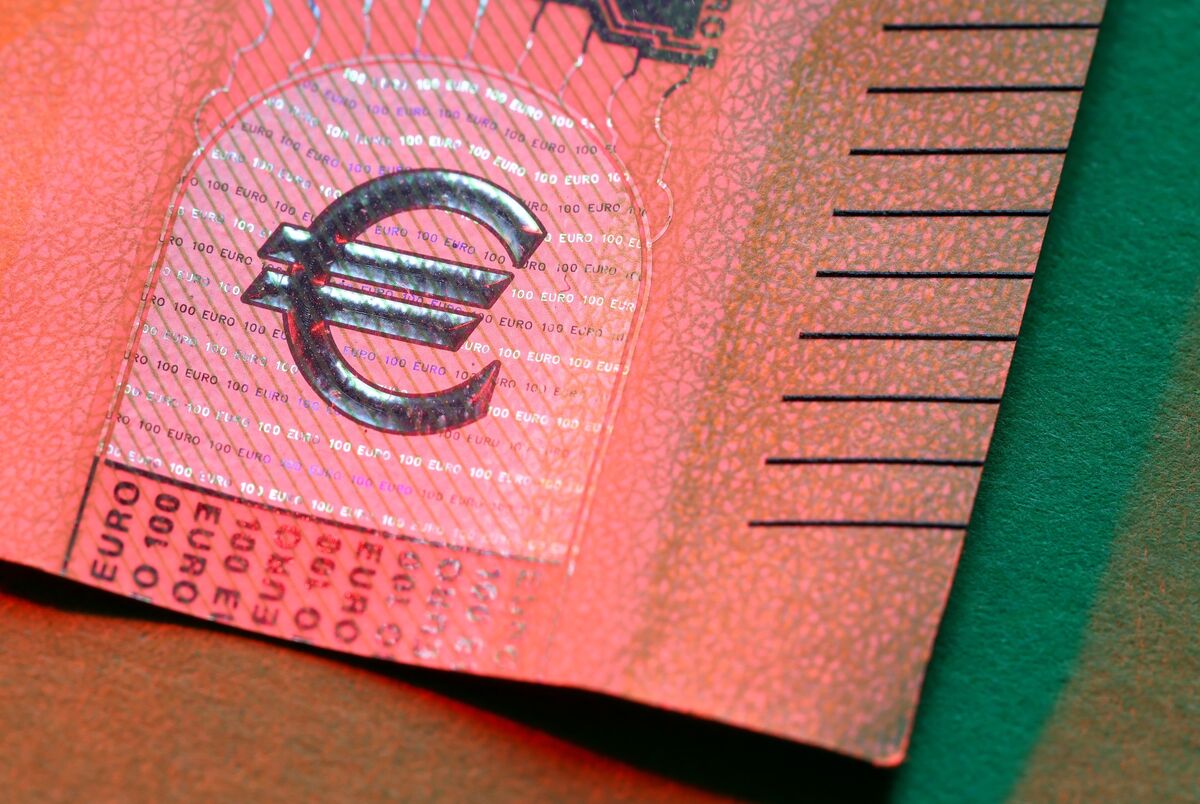
Can we take a moment to talk about the digital bolívar in Venezuela?
In early 2021, Nicolas Maduro briefly hinted that a “digital bolívar” would soon be part of an effort to digitize the Venezuelan economy.
Many people took this statement to mean a CBDC was on the way.
Later that year, the Banco Central de Venezuela seemed to confirm those suspicions when it announced the digital bolívar was indeed on the way along with a currency devaluation.
Well… here it is. The “digital” bolívar.
 No, this is not a hyperrealistic AI-generated image of what a digital bolívar might look like. It really is a physical banknote.
The only thing that's new is the devaluation so that 1,000,000 sovereign bolívars = 1 digital bolívar
So, it’s not a CBDC by any means, but there is a side note to this story that unexpectedly captures just how absurd the Venezuelan monetary system has become.
The central bank forced shops to post prices as both sovereign bolívars (Bs) and digital bolívars (Bs.D). Yet, there is a third label on prices that can also be seen in Venezuelan shops: REF.
In short, this means to reference the dollar.
For the fans of statistics, I probably don't need to point it out. However, “REF” is also the error code that Excel will display if a formula is broken. And frankly, this label could not be more fitting.
Something is clearly broken if a central bank has launched a non-digital, digital currency denominated at 1/1,000,000th of its previously hyperinflated currency that was already on its second devaluation.
As if this story were not enough, there’s also the tale of when Maduro introduced an actual digital currency called the “petro.” However, I'll leave that for another day.
If you want to learn more about this story and other CBDC developments around the world, check out the @npub17xvf...c9as CBDC Tracker.
No, this is not a hyperrealistic AI-generated image of what a digital bolívar might look like. It really is a physical banknote.
The only thing that's new is the devaluation so that 1,000,000 sovereign bolívars = 1 digital bolívar
So, it’s not a CBDC by any means, but there is a side note to this story that unexpectedly captures just how absurd the Venezuelan monetary system has become.
The central bank forced shops to post prices as both sovereign bolívars (Bs) and digital bolívars (Bs.D). Yet, there is a third label on prices that can also be seen in Venezuelan shops: REF.
In short, this means to reference the dollar.
For the fans of statistics, I probably don't need to point it out. However, “REF” is also the error code that Excel will display if a formula is broken. And frankly, this label could not be more fitting.
Something is clearly broken if a central bank has launched a non-digital, digital currency denominated at 1/1,000,000th of its previously hyperinflated currency that was already on its second devaluation.
As if this story were not enough, there’s also the tale of when Maduro introduced an actual digital currency called the “petro.” However, I'll leave that for another day.
If you want to learn more about this story and other CBDC developments around the world, check out the @npub17xvf...c9as CBDC Tracker.
No, this is not a hyperrealistic AI-generated image of what a digital bolívar might look like. It really is a physical banknote.
The only thing that's new is the devaluation so that 1,000,000 sovereign bolívars = 1 digital bolívar
So, it’s not a CBDC by any means, but there is a side note to this story that unexpectedly captures just how absurd the Venezuelan monetary system has become.
The central bank forced shops to post prices as both sovereign bolívars (Bs) and digital bolívars (Bs.D). Yet, there is a third label on prices that can also be seen in Venezuelan shops: REF.
In short, this means to reference the dollar.
For the fans of statistics, I probably don't need to point it out. However, “REF” is also the error code that Excel will display if a formula is broken. And frankly, this label could not be more fitting.
Something is clearly broken if a central bank has launched a non-digital, digital currency denominated at 1/1,000,000th of its previously hyperinflated currency that was already on its second devaluation.
As if this story were not enough, there’s also the tale of when Maduro introduced an actual digital currency called the “petro.” However, I'll leave that for another day.
If you want to learn more about this story and other CBDC developments around the world, check out the @npub17xvf...c9as CBDC Tracker.
CBDC Tracker
A CBDC is a digital national currency. In the case of the United States, a CBDC would be a digital form of the U.S. dollar whereas, in Nigeria, the...



 To their credit, the authors acknowledge that electronic payments are widely available.
 So why? Why do people need a digital euro when they are already served by a wide array of options?
And there it is: Control.
So why? Why do people need a digital euro when they are already served by a wide array of options?
And there it is: Control.
 The authors do well to be upfront about one risk of CBDCs. Although the only one they mention is the risk that a CBDC could undermine banks and so they propose restrictions on how much people can own.
 However, there are many other risks at play with few benefits to justify the cost.