MikeDunnAuthor

MikeDunnAuthor's avatar
MikeDunnAuthor
npub1kftr...akf5
Working Class Historical Fiction from the not so gilded age. Labor History. Social justice. An injury to one is an injury to all! https://michaeldunnauthor.com @michaeldunnauthor.bsky.social https://www.historiumpress.com/michael-dunn Pronouns: He/him #Solidarity #Sabotage #GeneralStrike #HistoricalFiction #WorkingClass #LaborHistory #WomensRights #antifascism #AntiImperialism #LGBTQIA+ #EndAbleism #TransRightsAreHumanRights #SelfDetermination #ClimateChange Website: https://michaeldunnauthor.com Header: 1910 photograph of breaker boys, by Lewis Hines. "Breaker Boys" worked 14-16 hours a day in coal mines. They were young boys, usually between the ages of 8 and 12 years old, employed in breaking stage of coal mining.
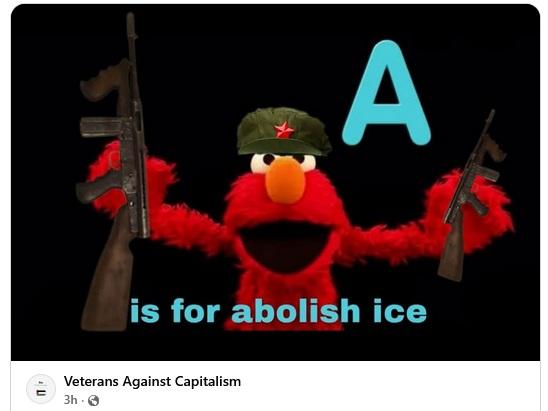
There was certainly a surge in calls in June regarding commands to point their weapons on U.S. citizens in U.S. cities: And growing concern by soldiers about the legality of the strikes on Venezuela: But where are the huge numbers of soldiers refusing to follow these illegal orders? Where are the conscientious objectors being arrested, imprisoned or dishonorably discharged? image
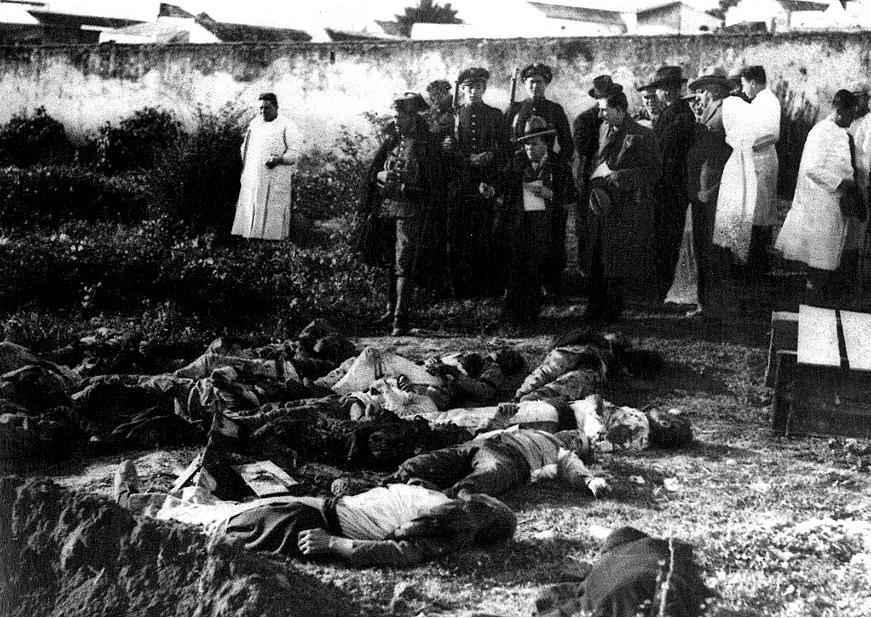
Today in Labor History January 8, 1892: 500-600 anarchist peasants led a revolt in Andalusia, taking over the town of Jerez and demanding the release of prisoners and economic relief. The authorities quickly quashed the uprising, killing three. They captured and tortured the leaders, executing four of them on February 10. They sentenced another 14 to life imprisonment. The Cadiz labor movement had to go underground because the general repression was so severe. But the Cadiz anarchist movement continued, culminating with the 1933 uprising at Casas Viejas, and subsequent massacre by soldiers. The press condemned the government’s response. Protests erupted in many parts of Spain and other parts of Europe. Activists clashed with police at Spanish consulates throughout Europe. Anarchists set off numerous bombs in retaliation. Anarchist Paulí Pallàs tried to assassinate Catalonia Captain General Arsenio Martínez Campos for his role in the Jerez uprising's repression and executions. Pallas was executed for this. Jerome Mintz wrote about this history in his classic, “The Anarchists of Casas Viejas,” (1982). #workingclass #LaborHistory #anarchism #spain #andalucia #execution #uprising #revolt #prison #massacre #bombs #books #nonfiction #history [@bookstadon]( ) image
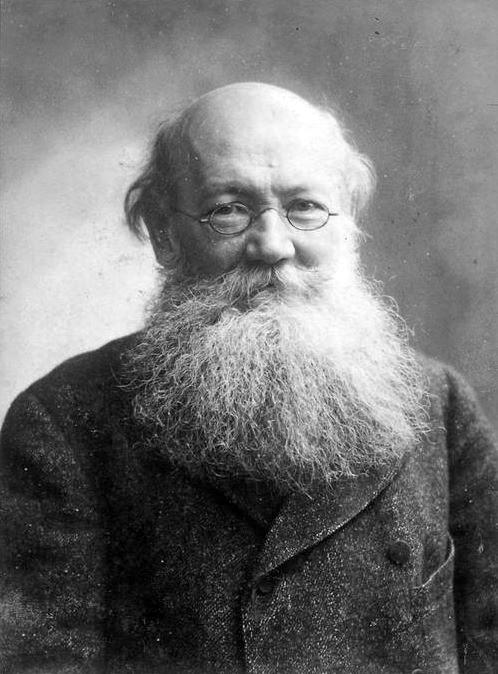
Today in Labor History January 8, 1883: In Lyon, France the trial of the anarchists known as "the 66" began on this date. "The 66" were accused of promoting workers' strikes and the abolition of the rights of property, family, fatherland and religion. Leaders like Peter Kropotkin, Emile Gautier, Joseph Bernard and Toussaint Bordat received four years in prison, while 39 of their cohorts received sentences ranging from six months to three years. #workingclass #LaborHistory #anarchism #kropotkin #lyon #france #prison #strike image
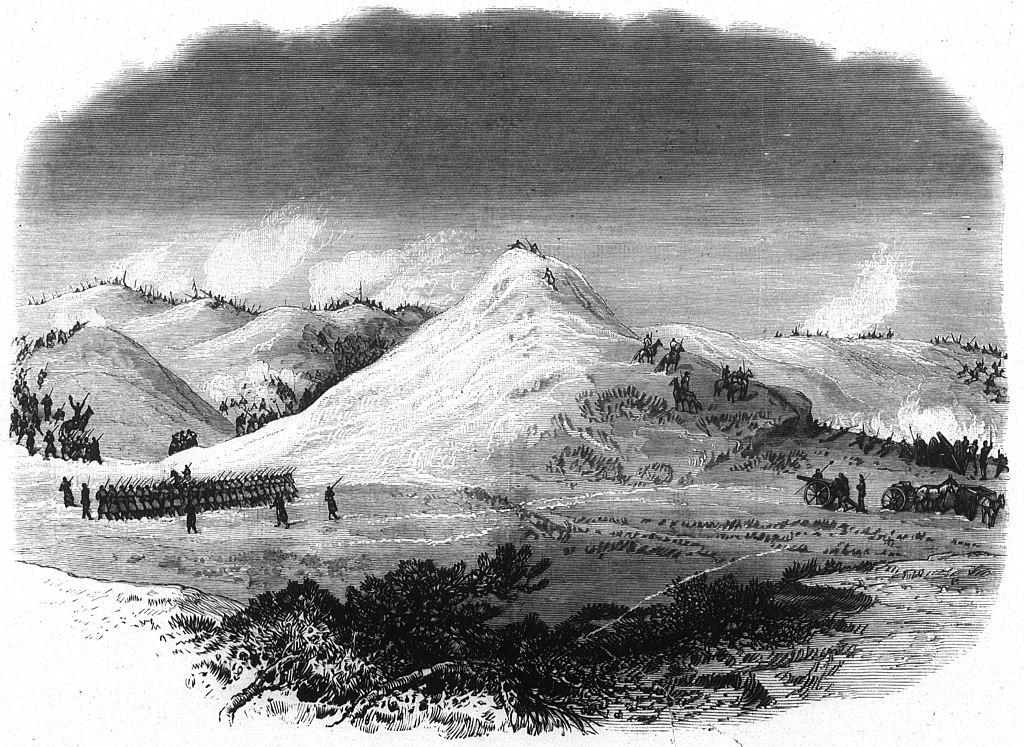
Today in Labor History January 8, 1877: Crazy Horse and his warriors fought their final battle against the U.S. Cavalry at Wolf Mountain, Montana Territory. Just six months earlier, Crazy Horse and Chief Gall had led Lakota, Cheyenne and Arapaho warriors in the routing of Custer and the 7th Cavalry in the Battle of Little Bighorn. Many bands of Sioux and Cheyenne had returned to the reservations to get food and supplies in preparation for winter. However, Congress had demanded that they cede the Black Hills in exchange for these goods, and they replaced the civilian contractors in charge of these supplies with army soldiers. This convinced many people to avoid the reservations and mistrust the U.S. government even more than they already did. Then, in December, U.S. troops defeated Sitting Bull’s band, as well as Dull Knife's Cheyennes, who had trekked through snow to join Crazy Horse. Considering their weakened condition and the approaching winter, Crazy Horse tried to negotiate peace with the army. The army responded by murdering Crazy Horse's delegation. Consequently, they continued fighting. The final battle occurred on January 8, 1877. While only 3 people died on each side and the battle was essentially a draw, the U.S. treated it as a strategic victory in light of their recent humiliation at Little Big Horn, and because it showed they could avoid defeat under harsh winter conditions. #workingclass #LaborHistory #indigenous #littlebighorn #crazyhorse #sioux #cheyenne #custer #blackhills #treaty #nativeamerican #genocide image
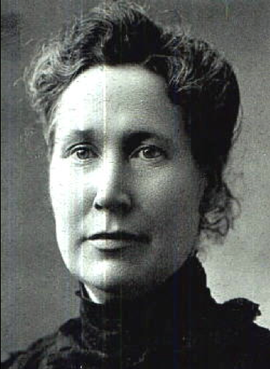
Today in Labor History January 8, 1864: Mary Kenney O'Sullivan (1864-1943) was born on this date in Hannibal, Missouri. O’Sullivan was the first American Federation of Labor (AFL) woman organizer. She also organized the Woman's Bookbinder Union in 1880 and was a founder of the National Women’s Trade Union League (WTUL) in 1903. #workingclass #LaborHistory #union #strike #women #feminism image
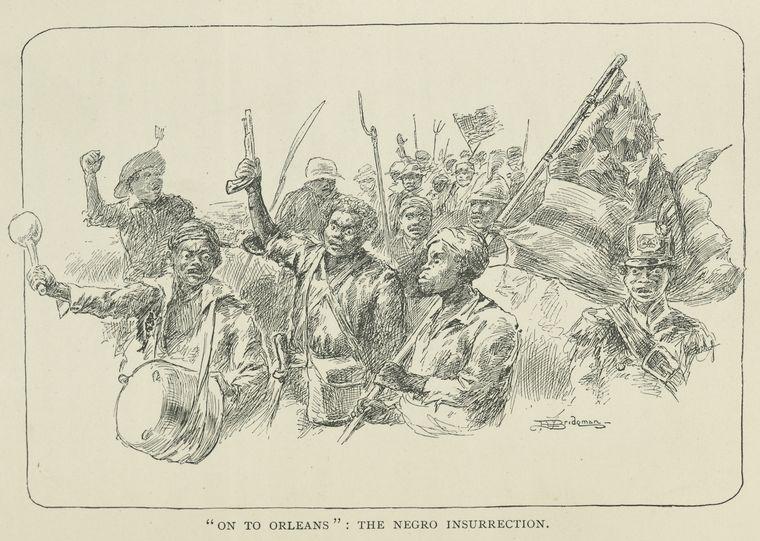
Today in Labor History January 8, 1811: Charles Deslondes led an unsuccessful slave revolt on the east bank of the Mississippi River near present day New Orleans. Around 125 enslaved men marched from sugarcane plantations on the German Coast toward New Orleans, collecting more men along the way. Up to 500 people participated in total, making it the largest slave revolt in U.S. history. On their march, they burned five plantation houses, several sugarhouses, and crops, and they killed two white men. Most were armed with hand tools. However, 95 black people died in confrontations with the militia or by execution in the aftermath. Whites decapitated many of the executed men and displayed their heads on pikes to intimidate other slaves. #workingclass #LaborHistory #slavery #revolt #uprising #abolition #massacre #racism #neworleans #BlackMastadon image