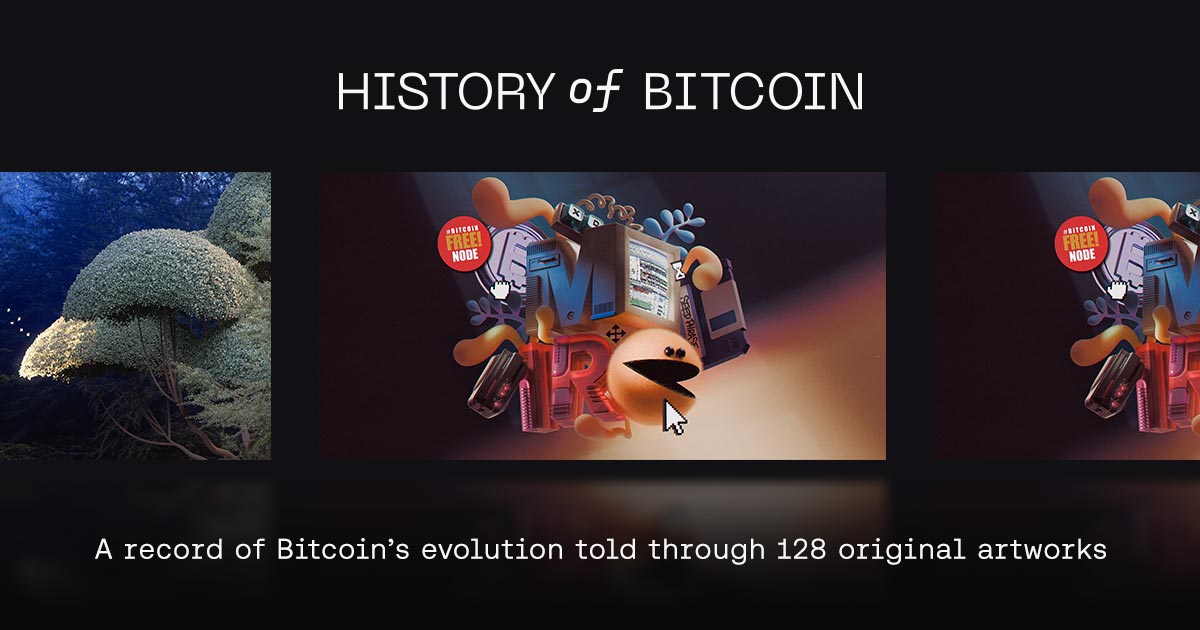
In 2009, someone bought 5,050 BTC for five dollars. This was #Bitcoin’s first recorded deal and the moment its market value began to emerge. Artwork by Limbo Mask (@Limbo_Mask Over on X).
In Bitcoin’s earliest days, there was no way to buy coins. There were no onramps, no exchanges and no market price. The only way to acquire BTC was to mine it or to persuade another early user to send some. That worked for a short time, but as interest grew, not everyone wanted to mine, and network difficulty was rising.
A solution was needed. A pseudonymous forum user called New Liberty Standard created the first #Bitcoin exchange in October 2009. It was simple and manual but revolutionary. Users could buy or sell BTC using #PayPal, with trades handled directly by email or #Bitcointalk messages. There were no accounts, no order books and no automated systems. Everything was peer to peer, just like Bitcoin itself.
On October 12 2009, @Martti Malmi made the first known bitcoin to fiat sale, trading 5,050 BTC for 5.02 dollars. The exchange rate was calculated from the electricity cost of mining. Martti did not need the money. He made the trade to support New Liberty Standard and prove that the exchange worked. At that time, #NewLibertyStandard was the only counterparty, acting as both market maker and escrow using his own BTC and dollars.
This small transaction carried enormous significance. It showed that an online exchange could function. More importantly, it proved that bitcoin could be exchanged for real money. It set the first precedent for Bitcoin’s economic value and opened the door for every exchange that followed.
Read the full article:
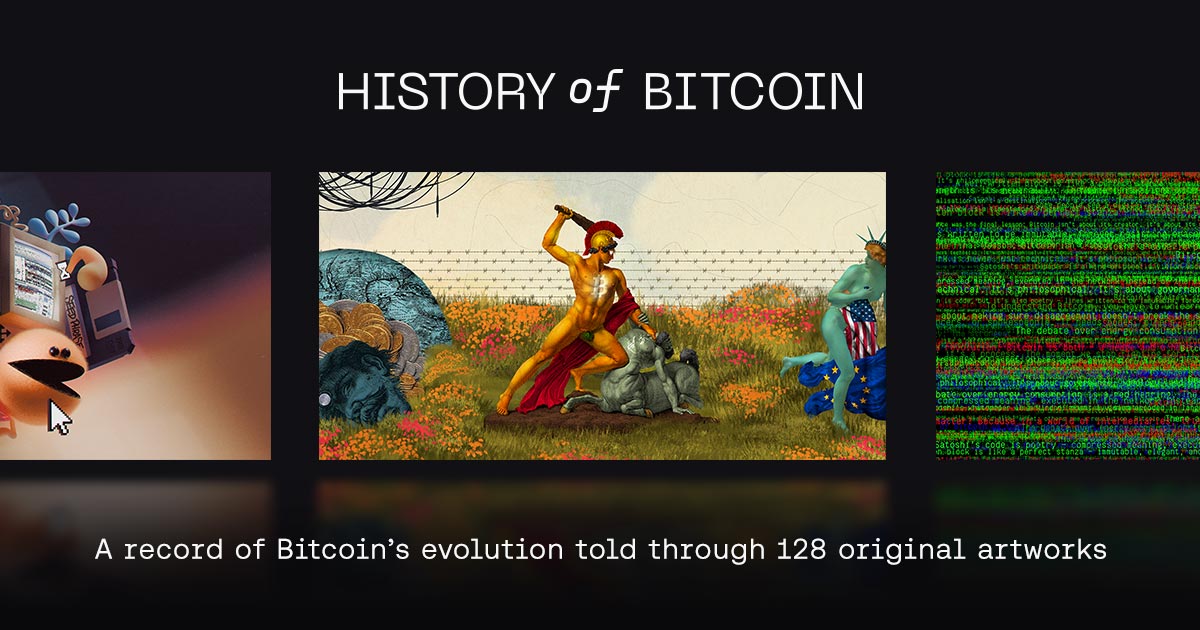 Artwork: Putting a Price on Bitcoin by Limbo Mask (@Limbo_Mask).
With thanks to AnimusArt (@AnimusArt).
Appears in the History of Bitcoin Collector’s Book and on our interactive timeline.
Artwork: Putting a Price on Bitcoin by Limbo Mask (@Limbo_Mask).
With thanks to AnimusArt (@AnimusArt).
Appears in the History of Bitcoin Collector’s Book and on our interactive timeline.


History of Bitcoin
Putting a Price on Bitcoin
In 2009, Martti Malmi made the first Bitcoin-to-fiat trade, selling 5,050 BTC for $5.02 via PayPal on New Liberty Standard—the first Bitcoin exch...