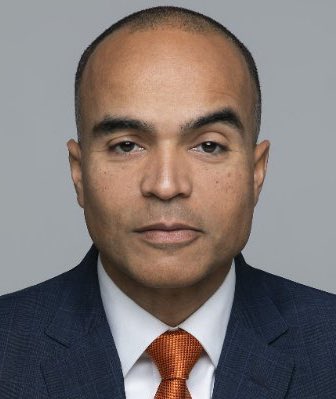
Meritocracy Vs. Credentialocracy
Meritocracy Vs. Credentialocracy
 ,
It is generally acknowledged that the Baby Boom generation (of which I am a member) has been the most successful, socioeconomically speaking, in the history of this planet, and the prospects for the generations following to match or surpass us are not looking good. As a confirmation of the disparity, I recently read that while Baby Boomers make up approximately 20% of the current US population, they possess more than 50% of the wealth.
,
It is generally acknowledged that the Baby Boom generation (of which I am a member) has been the most successful, socioeconomically speaking, in the history of this planet, and the prospects for the generations following to match or surpass us are not looking good. As a confirmation of the disparity, I recently read that while Baby Boomers make up approximately 20% of the current US population, they possess more than 50% of the wealth.
 In speaking with others of my generation, I have come to realize that very few Baby Boomers have even a modicum of insight as to how that success happened. The typical pabulum that I get from my peers is that they got their education and worked hard, implying that it should be no different for the younger generations.
To be fair, I can see several historical and sociological factors that would lead Boomers to think this way. First of all, many of our parents pounded into our heads from an early age that going to college was the key to success. Some things just don’t change from generation to generation! In fact, when Boomers entered the work force en masse during the 1970s, we were the largest new worker cohort in the history of the country, and approximately 30% of us had a college degree, up from, at most, 10% for previous generations.
However, despite our educational advantages, the 1970s was a disastrous time economically for everyone, but especially for those entering the workforce, and those permanently leaving the workforce, due to retirement or disability. We were plagued by two recessions, two huge oil shocks, and stagflation. Engineering as a career was absolutely dead. Add the extremely challenging geopolitical environment both at home and abroad, and we experienced an era when it was virtually impossible to get ahead solely through one’s education and hard work.
I was able to sidestep much of this, at least socioeconomically speaking, even though my dad had suddenly and unexpectedly died at the age of 42 in mid-December 1969. That’s because I spent the first three years of the 1970s finishing college, the next four years in medical school, and the final three years of the decade as an Internal Medicine resident. In those days, the cost of living, including college and medical school could be handled without too much difficulty, and the pay as a medical resident was sufficient for me to have a very nice apartment in Brooklyn, while also being able to save some money. As such, I didn’t enter the “real” workforce until the middle of 1980.
The timing for me was near perfect! Beginning in the middle of 1982, the greatest economic boom in history launched, and due to significant gains in the areas of racial equality and women’s rights, all groups participated. In fact, every quintile of household income set a record in all but two or three years of this boom, peaking in 1999.
Given that the 1980s and 1990s were in the wheelhouse of every Baby Boomer’s working career, I could see where the attitude would be that getting an education and working hard would lead to success. Extrapolating this thinking to the younger generations, it would make sense for Boomers to believe that the younger generations, having an even higher percentage with a college degree, just need to keep working hard and they will also achieve the same level of success. However, there are several major flaws in this thought process.
Some of it stems from the fact that the Boomers were the first “me” generation. It resulted in an inability to see the world from other than a personal bubble that was easily filled with nonsense. One of the things that has been completely missed by the Boomers is that Gen X, which is currently in its peak earnings years, has not, and never will catch up to the Boomers in terms of wealth accumulation.
Carrying this train of thought further, one might ask the following questions: (1) Are Boomers smarter than the generations that followed? I’d say no, except for people born between 2005 and 2020, who were permanently damaged by the Covid response. The extent of the damage won’t be known for another decade or two, since that cohort has not entered the workforce as yet. (2) Did the Boomers work harder than the generations that followed?
While every generation believes that the younger generations are overrun by lazy bastards, it’s not true. The reason for this misconception is that the tools available to each successive generation to help them work more effectively (and generate more wealth) evolve from generation to generation.
In order to explain the success of the Boomers, one has to look at the economic environment within which each generation lived during its working lives. The wealth creation of the 1980s and 1990s was not because Boomers were so great; it was because we operated in an economic environment that was conducive to success at a level that had never been seen before. That economic environment can be described in one word: Reaganomics.
Very recently, the word meritocracy has come back in vogue. What I can state with near certainty is that the era when meritocracy reached its zenith in this country was during the 1980s and 1990s, and it was largely due to an economic environment that promoted it. Since the end of the 20th century, those favorable conditions haven’t existed, other than during the years 2018 and 2019.
From the foregoing, it should be clear that most Boomers put the cart before the horse when it comes to explaining our generation’s success…and our children are paying a heavy price for this lack of insight. What has been particularly difficult for Millennials is that their childhood occurred during the greatest economic boom ever, only to enter the workforce beginning in 2000, when everything changed, and not for the better.
Having not been taught the real reason why the Boomers succeeded, the younger generations do not understand (and actively resist) the efforts by the Trump administration to reestablish the economic environment of the 1980s and 1990s. The only taste of it occurred in 2018 and 2019, when household incomes in every quintile finally broke through the records previously set in 1999, but it was overshadowed by the Covid disaster, which distorted everything.
As mentioned earlier, the term meritocracy has been resurrected, but what is really being put forward is credentialocracy. They are not the same. If they were, the younger generations would be doing just fine, socioeconomically speaking. We live in a country where having more initials after one’s name imputes greater intelligence, superior level of achievement, and higher ethical standing. More than anything, the disaster known as the Covid response taught us otherwise, in that the best and the brightest made everything much worse than it would have been had we done absolutely nothing. Unfortunately, this lesson has not penetrated most peoples’ personal bubble; at least not yet.
To make matters worse, our so-called educational system has cheapened the value of a credential, while charging higher and higher tuition to obtain it. In fact, our educational system rewards teachers, not for how well the students they teach perform, but by how many post-graduate credits and degrees the teacher obtains.
To me, this credentialing madness reached the height of perversity and insanity when it became clear that the CDC’s recommendations for protecting children’s health with regard to school closings, social distancing, masking, and “vaccine” mandates were dictated to the head of the CDC, Rochelle Walensky (who has MD and MPH credentials) by Randi Weingarten, head of the largest teachers’ union (who has a JD credential). This is backwards, and tremendous damage has been done. Want more? Despite the fact that uptake of the Covid shots has dropped to around 5%, it is my observation that among the highly educated, uptake is several times higher. Are the best and the brightest in the process of self-immolation?
Clearly, we need to decouple meritocracy from credentialocracy, and we must return to a state in which meritocracy can flourish. This will require unlearning the progressive garbage that’s replaced critical thinking over the past 55+ years, and an economic environment that fosters individual initiative. Otherwise, we’re done, and you might as well stick a fork in us now.
Steven Kritz, MD is a retired physician, who has been in the healthcare field for 50 years. He graduated from SUNY Downstate Medical School and completed IM Residency at Kings County Hospital. This was followed by almost 40 years of healthcare experience, including 19 years of direct patient care in a rural setting as a Board Certified Internist; 17 years of clinical research at a private-not-for-profit healthcare agency; and over 35 years of involvement in public health, and health systems infrastructure and administration activities. He retired 5 years ago, and became a member of the Institutional Review Board (IRB) at the agency where he had done clinical research, where he has been IRB Chair for the past 3 years.
Fri, 01/09/2026 - 21:00
In speaking with others of my generation, I have come to realize that very few Baby Boomers have even a modicum of insight as to how that success happened. The typical pabulum that I get from my peers is that they got their education and worked hard, implying that it should be no different for the younger generations.
To be fair, I can see several historical and sociological factors that would lead Boomers to think this way. First of all, many of our parents pounded into our heads from an early age that going to college was the key to success. Some things just don’t change from generation to generation! In fact, when Boomers entered the work force en masse during the 1970s, we were the largest new worker cohort in the history of the country, and approximately 30% of us had a college degree, up from, at most, 10% for previous generations.
However, despite our educational advantages, the 1970s was a disastrous time economically for everyone, but especially for those entering the workforce, and those permanently leaving the workforce, due to retirement or disability. We were plagued by two recessions, two huge oil shocks, and stagflation. Engineering as a career was absolutely dead. Add the extremely challenging geopolitical environment both at home and abroad, and we experienced an era when it was virtually impossible to get ahead solely through one’s education and hard work.
I was able to sidestep much of this, at least socioeconomically speaking, even though my dad had suddenly and unexpectedly died at the age of 42 in mid-December 1969. That’s because I spent the first three years of the 1970s finishing college, the next four years in medical school, and the final three years of the decade as an Internal Medicine resident. In those days, the cost of living, including college and medical school could be handled without too much difficulty, and the pay as a medical resident was sufficient for me to have a very nice apartment in Brooklyn, while also being able to save some money. As such, I didn’t enter the “real” workforce until the middle of 1980.
The timing for me was near perfect! Beginning in the middle of 1982, the greatest economic boom in history launched, and due to significant gains in the areas of racial equality and women’s rights, all groups participated. In fact, every quintile of household income set a record in all but two or three years of this boom, peaking in 1999.
Given that the 1980s and 1990s were in the wheelhouse of every Baby Boomer’s working career, I could see where the attitude would be that getting an education and working hard would lead to success. Extrapolating this thinking to the younger generations, it would make sense for Boomers to believe that the younger generations, having an even higher percentage with a college degree, just need to keep working hard and they will also achieve the same level of success. However, there are several major flaws in this thought process.
Some of it stems from the fact that the Boomers were the first “me” generation. It resulted in an inability to see the world from other than a personal bubble that was easily filled with nonsense. One of the things that has been completely missed by the Boomers is that Gen X, which is currently in its peak earnings years, has not, and never will catch up to the Boomers in terms of wealth accumulation.
Carrying this train of thought further, one might ask the following questions: (1) Are Boomers smarter than the generations that followed? I’d say no, except for people born between 2005 and 2020, who were permanently damaged by the Covid response. The extent of the damage won’t be known for another decade or two, since that cohort has not entered the workforce as yet. (2) Did the Boomers work harder than the generations that followed?
While every generation believes that the younger generations are overrun by lazy bastards, it’s not true. The reason for this misconception is that the tools available to each successive generation to help them work more effectively (and generate more wealth) evolve from generation to generation.
In order to explain the success of the Boomers, one has to look at the economic environment within which each generation lived during its working lives. The wealth creation of the 1980s and 1990s was not because Boomers were so great; it was because we operated in an economic environment that was conducive to success at a level that had never been seen before. That economic environment can be described in one word: Reaganomics.
Very recently, the word meritocracy has come back in vogue. What I can state with near certainty is that the era when meritocracy reached its zenith in this country was during the 1980s and 1990s, and it was largely due to an economic environment that promoted it. Since the end of the 20th century, those favorable conditions haven’t existed, other than during the years 2018 and 2019.
From the foregoing, it should be clear that most Boomers put the cart before the horse when it comes to explaining our generation’s success…and our children are paying a heavy price for this lack of insight. What has been particularly difficult for Millennials is that their childhood occurred during the greatest economic boom ever, only to enter the workforce beginning in 2000, when everything changed, and not for the better.
Having not been taught the real reason why the Boomers succeeded, the younger generations do not understand (and actively resist) the efforts by the Trump administration to reestablish the economic environment of the 1980s and 1990s. The only taste of it occurred in 2018 and 2019, when household incomes in every quintile finally broke through the records previously set in 1999, but it was overshadowed by the Covid disaster, which distorted everything.
As mentioned earlier, the term meritocracy has been resurrected, but what is really being put forward is credentialocracy. They are not the same. If they were, the younger generations would be doing just fine, socioeconomically speaking. We live in a country where having more initials after one’s name imputes greater intelligence, superior level of achievement, and higher ethical standing. More than anything, the disaster known as the Covid response taught us otherwise, in that the best and the brightest made everything much worse than it would have been had we done absolutely nothing. Unfortunately, this lesson has not penetrated most peoples’ personal bubble; at least not yet.
To make matters worse, our so-called educational system has cheapened the value of a credential, while charging higher and higher tuition to obtain it. In fact, our educational system rewards teachers, not for how well the students they teach perform, but by how many post-graduate credits and degrees the teacher obtains.
To me, this credentialing madness reached the height of perversity and insanity when it became clear that the CDC’s recommendations for protecting children’s health with regard to school closings, social distancing, masking, and “vaccine” mandates were dictated to the head of the CDC, Rochelle Walensky (who has MD and MPH credentials) by Randi Weingarten, head of the largest teachers’ union (who has a JD credential). This is backwards, and tremendous damage has been done. Want more? Despite the fact that uptake of the Covid shots has dropped to around 5%, it is my observation that among the highly educated, uptake is several times higher. Are the best and the brightest in the process of self-immolation?
Clearly, we need to decouple meritocracy from credentialocracy, and we must return to a state in which meritocracy can flourish. This will require unlearning the progressive garbage that’s replaced critical thinking over the past 55+ years, and an economic environment that fosters individual initiative. Otherwise, we’re done, and you might as well stick a fork in us now.
Steven Kritz, MD is a retired physician, who has been in the healthcare field for 50 years. He graduated from SUNY Downstate Medical School and completed IM Residency at Kings County Hospital. This was followed by almost 40 years of healthcare experience, including 19 years of direct patient care in a rural setting as a Board Certified Internist; 17 years of clinical research at a private-not-for-profit healthcare agency; and over 35 years of involvement in public health, and health systems infrastructure and administration activities. He retired 5 years ago, and became a member of the Institutional Review Board (IRB) at the agency where he had done clinical research, where he has been IRB Chair for the past 3 years.
Fri, 01/09/2026 - 21:00
Brownstone Institute
Meritocracy vs. Credentialocracy
We need to decouple meritocracy from credentialocracy. This will require unlearning the progressive garbage that’s replaced critical thinking.
In speaking with others of my generation, I have come to realize that very few Baby Boomers have even a modicum of insight as to how that success happened. The typical pabulum that I get from my peers is that they got their education and worked hard, implying that it should be no different for the younger generations.
To be fair, I can see several historical and sociological factors that would lead Boomers to think this way. First of all, many of our parents pounded into our heads from an early age that going to college was the key to success. Some things just don’t change from generation to generation! In fact, when Boomers entered the work force en masse during the 1970s, we were the largest new worker cohort in the history of the country, and approximately 30% of us had a college degree, up from, at most, 10% for previous generations.
However, despite our educational advantages, the 1970s was a disastrous time economically for everyone, but especially for those entering the workforce, and those permanently leaving the workforce, due to retirement or disability. We were plagued by two recessions, two huge oil shocks, and stagflation. Engineering as a career was absolutely dead. Add the extremely challenging geopolitical environment both at home and abroad, and we experienced an era when it was virtually impossible to get ahead solely through one’s education and hard work.
I was able to sidestep much of this, at least socioeconomically speaking, even though my dad had suddenly and unexpectedly died at the age of 42 in mid-December 1969. That’s because I spent the first three years of the 1970s finishing college, the next four years in medical school, and the final three years of the decade as an Internal Medicine resident. In those days, the cost of living, including college and medical school could be handled without too much difficulty, and the pay as a medical resident was sufficient for me to have a very nice apartment in Brooklyn, while also being able to save some money. As such, I didn’t enter the “real” workforce until the middle of 1980.
The timing for me was near perfect! Beginning in the middle of 1982, the greatest economic boom in history launched, and due to significant gains in the areas of racial equality and women’s rights, all groups participated. In fact, every quintile of household income set a record in all but two or three years of this boom, peaking in 1999.
Given that the 1980s and 1990s were in the wheelhouse of every Baby Boomer’s working career, I could see where the attitude would be that getting an education and working hard would lead to success. Extrapolating this thinking to the younger generations, it would make sense for Boomers to believe that the younger generations, having an even higher percentage with a college degree, just need to keep working hard and they will also achieve the same level of success. However, there are several major flaws in this thought process.
Some of it stems from the fact that the Boomers were the first “me” generation. It resulted in an inability to see the world from other than a personal bubble that was easily filled with nonsense. One of the things that has been completely missed by the Boomers is that Gen X, which is currently in its peak earnings years, has not, and never will catch up to the Boomers in terms of wealth accumulation.
Carrying this train of thought further, one might ask the following questions: (1) Are Boomers smarter than the generations that followed? I’d say no, except for people born between 2005 and 2020, who were permanently damaged by the Covid response. The extent of the damage won’t be known for another decade or two, since that cohort has not entered the workforce as yet. (2) Did the Boomers work harder than the generations that followed?
While every generation believes that the younger generations are overrun by lazy bastards, it’s not true. The reason for this misconception is that the tools available to each successive generation to help them work more effectively (and generate more wealth) evolve from generation to generation.
In order to explain the success of the Boomers, one has to look at the economic environment within which each generation lived during its working lives. The wealth creation of the 1980s and 1990s was not because Boomers were so great; it was because we operated in an economic environment that was conducive to success at a level that had never been seen before. That economic environment can be described in one word: Reaganomics.
Very recently, the word meritocracy has come back in vogue. What I can state with near certainty is that the era when meritocracy reached its zenith in this country was during the 1980s and 1990s, and it was largely due to an economic environment that promoted it. Since the end of the 20th century, those favorable conditions haven’t existed, other than during the years 2018 and 2019.
From the foregoing, it should be clear that most Boomers put the cart before the horse when it comes to explaining our generation’s success…and our children are paying a heavy price for this lack of insight. What has been particularly difficult for Millennials is that their childhood occurred during the greatest economic boom ever, only to enter the workforce beginning in 2000, when everything changed, and not for the better.
Having not been taught the real reason why the Boomers succeeded, the younger generations do not understand (and actively resist) the efforts by the Trump administration to reestablish the economic environment of the 1980s and 1990s. The only taste of it occurred in 2018 and 2019, when household incomes in every quintile finally broke through the records previously set in 1999, but it was overshadowed by the Covid disaster, which distorted everything.
As mentioned earlier, the term meritocracy has been resurrected, but what is really being put forward is credentialocracy. They are not the same. If they were, the younger generations would be doing just fine, socioeconomically speaking. We live in a country where having more initials after one’s name imputes greater intelligence, superior level of achievement, and higher ethical standing. More than anything, the disaster known as the Covid response taught us otherwise, in that the best and the brightest made everything much worse than it would have been had we done absolutely nothing. Unfortunately, this lesson has not penetrated most peoples’ personal bubble; at least not yet.
To make matters worse, our so-called educational system has cheapened the value of a credential, while charging higher and higher tuition to obtain it. In fact, our educational system rewards teachers, not for how well the students they teach perform, but by how many post-graduate credits and degrees the teacher obtains.
To me, this credentialing madness reached the height of perversity and insanity when it became clear that the CDC’s recommendations for protecting children’s health with regard to school closings, social distancing, masking, and “vaccine” mandates were dictated to the head of the CDC, Rochelle Walensky (who has MD and MPH credentials) by Randi Weingarten, head of the largest teachers’ union (who has a JD credential). This is backwards, and tremendous damage has been done. Want more? Despite the fact that uptake of the Covid shots has dropped to around 5%, it is my observation that among the highly educated, uptake is several times higher. Are the best and the brightest in the process of self-immolation?
Clearly, we need to decouple meritocracy from credentialocracy, and we must return to a state in which meritocracy can flourish. This will require unlearning the progressive garbage that’s replaced critical thinking over the past 55+ years, and an economic environment that fosters individual initiative. Otherwise, we’re done, and you might as well stick a fork in us now.
Steven Kritz, MD is a retired physician, who has been in the healthcare field for 50 years. He graduated from SUNY Downstate Medical School and completed IM Residency at Kings County Hospital. This was followed by almost 40 years of healthcare experience, including 19 years of direct patient care in a rural setting as a Board Certified Internist; 17 years of clinical research at a private-not-for-profit healthcare agency; and over 35 years of involvement in public health, and health systems infrastructure and administration activities. He retired 5 years ago, and became a member of the Institutional Review Board (IRB) at the agency where he had done clinical research, where he has been IRB Chair for the past 3 years.
Tyler Durden | Zero Hedge
Zero Hedge
Meritocracy Vs. Credentialocracy | ZeroHedge
ZeroHedge - On a long enough timeline, the survival rate for everyone drops to zero

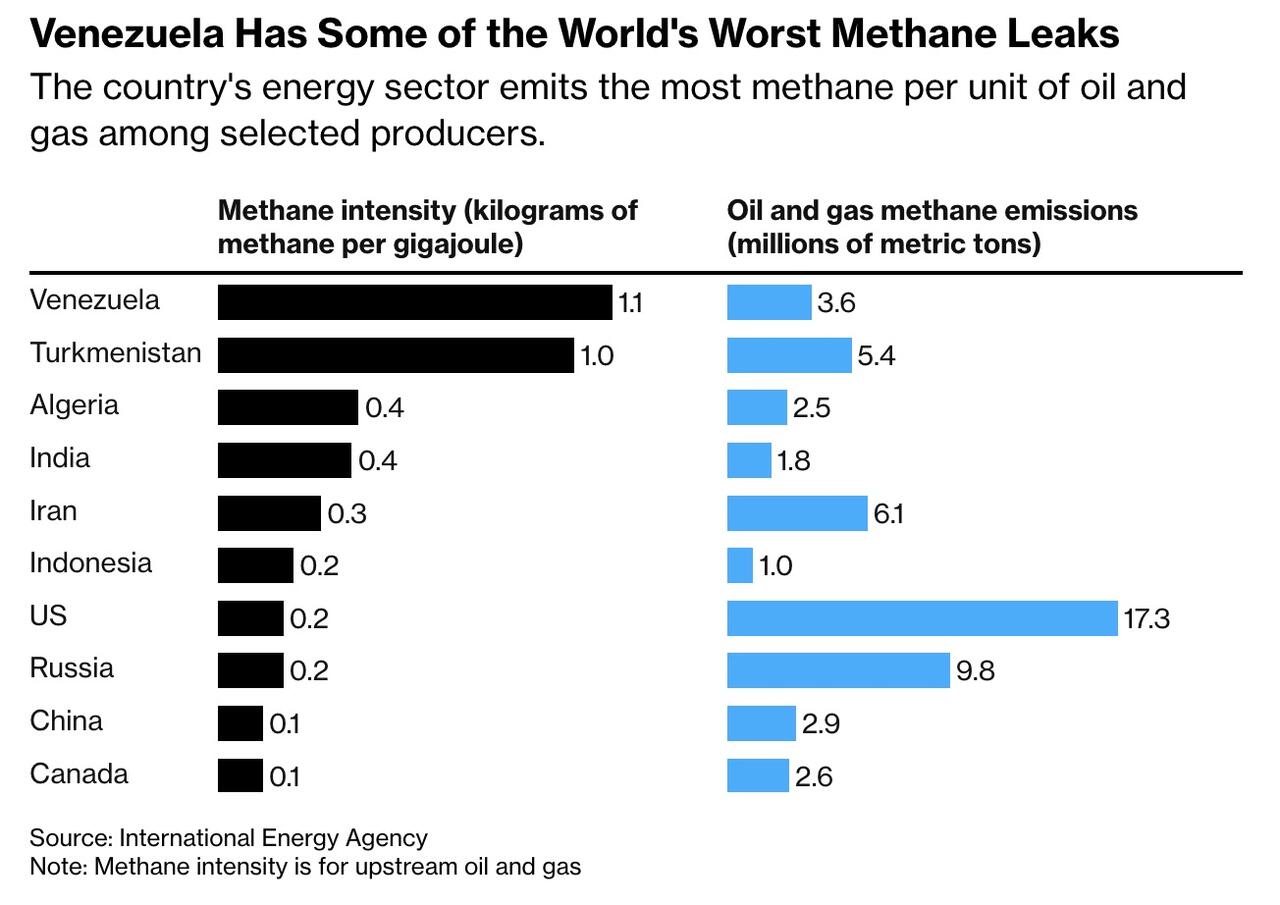 Each year Venezuela wastes about 13 billion cubic meters of natural gas through flaring, venting and leaks, roughly $1.4 billion in potential revenue. About a quarter of its total gas output escapes into the atmosphere — the highest rate globally and nearly ten times the world average. The scale of those leaks reflects decades of neglect, theft and underinvestment, leaving what remains of the system fragile and costly to repair.
Bloomberg
Each year Venezuela wastes about 13 billion cubic meters of natural gas through flaring, venting and leaks, roughly $1.4 billion in potential revenue. About a quarter of its total gas output escapes into the atmosphere — the highest rate globally and nearly ten times the world average. The scale of those leaks reflects decades of neglect, theft and underinvestment, leaving what remains of the system fragile and costly to repair.
Bloomberg  “We anticipate that large, publicly traded US and European majors will remain hesitant given their checkered history in the region,” said Quentin Peyle of Kayrros SA. “Instead, investment will likely come from smaller operators with a higher risk appetite.”
That shift carries its own risks. Smaller firms often lack the capital and incentives needed to modernize operations and control emissions at scale. Even if leaks are reduced, Deborah Gordon of RMI cautioned that “Venezuela’s fields will not only need an overhaul but also require careful operational management and oversight long into the future,” adding that the country’s extra-heavy crude would remain a major source of CO₂.
Restoring production near Venezuela’s former peak of almost 4 million barrels per day could require about $100 billion over the next decade. And the true condition of the infrastructure may remain hidden until output increases. As Nash warned, “You’re not going to find out how bad things are until you ramp up production.”
“We anticipate that large, publicly traded US and European majors will remain hesitant given their checkered history in the region,” said Quentin Peyle of Kayrros SA. “Instead, investment will likely come from smaller operators with a higher risk appetite.”
That shift carries its own risks. Smaller firms often lack the capital and incentives needed to modernize operations and control emissions at scale. Even if leaks are reduced, Deborah Gordon of RMI cautioned that “Venezuela’s fields will not only need an overhaul but also require careful operational management and oversight long into the future,” adding that the country’s extra-heavy crude would remain a major source of CO₂.
Restoring production near Venezuela’s former peak of almost 4 million barrels per day could require about $100 billion over the next decade. And the true condition of the infrastructure may remain hidden until output increases. As Nash warned, “You’re not going to find out how bad things are until you ramp up production.”

 The
The 



 Deputies had been summoned to meet, and the attack victim - Gladis Aurora López - collapsed to the floor during the explosion, her jacket left torn apart.
Witnesses immediately rushed her to begin giving her medical attention, and authorities in a later update announced that her injuries were thankfully not life-threatening.
Lawmakers had gathered to debate a proposal from LIBRE calling for an election recount, despite electoral officials having already declared a winner in December.
Quickly after, accusations and threats are flying, threatening to unleash severe infighting or instability among rival political factions.
Tomás Zambrano, head of the National Party’s congressional delegation, charged the outgoing governing leftist Liberty and Refoundation Party, known as LIBRE, with being behind the incident.
Zambrano denounced the incident as nothing less than attack on the National Party, and it comes at a sensitive moment, where a fiercely contested presidential election at the end of November led to a vote count that dragged on for weeks and ended in a disputed result.
The National Party’s candidate, Nasry Asfura, was eventually proclaimed the victor nearly a month later.
"Today I speak not as a representative, but as a Honduran," a fellow conservative deputy, Antonio Cesar Rivera, later
Deputies had been summoned to meet, and the attack victim - Gladis Aurora López - collapsed to the floor during the explosion, her jacket left torn apart.
Witnesses immediately rushed her to begin giving her medical attention, and authorities in a later update announced that her injuries were thankfully not life-threatening.
Lawmakers had gathered to debate a proposal from LIBRE calling for an election recount, despite electoral officials having already declared a winner in December.
Quickly after, accusations and threats are flying, threatening to unleash severe infighting or instability among rival political factions.
Tomás Zambrano, head of the National Party’s congressional delegation, charged the outgoing governing leftist Liberty and Refoundation Party, known as LIBRE, with being behind the incident.
Zambrano denounced the incident as nothing less than attack on the National Party, and it comes at a sensitive moment, where a fiercely contested presidential election at the end of November led to a vote count that dragged on for weeks and ended in a disputed result.
The National Party’s candidate, Nasry Asfura, was eventually proclaimed the victor nearly a month later.
"Today I speak not as a representative, but as a Honduran," a fellow conservative deputy, Antonio Cesar Rivera, later 

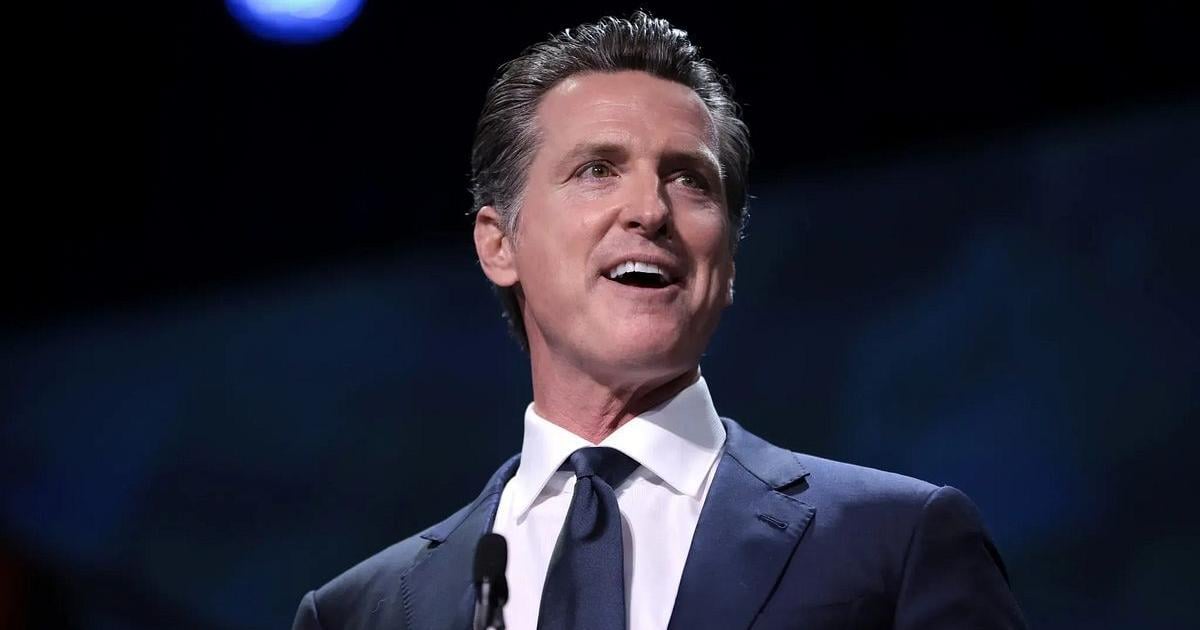
 Essayli made the comments on the “Fox and Friends” telecast, during which he discussed the federal fraud charges that were filed in October against real estate executives Steven Taylor and Cody Holmes for allegedly misusing grant money meant for homeless housing.
Holmes, 31, of Beverly Hills was charged with mail fraud charge that was allegedly linked to millions of dollars in grant money that the state paid Shangri-La Industries to purchase, build and operate homeless housing in Thousand Oaks, just north of Los Angeles. Holmes was Shangri-La’s chief financial officer.
Taylor, 44, of Brentwood, was charged with seven counts of bank fraud, one count of aggravated identity theft and one count of money laundering.
Essayli Thursday said the charges are the “tip of the iceberg” in an investigation he launched with a task force in April. He said more charges would be coming, probably later this month.
The state spent $24 billion in the last five years to address homelessness and can’t account for where the money went, Essayli said on “Fox and Friends.”
Essayli made the comments on the “Fox and Friends” telecast, during which he discussed the federal fraud charges that were filed in October against real estate executives Steven Taylor and Cody Holmes for allegedly misusing grant money meant for homeless housing.
Holmes, 31, of Beverly Hills was charged with mail fraud charge that was allegedly linked to millions of dollars in grant money that the state paid Shangri-La Industries to purchase, build and operate homeless housing in Thousand Oaks, just north of Los Angeles. Holmes was Shangri-La’s chief financial officer.
Taylor, 44, of Brentwood, was charged with seven counts of bank fraud, one count of aggravated identity theft and one count of money laundering.
Essayli Thursday said the charges are the “tip of the iceberg” in an investigation he launched with a task force in April. He said more charges would be coming, probably later this month.
The state spent $24 billion in the last five years to address homelessness and can’t account for where the money went, Essayli said on “Fox and Friends.”




 His agency is auditing all 14 Medicaid programs that Minnesota flagged as vulnerable to fraud; that excludes 73 other Medicaid programs Minnesota runs.
The agency also will “claw back that money” from current Medicaid payments that were to be made to Minnesota, Oz told Fox News.
“This is a major problem for the state, because they’ve got to own the fact that they have been bilking the federal taxpayer [because of] their sloppy behavior for years,” Oz said.
The Epoch Times sent a message to Gov. Tim Walz’s office seeking comment but received no immediate reply.
During a
His agency is auditing all 14 Medicaid programs that Minnesota flagged as vulnerable to fraud; that excludes 73 other Medicaid programs Minnesota runs.
The agency also will “claw back that money” from current Medicaid payments that were to be made to Minnesota, Oz told Fox News.
“This is a major problem for the state, because they’ve got to own the fact that they have been bilking the federal taxpayer [because of] their sloppy behavior for years,” Oz said.
The Epoch Times sent a message to Gov. Tim Walz’s office seeking comment but received no immediate reply.
During a 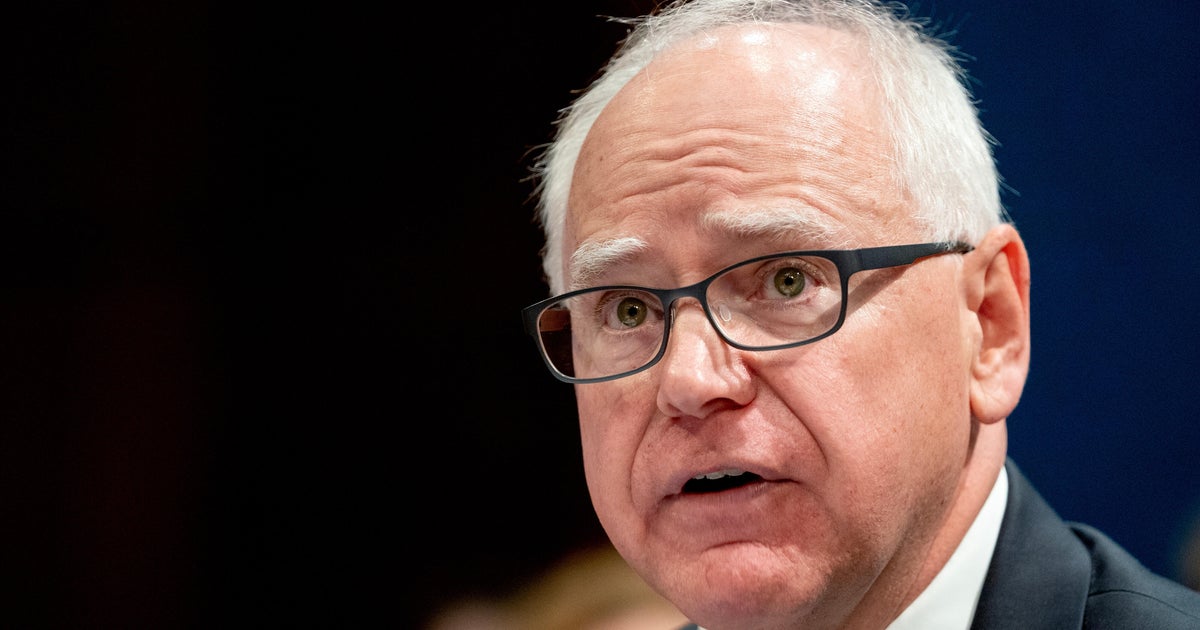


 Hedquist, an Oregon native, was convicted of the aggravated murder of 19-year-old Nikki Thrasher, whom he lured down a remote rural road and shot in the back of the head to prevent her from revealing his involvement in a series of robberies. In 2022, then-Governor Kate Brown (D)
  The baptism represents spiritual cleansing, commitment, and transformation for Phillips after years of creating adult content on OF.
 The exact end of her OF activity isn't clear. She hasn't publicly announced any retirement, but a viral video shows Phillips getting baptized.
 It's hard to know whether this baptism- intended to wash her of sins - is genuine or a public stunt.
Lily Philips, the woman who slept with 1,113 men in 12 hours gets baptized and says she’s ‘Closer to God’. 🤔
It's hard to know whether this baptism- intended to wash her of sins - is genuine or a public stunt.
Lily Philips, the woman who slept with 1,113 men in 12 hours gets baptized and says she’s ‘Closer to God’. 🤔 

 The entire OF fad for young women has
 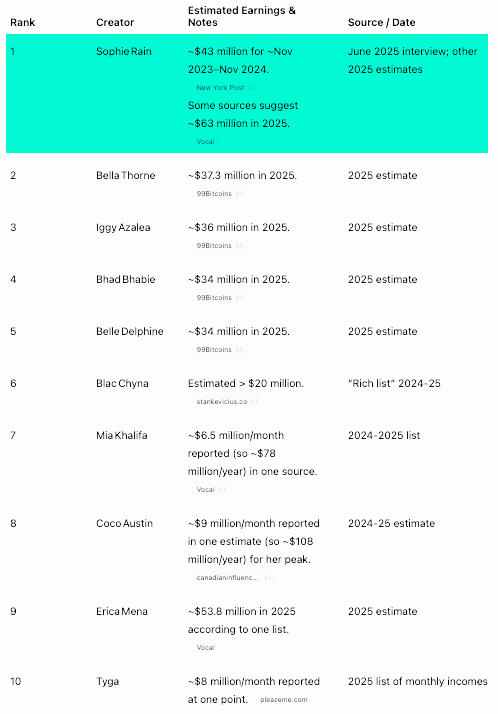 As we've pointed out, OF "
 Another key focus is the dismantling of Hamas’s underground tunnel network throughout Gaza, which Israeli officials consider a core element of the group’s military strength.
Hamas has throughout the Gaza war proven itself effective in guerilla and insurgency tactics, utilizing small teams to maneuver quickly in and out of the tunnels, even at times taking out IDF tanks with IEDs. Sometimes bombs are even attached to Israeli armor vehicles by hand in these ambushes, after which a Hamas militant darts back into an underground tunnel, as has been demonstrated in various videos.
Sources quoted by Israel Hayom said Israeli officials doubt Hamas that would be willing or able to relinquish most of its weapons or military capabilities within the two-month window.
From the perspective of Hamas leadership, the moment it fully gives up its weapons means the group is effectively dead and will have no more influence to govern in the future.
But this is also exactly what the US-Israeli plan and the ceasefire calls for: the effective end of Hamas rule in governance in the Gaza Strip forever.
PM Netanyahu while giving media interviews during his December US trip described that Hamas still possesses "around 60,000" Kalashnikov rifles and "hundreds of kilometers" of tunnels.
He has vowed that Hamas disarmament can be achieved "the easy way" or the hard way - that is through military force. But as of last summer, Hamas was insistent that it will never give up its weapons.
There's also the possibility that Hamas leadership won't be able to induce all of its fighters and 'ground troops' to give up their weapons - again, as they would fear being tracked down and killed by Israeli forces.
Another key focus is the dismantling of Hamas’s underground tunnel network throughout Gaza, which Israeli officials consider a core element of the group’s military strength.
Hamas has throughout the Gaza war proven itself effective in guerilla and insurgency tactics, utilizing small teams to maneuver quickly in and out of the tunnels, even at times taking out IDF tanks with IEDs. Sometimes bombs are even attached to Israeli armor vehicles by hand in these ambushes, after which a Hamas militant darts back into an underground tunnel, as has been demonstrated in various videos.
Sources quoted by Israel Hayom said Israeli officials doubt Hamas that would be willing or able to relinquish most of its weapons or military capabilities within the two-month window.
From the perspective of Hamas leadership, the moment it fully gives up its weapons means the group is effectively dead and will have no more influence to govern in the future.
But this is also exactly what the US-Israeli plan and the ceasefire calls for: the effective end of Hamas rule in governance in the Gaza Strip forever.
PM Netanyahu while giving media interviews during his December US trip described that Hamas still possesses "around 60,000" Kalashnikov rifles and "hundreds of kilometers" of tunnels.
He has vowed that Hamas disarmament can be achieved "the easy way" or the hard way - that is through military force. But as of last summer, Hamas was insistent that it will never give up its weapons.
There's also the possibility that Hamas leadership won't be able to induce all of its fighters and 'ground troops' to give up their weapons - again, as they would fear being tracked down and killed by Israeli forces.

 A former agent from Minnesota described witnessing “Somali men flying out of Minnesota with suitcases filled with cash” amounting to “$1 billion over 5 years,” including one instance of a suitcase “filled with brand new passports.”
These groups were “always waived through,” with a clear “trail” leading back to implicated parties, the former agent claims.
WHAT
Former TSA agent says she saw Somali men flying out of Minnesota with suitcases filled with cash.
$1 billion over 5 years
They also once had a suitcase filled with brand new passports.
They were always waived through.
There’s a trail
A former agent from Minnesota described witnessing “Somali men flying out of Minnesota with suitcases filled with cash” amounting to “$1 billion over 5 years,” including one instance of a suitcase “filled with brand new passports.”
These groups were “always waived through,” with a clear “trail” leading back to implicated parties, the former agent claims.
WHAT
Former TSA agent says she saw Somali men flying out of Minnesota with suitcases filled with cash.
$1 billion over 5 years
They also once had a suitcase filled with brand new passports.
They were always waived through.
There’s a trail