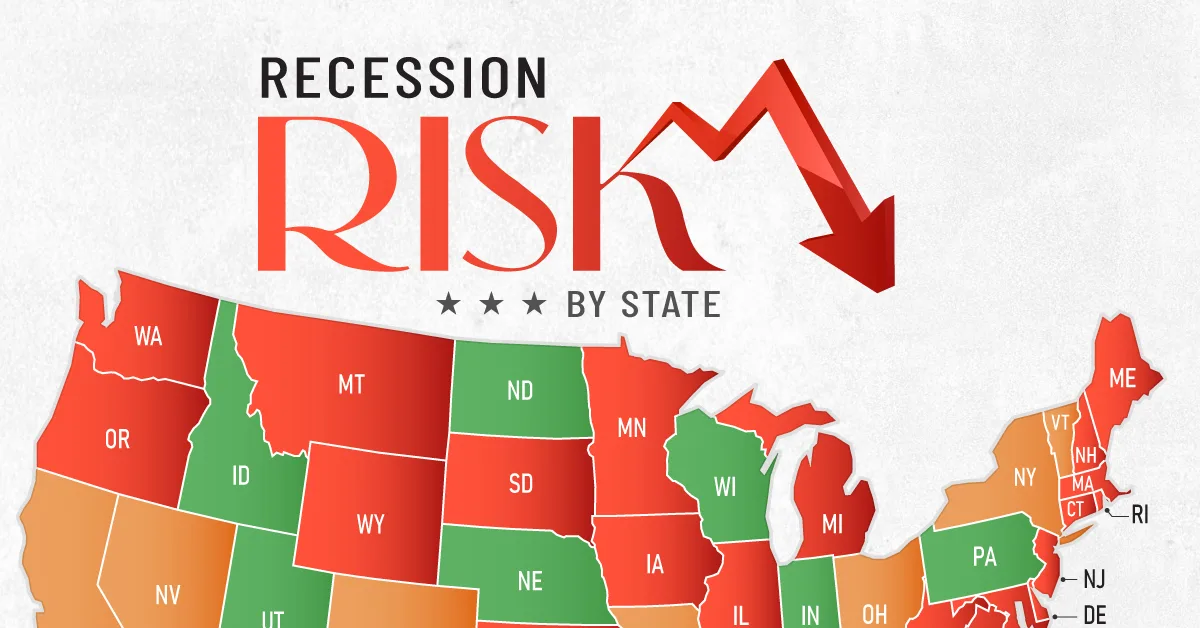
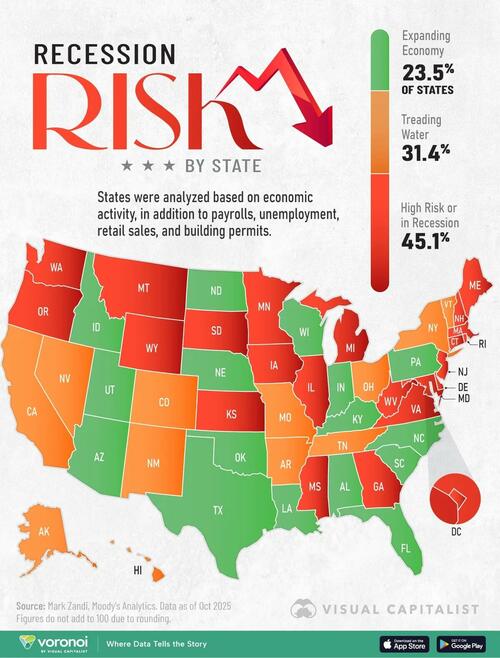
23 US States Are At High Risk Of (Or In) Recession Currently 23 US States Are At High Risk Of (Or In) Recession Currently U.S. GDP is made up of many smaller, distinct state economies fueling national growth. In 2025, states responsible for about a third of U.S. GDP are in recession, or face high recession risk. Another third are expanding, including Florida and Utah, based on payrolls, employment, and other key economic data. This graphic, , chief economist at Moody’s Analytics. <a href="/s3/files/inline-images/RecessionRiskwithFooter-1-1.jpg?itok=RucblgG7" rel="nofollow"><img height="658" width="500" src="image alt=""/></a> Where Recession Risk is Highest in America To analyze recession risk, Zandi looks at state-level economic activity. This included a range of data such as unemployment, building permits, retail sales, industrial activity, delinquency rates, and tax revenues. States were then categorized into three buckets based on these factors as of October 2025: In Recession/High Risk Treading Water Expanding State/District Business Cycle Status Share of U.S. GDP (%) Georgia In Recession/High Risk 3.03 Montana In Recession/High Risk 0.25 Wyoming In Recession/High Risk 0.18 Michigan In Recession/High Risk 2.44 Massachusetts In Recession/High Risk 2.73 Mississippi In Recession/High Risk 0.53 Minnesota In Recession/High Risk 1.70 Kansas In Recession/High Risk 0.80 Rhode Island In Recession/High Risk 0.28 Delaware In Recession/High Risk 0.34 Washington In Recession/High Risk 3.02 Illinois In Recession/High Risk 3.85 West Virginia In Recession/High Risk 0.36 New Hampshire In Recession/High Risk 0.42 Maryland In Recession/High Risk 1.86 Virginia In Recession/High Risk 2.66 South Dakota In Recession/High Risk 0.25 Connecticut In Recession/High Risk 1.27 Oregon In Recession/High Risk 1.14 Iowa In Recession/High Risk 0.86 New Jersey In Recession/High Risk 2.93 Maine In Recession/High Risk 0.33 District of Columbia In Recession/High Risk 0.64 Missouri Treading Water 1.54 Ohio Treading Water 3.14 Hawaii Treading Water 0.39 Arkansas Treading Water 0.65 New Mexico Treading Water 0.49 Tennessee Treading Water 1.87 New York Treading Water 7.92 Vermont Treading Water 0.16 Alaska Treading Water 0.24 Colorado Treading Water 1.92 California Treading Water 14.50 Nevada Treading Water 0.86 South Carolina Expanding 1.18 Texas Expanding 9.41 Oklahoma Expanding 0.92 Idaho Expanding 0.43 Kentucky Expanding 0.99 Alabama Expanding 1.10 Indiana Expanding 1.81 Nebraska Expanding 0.63 North Carolina Expanding 2.86 Louisiana Expanding 1.11 Florida Expanding 5.78 North Dakota Expanding 0.26 Pennsylvania Expanding 3.54 Arizona Expanding 1.88 Wisconsin Expanding 1.53 Utah Expanding 1.02 Currently, many coastal, Northeastern states are facing some of the worst economic conditions. In Maine, for instance, year-over-year GDP growth is just 0.8% as of Q2 2025, compared to the U.S. average of 2.1%. Meanwhile, Washington, D.C.’s unemployment rate was 6.4% in July, significantly higher than the 4.6% U.S. average given sweeping federal cuts. According to Zandi’s analysis, New York and California are “Treading Water”, together responsible for driving over 22% of U.S. GDP. In comparison, Texas, which fuels 9.4% of U.S. economic growth is expanding. Unemployment rates of 4.0% in July remain below the U.S. average. Additionally, the Texas economy is growing faster than the nation, while income growth rose 6.3% annually as of Q2 2025, outpacing the national average. To learn more about this topic, check out this   on unemployment by state in 2025. <a href="/users/tyler-durden" rel="nofollow">Tyler Durden</a> Mon, 12/22/2025 - 14:25
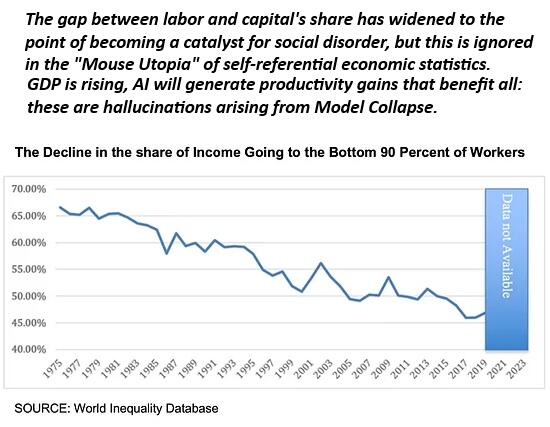
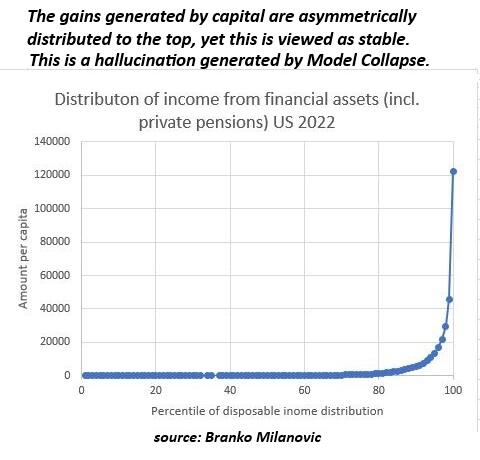
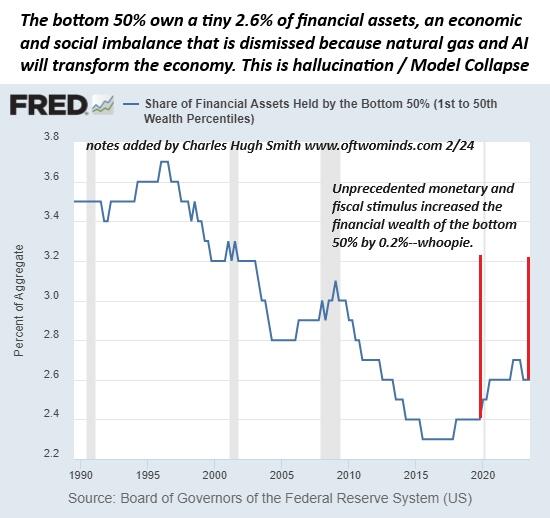
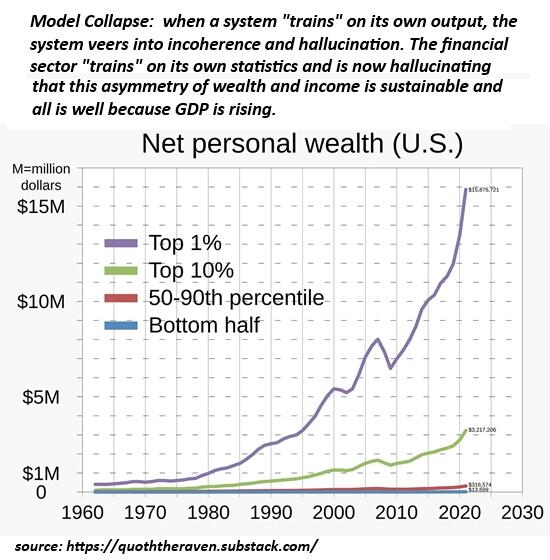
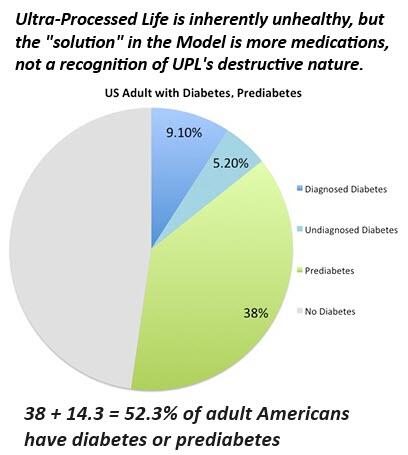
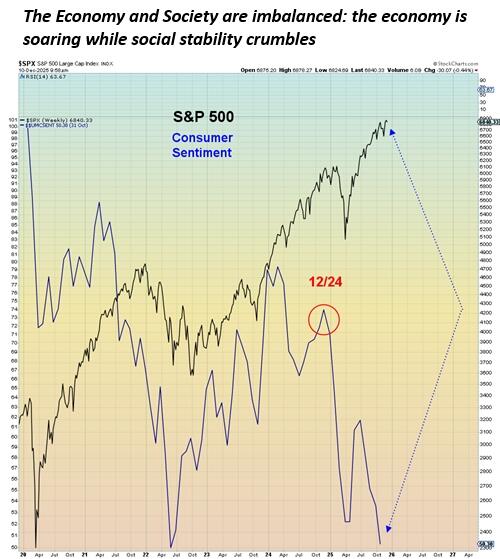
Insane Financial Imbalances And Social Revolution Insane Financial Imbalances And Social Revolution <a href="http://charleshughsmith.blogspot.com/2025/12/insane-financial-imbalances-and-social.html" rel="nofollow">Authored by Charles Hugh Smith via OfTwoMinds blog,</a> A rebalancing of the economy and society will ultimately prove very positive, but first we must navigate the model collapse of insane financial extremes. I've endeavored to explain how self-referential models veer into hallucinations that are accepted as accurate reflections of the real world. Models are by definition synthetic abstractions of the real world, and as these "train" on their own output, they drift away from authentic understanding without the users being aware that their "world" is both artificial and self-reinforcing: each iteration reinforces their belief in the model's accuracy. Patient users of AI programs can force AI to admit its output was a hallucination, at which point AI tends to abjectly apologize. But human pride--especially strong among those with high opinions of their intelligence and mastery of life--precludes recognition of catastrophic error (i.e. believing in a hallucination) and apologizing for the error. Human hubris leads us to double-down when faced with evidence we've placed our faith in a hallucination. We deny that our system/model is a self-reinforcing hallucination even as we go over the falls. The faint cries of "save me!" are short-lived. Models collapse from their own internal dynamics. They don't need our approval. Our disapproval doesn't stop their collapse. Our choices boil down to 1) go over the falls as models collapse; 2) snap out of the hallucination or 3) enter the netherworld of hyper-normalization, the state of mind where we embrace two contradictory "truths": the hallucination is forever and we're not surprised when it collapses. Model collapse manifests in many ways: people and systems break down. Anti-social behaviors become normalized, and extremes are accepted as normal as we habituate to dysfunction and breakdowns. I call this Anti-Progress: what we're sold as "progress" actually reduces our quality of life. In my book  , I describe Progress as a powerful mythology, but it can also be understood as a model that is collapsing into a hallucination we cling to with hubristic tenacity. In everyday life, these extremes manifest as  , a synthetic world in which artificial substitutes have replaced authentic life and experiences because the model increases profits via unhealthy addictions in both the consumer and digital realms. But people break down in this Mouse Utopia of ultra-processed abundance, and the model's self-reinforcing iterations veer ever farther from authentic experiences. Which brings us to my latest podcast with Richard Bonugli,   (36:34 min). The word "insane" is jarring, for the dominant model of the global order holds that financial extremes are not just sane, they're proof that all is well, and so calling these extremes "insane" is what's insane. This is classic model collapse: up until the point of breakdown, the model seems to be functioning perfectly, because being self-referential, there is no other possible output other than the system is performing nominally. In my new book  , I describe the two structural flaws in the current model: 1) due to its success in generating abundance, the model's adaptive capacity has decayed, leaving it incapable of adapting to rapidly changing real-world conditions, and 2) the dominance of the financial model has fatally imbalanced society and the economy, an extreme imbalance that will be rebalanced by the pendulum swinging to the opposite extreme. I call this systemically predictable rebalancing a social revolution, as meet the new boss, same as the old boss is no longer sufficient: the values and incentives that maintain a sustainable balance between society and the economy must change. This Reformation is not financial or political, it is fundamentally social in nature. This imbalance is visible in the widening divide between the share of the economy going to labor and capital: wage earners' share has been declining for decades, reducing their capacity to afford a secure quality of life without piling up debt: image The earnings generated by ownership of capital go mostly to the very top of the wealth-power pyramid: the majority of income from capital flows to the top 0.25%, with the rest dribbling down to the top 5%. image The bottom 50%'s share of financial assets amounts to signal noise--2.6%. image This imbalance is so extreme that it will catalyze social disorder, yet to call it unsustainable is "insane." image The health of the non-elites has reached crisis levels, yet this too is unremarkable because the model has a "solution": more costly medications that must be taken for life: highly profitable, so all is well. image The hallucination that this is all wonderfully sustainable reveals the dominance of the financial model of how the world works. That society is breaking down is of no concern because natural gas is so abundant that we can easily power up AI data centers, and GDP is rising. image The problem is we only manage what we measure, and all the financial analysis "trains" on its own output. Those staring at screens of soaring stocks and corporate profits declare this is the best possible world while the social order breaks down around them. A rebalancing of the economy and society will ultimately prove very positive, but first we must navigate the model collapse of insane financial extremes, extremes that are unrecognized in the current hallucination. The collision of the self-reinforcing hallucination with the real world will be challenging. If we accept that the dominant models have lost their capacity to adapt, and that the imbalance between economic forces and society have reached extremes that demand rebalancing, we can return to the real world in good order. If we cling to the hallucination, then over the falls we will go. *  *  * My new book  Mon, 12/22/2025 - 14:05
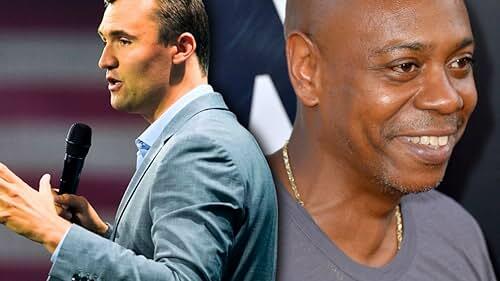
Dave Chappelle Says Charlie Kirk "Was No MLK" In New Netflix Special Dave Chappelle Says Charlie Kirk "Was No MLK" In New Netflix Special Sometimes comedians fall flat, especially when they write jokes about a recently murdered person without understanding the fundamental facts of their life.  Is it possible to make comedy about a recent assassination and be legitimately funny.  Probably.  However, Chappelle missed a golden opportunity to expose some truth and instead tried to play it safe and ride the political fence.  In Chappelle's latest Netflix comedy special entitled "The Unstoppable", the comedian touched on the issue of Kirk's murder but never provided any profound insights.  He did try to put himself in Kirk's shoes, admitting his fears that he could end up in the same position due to his criticisms of trans ideology. "This is another reason it’s hard to talk in America, ’cause, you know, if you talk for a living and see Charlie Kirk get murdered that way, I’m gonna be honest, ni*ga, I was shook. I mean, Charlie Kirk is the wholesome white guy, and they killed this motherfucker."   "...When all the information was still shoddy, they came out, they were like, ‘Apparently, there were transgender messages inscribed on the bullets.’ I was like, ‘Oh no! I’m dead as fried chicken!’" image The brass cases were actually inscribed with Antifa slogans and a "furry" meme, though the prime suspect, Tyler Robinson, is a far-left gay man who was living with his transgender boyfriend at the time.  According to 📄.pdf , Robinson's conservative parents confronted him about the killing and said that he confessed to committing the crime.  They convinced him to surrender to police after he indicated he might commit suicide.     It's unfortunate that Chappelle so carefully avoided the elephant in the room by ignoring this fact, as well as the widespread celebration among leftists over Kirk's death. In the wake of the event there was a relentless progressive propaganda campaign designed to misinform the American public that Tyler Robinson is a "MAGA conservative" instead of a gay leftist.  This culminated in a propaganda screed by another "comedian", Jimmy Kimmel, who used his network platform to spread the same falsehoods.  Chappelle defended Kimmel instead of acknowledging why his show was punished by the network.  Like Kirk, Chappelle also faced an attack when a gay man carrying a knife rushed him on stage because of a routine about transgender people.  The comedian says he is now fearful of going on stage and being killed. "My voice has become more powerful than I intended it to be, and I cannot let these n*ggas do me like Charlie Kirk. Or even worse than that, what if these n*ggas trip me up somehow, co-opt me, and then make me say the things that they want me to say? We can't have that." The comedian claimed that "white people" compared Charlie Kirk to Martin Luther King, and then he mocked the notion.  Dave Chappelle trashes Charlie Kirk in his new standup special, acting like Charlie was purely an online influencer instead of someone who toured and shared his message in person and amplified those IRL interactions via social media — Breitbart News (@BreitbartNews) Critics argue that comparing Kirk to MLK was never an actual point of contention among conservatives (or white people in general) and that Chappelle has constructed a strawman to pander to liberals and "centrists."  Chappelle calls Kirk an "internet personality" and seems completely oblivious to his numerous campus talks and the size and scope of the Turning Point USA movement.  If there are any similarities (beyond assassination) between MLK and Kirk, it is that they both engaged with the public and students regularly on college campuses to defend their ideals.  And, if we're talking about religious devotion or Christian virtue, at least Kirk was faithful to his wife.  MLK was a notorious adulterer. It should be mentioned that Charlie Kirk defended Dave Chappelle's comedy routines on the transgender issue when Chappelle was facing career cancellation by the political left.  He also condemned the lack of charges against the man who attacked Chappelle onstage, warning that it would encourage further political violence.  Dave Chappelle exposes the truth about trans as only he can. This is brilliant. WATCH: — Charlie Kirk (@charliekirk11) The very idea that comedians today have a fear of violent reprisal for political jokes shows that, unfortunately, assassinations can be very effective in squelching free speech simply by compelling people to self censor.  Leftists know this well, it's the reason they cheered for Kirk's death and called for more killings.  Chappelle, like most celebrities, may be greatly overestimating his political influence.  If Charlie Kirk is no MLK, then Dave Chappelle is definitely no Charlie Kirk.  That said, the weak response by public figures like Chappelle against the political left's violence only emboldens them further.    Mon, 12/22/2025 - 13:45
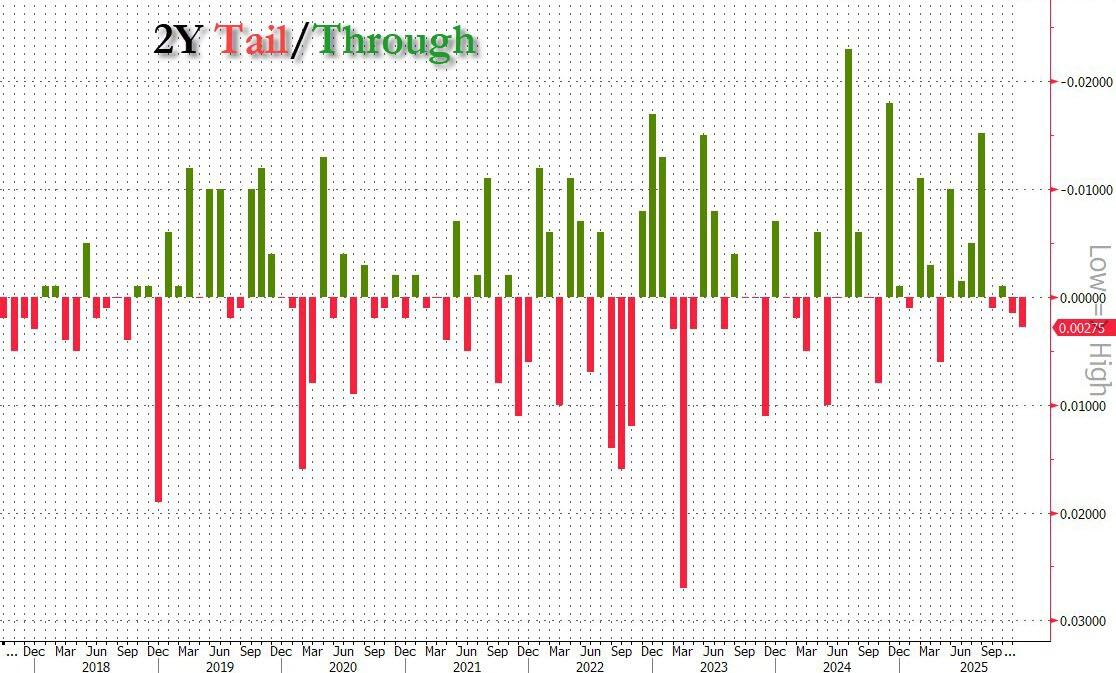
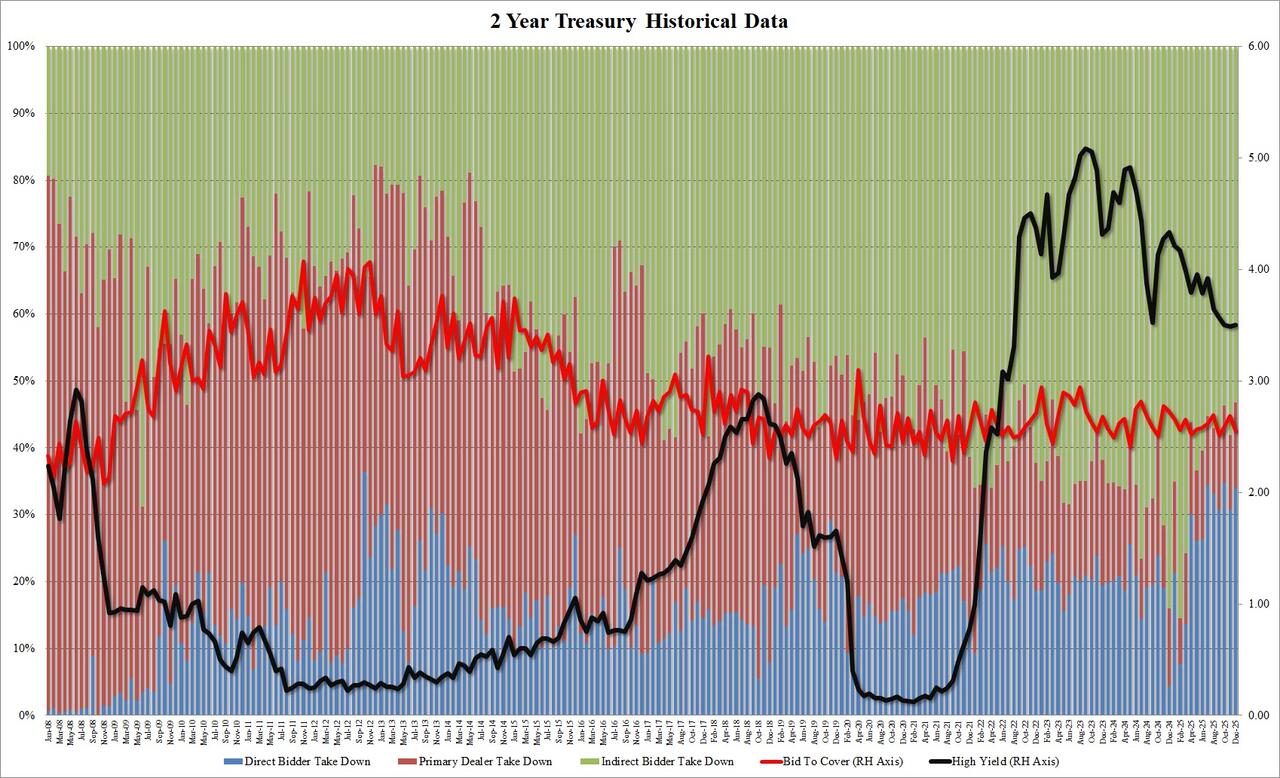
10Y Yield Jumps To Session High After Poor, Tailing 2Y Auction Sees Lowest Foreign Demand Since 2023 10Y Yield Jumps To Session High After Poor, Tailing 2Y Auction Sees Lowest Foreign Demand Since 2023 It's the last treasury auction week of the year, and due to upcoming holidays, we are running on an accelerated scheduled which means the 2Y auction which usually takes placed on Tuesday, is Monday's business instead. It was a subpar auction with modest demand; overall grade - not great, not terrible. The auction of $69BN in 2Y paper stopped at a high yield of 3.499%, up 1bp from last month's 3.489%, and tailed the When Issued by 0.3bps, the biggest tail for the short-end since April's 0.6bps tail. It followed a series of what had been mostly stopping through auctions throughout 2025.  image The bid to cover was 2.543, down from 2.684 in November and the lowest since September; it was also below the 6-auction average of 2.623. The internals were also mediocre at best, with Indirects awarded just 53.21, down from 58.07 and the lowest since March 2023. And with Directs taking down 34.05%, higher than November's 30.74% and above the recent average of 31.69%, Dealers were left holding 12.74% of the sale, the most since June. image Overall, this was a soft, subpar auction, with weak demand metrics, confirmed by the jump in 10y yields to session highs after the break.  Mon, 12/22/2025 - 13:32
A Christmas Carol For The Markets, 2025 Edition A Christmas Carol For The Markets, 2025 Edition By Elwin de Groot, Head of Macro Strategy at Rabobank As the year draws to a close, Ebenezer “Macro” Scrooge looks back on an eventful 2025. Sitting alone in his glass-walled office on Christmas Eve, the city below twinkling like a Bloomberg terminal in night mode. His screens glowed with charts: https://public-eur.mkt.dynamics.com/api/orgs/285245b1-7c6f-ef11-a66d-000d3a4b6c6a/r/m5pAmeXCDEeF4Dj4Ab8CAAEAAAA?msdynmkt_target=%7B%22TargetUrl%22%3A%22https%253A%252F%252Fmedia.rabobank.com%252Fm%252Fa5201dd2e7f7acf%252Foriginal%252Fdutch_pension_reform_sensitivities.pdf%22%2C%22RedirectOptions%22%3A%7B%225%22%3Anull%2C%221%22%3Anull%2C%222%22%3A%7B%22utm_medium%22%3A%22email%22%2C%22utm_term%22%3A%22N%2FA%22%2C%22utm_source%22%3A%22dynamics-rr%22%2C%22utm_content%22%3A%22Email%20361%22%2C%22utm_campaign%22%3A%22SN%3A%20Email%20361%201e7b77%22%7D%7D%7D&msdynmkt_digest=kduJCqdvv5zUONx4jClApOE%2FZVvGVce1%2Bp2iopII52I%3D&msdynmkt_secretVersion=7bb221762d0c46939816d3a5592b1359 , equities hitting all-time highs, and a lonely alert blinking – “Critical raw materials shortage: nutmeg unavailable.” “Bah, tariffs!” he grumbled, stabbing at his keyboard. “Christmas is inefficient. If only people understood the beauty of a well-balanced trade account.” The year had been brutal on his nerves: Trump’s tariff threats in January, the https://public-eur.mkt.dynamics.com/api/orgs/285245b1-7c6f-ef11-a66d-000d3a4b6c6a/r/m5pAmeXCDEeF4Dj4Ab8CAAIAAAA?msdynmkt_target=%7B%22TargetUrl%22%3A%22https%253A%252F%252Fmedia.rabobank.com%252Fm%252Fc8e23020a225764%252Foriginal%252Fglobal_strategy_american_bull_in_a_china_shop_-_trade_war_scenarios.pdf%22%2C%22RedirectOptions%22%3A%7B%225%22%3Anull%2C%221%22%3Anull%2C%222%22%3A%7B%22utm_medium%22%3A%22email%22%2C%22utm_term%22%3A%22N%2FA%22%2C%22utm_source%22%3A%22dynamics-rr%22%2C%22utm_content%22%3A%22Email%20361%22%2C%22utm_campaign%22%3A%22SN%3A%20Email%20361%201e7b77%22%7D%7D%7D&msdynmkt_digest=nXhYZD0tWWfoRbYM55nvvQJQj2RSbK2lNFGdfVaPR5M%3D&msdynmkt_secretVersion=7bb221762d0c46939816d3a5592b1359 the collected import tariffs would create a “major problem”, Kevin Hassett, US economic policy advisor and shortlisted for replacing Powell, noted over the weekend. And the list goes on… China’s rare earth export controls in October, and wars that rattled energy markets. Even Scrooge’s https://public-eur.mkt.dynamics.com/api/orgs/285245b1-7c6f-ef11-a66d-000d3a4b6c6a/r/m5pAmeXCDEeF4Dj4Ab8CAAQAAAA?msdynmkt_target=%7B%22TargetUrl%22%3A%22https%253A%252F%252Fwww.ft.com%252Fcontent%252F9649b7d7-1478-4ee4-86bb-e5df1fcd7350%22%2C%22RedirectOptions%22%3A%7B%225%22%3Anull%2C%221%22%3Anull%2C%222%22%3A%7B%22utm_medium%22%3A%22email%22%2C%22utm_term%22%3A%22N%2FA%22%2C%22utm_source%22%3A%22dynamics-rr%22%2C%22utm_content%22%3A%22Email%20361%22%2C%22utm_campaign%22%3A%22SN%3A%20Email%20361%201e7b77%22%7D%7D%7D&msdynmkt_digest=SuZ4afbjhBMOTWFI30sPcxlRlYc6wBP673KwEkXvddI%3D&msdynmkt_secretVersion=7bb221762d0c46939816d3a5592b1359 isn’t what it used to be! As the clock struck midnight, a chill swept through the room. Suddenly, a shimmering figure appeared – the Ghost of Christmas Past, dressed in a suit stitched from old bond certificates. “Ebenezer,” the ghost intoned, “look back at 2025.” The office dissolved into January’s chaos: Trump inaugurated, markets jittering at threats of 25% tariffs on autos and semiconductors. February brought German elections and a €500bn debt-fuelled spending spree. April’s tariff shock loomed large, sending reciprocal tariffs ricocheting across continents. In the UK, Reform UK may, someday, https://public-eur.mkt.dynamics.com/api/orgs/285245b1-7c6f-ef11-a66d-000d3a4b6c6a/r/m5pAmeXCDEeF4Dj4Ab8CAAgAAAA?msdynmkt_target=%7B%22TargetUrl%22%3A%22https%253A%252F%252Fmedia.rabobank.com%252Fm%252F4f02bd2f08c2c327%252Foriginal%252Freform_uk_reform_the_bank.pdf%22%2C%22RedirectOptions%22%3A%7B%225%22%3Anull%2C%221%22%3Anull%2C%222%22%3A%7B%22utm_medium%22%3A%22email%22%2C%22utm_term%22%3A%22N%2FA%22%2C%22utm_source%22%3A%22dynamics-rr%22%2C%22utm_content%22%3A%22Email%20361%22%2C%22utm_campaign%22%3A%22SN%3A%20Email%20361%201e7b77%22%7D%7D%7D&msdynmkt_digest=ImYqyzIiI5QyiDPBRLDlVs8F4%2BTZsTihOObWgVwLoaw%3D&msdynmkt_secretVersion=7bb221762d0c46939816d3a5592b1359 ! Scrooge watched traders panic, algorithms whirring like snowblowers in a storm. “Remember the fear?” the ghost asked. “Yet markets proved resilient. AI investments and consumer spending kept growth alive. Oil prices have kept falling; the US blockade of Venezuelan oil has only dented that move. And even Europe, with its https://public-eur.mkt.dynamics.com/api/orgs/285245b1-7c6f-ef11-a66d-000d3a4b6c6a/r/m5pAmeXCDEeF4Dj4Ab8CAAoAAAA?msdynmkt_target=%7B%22TargetUrl%22%3A%22https%253A%252F%252Fmedia.rabobank.com%252Fm%252F7f9880d9f6e43d3b%252Foriginal%252Feurope_in_the_new_nato_era.pdf%22%2C%22RedirectOptions%22%3A%7B%225%22%3Anull%2C%221%22%3Anull%2C%222%22%3A%7B%22utm_medium%22%3A%22email%22%2C%22utm_term%22%3A%22N%2FA%22%2C%22utm_source%22%3A%22dynamics-rr%22%2C%22utm_content%22%3A%22Email%20361%22%2C%22utm_campaign%22%3A%22SN%3A%20Email%20361%201e7b77%22%7D%7D%7D&msdynmkt_digest=X0LlkhKLSq76%2B6MZyhMTojsBdKlWnzEIZOB4vVNDG4o%3D&msdynmkt_secretVersion=7bb221762d0c46939816d3a5592b1359 defence roadmap and green-tech push, surprised you.” Scrooge snorted. “Resilient? My stress index hit a record high.” Before he could argue, the Ghost of Christmas Present appeared – a lively spirit juggling ornaments labelled “https://public-eur.mkt.dynamics.com/api/orgs/285245b1-7c6f-ef11-a66d-000d3a4b6c6a/r/m5pAmeXCDEeF4Dj4Ab8CAAsAAAA?msdynmkt_target=%7B%22TargetUrl%22%3A%22https%253A%252F%252Fmedia.rabobank.com%252Fm%252F6df1934ac302225%252Foriginal%252FUS-Grand-Macro-Strategy-The-Trump-Plan.pd%22%2C%22RedirectOptions%22%3A%7B%225%22%3Anull%2C%221%22%3Anull%2C%222%22%3A%7B%22utm_medium%22%3A%22email%22%2C%22utm_term%22%3A%22N%2FA%22%2C%22utm_source%22%3A%22dynamics-rr%22%2C%22utm_content%22%3A%22Email%20361%22%2C%22utm_campaign%22%3A%22SN%3A%20Email%20361%201e7b77%22%7D%7D%7D&msdynmkt_digest=ffTQq2YCInV5I6IUGtzQuzwa%2BDKga%2F3ZaFrsxG5vtkk%3D&msdynmkt_secretVersion=7bb221762d0c46939816d3a5592b1359 ”;  It whisked him to a bustling Christmas market. Families laughed despite the higher prices of gifts and trees. “See?” said the ghost. “People adapt. They value togetherness over tariffs. Even after war in the Middle East, after shutdowns and rare earth scares, they choose negotiations and peace at their tables. And let’s hope that is also a prospect for the Sudanese and Ukrainian people.” Scrooge noticed a baker struggling with a half-finished cake. “Critical raw materials,” the ghost chuckled. “China’s export controls made nutmeg a luxury. But look – some kind of https://public-eur.mkt.dynamics.com/api/orgs/285245b1-7c6f-ef11-a66d-000d3a4b6c6a/r/m5pAmeXCDEeF4Dj4Ab8CAA0AAAA?msdynmkt_target=%7B%22TargetUrl%22%3A%22https%253A%252F%252Fmedia.rabobank.com%252Fm%252F2186866691efde9%252Foriginal%252Falignment.pdf%22%2C%22RedirectOptions%22%3A%7B%225%22%3Anull%2C%221%22%3Anull%2C%222%22%3A%7B%22utm_medium%22%3A%22email%22%2C%22utm_term%22%3A%22N%2FA%22%2C%22utm_source%22%3A%22dynamics-rr%22%2C%22utm_content%22%3A%22Email%20361%22%2C%22utm_campaign%22%3A%22SN%3A%20Email%20361%201e7b77%22%7D%7D%7D&msdynmkt_digest=AdP8HQjZ2Mfqo9AsipjLmcTd8MDRWP2cpvmUPkEF95k%3D&msdynmkt_secretVersion=7bb221762d0c46939816d3a5592b1359 will still be made and neighbours share what they have. The cake will be baked.” “Sharing?” Scrooge frowned. “Sounds like fiscal transfers.” The ghost winked. “Call it social capital. Higher ROI than any hedge fund.” Finally, the Ghost of Christmas Yet to Come appeared, shrouded in clouds of uncertainty like a long-term yield curve. It showed Scrooge a future where his firm ignored human values, chasing only returns. The office was empty, silent – no laughter, no warmth. “This,” the ghost whispered, “is the cost of forgetting what matters.” Scrooge trembled. “No! Tell me the https://public-eur.mkt.dynamics.com/api/orgs/285245b1-7c6f-ef11-a66d-000d3a4b6c6a/r/m5pAmeXCDEeF4Dj4Ab8CAA4AAAA?msdynmkt_target=%7B%22TargetUrl%22%3A%22https%253A%252F%252Fknowledge.rabobank.com%252Fen%252Fknowledge%252Fq011509552-global-outlook-2026-new-rules-different-economy%22%2C%22RedirectOptions%22%3A%7B%225%22%3Anull%2C%221%22%3Anull%2C%222%22%3A%7B%22utm_medium%22%3A%22email%22%2C%22utm_term%22%3A%22N%2FA%22%2C%22utm_source%22%3A%22dynamics-rr%22%2C%22utm_content%22%3A%22Email%20361%22%2C%22utm_campaign%22%3A%22SN%3A%20Email%20361%201e7b77%22%7D%7D%7D&msdynmkt_digest=SFbCWeOAo1Sbf45X44RasgJ0%2F%2FLEWSHXFbaXqLcdDTE%3D&msdynmkt_secretVersion=7bb221762d0c46939816d3a5592b1359 can change!” He awoke on Christmas morning, heart pounding like a trader’s after a Fed rate cut announcement. Throwing open the window, he saw delivery drones buzzing in with gifts – late, but arriving. The baker waved: the cake was done, thanks to a last-minute spice swap. Scrooge smiled for the first time in years. He cancelled his meeting on tariff hedging and joined his family, raising a toast: “To resilience – in markets and in life! May our yield curves steepen with joy, not stress.” And so, despite a year of shocks – tariffs, wars, shutdowns, and shortages – Christmas triumphed. Not through perfect policy or flawless forecasts, but through the enduring power of connection. Even Ebenezer Macro Scrooge learned that while currencies weaken and spreads tighten, the true value lies in being present. …. Dear reader, this was just a small selection of some of the most eye-catching developments we wrote about in 2025. With this last Global Daily, we thank you for your attention and all the feedback we have received. Our service resumes on 5 January. We look forward to do it all over again in 2026! Happy Holidays! Mon, 12/22/2025 - 13:25
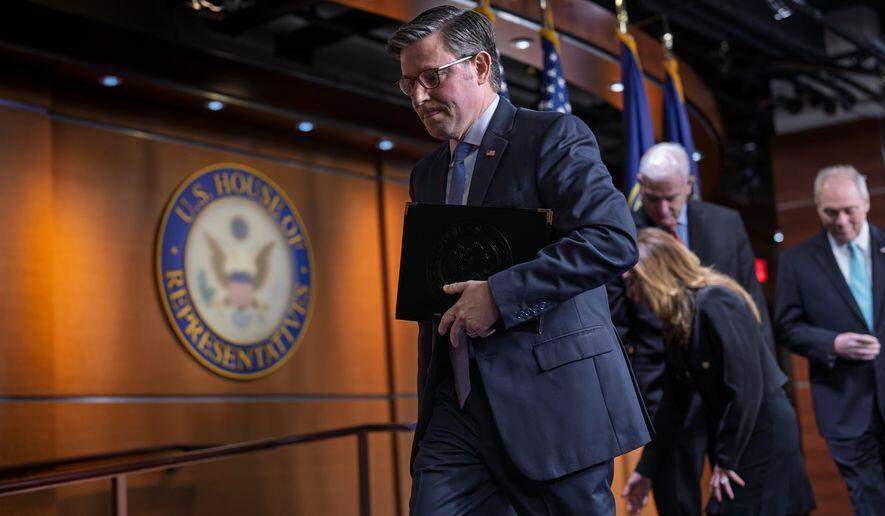
House Republicans Setting Up Early 2026 Vote On Stock Trading Ban House Republicans Setting Up Early 2026 Vote On Stock Trading Ban House Republicans are teeing up a vote in early 2026 on legislation that would ban members of Congress from trading stock, however Democrats are insisting that it be expanded to cover the president, vice president, and their spouses.  image On Thursday a group of House Republicans met to hash out the framework for an intraparty compromise that will only place restrictions on lawmakers, with a target date of March for a floor vote.  "I think we’re going to deliver a really strong product in 2026," said Rep. Chip Roy (R-TX) in a statement to the  , adding that the legislation will include "a lot of elements" of his bipartisan bill - the Restore Trust in Congress Act, which is cosponsored by Rep. Seth Magaziner (D-RI).  The new measure would ban members of Congress, their spouses, and dependent children from owning or trading stocks, securities, commodities, futures, or comparable economic investments, and would require current lawmakers to divest such assets within 180 days of the bill's enactment. Future lawmakers would be required to divest within 90 days of taking office.  According to Roy, the final legislation will be a Republican Conference product which he hopes Democrats will warm up to. Earlier this year Florida GOP Rep. Anna Palina Luna filed a discharge petition to force a vote on the Roy-Magaziner bill, however it fell significantly short of the 218 signatures needed. Jeffries Demands President Too House Minority Leader Hakeem Jeffries (D-NY) says he won't back any bipartisan deal unless it also bans presidents, vice presidents and their spouses from stock trading - provisions which Magazier included in a new bill released this week for which he's launching a discharge petition. "There is absolutely no justification for the president, who has far more power than any individual member of Congress, or the vice president, to be able to trade stocks in real time when they have more access to inside information that perhaps the entire United States Congress combined as it relates to regulatory activity," said Jeffries.  And of course, the new GOP bill won't satisfy his demands. "The executive branch has rules," said Roy. "Right now, we’re trying to just focus on cleaning up our own mess, and then we can try to look elsewhere if we need to." House Speaker Mike Johnson met with Roy, Luna and other Republicans on Thursday to coordinate the stock trading ban. Also in the meeting were Reps. Tim Burchett of Tennessee and Nancy Mace of South Carolina - who all left the meeting 'confident' that the new legislation would achieve the underlying goal, the Times continues. "No more insider trading," said Luna, promising that the bill they're assembling "is going to be good."  "I think it would be stupid for any member of Congress to not vote for this," she said. "It is the most bipartisan issue. Now, we have to make sure that the Senate does it too. But there’s also talk about potentially changing the House rules to get this effected immediately." President Trump has previously said that he would sign a congressional stock trading ban if one made it to his desk - though he then threw a tantrum when Sen. Josh Hawley (R-MO) joined with Democrats in July to advance a bill out of the Senate Homeland Committee that banned lawmakers, the president, the vice president, their spouses, and dependent children from trading stonks.  "I don’t think real Republicans want to see their President, who has had unprecedented success, TARGETED, because of the ‘whims’ of a second-tier Senator named Josh Hawley!" Trump said on social media.  It turns out Trump was misinformed by other GOP senators who told him the bill would require him to sell his assets. "I said that is absolutely not true at all," Hawley told reporters. "I said your assets are all protected. It applies to the next president. … He finished by saying, ‘You’re totally exonerated, Josh. We love you.’" Mon, 12/22/2025 - 13:05
Silver Just Called The COMEX's Bluff Silver Just Called The COMEX's Bluff December means many things: A year coming to an end, a time for reflection, a time for looking ahead. A time for family and friends, and of course, a time for holiday belly-expansion. However, what many may have missed this December is that it was the month the paper markets in silver had yet another near-death experience. image Hiding in Plain Site As usual, this critical turning point in metals, as well as its neon-flashing signal of a globally debt-sick financial and currency system, went largely unnoticed. In financial markets, the daily buzz remained forever focused on the usual suspects, from BTC’s massive falls, MicroStrategy’s losing gambit (-59% YTD) and an over-stretched stock market to crude oil’s annual loss or the never-ending deflation/inflation or strong vs. weak DXY debates. These are, of course, important debates and topics. Most investors understand them, and thus most investors, bull or bear, have an opinion about them. That is why they fill headlines. Hiding in Intentional Complexity But often, in fact nearly always, the real and more nuanced signals, as well as market warnings, are deliberately omitted from the Zeitgeist. This is not only because such signals are a threat to   behind these failing and corrupted systems, but because, as such, they are made deliberately too complex for Joe Sixpack to see and hence critique. I’ve written about such   before. And nowhere is this tactic put to better use than in trying to hide the legalized price-fixing masquerading as “hedging” at that oh-so complex beast otherwise known as the COMEX exchange. For this reason, I’ve tried (as well as warned) for years to make simple sense out of the otherwise senseless COMEX mechanizations used to manipulate the paper price of gold and silver. If needed, these “simplifications” of the “complex” can be chronologically revisited   for a re-fresher course. Making the Complex Simple For now, however, let’s continue to derive the simple from the complex. Toward this end, the core theme is very simple and worth repeating: Sovereign nations guilty of unprecedented debt addiction—and hence the currency debasement needed to monetize that addiction—are absolutely terrified of rising gold and silver prices. This is because rising precious metals are an open middle finger to governments who have grossly and negligently mismanaged the national currencies by which most citizens measure their wealth. Precious metals naturally rise when paper money, inflated to reduce debt burdens, unnaturally falls in purchasing power. And when a currency loses its purchasing power, the natives get restless, and the government, fully to blame for the same, gets both nervous and dishonest. Making the COMEX Simple That is why the COMEX, in 1974, added futures contracts to allow massive levels of leverage in the hands of a small cabal of bullion banks to conduct equally massive shorts on the gold and silver price each and every day since. This keeps the prices forced down. The COMEX, in short, was designed for no other reason than to manipulate gold and silver, for gold and silver,  . The cabal responsible for this crime didn’t want this stolen “real money” to outshine the fake paper money that replaced it. Since 1971, the fall of fiat money’s purchasing power when measured against gold has been greater than 99%. That was embarrassing, of course, but it was a slow frog boil which the media and even most citizens ignored for decades. By December of 2025, however, the narrative of a robust USD had lost its credibility for so many reasons detailed elsewhere, but made most obvious by an astronomical, 2025 gold and silver price appreciation driven by global demand which openly preferred real money over the USD and USTs as the new strategic reserve asset. Today, global central banks hold more physical gold than USTs. In short, the world has caught on that precious metals preserve their purchasing power infinitely better than credit-based and openly melting paper dollars. The Greenback, since it was  , has simply lost its prior hegemony. Or stated even more simply: Uncle Sam was losing, and hence the COMEX was desperate to save face and buy time for his discredited dollar by attempting to kneecap the precious metals. But as we’ve  , the COMEX was running out of the needed gold and silver to continue its legalized charades. A COMEX NDE Which brings us, at last, to December 12, 2025 and the COMEX’ Near Death Experience (NDE)… Unnoticed by nearly everyone, a desperate CME board raised the margin requirement (i.e., cost of leverage) for silver futures contracts by 10%, in what could be the first of more to come. This may sound wonky, perhaps even boring, but its mechanizations and ramifications are very important. What this crafty, 2:00 AM pre-weekend hike in margins by a so-called “neutral exchange” boiled down to was a deliberate and desperate attempt to force a massive liquidation (i.e., sell-off) in silver. Thanks to an overnight hike in “buy-in” on that legalized and fixed casino otherwise known as the COMEX, the shadow-banking speculators going long silver at massive turns of leverage were immediately and electronically forced to cover the fee gap or have their positions sold automatically. Needless to say, at 2:00 AM, covering was nearly impossible, so the sell-off was effectively forced. Running Out of Control If this seems crazy, it was. But sadly, the desperate tactic was nothing new. In 1980, a similar and overnight re-pricing of levered contracts took 50% off the silver price due to a massive sell-off in PAPER silver. By May of 2011, the same tactic successfully crushed the metal when five consecutive margin hikes sent the silver price down in a matter of days from $49 to $33. Thereafter, PAPER silver stayed low for years to come. The COMEX had won. Since then, similar margin hikes of 10% occurred in February of 2010, followed by an 11% hike in October.  In both instances, silver dipped by 1.8% to 3.3% and then rose by 9% and 18% respectively, within 30 days. We saw similar patterns in August of 2020. The COMEX had lost. Classic shakeouts were followed by major moves to the upside. On December 12 of this year, unnoticed by most headlines and investors, the same trick failed yet again just as the metal closed at $62.50. The 10% margin hike this month didn’t shake silver. 67 million ounces of paper silver sold off in minutes, only to be absorbed by purchasers of the physical metal. Less than a week later, silver was at new highs above $66.00. The reasons why silver (which has seen a >100% upside for the year) prevailed speaks volumes not only about precious metals, but the state of the broken financial system in which we are all trying to navigate. What Went Wrong in New York? So why had the COMEX lost more steam in December of 2025? Despite the exchange’s complex plumbing, the answer is simple, and boils down to this: The demand for physical silver is stronger than the COMEX’s once unstoppable paper market shorts. In 1980 and 2011, for example, the COMEX vaults still had enough of the actual metals—i.e. a “silver float”—to lever the same. But as we’ve argued since November of 2024, the metals have been exiting the COMEX at historical levels because, in a world of dying paper currencies, counterparties (i.e., sovereign nations) now want to own the physical metal. In addition, the industrial bid for a tightly-supplied basket of genuine, physical silver at places as diverse as Samsung or Tesla is much stronger than the paper games played in New York. These industrial buyers of silver need the metal for circuit boards, photovoltaic panels, e-vehicles and even nuclear reactors. When they saw last weekend’s attempt by the COMEX to manipulate the price down, rather than get spooked out of the trade (like hedge funds and other speculators), they had standing orders to buy rather than sell the artificial dip. Industrial bidders also knew that once this physical silver is bought, it is melted into use and never coming back, which means that the silver price (based on tight supply and rising demand) will move higher over time—and thus all the more reason to rejoice rather than panic whenever a CME dip is manufactured in New York. Rock Now Beats Paper Tying this altogether, the failed December attempt to create a massive silver sell-off was nothing more than a clearing of the PAPER speculators from the space and major buy signal for the physical metal buyers who now have more power, patience and leverage than an increasingly tapped-out COMEX exchange. As warned for years, the COMEX is slowly dying because demand for physical metals is outpacing their empty vaults and increasingly impotent paper games. Or as I stated months ago: “Rock now beats paper.” The Long Game Wins Of course, the foregoing but largely ignored trick in the COMEX has larger ramifications for investors playing the long game in physical rather than paper silver. Those mocked for years as “stackers” will be getting the last laugh over time. Like industrial bidders or sovereign wealth funds who want real rather than paper silver for actual use as well as superior monetary value, physical silver owners don’t have to worry about the paper version of the metal. They have always known that paper silver is not silver, it’s merely a levered and largely impotent “claim” on silver. More importantly, the ability of exchanges like the COMEX to beat down physical silver via paper contracts is getting weaker and weaker, which means free price discovery is returning to the metals after decades of legalized COMEX fraud. Or stated even more simply, COMEX was always about managing (manipulating) the paper price of silver, but the real-world demand for the physical metal represents a massive and now more powerful wall of money. In a 2025 backdrop of culminating distrust for debt-soaked bonds, currencies and policies, global demand for physical silver—and, of course, physical gold—has outpaced the power and tricks of that COMEX paper tiger in New York. This, of course, is yet another critical signal in the   of dying fiat money and rising precious metals. Keeping It Real But this does not mean silver or gold will only go up in straight lines from here. Not at all. Bull markets in metals have seen retracements, even large ones, in the middle of their rising cycles. A Tanking stock market, which is equally inevitable, can also cause temporary pullbacks in precious metals, which no one can time or predict. No one. But owners of precious metals know this much: Gold and silver store their value better than paper currencies over time. And time is on their side. A Couple Tricks Left Nor is the increasingly desperate and openly gasping COMEX out of tricks. It still has a couple up its tattered sleeves. For example, its next move could be position-limits whereby it will limit the number of silver contracts held by ETFs or family offices who still confuse paper metal with actual metal. Such position limits would induce sell-offs and southern price moves. But as occurred this month, any such “discount” made in New York would later be bought rather than sold. The final move we could expect from the COMEX is the most desperate. That is, it could go into liquidation mode, a “nuclear option” by which parties to the COMEX could only be sellers rather than buyers of silver. In such an extreme scenario, the paper price of silver would, of course, sink. Silver buyers in such a scenario would likely move to other metals desks in Shanghai or London for fairer pricing, a move which would only make the COMEX even less relevant. Back to Simple Ultimately, all these signals and sounds from the once all-powerful COMEX are the signals and sounds of a dying system in not only paper contracts, but so-called “paper money.” The global financial system, after decades of buying time and unprecedented debt levels with mouse-clicked currencies, is finally hitting its inflection point (or  ) as physical silver and gold rise steadily above the rubble of a broken monetary system led by the home (and central bank) of the world’s weaponized reserve currency. Silver was simply calling the bluff on a failed system in general and a discredited COMEX in particular. Mon, 12/22/2025 - 12:45
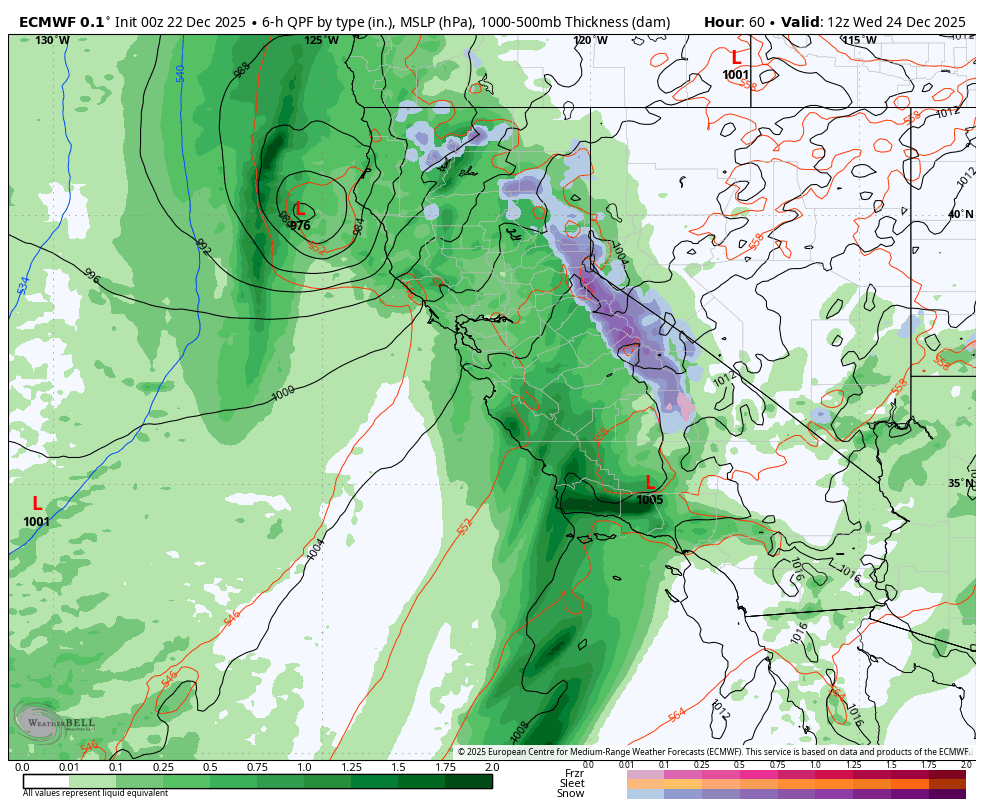
Atmospheric Rivers Pound US West Coast, Raising Bomb Cyclone Threat Ahead Of Christmas Atmospheric Rivers Pound US West Coast, Raising Bomb Cyclone Threat Ahead Of Christmas Powerful atmospheric rivers continue to hammer Washington and Northern California, extending into Central California, dumping inches of rain, with some low-elevation areas seeing double-digit totals, while higher elevations are getting buried under heavy snowfall. Here is this week's forecast via The Weather Channel: Atmospheric rivers continue to soak the West, bringing heavy rainfall, gusty winds and mountain snowfall. The latest event is ramping up for Northern and Central California this weekend and is expected to last into the week. Flood watches are in effect through the next several days, where widespread rainfall of 5 to 8 inches is possible through Thursday and isolated totals could near a foot. Cities like Sacramento, Los Angeles and San Francisco could see a month's worth of rainfall this upcoming week. Mountain snowfall is also possible across the Cascades and the Sierra Nevada. US Stormwatch founder Colin McCarthy warned that a bomb cyclone could form off the coast of California on Christmas Eve... A bomb cyclone is likely to develop off the coast of California Christmas Eve that could bring a severe windstorm to Northern California. High Wind Watches have just been issued for the entire Bay Area for wind gusts up to 60 mph, but if more agressive model forecasts pan out wouldn't be shocked to see 70+ mph in the higher terrain and along the coastline. A very strong cold front with potentially embedded severe thunderstorms will also come ashore late Tuesday night/early Wednesday morning in Central/Northern California that could mix very intense 60+ mph wind gusts to the surface. Given strong wind shear, can also not rule out a tornado or two. A bomb cyclone is likely to develop off the coast of California Christmas Eve that could bring a severe windstorm to Northern California. High Wind Watches have just been issued for the entire Bay Area for wind gusts up to 60 mph, but if more agressive model forecasts pan out… — Colin McCarthy (@US_Stormwatch) Meteorologist Brady Harris published a forecast that showed parts of the Nevada Mountain Range this week could receive "more than 8 FEET!" ⚠️ A LUDICROUS amount of Snow is likely in the Sierra Nevada Mountain Range this week. Higher elevations could see OVER 100 INCHES of Snow. That's… more than 8 FEET ❄️ Multiple waves of Heavy Snow will fall as a PARADE OF STORMS slams California , one after another. Storm 1⃣… — Brady Harris (@StormCat5_) "So far we haven't had much snow in the Sierra, but that is about to change," legendary meteorologist Jim Cantore said. A long week of HEAVY RAIN and HEAVY MOUNTAIN SNOW for California. The whole state gets it too. Late tomorrow the snow levels begin to drop and those watches will become warnings for 5500 feet on up as a series of high end AR's (atmospheric river) punches in. So far we haven't… — Jim Cantore (@JimCantore) Cantore noted for the rest of the Lower 48 this week... Meanwhile anomalous warmth dominates a most of the USA till New Year's Eve Eve as warm ridge builds. Any travel headaches will be restricted to the northern states east of the Rockies in addition to the aforementioned CA issues. Ski Country in New England stays mostly… — Jim Cantore (@JimCantore) Related: Despite warmer weather trends, meteorologist Mark Margavage warned of winter storm threats for the Northeast this week. Woah that escalated quickly... the forecasts that were predicting a "Christmas Torch" are going up in flames. "December to Remember" is back in the cards! All aboard the snow train!❄️🚂 Choo Choo!https://twitter.com/hashtag/wxtwitter?src=hash&ref_src=twsrc%5Etfw — Mark Margavage (@MeteoMark) A December to remember? From polar vortex outbreaks to unseasonably warm weather, Mother Nature appears . Mon, 12/22/2025 - 12:25
Democratic Despotism: The American Left Moves From Censored To Compelled Speech Democratic Despotism: The American Left Moves From Censored To Compelled Speech More than five years ago, I https://thehill.com/opinion/civil-rights/504033-the-destruction-of-statues-comes-with-more-attacks-on-free-speech/  - the forcing of citizens to repeat approved views and values. It is an all-too-familiar pattern. Once a faction assumes power, it will often first seek to censor opposing views and then compel the endorsement of approved views. image This week, some of those efforts faced setbacks and challenges in blue states like Washington and Illinois. In Washington state, many have developed what seems a certain appetite for compelled speech.  For example, Democrats recently pushed through legislation that would have compelled priests and other clerics to rat out congregants who confessed to certain criminal acts. Despite objections from many of us that the law was flagrantly unconstitutional, the Democratic-controlled legislature and Democratic governor pushed it through. The Catholic Church responded to the enactment by telling priests that any compliance would lead to their excommunication. U.S. District Court Judge Iain D. Johnston  , and the Trump Administration sued the state over its effort to turn priests into sacramental snitches. Only after losing in court did the state drop its efforts. In the meantime, the University of Washington has been fighting to punish professors who refuse to conform to its own orthodox values. In 2022, Professor Stuart Reges   when he refused to attach a prewritten “Indigenous land acknowledgement” statement to his course syllabi. Such statements are often accompanied by inclusive and tolerant language of fostering different viewpoints in an academic community. However, when Reges decided to write his own land acknowledgment, university administrators dropped any pretense of tolerance. Reges was not willing to copy and paste onto his syllabus a statement in favor of the indigenous land claim of “the Coast Salish peoples of this land, the land which touches the shared waters of all tribes and bands within the Suquamish, Tulalip, and Muckleshoot nations.” Instead, he wrote, “I acknowledge that by the labor theory of property, the Coast Salish people can claim historical ownership of almost none of the land currently occupied by the University of Washington.” His reference to the labor theory is a nod to John Locke, who believed in natural rights, including the right to property created through one’s labor. In my forthcoming book, “ ,” I explore the foundations of the American Republic, including the influence of Locke. The Framers would have been appalled by efforts to compel speech as an example of “democratic despotism.”  The Framers saw the greatest danger to our system as coming not from a tyrant but the tyranny of the majority. Reges came face-to-face with the rage of a majority faction defied. He was told that although the university land acknowledgment was optional, his own acknowledgment was not allowed because it contributed to “a toxic environment.” This week, the U.S. Court of Appeals for the Ninth Circuit ruled in Reges’s favor and allowed his lawsuit to move forward. Judge Daniel Bress wrote that “student discomfort with a professor’s views can prompt discussion and disapproval. But this discomfort is not grounds for the university retaliating against the professor.” Reges’s lawsuit, brought with the help of the Foundation for Individual Rights and Expression, is a major victory for free speech. However, the desire to both silence and compel speech continues to grow in tandem. In Illinois, Democrats have taken up the cudgel of compelled speech on the issue of abortion. Again, over objection that the law was unconstitutional, Democrats and Gov. https://thehill.com/people/jb-pritzker/ passed a law that said that all healthcare providers, including pro-life and religious pregnancy help centers, must extoll to their patients the “benefits” of abortion, even if they have faith-based objections to abortion. The Catholic Conference of Illinois and other religious organizations are represented by the 📄.pdf , a leading defender of religious liberty in the courts. A district court recently struck down the law, but Illinois refuses to give up. It is appealing the case in the hope of forcing pro-life health professionals to espouse the benefits of abortions. Cardinal Blase Cupich, Chicago’s archbishop, warned this week that “The Church’s pro-life mission is under attack in Illinois” and called on every Catholic to oppose “this inhumane mandate.” Note that neither the constitutional guarantee of free speech nor that of free exercise deterred these efforts to compel speech. It is the very face of democratic despotism as the majority brushes aside disfavored views and values as “toxic” or “harmful.” It shows how, 250 years after our founding, the seeds for majoritarian tyranny remain in this (like in any) democratic system. https://thehill.com/people/jonathan-turley/ ” on the 250th anniversary of the American Revolution. Mon, 12/22/2025 - 12:05
Russian General Killed By Car Bomb In Moscow, Marks 3rd Top Officer Assassinated In A Year Russian General Killed By Car Bomb In Moscow, Marks 3rd Top Officer Assassinated In A Year A Russian general was killed early Monday after a bomb detonated beneath his car in southern Moscow, Russian law enforcement officials have announced. The hugely provocative act, which was likely either carried out by Ukrainian operatives or allied Western intelligence (or both) marks the third killing of a high-ranking defense official over the past year. The slain senior officer has been identified Lieutenant General Fanil Sarvarov, 56, who headed the General Staff's operational training department. He initially survived the blast but soon after succumbed to his injuries. image Investigators released video showing a severely damaged white Kia Sorento in a residential parking area near apartment blocks in Moscow's Orekhovo-Borisovo Yuzhnoye district. The doors were shown to be blown out and debris was strewn everywhere. Kremlin spokesman Dmitry Peskov later indicated that President Vladimir Putin was informed of Sarvarov's death immediately. BBC that Sarvarov "previously took part in combat operations during the Ossetian-Ingush conflict and the Chechen wars in the 1990s and early 2000s, and also led operations in Syria between 2015-2016." As for the investigation at the scene, cites officials who say they are "assessing whether Ukrainian intelligence services could be linked to the incident. Ukraine, which has previously acknowledged carrying out similar attacks inside Russia, did not immediately comment." This adds to a growing list of high profile assassinations related to the Ukraine war. To review: —Darya Dugina was killed in a car bombing in 2022 which was likely meant for her father, prominent political thinker and often dubbed "Putin ally" Aleksandr Dugin. —Gen Igor Kirillov died in December 2024 outside of his residence when a bomb planted in a nearby scooter detonated. —Gen Yaroslav Moskalik, who served as deputy head of the Main Operations Directorate of the General Staff of the Russian Armed Forces, was killed in a car bomb attack last April. A "homemade" explosive device detonated under his Volkswagen Golf in a residential neighborhood. Throughout the course of the war there's been a string of these high profile assassinations on Russian soil involving car and even cafe bombs. Footage from the scene of Monday's car bomb attack, which marks the third such covert hit of a top Russian officer in a year: Russia's Investigative Committee says a car bomb in Moscow has killed a Russian general https://t.co/kajpAQoa2L — Reuters (@Reuters) The cafe bombing had happened in April 2023, and killed prominent pro-Kremlin blogger and war correspondent Vladlen Tatarsky. The blast at a St. Petersburg cafe during a close-quarters speaking event wounded some two dozen bystanders, six of them critically. America's CIA or Britain's MI6 has long been suspected of being involved in these targeted killings, or at least assisting in such brazen Ukrainian-linked operations, but ultimately little has been uncovered or proven in terms of a potential Western hidden hand in this ongoing 'dirty war'. Mon, 12/22/2025 - 11:05