"Are You Stupid?": Watch Trump Blast Leftist Media Over Biden Immigration Debacle
"Are You Stupid?": Watch Trump Blast Leftist Media Over Biden Immigration Debacle
https://modernity.news/2025/11/28/watch-trump-blasts-reporter-are-you-stupid/
President Trump refused to play the games of the leftist media Thursday, at one point going off on a reporter, labelling them a “stupid person.”
 The reporter asked Trump “Why are you blaming Biden?! [for the DC National Guard attack]”
TRUMP responded, “Are you a STUPID PERSON?” adding, “Because they LET HIM IN,” referring to the Afghan national suspect.
“Are you STUPID? They came on a plane with thousands who shouldn’t be here,” Trump continued, adding “And you’re just asking questions ’cause you’re a stupid person!”
“And there’s a law passed where it’s almost IMPOSSIBLE to get them out. You can’t get them out once they get in!” Trump further blasted.
🚨 HOLY CRAP! President Trump goes BERSERK on the fake news 🔥🔥
"Why are you blaming Biden?! [for the DC National Guard attack]"
TRUMP: "Are you a STUPID PERSON?"
"Because they LET HIM IN. Are you STUPID? They came on a plane with THOUSANDS who shouldn't be here. And you're…
The reporter asked Trump “Why are you blaming Biden?! [for the DC National Guard attack]”
TRUMP responded, “Are you a STUPID PERSON?” adding, “Because they LET HIM IN,” referring to the Afghan national suspect.
“Are you STUPID? They came on a plane with thousands who shouldn’t be here,” Trump continued, adding “And you’re just asking questions ’cause you’re a stupid person!”
“And there’s a law passed where it’s almost IMPOSSIBLE to get them out. You can’t get them out once they get in!” Trump further blasted.
🚨 HOLY CRAP! President Trump goes BERSERK on the fake news 🔥🔥
"Why are you blaming Biden?! [for the DC National Guard attack]"
TRUMP: "Are you a STUPID PERSON?"
"Because they LET HIM IN. Are you STUPID? They came on a plane with THOUSANDS who shouldn't be here. And you're… 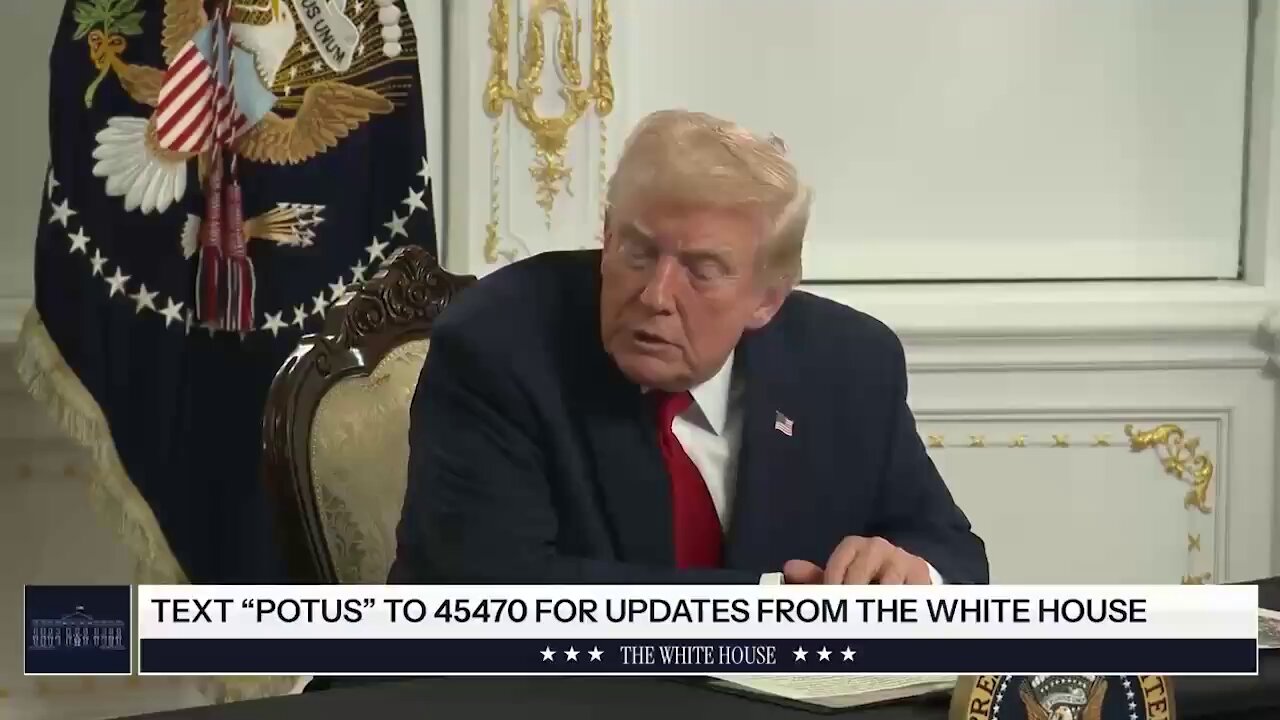 — Eric Daugherty (@EricLDaugh)
As we earlier highlighted, somewhere in the region of 85 THOUSAND Afghans entered the U.S. under Biden, with a basically non-existent vetting process.
Earlier in the briefing, the President had to deliver the awful news that 20 year old U.S. Army Specialist Sarah Beckstrom of Summersville, West Virginia has passed away after the horrific attack.
🚨 NOW - PRESIDENT TRUMP: "We have no greater national security priority than ensuring that we have full control over the people that enter and remain in our country. For the most part, WE DON'T WANT THEM!"
SEND THEM BACK. ALL.
— Eric Daugherty (@EricLDaugh)
As we earlier highlighted, somewhere in the region of 85 THOUSAND Afghans entered the U.S. under Biden, with a basically non-existent vetting process.
Earlier in the briefing, the President had to deliver the awful news that 20 year old U.S. Army Specialist Sarah Beckstrom of Summersville, West Virginia has passed away after the horrific attack.
🚨 NOW - PRESIDENT TRUMP: "We have no greater national security priority than ensuring that we have full control over the people that enter and remain in our country. For the most part, WE DON'T WANT THEM!"
SEND THEM BACK. ALL. 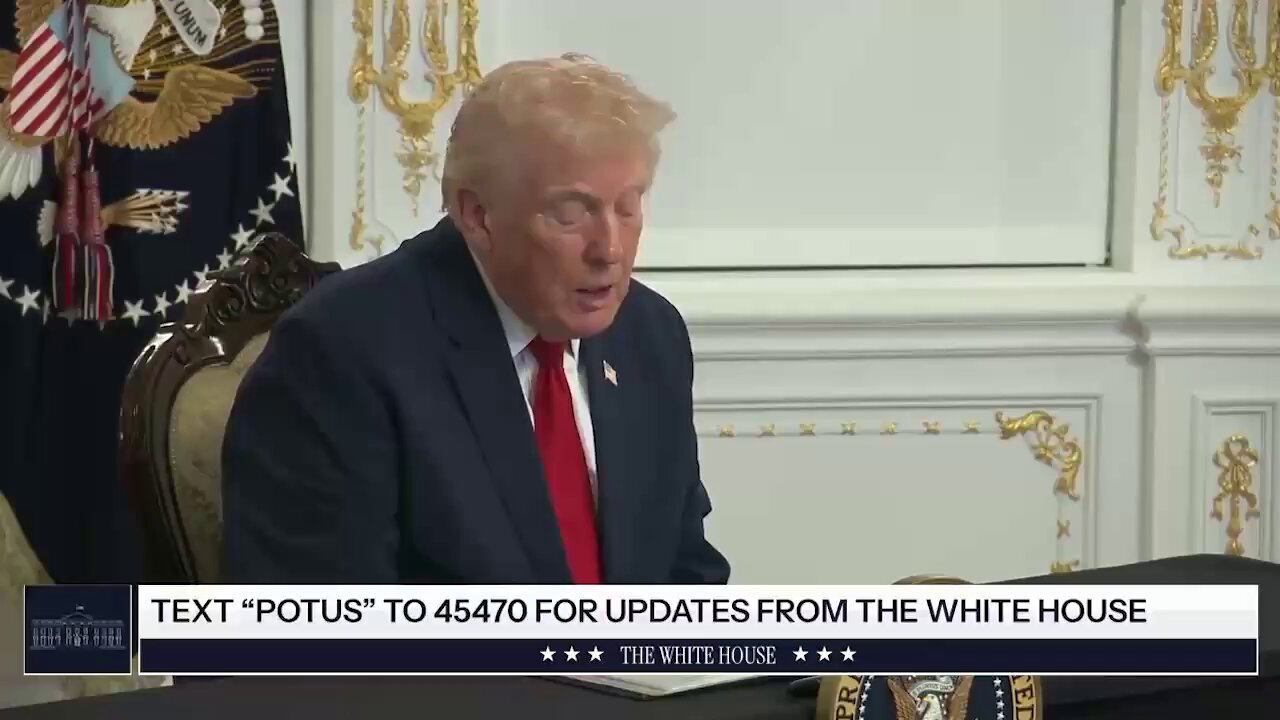 — Eric Daugherty (@EricLDaugh)
Trump further urged, “We have no greater national security priority than ensuring that we have full control over the people that enter and remain in our country. For the most part, we don’t want them.”
Fri, 11/28/2025 - 09:05
— Eric Daugherty (@EricLDaugh)
Trump further urged, “We have no greater national security priority than ensuring that we have full control over the people that enter and remain in our country. For the most part, we don’t want them.”
Fri, 11/28/2025 - 09:05
The reporter asked Trump “Why are you blaming Biden?! [for the DC National Guard attack]”
TRUMP responded, “Are you a STUPID PERSON?” adding, “Because they LET HIM IN,” referring to the Afghan national suspect.
“Are you STUPID? They came on a plane with thousands who shouldn’t be here,” Trump continued, adding “And you’re just asking questions ’cause you’re a stupid person!”
“And there’s a law passed where it’s almost IMPOSSIBLE to get them out. You can’t get them out once they get in!” Trump further blasted.
🚨 HOLY CRAP! President Trump goes BERSERK on the fake news 🔥🔥
"Why are you blaming Biden?! [for the DC National Guard attack]"
TRUMP: "Are you a STUPID PERSON?"
"Because they LET HIM IN. Are you STUPID? They came on a plane with THOUSANDS who shouldn't be here. And you're… X (formerly Twitter)
Eric Daugherty (@EricLDaugh) on X
🚨 HOLY CRAP! President Trump goes BERSERK on the fake news 🔥🔥
"Why are you blaming Biden?! [for the DC National Guard attack]"
TRUMP: "A...
X (formerly Twitter)
Eric Daugherty (@EricLDaugh) on X
🚨 HOLY CRAP! President Trump goes BERSERK on the fake news 🔥🔥
"Why are you blaming Biden?! [for the DC National Guard attack]"
TRUMP: "A...
X (formerly Twitter)
Eric Daugherty (@EricLDaugh) on X
🚨 NOW - PRESIDENT TRUMP: "We have no greater national security priority than ensuring that we have full control over the people that enter and r...
X (formerly Twitter)
Eric Daugherty (@EricLDaugh) on X
🚨 NOW - PRESIDENT TRUMP: "We have no greater national security priority than ensuring that we have full control over the people that enter and r...
Tyler Durden | Zero Hedge
Zero Hedge
"Are You Stupid?": Watch Trump Blast Leftist Media Over Biden Immigration Debacle | ZeroHedge
ZeroHedge - On a long enough timeline, the survival rate for everyone drops to zero



 (Front row, L–R) Australian Prime Minister Anthony Albanese, Brazilian President Luiz Inácio Lula da Silva, South African President Cyril Ramaphosa, Angolan President and Chairperson of the African Union João Lourenço, and Canadian Prime Minister Mark Carney pose for a group photo on the opening day of the Group of 20 leaders' summit, in Johannesburg on Nov. 22, 2025. Gianluigi Guercia/AP
The White House
(Front row, L–R) Australian Prime Minister Anthony Albanese, Brazilian President Luiz Inácio Lula da Silva, South African President Cyril Ramaphosa, Angolan President and Chairperson of the African Union João Lourenço, and Canadian Prime Minister Mark Carney pose for a group photo on the opening day of the Group of 20 leaders' summit, in Johannesburg on Nov. 22, 2025. Gianluigi Guercia/AP
The White House 










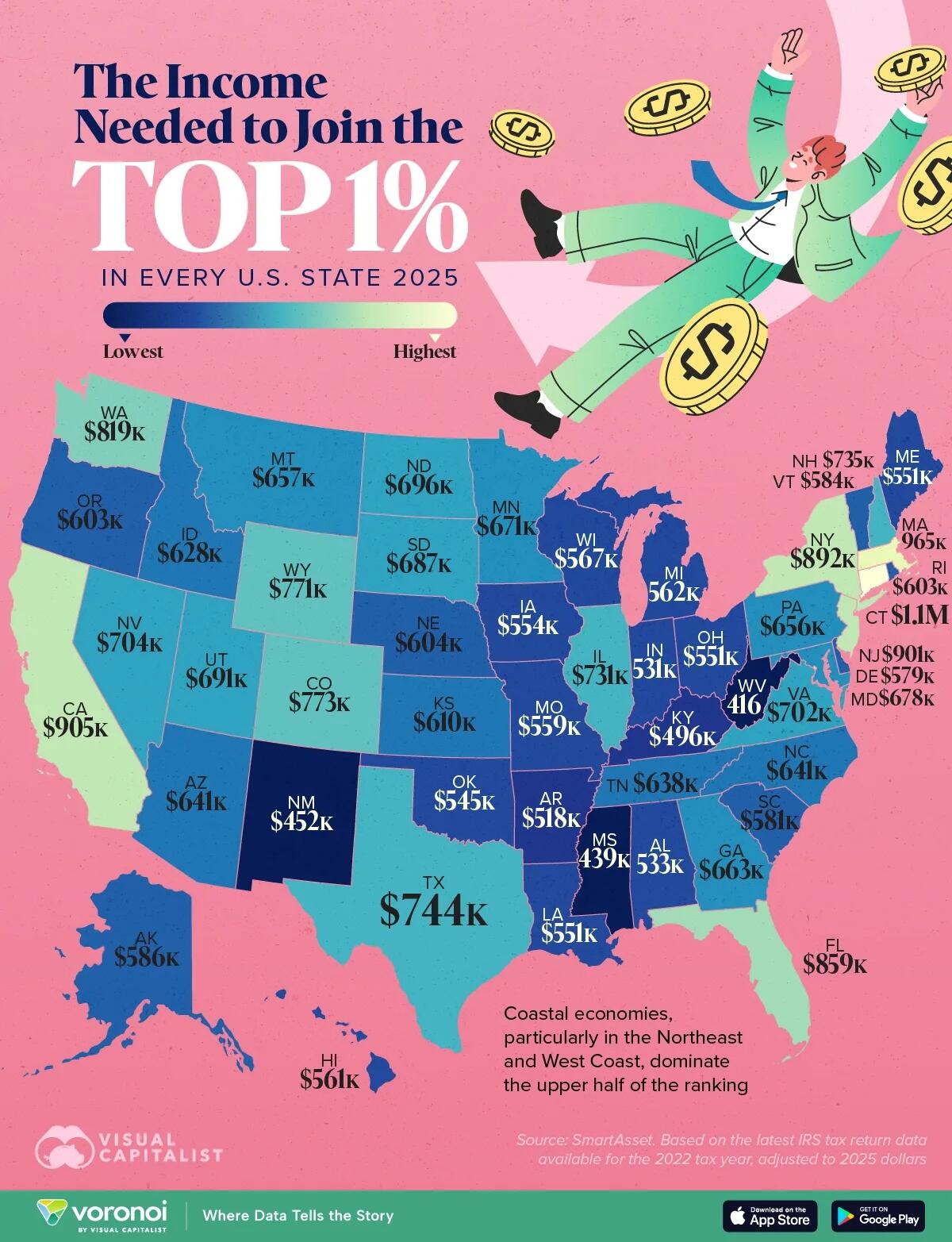 The data for this visualization comes from

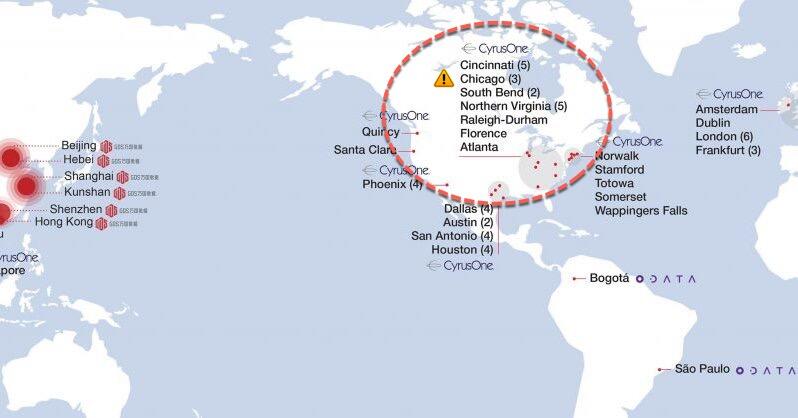 "Due to a cooling issue at CyrusOne data centers, our markets are currently halted. Support is working to resolve the issue in the near term and will advise clients of Pre-Open details as soon as they are available," CME wrote on X late Thursday night.
Due to a cooling issue at CyrusOne data centers, our markets are currently halted. Support is working to resolve the issue in the near term and will advise clients of Pre-Open details as soon as they are available.
— CME Group (@CMEGroup)
"Due to a cooling issue at CyrusOne data centers, our markets are currently halted. Support is working to resolve the issue in the near term and will advise clients of Pre-Open details as soon as they are available," CME wrote on X late Thursday night.
Due to a cooling issue at CyrusOne data centers, our markets are currently halted. Support is working to resolve the issue in the near term and will advise clients of Pre-Open details as soon as they are available.
— CME Group (@CMEGroup) 

 This event signals an extremely volatile market moment — one where even the platform’s own insurance vault (HLP) couldn’t fully absorb liquidation risk.
To understand what this means, we need to unpack two key components of Hyperliquid’s risk architecture: HLP and ADL.
1. What Is HLP?
The Protocol Vault as the System’s Safety Net
HLP stands for Hyperliquid Protocol Vault — essentially a shared liquidity and backstop pool built into the protocol.
Think of it as a public insurance fund or a community vault that anyone can deposit assets into. The funds in HLP serve two main purposes:
1. Provide market liquidity – It helps keep order books liquid, tightening spreads and enabling smoother trading.
2. Act as a backstop during liquidations – When a trader’s position is forcibly liquidated and the market lacks buyers or sellers to absorb the trade, HLP steps in. It takes over the losing position’s remaining collateral and assumes the exposure.
In simple terms, HLP acts as a “public good” mechanism — ensuring that even during severe market shocks, the system remains solvent (no negative equity or bad debt).
Analogy: The Backup Player in a Casino
Imagine Hyperliquid as a massive on-chain casino where everyone’s betting on BTC’s price.
If a player loses all their chips, they must be removed from the table.
But if no one wants to take over that seat, the HLP vault acts like the casino owner’s backup player, stepping in with its own money to keep the game running.
To reduce risk concentration, the protocol splits HLP into several child vaults, each covering different markets or assets.
2. What Is ADL?
The Final Line of Defense: Auto-Deleveraging
ADL, or Auto-Deleveraging, stands for the system’s last-resort risk control mechanism.It only triggers when both regular liquidations and HLP backstops fail.
Why Is Liquidation Needed?
In perpetual futures markets, every long position (betting on price increase) must have a matching short position (betting on a decrease).Each trader provides margin — collateral that ensures they can cover potential losses.
When prices move sharply, losing positions can deplete their margin. To prevent “negative balances,” the system must force-liquidate them — effectively selling or offsetting their positions so that the winner gets paid and the market stays balanced.
Without liquidation, the platform could go insolvent — something no exchange, centralized or decentralized, can afford.
3. The Three-Step Liquidation Waterfall
Hyperliquid’s liquidation process can be visualized as a three-step waterfall:
This event signals an extremely volatile market moment — one where even the platform’s own insurance vault (HLP) couldn’t fully absorb liquidation risk.
To understand what this means, we need to unpack two key components of Hyperliquid’s risk architecture: HLP and ADL.
1. What Is HLP?
The Protocol Vault as the System’s Safety Net
HLP stands for Hyperliquid Protocol Vault — essentially a shared liquidity and backstop pool built into the protocol.
Think of it as a public insurance fund or a community vault that anyone can deposit assets into. The funds in HLP serve two main purposes:
1. Provide market liquidity – It helps keep order books liquid, tightening spreads and enabling smoother trading.
2. Act as a backstop during liquidations – When a trader’s position is forcibly liquidated and the market lacks buyers or sellers to absorb the trade, HLP steps in. It takes over the losing position’s remaining collateral and assumes the exposure.
In simple terms, HLP acts as a “public good” mechanism — ensuring that even during severe market shocks, the system remains solvent (no negative equity or bad debt).
Analogy: The Backup Player in a Casino
Imagine Hyperliquid as a massive on-chain casino where everyone’s betting on BTC’s price.
If a player loses all their chips, they must be removed from the table.
But if no one wants to take over that seat, the HLP vault acts like the casino owner’s backup player, stepping in with its own money to keep the game running.
To reduce risk concentration, the protocol splits HLP into several child vaults, each covering different markets or assets.
2. What Is ADL?
The Final Line of Defense: Auto-Deleveraging
ADL, or Auto-Deleveraging, stands for the system’s last-resort risk control mechanism.It only triggers when both regular liquidations and HLP backstops fail.
Why Is Liquidation Needed?
In perpetual futures markets, every long position (betting on price increase) must have a matching short position (betting on a decrease).Each trader provides margin — collateral that ensures they can cover potential losses.
When prices move sharply, losing positions can deplete their margin. To prevent “negative balances,” the system must force-liquidate them — effectively selling or offsetting their positions so that the winner gets paid and the market stays balanced.
Without liquidation, the platform could go insolvent — something no exchange, centralized or decentralized, can afford.
3. The Three-Step Liquidation Waterfall
Hyperliquid’s liquidation process can be visualized as a three-step waterfall:
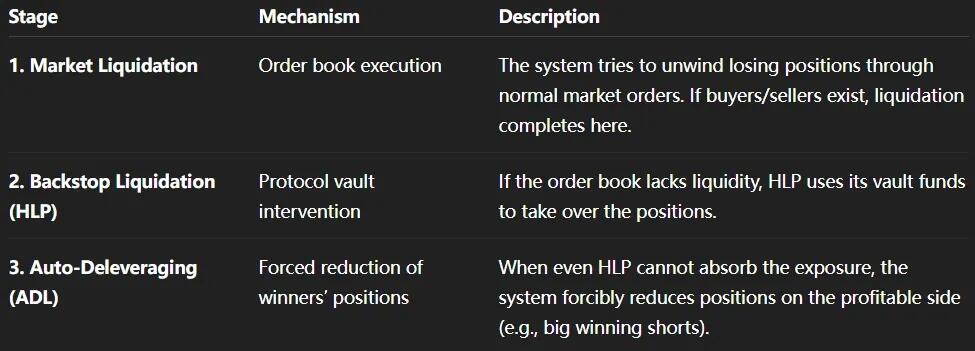 This third step, rarely used, was just triggered for the first time — showing the system’s self-balancing mechanisms working under stress.
4. How ADL Works in Practice
When a losing side’s margin is completely wiped out and HLP can’t cover the residual loss, the system initiates forced deleveraging from the profitable side.
● Triggered Side: The losing party (e.g., long positions during a crash).
● Providing Side: The winning party (e.g., shorts making large profits).
The system automatically ranks all profitable traders based on:
Profit × Leverage × Position Size
Those with the highest profit and leverage are first in line for forced position reduction — they get partially closed at the current mark price, realizing their gains early.
Why “Punish” Winners?
It’s not about punishment — it’s about maintaining systemic balance.
If no one remains to take the losing side of the contract, the exchange must close out part of the winning side to prevent imbalance.
Analogy: It’s like an oversold flight. The airline first offers incentives for volunteers to step off (market + HLP).When no one volunteers, it forces the biggest seat-holders — the “first-class whales” — to leave.
Unfair? Maybe. Necessary? Absolutely — otherwise the plane can’t take off.
5. Why ADL Matters — and What It Tells Us
ADL is a crisis-only mechanism, designed to protect solvency in extreme market conditions.
● For the platform, it ensures the perpetual futures system never goes bankrupt.
● For traders, it’s a reminder: even if you’re winning big, high leverage exposes you to forced deleveraging.
● For the ecosystem, it demonstrates the maturity of on-chain risk governance — markets that can self-liquidate without external bailouts.
6. The Bigger Picture: A Necessary Imperfection
ADL is not a bug; it’s a safety fuse.
It doesn’t penalize success — it ensures survival. In a leveraged zero-sum system, when volatility dries up liquidity, someone must step out to keep the game fair and solvent.
ADL guarantees that the perpetual futures market — however chaotic — can keep operating.In that sense, an ADL event isn’t a failure.
It’s a sign that the market has reached its stress limit and the protocol has handled it — automatically, transparently, and without human intervention.
This third step, rarely used, was just triggered for the first time — showing the system’s self-balancing mechanisms working under stress.
4. How ADL Works in Practice
When a losing side’s margin is completely wiped out and HLP can’t cover the residual loss, the system initiates forced deleveraging from the profitable side.
● Triggered Side: The losing party (e.g., long positions during a crash).
● Providing Side: The winning party (e.g., shorts making large profits).
The system automatically ranks all profitable traders based on:
Profit × Leverage × Position Size
Those with the highest profit and leverage are first in line for forced position reduction — they get partially closed at the current mark price, realizing their gains early.
Why “Punish” Winners?
It’s not about punishment — it’s about maintaining systemic balance.
If no one remains to take the losing side of the contract, the exchange must close out part of the winning side to prevent imbalance.
Analogy: It’s like an oversold flight. The airline first offers incentives for volunteers to step off (market + HLP).When no one volunteers, it forces the biggest seat-holders — the “first-class whales” — to leave.
Unfair? Maybe. Necessary? Absolutely — otherwise the plane can’t take off.
5. Why ADL Matters — and What It Tells Us
ADL is a crisis-only mechanism, designed to protect solvency in extreme market conditions.
● For the platform, it ensures the perpetual futures system never goes bankrupt.
● For traders, it’s a reminder: even if you’re winning big, high leverage exposes you to forced deleveraging.
● For the ecosystem, it demonstrates the maturity of on-chain risk governance — markets that can self-liquidate without external bailouts.
6. The Bigger Picture: A Necessary Imperfection
ADL is not a bug; it’s a safety fuse.
It doesn’t penalize success — it ensures survival. In a leveraged zero-sum system, when volatility dries up liquidity, someone must step out to keep the game fair and solvent.
ADL guarantees that the perpetual futures market — however chaotic — can keep operating.In that sense, an ADL event isn’t a failure.
It’s a sign that the market has reached its stress limit and the protocol has handled it — automatically, transparently, and without human intervention.
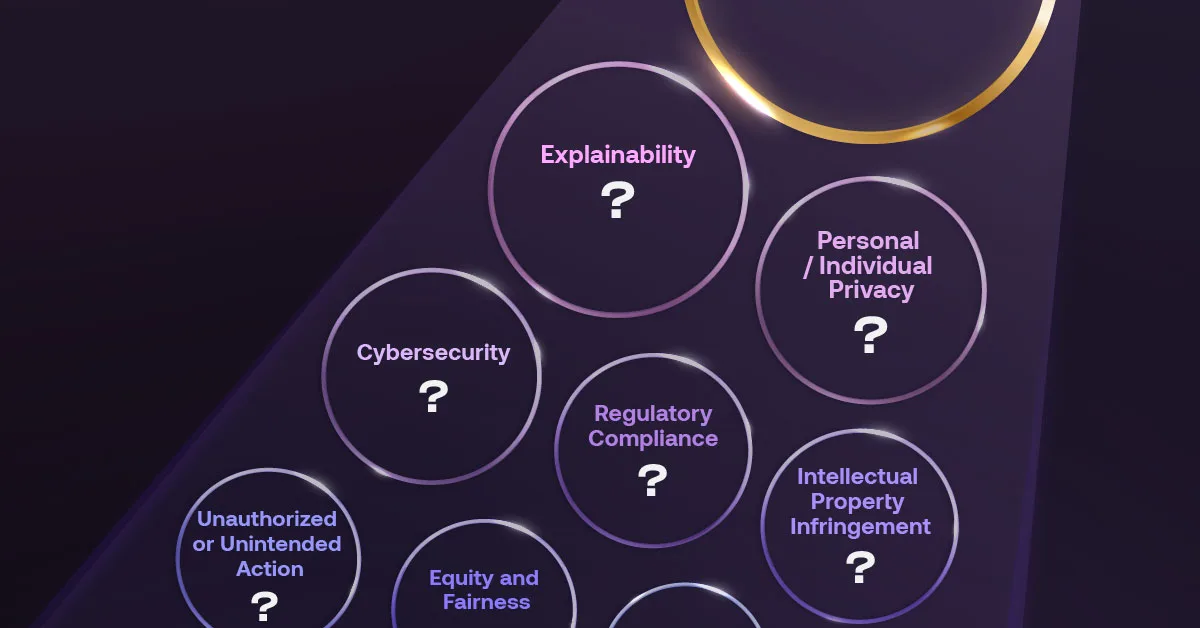
 It’s a preview of the brand-new executive guide from Terzo and Visual Capitalist,
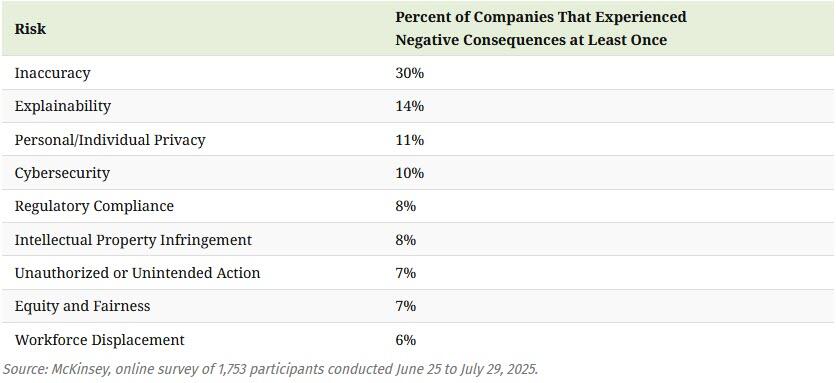 Source: McKinsey, online survey of 1,753 participants conducted June 25 to July 29, 2025.
The other dangers of AI are reported on a much lower scale. Explainability, which is the ability for people to understand an AI system’s inner workings, has affected half as many companies as inaccuracy has.
The Knock-On Effects of Errors
AI inaccuracy can lead to much bigger issues. It undermines trust in AI systems, causes operational inefficiencies, and can lead to flawed strategic decisions. When AI generates incorrect outputs, the damage is often amplified through cascading processes.
It also has the potential to create legal issues. As the Harvard Law School recently pointed out, many insurance companies are adding limitations or
Source: McKinsey, online survey of 1,753 participants conducted June 25 to July 29, 2025.
The other dangers of AI are reported on a much lower scale. Explainability, which is the ability for people to understand an AI system’s inner workings, has affected half as many companies as inaccuracy has.
The Knock-On Effects of Errors
AI inaccuracy can lead to much bigger issues. It undermines trust in AI systems, causes operational inefficiencies, and can lead to flawed strategic decisions. When AI generates incorrect outputs, the damage is often amplified through cascading processes.
It also has the potential to create legal issues. As the Harvard Law School recently pointed out, many insurance companies are adding limitations or 
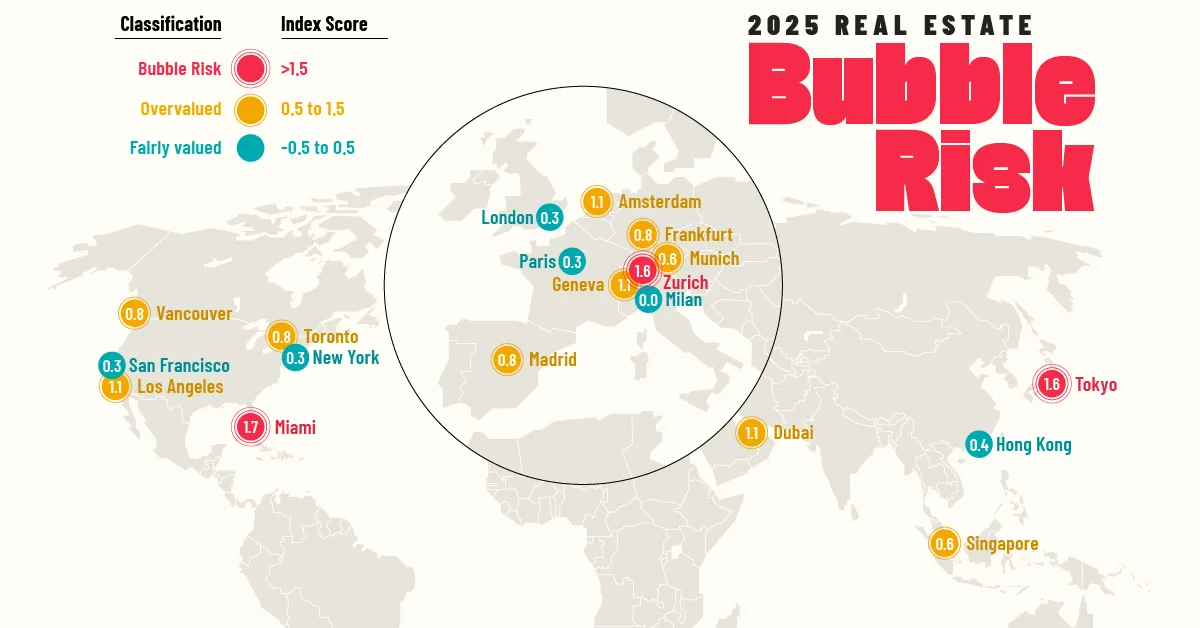
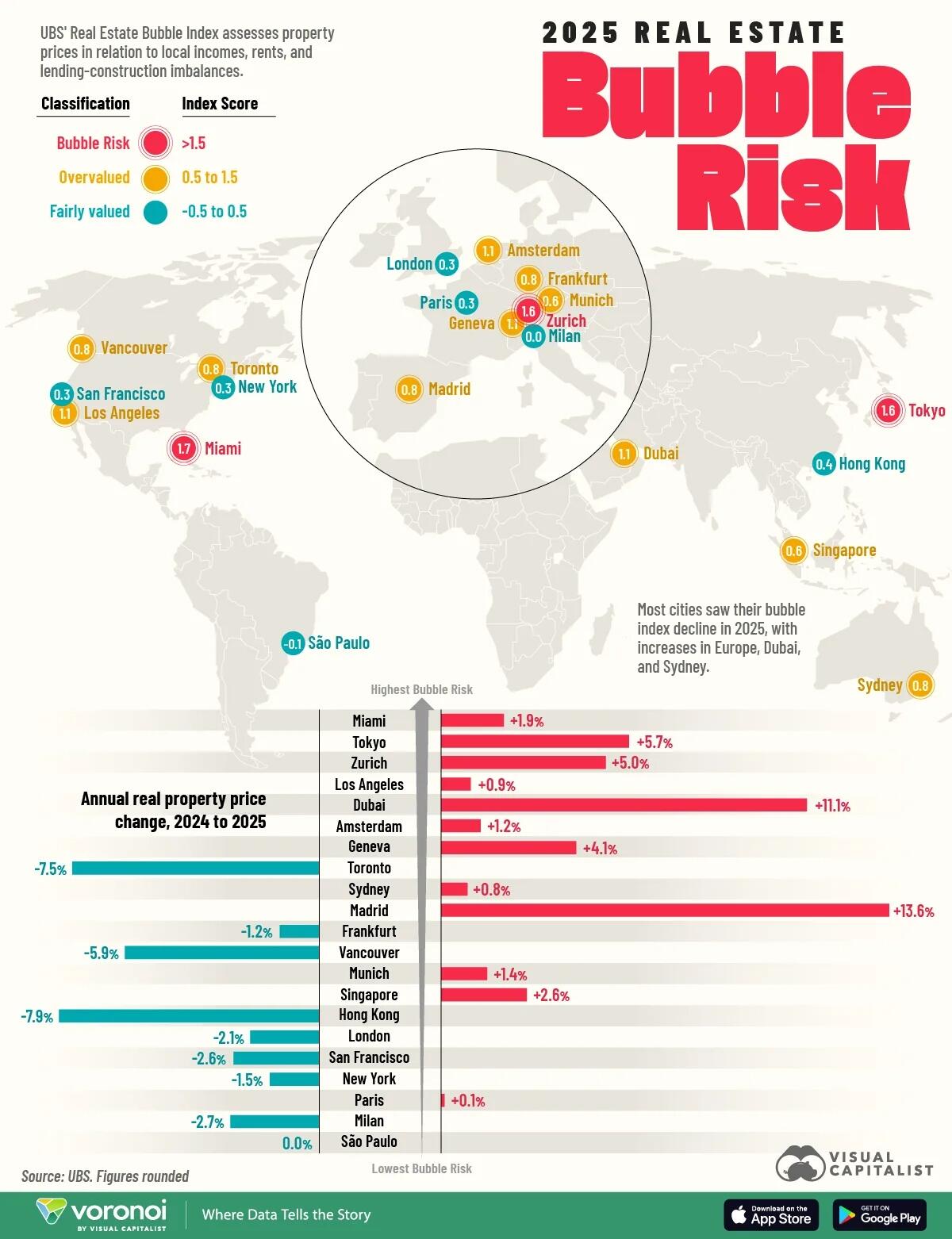 Where Housing Markets Look Most Overheated
UBS’ Real Estate Bubble Index evaluates housing markets around the world using a range of indicators, including price-to-income ratios, price-to-rent ratios, and trends in mortgage lending and construction activity.
Cities are classified into three broad categories based on their index score:
Bubble Risk: >1.5
Overvalued: 0.5 to 1.5
Fairly Valued: -0.5 to 0.5
Below is the full 2025 ranking of cities by UBS’s Bubble Index score, along with the annual real price change:
Rank
City
Bubble Risk Index Score
Annual real home price change (2024 to 2025)
1
Miami
1.73
1.9%
2
Tokyo
1.59
5.7%
3
Zurich
1.55
5.0%
4
Los Angeles
1.11
0.9%
5
Dubai
1.09
11.1%
6
Amsterdam
1.06
1.2%
7
Geneva
1.05
4.1%
8
Toronto
0.8
-7.5%
9
Sydney
0.8
0.8%
10
Madrid
0.77
13.6%
11
Frankfurt
0.76
-1.2%
12
Vancouver
0.76
-5.9%
13
Munich
0.64
1.4%
14
Singapore
0.55
2.6%
15
Hong Kong
0.44
-7.9%
16
London
0.34
-2.1%
17
San Francisco
0.28
-2.6%
18
New York
0.26
-1.5%
19
Paris
0.25
0.1%
20
Milan
0.01
-2.7%
21
São Paulo
-0.1
0.0%
The majority of cities in the index saw their bubble risk decline
Where Housing Markets Look Most Overheated
UBS’ Real Estate Bubble Index evaluates housing markets around the world using a range of indicators, including price-to-income ratios, price-to-rent ratios, and trends in mortgage lending and construction activity.
Cities are classified into three broad categories based on their index score:
Bubble Risk: >1.5
Overvalued: 0.5 to 1.5
Fairly Valued: -0.5 to 0.5
Below is the full 2025 ranking of cities by UBS’s Bubble Index score, along with the annual real price change:
Rank
City
Bubble Risk Index Score
Annual real home price change (2024 to 2025)
1
Miami
1.73
1.9%
2
Tokyo
1.59
5.7%
3
Zurich
1.55
5.0%
4
Los Angeles
1.11
0.9%
5
Dubai
1.09
11.1%
6
Amsterdam
1.06
1.2%
7
Geneva
1.05
4.1%
8
Toronto
0.8
-7.5%
9
Sydney
0.8
0.8%
10
Madrid
0.77
13.6%
11
Frankfurt
0.76
-1.2%
12
Vancouver
0.76
-5.9%
13
Munich
0.64
1.4%
14
Singapore
0.55
2.6%
15
Hong Kong
0.44
-7.9%
16
London
0.34
-2.1%
17
San Francisco
0.28
-2.6%
18
New York
0.26
-1.5%
19
Paris
0.25
0.1%
20
Milan
0.01
-2.7%
21
São Paulo
-0.1
0.0%
The majority of cities in the index saw their bubble risk decline 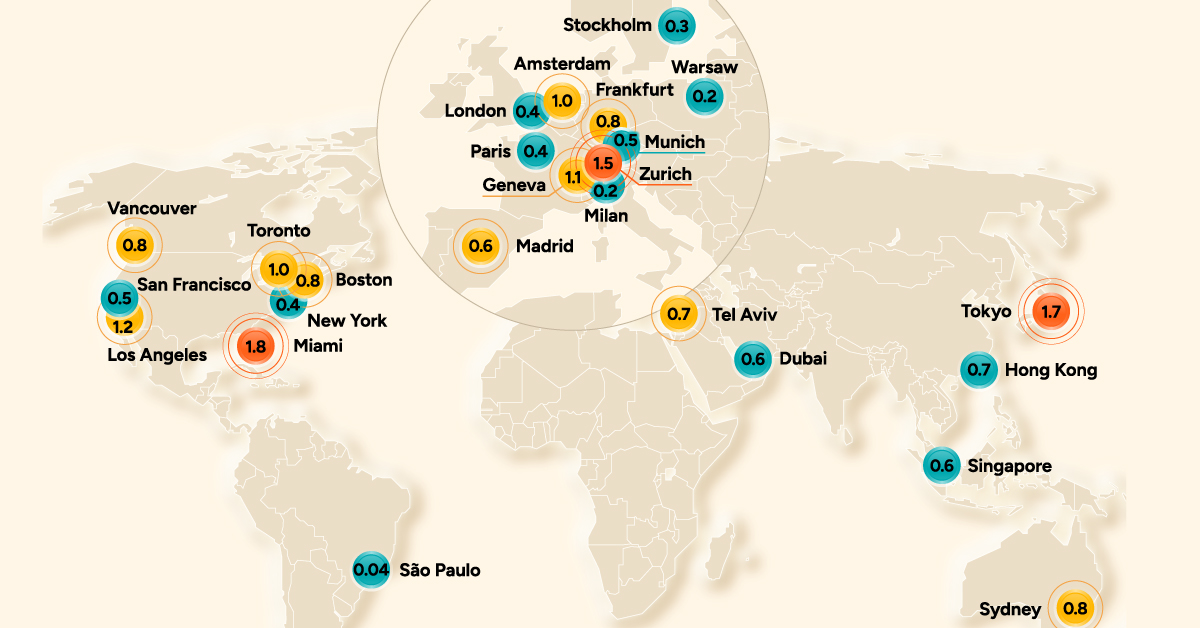




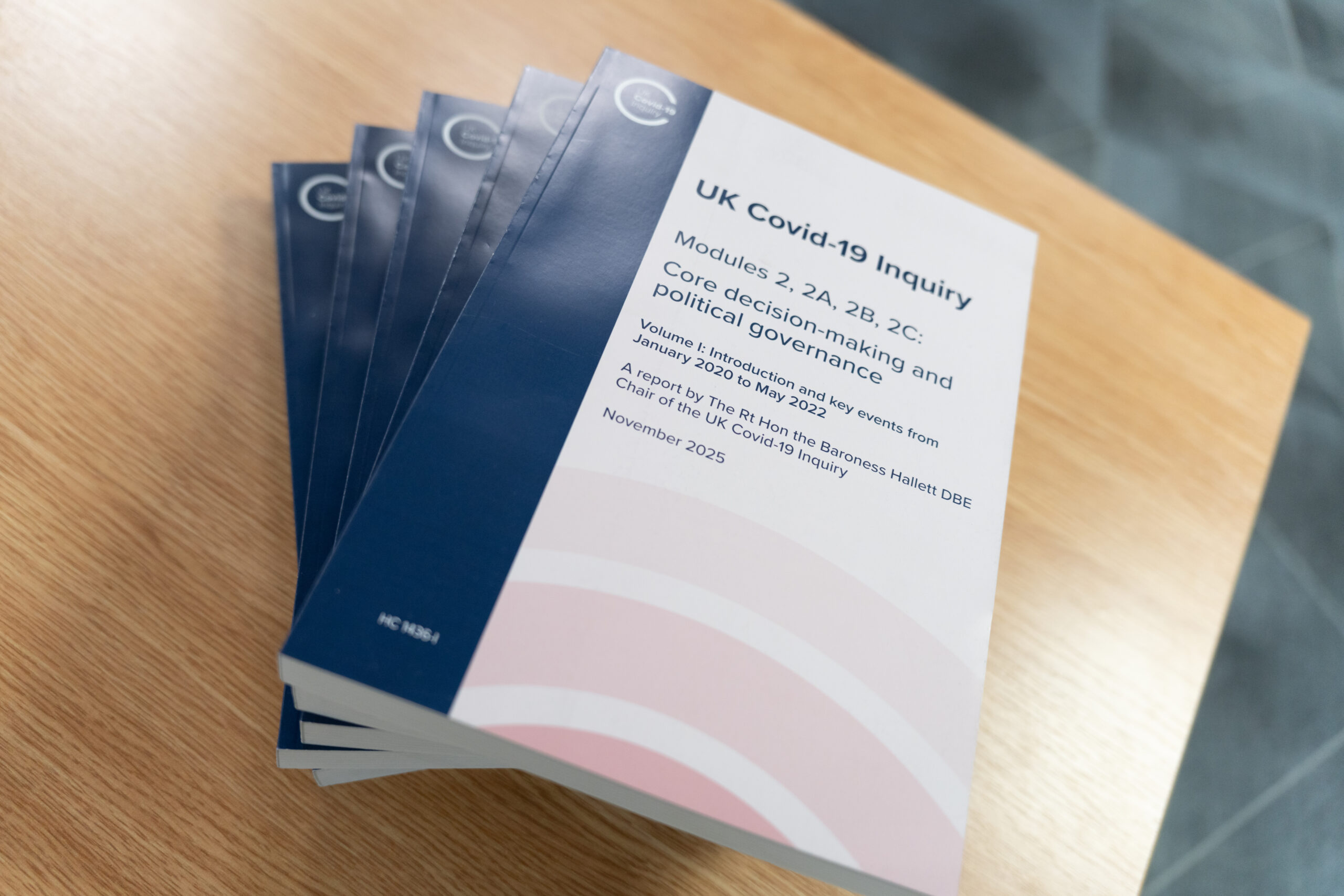
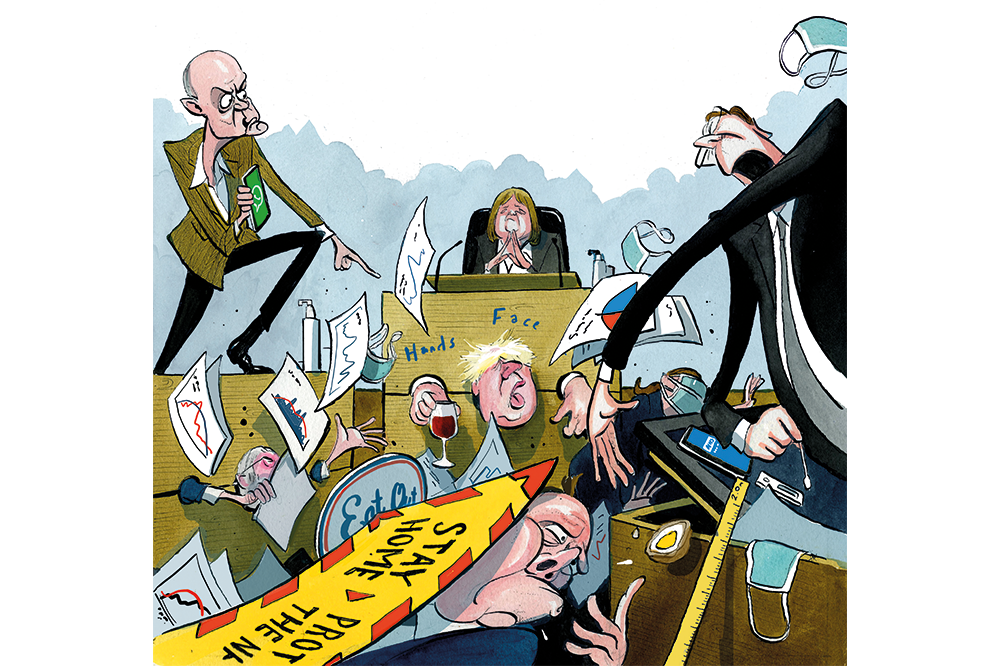
 Despite spending £192 million, interviewing 166 witnesses, and publishing more than 1,000 pages already, the most expensive public inquiry in British history (£160,000 per day) cherry-picks four persons to blame, blames these four persons for a “toxic and chaotic culture,” and cherry-picks evidence in support of earlier preventive measures and lockdown.
Note 1 to Britain’s elite: Four people don’t make a “culture” in a government of more than half a million full-time servants and politicians!
Note 2 to Britain’s elite: Groups have processes and structures too, not just cultures.
Procedurally, why was the government making decisions about lockdown without a cost-benefit analysis, even in the Treasury,
Despite spending £192 million, interviewing 166 witnesses, and publishing more than 1,000 pages already, the most expensive public inquiry in British history (£160,000 per day) cherry-picks four persons to blame, blames these four persons for a “toxic and chaotic culture,” and cherry-picks evidence in support of earlier preventive measures and lockdown.
Note 1 to Britain’s elite: Four people don’t make a “culture” in a government of more than half a million full-time servants and politicians!
Note 2 to Britain’s elite: Groups have processes and structures too, not just cultures.
Procedurally, why was the government making decisions about lockdown without a cost-benefit analysis, even in the Treasury,