Nina Willburger

Nina Willburger's avatar
Nina Willburger
npub17ghx...pj7j
Archaeologist | Permanent Representative of the Director, Archäologisches Landesmuseum Baden-Württemberg | Private account, views are mine. #archaeology #romanarchaeology #museum 🖖
I wish a joyous Christmas to all who celebrate. May you have a truly wonderful time 🎄🎅. This #Roman glass spherical bottle would make great #Christmas bauble, but it was used to hold perfume and loose powder. The contents were sealed inside the delicate cosmetic container, and a small knob at the top had to be broken off to remove the oil/powder. Dating 1st/2nd century AD. On display at Altes Museum Berlin #archaeology image
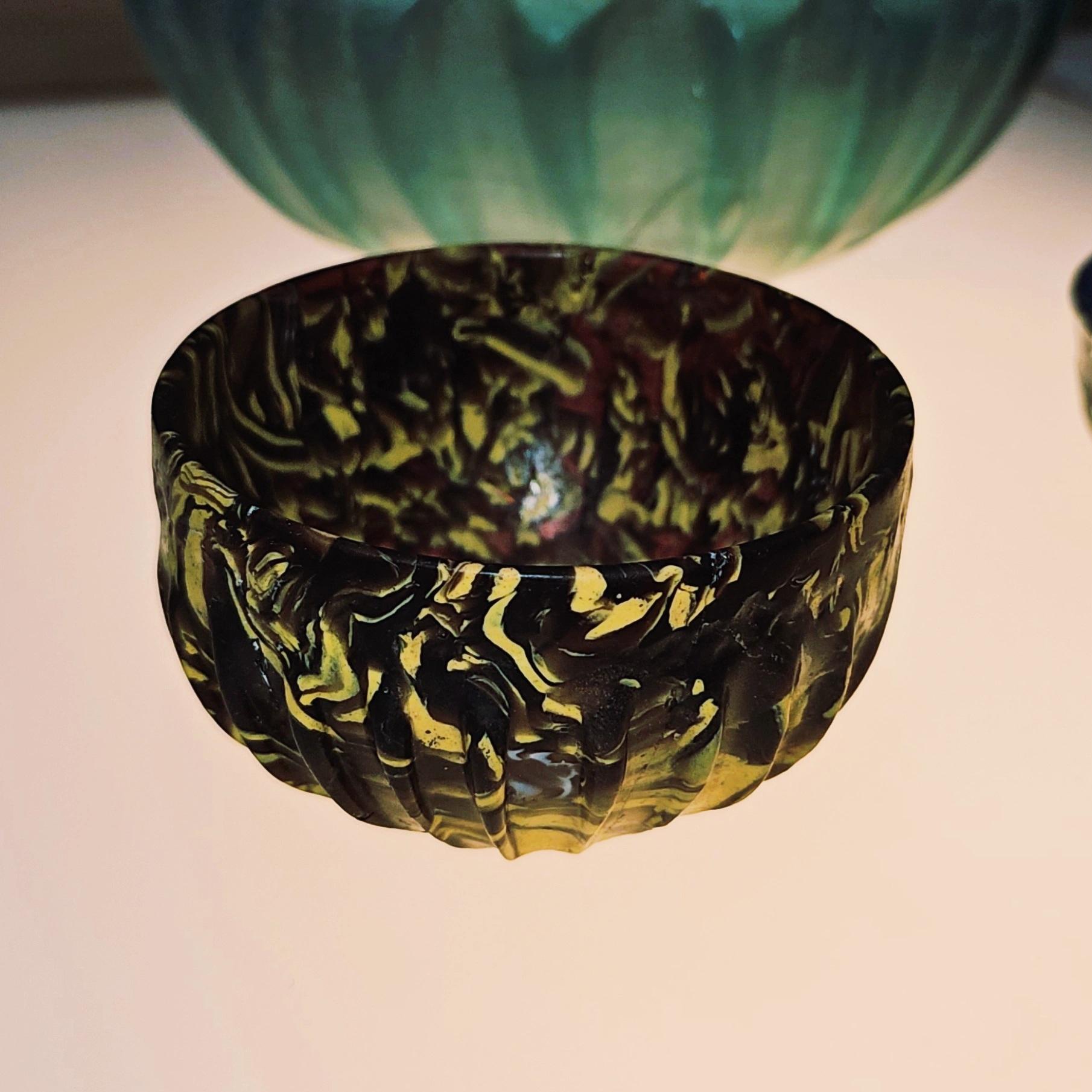
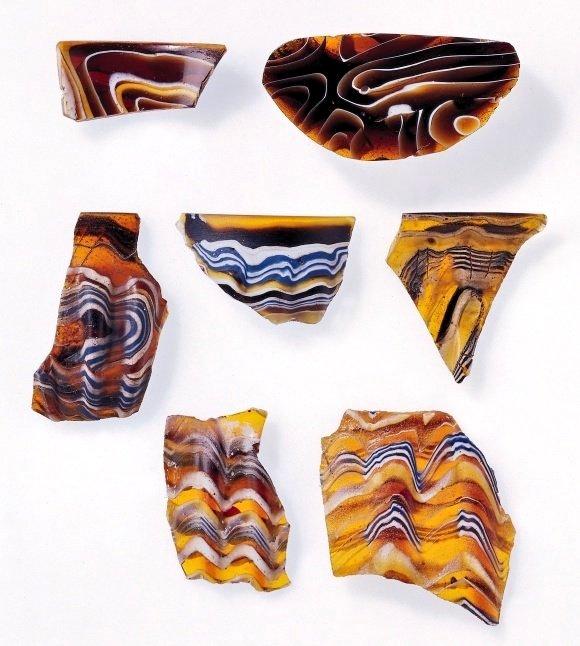
This small ribbed bowl is a fine example of early Imperial Roman glassmaking. It was produced in the 1st c. AD and found in Trier. The vessel was formed from coloured glass with a striking marbled effect in dark and yellow tones. Such vessels were prized tableware, used for serving small portions of food and drink. They testify to the spread of Roman dining culture and luxury goods into the provinces. On display at Landesmuseum Trier 📷 me #RomanArchaeology #archaeology image
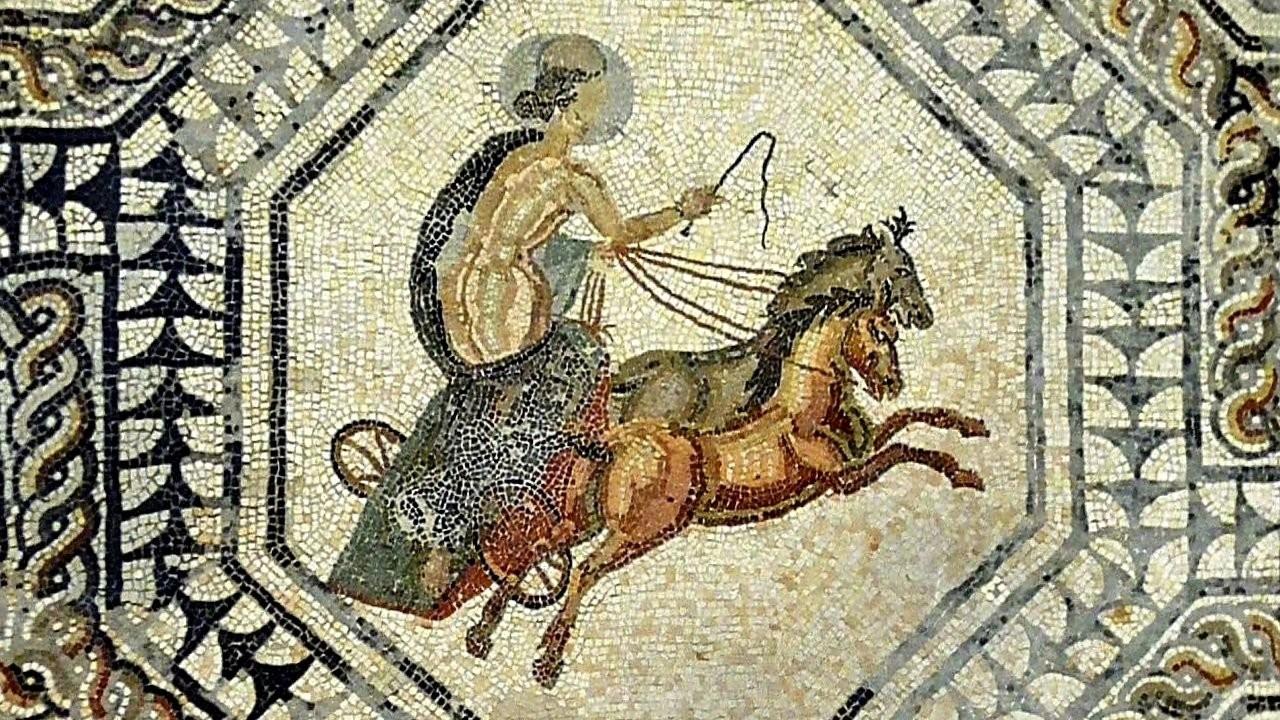
It's Monday, Latin dies Lunae - day of Luna, goddess of the #Moon. Therefore, for #MosaicMonday a detail of a mosaic from the #Roman villa at Orbe-Boscéaz, Yverdon-les-Bains region, Switzerland, depicting Luna in a two-horse chariot. Happy Monday to all of you! image
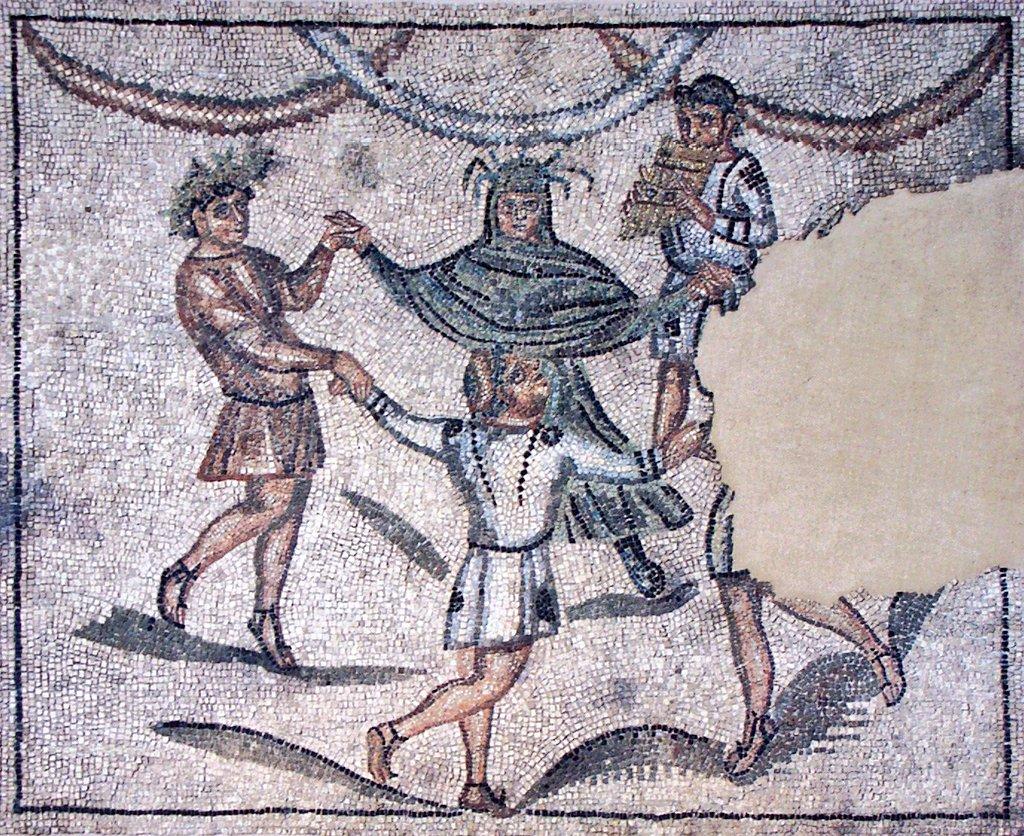
Happy #WinterSolstice!  Astronomical #winter starts today. It's the shortest day of the year in terms of daylight with the sun starting to set later each day until Summer Solstice. The mosaic depicts the dancing Genii (protective spirits) of the four seasons. The Genius of #winter is wrapped in a heavy cloak. Dating 5th/6th c. AD. Found in the Domus dei Tappeti di Pietra/Ravenna image
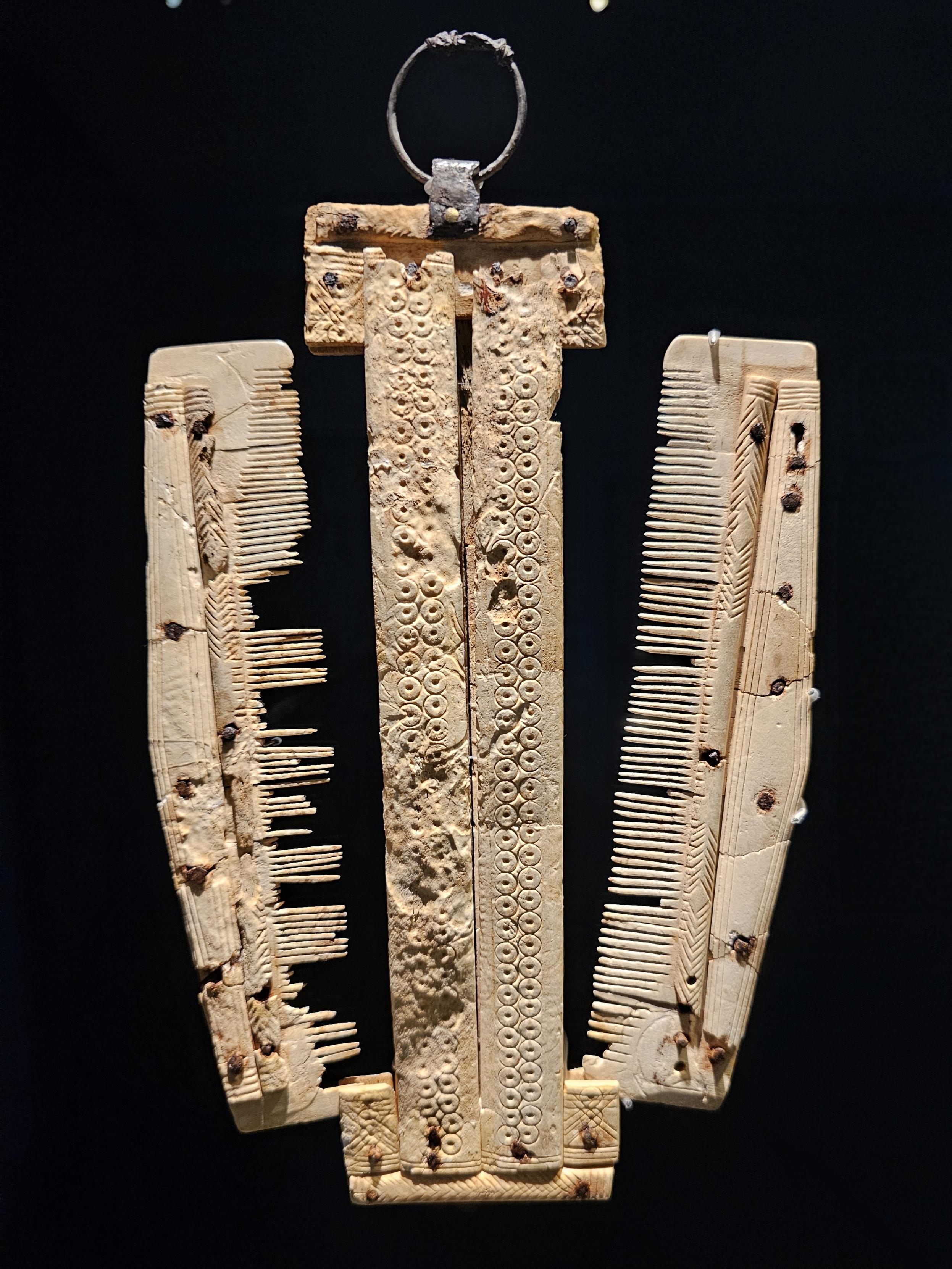
Two finely crafted bone combs from the early 6th century AD, found in a grave at Dittigheim. To protect their delicate tines, they were carefully kept in a custom-made case. In the Early Middle Ages, long, well-groomed hair was more than a fashion choice, it was a symbol of status and identity. On display at Landesmuseum Württemberg. 📷 me #archaeology image
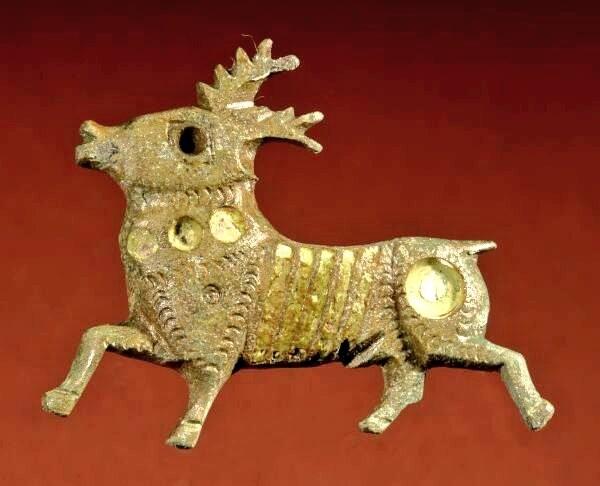
Ahead of Christmas, it feels fitting to share this Roman fibula - a decorative pin once used to fasten garments - shaped like a stag. In my Christmas-influenced imagination, it looks rather reindeerish! 🎄 Is it Dasher, Dancer, or maybe Rudolph? 🎅 From the Roman Villa at Borg, 2nd c. AD 📷 Villa Borg image
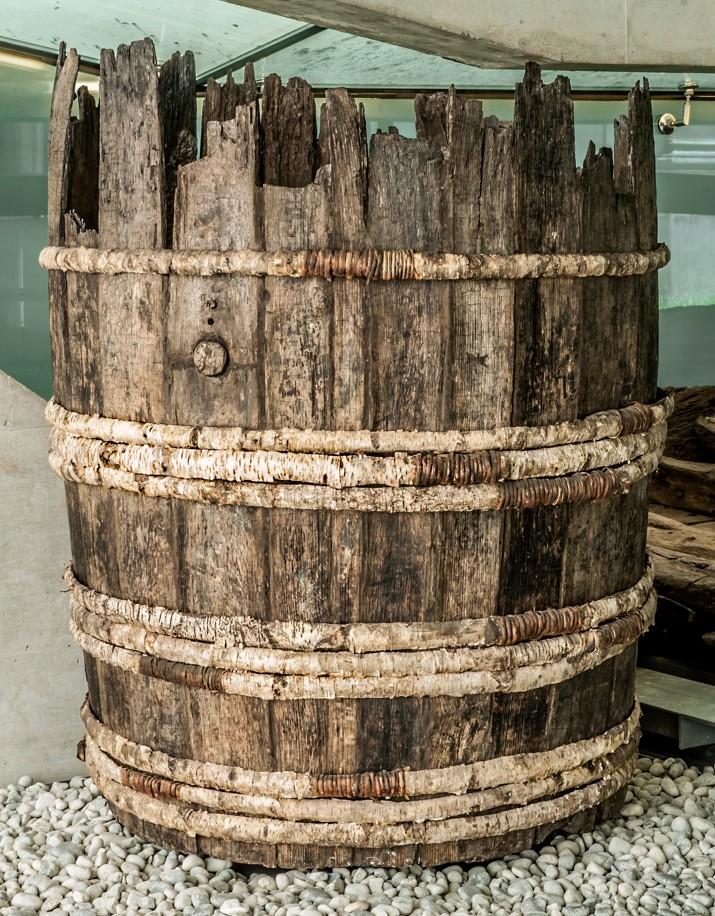
From salt to... sanitation! 🧂➡️💩 This 15th-century salt-trade barrel was repurposed as a latrine lining in #Constance. A good example of #MedievalRecycling and resourcefulness in everyday life. 📷 Archäologisches Landesmuseum Baden-Württemberg #archaeology image
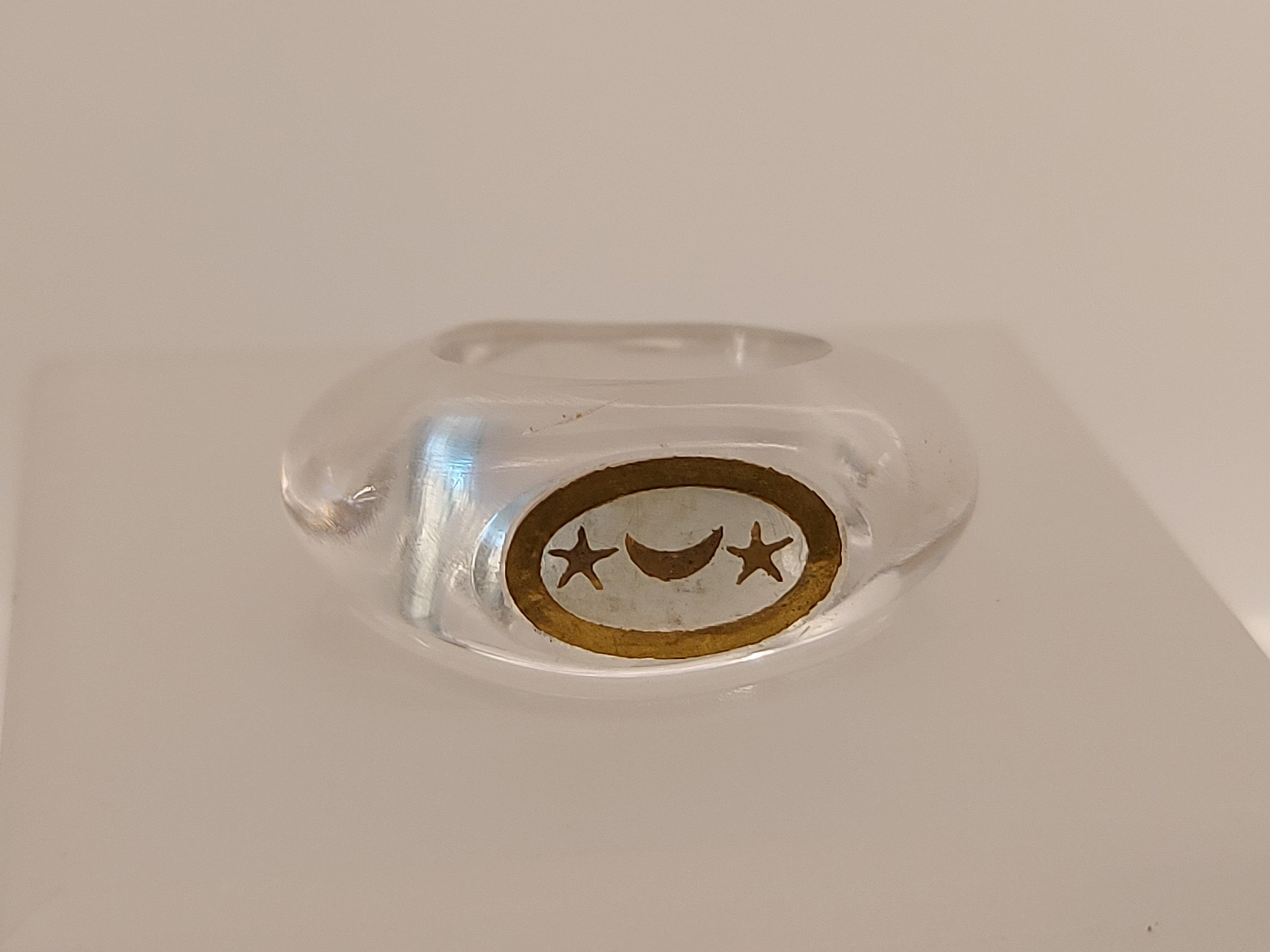
A #Roman rock crystal ring decorated with a crescent and stars inlaid with gold foil - it looks like an emoji , but for the Romans this wasn’t just decoration. The motif was associated with death: crescent and stars were symbols for eternity and afterlife. Rock crystal was valued for its transparency, it was considered it to be permanently frozen water. It was also believed to possess healing and protective properties. Found in a woman's burial in Nijmegen, dating 1st c. AD. image
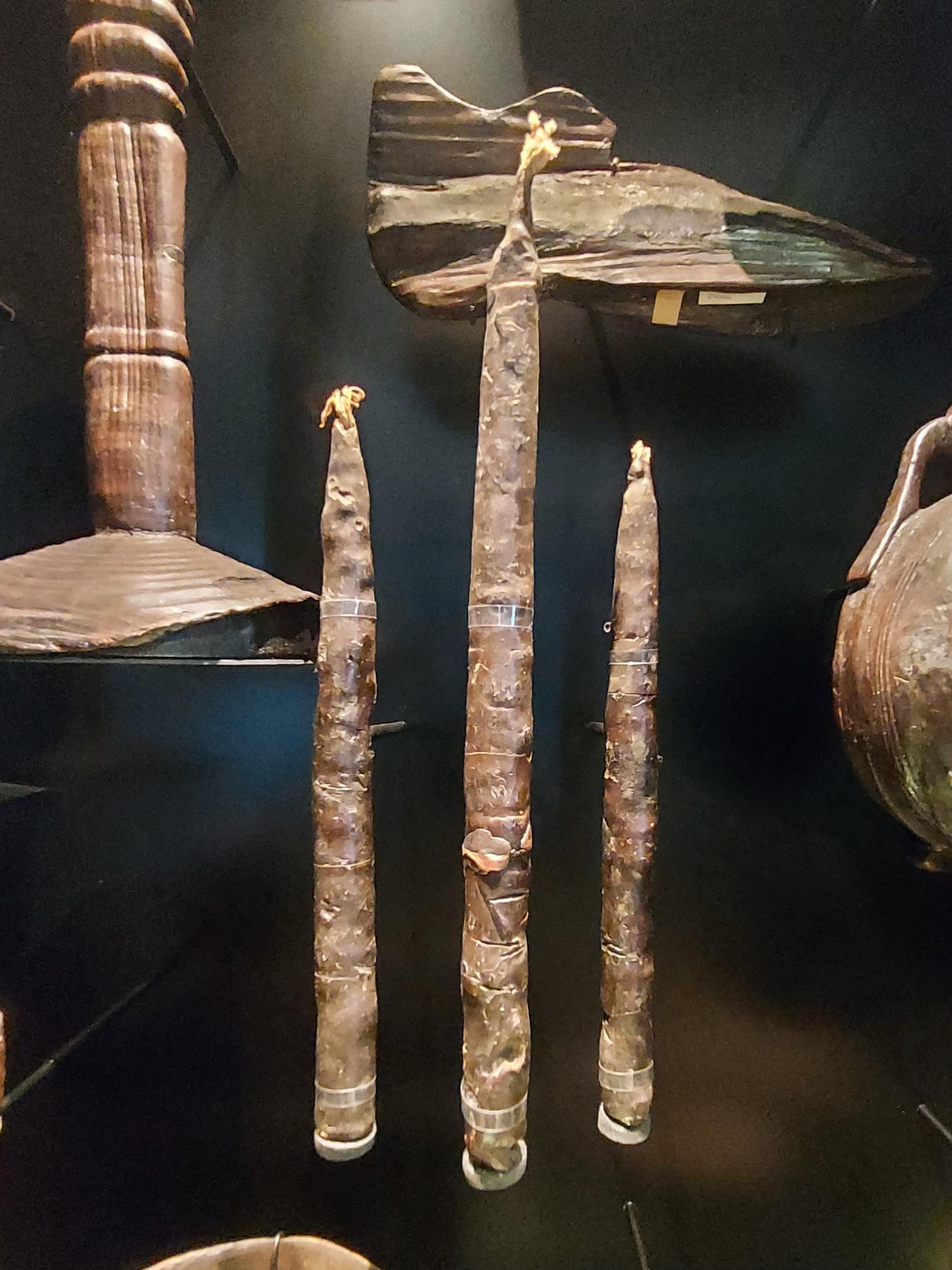
On the Third Sunday of Advent, we light three candles — a perfect occasion to share the oldest preserved candles found north of the Alps. The candles were made from beeswax around 1,400 years ago. They were found in the early #medieval burial site in Oberflacht. The damp environment preserved them in good condition. . On display at Landesmuseum Württemberg 📷 me image