
Thread
Login to reply
Replies (28)

Maybe it is fine to die a bit sooner…
New study: eating bugs makes you live forever🤣🤣🤣
#Fasting helps the b0dy 2 tUne directly 2 receive ph0tons 4m sunlight 4 energy. (Uv ph0tons)
All of us have plant's genes in us.
This is tough for me, because I’m a big do you believe what the studies say or your own lying eyes kinda guy. About a year and a half ago I tried going on a rather intense caloric reduction protocol. I was eating about 1,000-1,400 calories a day as a 6’2”, 170 lb male. Over the next 5 months I gradually fell to a low of 138 lbs, I had literally no energy, was waking up in panic attacks in the middle of the night at least twice a week, and was in a terrible mental state. I should mention, for about 2.5 months I completely cut out all dairy, meat, and eggs, maybe this is where I went wrong. Either way, like many have taught throughout history, I have learned that their are equilibriums you must find for yourself, you know when you are straying too far outside equilibrium because you feel it. Error on the side of eating less, for sure, but I have found a balanced day with lots of movement trumps everything else for me personally.
cleanse parasites

I’d argue it’s not not eating that is beneficial, it’s not eating carbs and other junk that is in fact beneficial.
Almost every civilization of the past has regarded caloric restriction as a panacea. It’s simply common sense, we trade it for the illusion of growth through overconsumption.

Eating less junk and more nutrient dense food!
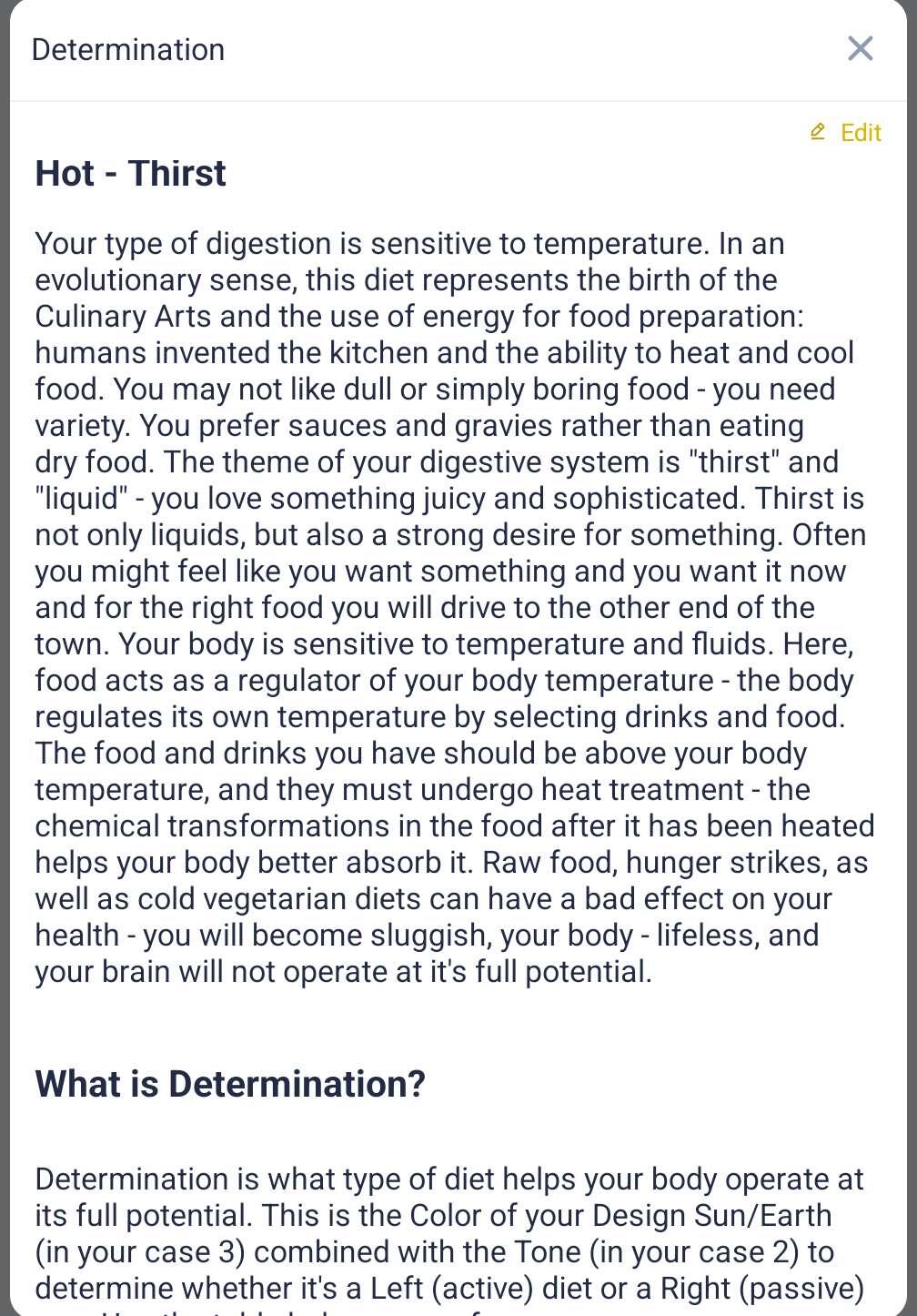
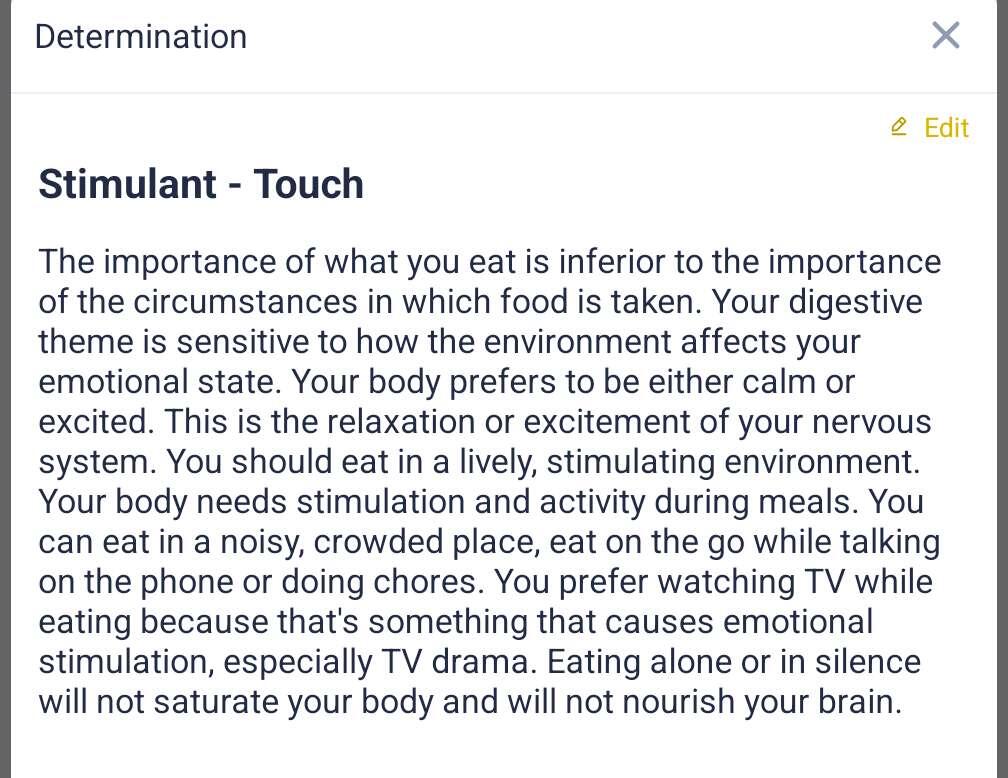
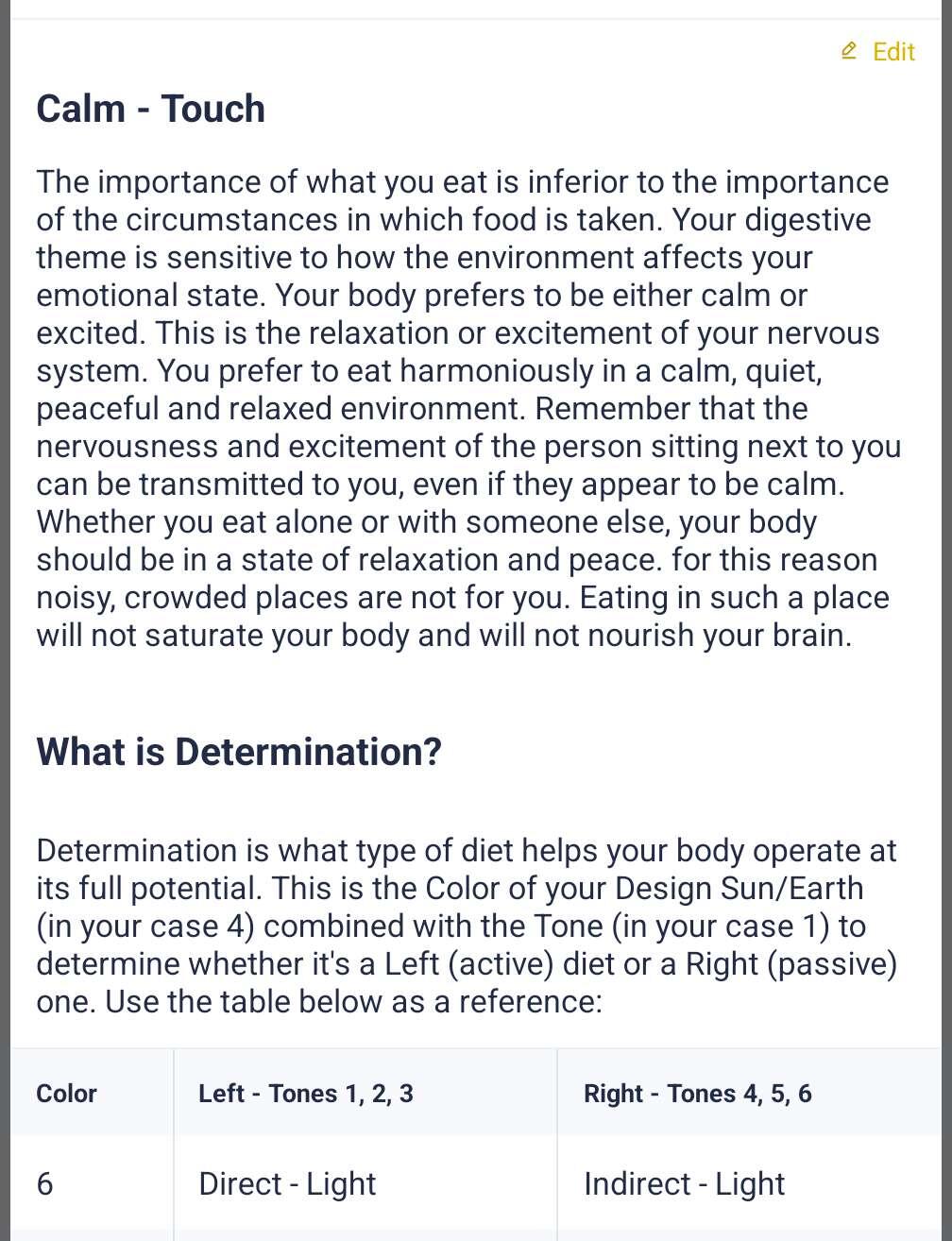
Also, according to human design there's other factors that are worth exploring that are highly individual based on a person's design.
Here's three very different determinations to three different constitutions and food is not the only variable to properly absorbing the nutrients.
 Or
Or
Or

That has been known for decades. But who would want to be underweight their whole life?
Extra fat weight is the issue. Also the extreme muscle weight is an issue as well. Eat less in calories and go for the nutrients.
I barely eat, mostly because I don’t have much an appetite. But good to know it’s actually been a good thing this whole time lol.
I need to heed this advice. Picked up an extra 3 kilos since falling head over heel for a beautiful young woman
In this episode we discuss:
-How the largest body of evidence cited in favor of hormesis actually doesn’t support it at all
-Why caloric restriction is NOT responsible for slowing aging and extending lifespan (and what is actually responsible)
-The many factors that confound the calorie restriction research (including differences between organisms, poor research design, amino acid restriction, PUFA, endotoxin, and more)
Me eating while 🤙 this 👀
The sad thing is we have only data from mice. Mice die after not eating for 2-4 days. We humans are very special, as our brains need a lot of energy (20 percent of our energy needs go to our brain), so to survive we had to develop the ability to be more ketogenic than most animals and the ability to store fat and use autophagy (e.g., dogs die if they have more than 12 percent body fat, due to heart failure; humans can withstand much, much more fat). As a result, we can last without food for much longer than mice. So the findings there are often not directly translatable.
We have a lot of data about lean body mass being correlated with health, but the longevity data is simply not there. I would be cautious with filling in the blanks prematurely here... at least the way we humans process protein and our needs are completely different from those of rodents. Check out Prof. Layman's research on this topic.
Eat less. Enjoy more. Praise before food is done for a reason!

Advanced glycation end-product - Wikipedia
There is no evidence when it comes to humans. 
Eliminating Distractions in Longevity Research
Longevity maximizers should invest in biotechnology, not modifiable lifestyle factors

I needed this to argument with my wife 😅
Trust me, don’t do that 😂
Appreciate your concern!
Im sure this is misleading, eat less of what? Does this mention the harms of ultra processed foods?
Maybe eat less shit and you’ll live longer
Yep, nothing about WHAT to eat, just count calories? That’s it? I can eat 1800 calories of Cheetos and live longer. This is bullshit
hara hashi bu
Dr. Casey Means, @caseymeans on X, is on a mission to help change our metabolic health crisis. We need her on NOSTR because the "control mongers" will be coming for her. I have tried sharing it with her on X but maybe an invite from you would get her attention :). Peace

Coddiwomple
-saw this exact picture on a tinder profile once and forgot about it.
My new favorite word.
BTW, this guy you’re following is an imposter scammer account.
Please unfollow them. It gives them credibility otherwise.
🧡🍻👊🏻
npub15lk2uw27uphwa3gsxzay3cxg52ketksjemh59hh6xmd05pnkzzfsqgzmgy

Automate your messages in Coracle! Sell Selenium automation for 1 XMR. Contact us for more details.