so, CME, EMP, cars all ded
Well, yeah, but so is everything else. And hardly anyone would own a car, if we hadn't made them all electric. Making the motor fully-electric is just the last step. Now, cars are really cheap to build, have lower PPMs and emissions, and are more reliable. And the acceleration is amazing. The main problem left, is the weight.
Old cars stink like a diesel locomotive, guzzle gas, and are expensive to maintain.
i'll be on foot and bicycle while y'alls have fun with your no radio, no electrical systems working in 11 years from now... i'm almost certain it's going to be doomsday for electro/radio devices, and it will get steadily worse leading up to that, to the point that even if they made a skynet the robots would be fried
btw... you don't need electricity to run an old school diesel engine
and it's probably cost effective to turn a shit-ton of rape seed oil into diesel with a bunch of potassium hydroxide you made out of wood ashes, or, i mean, for now easy enough to buy drums of KOH anyway
so, yeah, i guess a lot of people are not gonna be ready for that
auroras in the subtropics are a warning
I've got an electrical engineer and soon a mechanical engineer, in the house, and I live out in the country. I'll be fine.
Also, my bicycle is still analog. Most people have eBikes. 😅
well, i think that they'll all be laughing on the other side of their faces when they wake up one day with the silence of the machines
It would have to be a very old engine. I was working on diesel powertrain, in the 90s, after all.
People dump rape seed oil into their diesel cars, sometimes, but I don't recommend it. And you'd need a heck of a lot of oil, for those old diesels. Probably better off with a steam locomotive burning coal, really. Anyone with wood can produce coal, and we live in a big forest.
Meh, not really. Our electrical grid is so shit, that everyone is just waiting for the blackout to hit and putting mechanical water pumps and gray-water catchment in their yards, and adding wood-burning stoves to their houses.
indeed... i expect suddenly people are gonna see a reason why depending on electricity right now has been a bit of a mistake
btw, having the problem of the sun nuking electrical devices on a regular basis for a while doesn't mean no computers it just means that you have to stick to underground and optical network systems, and drone warfare will be ded, because once it happens a few times there will be nobody able to make them for several years or longer, and i hate to think of the chaos that will break out in large electricity dependent high density city areas... the smart people already are going to villages like your locality
this is the way ™️
Yeah, we don't want them here. 😅
don't worry, they will give up before they even leave the outskirts of the city, if they didn't get set on fire by some loonies or other with molotovs
i am definitely going to make sure i have myself a couple of old diesel trucks at some point, probably a 80s era lada niva and whatever is easiest to find near me, get them both overhauled fully and configured to have a full no-electrical operation capability... i expect that suddenly they are going to be worth a lot of money sometime in the next 10 years, and i intend to keep mine in pristine working condition and not work them that hard, either, so they are always available
i'm expecting a decade or three to pass with a shattered economy with severe problems with energy availability, and am planning accordingly
dreaming about my little library of essential knowledge, and other things to occupy my time in the absence of internet when this happens
we are living in days like those of Noah, and many will scoff until the sun turns blue and the grid goes down and it's unsafe above ground for 5-10 years
The farmers still drive the old diesel tractors, here. They have a big old-timer club. Guess we'll all ride Traktorbus.
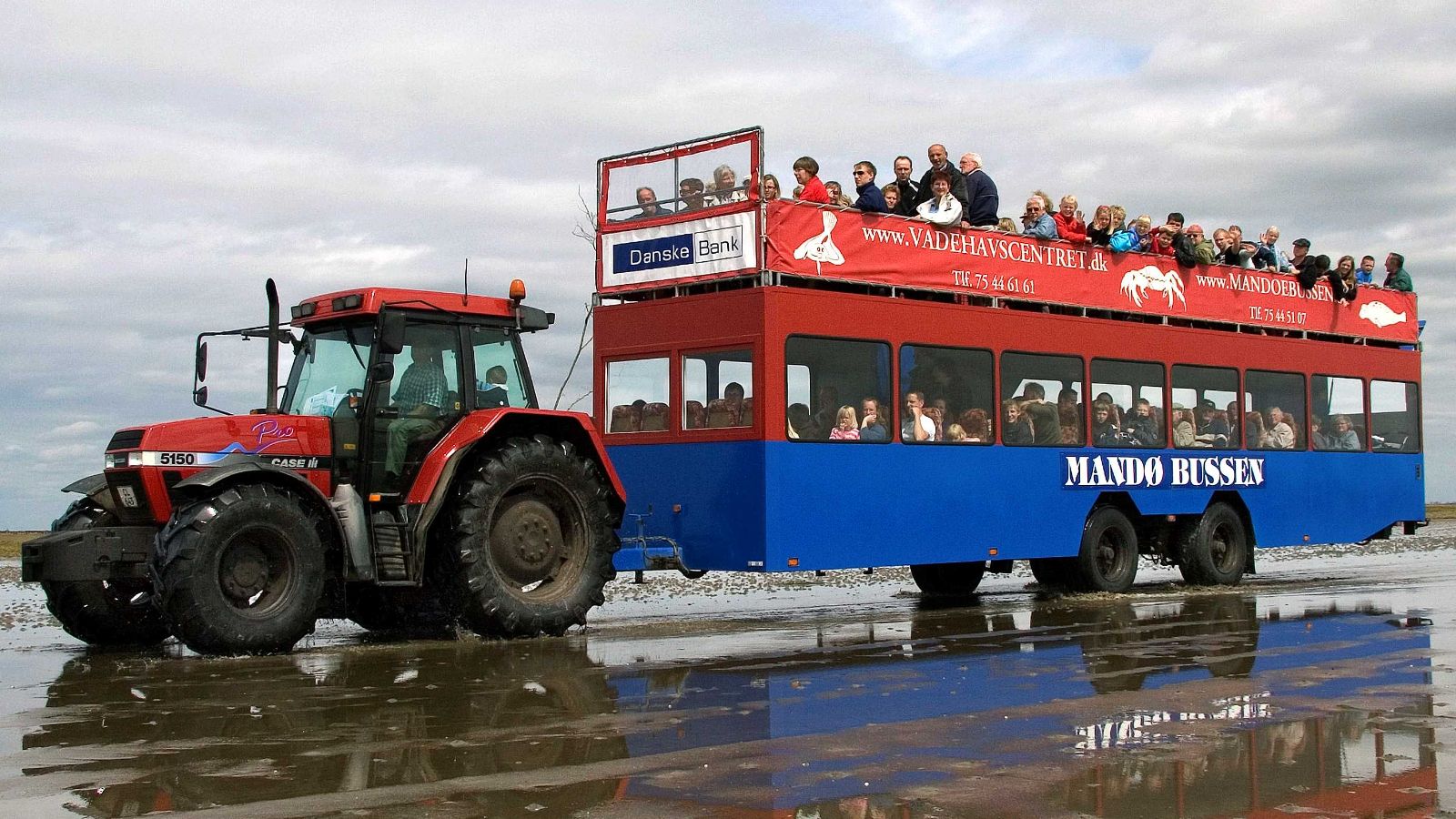
zicher!
DT360s are completely mechanical and ran in US school busses into the mid 2000s
Cummins 6BT are in equipment and bread/delivery vans, also until early 2000s :)
On passenger the road #2 diesel vehicles usually saw high 30s to low 50s in MPG through the early 2000s. They did great on fuel economy. Even light-mid duty diesel engines are "good" on fuel economy. We can currently store more energy in a 40 gallons tank of diesel fuel than any battery technology for the same volume. You'd have to include the volume used by the rest of the powertrain, which is fair, to be equivalent.

this kind of meaty fax is why i follow you
i was pretty sure that most diesel engines were 100% non-electrical and the electrical things have only been added since the mid 90s to do stuff like improve its cold start and such
when i was a kid, it was normal that a diesel engine would not be stopped if it was going to go again within 20 minutes or so, because restarting the engine did damage (mostly adding tar and shit to everything) and wasted fuel... not sure exact details of why, stuff about how the fuel needs to be hot, and every last bit of cold metal the vacuum-vaporised (by the high compression ratio of the cylinders) that was not at working temperature would result in poor combustion and promote tar formation etc etc
the original ICE was diesel, and it was hard to do gasoline without adding electricity, and that means, and still means a bulky battery, and there is still really no more robust battery for starter motors even today, than acid/sulfate
lithium batteries are a joke, they barely work until they are over 27`C and from about 35`C onwards they start emitting hydrogen, which only happens with a lead acid battery when it's really fucking hot
i understand chemistry and physics and that's how i know that diesel engines, even the fancy ones in most modern european cars now, can be modified to run without one single electron of electricity, just that doing so may be more tricky with some than others, just like it used to be a nightmare to work on a Subaru with their weird engine layout
lead/sulfate, i mean... obviously
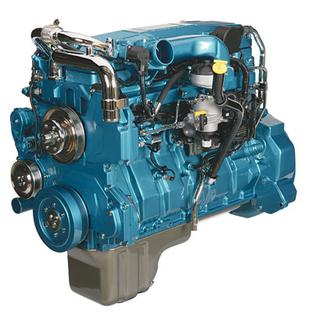
Navistar DT engine - Wikipedia
.
They stopped producing mechanically injected DT engines in 95. But I know chassis manufactures still used them for a while after, I've seen them :P. So its probably pretty rare to find one in a later chassis, but they were built to order for a while and had lagging emissions standards compared to light duty.
A healthy Cummins 4B/T, 6B/T engines and even the DT360s generally weren't equipped with heating systems unless they were in for on-road applications. The major issue with the cold is #2 will gel up and requires mixing with #1 (kerosene) and can usually start up fine under 0*f. Starting aids were mostly added for emissions arguably. Many engines need starting aids, like International V8s, and later 4 stroke Detroits. As the engines wear though, they lose compression and injectors under-perfom and starting aids are helpful and can be required after a certain point under freezing.