
Title of the work in Latin
MEDULLA S. THOMAE AQUITATIS PER OMNES ANNI LITURGICI DIES DISTRBUITA, SEU MEDITATIONES EX OPERIBUS S. THOMAE DEPROMPTAE
Compilation and organization by
FR. Z. MÉZARD O. P.
NOTE
All titles marked with an asterisk contain material that is no longer attributed to Saint Thomas Aquinas
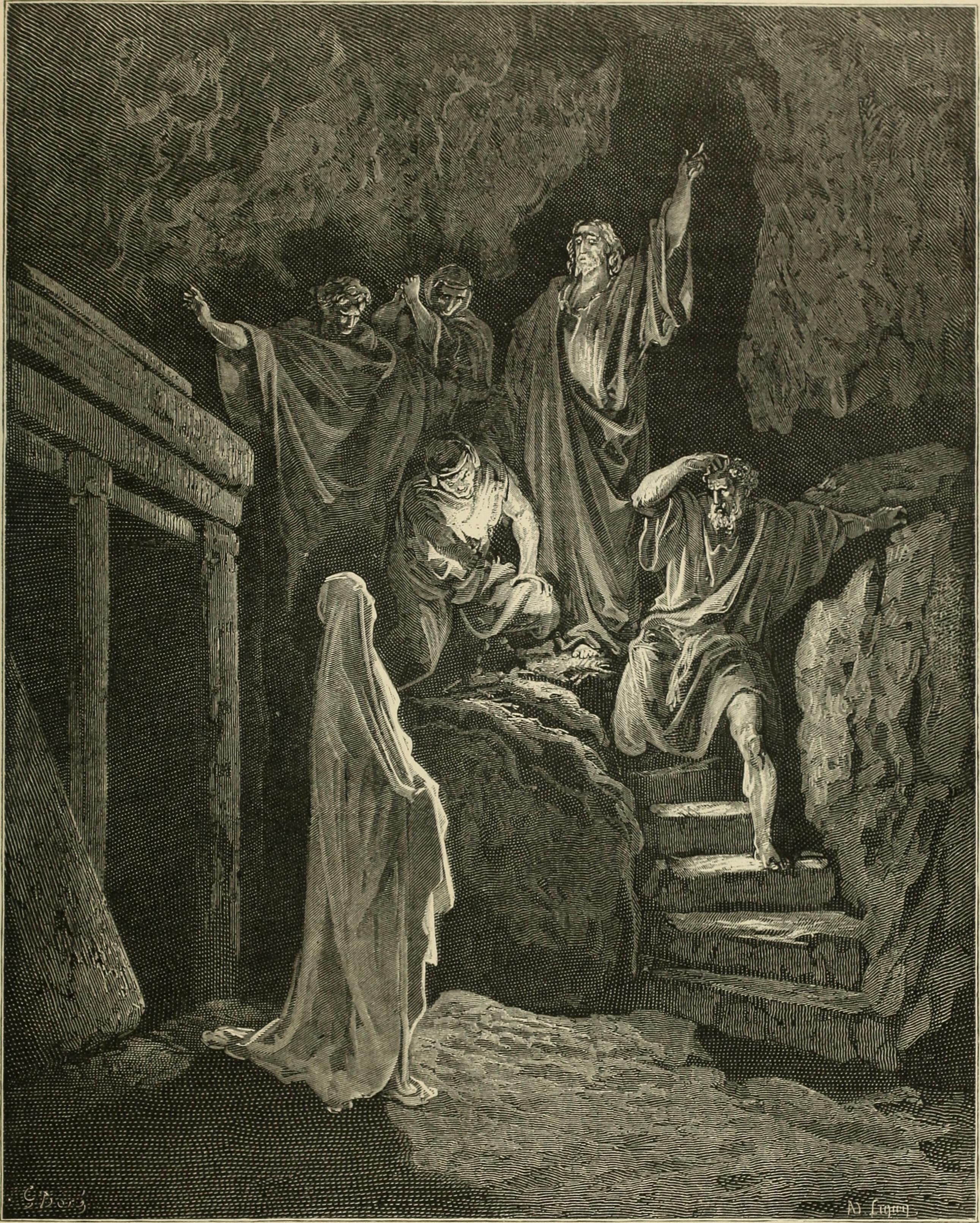 29. Wednesday after the IV Sunday of Lent: The Divine Friend
Wednesday after the IV Sunday of Lent
“Therefore his sisters sent to Him, saying, ‘Lord, behold, he whom You love is sick.’” (John 11:3)
Here there are three things to consider:
a) The first is that the friends of God sometimes suffer in body. Thus, it is not a sign of a lack of friendship with God to suffer in body. Eliphaz was wrong to say to Job, “Remember: Who, being innocent, has ever perished? Or where were the upright ever destroyed?” (Job 4:7), as demonstrated by the sisters of Lazarus: “Lord, behold, he whom You love is sick.” We read in the book of Proverbs (3:12): “For whom the Lord loves, He corrects, just as a father the son in whom he delights.”
b) The second is that they do not say, “Lord, come, heal him,” but simply state his condition: “behold, he is sick.” This means that it suffices to express our needs to a friend, without adding any request; for a friend, just as he seeks his own good and fights against his personal evils, will fight against the evils of his friend. And this is especially true of one who truly loves. The psalm says (144:20): “The Lord preserves all who love Him.”
c) The third is that the two sisters, desiring the healing of their sick brother, do not come personally to Christ, as the paralytic and the centurion did; and this is because of their confidence in Jesus Christ, due to the special love and familiarity that He will show them. And perhaps they were held back by grief, as St. John Chrysostom said, in accordance with what is stated in Ecclesiasticus (6:11): “If your friend perseveres in firmness, he will be to you as an equal; he will deal at ease with those of your household.”
In John, XI
(P. D. Mézard, O. P., Meditationes ex Operibus S. Thomae.)
#God #Deus #Isten #Gott #Jesus #Católico #Catholic #Katholik #katholisch #Katolikus #catholique #Faith #Fé #foi #信仰 #Latin #Latim #Gospel #Evangelho #Evangélium #évangile #Dieu #福音 #日本 #カトリック #Bible #Biblestr #Nostr #Grownostr
29. Wednesday after the IV Sunday of Lent: The Divine Friend
Wednesday after the IV Sunday of Lent
“Therefore his sisters sent to Him, saying, ‘Lord, behold, he whom You love is sick.’” (John 11:3)
Here there are three things to consider:
a) The first is that the friends of God sometimes suffer in body. Thus, it is not a sign of a lack of friendship with God to suffer in body. Eliphaz was wrong to say to Job, “Remember: Who, being innocent, has ever perished? Or where were the upright ever destroyed?” (Job 4:7), as demonstrated by the sisters of Lazarus: “Lord, behold, he whom You love is sick.” We read in the book of Proverbs (3:12): “For whom the Lord loves, He corrects, just as a father the son in whom he delights.”
b) The second is that they do not say, “Lord, come, heal him,” but simply state his condition: “behold, he is sick.” This means that it suffices to express our needs to a friend, without adding any request; for a friend, just as he seeks his own good and fights against his personal evils, will fight against the evils of his friend. And this is especially true of one who truly loves. The psalm says (144:20): “The Lord preserves all who love Him.”
c) The third is that the two sisters, desiring the healing of their sick brother, do not come personally to Christ, as the paralytic and the centurion did; and this is because of their confidence in Jesus Christ, due to the special love and familiarity that He will show them. And perhaps they were held back by grief, as St. John Chrysostom said, in accordance with what is stated in Ecclesiasticus (6:11): “If your friend perseveres in firmness, he will be to you as an equal; he will deal at ease with those of your household.”
In John, XI
(P. D. Mézard, O. P., Meditationes ex Operibus S. Thomae.)
#God #Deus #Isten #Gott #Jesus #Católico #Catholic #Katholik #katholisch #Katolikus #catholique #Faith #Fé #foi #信仰 #Latin #Latim #Gospel #Evangelho #Evangélium #évangile #Dieu #福音 #日本 #カトリック #Bible #Biblestr #Nostr #Grownostr
29. Wednesday after the IV Sunday of Lent: The Divine Friend
Wednesday after the IV Sunday of Lent
“Therefore his sisters sent to Him, saying, ‘Lord, behold, he whom You love is sick.’” (John 11:3)
Here there are three things to consider:
a) The first is that the friends of God sometimes suffer in body. Thus, it is not a sign of a lack of friendship with God to suffer in body. Eliphaz was wrong to say to Job, “Remember: Who, being innocent, has ever perished? Or where were the upright ever destroyed?” (Job 4:7), as demonstrated by the sisters of Lazarus: “Lord, behold, he whom You love is sick.” We read in the book of Proverbs (3:12): “For whom the Lord loves, He corrects, just as a father the son in whom he delights.”
b) The second is that they do not say, “Lord, come, heal him,” but simply state his condition: “behold, he is sick.” This means that it suffices to express our needs to a friend, without adding any request; for a friend, just as he seeks his own good and fights against his personal evils, will fight against the evils of his friend. And this is especially true of one who truly loves. The psalm says (144:20): “The Lord preserves all who love Him.”
c) The third is that the two sisters, desiring the healing of their sick brother, do not come personally to Christ, as the paralytic and the centurion did; and this is because of their confidence in Jesus Christ, due to the special love and familiarity that He will show them. And perhaps they were held back by grief, as St. John Chrysostom said, in accordance with what is stated in Ecclesiasticus (6:11): “If your friend perseveres in firmness, he will be to you as an equal; he will deal at ease with those of your household.”
In John, XI
(P. D. Mézard, O. P., Meditationes ex Operibus S. Thomae.)
#God #Deus #Isten #Gott #Jesus #Católico #Catholic #Katholik #katholisch #Katolikus #catholique #Faith #Fé #foi #信仰 #Latin #Latim #Gospel #Evangelho #Evangélium #évangile #Dieu #福音 #日本 #カトリック #Bible #Biblestr #Nostr #Grownostr
Title of the work in Latin
MEDULLA S. THOMAE AQUITATIS PER OMNES ANNI LITURGICI DIES DISTRBUITA, SEU MEDITATIONES EX OPERIBUS S. THOMAE DEPROMPTAE
Compilation and arrangement by
FR. Z. MÉZARD O. P.
NOTE
All titles with an asterisk contain material that is no longer attributed to Saint Thomas Aquinas.
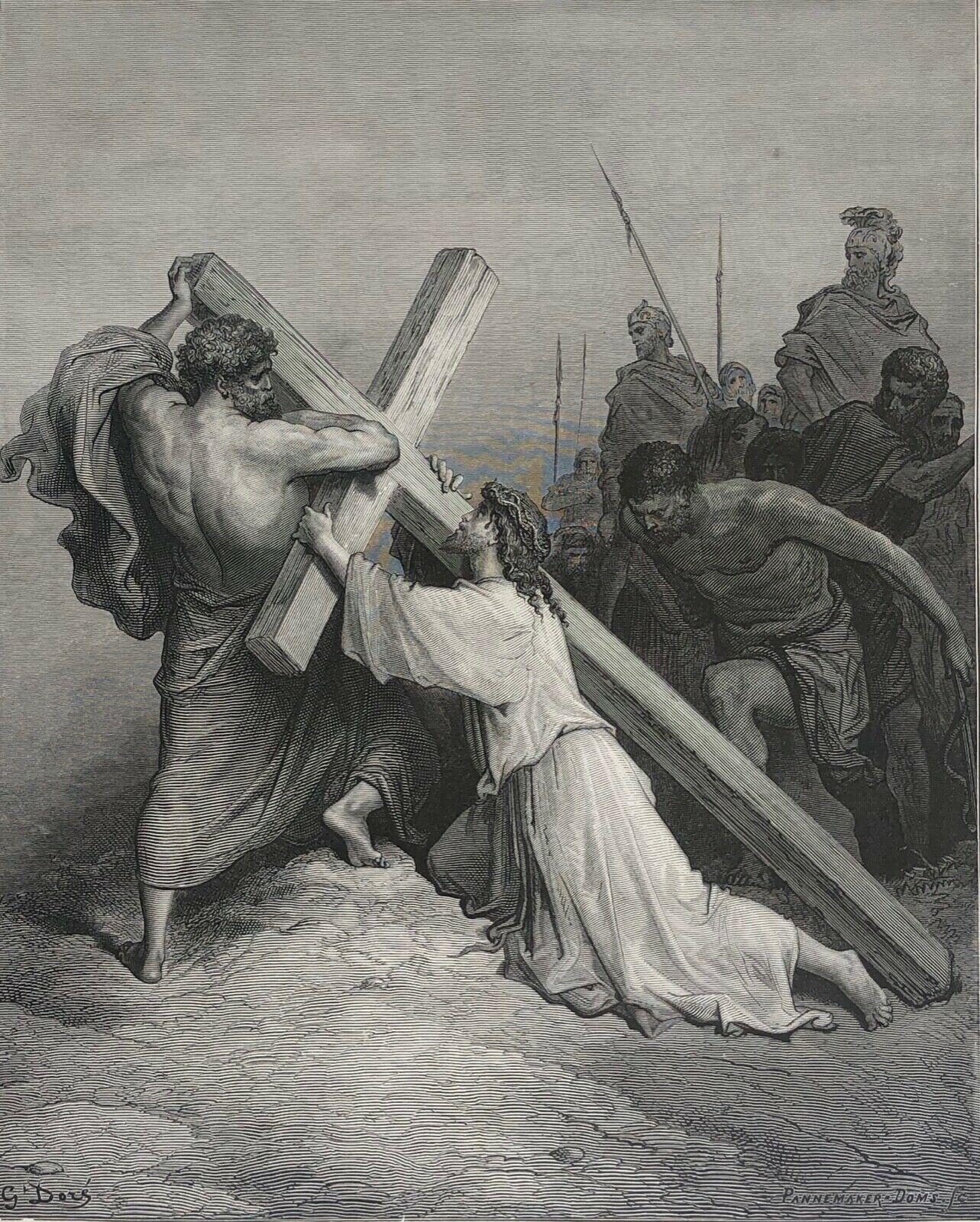 28. Tuesday after the IV Sunday of Lent: The Example of Christ Crucified
Tuesday after the IV Sunday of Lent
Our Lord assumed human nature to repair the fall of man. Therefore, it was necessary for Christ to suffer and live according to human nature, as a remedy for the fall into sin.
Now, man’s sin consisted in man clinging to worldly goods and being disinterested in spiritual ones. It was fitting, therefore, for the Son of God, through all that He did and suffered in the human nature He had assumed, to show Himself in such a way that men would regard worldly goods and adversities as nothing, abandon disordered attachment, and devote themselves to spiritual goods.
That is why Christ chose to be born of poor but virtuous parents, to teach us not to glory in the nobility of the flesh or in the wealth of parents.
He lived a poor life to teach the contempt of riches.
He lived without honors to pull men from the disordered greed for them.
He endured labor, thirst, hunger, and bodily torments, so that men, desiring pleasures and delights, would not be led astray from the good of virtue by the miseries of this life.
Finally, it was fitting that the Son of God made man should die, so that, out of fear of death, we would not abandon the path of virtue. And so that we would not fear the ignominious death, He chose the worst of deaths, death on the Cross.
It was also fitting that the Son of God made man should suffer death, so that, by His example, we would be encouraged toward virtue, and so that the words of Saint Peter would be true: "Christ also suffered for us, leaving you an example, that you should follow His steps." (1 Pet 2:21)
Against Armen. Sarac., VII
But Christ also suffered for us, leaving you the example of tribulation, mockery, scourging, the cross, and death, so that we might walk in His footsteps. If we endure tribulations and sufferings for Christ, we will also reign with Him in eternal beatitude. Saint Bernard says: "How few, O Lord, are those who wish to follow you, despite all wanting to be with you and knowing that the beatitudes will be by your side until the end. Now, everyone wants to enjoy you, but few wish to imitate you; they want to reign, but do not want to suffer with you; they do not seek you, but want to find you; they desire to gain, but do not follow."
On the Humanity of Christ, chap. 47
(P. D. Mézard, O.P., Meditationes ex Operibus S. Thomae.)
#God #Deus #Isten #Gott #Jesus #Católico #Catholic #Katholik #katholisch #Katolikus #catholique #Faith #Fé #foi #信仰 #Latin #Latim #Gospel #Evangelho #Evangélium #évangile #Dieu #福音 #日本 #カトリック #Bible #Biblestr #Nostr #Grownostr
View quoted note →
28. Tuesday after the IV Sunday of Lent: The Example of Christ Crucified
Tuesday after the IV Sunday of Lent
Our Lord assumed human nature to repair the fall of man. Therefore, it was necessary for Christ to suffer and live according to human nature, as a remedy for the fall into sin.
Now, man’s sin consisted in man clinging to worldly goods and being disinterested in spiritual ones. It was fitting, therefore, for the Son of God, through all that He did and suffered in the human nature He had assumed, to show Himself in such a way that men would regard worldly goods and adversities as nothing, abandon disordered attachment, and devote themselves to spiritual goods.
That is why Christ chose to be born of poor but virtuous parents, to teach us not to glory in the nobility of the flesh or in the wealth of parents.
He lived a poor life to teach the contempt of riches.
He lived without honors to pull men from the disordered greed for them.
He endured labor, thirst, hunger, and bodily torments, so that men, desiring pleasures and delights, would not be led astray from the good of virtue by the miseries of this life.
Finally, it was fitting that the Son of God made man should die, so that, out of fear of death, we would not abandon the path of virtue. And so that we would not fear the ignominious death, He chose the worst of deaths, death on the Cross.
It was also fitting that the Son of God made man should suffer death, so that, by His example, we would be encouraged toward virtue, and so that the words of Saint Peter would be true: "Christ also suffered for us, leaving you an example, that you should follow His steps." (1 Pet 2:21)
Against Armen. Sarac., VII
But Christ also suffered for us, leaving you the example of tribulation, mockery, scourging, the cross, and death, so that we might walk in His footsteps. If we endure tribulations and sufferings for Christ, we will also reign with Him in eternal beatitude. Saint Bernard says: "How few, O Lord, are those who wish to follow you, despite all wanting to be with you and knowing that the beatitudes will be by your side until the end. Now, everyone wants to enjoy you, but few wish to imitate you; they want to reign, but do not want to suffer with you; they do not seek you, but want to find you; they desire to gain, but do not follow."
On the Humanity of Christ, chap. 47
(P. D. Mézard, O.P., Meditationes ex Operibus S. Thomae.)
#God #Deus #Isten #Gott #Jesus #Católico #Catholic #Katholik #katholisch #Katolikus #catholique #Faith #Fé #foi #信仰 #Latin #Latim #Gospel #Evangelho #Evangélium #évangile #Dieu #福音 #日本 #カトリック #Bible #Biblestr #Nostr #Grownostr
View quoted note →
View quoted note →
28. Tuesday after the IV Sunday of Lent: The Example of Christ Crucified
Tuesday after the IV Sunday of Lent
Our Lord assumed human nature to repair the fall of man. Therefore, it was necessary for Christ to suffer and live according to human nature, as a remedy for the fall into sin.
Now, man’s sin consisted in man clinging to worldly goods and being disinterested in spiritual ones. It was fitting, therefore, for the Son of God, through all that He did and suffered in the human nature He had assumed, to show Himself in such a way that men would regard worldly goods and adversities as nothing, abandon disordered attachment, and devote themselves to spiritual goods.
That is why Christ chose to be born of poor but virtuous parents, to teach us not to glory in the nobility of the flesh or in the wealth of parents.
He lived a poor life to teach the contempt of riches.
He lived without honors to pull men from the disordered greed for them.
He endured labor, thirst, hunger, and bodily torments, so that men, desiring pleasures and delights, would not be led astray from the good of virtue by the miseries of this life.
Finally, it was fitting that the Son of God made man should die, so that, out of fear of death, we would not abandon the path of virtue. And so that we would not fear the ignominious death, He chose the worst of deaths, death on the Cross.
It was also fitting that the Son of God made man should suffer death, so that, by His example, we would be encouraged toward virtue, and so that the words of Saint Peter would be true: "Christ also suffered for us, leaving you an example, that you should follow His steps." (1 Pet 2:21)
Against Armen. Sarac., VII
But Christ also suffered for us, leaving you the example of tribulation, mockery, scourging, the cross, and death, so that we might walk in His footsteps. If we endure tribulations and sufferings for Christ, we will also reign with Him in eternal beatitude. Saint Bernard says: "How few, O Lord, are those who wish to follow you, despite all wanting to be with you and knowing that the beatitudes will be by your side until the end. Now, everyone wants to enjoy you, but few wish to imitate you; they want to reign, but do not want to suffer with you; they do not seek you, but want to find you; they desire to gain, but do not follow."
On the Humanity of Christ, chap. 47
(P. D. Mézard, O.P., Meditationes ex Operibus S. Thomae.)
#God #Deus #Isten #Gott #Jesus #Católico #Catholic #Katholik #katholisch #Katolikus #catholique #Faith #Fé #foi #信仰 #Latin #Latim #Gospel #Evangelho #Evangélium #évangile #Dieu #福音 #日本 #カトリック #Bible #Biblestr #Nostr #Grownostr
View quoted note →