
Title of the work in Latin
MEDULLA S. THOMAE AQUITATIS PER OMNES ANNI LITURGICI DIES DISTRBUITA, SEU MEDITATIONES EX OPERIBUS S. THOMAE DEPROMPTAE
Compilation and arrangement by
FR. Z. MÉZARD O. P.
NOTE
All titles with an asterisk contain material that is no longer attributed to Saint Thomas Aquinas.
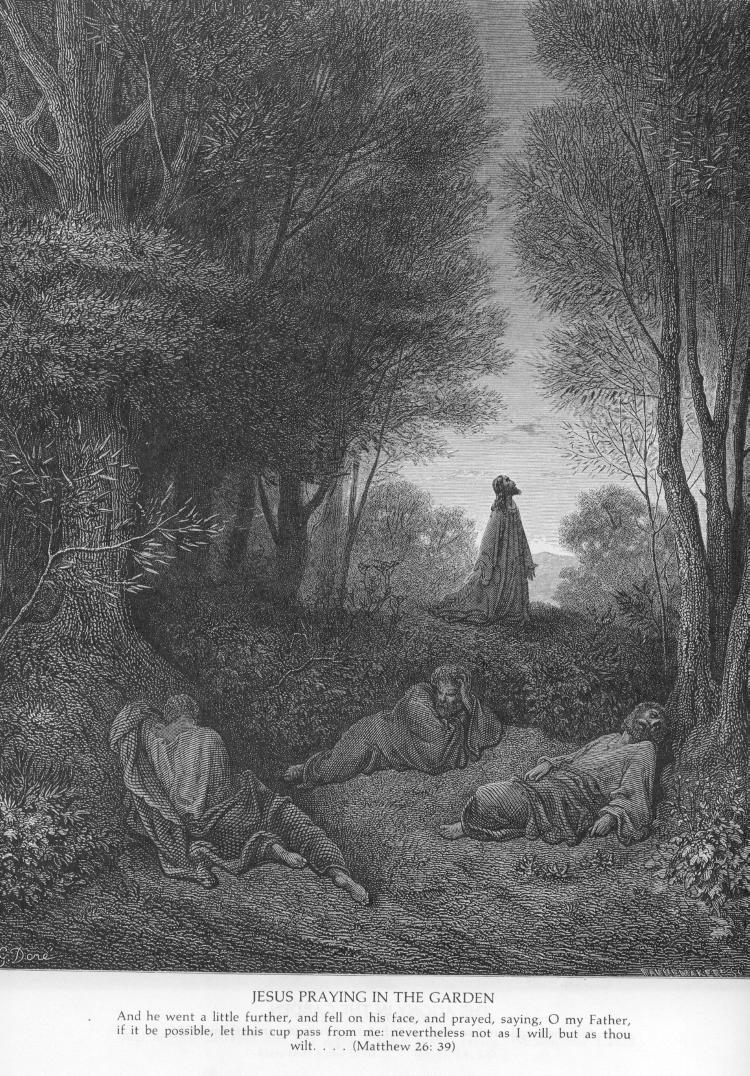 33. First Sunday of the Passion: The Passion of Christ
First Sunday of the Passion
"And as Moses lifted up the serpent in the wilderness, even so must the Son of Man be lifted up, that whoever believes in Him should have eternal life." (John 3:14-15)
Here there are three things we should consider:
1. The figure of the Passion: "And as Moses lifted up the serpent in the wilderness." To the Jewish people, who said, "Our soul loathes this worthless bread" (Num 21:5), God sent serpents as a punishment. Then He commanded them to make a bronze serpent as a remedy against the serpents and in figure of the Passion. It is characteristic of a serpent to have venom, but the bronze serpent was not poisonous. Similarly, Christ had no sin, which is a poison, but He resembled the sinner, according to this word of Saint Paul: "God sent His Son in the likeness of sinful flesh" (Rom 8:3). Therefore, Christ produced the effect of the bronze serpent against the onslaught of burning desires.
2. The manner of the Passion: "It is necessary that the Son of Man be lifted up," which is understood from the lifting up of the cross. Christ wanted to die lifted up:
a) To purify heaven. By the holiness of His life, He had already purified the earth; it remained to purify the air.
b) To triumph over the demon, who prepares war in the air.
c) To draw our hearts to Himself: "And I, if I am lifted up from the earth, will draw all people to Myself" (John 12:32).
By dying on the Cross, He was exalted, for He triumphed over His enemies, to the point that His death is called exaltation. The Psalm says: "He shall drink from the brook by the way; therefore, He shall lift up the head" (Ps 109).
And it was the cross that was the cause of His exaltation, as Saint Paul says: "He humbled Himself and became obedient to the point of death, even death on a cross. Therefore God also has highly exalted Him" (Phil 2:8).
3. The fruit of the Passion. The fruit is eternal life. Therefore it says: that whoever believes in Him and does good works shall not perish but have eternal life." This fruit corresponds to the figurative fruit of the bronze serpent. Indeed, whoever turned to it was healed of the poison and saved his life. One turns to the Son of Man exalted on the cross who believes in Christ crucified and, thus, being healed of the poison and sin, preserves himself for eternal life.
In Joan, III
(P. D. Mézard, O. P., Meditationes ex Operibus S. Thomae.)
#God #Deus #Isten #Gott #Jesus #Católico #Catholic #Katholik #katholisch #Katolikus #catholique #Faith #Fé #foi #信仰 #Latin #Latim #Gospel #Evangelho #Evangélium #évangile #Dieu #福音 #日本 #カトリック #Bible #Biblestr #Nostr #Grownostr
33. First Sunday of the Passion: The Passion of Christ
First Sunday of the Passion
"And as Moses lifted up the serpent in the wilderness, even so must the Son of Man be lifted up, that whoever believes in Him should have eternal life." (John 3:14-15)
Here there are three things we should consider:
1. The figure of the Passion: "And as Moses lifted up the serpent in the wilderness." To the Jewish people, who said, "Our soul loathes this worthless bread" (Num 21:5), God sent serpents as a punishment. Then He commanded them to make a bronze serpent as a remedy against the serpents and in figure of the Passion. It is characteristic of a serpent to have venom, but the bronze serpent was not poisonous. Similarly, Christ had no sin, which is a poison, but He resembled the sinner, according to this word of Saint Paul: "God sent His Son in the likeness of sinful flesh" (Rom 8:3). Therefore, Christ produced the effect of the bronze serpent against the onslaught of burning desires.
2. The manner of the Passion: "It is necessary that the Son of Man be lifted up," which is understood from the lifting up of the cross. Christ wanted to die lifted up:
a) To purify heaven. By the holiness of His life, He had already purified the earth; it remained to purify the air.
b) To triumph over the demon, who prepares war in the air.
c) To draw our hearts to Himself: "And I, if I am lifted up from the earth, will draw all people to Myself" (John 12:32).
By dying on the Cross, He was exalted, for He triumphed over His enemies, to the point that His death is called exaltation. The Psalm says: "He shall drink from the brook by the way; therefore, He shall lift up the head" (Ps 109).
And it was the cross that was the cause of His exaltation, as Saint Paul says: "He humbled Himself and became obedient to the point of death, even death on a cross. Therefore God also has highly exalted Him" (Phil 2:8).
3. The fruit of the Passion. The fruit is eternal life. Therefore it says: that whoever believes in Him and does good works shall not perish but have eternal life." This fruit corresponds to the figurative fruit of the bronze serpent. Indeed, whoever turned to it was healed of the poison and saved his life. One turns to the Son of Man exalted on the cross who believes in Christ crucified and, thus, being healed of the poison and sin, preserves himself for eternal life.
In Joan, III
(P. D. Mézard, O. P., Meditationes ex Operibus S. Thomae.)
#God #Deus #Isten #Gott #Jesus #Católico #Catholic #Katholik #katholisch #Katolikus #catholique #Faith #Fé #foi #信仰 #Latin #Latim #Gospel #Evangelho #Evangélium #évangile #Dieu #福音 #日本 #カトリック #Bible #Biblestr #Nostr #Grownostr
33. First Sunday of the Passion: The Passion of Christ
First Sunday of the Passion
"And as Moses lifted up the serpent in the wilderness, even so must the Son of Man be lifted up, that whoever believes in Him should have eternal life." (John 3:14-15)
Here there are three things we should consider:
1. The figure of the Passion: "And as Moses lifted up the serpent in the wilderness." To the Jewish people, who said, "Our soul loathes this worthless bread" (Num 21:5), God sent serpents as a punishment. Then He commanded them to make a bronze serpent as a remedy against the serpents and in figure of the Passion. It is characteristic of a serpent to have venom, but the bronze serpent was not poisonous. Similarly, Christ had no sin, which is a poison, but He resembled the sinner, according to this word of Saint Paul: "God sent His Son in the likeness of sinful flesh" (Rom 8:3). Therefore, Christ produced the effect of the bronze serpent against the onslaught of burning desires.
2. The manner of the Passion: "It is necessary that the Son of Man be lifted up," which is understood from the lifting up of the cross. Christ wanted to die lifted up:
a) To purify heaven. By the holiness of His life, He had already purified the earth; it remained to purify the air.
b) To triumph over the demon, who prepares war in the air.
c) To draw our hearts to Himself: "And I, if I am lifted up from the earth, will draw all people to Myself" (John 12:32).
By dying on the Cross, He was exalted, for He triumphed over His enemies, to the point that His death is called exaltation. The Psalm says: "He shall drink from the brook by the way; therefore, He shall lift up the head" (Ps 109).
And it was the cross that was the cause of His exaltation, as Saint Paul says: "He humbled Himself and became obedient to the point of death, even death on a cross. Therefore God also has highly exalted Him" (Phil 2:8).
3. The fruit of the Passion. The fruit is eternal life. Therefore it says: that whoever believes in Him and does good works shall not perish but have eternal life." This fruit corresponds to the figurative fruit of the bronze serpent. Indeed, whoever turned to it was healed of the poison and saved his life. One turns to the Son of Man exalted on the cross who believes in Christ crucified and, thus, being healed of the poison and sin, preserves himself for eternal life.
In Joan, III
(P. D. Mézard, O. P., Meditationes ex Operibus S. Thomae.)
#God #Deus #Isten #Gott #Jesus #Católico #Catholic #Katholik #katholisch #Katolikus #catholique #Faith #Fé #foi #信仰 #Latin #Latim #Gospel #Evangelho #Evangélium #évangile #Dieu #福音 #日本 #カトリック #Bible #Biblestr #Nostr #Grownostr
Title of the work in Latin
MEDULLA S. THOMAE AQUITATIS PER OMNES ANNI LITURGICI DIES DISTRBUITA, SEU MEDITATIONES EX OPERIBUS S. THOMAE DEPROMPTAE
Compilation and arrangement by
FR. Z. MÉZARD O. P.
NOTE
All titles with an asterisk contain material that is no longer attributed to Saint Thomas Aquinas.
 32. Saturday after the IV Sunday of Lent: The Most Convenient Way for the Liberation of Humankind
Saturday after the IV Sunday of Lent
A means is more convenient for achieving an end to the extent that it brings together elements conducive to that end. Now, the fact that man is liberated by the Passion of Christ was the cause of many elements conducive to his salvation, in addition to the liberation from sin.
1. Thus, first, in this way man knows how much God loves him; this excites him to love Him more, and in this consists the perfection of human salvation. Hence the Apostle says: "God shows his love for us, in that while we were still sinners, Christ died for us" (Romans 5:8).
2. Second, because through this means He gave us the example of obedience, humility, constancy, justice, and the other virtues revealed in the Passion of Christ, which are necessary for human salvation. Therefore, Scripture says (1 Peter 2:21): "For to this you have been called, because Christ also suffered for you, leaving you an example, so that you might follow in his steps."
3. Third, because Christ, with His Passion, not only freed man from sin, but also earned him the justifying grace and the glory of beatitude.
4. Fourth, because this imposed a greater necessity on man to remain immune from sin, according to what the Apostle says (1 Corinthians 6:20): "For you were bought with a price; so glorify God in your body."
5. Fifth, because it contributed to the greater dignity of man, so that just as he had been overcome and deceived by the devil, he would also be the one to defeat the devil; and just as man earned death, so also, by dying, he should conquer it, according to what the Apostle says (1 Corinthians 15:57): "But thanks be to God, who gives us the victory through our Lord Jesus Christ."
Therefore, it was more convenient for us to be liberated by the Passion of Christ than by the mere will of God.
IIIa q. XLVI, a. 3
(P. D. Mézard, O. P., Meditationes ex Operibus S. Thomae.)
#God #Deus #Isten #Gott #Jesus #Católico #Catholic #Katholik #katholisch #Katolikus #catholique #Faith #Fé #foi #信仰 #Latin #Latim #Gospel #Evangelho #Evangélium #évangile #Dieu #福音 #日本 #カトリック #Bible #Biblestr #Nostr #Grownostr
View quoted note →
32. Saturday after the IV Sunday of Lent: The Most Convenient Way for the Liberation of Humankind
Saturday after the IV Sunday of Lent
A means is more convenient for achieving an end to the extent that it brings together elements conducive to that end. Now, the fact that man is liberated by the Passion of Christ was the cause of many elements conducive to his salvation, in addition to the liberation from sin.
1. Thus, first, in this way man knows how much God loves him; this excites him to love Him more, and in this consists the perfection of human salvation. Hence the Apostle says: "God shows his love for us, in that while we were still sinners, Christ died for us" (Romans 5:8).
2. Second, because through this means He gave us the example of obedience, humility, constancy, justice, and the other virtues revealed in the Passion of Christ, which are necessary for human salvation. Therefore, Scripture says (1 Peter 2:21): "For to this you have been called, because Christ also suffered for you, leaving you an example, so that you might follow in his steps."
3. Third, because Christ, with His Passion, not only freed man from sin, but also earned him the justifying grace and the glory of beatitude.
4. Fourth, because this imposed a greater necessity on man to remain immune from sin, according to what the Apostle says (1 Corinthians 6:20): "For you were bought with a price; so glorify God in your body."
5. Fifth, because it contributed to the greater dignity of man, so that just as he had been overcome and deceived by the devil, he would also be the one to defeat the devil; and just as man earned death, so also, by dying, he should conquer it, according to what the Apostle says (1 Corinthians 15:57): "But thanks be to God, who gives us the victory through our Lord Jesus Christ."
Therefore, it was more convenient for us to be liberated by the Passion of Christ than by the mere will of God.
IIIa q. XLVI, a. 3
(P. D. Mézard, O. P., Meditationes ex Operibus S. Thomae.)
#God #Deus #Isten #Gott #Jesus #Católico #Catholic #Katholik #katholisch #Katolikus #catholique #Faith #Fé #foi #信仰 #Latin #Latim #Gospel #Evangelho #Evangélium #évangile #Dieu #福音 #日本 #カトリック #Bible #Biblestr #Nostr #Grownostr
View quoted note →
View quoted note →
32. Saturday after the IV Sunday of Lent: The Most Convenient Way for the Liberation of Humankind
Saturday after the IV Sunday of Lent
A means is more convenient for achieving an end to the extent that it brings together elements conducive to that end. Now, the fact that man is liberated by the Passion of Christ was the cause of many elements conducive to his salvation, in addition to the liberation from sin.
1. Thus, first, in this way man knows how much God loves him; this excites him to love Him more, and in this consists the perfection of human salvation. Hence the Apostle says: "God shows his love for us, in that while we were still sinners, Christ died for us" (Romans 5:8).
2. Second, because through this means He gave us the example of obedience, humility, constancy, justice, and the other virtues revealed in the Passion of Christ, which are necessary for human salvation. Therefore, Scripture says (1 Peter 2:21): "For to this you have been called, because Christ also suffered for you, leaving you an example, so that you might follow in his steps."
3. Third, because Christ, with His Passion, not only freed man from sin, but also earned him the justifying grace and the glory of beatitude.
4. Fourth, because this imposed a greater necessity on man to remain immune from sin, according to what the Apostle says (1 Corinthians 6:20): "For you were bought with a price; so glorify God in your body."
5. Fifth, because it contributed to the greater dignity of man, so that just as he had been overcome and deceived by the devil, he would also be the one to defeat the devil; and just as man earned death, so also, by dying, he should conquer it, according to what the Apostle says (1 Corinthians 15:57): "But thanks be to God, who gives us the victory through our Lord Jesus Christ."
Therefore, it was more convenient for us to be liberated by the Passion of Christ than by the mere will of God.
IIIa q. XLVI, a. 3
(P. D. Mézard, O. P., Meditationes ex Operibus S. Thomae.)
#God #Deus #Isten #Gott #Jesus #Católico #Catholic #Katholik #katholisch #Katolikus #catholique #Faith #Fé #foi #信仰 #Latin #Latim #Gospel #Evangelho #Evangélium #évangile #Dieu #福音 #日本 #カトリック #Bible #Biblestr #Nostr #Grownostr
View quoted note →