Preparing my second video on the Standard Model, I'm realizing what a huge job I've taken on... if I want lots of people to understand what I'm saying.
You can't really understand the Standard Model without some physics:
special relativity
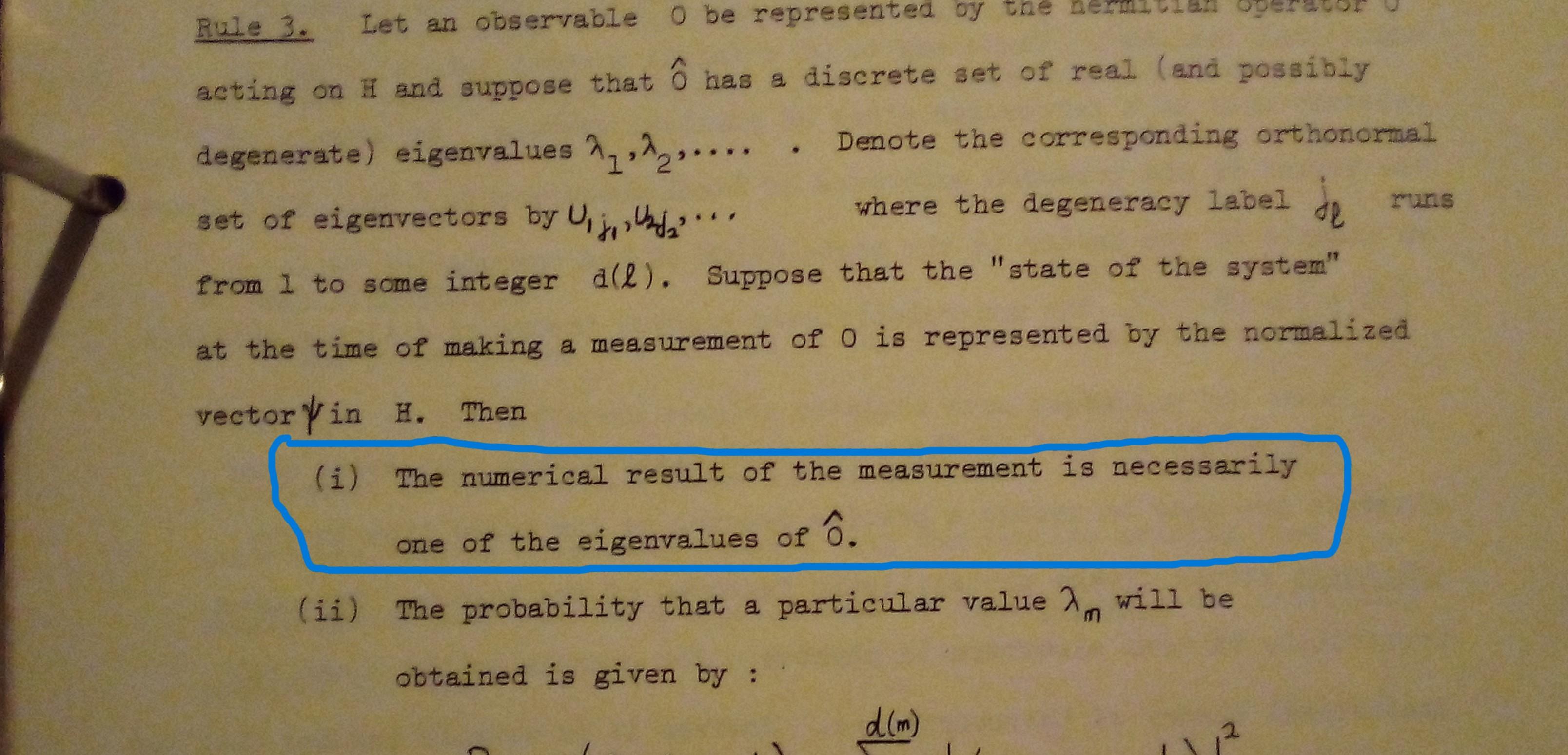
quantum mechanics
and some math:
Hilbert spaces
Lie groups
My job will be to take this wonderful stuff, which I have spent my life on, and distill it down to its essence, while still keeping some substance.
My current plan: I'll explain the basic ideas of quantum mechanics using the example of a qubit, i.e. the Hilbert space ℂ². I can use this to explain the concept of "spin" for a spin-1/2 particle like an electron, and the Lie group SU(2), which we use to say what happens when we turn an electron around.
Then we'll have the infrastructure to talk about "isospin", which mathematically just like spin, but physically very different: it's connected to the weak force. Heisenberg invented isospin to understand why protons and neutrons were so similar, and could turn into each other.
So, I need to find the best way to explain the basic ideas of quantum mechanics, qubits, SU(2), and rotations. That sounds like two separate videos.