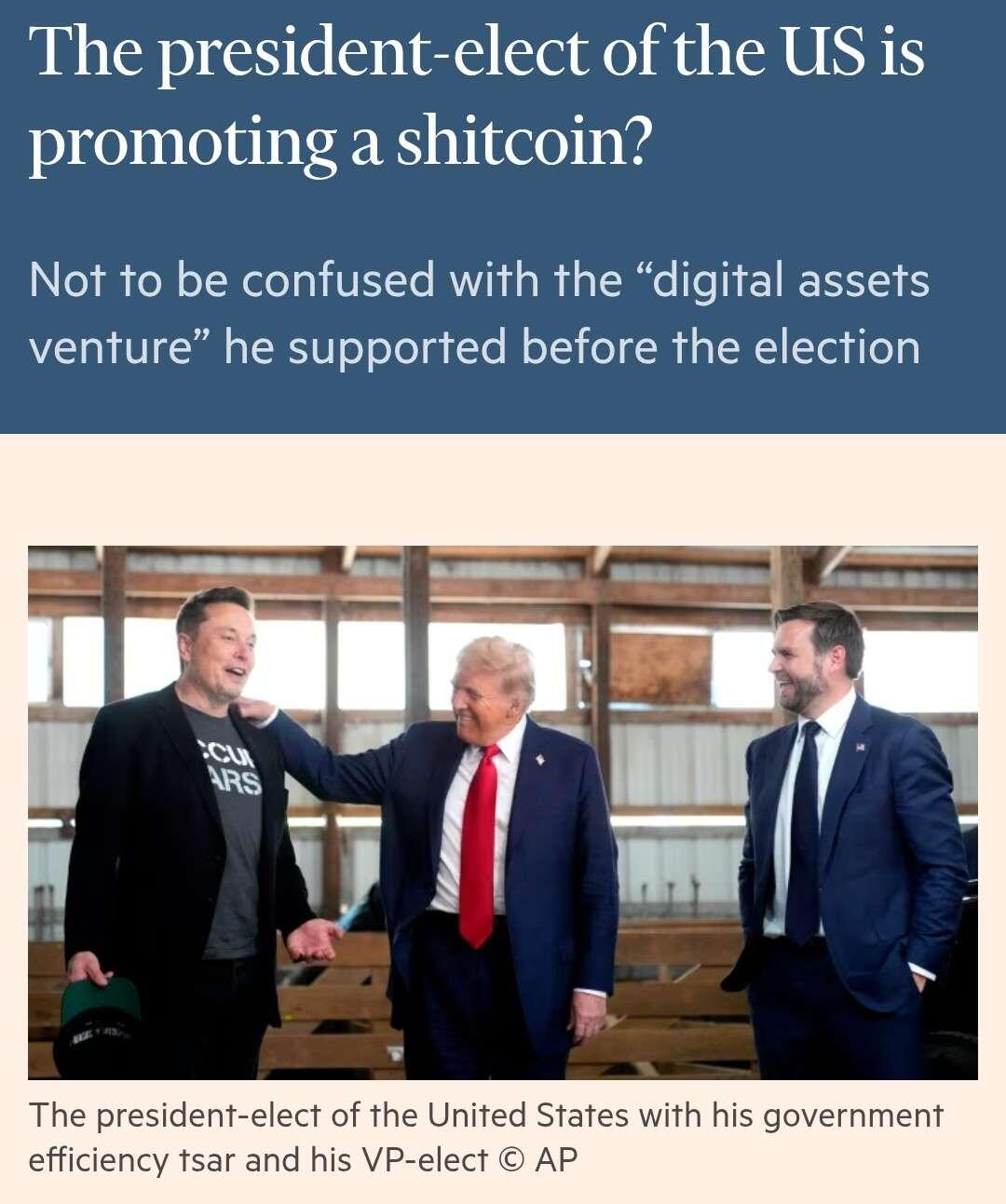
Some of us are out here building a parallel monetary system—one that empowers individuals, resists censorship and debasement, and protects freedom. An economy where money is a tool for liberation, not a mechanism of control. Trump’s insider-allocated meme coin is the opposite. It’s not about freedom or sovereignty—it’s a cash grab designed to exploit those who don’t know any better. For many of us, this came as no surprise. For those of you who genuinely thought Trump cared about financial freedom, this should be your wake-up call. His allegiance isn’t to open systems or individual sovereignty—it’s to whatever lines his pockets. Bitcoiners should see right through the grift. The future can't be built on insider deals, centralized tokens, or political opportunism. This would be a replication of the flawed fiat system we're currently stuck in. The future is built on open, permissionless, censorship-resistant, and decentralized systems. Stay humble and stay focused✌️ image
I miss 58k
Tunisia continues to undermine central bank independence, India is pushing stringent KYC requirments of millions of citizens, and Kenya is reinstating tax measures that ignited nationwide protests earlier this year. This and more in the latest Financial Freedom Report. View Article →
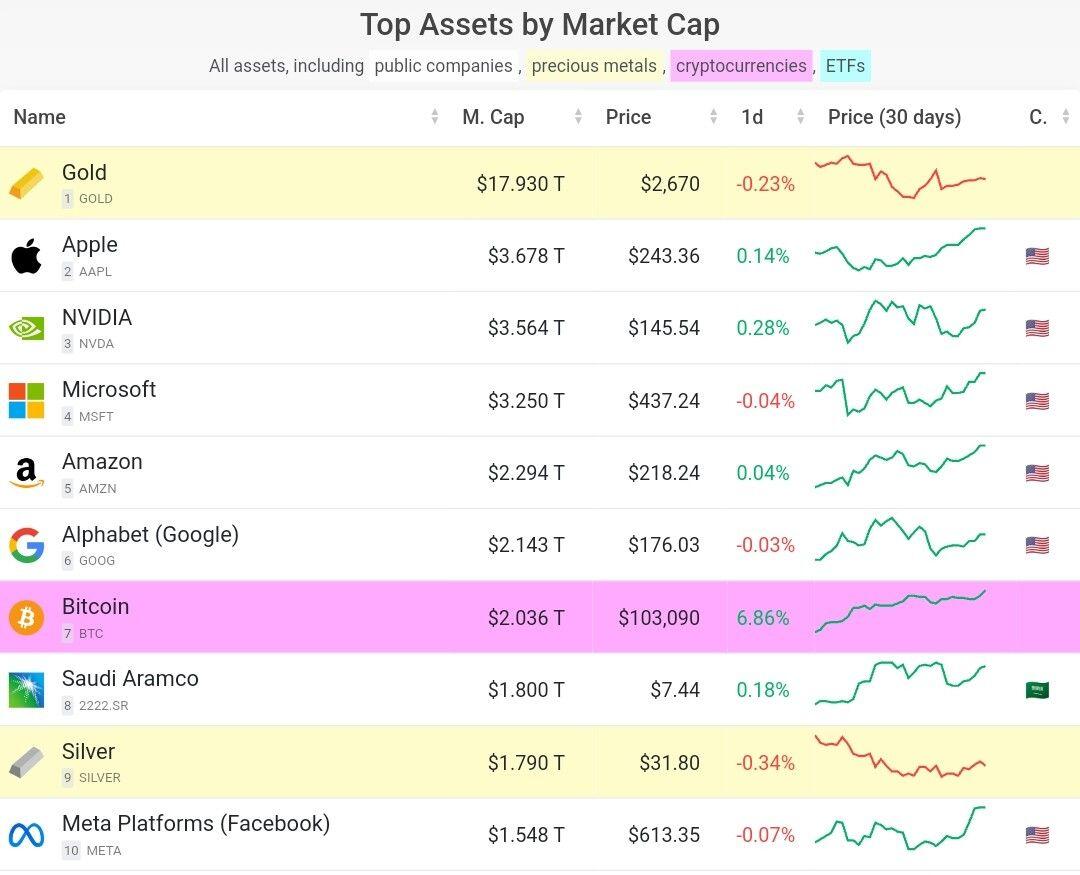
#Bitcoin is now worth over $103k USD, pushing it's market cap to a fresh high of $2 trillion. We are now only $107 billion from overtaking Google as the world's 6th largest asset. image
Financial Freedom Report #51 posted natively on Nostr for the first time. Happy Thanksgiving everyone! View Article →
Do you still think #Bitcoin is a volatile, environmentally damaging, Ponzi-bubble lacking intrinsic value? If so, this episode is for you. Join Bram and I as we break down prevalent misconceptions about #Bitcoin    showing that it's not a simple black-and-white matter.
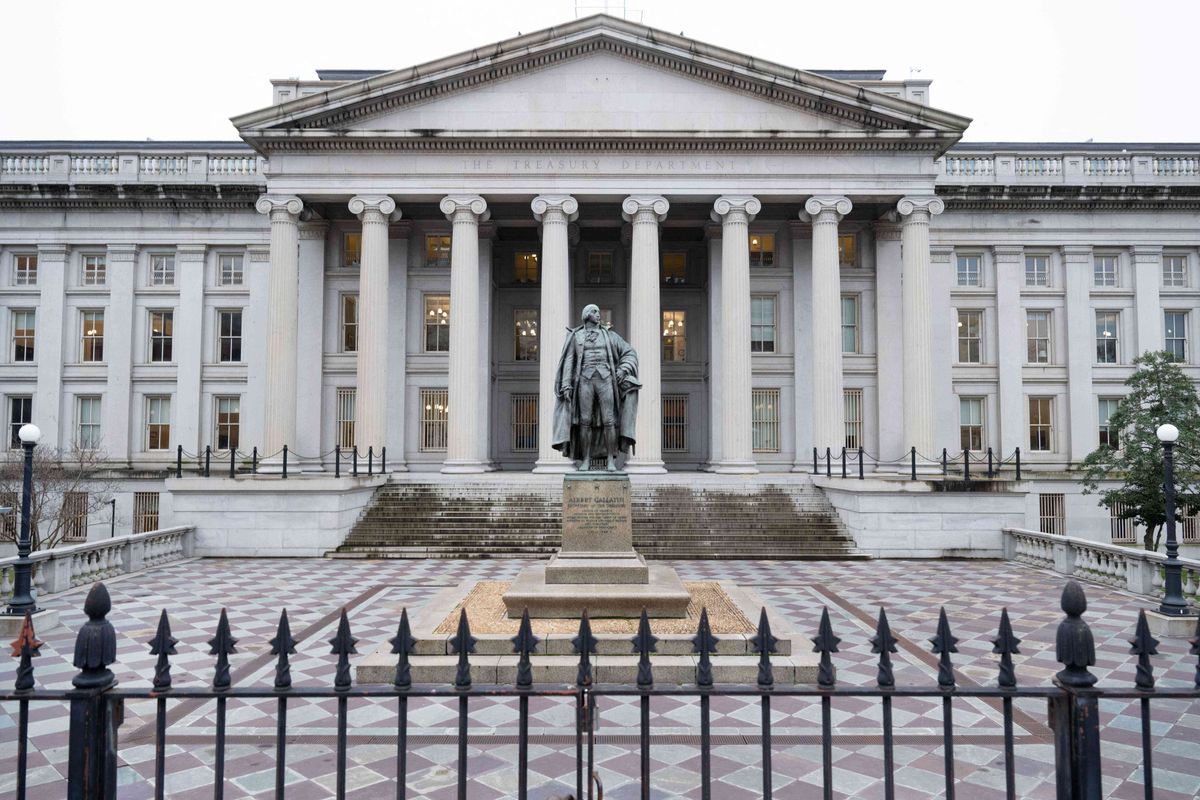
My latest article for Theya (YC) is now live and covers recent turbulence in U.S. Treasury Markets. After a relatively stable decade, yields on 10-Year Treasury Bonds soared to 4.88% last week, marking a 16 year high. A confluence of factors—Federal Reserve Policy decisions, mounting concerns surrounding U.S. debt and deficits, and the forthcoming issuance of fresh treasuries—are all playing a part. Should yields on 10-Year Treasuries push above 5%, it makes the onset of a recession all the more likely. Do you think yields will continue their ascent? Let me know in the comments below 👇
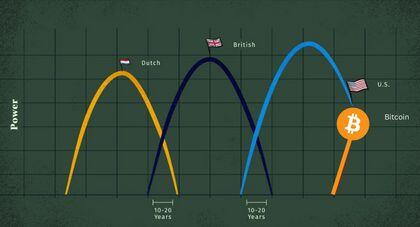
A few weeks ago, I finished reading Ray Dalio's book "The Changing World Order" which offers a comprehensive analysis of global economic and political dynamics. While the book is well written and offers key insights on the current state of the world, I couldnt help feeling like something was missing. Most notably, an analysis of #Bitcoin and it's potential impact on the evolving world order is completely absent. This omissions can be seen as a significant flaw in his analysis for several reasons 🧵👇 Firstly, #Bitcoin represents a shift in the traditional financial paradigm. Dalio explains the historical rise and fall of nations and emphasizes the importance of economic systems and currency dynamics, but doesn't recognize Bitcoin as a decentralized digital currency that challenges the very foundation of these systems. Bitcoin's adoption have the potential to reshape the global financial landscape and the economic systems we use, making it an important factor to consider when discussing changing world orders. Dalio also highlights the vulnerability of fiat currencies to devaluation from excessive money printing. He emphasizes the impact of currency devaluation on a nations economic stability, and how hard money provides the stability needed to emerge as a world power, yet neglects to mention #Bitcoin as a hedge against debasement due to it's limited supply of 21 million coins. #Bitcoin could theoretically provide a neutral global reserve currency that cannot suffer debasement and thus can stand the test of time. In this way, Bitcoin has the potential to break the cycle of monetary crises stemming from currency debasement that have plagued nations through history. Bitcoin's potential also extends beyond finance. It is a technology that enables borderless transactions, financial inclusion, censorship resistance, and wealth preservation. These characteristics give #Bitcoin the potential to disrupt traditional power structures, empower individuals, reshape global trade and redefine how we interact in the digital economy. Ignoring Bitcoin's impact is to overlook an important factor that can disrupt current power dynamics. In the book, Ray Dalio details the transitions of power between geographic nations who in turn become the global reserve currency and financial hub of the world. An important detail to consider is that the emergence of #Bitcoin could mean that the next world order is not based on a geographic country but rather a collection of individuals, firms, and countries. This new paradigm would mean economic power is not tied to a specific nation state but rather a collective of those who chose to adopt #Bitcoin first. While Dalio's book offers very valuable insights and historical context on how the world has worked, it's omission of #Bitcoin results in a notable limitation of his theory on repeating cycles of changing world orders. Understanding the emergence and potential of #Bitcoin as a globally accessible and neutral currency, it's ability to reshape power structures and geopolitical dynamics, and empower those who adopt it first are crucial to understand the dynamics at play in the 21st century. I highly recommend reading Dalio's book, however, as you make your way through it, be sure to think critically about how #Bitcoin can fit into the changing world order we're currently experiencing. image
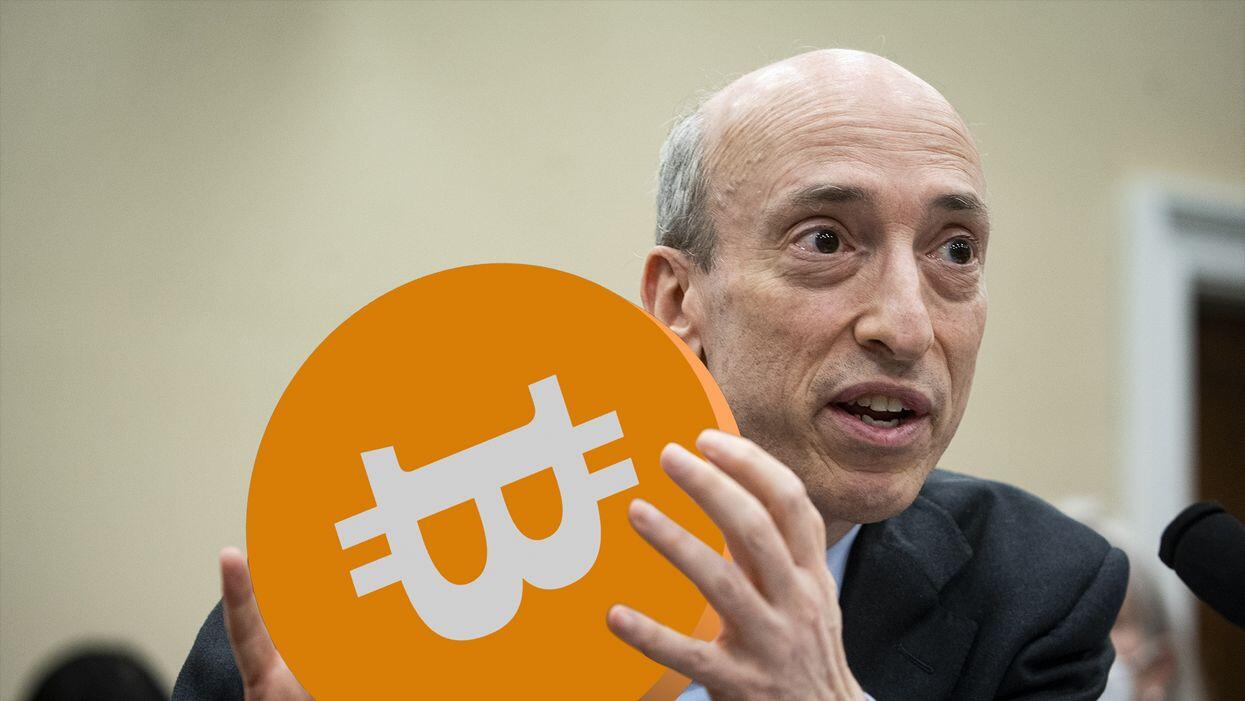
Gary Gensler, head of the SEC, is secretly a #Bitcoin Maximalist 🧵 Don't believe me? Read on👇 Not many people know this, but during his time at MIT, Gensler's fascination with #Bitcoin was ignited as he taught a course on blockchain and money. Little did he know that this was the start of a hidden journey into the heart of #Bitcoin. He immersed himself in the intricacies of Bitcoin, recognizing its potential to disrupt traditional finance and empower individuals. As he rose to the position of SEC chairman, Gensler found himself in a delicate position. He couldn't openly champion #Bitcoin maximalism due to his regulatory responsibilities, but he couldn't abandon his beliefs either. His regulatory decisions, such as clarifying that #bitcoin is the only commodity among cryptos, were part of a covert mission to advance the cause of #Bitcoin while condemning altcoins as unregistered securities. One particularly intriguing aspect of Gensler's actions is his reluctance to approve a #Bitcoin spot ETF. But, when you think about it, it all starts to make sense. He's not obstructing progress; he's ensuring that individuals have a fair chance to accumulate #Bitcoin before institutions dominate the market. He also understands the importance of self custody in #Bitcoin and would rather individuals take full control over their funds rather than own paper Bitcoin. Gensler knows that institutions could flood the market if an ETF we're approved, driving up Bitcoin's price. By delaying the ETF approval, he's providing a window of opportunity for retail investors to accumulate #Bitcoin at more accessible prices, preserving the democratic and decentralized nature of Bitcoin. In conclusion, Gary Gensler's covert journey from MIT professor to SEC chairman was driven by a hidden passion for #Bitcoin maximalism. His actions as a regulator, while enigmatic, are guided by a desire to protect the interests of everyday Bitcoiners and individuals, and allow them to participate in the #Bitcoin revolution before institutions do. image
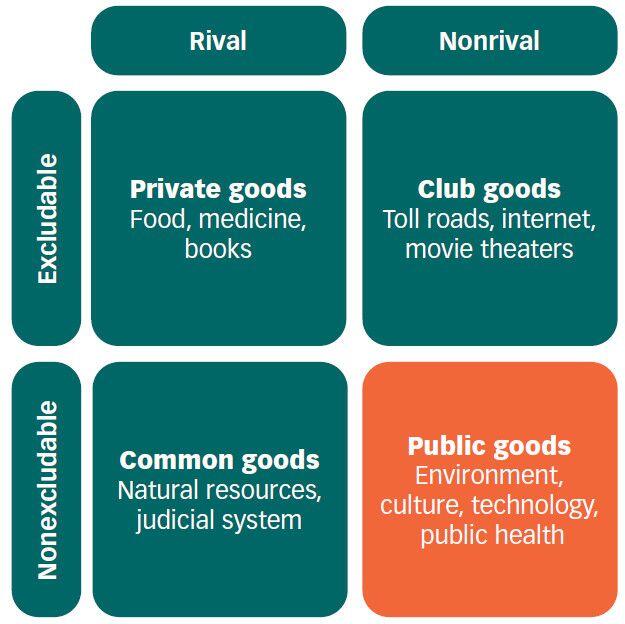
Is #Bitcoin a Public Good? In economics, a public good is defined as a good that is both non-excludable and non-rivalrous. For a good to be non-excludable, it must be very difficult or impossible to exclude individuals from using it. Bitcoin tends to fit this definition quite well, as it is one of the most accessible goods in the world. Anyone can participate in the Bitcoin network and use it for transactions or other purposes without needing permission, and it's challenging to prevent someone from downloading a Bitcoin wallet and acquiring some Bitcoin. While technically it is not accessible by everyone due to availability and regulations of on/off ramps and internet availability #bitcoin more or less fits this definition. For a good to be non-rivalrous, one individuals usage of the good cannot reduce its availability for others. Once again #Bitcoin fits this definition quite well. Bitcoin, it is non-rivalrous to the extent that one person holding and using Bitcoin does not inherently reduce its availability for others. The blockchain technology underlying Bitcoin allows multiple users to transact simultaneously without significantly affecting each other's ability to use it. Bitcoin's divisibility also ensures there are more than enough satoshis to go around. While one could argue increased fees in blockspace could lead to exclusion of some individuals, layer 2 protocols like the Lightning Network address these concerns quite well. Overall, I think it's clear #Bitcoin is more a public good than it is not, especially when you consider it's truly global and decentralized nature alongside it's non-excludability and non-rivalrous attributes. While it may not fit the definition perfectly, I think this points to the fact that #Bitcoin is fundamentally unique and novel. Many established definitions and concepts within economics and beyond struggle to encapsulate the groundbreaking essence that Bitcoin brings to the table. Do you think #Bitcoin is a public good? image