As we enter the latter half of 2023, debates surrounding the possibility of a recession are only increasing. In my latest article, I break down 7 key economic indicators hinting towards a slowing economy ๐Ÿงต๐Ÿ‘‡ 1๏ธโƒฃ Yield Curve Inversions have been a very reliable indicator of a slowing economy. In fact, since 1969 a yield curve inversion has preceded every US recession. In June of 2022 the 10yr and 2yr Treasury yields inverted begging the questionโ€”where is the recession? 2๏ธโƒฃ Large Bank Failures since the Great Financial Crisis in the fall of 2008 echoes historical precedence and highlights vulnerability in the financial structure. It was 6 months after the failure of Bear Sterns in March of 2008 before the recession arrived in full forceโ€”could history repeat itself? 3๏ธโƒฃ One of the Fastest Interest Rate Hike in US History has pushed the federal funds rate to decade highs and imposed higher borrowing costs of individuals and businesses alike. The economy may face potential headwinds in adjusting to tighter credit conditions. 4๏ธโƒฃ The tendency for the Unemployment Rate to bottom before a recession raises questions about our currently low unemployment rate. While it may seem positive on the surface it could mask underlying weakness in the economy that manifests as the recession unfolds. 5๏ธโƒฃ A Declining Purchasing Managers Index (PMI) suggests a contraction in the manufacturing and services industry and has served as an early warning sign of impending recessions many times. This worrying trend may further contribute to a slowing economy. 6๏ธโƒฃ Tightening Credit Conditions from aggressive interest rate hikes are reaching levels not seen since the Great Financial Crisis in 2008 and a fall in commercial loans has been evident. While tightnening credit itself does not predict a recession, it's correlation with economic downturns should not be ignored. 7๏ธโƒฃ The Fed Predicting a Mild Recession adds further credibility to the possibility of a recession on the horizon. As the central banks responsible for guiding policy their awareness of the risks speaks heavily to the possibility of a slowing economy. Together these indicators paint a clear picture of economic challenges ahead. While the exact timing and severity of a recession is difficult to predict, it is crucial to remain aware of the risks we face. Check out my full article for an in-depth analysis of these economic indicators and what it means for the economy.
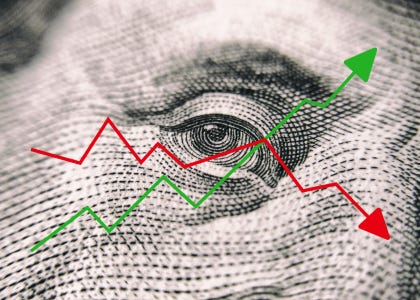
โš ๏ธ2023 #Macro Outlookโš ๏ธ Contrary to the appearance of a new bull market, we're actually witnessing the most remarkable bear market rally ever. In my latest article, I uncover 7 key #economic indicators pointing to an impending #recession ๐Ÿ‘‡
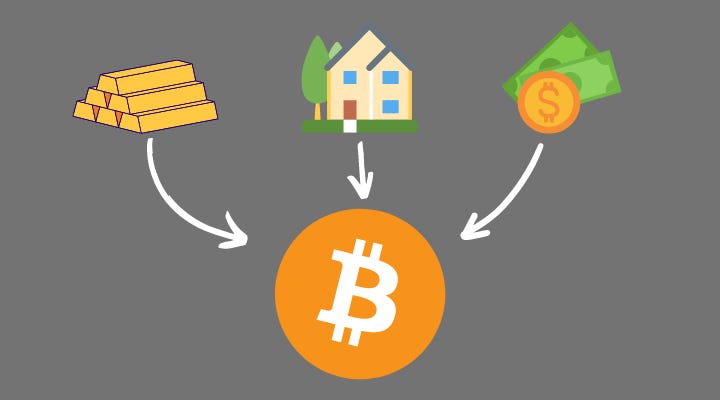
Since 1971 and the abandonment of the #Gold Standard... ๐Ÿ“ˆ US M2 increased over 3,150% ๐Ÿ  US home prices surged over 1,850% ๐Ÿ“Š S&P 500 returned over 20,000% ๐Ÿฅ‡ Gold returned over 5,150% In my latest article I review how decades of loose monetary policy have contributed to the everything bubble and explore how #Bitcoin stands ready to absorb the monetary premiums that have built up in assets over decades of monetary manipulation.
Bitcoin is a Ponzi scheme Bitcoin is too volatile Bitcoin has no intrinsic value Bitcoin is only used by criminals Bitcoin will be hacked Bitcoin is bad for the environment Bitcoin is a bubble Actually, #Bitcoin is the most misunderstood technology of our time. My latest article addresses these common misconceptions and provides key facts to help uncover the legitimacy of these claims.
Have you heard of the Japanese real estate bubble in the late 1980s? It was an unprecedented speculative frenzy. Prices soared, fueled by easy credit and rampant investor speculation. Japan seemed unstoppable, but little did they know what awaited them๐Ÿ‘‡ In the early 1990s, disaster struck. The bubble burst, causing a devastating collapse in real estate and stock prices. The trigger was monetary tightening policies implemented by the Bank of Japan to curb inflation. The effects were far-reaching. Property values plummeted, leaving investors and financial institutions with enormous losses. The country entered a prolonged period of economic contraction known as the "Lost Decade." Low growth, high unemployment, and stagnant wages became the new normal. The bursting bubble exposed the vulnerabilities of Japanese banks. They had heavily invested in speculative real estate loans and faced insolvency as asset values tanked. Government intervention was required to stabilize the banking sector. Now, let's shift our focus to Canada. While it's a different country and time, there are notable parallels. Canada currently faces a private debt situation that bears some resemblance to Japan's bubble era. Canadian households have accumulated significant debt, driven by low interest rates and easy access to credit. This debt is primarily concentrated in mortgages, similar to how Japanese investors flocked to real estate investments during their bubble. If there's a sudden shock to the Canadian economy, such as a sharp rise in interest rates or a housing market correction, the private debt burden could become a ticking time bomb. Just as in Japan, the bursting of the bubble could have severe consequences. Fast forward to today, and we're witnessing interest rates rise at an unprecedented pace. The Bank of Canada recently raised rates by 25 basis points, despite Canada's private debt-to-GDP ratio surpassing 230%. This is even higher than Japan's peak during their bubble. What does this all mean? While the exact consequences are uncertain, it's crucial to note the eerie similarities between Canada now and Japan during their bubble's peak in the 1990s. Both countries exhibit high levels of private debt and face tightening monetary policies. If the Canadian housing market corrects due to interest rates surging rapidly, it could potentially trigger a similar chain of events as Japan experienced. High private debt burdens become unsustainable, asset values decline, and the economy faces significant headwinds. What do you think happens next?
Everytime I get zapped I'm reminded of how much better nostr is than twitter.
Just finished writing a midterm exam for econ. Imagine my surprise when I flipped the page and encountered a question asking me to make the case for #Bitcoin as money. That's ~60 econ students who had to ask themselves today, IS bitcoin money? Bound to get some people thinking.
$305 trillion in global debt, but what have we truly gained? ๐Ÿ“š Have we increased access to quality education for all? โš–๏ธ Is there a fair and just global economic system? ๐Ÿฝ๏ธ Does everyone have access to food and water? โ˜ฎ๏ธ Is global peace a reality? ๐ŸŒ What about the state of our environment? ๐Ÿ’ฐ Are wealth disparities narrowing? ๐Ÿ‘ฉโ€โš•๏ธ Has healthcare become more accessible and affordable? ๐ŸŒ Is internet access widespread and affordable? ๐Ÿ‘ฅ Are human rights respected and protected? ๐Ÿ›ฃ๏ธ Are our roads in better condition? ๐Ÿ’ก Has innovation thrived? ๐Ÿš€ How far have we advanced in interplanetary travel?
In my latest article, I delve into the crucial subject of federal debt, exploring its nature and the factors contributing to its significant growth over the past few decades. By establishing a connection between debt and inflation, I aim to highlight the inherent inflationary nature and long-term unsustainability of an economic system reliant on perpetual debt accumulation. I invite you to read the article below to gain a comprehensive understanding of this complex issue๐Ÿ‘‡
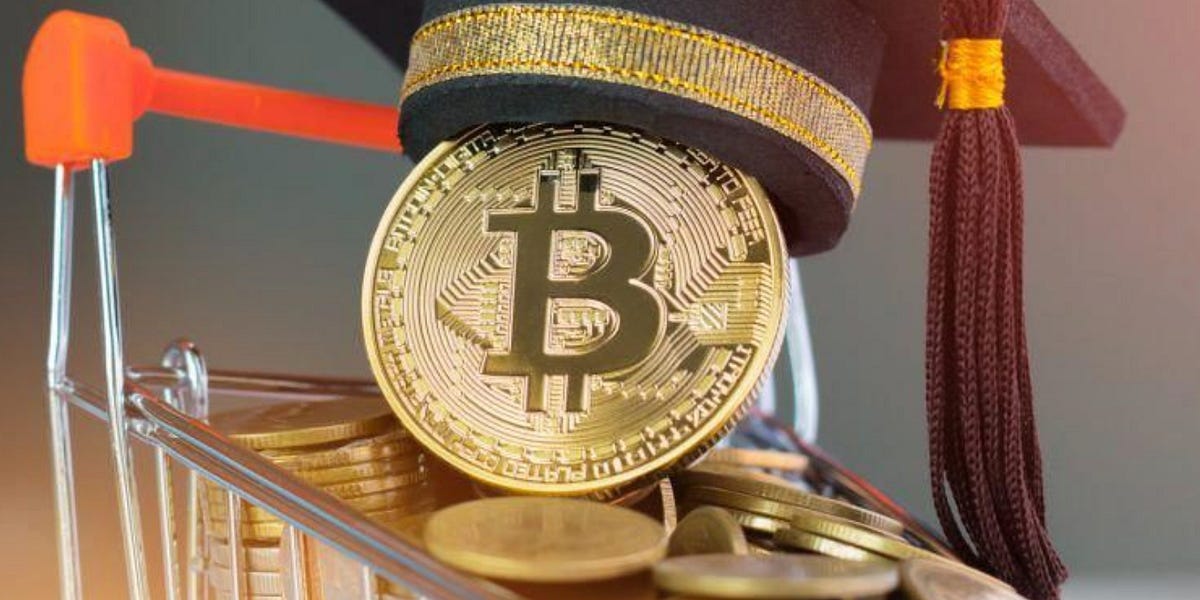
Excited to share my recent interview with PlebUnderground and DNComply where I discuss my experience as president of a university #Bitcoin club and the role university clubs play in promoting Bitcoin education and awareness. I first discovered Bitcoin during the pandemic. As an economics major I was instantly fascinated by the idea of a decentralized, peer to peer currency with a fixed supply. I became convinced that Bitcoin is one of the most important innovations of our time. This inspired me to become president of the club. Our clubs main goal is to offer an open space for discussion and education about Bitcoin. We want to provide the necessary tools to help people better understand and study Bitcoin, and to start as many conversations surrounding Bitcoin as we can. By bringing together students, academics, and industry experts Bitcoin clubs can deepen our collective understanding of Bitcoin and speed us towards hyperbitcoinization. If you're currently enrolled in university and are interested in starting a Bitcoin club, make sure to gain a strong understanding of the topic, host regular events and collaborate with other clubs. I highly encourage anyone in university to consider starting a Bitcoin club. Together we can make the world a better place! Check out the full interview below to learn more about my journey with Bitcoin, my role as president and the importance of university clubs in promoting Bitcoin education and awareness.๐Ÿ‘‡