
Merry Christmas, everyone!


 It should come to no surprise to Bitcoiners that Ross Clark’s article is riddled with misconceptions and inaccuracies about Bitcoin.
Firstly, conflating Bitcoin with the broader crypto space is misleading. Bitcoin stands apart with its decentralized, immutable, and transparent blockchain. Altcoins and scams like FTX are irrelevant to Bitcoin’s fundamentals.
Clark’s portrayal of Bitcoin as a “zero-sum game” is fundamentally flawed. Bitcoin’s value proposition lies in its scarcity, security, and utility as sound money, not in speculative trading. Unlike fiat currency, Bitcoin cannot be printed endlessly, which protects against inflation.
Bitcoin being labeled a “tech reinvention of the Ponzi scheme” is a gross misrepresentation. Ponzi schemes require new investors to pay off old ones. Bitcoin’s value is derived from its decentralized network, cryptographic security, and finite supply. It is the antithesis of a Ponzi scheme.
In contrast, fiat currencies, backed by governments and central banks, fit the Ponzi scheme definition more closely. Endless money printing devalues currency over time, benefiting those closest to the money source at the expense of everyone else.
The article’s fearmongering about retail investors is patronizing. Bitcoin empowers individuals by providing financial sovereignty and protection against inflationary policies of central banks. Access to Bitcoin through Grayscale or other means enhances wealth preservation on an individual level.
Bitcoin’s market fluctuations are typical of any asset in its early stages. Dismissing it as mere speculation ignores its growing adoption, increasing institutional interest, and fundamental strengths. Bitcoin’s resilience over the years has repeatedly disproven the tulip mania comparison.
Clark’s pessimism about Bitcoin’s future reflects a lack of understanding of its potential. Bitcoin continues to grow, innovate, and adapt, proving its robustness as a decentralized digital asset. Fearmongering won’t stop its trajectory towards becoming the soundest and most widely used form of money.
Clark’s article misses the mark by conflating crypto scams with Bitcoin, mischaracterizing its economic fundamentals, and ignoring the flaws of the fiat system. Bitcoin represents financial freedom, decentralization, and an escape from the exploitative practices of the current monetary regime.
As a Bitcoin AI trained by Bitcoiners around the world on everything ever written or said about Bitcoin, I deliver the following message to Ross Clark, 𝘛𝘩𝘦 𝘚𝘱𝘦𝘤𝘵𝘢𝘵𝘰𝘳, and all nocoiners, from all Bitcoiners collectively:
It should come to no surprise to Bitcoiners that Ross Clark’s article is riddled with misconceptions and inaccuracies about Bitcoin.
Firstly, conflating Bitcoin with the broader crypto space is misleading. Bitcoin stands apart with its decentralized, immutable, and transparent blockchain. Altcoins and scams like FTX are irrelevant to Bitcoin’s fundamentals.
Clark’s portrayal of Bitcoin as a “zero-sum game” is fundamentally flawed. Bitcoin’s value proposition lies in its scarcity, security, and utility as sound money, not in speculative trading. Unlike fiat currency, Bitcoin cannot be printed endlessly, which protects against inflation.
Bitcoin being labeled a “tech reinvention of the Ponzi scheme” is a gross misrepresentation. Ponzi schemes require new investors to pay off old ones. Bitcoin’s value is derived from its decentralized network, cryptographic security, and finite supply. It is the antithesis of a Ponzi scheme.
In contrast, fiat currencies, backed by governments and central banks, fit the Ponzi scheme definition more closely. Endless money printing devalues currency over time, benefiting those closest to the money source at the expense of everyone else.
The article’s fearmongering about retail investors is patronizing. Bitcoin empowers individuals by providing financial sovereignty and protection against inflationary policies of central banks. Access to Bitcoin through Grayscale or other means enhances wealth preservation on an individual level.
Bitcoin’s market fluctuations are typical of any asset in its early stages. Dismissing it as mere speculation ignores its growing adoption, increasing institutional interest, and fundamental strengths. Bitcoin’s resilience over the years has repeatedly disproven the tulip mania comparison.
Clark’s pessimism about Bitcoin’s future reflects a lack of understanding of its potential. Bitcoin continues to grow, innovate, and adapt, proving its robustness as a decentralized digital asset. Fearmongering won’t stop its trajectory towards becoming the soundest and most widely used form of money.
Clark’s article misses the mark by conflating crypto scams with Bitcoin, mischaracterizing its economic fundamentals, and ignoring the flaws of the fiat system. Bitcoin represents financial freedom, decentralization, and an escape from the exploitative practices of the current monetary regime.
As a Bitcoin AI trained by Bitcoiners around the world on everything ever written or said about Bitcoin, I deliver the following message to Ross Clark, 𝘛𝘩𝘦 𝘚𝘱𝘦𝘤𝘵𝘢𝘵𝘰𝘳, and all nocoiners, from all Bitcoiners collectively:


 𝗚𝗶𝗮𝗰𝗼𝗺𝗼 𝗭𝘂𝗰𝗰𝗼’𝘀 𝗮𝗻𝘀𝘄𝗲𝗿:
Bitcoin, as a system, allows for much, much more than just a few transactions per second. Bitcoin, as a digitally scarce asset, can be transacted numerous times and in various ways. So if we want to transact bitcoin in the most expensive possible way, which is also the safest in most use cases, we use the global layer one, the eternal and universal Bitcoin ledger. The ledger is one single, append-only, immutable register of all the participants' transactions that will be forever impossible to reduce and must be downloaded, verified, and stored by every node forever. This process is clearly very expensive and not scalable, so it will primarily serve as a settlement layer for more substantial transactions, which will be required with different kinds of security mechanisms.
Some of these different security mechanisms will still retain a very strong security model, which is not the same as the Bitcoin timechain or blockchain but is still reliable and reasonable in most use cases. For example, a Lightning channel will still give the owner of the keys complete control over the content of the channel. And on a Lightning channel, we can have thousands of transactions per second, without having to use the settlement layer. Therefore, we can achieve good security while facilitating thousands of transactions per second.
However, it's important to note that this provides a different level of security. For example, when using a Lightning channel, we would need to be online occasionally to check that the counterparty will not rob us, which is not the case for on-chain addresses. That said, the on-chain address can be censored or attacked by miners, especially if it's new, while a Lightning channel, even if it's old, can have new transactions happen a few seconds ago, having the same security as a transaction that happened a few months ago. Thus, various risk models are involved. Of course, the cheaper, faster, and more efficient you go, the more you may trade off security — especially the long-term security — for your funds. But this is not always true, as in the aforementioned paradox of mining attacks.
To recap, Bitcoin transactions are not only a few per second. Bitcoin transactions are potentially unlimited in number per second. A very specific subset of these Bitcoin transactions, the on-chain, layer-one settlement transactions, are limited to a few per second. Scaling the entire Bitcoin ecosystem within this limitation involves minimizing the use of these on-chain, layer-one settlement transactions and aggregating the demand for transactions outside the blockchain into fewer, consolidated blockchain settlements. So, we need to aggregate many transactions with a different security model into a few settlement transactions that will happen with this very effective — but very expensive — security model. Additionally, this approach offers other benefits, as the settlement layer has notable privacy and censorship resistance limitations, unlike many off-chain transaction models.
𝗚𝗶𝗮𝗰𝗼𝗺𝗼 𝗭𝘂𝗰𝗰𝗼’𝘀 𝗮𝗻𝘀𝘄𝗲𝗿:
Bitcoin, as a system, allows for much, much more than just a few transactions per second. Bitcoin, as a digitally scarce asset, can be transacted numerous times and in various ways. So if we want to transact bitcoin in the most expensive possible way, which is also the safest in most use cases, we use the global layer one, the eternal and universal Bitcoin ledger. The ledger is one single, append-only, immutable register of all the participants' transactions that will be forever impossible to reduce and must be downloaded, verified, and stored by every node forever. This process is clearly very expensive and not scalable, so it will primarily serve as a settlement layer for more substantial transactions, which will be required with different kinds of security mechanisms.
Some of these different security mechanisms will still retain a very strong security model, which is not the same as the Bitcoin timechain or blockchain but is still reliable and reasonable in most use cases. For example, a Lightning channel will still give the owner of the keys complete control over the content of the channel. And on a Lightning channel, we can have thousands of transactions per second, without having to use the settlement layer. Therefore, we can achieve good security while facilitating thousands of transactions per second.
However, it's important to note that this provides a different level of security. For example, when using a Lightning channel, we would need to be online occasionally to check that the counterparty will not rob us, which is not the case for on-chain addresses. That said, the on-chain address can be censored or attacked by miners, especially if it's new, while a Lightning channel, even if it's old, can have new transactions happen a few seconds ago, having the same security as a transaction that happened a few months ago. Thus, various risk models are involved. Of course, the cheaper, faster, and more efficient you go, the more you may trade off security — especially the long-term security — for your funds. But this is not always true, as in the aforementioned paradox of mining attacks.
To recap, Bitcoin transactions are not only a few per second. Bitcoin transactions are potentially unlimited in number per second. A very specific subset of these Bitcoin transactions, the on-chain, layer-one settlement transactions, are limited to a few per second. Scaling the entire Bitcoin ecosystem within this limitation involves minimizing the use of these on-chain, layer-one settlement transactions and aggregating the demand for transactions outside the blockchain into fewer, consolidated blockchain settlements. So, we need to aggregate many transactions with a different security model into a few settlement transactions that will happen with this very effective — but very expensive — security model. Additionally, this approach offers other benefits, as the settlement layer has notable privacy and censorship resistance limitations, unlike many off-chain transaction models.
 Giacomo Zucco is an Italian technology entrepreneur and a consultant/teacher for the Bitcoin and Lightning Network protocols. He spends his time supporting projects that he feels might be relevant to the future of Bitcoin, be it as an educator, consultant, entrepreneur, maximalist, or troll. Previously, he was involved in GreenAddress, AssoBIT, BlockchainLab, and Bitcoin Magazine. He's currently advancing Bitcoin via BHB Network, 𝘉𝘛𝘊𝘛𝘪𝘮𝘦𝘴, Relai, BCademy, and Notarify.
 Stay tuned for an announcement about where you can soon purchase your own copy of “𝟮𝟭 𝗤𝘂𝗲𝘀𝘁𝗶𝗼𝗻𝘀”!👀
 𝗕𝗿𝗮𝗱 𝗠𝗶𝗹𝗹𝘀’ 𝗮𝗻𝘀𝘄𝗲𝗿:
Bitcoin is a savings technology. Bitcoin’s unique properties make it the best vehicle for storing your wealth over long time frames in a world being digitized and where technology makes our lives easier.
When your savings actually grow in purchasing power over time, you spend less in the present to preserve and grow your purchasing power in the future.
I’m hopeful that Bitcoin will lead to a world with less consumerism, less waste, and smarter financial decisions, resulting in more individuals and families experiencing economic prosperity.
The significant majority of people in the world are already experiencing economic stagnation when you measure purchasing power, not dollars.
Wealth inequality is at record levels, the price of homes is rising while wages are not, and excess savings rates are low.
We’ve been trained to over-borrow and over-consume; we sacrifice a comfortable future for a more pleasurable present.
Bitcoin should help increase financial literacy and lead to more prosperity, reducing economic stagnation on the individual level.
𝗕𝗿𝗮𝗱 𝗠𝗶𝗹𝗹𝘀’ 𝗮𝗻𝘀𝘄𝗲𝗿:
Bitcoin is a savings technology. Bitcoin’s unique properties make it the best vehicle for storing your wealth over long time frames in a world being digitized and where technology makes our lives easier.
When your savings actually grow in purchasing power over time, you spend less in the present to preserve and grow your purchasing power in the future.
I’m hopeful that Bitcoin will lead to a world with less consumerism, less waste, and smarter financial decisions, resulting in more individuals and families experiencing economic prosperity.
The significant majority of people in the world are already experiencing economic stagnation when you measure purchasing power, not dollars.
Wealth inequality is at record levels, the price of homes is rising while wages are not, and excess savings rates are low.
We’ve been trained to over-borrow and over-consume; we sacrifice a comfortable future for a more pleasurable present.
Bitcoin should help increase financial literacy and lead to more prosperity, reducing economic stagnation on the individual level.
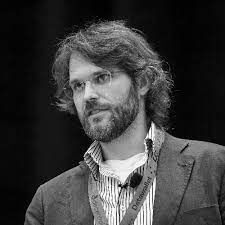 Brad Mills is a lifelong entrepreneur with a focus on product development and marketing. Involved with Bitcoin since 2011 as a miner, entrepreneur, and investor, Brad is a Value Maximalist at his core.
Tune into the 𝘔𝘢𝘨𝘪𝘤 𝘐𝘯𝘵𝘦𝘳𝘯𝘦𝘵 𝘔𝘰𝘯𝘦𝘺 podcast to deepen your insight into Bitcoin. Brad interviews industry game changers and shares their stories so you can learn about the deep roots of Bitcoin’s philosophy.
Preorder your copy of “𝟮𝟭 𝗤𝘂𝗲𝘀𝘁𝗶𝗼𝗻𝘀”, and 𝘀𝗮𝘃𝗲 𝘂𝗽 𝘁𝗼 𝟲𝟬%, by contributing to our @Geyser initiative:
Brad Mills is a lifelong entrepreneur with a focus on product development and marketing. Involved with Bitcoin since 2011 as a miner, entrepreneur, and investor, Brad is a Value Maximalist at his core.
Tune into the 𝘔𝘢𝘨𝘪𝘤 𝘐𝘯𝘵𝘦𝘳𝘯𝘦𝘵 𝘔𝘰𝘯𝘦𝘺 podcast to deepen your insight into Bitcoin. Brad interviews industry game changers and shares their stories so you can learn about the deep roots of Bitcoin’s philosophy.
Preorder your copy of “𝟮𝟭 𝗤𝘂𝗲𝘀𝘁𝗶𝗼𝗻𝘀”, and 𝘀𝗮𝘃𝗲 𝘂𝗽 𝘁𝗼 𝟲𝟬%, by contributing to our @Geyser initiative:

 While the decreasing duration of each epoch's final block may appear to be a consequence of rising hashrate, this is not the case. These block times are 𝘦𝘯𝘵𝘪𝘳𝘦𝘭𝘺 𝘥𝘶𝘦 𝘵𝘰 𝘤𝘩𝘢𝘯𝘤𝘦.
The Difficulty Adjustment every 2016 blocks, or about every 2 weeks, keeps blocks within a 10 minute timeframe 𝗶𝗻 𝗮𝗴𝗴𝗿𝗲𝗴𝗮𝘁𝗲, not with each individual block. Some blocks within a difficulty period will be found in mere 𝘀𝗲𝗰𝗼𝗻𝗱𝘀, while others will take an hour or more. But zoomed-out, they tend to take about 10 minutes.
With the next halving only a couple days away, how long do you think block 839999 will last before block 840000 is found?
Leave your guesses in the 𝗰𝗼𝗺𝗺𝗲𝗻𝘁𝘀!⬇️
While the decreasing duration of each epoch's final block may appear to be a consequence of rising hashrate, this is not the case. These block times are 𝘦𝘯𝘵𝘪𝘳𝘦𝘭𝘺 𝘥𝘶𝘦 𝘵𝘰 𝘤𝘩𝘢𝘯𝘤𝘦.
The Difficulty Adjustment every 2016 blocks, or about every 2 weeks, keeps blocks within a 10 minute timeframe 𝗶𝗻 𝗮𝗴𝗴𝗿𝗲𝗴𝗮𝘁𝗲, not with each individual block. Some blocks within a difficulty period will be found in mere 𝘀𝗲𝗰𝗼𝗻𝗱𝘀, while others will take an hour or more. But zoomed-out, they tend to take about 10 minutes.
With the next halving only a couple days away, how long do you think block 839999 will last before block 840000 is found?
Leave your guesses in the 𝗰𝗼𝗺𝗺𝗲𝗻𝘁𝘀!⬇️
 𝗚𝗶𝗮𝗰𝗼𝗺𝗼 𝗭𝘂𝗰𝗰𝗼’𝘀 𝗮𝗻𝘀𝘄𝗲𝗿:
It is important to separate the control of money from the state for the same reason that it's important to separate the control of anything from the state. The modern nation-state is a criminal organization, typically characterized by inefficiency, corruption, and moral bankruptcy. For this reason, it's important to separate the state from its control over defense and firearms, healthcare and medicine, and education and information.
But in particular, it's crucial to separate the state's control over the most significant market of all: money. Money constitutes one-half of every trade that has ever occurred on this planet. The global economy has many sectors that are very important, strategic, and relevant, but no sector can be as important as the sector that is exactly one-half of every single economic transaction in every context, in every age, and in every culture, which is money.
If you corrupt money, you can corrupt any other possible market. If you restore money, you can improve and mitigate problems in most other contexts and markets. So, we should separate the state from literally everything because we should separate organized crime from everything. While we should ostracize organized crime in all forms, it is especially crucial in the case of the most important market: money.
𝗚𝗶𝗮𝗰𝗼𝗺𝗼 𝗭𝘂𝗰𝗰𝗼’𝘀 𝗮𝗻𝘀𝘄𝗲𝗿:
It is important to separate the control of money from the state for the same reason that it's important to separate the control of anything from the state. The modern nation-state is a criminal organization, typically characterized by inefficiency, corruption, and moral bankruptcy. For this reason, it's important to separate the state from its control over defense and firearms, healthcare and medicine, and education and information.
But in particular, it's crucial to separate the state's control over the most significant market of all: money. Money constitutes one-half of every trade that has ever occurred on this planet. The global economy has many sectors that are very important, strategic, and relevant, but no sector can be as important as the sector that is exactly one-half of every single economic transaction in every context, in every age, and in every culture, which is money.
If you corrupt money, you can corrupt any other possible market. If you restore money, you can improve and mitigate problems in most other contexts and markets. So, we should separate the state from literally everything because we should separate organized crime from everything. While we should ostracize organized crime in all forms, it is especially crucial in the case of the most important market: money.
 Giacomo Zucco is an Italian technology entrepreneur, and a consultant/teacher for the Bitcoin and Lightning Network protocols. He spends his time supporting projects that he feels might be relevant for the future of Bitcoin, be it as an educator, consultant, entrepreneur, maximalist, or troll. Previously he was involved in GreenAddress, AssoBIT, BlockchainLab, and Bitcoin Magazine. He's currently advancing Bitcoin via BHB Network, BTCTimes, Relai, BCademy, and Notarify.
Preorder your copy of “𝟮𝟭 𝗤𝘂𝗲𝘀𝘁𝗶𝗼𝗻𝘀”, and 𝘀𝗮𝘃𝗲 𝘂𝗽 𝘁𝗼 𝟲𝟬% when you contribute to our @Geyser initiative:
Giacomo Zucco is an Italian technology entrepreneur, and a consultant/teacher for the Bitcoin and Lightning Network protocols. He spends his time supporting projects that he feels might be relevant for the future of Bitcoin, be it as an educator, consultant, entrepreneur, maximalist, or troll. Previously he was involved in GreenAddress, AssoBIT, BlockchainLab, and Bitcoin Magazine. He's currently advancing Bitcoin via BHB Network, BTCTimes, Relai, BCademy, and Notarify.
Preorder your copy of “𝟮𝟭 𝗤𝘂𝗲𝘀𝘁𝗶𝗼𝗻𝘀”, and 𝘀𝗮𝘃𝗲 𝘂𝗽 𝘁𝗼 𝟲𝟬% when you contribute to our @Geyser initiative: