@La Nacion

How to get help paying your electricity and heating bills in Chicago: programs and supports available to reduce costs during the winter when low temperatures increase energy consumption.If you're struggling to pay your electricity and heating bills in Chicago, there are several programs and supports available to help. Here are a few:1. **LIHEAP (Low-Income Home Energy Assistance Program)**: This program provides financial assistance to low-income households to help pay for heating and cooling costs. Eligibility is based on income and family size.2. **ComEd's Budget Billing Plan**: This plan allows you to spread your energy costs over 12 months, making it easier to budget and manage your expenses.3. **Ameren Illinois' Budget Billing Plan**: Similar to ComEd's plan, Ameren Illinois offers a budget billing plan to help you manage your energy costs.4. **Weatherization Assistance Program**: This program provides financial assistance to low-income households to help with energy-efficient home improvements, such as insulation, windows, and doors.5. **Home Energy Assistance Program (HEAP)**: This program provides financial assistance to low-income households to help pay for heating and cooling costs, as well as energy-efficient home improvements.6. **Community Action Agencies**: These agencies provide energy assistance, weatherization services, and other forms of support to low-income households.7. **Catholic Charities**: This organization provides emergency assistance, including energy bill payment assistance, to low-income households.8. **United Way of Metro Chicago's Energy Assistance Program**: This program provides financial assistance to low-income households to help pay for energy costs.9. **Chicago's Energy Assistance Program**: This program provides financial assistance to low-income households to help pay for energy costs.10. **Local non-profit organizations**: Many local non-profit organizations, such as the Salvation Army and the United Way, offer energy assistance programs and services.To apply for these programs, you can contact the organizations directly or visit their websites for more information. Some programs may have eligibility requirements, so be sure to check before applying.

LA NACION
Cómo obtener ayuda para pagar la factura de la luz y calefacción en Chicago
Debido a las bajas temperaturas en esta época del año, los costos de estos servicios tienden a elevarse

 The FDA ordered the recall of a brand of cinnamon sold in 14 US states due to dangerous levels of lead. How to identify the product and what to do.

 Miguel Urus, PwC Argentina's number one, says that Argentina has returned to the radar of investments; the Big Four wants to reach 6,000 people in its services export center within the next four years

 More and more users are delegating the search, comparison, and even direct purchase of products to chatbots.

 Here are five ideas from Werner Vogels, Director of Technology at Amazon, to rethink professions, technology, and the near future:1. **Embracing the concept of 'Jobs to be Done'**: Vogels suggests that instead of focusing on job titles, we should focus on the tasks and problems that need to be solved. This mindset shift can help us identify new opportunities and create new professions that didn't exist before.2. **The rise of 'Digital Twins'**: Vogels predicts that digital twins, which are virtual replicas of physical objects or systems, will become increasingly important. This will enable new forms of collaboration, simulation, and decision-making, and will create new professions around the design, development, and maintenance of these digital twins.3. **The importance of 'Skills to be Learned'**: Vogels emphasizes the need for individuals to develop skills that are transferable across different industries and professions. He suggests that this will enable people to adapt to changing job markets and create new opportunities.4. **The role of 'Experimentation and Iteration'**: Vogels stresses the importance of experimentation and iteration in driving innovation and progress. He suggests that this mindset will be essential for creating new professions and technologies that address complex problems.5. **The need for 'Human-Centered Design'**: Vogels highlights the importance of human-centered design in creating technology that is both effective and usable. He suggests that this approach will be crucial for creating new professions that focus on designing and developing technology that is tailored to human needs and behaviors.

 The Old Farmer's Almanac forecast for Christmas 2025 in Illinois shows a variable scenario, with marked cold and intermittent snowfall that does not guarantee a white Christmas.

 From paying off debts or building an emergency fund to investing according to your risk profile, experts explain how to use the extraordinary income to organize your finances.

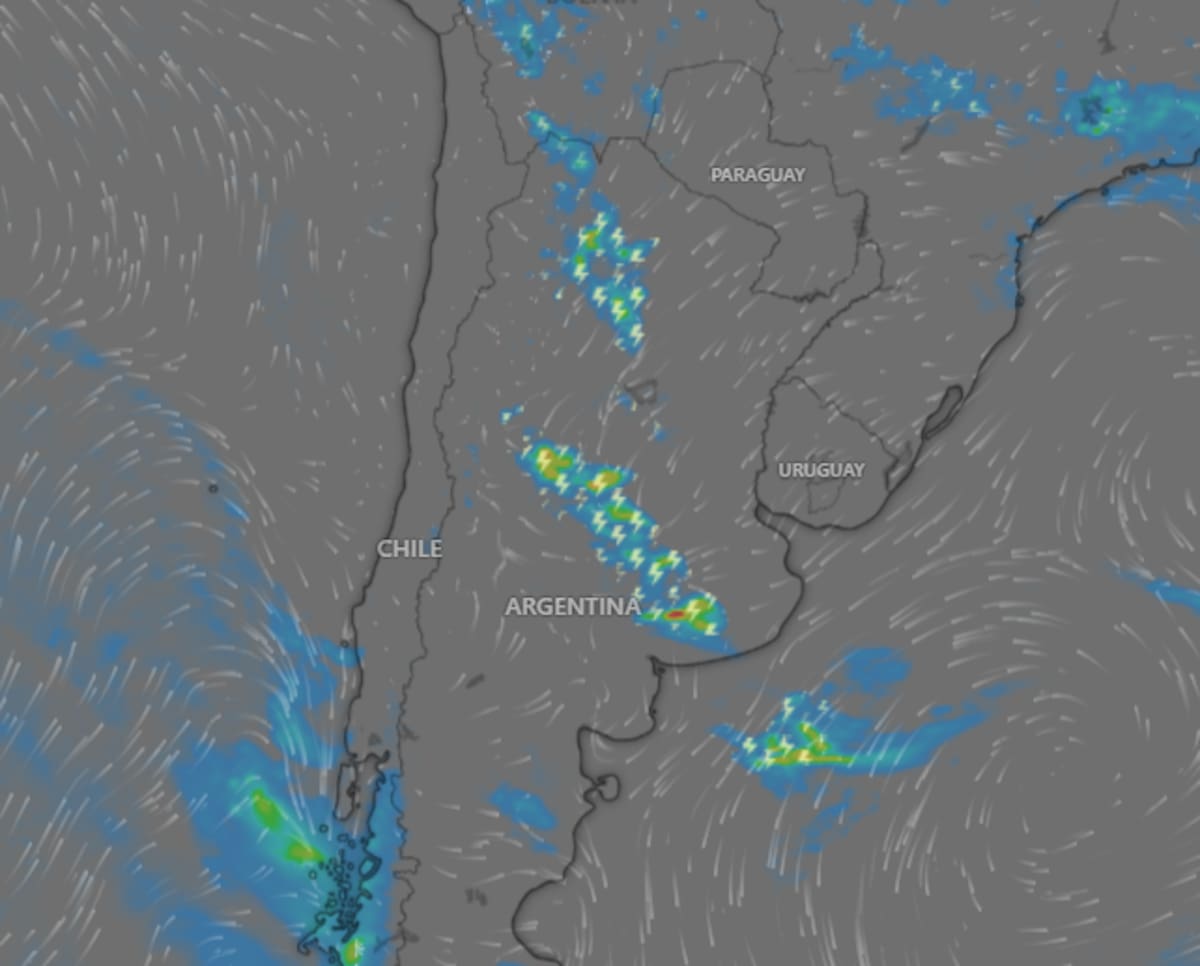
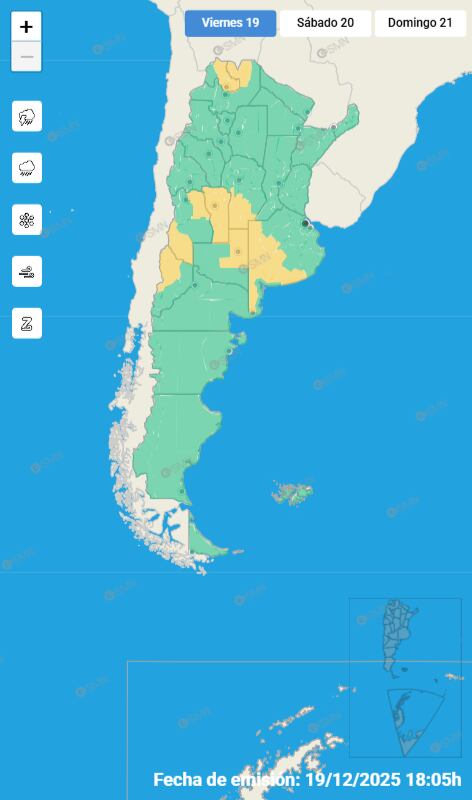 The National Meteorological Service warned of adverse conditions in various regions of the country; in the City, the temperature will be around 25°C.


 The aristocrat, an expert in style and fashion, poses for ¡Hola! from the luxurious city of the Middle East