
HRF’s Bitcoin Development Fund Supports 20 Projects Worldwide
The Human Rights Foundation (@HRF) is pleased to announce 1 billion satoshis in grants from its Bitcoin Development Fund (BDF) ( ). This round of grants supports projects advancing open-source development, censorship-resistant communications, mining decentralization, and financial privacy for the more than 5.9 billion people living under authoritarian regimes. Other grantee projects will improve the core protocol, pilot Bitcoin for dissident support, and provide community education programs across Asia, Africa, and Latin America. These efforts strengthen the global freedom technology ecosystem, helping dissidents, journalists, nonprofits, and everyday citizens to connect, organize, and achieve financial sovereignty in the face of repression.
HRF’s grantees for the third quarter of 2025 include:
Nymius
Bitcoin’s transparent ledger is essential to its design, but it also exposes dissidents to surveillance from authoritarian states seeking to monitor transactions and networks. Silent Payments enables individuals to receive Bitcoin through unique, one-time addresses derived from a static public key, but its effectiveness depends on wallet adoption. Nymius, a @Bitcoin Dev Kit contributor, will integrate Silent Payments into the BDK. With this grant, dozens of wallets and applications built with the BDK will be able to offer users greater financial privacy.
Daniela Brozzoni
Bitcoin nodes (computers running the Bitcoin software) reveal user metadata when connecting with one another. This opens the door for regimes or hackers to track or isolate activists and dissidents running Bitcoin nodes. Nostr:npub1yrvghtsv8rnyquneu65rx59fx8n3fuqntcqnaf9pk98ex6mlat2sjk8nmj is a Bitcoin Core developer who has been researching this vulnerability and publishing mitigation proposals to counter the tactics. With this grant, she will gather community feedback and implement fixes to make the network safer.
Build on Bitcoin (BOB) Buidlers Residency
Every day, users often find freedom technologies difficult to use, which limits their accessibility and impact. @BOBSpace_BKK in Bangkok has supported three cohorts of free and open-source developers to advance Bitcoin’s privacy, decentralization, and mining. With HRF’s funding, a fourth cohort of four developers will improve usability across Bitcoin, Lightning, nostr, and ecash, making freedom tech more accessible to those who need it most.
2140 Foundation
Bitcoin developers, especially those in autocratic countries, often struggle with burnout, isolation, and a lack of incentives to complete long-term projects. The 2140 Foundation (
). This round of grants supports projects advancing open-source development, censorship-resistant communications, mining decentralization, and financial privacy for the more than 5.9 billion people living under authoritarian regimes. Other grantee projects will improve the core protocol, pilot Bitcoin for dissident support, and provide community education programs across Asia, Africa, and Latin America. These efforts strengthen the global freedom technology ecosystem, helping dissidents, journalists, nonprofits, and everyday citizens to connect, organize, and achieve financial sovereignty in the face of repression.
HRF’s grantees for the third quarter of 2025 include:
Nymius
Bitcoin’s transparent ledger is essential to its design, but it also exposes dissidents to surveillance from authoritarian states seeking to monitor transactions and networks. Silent Payments enables individuals to receive Bitcoin through unique, one-time addresses derived from a static public key, but its effectiveness depends on wallet adoption. Nymius, a @Bitcoin Dev Kit contributor, will integrate Silent Payments into the BDK. With this grant, dozens of wallets and applications built with the BDK will be able to offer users greater financial privacy.
Daniela Brozzoni
Bitcoin nodes (computers running the Bitcoin software) reveal user metadata when connecting with one another. This opens the door for regimes or hackers to track or isolate activists and dissidents running Bitcoin nodes. Nostr:npub1yrvghtsv8rnyquneu65rx59fx8n3fuqntcqnaf9pk98ex6mlat2sjk8nmj is a Bitcoin Core developer who has been researching this vulnerability and publishing mitigation proposals to counter the tactics. With this grant, she will gather community feedback and implement fixes to make the network safer.
Build on Bitcoin (BOB) Buidlers Residency
Every day, users often find freedom technologies difficult to use, which limits their accessibility and impact. @BOBSpace_BKK in Bangkok has supported three cohorts of free and open-source developers to advance Bitcoin’s privacy, decentralization, and mining. With HRF’s funding, a fourth cohort of four developers will improve usability across Bitcoin, Lightning, nostr, and ecash, making freedom tech more accessible to those who need it most.
2140 Foundation
Bitcoin developers, especially those in autocratic countries, often struggle with burnout, isolation, and a lack of incentives to complete long-term projects. The 2140 Foundation ( ), founded by open-source developers Josie Baker and Ruben Somsen, is a co-working space in Amsterdam that provides mentorship, collaboration, and employment to global contributors advancing Bitcoin’s long-term security, resilience, and scalability. With HRF funding, the foundation will support the work of developers from authoritarian states to strengthen Bitcoin as a human rights tool.
Cashu for Community Sovereignty
In many parts of Latin America, governments restrict financial flows by blocking payments, freezing accounts, and, at times, disrupting internet access. Cashu for Community Sovereignty, founded by @Forte11 ⚡🇨🇺, addresses this with ecash, which enables quick and private payments that even work offline. The initiative will train 10 communities in authoritarian environments to deploy Cashu mints and Lightning Network nodes. With this funding, communities facing repression will develop a stronger infrastructure for financial freedom.
Bhartiya Bitcoin
As India advances a central bank digital currency (CBDC) and financially represses political opposition, Bitcoin offers a path to financial freedom. However, education is often inaccessible to non-English speakers. Bhartiya Bitcoin produces free, culturally relevant Bitcoin content in Hindi, Marwari, Sindhi, and Assamese. With HRF support, Bhartiya Bitcoin will expand into Marathi, Bengali, Gujarati, Kannada, and Malayalam to make Bitcoin more accessible to the more than 1.4 billion people living under increasingly autocratic rule in India.
Bitcoin Education for Lebanon’s Liberty & Empowerment (BELLE)
In Lebanon, a collapsing currency, banking restrictions, and asset confiscations have stripped people of financial stability. The Lebanese Institute for Market Studies (
), founded by open-source developers Josie Baker and Ruben Somsen, is a co-working space in Amsterdam that provides mentorship, collaboration, and employment to global contributors advancing Bitcoin’s long-term security, resilience, and scalability. With HRF funding, the foundation will support the work of developers from authoritarian states to strengthen Bitcoin as a human rights tool.
Cashu for Community Sovereignty
In many parts of Latin America, governments restrict financial flows by blocking payments, freezing accounts, and, at times, disrupting internet access. Cashu for Community Sovereignty, founded by @Forte11 ⚡🇨🇺, addresses this with ecash, which enables quick and private payments that even work offline. The initiative will train 10 communities in authoritarian environments to deploy Cashu mints and Lightning Network nodes. With this funding, communities facing repression will develop a stronger infrastructure for financial freedom.
Bhartiya Bitcoin
As India advances a central bank digital currency (CBDC) and financially represses political opposition, Bitcoin offers a path to financial freedom. However, education is often inaccessible to non-English speakers. Bhartiya Bitcoin produces free, culturally relevant Bitcoin content in Hindi, Marwari, Sindhi, and Assamese. With HRF support, Bhartiya Bitcoin will expand into Marathi, Bengali, Gujarati, Kannada, and Malayalam to make Bitcoin more accessible to the more than 1.4 billion people living under increasingly autocratic rule in India.
Bitcoin Education for Lebanon’s Liberty & Empowerment (BELLE)
In Lebanon, a collapsing currency, banking restrictions, and asset confiscations have stripped people of financial stability. The Lebanese Institute for Market Studies ( ) is launching BELLE, a project to teach political activists and youth to use Bitcoin to preserve their purchasing power. With HRF support, BELLE will provide Arabic-language workshops, educational videos, and media outreach to strengthen individuals' ability to resist financial repression and secure their financial futures.
Bitcoin Arusha
Tanzania’s government restricts the use of foreign currency and limits dissidents’ banking access, while the local currency depreciates, leaving many citizens trapped in a cycle of poverty. To alleviate this, @BITCOIN ARUSHA provides culturally rooted, Swahili-language Bitcoin education in northern Tanzania through music, dance, and events. HRF support will strengthen Bitcoin Arusha’s resilience and empower communities through economic opportunities.
Bitcoin for Fairness
Human rights defenders and non-governmental organizations (NGOs) often lack the knowledge to use Bitcoin to bypass repressive financial restrictions. @Bitcoin for Fairness is an educational initiative that disseminates Bitcoin knowledge to the global majority. In 2026, BFF will focus its initiatives in Zimbabwe, Mozambique, and Zambia – countries scarred by currency crises and periods of one-party rule – and deliver workshops, micro-seed funding, mentorship, and educator training. With HRF funding, BFF will empower activists and civic organizations in Southern Africa with censorship-resistant, permissionless financial tools.
Exile Hub
Burma’s military junta uses financial repression, exile, and imprisonment to crush peaceful resistance. Exile Hub’s Bitcoin for Exiles (https://www.exilehub.org/) initiative will pilot a Bitcoin-based financial autonomy program designed to meet the needs of Burma’s democratic movement. With HRF support, the program will offer training, privacy-focused toolkits, and workshops to equip dissidents within Burma and in exile with the tools to survive, organize, and resist the junta’s financial repression.
Pluto Mining
Today, most Bitcoin mining hardware relies on closed-source software that can expose user data and create dependence on third parties. Pluto Mining (
) is launching BELLE, a project to teach political activists and youth to use Bitcoin to preserve their purchasing power. With HRF support, BELLE will provide Arabic-language workshops, educational videos, and media outreach to strengthen individuals' ability to resist financial repression and secure their financial futures.
Bitcoin Arusha
Tanzania’s government restricts the use of foreign currency and limits dissidents’ banking access, while the local currency depreciates, leaving many citizens trapped in a cycle of poverty. To alleviate this, @BITCOIN ARUSHA provides culturally rooted, Swahili-language Bitcoin education in northern Tanzania through music, dance, and events. HRF support will strengthen Bitcoin Arusha’s resilience and empower communities through economic opportunities.
Bitcoin for Fairness
Human rights defenders and non-governmental organizations (NGOs) often lack the knowledge to use Bitcoin to bypass repressive financial restrictions. @Bitcoin for Fairness is an educational initiative that disseminates Bitcoin knowledge to the global majority. In 2026, BFF will focus its initiatives in Zimbabwe, Mozambique, and Zambia – countries scarred by currency crises and periods of one-party rule – and deliver workshops, micro-seed funding, mentorship, and educator training. With HRF funding, BFF will empower activists and civic organizations in Southern Africa with censorship-resistant, permissionless financial tools.
Exile Hub
Burma’s military junta uses financial repression, exile, and imprisonment to crush peaceful resistance. Exile Hub’s Bitcoin for Exiles (https://www.exilehub.org/) initiative will pilot a Bitcoin-based financial autonomy program designed to meet the needs of Burma’s democratic movement. With HRF support, the program will offer training, privacy-focused toolkits, and workshops to equip dissidents within Burma and in exile with the tools to survive, organize, and resist the junta’s financial repression.
Pluto Mining
Today, most Bitcoin mining hardware relies on closed-source software that can expose user data and create dependence on third parties. Pluto Mining ( ) is the first open-source mining fleet management platform that gives miners control over their operations without third-party dependence. With HRF support, Pluto will empower individuals in repressive environments to mine Bitcoin privately, independently, and securely, further decentralizing the Bitcoin network.
WantClue
Bitcoin mining is dominated by industrial operations that use proprietary hardware and software. Over time, this could put Bitcoin’s decentralization and accessibility at risk. Bitaxe (
) is the first open-source mining fleet management platform that gives miners control over their operations without third-party dependence. With HRF support, Pluto will empower individuals in repressive environments to mine Bitcoin privately, independently, and securely, further decentralizing the Bitcoin network.
WantClue
Bitcoin mining is dominated by industrial operations that use proprietary hardware and software. Over time, this could put Bitcoin’s decentralization and accessibility at risk. Bitaxe (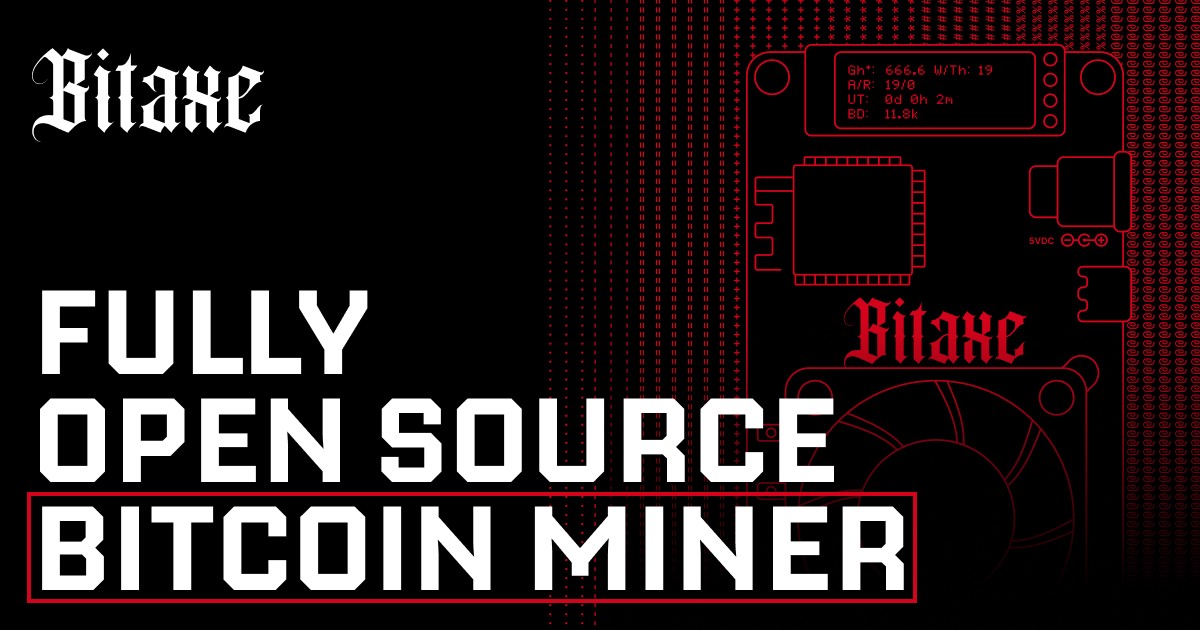 ) counters this trend by providing an affordable and open-source miner for individuals. Nostr:npub1vwf2mytkyk22x2gcmr9d7ktprakh6llwpzxqlke8rlv5j0qyx2esf2lxtw maintains the Bitaxe firmware and produces educational content that makes mining more accessible to dissidents and individuals in closed societies. With HRF support, WantClue will strengthen mining decentralization and expand access to self-sovereign financial infrastructure for those under repression.
Peter Tyonum
Developers in adverse political and economic environments need accessible and secure wallet software infrastructure to build freedom tools. Developer @tvpeter contributes to the @Bitcoin Dev Kit , which abstracts wallet software into usable plug-and-play components and makes it easier for developers to create censorship-resistant tools. With this grant, Tyonum will continue to help developers worldwide create accessible, permissionless Bitcoin applications.
BitScript
An inclusive developer base is essential to Bitcoin’s long-term decentralization. BitScript (
) counters this trend by providing an affordable and open-source miner for individuals. Nostr:npub1vwf2mytkyk22x2gcmr9d7ktprakh6llwpzxqlke8rlv5j0qyx2esf2lxtw maintains the Bitaxe firmware and produces educational content that makes mining more accessible to dissidents and individuals in closed societies. With HRF support, WantClue will strengthen mining decentralization and expand access to self-sovereign financial infrastructure for those under repression.
Peter Tyonum
Developers in adverse political and economic environments need accessible and secure wallet software infrastructure to build freedom tools. Developer @tvpeter contributes to the @Bitcoin Dev Kit , which abstracts wallet software into usable plug-and-play components and makes it easier for developers to create censorship-resistant tools. With this grant, Tyonum will continue to help developers worldwide create accessible, permissionless Bitcoin applications.
BitScript
An inclusive developer base is essential to Bitcoin’s long-term decentralization. BitScript ( ), a free, open-source Bitcoin developer education program, trains developers in authoritarian and inflationary environments across Latin America and Africa to build protocol-level freedom technologies. Global development helps ensure that Bitcoin serves as a lifeline for people facing repression. HRF’s grant will help BitScript democratize protocol knowledge to ensure the network reflects global needs.
Code Orange Dev School
Many regions lack the technical education to build, maintain, and use Bitcoin. To address this, the @Code Orange Dev School in Indonesia teaches developers and individuals across Asia to contribute to open-source Bitcoin projects, run nodes, and use privacy-enhancing tools like ecash, fedimint, and nostr. HRF’s support will help equip communities with tools to resist authoritarianism.
Demo Lab
As authoritarian governments in Latin America tighten their grip on financial and political power, there is an urgent need for civic and financial education. Demo Lab’s @Freedom Academy introduces Bitcoin as a tool for financial independence and teaches practical skills for saving and transacting securely. Through this grant, the Freedom Academy will prepare the next generation of Latin Americans to defend democracy and achieve economic sovereignty.
Nostr under Autocracy
In Venezuela, Nicolás Maduro's brutal dictatorship restricts traditional communication channels, prevents journalists from exposing the regime’s brutality, and financially suppresses civil society. Nostr under Autocracy, led by democracy activist Jesús González (
), a free, open-source Bitcoin developer education program, trains developers in authoritarian and inflationary environments across Latin America and Africa to build protocol-level freedom technologies. Global development helps ensure that Bitcoin serves as a lifeline for people facing repression. HRF’s grant will help BitScript democratize protocol knowledge to ensure the network reflects global needs.
Code Orange Dev School
Many regions lack the technical education to build, maintain, and use Bitcoin. To address this, the @Code Orange Dev School in Indonesia teaches developers and individuals across Asia to contribute to open-source Bitcoin projects, run nodes, and use privacy-enhancing tools like ecash, fedimint, and nostr. HRF’s support will help equip communities with tools to resist authoritarianism.
Demo Lab
As authoritarian governments in Latin America tighten their grip on financial and political power, there is an urgent need for civic and financial education. Demo Lab’s @Freedom Academy introduces Bitcoin as a tool for financial independence and teaches practical skills for saving and transacting securely. Through this grant, the Freedom Academy will prepare the next generation of Latin Americans to defend democracy and achieve economic sovereignty.
Nostr under Autocracy
In Venezuela, Nicolás Maduro's brutal dictatorship restricts traditional communication channels, prevents journalists from exposing the regime’s brutality, and financially suppresses civil society. Nostr under Autocracy, led by democracy activist Jesús González ( ), will train Venezuelan activists and human rights defenders to use the open-source nostr protocol for private, censorship-resistant communication and payments. With HRF support, this project will help Venezuelan dissidents speak freely online and build movements to resist Maduro’s digital and financial repression.
KernelKind
Dictators restrict communication, manipulate online content, and restrict dissidents’ financial access to silence dissent. @KernelKind is contributing to Notedeck a Nostr browser created by Damus that makes it easier to build censorship-resistant apps with integrated Bitcoin payments. Its first app, Columns, introduces modular feeds and a marketplace for user-controlled algorithms, while Dmail will enable private, decentralized messaging with email interoperability. With this grant, Notedeck will continue to merge censorship-resistant communication with financial freedom and foster an ecosystem of apps for dissident communications and transactions.
Eric Holguin
Many people living under authoritarian regimes face censorship, Internet shutdowns, and frozen bank accounts that cut them off from communication and commerce. Nostr developer @eric is working to build censorship-resistant apps with integrated Bitcoin payments by contributing to Damus and Nostr projects that empower individuals to communicate and transact without centralized control. With this grant, he will continue expanding free speech and financial freedom tools for people resisting repression worldwide.
Craig Warmke and Troy Cross
As authoritarian regimes expand financial surveillance and roll out central bank digital currencies (CBDCs), many people remain dangerously unaware of their risks to individual liberties. Transactional Freedom, a forthcoming book co-written by philosophers @Craig Warmke and @Troy Cross, makes the moral and legal case for recognizing a universal and constitutional right to transact. With HRF support, Warmke and Cross will examine financial repression in authoritarian regimes and its impact on human rights, activism, and financial freedom.
About BDF
BDF supports individuals and projects that make Bitcoin and related freedom technologies more powerful tools for human rights defenders operating in challenging political and financial environments. Since launching in 2020, BDF has grantedifted $9.6 million in BTC to 319 projects across 62 countries worldwide.
Learn more about BDF on our website ().
HRF is a registered 501(c)(3) nonprofit organization. Donations are tax-deductible to the fullest extent allowable by law. Gifts can be made at HRF.org/DevFund, and proposals for support can be submitted to
), will train Venezuelan activists and human rights defenders to use the open-source nostr protocol for private, censorship-resistant communication and payments. With HRF support, this project will help Venezuelan dissidents speak freely online and build movements to resist Maduro’s digital and financial repression.
KernelKind
Dictators restrict communication, manipulate online content, and restrict dissidents’ financial access to silence dissent. @KernelKind is contributing to Notedeck a Nostr browser created by Damus that makes it easier to build censorship-resistant apps with integrated Bitcoin payments. Its first app, Columns, introduces modular feeds and a marketplace for user-controlled algorithms, while Dmail will enable private, decentralized messaging with email interoperability. With this grant, Notedeck will continue to merge censorship-resistant communication with financial freedom and foster an ecosystem of apps for dissident communications and transactions.
Eric Holguin
Many people living under authoritarian regimes face censorship, Internet shutdowns, and frozen bank accounts that cut them off from communication and commerce. Nostr developer @eric is working to build censorship-resistant apps with integrated Bitcoin payments by contributing to Damus and Nostr projects that empower individuals to communicate and transact without centralized control. With this grant, he will continue expanding free speech and financial freedom tools for people resisting repression worldwide.
Craig Warmke and Troy Cross
As authoritarian regimes expand financial surveillance and roll out central bank digital currencies (CBDCs), many people remain dangerously unaware of their risks to individual liberties. Transactional Freedom, a forthcoming book co-written by philosophers @Craig Warmke and @Troy Cross, makes the moral and legal case for recognizing a universal and constitutional right to transact. With HRF support, Warmke and Cross will examine financial repression in authoritarian regimes and its impact on human rights, activism, and financial freedom.
About BDF
BDF supports individuals and projects that make Bitcoin and related freedom technologies more powerful tools for human rights defenders operating in challenging political and financial environments. Since launching in 2020, BDF has grantedifted $9.6 million in BTC to 319 projects across 62 countries worldwide.
Learn more about BDF on our website ().
HRF is a registered 501(c)(3) nonprofit organization. Donations are tax-deductible to the fullest extent allowable by law. Gifts can be made at HRF.org/DevFund, and proposals for support can be submitted to  .
Follow @HRF for more updates on this project and all of our other programs designed to promote freedom and human rights around the world.
.
Follow @HRF for more updates on this project and all of our other programs designed to promote freedom and human rights around the world.
Human Rights Foundation
Bitcoin Development Fund
Who We Fund Software developers focused on enhancing Bitcoin and related freedom technologies’ privacy, security, and decentralization. Human rig...
2140
2140 is a European non-profit organization (NGO) dedicated to supporting Bitcoin research and development.
LIMS
Home
Pluto Mining
Your own Home mining center - Pluto brings Bitcoin mining back to the individual, fostering resilience, accessibility, and economic freedom through...
Bitaxe
Fully Open-source bitcoin miner. Developers, miners, and enthusiasts can boost performance and security. Open-source hardware allows custom modific...
BitScript - Bitcoin Development Environment
Our NorthStar is to scale the programming layer of Bitcoin by introducing & supporting developers to the ecosystem through educational on-boarding ...
X (formerly Twitter)
Jesús González (@JesusGonzalezS) on X
Venezuela será libre🇻🇪 Mi canal 👇🏻
Human Rights Foundation
Bitcoin Development Fund
Who We Fund Software developers focused on enhancing Bitcoin and related freedom technologies’ privacy, security, and decentralization. Human rig...
HRF Bitcoin Development Fund Grant Application Form | monday.com forms
From campaigns to creatives, lead generation & more, manage every request, contact or feedback with monday.com forms
 Over the years from my time @CcHUB, I’ve listened to thousands of pitches, and I’ve developed a kind of sixth sense for sniffing out what’s truly original versus what’s just a repackaged version of an existing idea.
So, how do I separate the game-changers from the "me-too" projects? Here’s what goes through my mind (sometimes subconsciously) when evaluating a pitch:
1. The Person Behind the Idea
Who’s driving this? What’s their story, their values, their integrity? A founder’s authenticity and commitment often determine whether a project will succeed or flop. I pay attention not just to what’s said, but also to what’s not said—the nuances matter.
2. The "Why" Behind the Project
Why did the founder choose this problem? The more personal the connection to the issue, the more convinced I am that they’ll stick with it when things get tough. Passion rooted in lived experience beats a generic "I saw a gap in the market" or “It came to me in the shower” every time.
3. The Solution (and Whether It Actually Solves the Problem)
This might sound obvious, but so many solutions are built before the problem is fully understood. I look for ideas that directly address a well-researched, validated need—and a clear theory of change that explains how the solution tackles the problem. No hand-waving, just logic.
4. Progress Made So Far
What have you done with little or no funding? If my grant is the only thing standing between your idea and oblivion, that’s a red flag. I love seeing scrappy, resourceful founders who’ve already made headway—it tells me they’re in it for the long haul.
5. The Right Founder for the Right Audience
Do you really know the people you’re serving? And are you the best person to serve them? If your answer is "this project is for everyone," I’m probably not interested. Impact is about depth, not breadth.
6. A Vision for Success (and Obsolescence)
How will the world be different if you succeed? And—just as important—what’s your plan to not be needed forever? The best solutions aim to solve a problem so thoroughly that they eventually work themselves out of a job.
Of course, these aren’t hard-and-fast rules, and sometimes great projects slip through the cracks. But with limited time and funding, I’d rather bet on ideas that check these boxes—because they’re the ones most likely to create real, lasting change.
What do you think? What’s your approach to spotting original (and fundable) ideas?
Over the years from my time @CcHUB, I’ve listened to thousands of pitches, and I’ve developed a kind of sixth sense for sniffing out what’s truly original versus what’s just a repackaged version of an existing idea.
So, how do I separate the game-changers from the "me-too" projects? Here’s what goes through my mind (sometimes subconsciously) when evaluating a pitch:
1. The Person Behind the Idea
Who’s driving this? What’s their story, their values, their integrity? A founder’s authenticity and commitment often determine whether a project will succeed or flop. I pay attention not just to what’s said, but also to what’s not said—the nuances matter.
2. The "Why" Behind the Project
Why did the founder choose this problem? The more personal the connection to the issue, the more convinced I am that they’ll stick with it when things get tough. Passion rooted in lived experience beats a generic "I saw a gap in the market" or “It came to me in the shower” every time.
3. The Solution (and Whether It Actually Solves the Problem)
This might sound obvious, but so many solutions are built before the problem is fully understood. I look for ideas that directly address a well-researched, validated need—and a clear theory of change that explains how the solution tackles the problem. No hand-waving, just logic.
4. Progress Made So Far
What have you done with little or no funding? If my grant is the only thing standing between your idea and oblivion, that’s a red flag. I love seeing scrappy, resourceful founders who’ve already made headway—it tells me they’re in it for the long haul.
5. The Right Founder for the Right Audience
Do you really know the people you’re serving? And are you the best person to serve them? If your answer is "this project is for everyone," I’m probably not interested. Impact is about depth, not breadth.
6. A Vision for Success (and Obsolescence)
How will the world be different if you succeed? And—just as important—what’s your plan to not be needed forever? The best solutions aim to solve a problem so thoroughly that they eventually work themselves out of a job.
Of course, these aren’t hard-and-fast rules, and sometimes great projects slip through the cracks. But with limited time and funding, I’d rather bet on ideas that check these boxes—because they’re the ones most likely to create real, lasting change.
What do you think? What’s your approach to spotting original (and fundable) ideas?
 About 2.5 years ago, I embarked on a transformative journey into the world of Bitcoin, and it all started with a simple conversation.
The Spark: A Recommendation Request
I was asked to recommend someone to run operations for Qala, a new program designed to train African software engineers for careers in Bitcoin development.
Up until that moment, I only knew of Bitcoin as a digital currency and investment asset but had no idea about the technology or the community of developers behind it.
The recommendation request triggered my curiosity. After all, how could I recommend someone for something I didn’t fully understand?
Little did I know that this would be the beginning of an exciting journey down the Bitcoin rabbit hole.
A New Realization
I began by downloading The Bitcoin Standard and diving into a few blogs.
The more I read, the more I realized just how vast and revolutionary the Bitcoin ecosystem really was.
It is not just a digital asset; it is an alternative to our broken global monetary system, a system I believed is responsible for many of the challenges facing my beloved Africa.
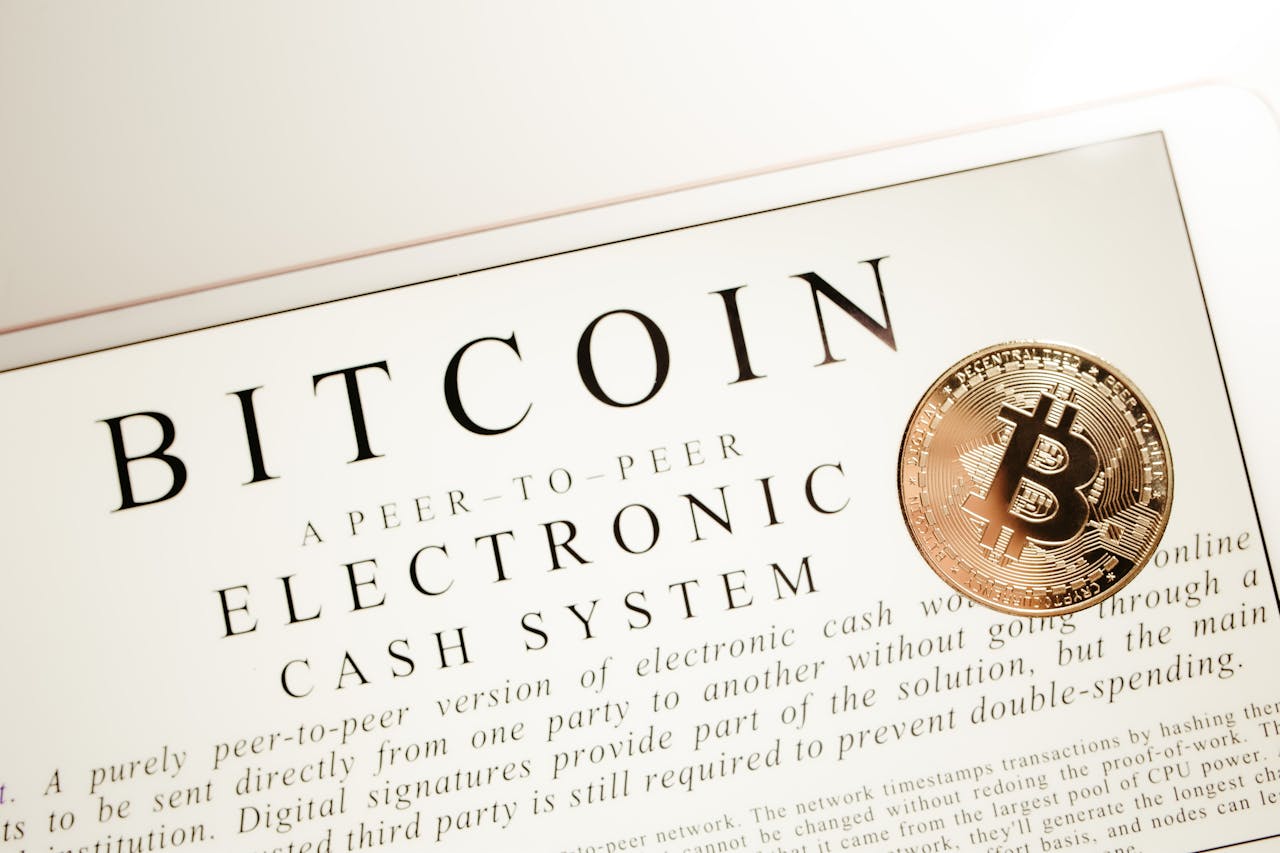
Bitcoin, Satoshi Nakamoto's peer-to-peer electronic cash system, offers a way out. But for Africa to benefit, we have to engage this new technology as producers, not just consumers—unlike how we have engaged previous waves of technology.
Qala was aiming to equip Africans with the skills to become value creators in the Bitcoin space, but it needed the right leadership and guidance.
Perfect Alignment: My Background in Learning and Development
Having recently stepped away from day-to-day operations at CcHub, I had completed a research-based Master’s in Learning Science at the Paris University School of Interdisciplinary Research. My research & thesis focused on what motivates young adults in Africa to engage in informal learning.
This new Bitcoin program aligned perfectly with my interests in African development, capacity building and education. It wasn’t just a good fit; it felt like a calling.
Taking the Leap
So, instead of recommending someone else for the job, I offered myself… and I got it!
To be continued…
About 2.5 years ago, I embarked on a transformative journey into the world of Bitcoin, and it all started with a simple conversation.
The Spark: A Recommendation Request
I was asked to recommend someone to run operations for Qala, a new program designed to train African software engineers for careers in Bitcoin development.
Up until that moment, I only knew of Bitcoin as a digital currency and investment asset but had no idea about the technology or the community of developers behind it.
The recommendation request triggered my curiosity. After all, how could I recommend someone for something I didn’t fully understand?
Little did I know that this would be the beginning of an exciting journey down the Bitcoin rabbit hole.
A New Realization
I began by downloading The Bitcoin Standard and diving into a few blogs.
The more I read, the more I realized just how vast and revolutionary the Bitcoin ecosystem really was.
It is not just a digital asset; it is an alternative to our broken global monetary system, a system I believed is responsible for many of the challenges facing my beloved Africa.
Bitcoin, Satoshi Nakamoto's peer-to-peer electronic cash system, offers a way out. But for Africa to benefit, we have to engage this new technology as producers, not just consumers—unlike how we have engaged previous waves of technology.
Qala was aiming to equip Africans with the skills to become value creators in the Bitcoin space, but it needed the right leadership and guidance.
Perfect Alignment: My Background in Learning and Development
Having recently stepped away from day-to-day operations at CcHub, I had completed a research-based Master’s in Learning Science at the Paris University School of Interdisciplinary Research. My research & thesis focused on what motivates young adults in Africa to engage in informal learning.
This new Bitcoin program aligned perfectly with my interests in African development, capacity building and education. It wasn’t just a good fit; it felt like a calling.
Taking the Leap
So, instead of recommending someone else for the job, I offered myself… and I got it!
To be continued…