Nina Willburger

Nina Willburger's avatar
Nina Willburger
npub17ghx...pj7j
Archaeologist | Permanent Representative of the Director, Archäologisches Landesmuseum Baden-Württemberg | Private account, views are mine. #archaeology #romanarchaeology #museum 🖖
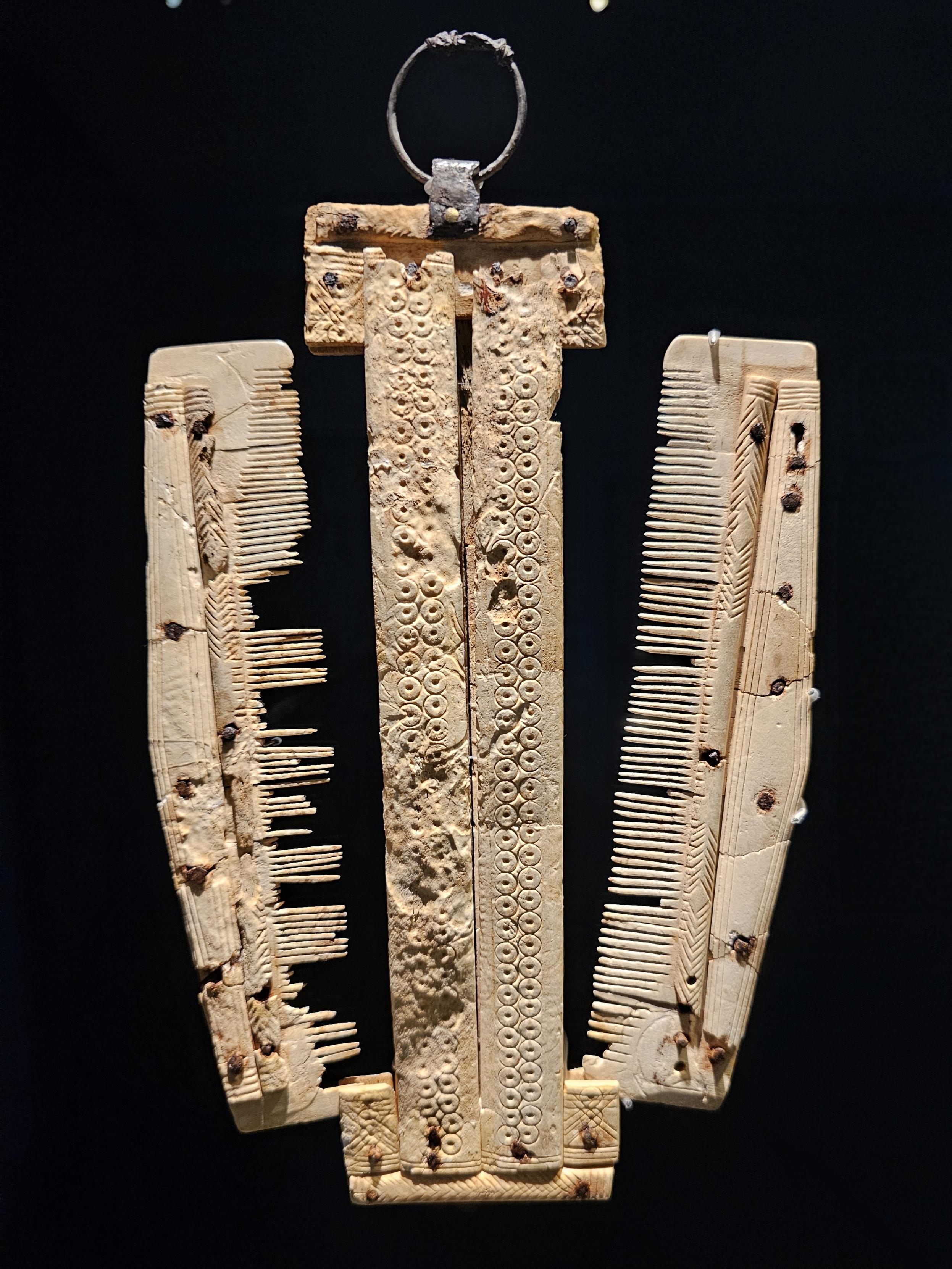
Two finely crafted bone combs from the early 6th century AD, found in a grave at Dittigheim. To protect their delicate tines, they were carefully kept in a custom-made case. In the Early Middle Ages, long, well-groomed hair was more than a fashion choice, it was a symbol of status and identity. On display at Landesmuseum Württemberg. 📷 me #archaeology image
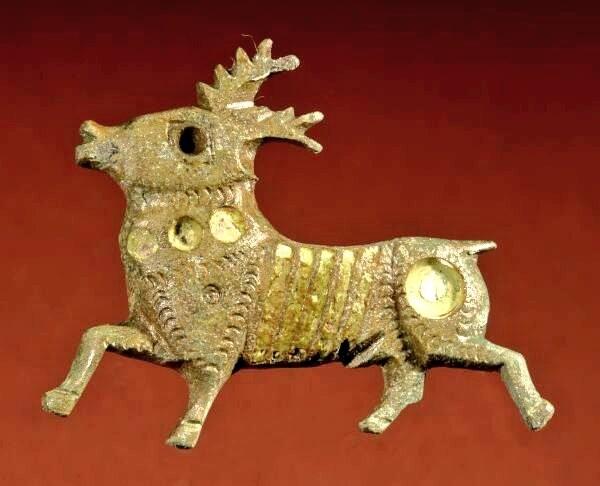
Ahead of Christmas, it feels fitting to share this Roman fibula - a decorative pin once used to fasten garments - shaped like a stag. In my Christmas-influenced imagination, it looks rather reindeerish! 🎄 Is it Dasher, Dancer, or maybe Rudolph? 🎅 From the Roman Villa at Borg, 2nd c. AD 📷 Villa Borg image
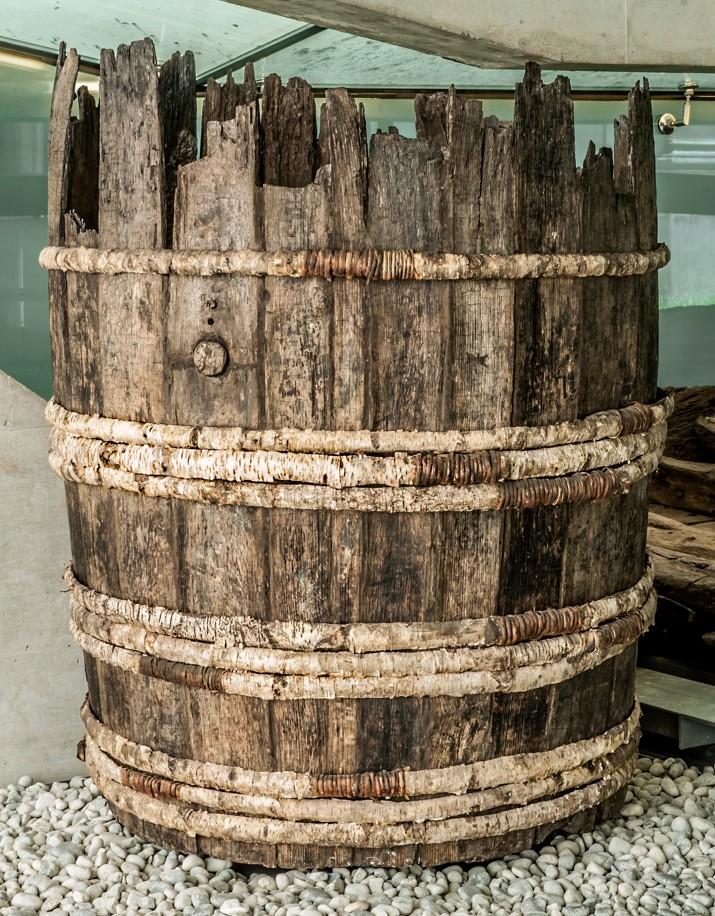
From salt to... sanitation! 🧂➡️💩 This 15th-century salt-trade barrel was repurposed as a latrine lining in #Constance. A good example of #MedievalRecycling and resourcefulness in everyday life. 📷 Archäologisches Landesmuseum Baden-Württemberg #archaeology image
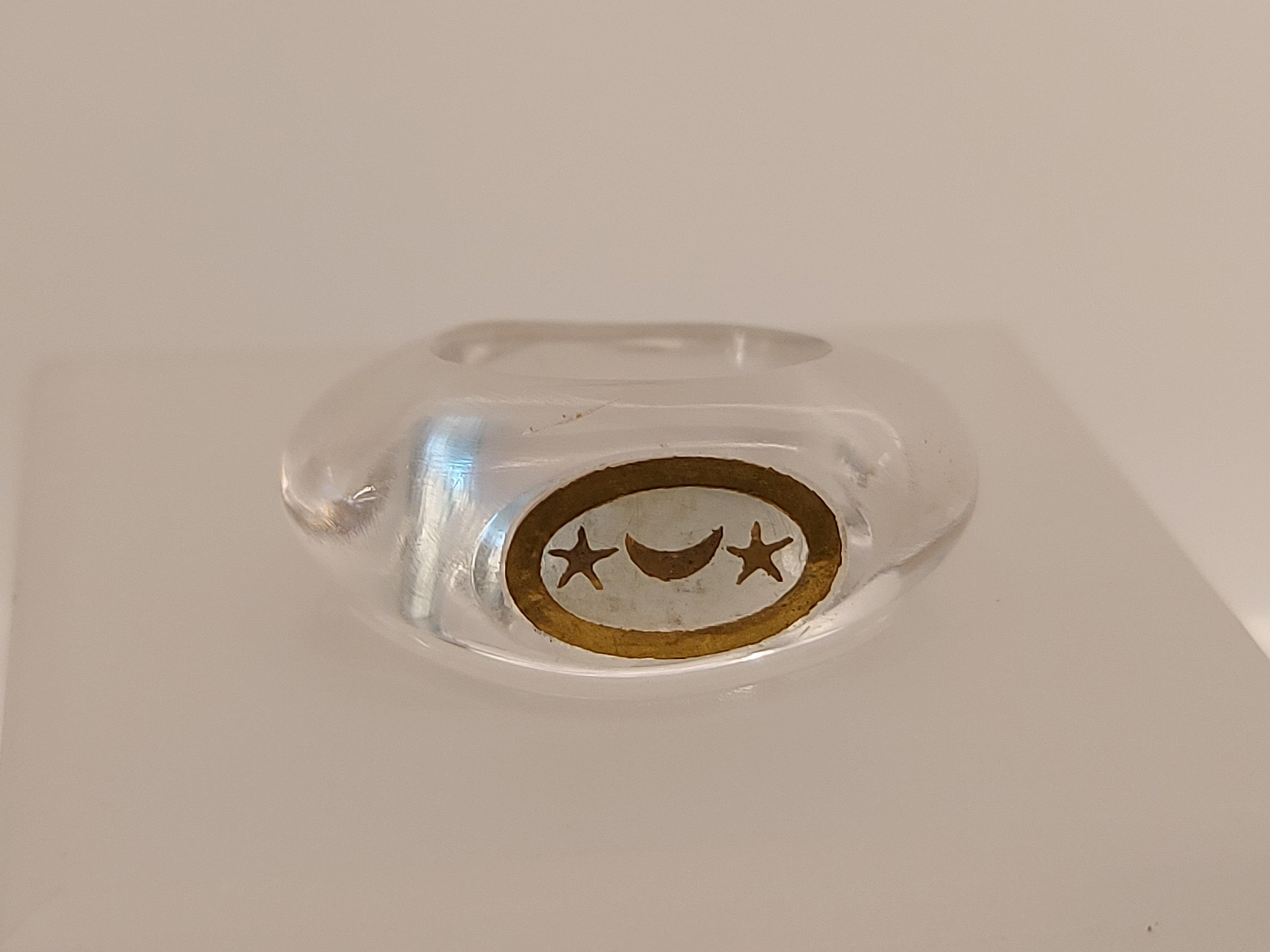
A #Roman rock crystal ring decorated with a crescent and stars inlaid with gold foil - it looks like an emoji , but for the Romans this wasn’t just decoration. The motif was associated with death: crescent and stars were symbols for eternity and afterlife. Rock crystal was valued for its transparency, it was considered it to be permanently frozen water. It was also believed to possess healing and protective properties. Found in a woman's burial in Nijmegen, dating 1st c. AD. image
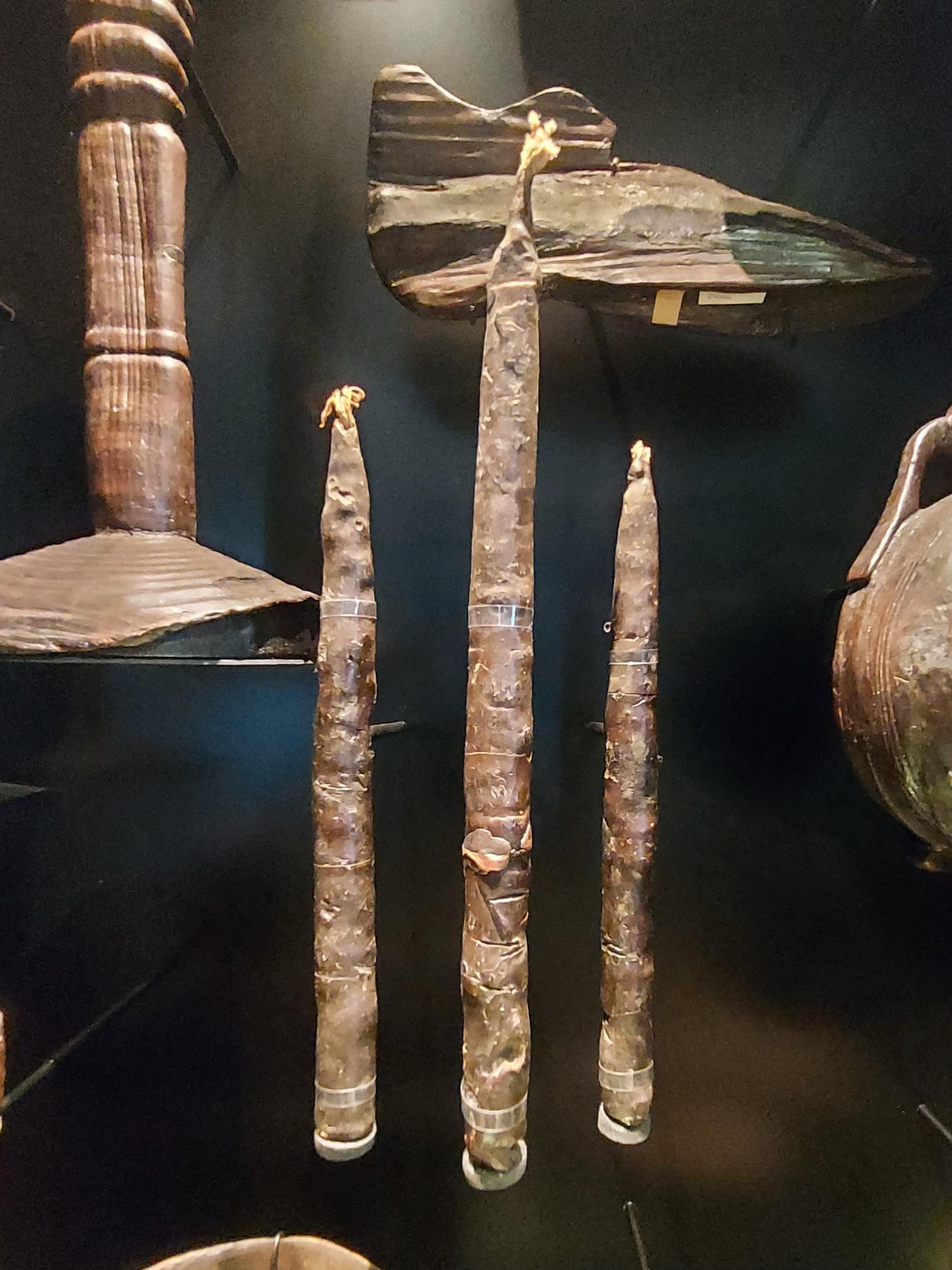
On the Third Sunday of Advent, we light three candles — a perfect occasion to share the oldest preserved candles found north of the Alps. The candles were made from beeswax around 1,400 years ago. They were found in the early #medieval burial site in Oberflacht. The damp environment preserved them in good condition. . On display at Landesmuseum Württemberg 📷 me image
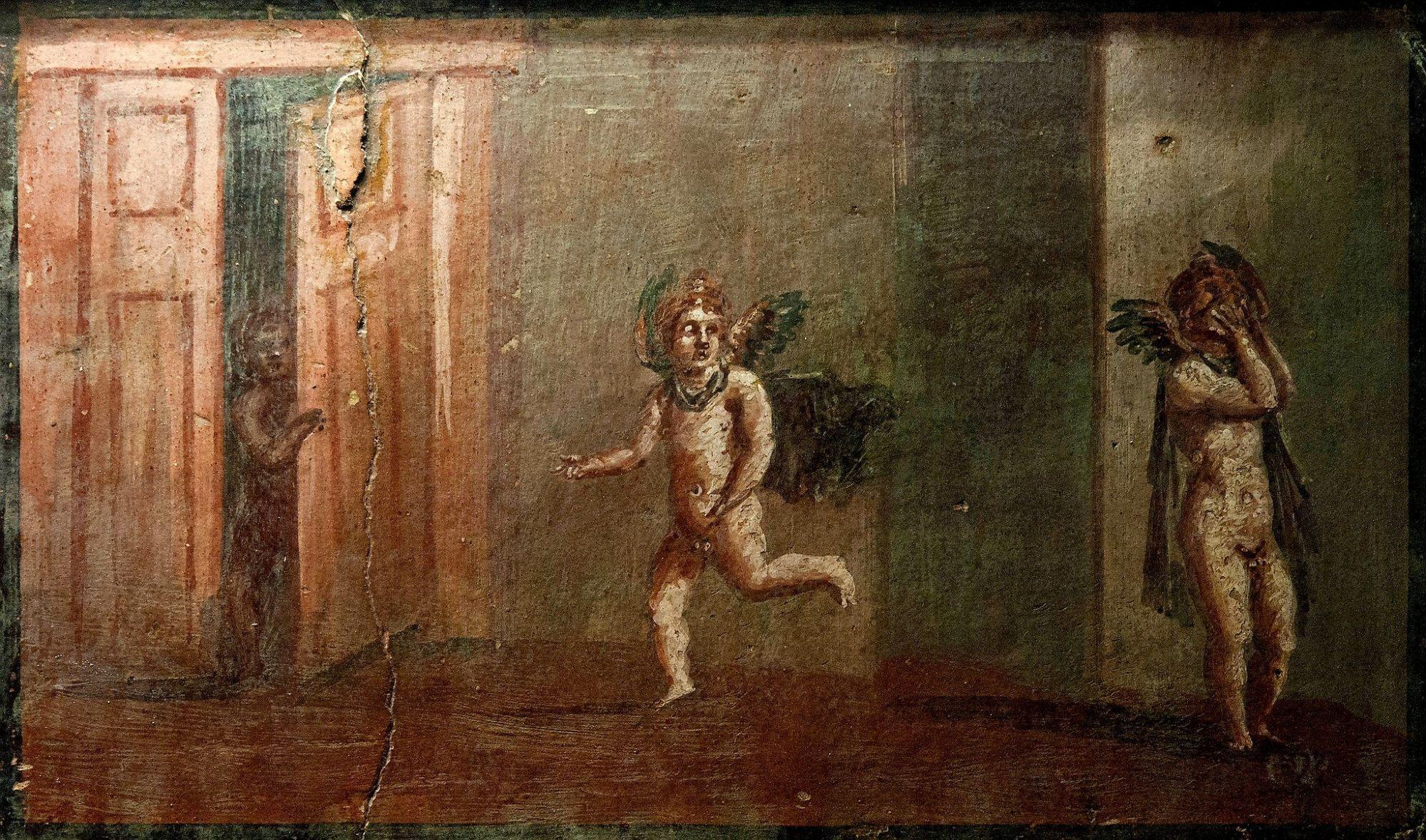
For #FrescoFriday a #Roman wall painting from the Casa dei Cervi, Herculaneum, depicting Cupids playing hide and seek. I especially like the one who covers his eyes - some things haven't changed since Roman times! In Roman wall painting of the 1st c. AD, scenes depicting Cupid in everyday activities were very popular. The fresco dates 50/60 AD. Now at Museo Archeologico Nazionale. 📷 Egisto Sani https://www.flickr.com/photos/69716881@N02/8246684773/ #archaeology #RomanArchaeology image
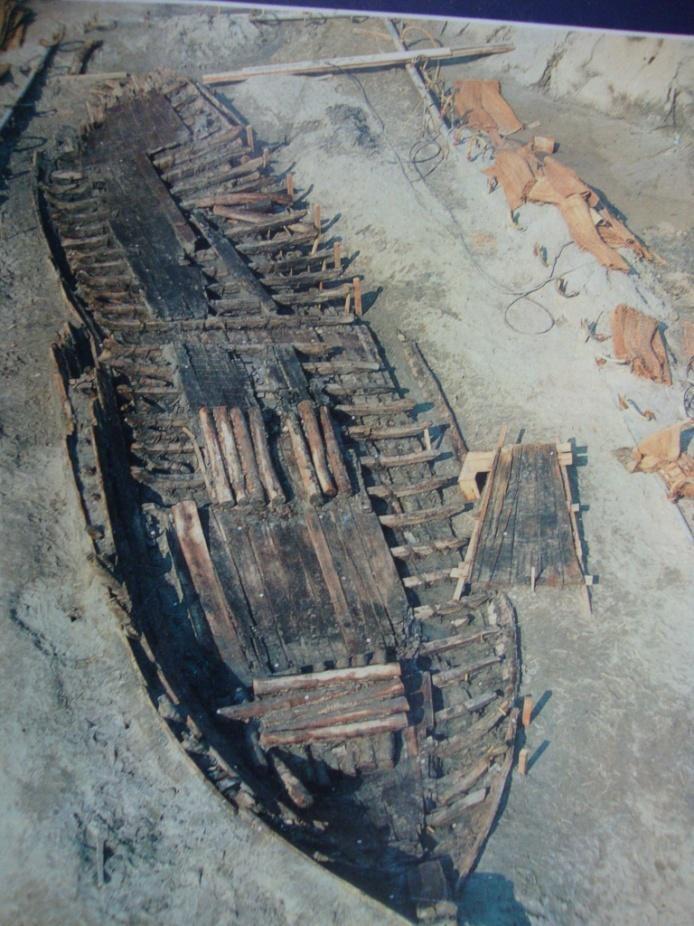
The Roman shipwreck at Comacchio, Italy, is over 21 m long and 5.62 m wide. It was discovered in 1980 during the maintenance of a drainage canal. The vessel was loaded with amphorae, lead ingots, and boxwood logs. It dates to the 1st c. BC. 📷Soprintendenza per i Beni Archeologici Emilia Romagna #archaeology #romanarchaeology image
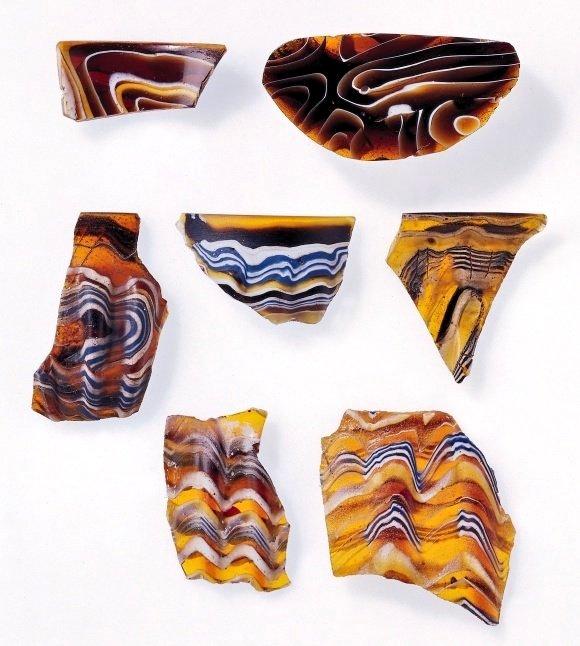
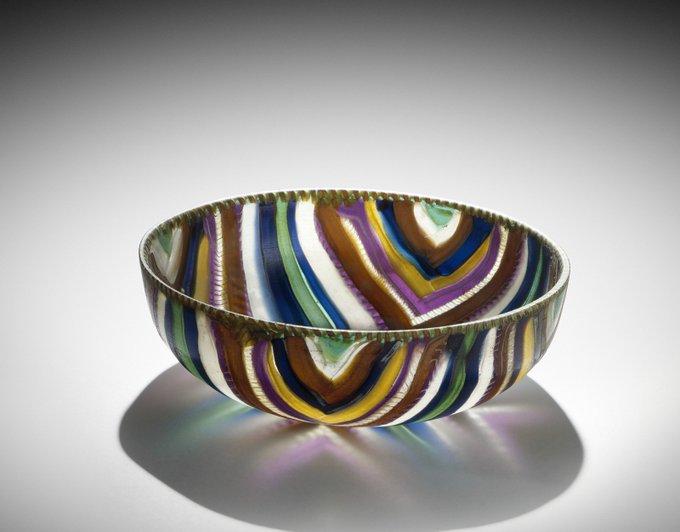
Fascinating world of ancient glass: The skill of ancient glassmakers never ceases to amaze me. This a magnificent #Roman striped mosaic bowl was made of preformed rods and canes fused on or in a mold. Dating late 1st c. BC/early 1st c AD. Timeless beauty! 📷 Corning Museums of Glass #archaeology #romanarchaeology