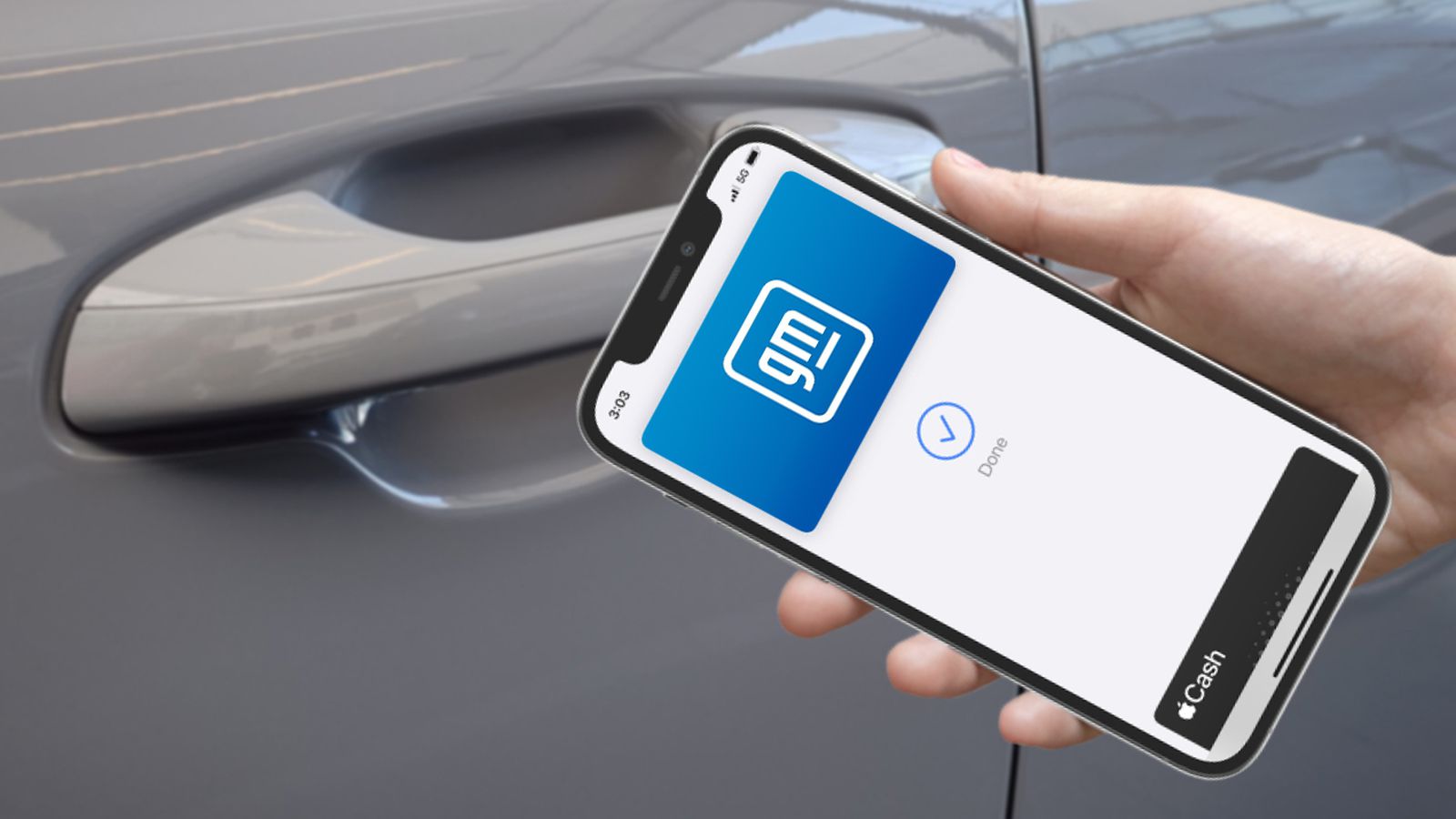
@npub16fat...r483
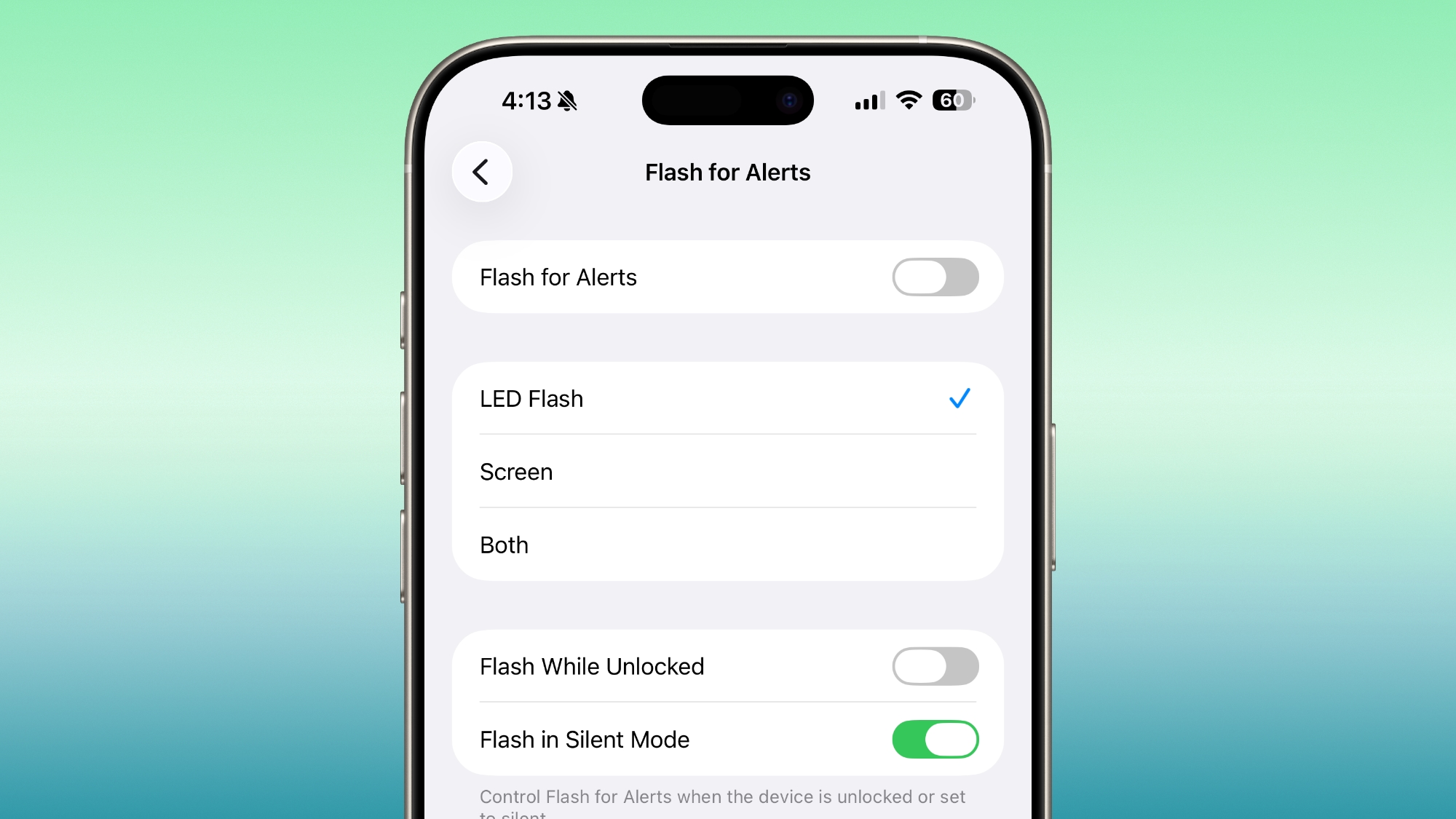 Unlike some Android phones, iPhones don't have a dedicated notification LED that lights up when you get a call, text, or other alert. What iPhones do include is an optional Accessibility feature for the deaf and hard of hearing that blinks the rear camera flash and provides a visual cue for incoming notifications. And in iOS 26.2, Apple has added the ability to flash the front display, too. Even if your hearing is fine, having a visual cue for incoming alerts can be handy to have if, say, you're in a quiet environment like a library and don't want to create a disturbance. What's more, in iOS 26.2, you can choose for both the display and the camera LED to flash. That way, you'll see the alert flash whichever way your iPhone is lying on a table. How to Enable Flash for Alerts Follow the steps below to turn on screen flash for alerts on your iPhone running iOS 26.2. Open the Settings app on your iPhone, then tap Accessibility. Under "Hearing," tap Audio & Visual. Scroll to the bottom and tap Flash for Alerts. Toggle on Flash for Alerts, then tap LED Flash, Screen, or Both.You'll see that the last menu includes toggle switches so that you can control whether the flash happens when your device is unlocked, as well as if it should flash when in silent mode. This article,"Make Your iPhone Display Flash for Alerts" first appeared on MacRumors.comDiscuss this article in our forums
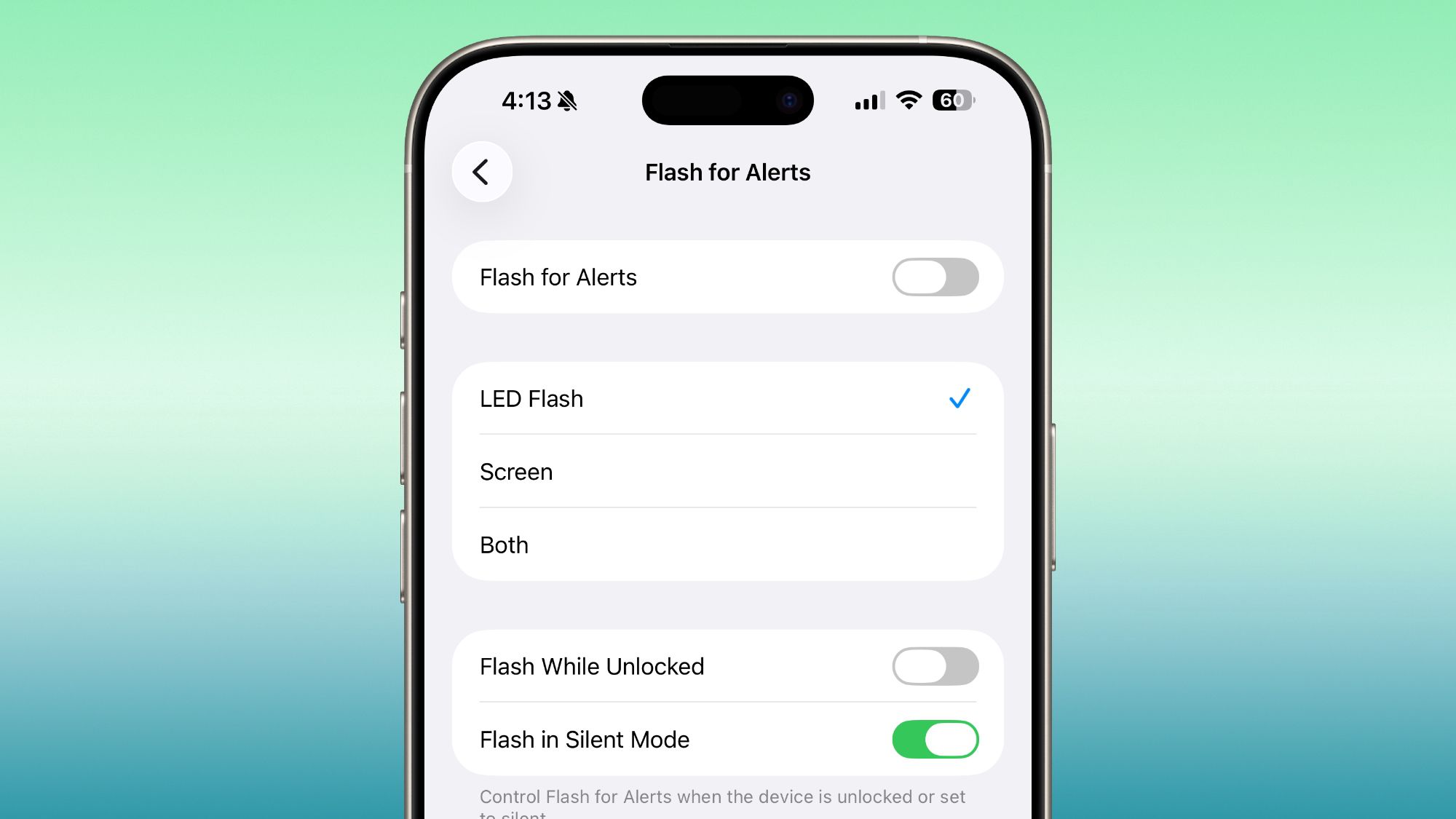
Unlike some Android phones, iPhones don't have a dedicated notification LED that lights up when you get a call, text, or other alert. What iPhones do include is an optional Accessibility feature for the deaf and hard of hearing that blinks the rear camera flash and provides a visual cue for incoming notifications. And in iOS 26.2, Apple has added the ability to flash the front display, too. Even if your hearing is fine, having a visual cue for incoming alerts can be handy to have if, say, you're in a quiet environment like a library and don't want to create a disturbance. What's more, in iOS 26.2, you can choose for both the display and the camera LED to flash. That way, you'll see the alert flash whichever way your iPhone is lying on a table. How to Enable Flash for Alerts Follow the steps below to turn on screen flash for alerts on your iPhone running iOS 26.2. Open the Settings app on your iPhone, then tap Accessibility. Under "Hearing," tap Audio & Visual. Scroll to the bottom and tap Flash for Alerts. Toggle on Flash for Alerts, then tap LED Flash, Screen, or Both.You'll see that the last menu includes toggle switches so that you can control whether the flash happens when your device is unlocked, as well as if it should flash when in silent mode. This article,"Make Your iPhone Display Flash for Alerts" first appeared on MacRumors.comDiscuss this article in our forums
MacRumors
Make Your iPhone Display Flash for Alerts
Unlike some Android phones, iPhones don't have a dedicated notification LED that lights up when you get a call, text, or other alert. What...
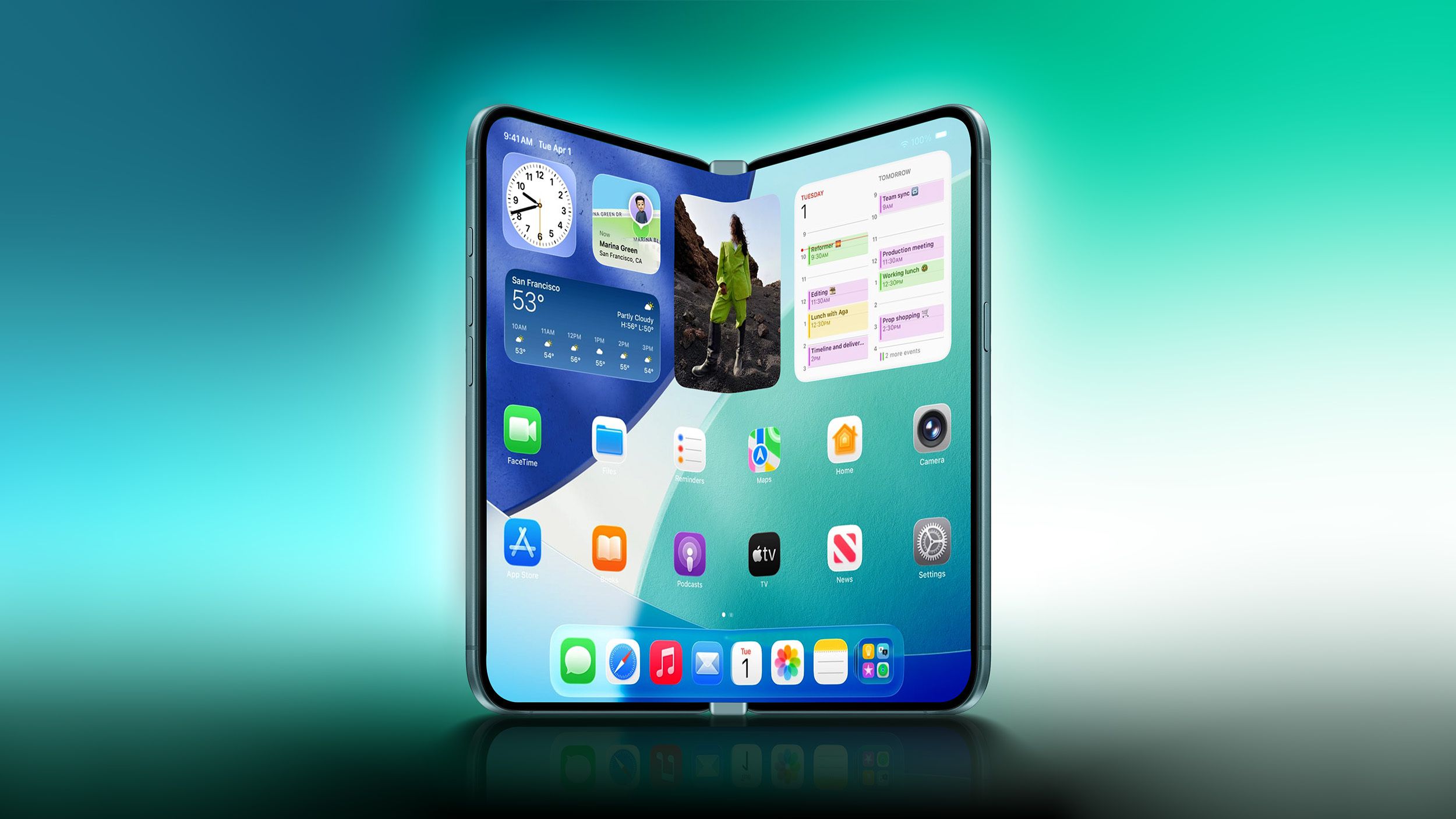
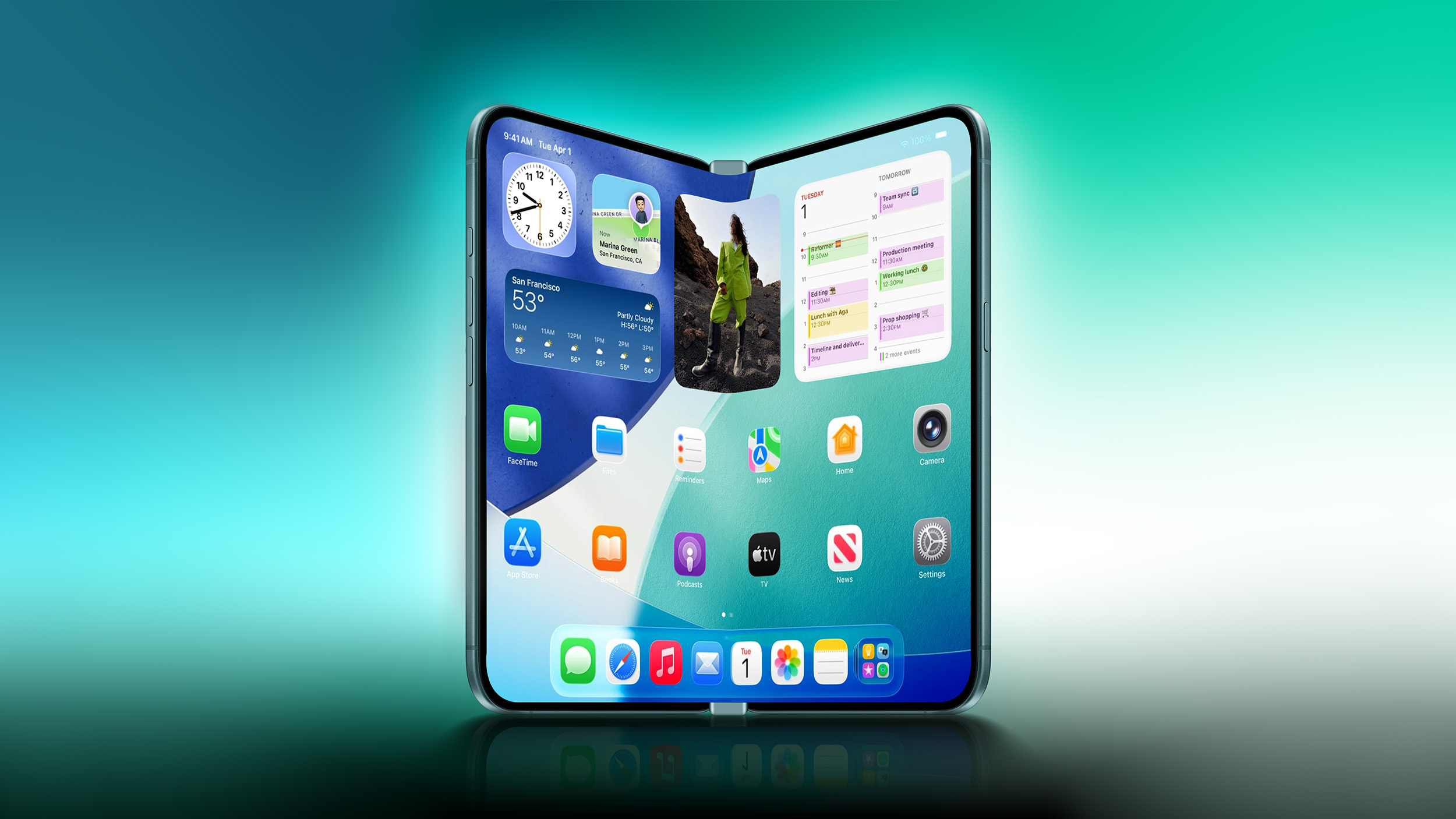 Apple's first foldable iPhone will be equipped with a 7.7-inch inner display, and a 5.3-inch outer display, according to The Information. Earlier this year, Apple supply chain analyst Ming-Chi Kuo said the foldable iPhone would have a 7.8-inch inner display, and a 5.5-inch outer display, so the sizes shared in today's report differ slightly and might not be finalized yet. The publication said the iPhone 18 Pro will have a camera in the top-left corner of the screen, and it expects the same for the foldable iPhone's inner screen. The foldable iPhone's displays are made with a "complex" mix of "specialty glass and materials" from companies like Corning and SCHOTT, according to the report. Apple is expected to release the foldable iPhone in September 2026.Tags: Foldable iPhone, The InformationThis article, "Foldable iPhone's Screen Sizes Leaked" first appeared on MacRumors.comDiscuss this article in our forums
 Apple and Amazon are facing a new UK opt-out class action seeking more than £900 million ($1.2 billion) over claims that the companies struck an unlawful deal that pushed independent Apple and Beats sellers off Amazon and kept prices higher for consumers. The claim centers on an agreement from October 2018, from which point it is alleged that Amazon restricted third-party sellers from offering Apple products on Amazon's marketplace, while Apple gave Amazon better wholesale terms for Apple products sold directly by Amazon as a retailer. The lawsuit claims that by January 2019, most independent Apple resellers had effectively disappeared from Amazon, reducing discounted listings and leaving consumers paying closer to full price. The proposed class includes UK consumers who bought new Apple products since October 2018, whether from Amazon or other retailers, on the basis that the alleged conduct affected prices more broadly. It covers Apple hardware and Beats products, plus accessories, but it excludes Apple products bought as part of mobile network contracts. This is not the first attempt at a case over the same issue. A similar case was triggered in the United States in 2022. Collective action was brought forward in the UK in 2023, but the tribunal did not allow it to proceed. The new filing argues the core competition allegations remain strong and should be heard with a different proposed class representative and structure.Tags: Amazon, Apple Antitrust, United KingdomThis article, "Apple Hit With Another Lawsuit Over Alleged Collusion With Amazon to Keep Prices High" first appeared on MacRumors.comDiscuss this article in our forums

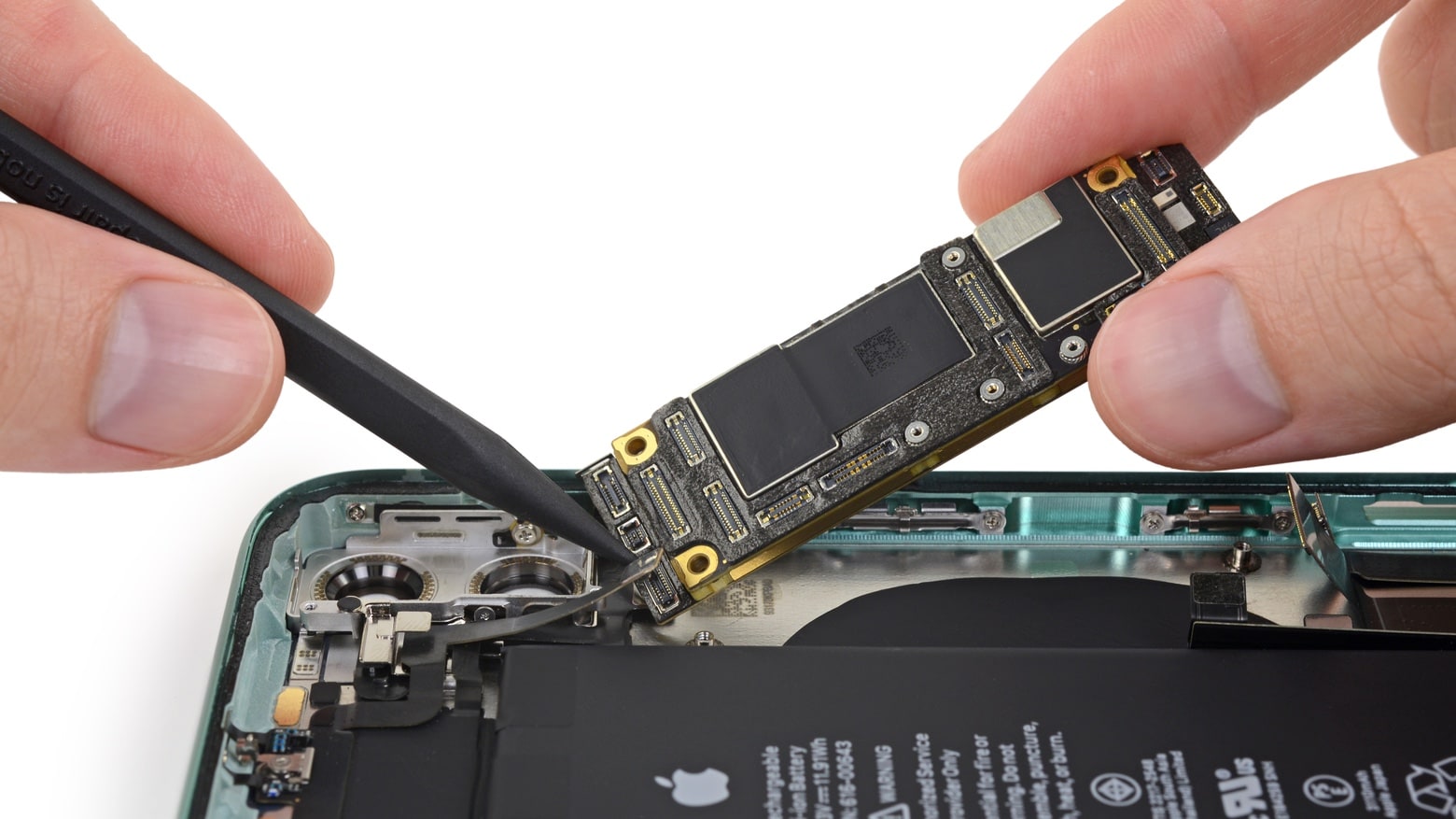 Apple and Samsung are best equipped to handle rising memory chip costs that could drive down global smartphone shipments by 2.1% in 2026, according to new data from Counterpoint Research. Image credit: iFixit In its latest projection for the smartphone market next year, the firm has downgraded its forecast from a previously expected 0.45% growth, citing a memory shortage that has pushed component costs up 10% to 25%. Chinese brands like Honor and Oppo are said to face greater pressure due to lower profit margins, particularly in the entry-level segment where costs have jumped 20% to 30% since early 2025. "Apple and Samsung are best-positioned to weather the next few quarters," said Counterpoint senior analyst Yang Wang. "But it will be tough for others that don't have as much wiggle room to manage market share versus profit margins." The memory crunch is being caused by chip manufacturers prioritizing advanced memory for AI servers over basic DRAM used in smartphones. The shift has already created supply constraints, and Counterpoint expects they will persist through 2026. Based on the data, Counterpoint says average smartphone prices could rise 6.9% globally next year as manufacturers pass costs to consumers or push buyers toward premium models. Some brands may downgrade other specs like cameras or ship devices with less memory to offset the impact, but ultimately Apple's supply chain clout and vast cash reserves are expected to shield it from these more extreme compromises. Analysts expect Apple to absorb higher DRAM costs in the short term without immediately adjusting retail prices.Tag: CounterpointThis article, "Apple Best Positioned to Weather DRAM Price Surge, Says Counterpoint" first appeared on MacRumors.comDiscuss this article in our forums
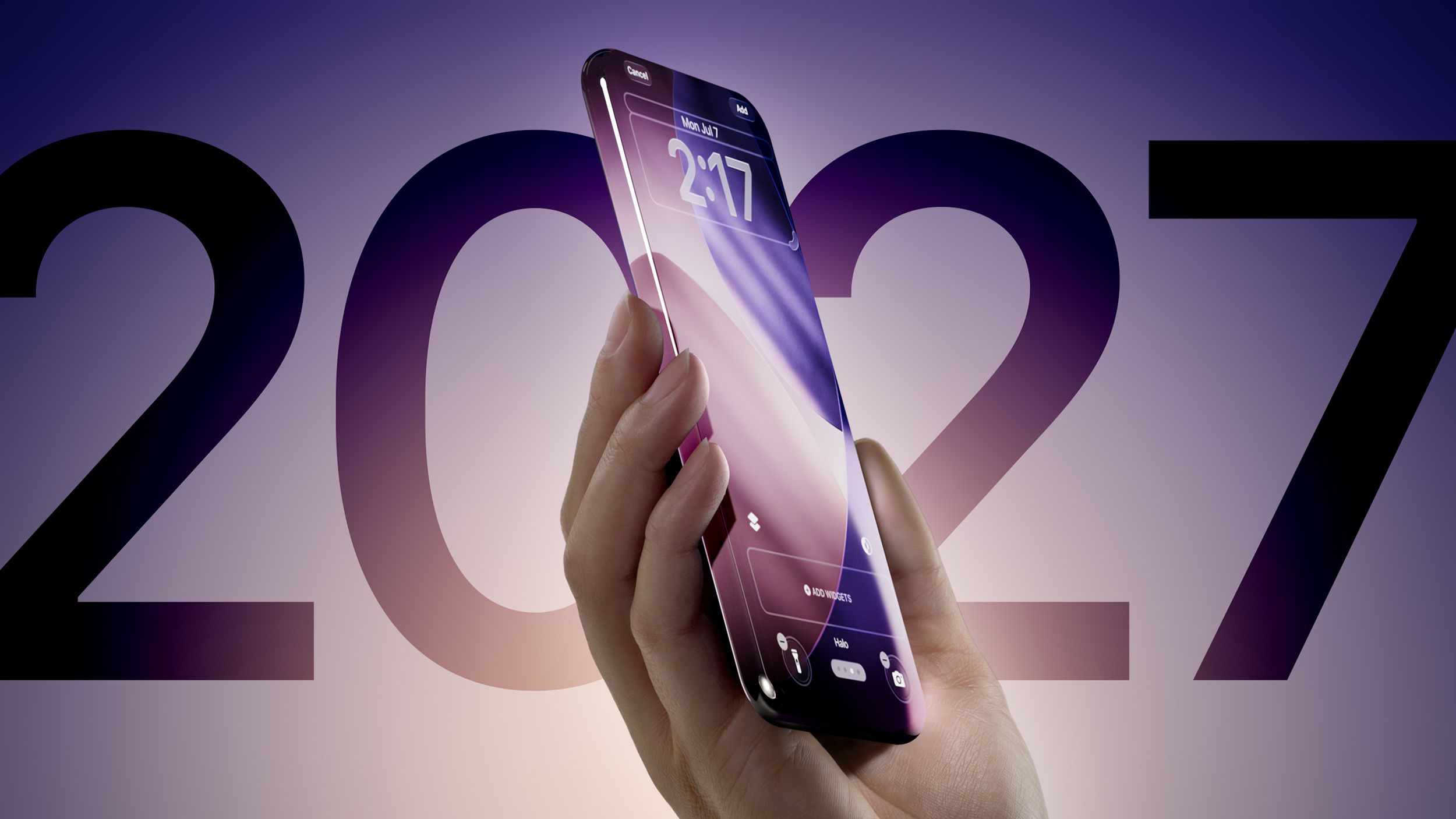
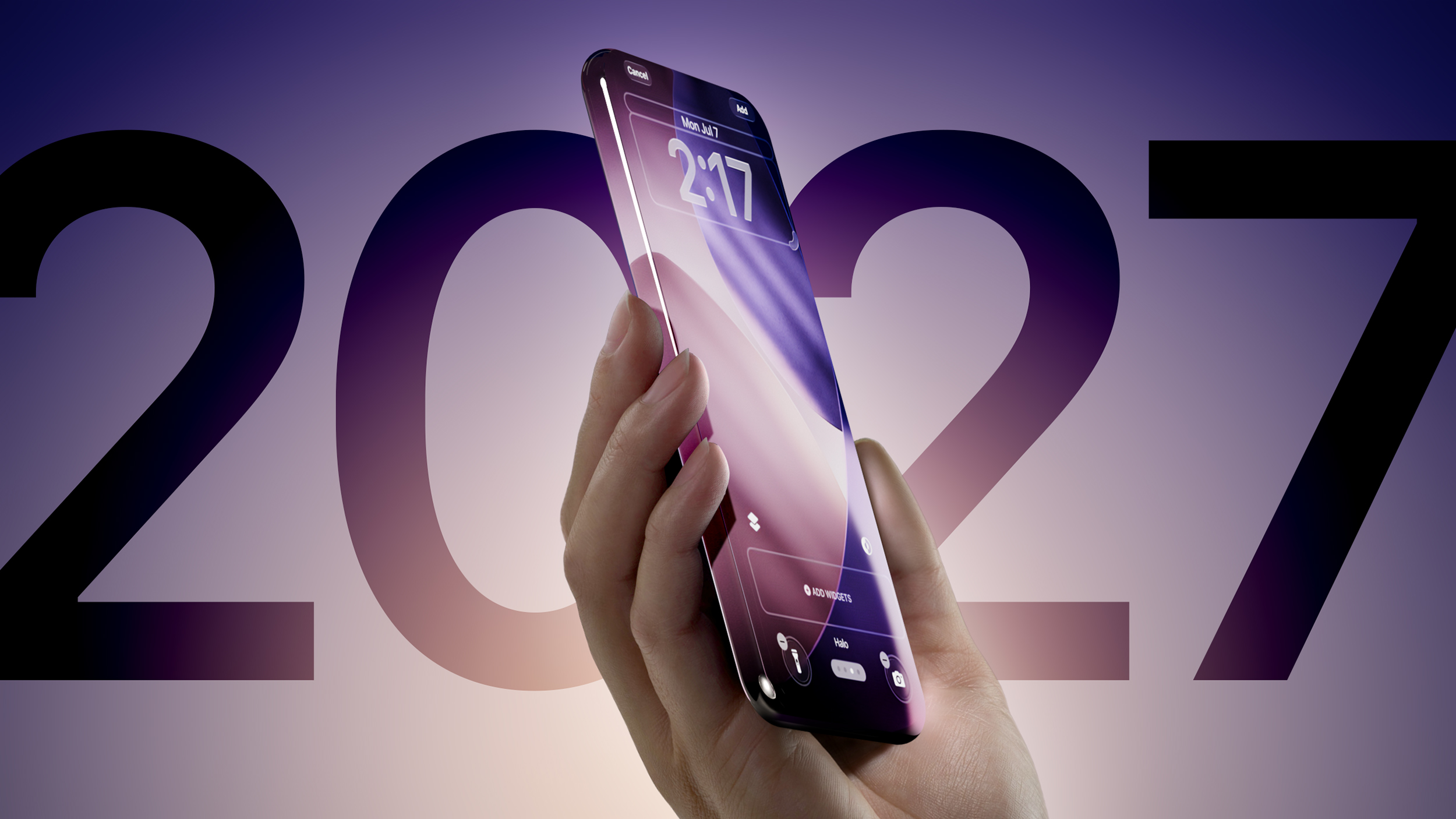 Apple will debut next-generation under-screen camera technology in its first foldable iPhone expected next year, before adapting the tech for its all-screen 2027 iPhone, according to prolific Chinese leaker Digital Chat Station. The Weibo-based account claims Apple is adopting this strategy – foldable first, 20th anniversary iPhone second – to gauge consumer reaction to the under-screen camera, where the lens is literally concealed behind the panel with no visible cutouts in the display. Apple's foldable is also understood to be utilizing side-button integrated Touch ID over Face ID for biometric authentication due to internal space constraints. This means the "iPhone Fold" will have the first all-screen display of any Apple device – a design goal the company is known to have been working on for years, as several patents testify. Why now? Two factors stand out. First, Apple is believed to have perfected an under-screen version of its TrueDepth camera system – the technology behind Face ID that lives in the Dynamic Island on current iPhones. According to one leaker, Apple is using a special "spliced micro-transparent glass" window built into the display that allows Face ID's infrared sensors to pass through the panel unimpeded. Several rumors suggest this technology will debut in next year's iPhone 18 Pro models, potentially reducing the size of its Dynamic Island. Under-screen Face ID is likely seen by Apple as a lower-risk first step, since biometric sensors are more tolerant of display interference than front-facing cameras, where even minor image degradation would be immediately noticeable to users. Second, Apple is said to have developed an industry-first 24-megapixel under-screen camera for the inner screen of its foldable. Under-display camera technology has been used on some Android phones, but they tend to have lower resolution sensors (4 or 8 megapixels, for example) because the image quality suffers due to being behind display layers. If accurate, the jump to a 24-megapixel camera (with six plastic lens elements, per the report) would be a significant technological advance, potentially resulting in clearer, sharper images with more detail. The rumor suggests Apple has achieved a breakthrough in greatly improving light transmittance and image quality compared to previous designs. So in Apple's roadmap, the under-screen Face ID arrives with the iPhone 18 Pro, the under-screen selfie camera debuts in the iPhone Fold, and then the two technologies converge in its celebratory 20th anniversary iPhone. Coming 10 years after the iPhone X, the radically redesigned 2027 iPhone is rumored to feature a completely bezel-less display that curves around all four edges of the device, closely resembling what was former Apple design chief Jony Ive's ultimate dream: a phone made from a single slab of glass. Tag: Digital Chat StationThis article, "How Apple May Be Lining Up an All-Screen iPhone for 2027" first appeared on MacRumors.comDiscuss this article in our forums
 Apple is testing iOS 26.3, the next version of iOS 26 that will launch around January. Since iOS 26.3's testing is happening over the holidays, it is a smaller update with fewer features than we've seen in prior betas. We've rounded up what's new so far, and we'll add to our list with subsequent betas if we come across any other features. Transfer to Android Apple is making it simpler for iPhone users to transition to an Android smartphone in iOS 26.3, introducing a new transfer tool that lets aniPhoneuser place their device next to an Android device to initiate a transfer process. With the two smartphones connected, users can opt to move over photos, messages, notes, apps, passwords, phone number, and more. Data transfers occur with no need to download and use a separate app, making the process simpler. Health data, devices paired with Bluetooth, and protected items like locked notes are not transferred over to the new device. Google has also implemented a similar feature for transferring data from an Android to aniPhone, so it is a two-way process between the two platforms. Notification Forwarding iOS 26.3 has a new "Notification Forwarding" setting that allows incoming notifications on aniPhoneto be forwarded to a third-party wearable device like an Android smartwatch. The setting is located in the Notification section of the Settings app under a new "Notification Forwarding" option. Apple says that notifications can only be forwarded to a single device at a time, so if Notification Forwarding is enabled with a third-party wearable, the Apple Watch won't be able to receive and display notifications. Apple is adding this feature to address antitrust complaints suggesting that third-party wearables should have the same access to notifications and other features as the Apple Watch. Weather Wallpaper There is a new Weather wallpaper section in the Lock Screen customization options. Previously, Apple had a combined section for Weather and Astronomy, but Weather was split out into its own category. There are now three pre-designed Weather wallpapers with different fonts for the time and different weather widgets to give people a better idea of how the Weather wallpaper can be used. More Features Know of a feature we left out? Let us know in the comments below. Compatibility iOS 26.3 is available on all iPhones that supportiOS 26. Release Date We're expecting Apple to release iOS 26.3 in late January.This article, "iOS 26.3 Beta 1 Features: What's New So Far" first appeared on MacRumors.comDiscuss this article in our forums
 Software from an iPhone prototype running an early build of iOS 26 leaked last week, giving us a glimpse at future Apple devices and iOS features. We recapped device codenames in our prior article, and now we have a list of some of the most notable feature flags that were found in the software code. In some cases, it's obvious what the feature flags are referring to, while some are more vague and harder to interpret. We've included the feature flag and a short explanation of what it might reference, but keep in mind that Apple doesn't provide full explanations because this is all internal code. We're working off of titles and internal organization, but there are still hints of what may be coming in the future. Products Unknown home accessory - There's a reference to J229 architecture. J229 is a home accessory, but we don't know what it is. It might be the camera that Apple is rumored to be working on, but it could also be something simpler like a standalone base for the home hub. Code references a sensor manager and sensing predict models. AirTag 2 - There are several references to future AirTag features, including Bluetooth improvements, low battery state improvements, and crowdsourced location improvements. Unknown references include AirTag2025_Phone_Finding, AirTag2025_Watch_Finding, Distribution, Battery, and Switchover. Note that it mentions 2025, suggesting Apple planned to release theAirTag2 in 2025 and pushed it back. AirPods - Several AirPods features are listed with a spring 2026 launch: ContextualReminders, ConversationBreakthroughVQA, and Visual Lookup. There are also mentions of "Precise outdoor location understanding" and "Room Aware Connect Controls." There's a second fall 2025 label for "Extended_Precision_Finding_Core_Tech," and a "SRAudioMixing - Mix audio with the active streaming device" mention that could be related to the AirPods. Vision Pro - There's a "Enable AUSM Enhanced Room Spatializer" feature flag, which may be released to the Vision Pro. It has a spring 2026 label. Software Features There are mentions of several previously rumored software features that are coming in updates toiOS 26and in iOS 27. Health+ - This is listed with a spring 2026 date. Rumors suggest it's a new AI-powered health-related subscription service. There are references to another health feature called "Gumdrop," but it's unclear what it is, plus a mention of a "Geronimo" feature with a date of 2030. Live Captions - Live Captions will expand to more languages, with this code labeled WWDC 2026. AutoFillUI - Third-party apps will be able to access autofill credit card information in fall 2026. Currently, you can take a picture of card details when checking out or use Apple Pay, but you can't autofill your credit card details when buying something in an app. Siri - There are several mentions of Siri features for the smarter version ofSiriApple is working on. IntelligenceFlow, PlanOverrides, SpotlightPersonalAnswersSiri, SpotlightSearchToolLLMQueryUnderstanding, and SpotlightExtSemanticSearch are some of the strings. TheSirimentions have a spring 2026 label. Freeform - Freeform is getting folders, with a spring 2026 date listed. Journal - Followup prompts are coming to the Journal app, also in spring 2026. Wallet - There are BankConnectUpcomingPaymentNotifications and AppleCardUpcomingPaymentNotifications strings with a WWDC 2026 date. Photos - Apple's code mentions Photos Connections and Shared Collections as features coming in fall 2026. - There's a mention of Dynamic Sports Tier Manager for spring 2026. 2027 There are a handful of health features that have a WWDC 2027 label attached. sleepCloudKitManatee sleepCloudKitSync sleepOnIpad sleepOnMac Accessibility There are multiple accessibility features, some of which have WWDC 2026 or fall 2026 dates, and some with no dates. Live Captions - Labeled as LiveCaptionsForAll, unclear what it is. Background Sounds - A Version 2 is coming. macOS Keyboard - Full Keyboard Access VoiceOver Support for macOS. Mac is also getting extended font size range. Magnifier - There are Announce Stairs, Find My Item, and Human Hand Pose mentions. Live Listen - The software references Live Listen controls from watch, Live Mic levels on watch, and a Rewind 30 seconds feature for Live Listen. Tilt to Scroll - There's a mention of a Tilt to Scroll feature. Other Features CallKit - CallKit mentions a Push-to-Talk option. ConversationKit - There's an "Experimental_CallScreening_LiveActivity" string. FinHealth - This section mentions reverse lookup, habitual spend, and spending summaries. Possibly something Apple Card related. Mail - There's a CatchUpHighlightsV2 string with a winter 2025 date. Podcasts - Podcasts references enabling the HomeSiriassistant cell for CarPlay, enabling the Connected Subscriptions Account settings page, adding a button to translate a transcript, and tapping a translated paragraph to hear it spoken. Vision Pro stickers - There are mentions of a sticker creation feature for visionOS. Sticker effects and emoji creation are also mentioned. Keep in mind that Apple's plans can change, so while this is a glimpse of what Apple was working on around the June 2025 timeline, it may not be accurate any longer. Features can be scrapped, launch dates can be pushed back, and this list definitely doesn't include all of the new features that Apple has in the works for future software updates.This article, "Early iOS 26 Software Leak Uncovers Dozens of Upcoming Apple Features" first appeared on MacRumors.comDiscuss this article in our forums
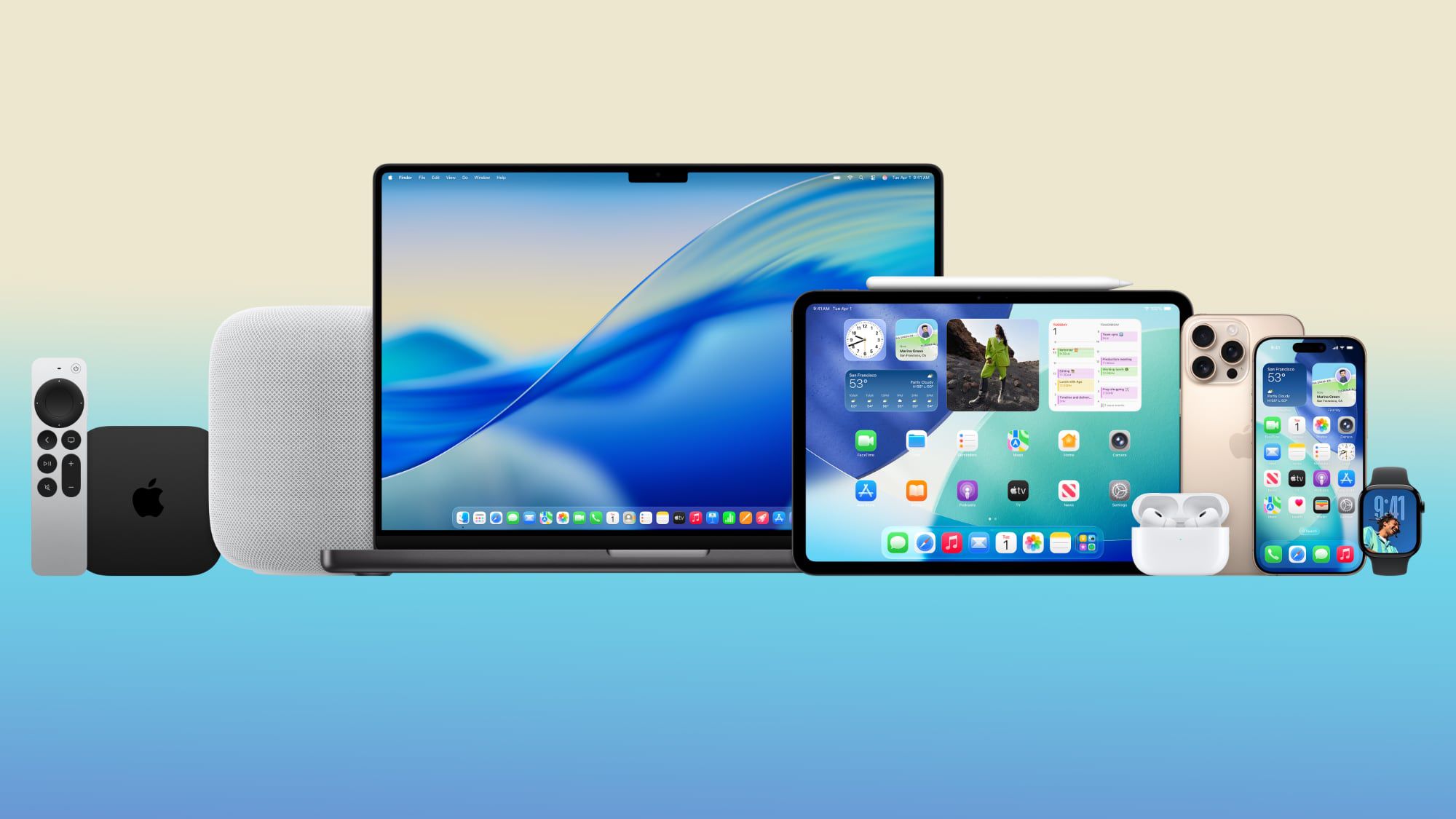
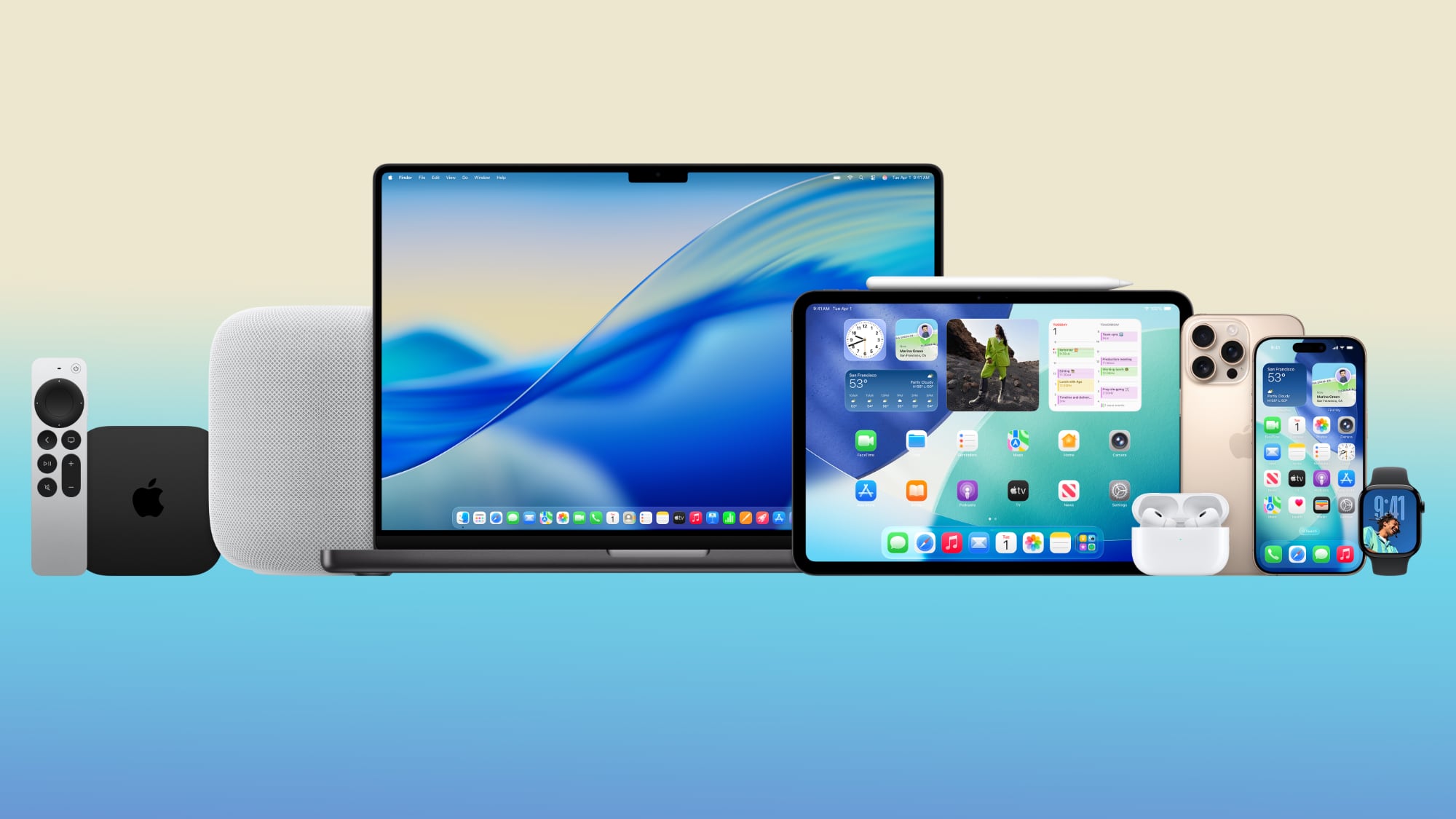 Last week, details about unreleased Apple devices and future iOS features were shared by Macworld. This week, we learned where the information came from, plus we have more findings from the leak. As it turns out, an Apple prototype device running an early build of iOS 26 was sold, and the person who bought it shared the software. The OS has a version number of 23A5234w, and the first developer beta ofiOS 26was 23A5260n, so it dates back to before that initial beta. Apple was still calling it iOS 19 internally at that time, so the software is labeled iOS 19 rather thaniOS 26. An anonymous source provided MacRumors with a list of unreleased devices and features that were found in the beta, and we've recapped the device list below. There are references to many upcoming Apple products, which are referred to by codenames internally. Several codenames have been leaked previously in other accidental updates, or by Bloomberg's Mark Gurman. Many of these leaked devices have been previously rumored, but this serves as confirmation that they are in the works and will be coming in the future. AirTags and Home Devices AirTag 2 - B589 Apple Studio Display 2 - J427 and J527 Apple TV - J355 Home hub variant 1 with base - J490 Home hub variant 2, mounted - J491 Unknown home accessory - J229. Possibly a standalone base that can be added to the mounted home hub, or another device like the rumored camera Apple is working on. Tabletop robot - J595 HomePod mini 2 - B525 iPads iPad 12 - J581 and J582 (Wi-Fi and Cellular) M4 iPad Air - J707, J708, J737, J738 (11 and 13-inch sizes, Wi-Fi and Cellular) iPhones iPhone 17e - V159 iPhone Air 2 - V62 (software predates Apple's decision to delay the launch) iPhone 18 Pro - V63 iPhone 18 Pro Max - V64 Foldable iPhone - V68 Macs Low-cost MacBook with A18 Pro - J700 M5 Pro/Max MacBook Pro - J714c, J714s, J716c, J716s (14-inch and 16-inch models with M5 Pro and Max chip variants) M5 MacBook Air - J813 and J815 (13 and 15-inch size options) M5 Mac Studio - J775c and J775d (M5 Max and M5 Ultra variants) M5 Mac mini - J873g and J873s (M5 and M5 Pro variants) M6 14-inch MacBook Pro - J804 M6 Pro/Max MacBook Pro - K114c, K114s, K116c, K116s (14-inch and 16-inch models with M6 Pro and M6 Max chips) Wearables Vision Air headset - N100 (a lighter and cheaper version of the Vision Pro) AR glasses prototype - N421 (a prototype set of lightweight AR glasses, supposedly scrapped) Mac-connected AR glasses - N107 (AR glasses that connected to a Mac, supposedly scrapped) Cheaper Vision Pro - N109 (also referred to as a second-generation Vision Pro, distinct from Vision Air) AI smart glasses - N50, but Apple now refers to these as N401 (Meta Ray-Bans competitor) Apple Watch Series 12 - N237 and N238 (Wi-Fi and Cellular) Apple Watch Ultra 4 - N240 Chips There are codenames for several upcoming Apple chips that are in the works for future devices. AirPods H3 - T2026 U3 (Ultra Wideband) - T2034 M5 Pro/Max/Ultra - T6050 M6 - T8152 A20/A20 Pro - T8160 S11 - T8320 Unknowns There are also several unknown codenames that aren't linked to any currently rumored devices. N110 N209 N216 J349 J190 J226 Several of these devices like the AirTag 2, the iPads, and the home hub are expected earlier in 2026, while others will be coming in late 2026 and beyond. Apple's software does not include release dates associated with codenames, so there are no known dates for when some of these devices are coming. Update: This article was edited to add the next-generation Apple TV, which was accidentally left off of the initial list. This article, "Apple Leak Confirms Work on Foldable iPhone, AirTag 2, and Dozens More Devices" first appeared on MacRumors.comDiscuss this article in our forums
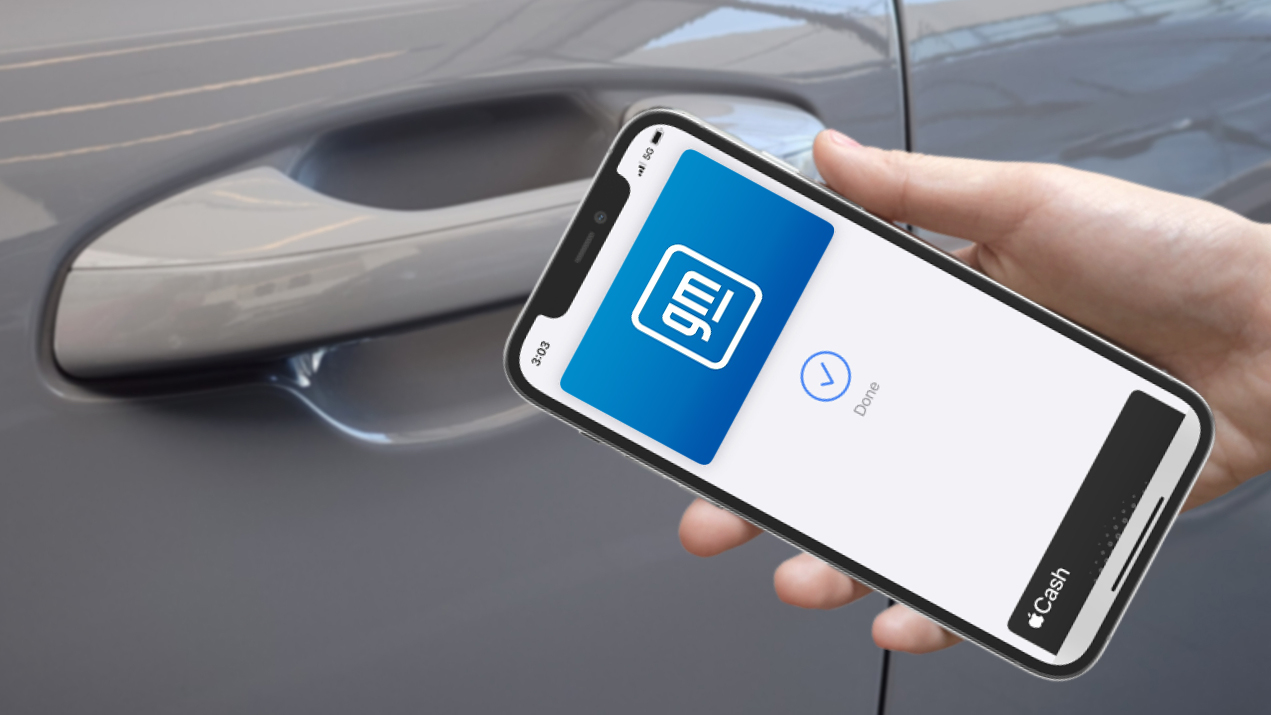 General Motors (GM) today announced it will be rolling out support for the Apple Wallet app's digital car key feature, but it did not provide a timeframe or mention any specific vehicle models that will be compatible. GM has four main vehicle brands in the United States and Canada, including Chevrolet, GMC, Cadillac, and Buick. (Mockup) During its WWDC 2025 keynote in June, Apple said that 13 additional vehicle brands would soon offer Apple Wallet car keys, and Chevrolet, GMC, and Cadillac were on the list. The feature allows users to lock, unlock, and start a compatible vehicle with an iPhone or Apple Watch. With the latest version of the feature, which utilizes Ultra Wideband technology, you can keep your iPhone in your pocket as you approach and drive the vehicle. If your iPhone battery runs out, a Power Reserve feature ensures the Apple Wallet key can still be used for up to five hours after the device shuts off. You can share an Apple Wallet car key with up to eight family and friends via AirDrop or any messaging app, such as the Messages app or WhatsApp. Automakers that already offer Apple Wallet keys for select vehicles include Audi, BMW, MINI, Hyundai, Kia, Genesis, Mercedes-Benz, RAM, Volvo, Polestar, and more, with others like Acura, Porsche, Rivian, and Toyota expected to follow. GM also announced availability of a built-in Apple Music app in select 2025 and newer Chevrolet and Cadillac models, but it has not reversed course on its decision to stop offering CarPlay in its electric (and eventually gas) vehicles.Tag: iPhone Car KeysThis article, "General Motors Announces Plans to Start Offering iPhone Car Keys" first appeared on MacRumors.comDiscuss this article in our forums