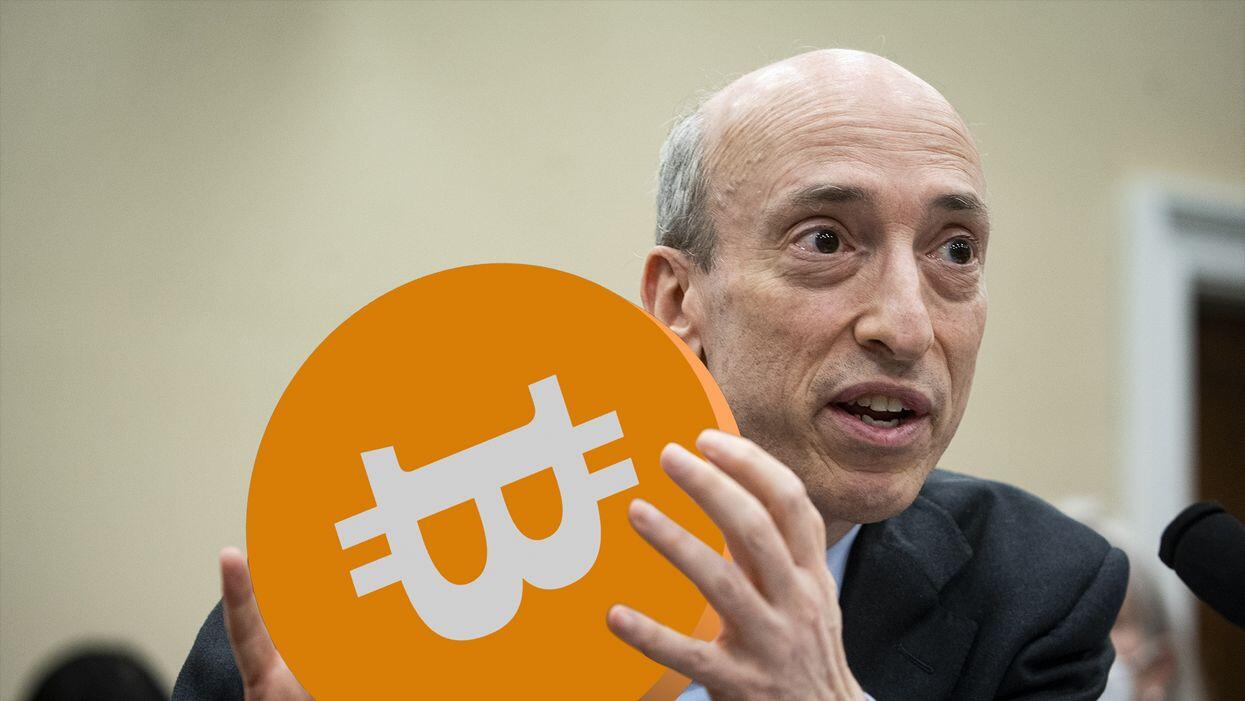
Gary Gensler, head of the SEC, is secretly a #Bitcoin Maximalist 🧵 Don't believe me? Read on👇 Not many people know this, but during his time at MIT, Gensler's fascination with #Bitcoin was ignited as he taught a course on blockchain and money. Little did he know that this was the start of a hidden journey into the heart of #Bitcoin. He immersed himself in the intricacies of Bitcoin, recognizing its potential to disrupt traditional finance and empower individuals. As he rose to the position of SEC chairman, Gensler found himself in a delicate position. He couldn't openly champion #Bitcoin maximalism due to his regulatory responsibilities, but he couldn't abandon his beliefs either. His regulatory decisions, such as clarifying that #bitcoin is the only commodity among cryptos, were part of a covert mission to advance the cause of #Bitcoin while condemning altcoins as unregistered securities. One particularly intriguing aspect of Gensler's actions is his reluctance to approve a #Bitcoin spot ETF. But, when you think about it, it all starts to make sense. He's not obstructing progress; he's ensuring that individuals have a fair chance to accumulate #Bitcoin before institutions dominate the market. He also understands the importance of self custody in #Bitcoin and would rather individuals take full control over their funds rather than own paper Bitcoin. Gensler knows that institutions could flood the market if an ETF we're approved, driving up Bitcoin's price. By delaying the ETF approval, he's providing a window of opportunity for retail investors to accumulate #Bitcoin at more accessible prices, preserving the democratic and decentralized nature of Bitcoin. In conclusion, Gary Gensler's covert journey from MIT professor to SEC chairman was driven by a hidden passion for #Bitcoin maximalism. His actions as a regulator, while enigmatic, are guided by a desire to protect the interests of everyday Bitcoiners and individuals, and allow them to participate in the #Bitcoin revolution before institutions do. image
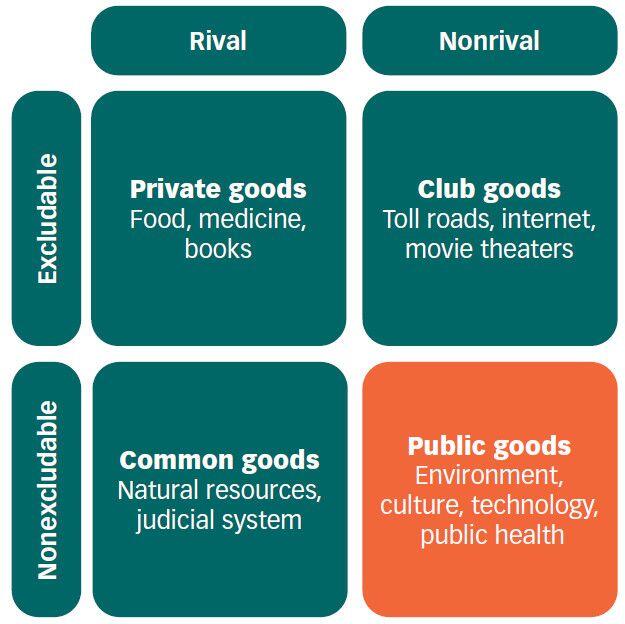
Is #Bitcoin a Public Good? In economics, a public good is defined as a good that is both non-excludable and non-rivalrous. For a good to be non-excludable, it must be very difficult or impossible to exclude individuals from using it. Bitcoin tends to fit this definition quite well, as it is one of the most accessible goods in the world. Anyone can participate in the Bitcoin network and use it for transactions or other purposes without needing permission, and it's challenging to prevent someone from downloading a Bitcoin wallet and acquiring some Bitcoin. While technically it is not accessible by everyone due to availability and regulations of on/off ramps and internet availability #bitcoin more or less fits this definition. For a good to be non-rivalrous, one individuals usage of the good cannot reduce its availability for others. Once again #Bitcoin fits this definition quite well. Bitcoin, it is non-rivalrous to the extent that one person holding and using Bitcoin does not inherently reduce its availability for others. The blockchain technology underlying Bitcoin allows multiple users to transact simultaneously without significantly affecting each other's ability to use it. Bitcoin's divisibility also ensures there are more than enough satoshis to go around. While one could argue increased fees in blockspace could lead to exclusion of some individuals, layer 2 protocols like the Lightning Network address these concerns quite well. Overall, I think it's clear #Bitcoin is more a public good than it is not, especially when you consider it's truly global and decentralized nature alongside it's non-excludability and non-rivalrous attributes. While it may not fit the definition perfectly, I think this points to the fact that #Bitcoin is fundamentally unique and novel. Many established definitions and concepts within economics and beyond struggle to encapsulate the groundbreaking essence that Bitcoin brings to the table. Do you think #Bitcoin is a public good? image
As we enter the latter half of 2023, debates surrounding the possibility of a recession are only increasing. In my latest article, I break down 7 key economic indicators hinting towards a slowing economy 🧵👇 1️⃣ Yield Curve Inversions have been a very reliable indicator of a slowing economy. In fact, since 1969 a yield curve inversion has preceded every US recession. In June of 2022 the 10yr and 2yr Treasury yields inverted begging the question—where is the recession? 2️⃣ Large Bank Failures since the Great Financial Crisis in the fall of 2008 echoes historical precedence and highlights vulnerability in the financial structure. It was 6 months after the failure of Bear Sterns in March of 2008 before the recession arrived in full force—could history repeat itself? 3️⃣ One of the Fastest Interest Rate Hike in US History has pushed the federal funds rate to decade highs and imposed higher borrowing costs of individuals and businesses alike. The economy may face potential headwinds in adjusting to tighter credit conditions. 4️⃣ The tendency for the Unemployment Rate to bottom before a recession raises questions about our currently low unemployment rate. While it may seem positive on the surface it could mask underlying weakness in the economy that manifests as the recession unfolds. 5️⃣ A Declining Purchasing Managers Index (PMI) suggests a contraction in the manufacturing and services industry and has served as an early warning sign of impending recessions many times. This worrying trend may further contribute to a slowing economy. 6️⃣ Tightening Credit Conditions from aggressive interest rate hikes are reaching levels not seen since the Great Financial Crisis in 2008 and a fall in commercial loans has been evident. While tightnening credit itself does not predict a recession, it's correlation with economic downturns should not be ignored. 7️⃣ The Fed Predicting a Mild Recession adds further credibility to the possibility of a recession on the horizon. As the central banks responsible for guiding policy their awareness of the risks speaks heavily to the possibility of a slowing economy. Together these indicators paint a clear picture of economic challenges ahead. While the exact timing and severity of a recession is difficult to predict, it is crucial to remain aware of the risks we face. Check out my full article for an in-depth analysis of these economic indicators and what it means for the economy.
⚠️2023 #Macro Outlook⚠️ Contrary to the appearance of a new bull market, we're actually witnessing the most remarkable bear market rally ever. In my latest article, I uncover 7 key #economic indicators pointing to an impending #recession 👇
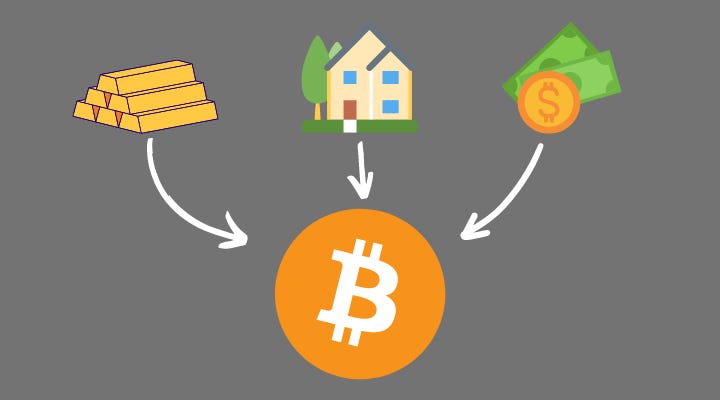
Since 1971 and the abandonment of the #Gold Standard... 📈 US M2 increased over 3,150% 🏠 US home prices surged over 1,850% 📊 S&P 500 returned over 20,000% 🥇 Gold returned over 5,150% In my latest article I review how decades of loose monetary policy have contributed to the everything bubble and explore how #Bitcoin stands ready to absorb the monetary premiums that have built up in assets over decades of monetary manipulation.
Bitcoin is a Ponzi scheme Bitcoin is too volatile Bitcoin has no intrinsic value Bitcoin is only used by criminals Bitcoin will be hacked Bitcoin is bad for the environment Bitcoin is a bubble Actually, #Bitcoin is the most misunderstood technology of our time. My latest article addresses these common misconceptions and provides key facts to help uncover the legitimacy of these claims.