Thread

Redirect can get you only so far, because it redirects from the upload endpoint, making it a single point of failure.
Integrity of a media is undesirable by the majority, since it prevents any sort of transcoding or asynchronous optimization, resulting in slower uploading times (if sync optimized) or shitty user experience that is caused by gigantic files with a ton of redundant and unused by the client info.
Lastly, the assumption that service MUST deduplicate content to be compliant, is naive at best. People want to own their uploads and not share them with others, services want to provide individuals with their own libraries, making things more challenging. Lastly, deduplication of the content based on hash is highly inefficient at scale, forcing services to come up with a bunch of workarounds, and maintain risk of deleting/overwriting someone else’s files at any moment.
Overall, I understand what you are preaching, but at the same time ideologies are never productive in the real world.
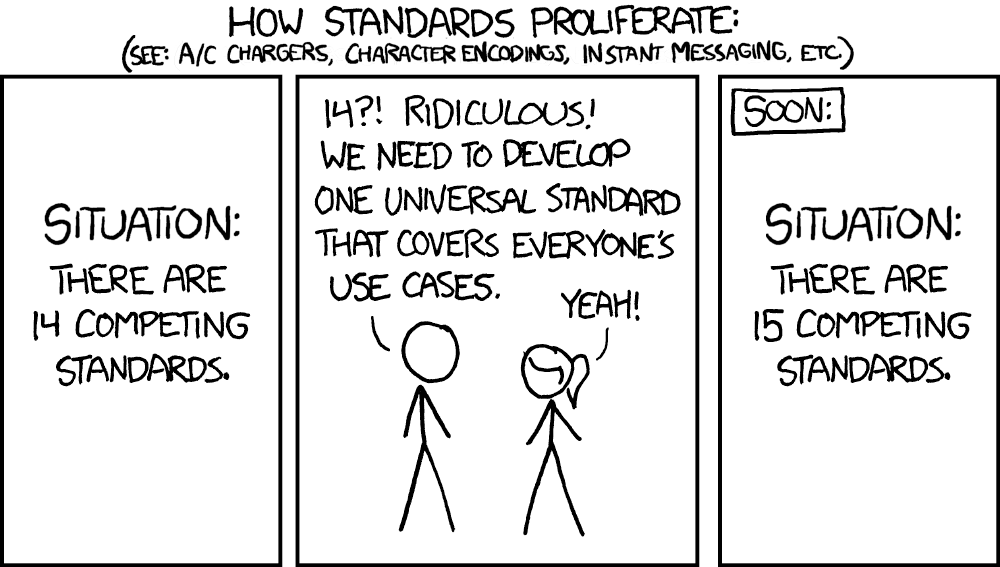
Mirroring could have been added easily to nip96, if it wasn’t for people hyping toward the next thing. That’s exactly how we are ending up with fragmented clients that cannot keep up with 4 standards for DMs, 4 standards for media hosting, and so on.
Replies (3)
Is Blossom the reason why media servers are downloading copies of my pictures and serving up their version, instead of the original?
Cuz, I find that sorta creepy.

Nip96 and Blossom servers have the same point of failure, redirect doesn't add any criticity. Mirrors with a fallback mechanism is what save the users in the end.
> Integrity of a media is undesirable by the majority
Do you mean "ignored"? :)
Until a server delivers a different media because has as bug or has been hacked.
Then integrity check becomes desirable.
As general rule I think that media optimization should happens on the client under the control of the user. This prevents sending around gigantic blobs in the first place and deventralize the workload. With the current network bandwidth is less critical to produce several resized versions, the advantage for the UX is marginal.
The mirroring (not deduplication) is a nice bonus, and becames a must if you want a censorship resistant content (that is a Nostr's core value).
The collision aspect is an interesting one. Checking an AI it says that " you would need to hash approximately 340 trillion different files before the probability of a collision becomes significant. I don't know if we need more, maybe yes in the long term.
I'm not preaching, I just want to understand the philosophy, strengths and weaknesses of the two standards.
Thank you for the insightful reply.