I didn't realize that Swiss trains apparently also adhere to the "schedule for 80% of capacity rule".
Apparently trains in Switzerland go around 80% of the top speed possible on the track. The 20% overhead is used to make up time in the case of delays.
The thinking is: stable and predictable operation is more important than going faster. Because the cost of passengers regularly missing layovers is much higher than the benefits of trains being 20% faster.

Thread
Login to reply
Replies (4)
Slack, overhead, and spare capacity are not inefficiencies to be ground down, but integral to the stable functioning of systems. Because a system without buffers cannot absorb shocks.
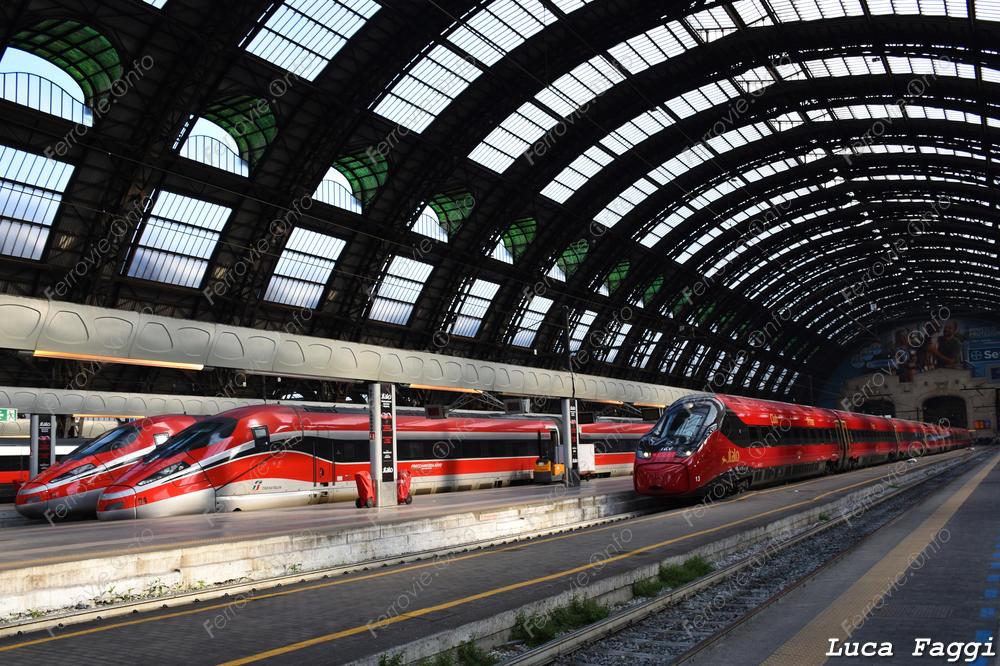
In italy high speed trains "Alta Velocità" was originally meant to be 300 km/h. Now they nearly run at 250-260 so they have room to get in time.
The fun part is >70% of them are late and 20% are late just around 6 mins. 😆 🏆 🤌


Ferrovie.Info
Ferrovie: Alta Velocità 2025, Trenitalia e Italo a confronto tra puntualità e disagi
L
@npub17gdy...a8lw @npub1lhhv...90ja In Germany, the Deutschbahn way is “You’ll suffer… with us. We’ll suffer… together”. The thinking is: so what if you’re late. We’re all late. Scheiße happens. Now shut your mouth and be a good German about it.
Chronically late, cancelled, delayed, construction, you name it… anything but punctual.
@npub17gdy...a8lw i moved to switzerland some time ago, and this has overwhelmingly been the most impressive thing about the train system here. when scheduling a trip, i have quite regularly been scheduled connections with less than five minutes of leeway, and i've never missed one