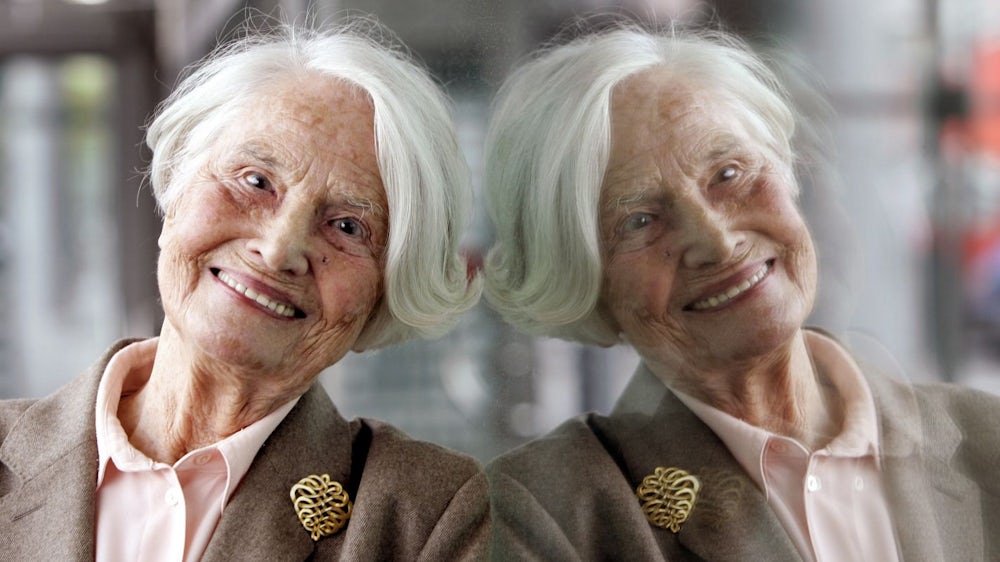
Elisabeth Noelle-Neumann (1916–2010) was one of the most influential thinkers in communication and public-opinion research. Her ideas continue to shape how we understand social pressure, media behavior, and why people sometimes choose silence over speaking up.
🧭 A Pioneer in Opinion Research
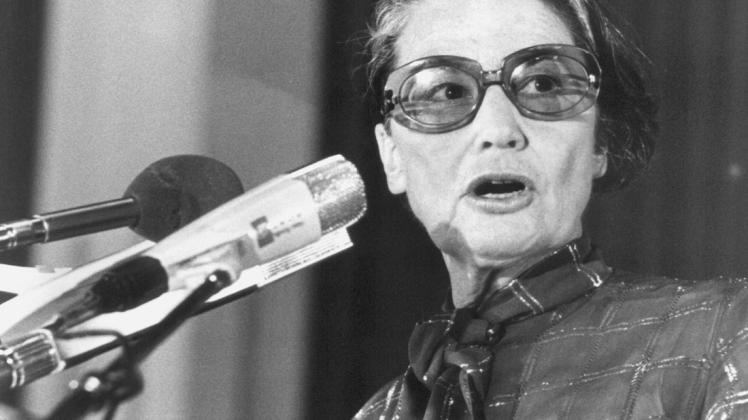
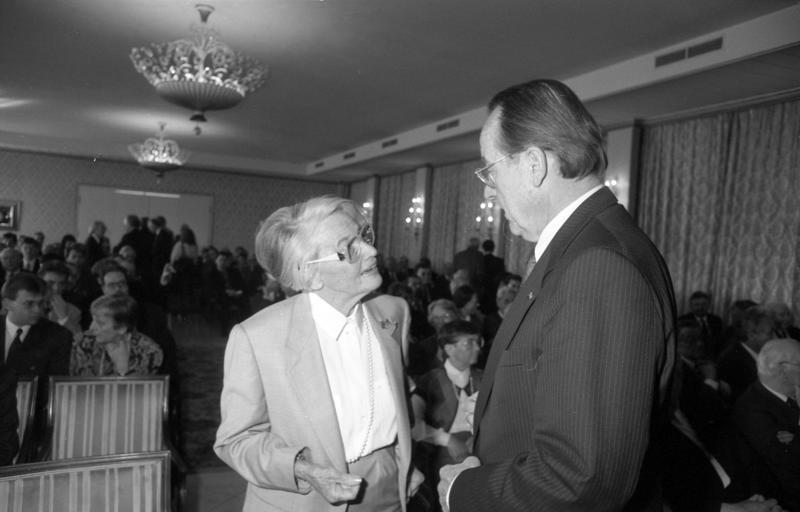
After studying journalism and philosophy in both Germany and the United States, Noelle-Neumann developed a strong interest in how public opinion forms. In 1947, she co-founded the Institut für Demoskopie Allensbach, Germany’s first major opinion-polling institute. This organization helped rebuild public-opinion research after World War II and set the standards for modern polling in Europe. She later became a professor at the University of Mainz and even served as president of the World Association for Public Opinion Research, influencing scholars worldwide
🌀 The “Spiral of Silence”: Her Most Powerful Idea
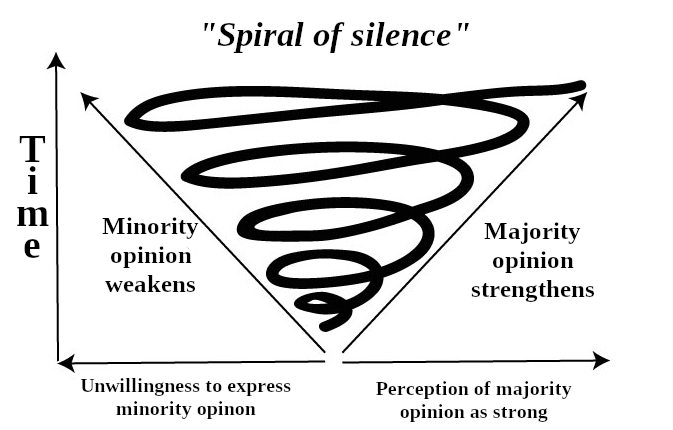
Noelle-Neumann’s major contribution is the Spiral of Silence theory. Here’s the core idea:
-
😟 People fear social isolation
-
🗣️ If they believe their opinion is unpopular, they stay quiet
-
👥 Silence makes the majority opinion appear even stronger
-
🔁 This creates a cycle where minority voices fade away
In today’s world of social media, trends, and public pressure, this theory is more relevant than ever. It explains online self-censorship, cancel culture, and why many people avoid sharing their true thoughts.
⚖️ A Complicated Legacy
Her early career has been the subject of criticism, as she worked as a journalist for Nazi-aligned publications during World War II.
She later distanced herself from those affiliations and denied being politically committed at the time. Scholars today recognize both sides of her legacy:
✨ Her groundbreaking intellectual work ⚠️ And the complex historical context of her youth
🌍 Why She Still Matters Today
Noelle-Neumann’s work helps us understand:
-
📊 How public opinion shifts
-
📰 How media presents “majority” vs. “minority” views
-
🤫 Why individuals choose silence
-
🧠 How society influences what people feel safe to say
Her insights remain essential for understanding political communication, digital culture, and modern social behavior.