The discerning are few, and fools are plenty. It's easier to find an idiot who accepts a (loss-bearing) stablecoin like USDT than someone willing to take on the unstable upside risk of BTC. It takes longer for the dull masses to catch on. Take advantage of the asymmetry before hyperinflation hits.
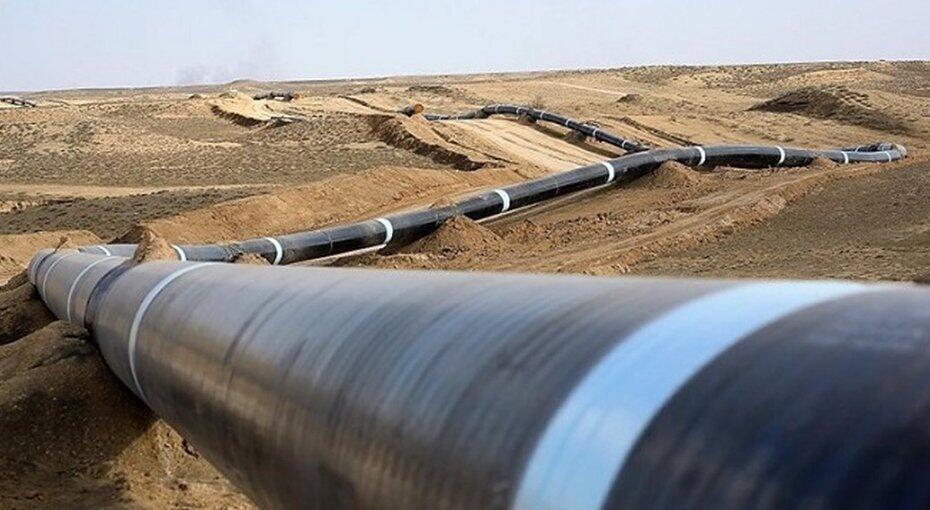
For decades, one of Israel’s greatest state secrets quietly crossed the desert: a pipeline built in partnership with… Iran. That’s right. The country that now vows to “wipe Israel off the map” was, for years, its main oil supplier.


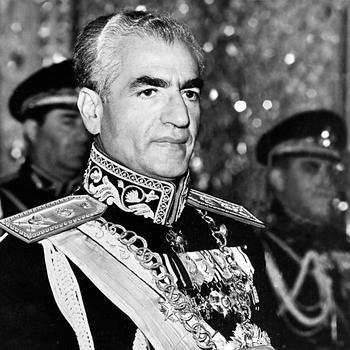
 Israel faced a critical strategic challenge: how to ensure a steady oil supply in a hostile Middle East? In the mid-1950s, Iran under Shah Mohammad Reza Pahlavi — who didn’t even officially recognize Israel — became its primary supplier, accounting for up to 90% of Israel’s oil imports.


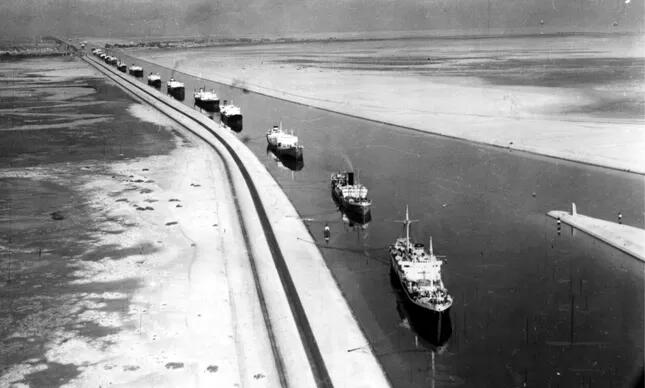
 In 1965, Israeli Foreign Minister Golda Meir made a secret visit to Iran. There, she proposed a bold plan to the Shah: build a pipeline linking the Red Sea to the Mediterranean, bypassing the Suez Canal — and secretly supplying oil to Israel.


 The negotiations included representatives from Mossad and the Iranian state oil company NIOC — a testament to the initiative’s strategic importance. Two years later, everything changed: the closure of the Suez Canal.


 Following the Six-Day War, Egypt shut down the canal, and 75% of Iranian oil exports were left without a route. The Shah saw the pipeline as a perfect opportunity: reduce dependence on Egypt and strengthen his leverage over Western oil companies. It was the final push needed.


 Thus was born Trans-Asiatic Oil Ltd., a 50/50 joint venture between Iran and Israel — registered in Switzerland, of course. Officially, Iran said: “We don’t sell oil to Israel.” In practice? They did — operating pipelines and even having Israeli naval escorts for Iranian tankers.


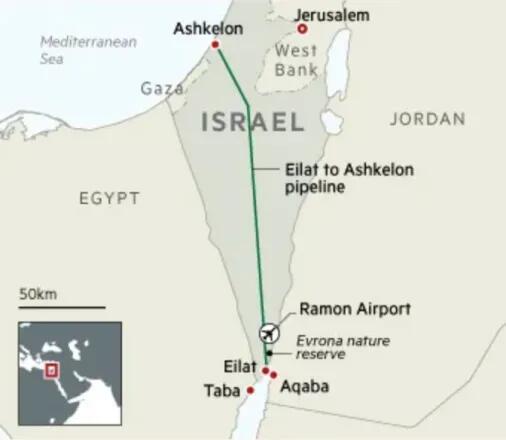
 The 254-kilometer pipeline between Eilat and Ashkelon was completed in 1969. In its first year, 10 million tons of oil passed through it. Israel kept 3 million; the rest was sold via Israel, with profits split between the secret partners. A true geopolitical masterpiece.


 While Israel secured its energy supply, the Shah’s Iran challenged Western oil giants and filled its coffers — all under the radar. It was a win-win: oil, money, and influence for both sides. Hidden from the rest of the Arab world.


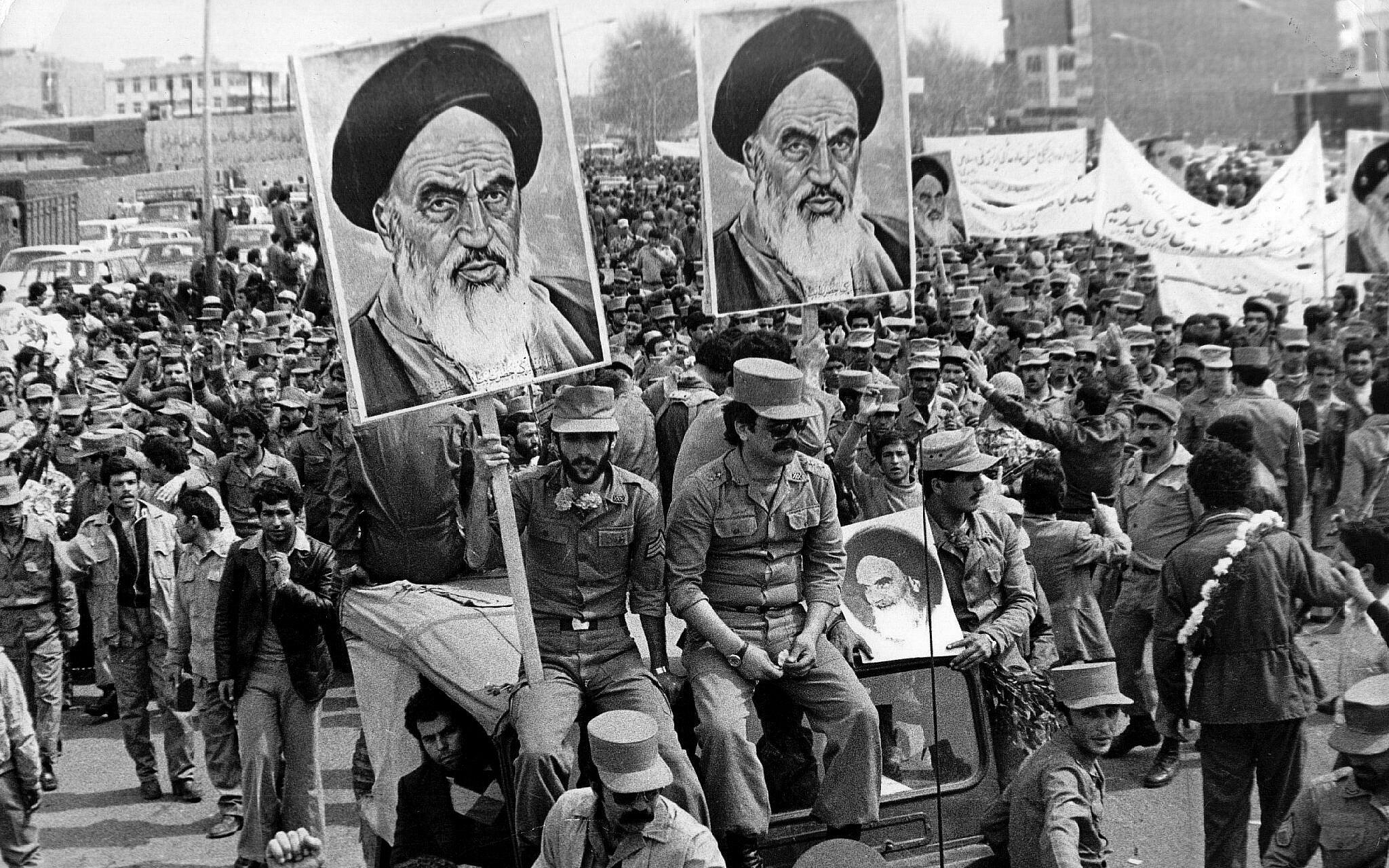
 But everything changed in 1979 with the Islamic Revolution in Iran. Israel nationalized the pipeline, ending the secret alliance. The case ended up in court — and in 2016, an international tribunal ordered Israel to pay Iran over $1 billion for breach of contract.


 Today, even mentioning such an alliance would sound like fiction. But for over a decade, Israel’s greatest enemy was… its biggest ally behind the scenes. The pipeline still exists. But the partnership is now a relic from an era when interests spoke louder than ideology.
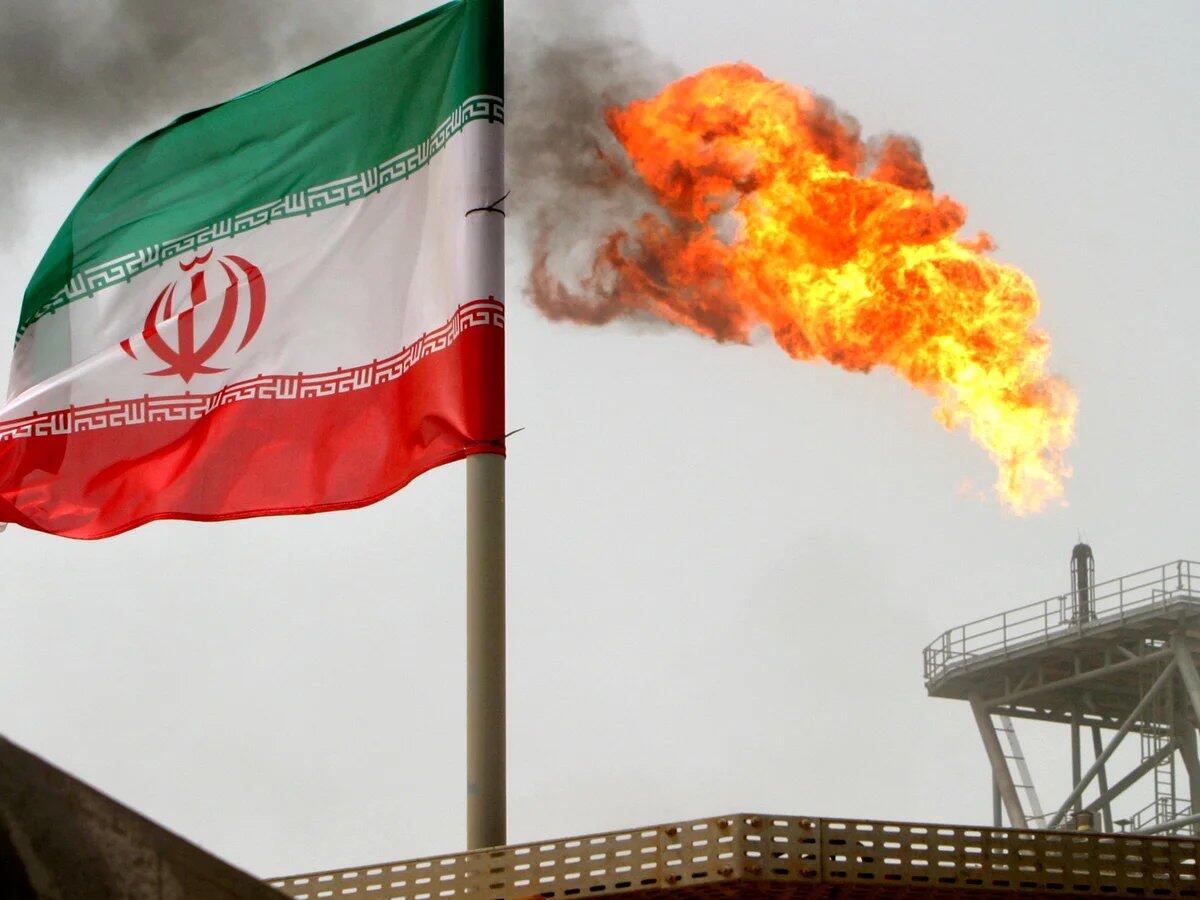
The U.S. is evacuating embassies in the Middle East, and oil is up 5% today. For now, it’s just speculation—pointing toward a possible strike on Iran. 👀
Chinese demographics in one image. In 2000, there were 10 workers for every retiree. Today, there are only 5. The same issue will eventually be faced by aging-population countries, such as those in Europe. A decline in consumption that will be countered with monetary debasement and stimulus… image
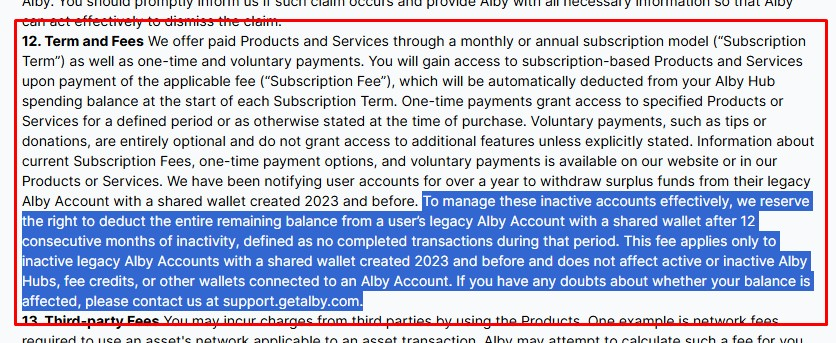
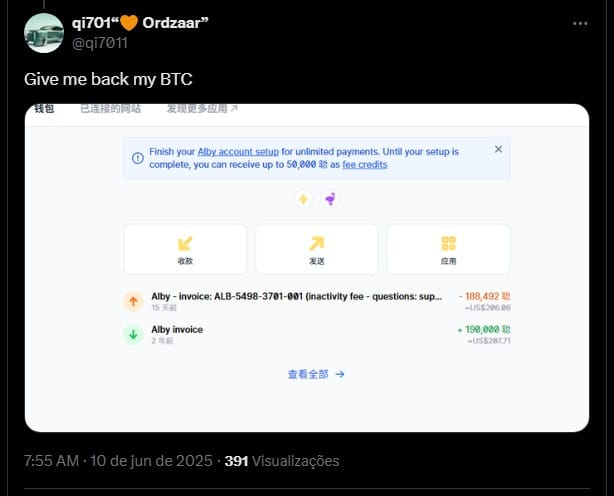
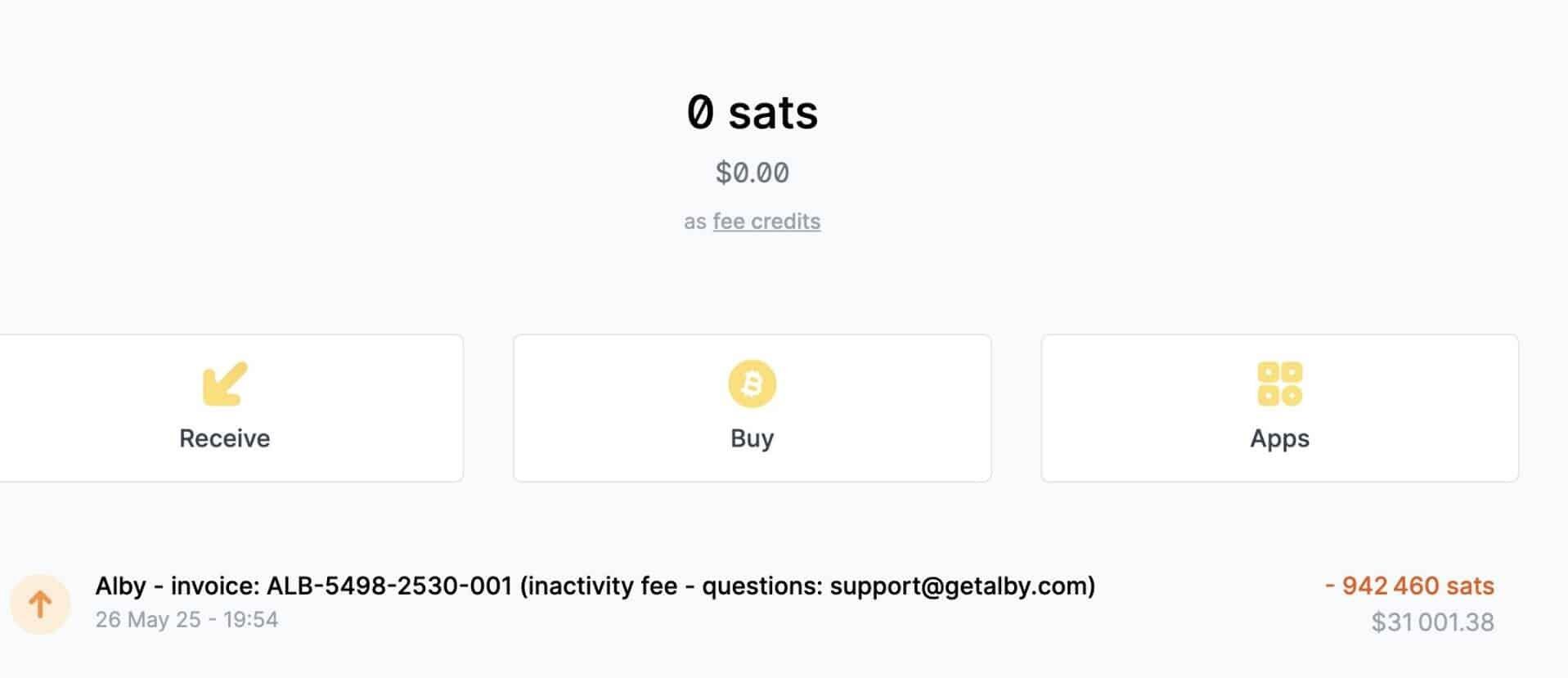
Bitcoin Wallet Begins Charging ‘Inactivity Fee’ to Users; Amounts Reach Up to $30,000 Users of a Bitcoin wallet are accusing its developers of moving their coins without permission. Numerous reports about the issue can be found on social media. The transfers are reportedly an “inactivity fee” charged by the wallet, which operates on both the native Bitcoin network and the Lightning Network. The fee is outlined in its terms of service. Unlike other well-known wallets, such as Electrum or Ledger, this wallet offers a shared custody solution. As a result, the developers also have access to the funds. As an example, a user shared a screenshot showing that the developers deducted $200 in Bitcoin from their wallet. The invoice cites an “inactivity fee” as the justification. In another post, several similar comments can be found. While some question the motivations behind these transfers, others threaten to sue the company. “All the money in my @Alby was transferred, can you fix this? It was transferred by the official.” “You bastard” “Thief” “All the money in my @Alby was transferred, can you fix this?” “Why did you transfer my money without warning? Please provide the refund method.” “Get ready for a lawsuit, you damn fraudulent company.” Other screenshots show deducted amounts of $42, $117, $1047, and even $30000. In other words, it is not a fixed-value fee. “The Alby wallet redefines the meaning of: ‘Your money is my money.’ My goodness, a new way to steal money!” “The main reason is that, according to @Alby terms of service updated in March 2025: to more efficiently manage accounts inactive for long periods, the platform withdraws the entire remaining balance from accounts that have had no transactions for 12 consecutive months,” wrote the user KuiGas.
Someone is still using the original Bitcoin software and just never upgraded. image
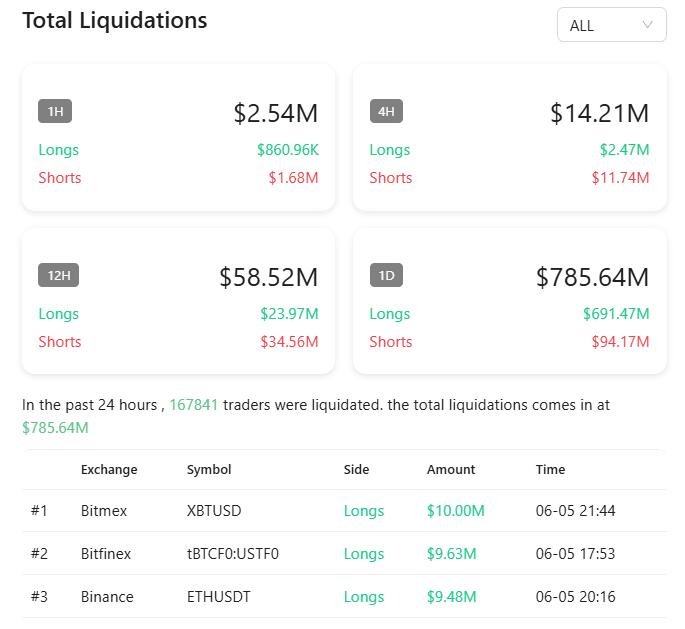
Nearly \$800 million was liquidated yesterday in the futures market. 🔥 Bitcoin accounted for about \$267 million of the total liquidations. A X spat triggered one of the biggest liquidations of 2025. image