True #Bitcoin story

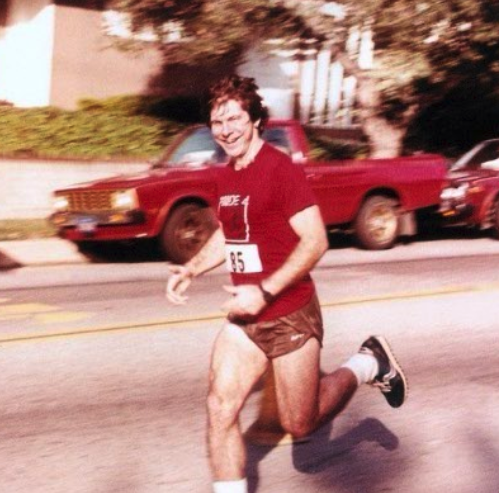
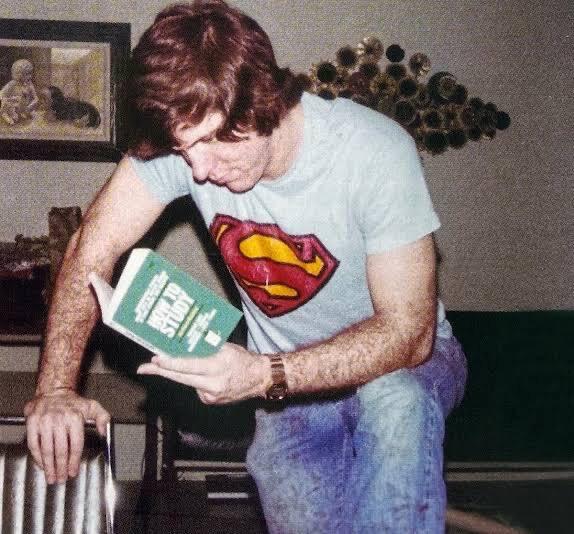
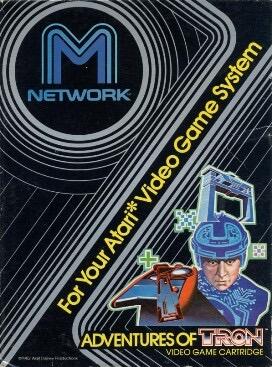
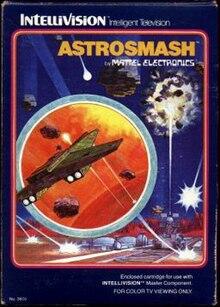
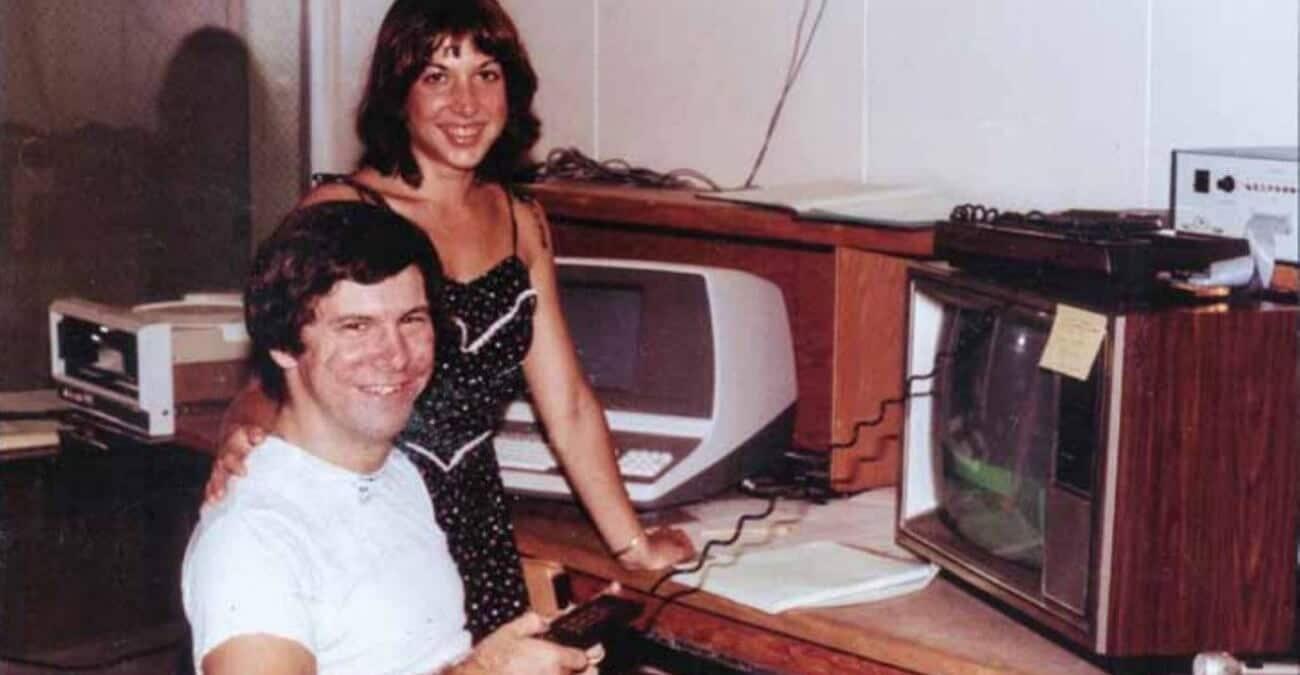
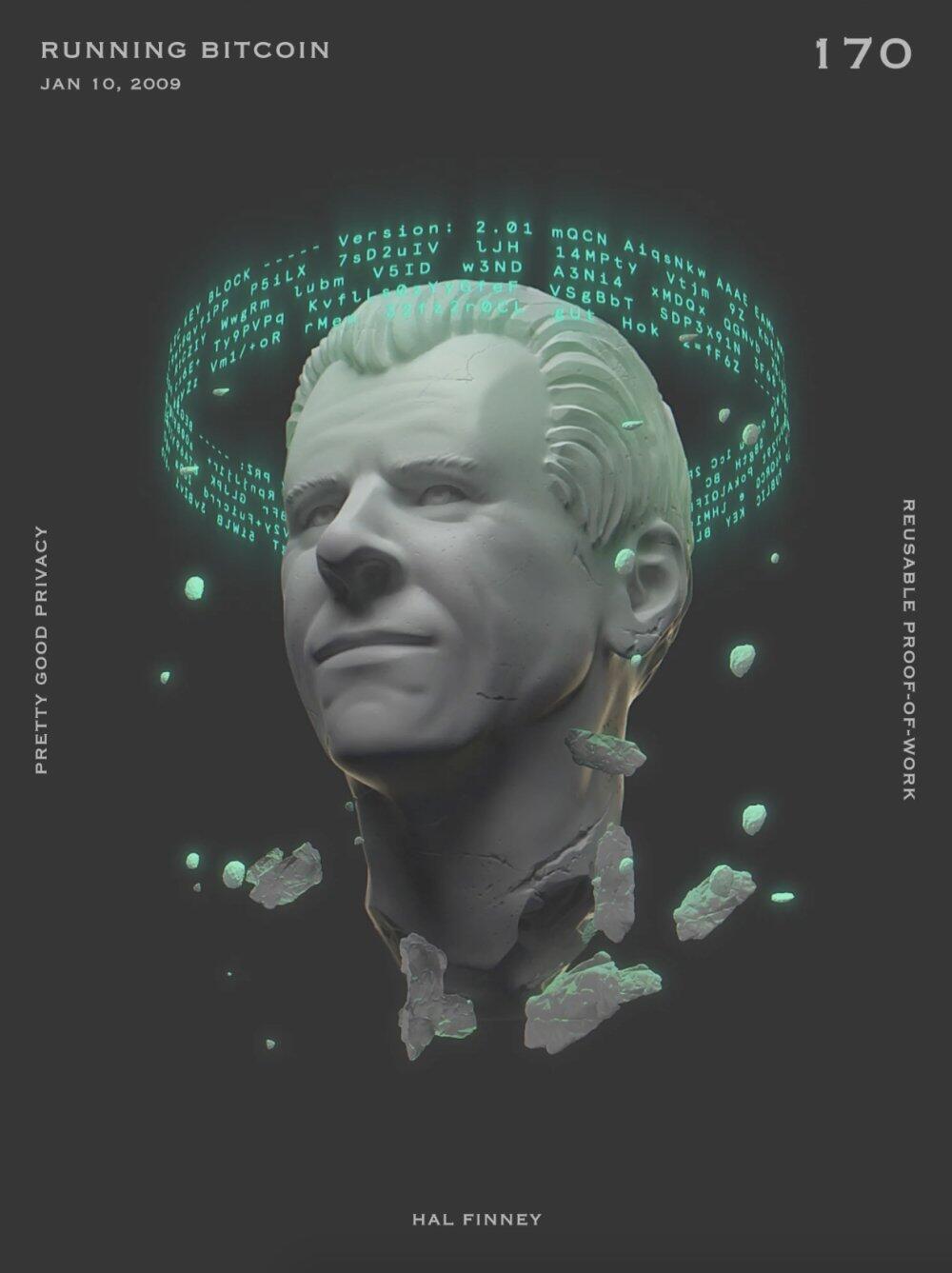
 Harold (Hal) Thomas Finney was a polymath. He started his career developing games.
Later, he joined the PGP Corporation—one of the first companies to commercialize cryptography—working alongside the legendary Phil Zimmermann.
He was an active member of the Cypherpunks mailing list, exchanging ideas with pioneers like Wei Dai and Nick Szabo.
Harold (Hal) Thomas Finney was a polymath. He started his career developing games.
Later, he joined the PGP Corporation—one of the first companies to commercialize cryptography—working alongside the legendary Phil Zimmermann.
He was an active member of the Cypherpunks mailing list, exchanging ideas with pioneers like Wei Dai and Nick Szabo.

 Hal Finney had been following a new idea circulating on the cypherpunk mailing list: #Bitcoin.
On January 11, 2009, a Sunday, someone named Satoshi posted Bitcoin’s source code on the list.
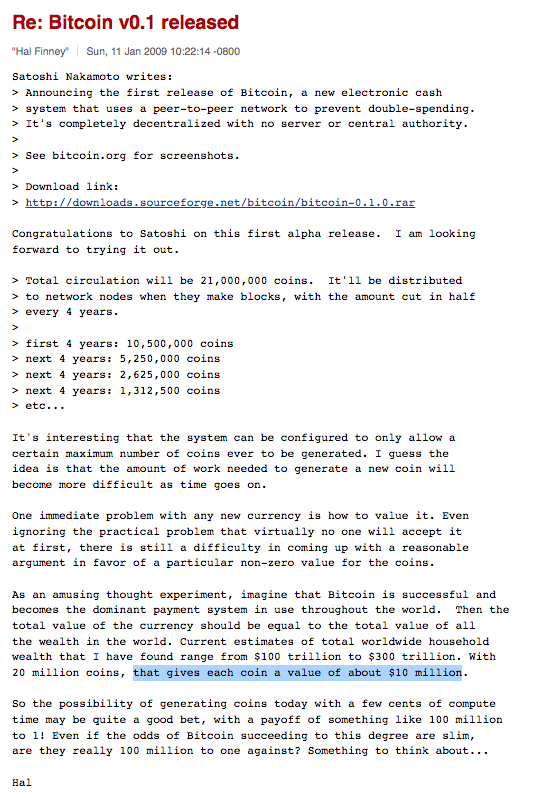
Hal was the FIRST to reply! In a moment of wild imagination, he suggested that 1 BTC could one day be worth $10 million.
Hal Finney had been following a new idea circulating on the cypherpunk mailing list: #Bitcoin.
On January 11, 2009, a Sunday, someone named Satoshi posted Bitcoin’s source code on the list.
Hal was the FIRST to reply! In a moment of wild imagination, he suggested that 1 BTC could one day be worth $10 million.
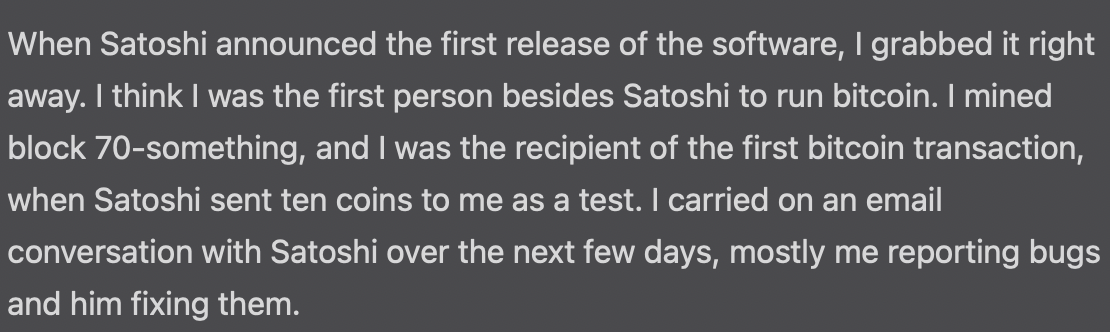
 Hal even exchanged emails with Satoshi and helped fix bugs in Bitcoin's code.
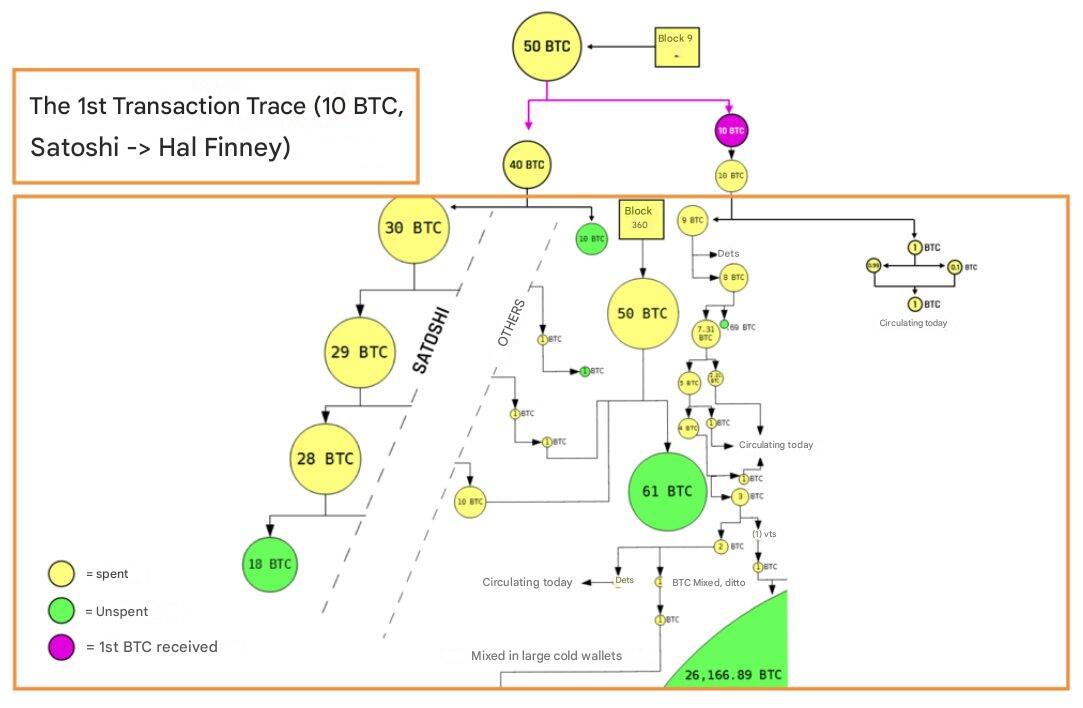
On January 12 in Greenwich (January 11 at 7:24 PM in California), Hal received 10 #BTC in a "test" transaction initiated by the creator himself.
This was—and will forever remain—the first transaction in the history of #Bitcoin.
Hal even exchanged emails with Satoshi and helped fix bugs in Bitcoin's code.
On January 12 in Greenwich (January 11 at 7:24 PM in California), Hal received 10 #BTC in a "test" transaction initiated by the creator himself.
This was—and will forever remain—the first transaction in the history of #Bitcoin.
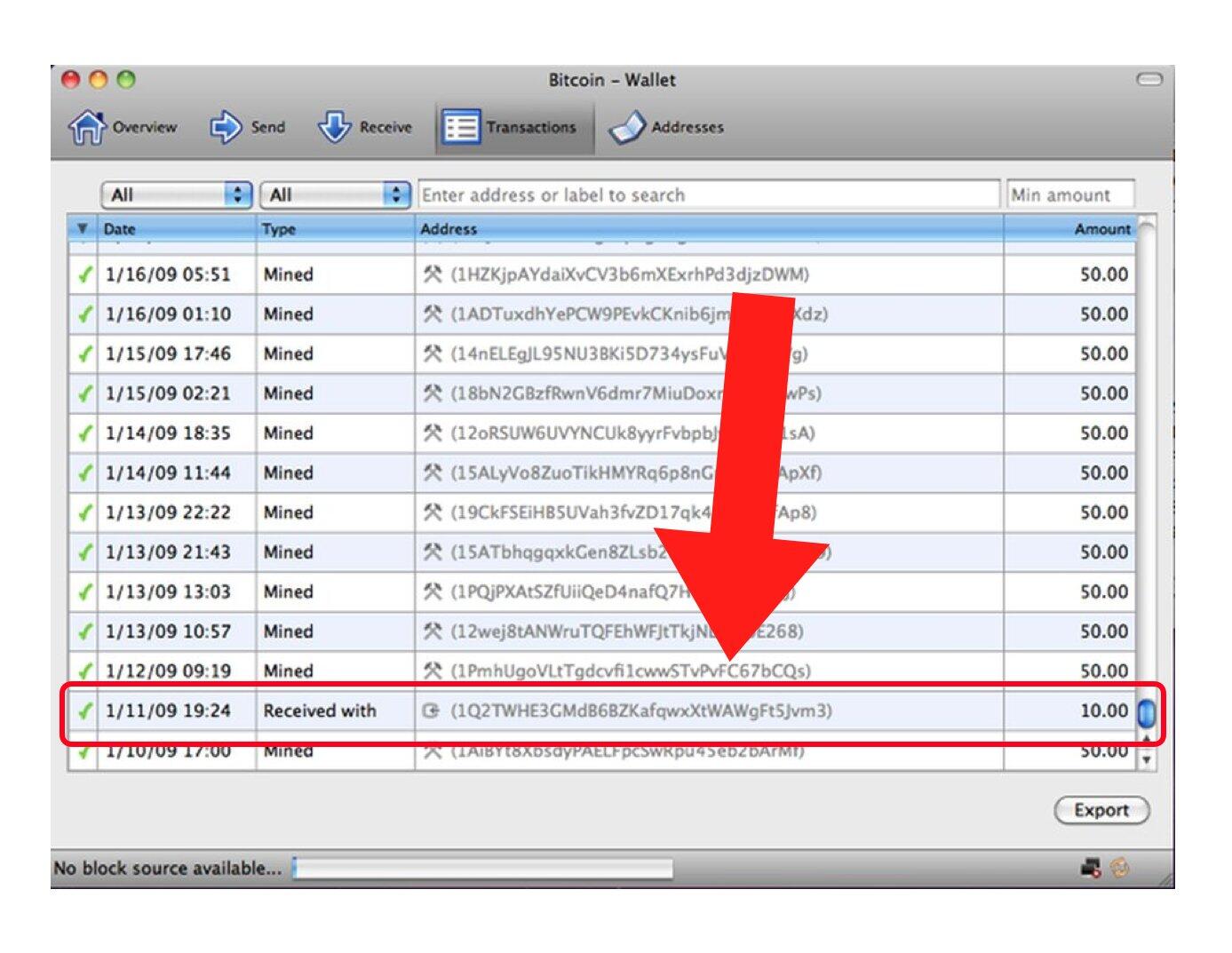 Fun fact 👇
Those 10 #BTC, today, are worth more than $1 million.
Each "50.00" #BTC block mined represents ~$5M 🤑.
Hal mined over $12 MILLION in just one week, between January 10 and 16, 2009 🤯
(calculated at today's value of $100,000 per BTC).
During those days, Hal's son, Jason, could hear the processors roaring at full speed in the attic 🔥
He recalled his dad's excitement in an interview:
"He told us he was helping someone build a prototype for virtual money. It didn’t sound real. More like an experiment."
Fun fact 👇
Those 10 #BTC, today, are worth more than $1 million.
Each "50.00" #BTC block mined represents ~$5M 🤑.
Hal mined over $12 MILLION in just one week, between January 10 and 16, 2009 🤯
(calculated at today's value of $100,000 per BTC).
During those days, Hal's son, Jason, could hear the processors roaring at full speed in the attic 🔥
He recalled his dad's excitement in an interview:
"He told us he was helping someone build a prototype for virtual money. It didn’t sound real. More like an experiment."
 Hal wrote about this period 👇
"I stopped because it made my computer overheat, and the fan noise annoyed me."
He helped bring the project to life but wouldn’t return to it until 2010.
Eight months after the genesis of #Bitcoin, Hal received news that changed everything... ☹️
Hal wrote about this period 👇
"I stopped because it made my computer overheat, and the fan noise annoyed me."
He helped bring the project to life but wouldn’t return to it until 2010.
Eight months after the genesis of #Bitcoin, Hal received news that changed everything... ☹️
 It was August 2009. Hal Finney was diagnosed with ALS.
The longest-living patient with the syndrome was Stephen Hawking, who survived for 55 years.
Most don't make it past 5.
In October, Hal shared his diagnosis online in a post titled "Dying Outside." His unshakable sense of humor stood out 👇
"I am lucky to have good support, caring family, and access to excellent medical care. Still, I find myself sometimes walking in circles, obsessing over what I could have done differently. But hey, life goes on—except for me, apparently!"
Even as his body failed, Hal's mind remained as sharp as ever.
It was August 2009. Hal Finney was diagnosed with ALS.
The longest-living patient with the syndrome was Stephen Hawking, who survived for 55 years.
Most don't make it past 5.
In October, Hal shared his diagnosis online in a post titled "Dying Outside." His unshakable sense of humor stood out 👇
"I am lucky to have good support, caring family, and access to excellent medical care. Still, I find myself sometimes walking in circles, obsessing over what I could have done differently. But hey, life goes on—except for me, apparently!"
Even as his body failed, Hal's mind remained as sharp as ever.
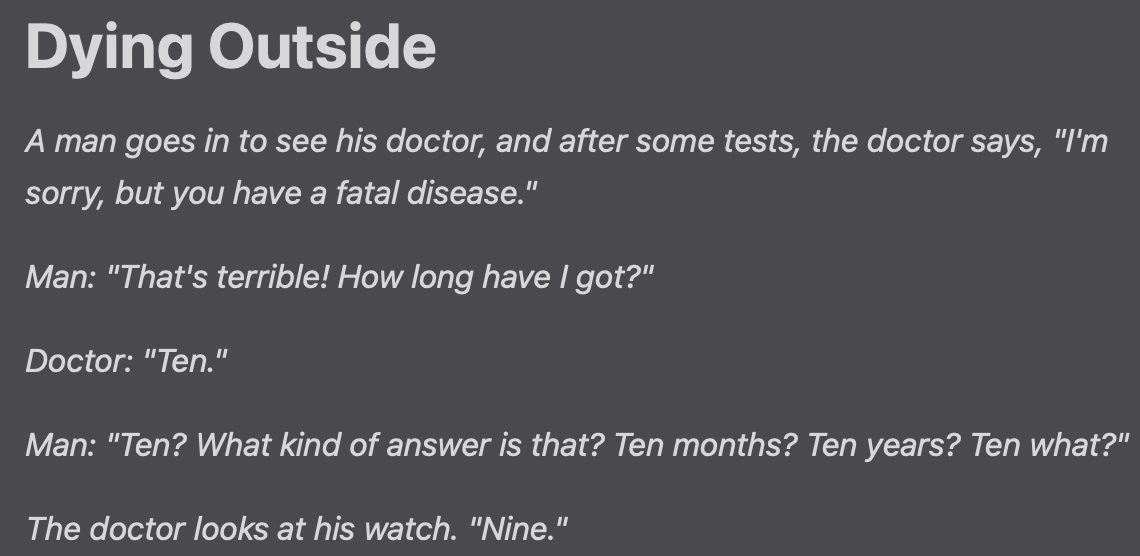 In this text, Hal confesses:https://lesswrong.com/posts/bshZiaLefDejvPKuS/dying-outside
"My dream is to contribute to open-source projects even from within a motionless body. This is a life worth living."
With the help of his wife, Hal did what was needed in the following years to achieve this mission ✊
Even as ALS ravaged his body, Hal never stopped working, continuing to contribute to projects like Bitcoin and other open-source endeavors. His dedication to his work and the legacy he built serves as an inspiration for many, showcasing how perseverance and passion can defy the most difficult of circumstances.
In this text, Hal confesses:https://lesswrong.com/posts/bshZiaLefDejvPKuS/dying-outside
"My dream is to contribute to open-source projects even from within a motionless body. This is a life worth living."
With the help of his wife, Hal did what was needed in the following years to achieve this mission ✊
Even as ALS ravaged his body, Hal never stopped working, continuing to contribute to projects like Bitcoin and other open-source endeavors. His dedication to his work and the legacy he built serves as an inspiration for many, showcasing how perseverance and passion can defy the most difficult of circumstances.
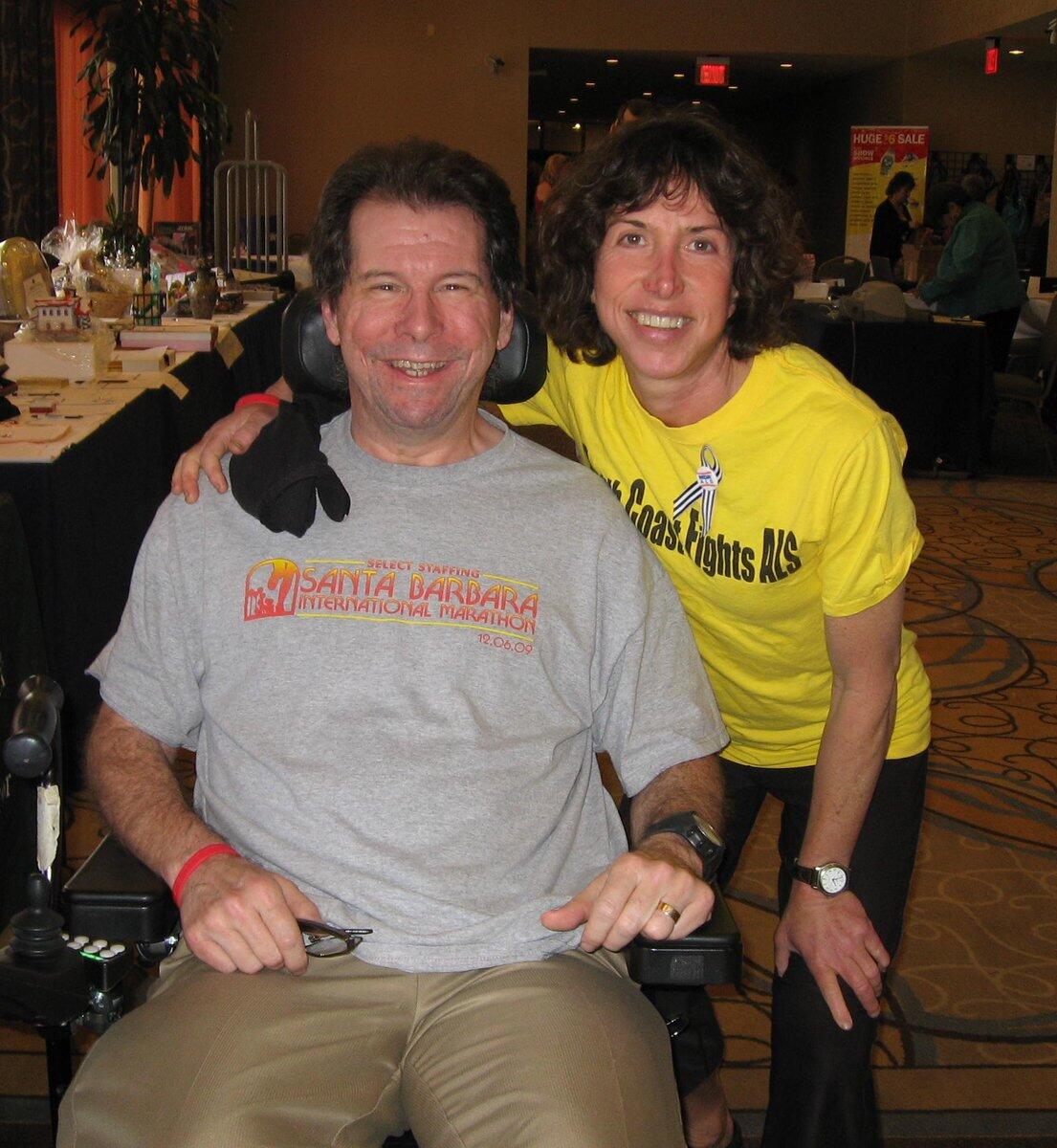
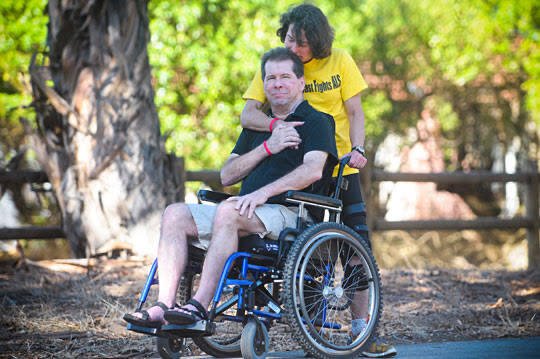
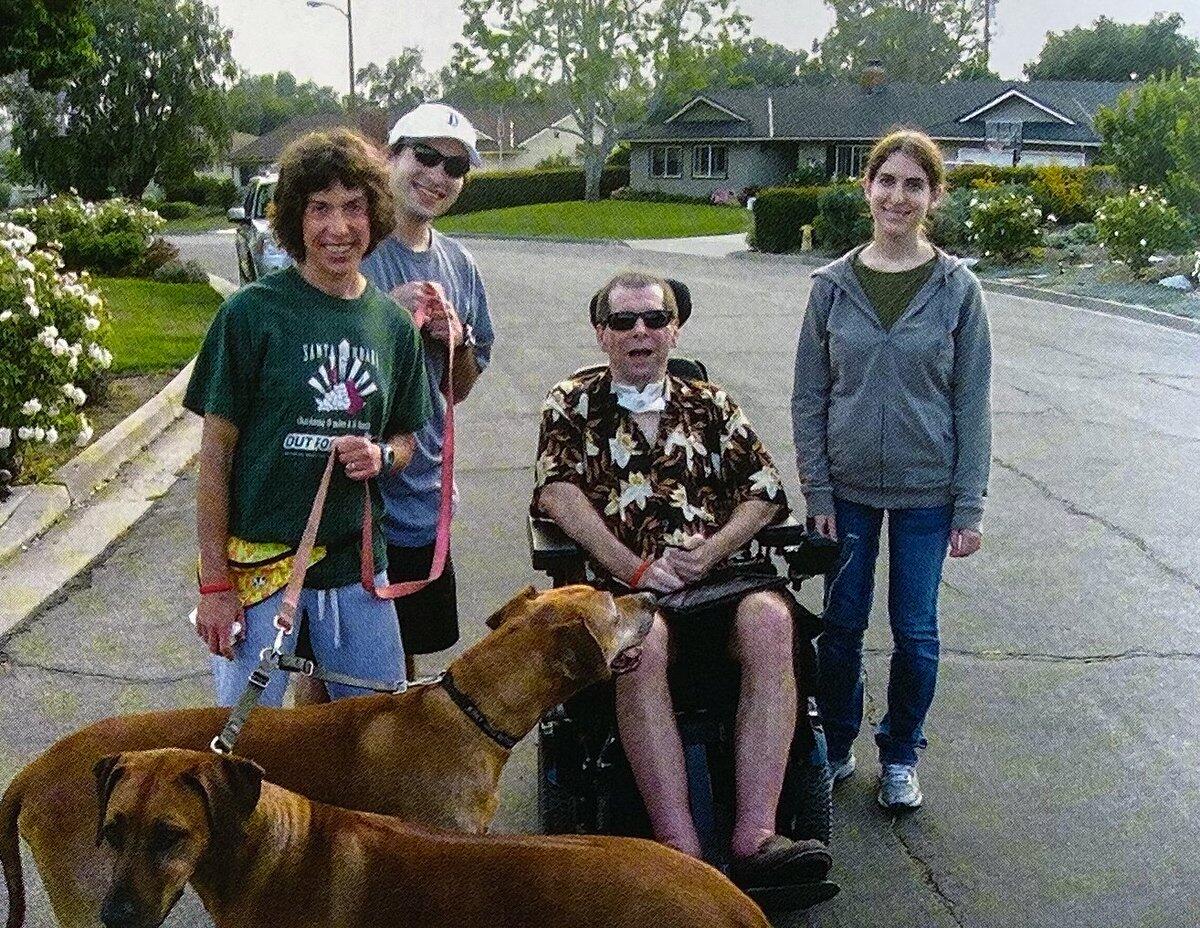
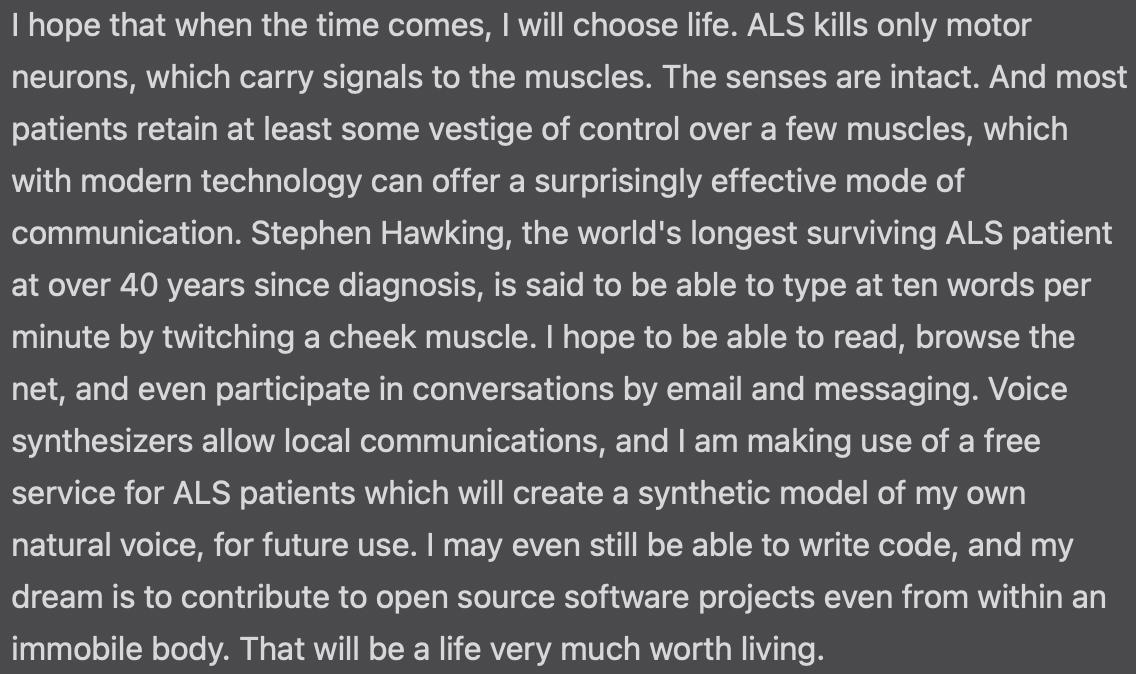 First, Hal lost strength in his legs.
Then, in his upper limbs.
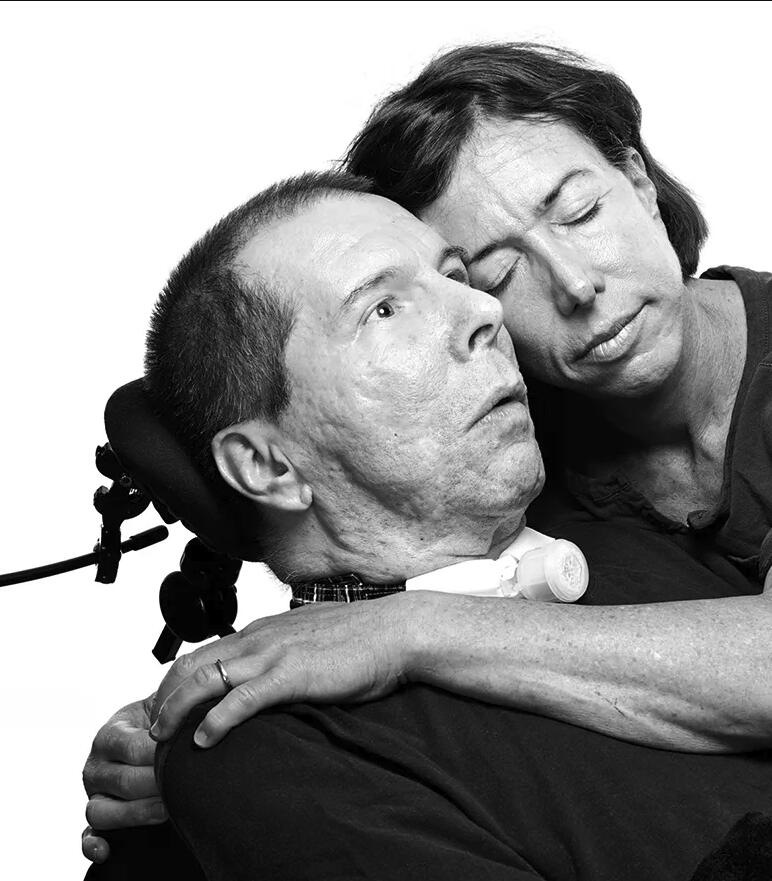
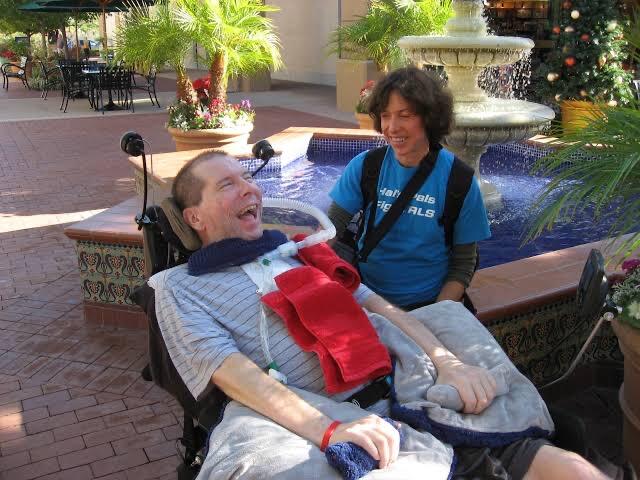
As his hands weakened, he built a device to continue typing with the movements of his eyes (the "black antennas" in the last photo).
He was never seen complaining.
He had a superpower 👇
First, Hal lost strength in his legs.
Then, in his upper limbs.
As his hands weakened, he built a device to continue typing with the movements of his eyes (the "black antennas" in the last photo).
He was never seen complaining.
He had a superpower 👇
 In 2011 and 2012, Hal's disease progressed.
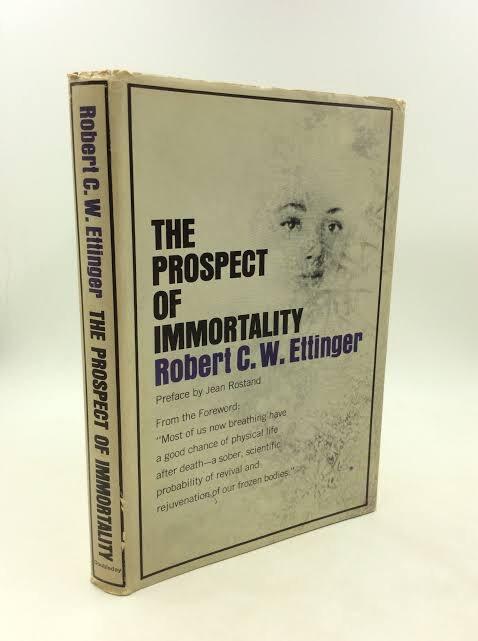
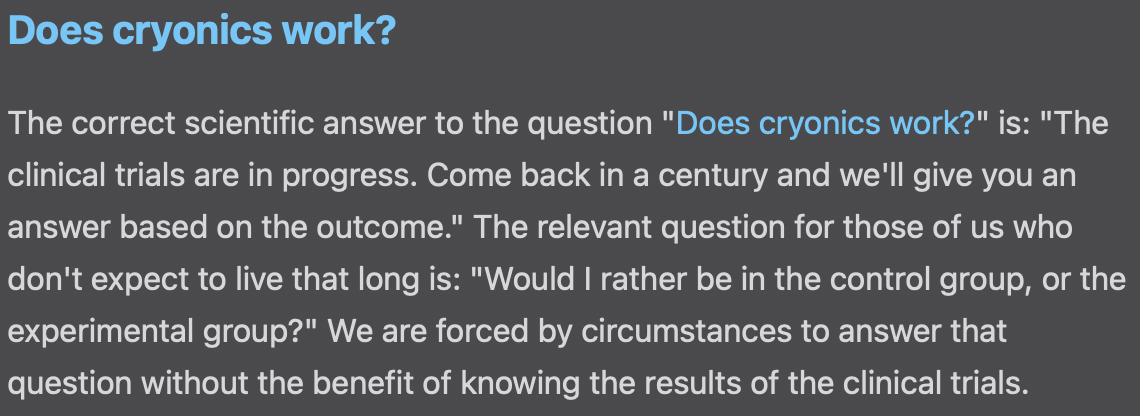
But the prospect of cryonics gave him hope. Just as the work he was doing on Bitcoin wallet security did.
Fran Finney recalls:
"Hal longed to experience tomorrow. He embraced every new thing."
In 2011 and 2012, Hal's disease progressed.
But the prospect of cryonics gave him hope. Just as the work he was doing on Bitcoin wallet security did.
Fran Finney recalls:
"Hal longed to experience tomorrow. He embraced every new thing."
 On his last ski trip, Hal reflected on the mental strength that remained:
“It’s good that, you know, I can say goodbye mentally as it happens. It makes it a little easier.”
He had agreed with Fran that when he could no longer communicate with his family, it would be time to go.
On his last ski trip, Hal reflected on the mental strength that remained:
“It’s good that, you know, I can say goodbye mentally as it happens. It makes it a little easier.”
He had agreed with Fran that when he could no longer communicate with his family, it would be time to go.
 On August 26, 2014, the day arrived.
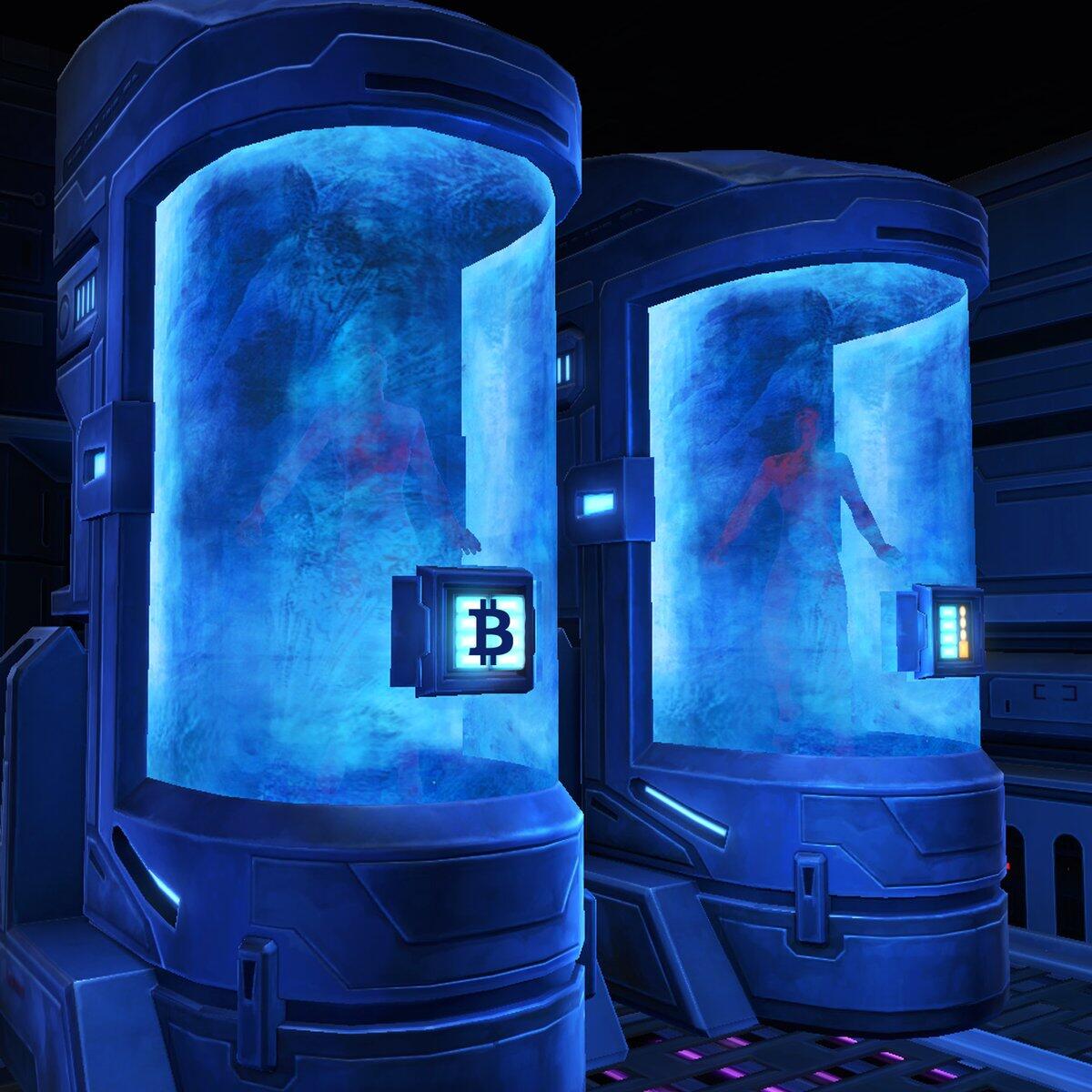
Hal’s vital functions were ceased, and the cryonic procedure was initiated.
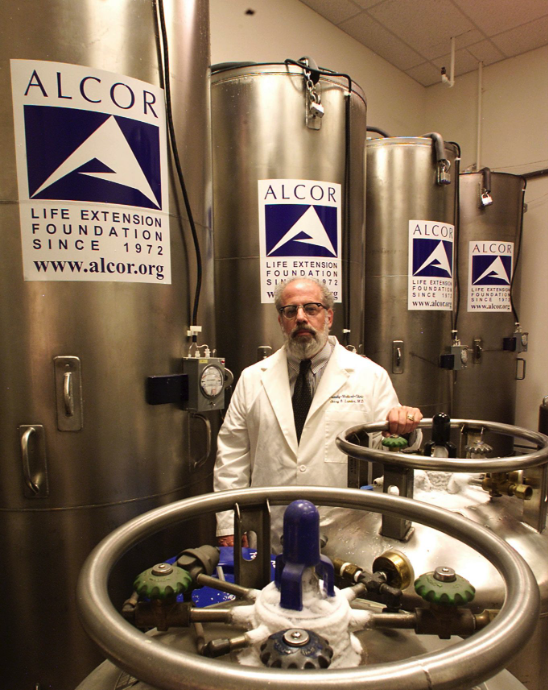
He became the 128th patient of Alcor.
Today, his body floats in a tank at -150°C, in the middle of Arizona.
His memories, informationally, remain intact.
On August 26, 2014, the day arrived.
Hal’s vital functions were ceased, and the cryonic procedure was initiated.
He became the 128th patient of Alcor.
Today, his body floats in a tank at -150°C, in the middle of Arizona.
His memories, informationally, remain intact.

 Before he passed, Hal wrote a farewell letter and posted it on a Bitcoin forum he had been a part of since the beginning.
The letter is called "Bitcoin and Me" 🥹
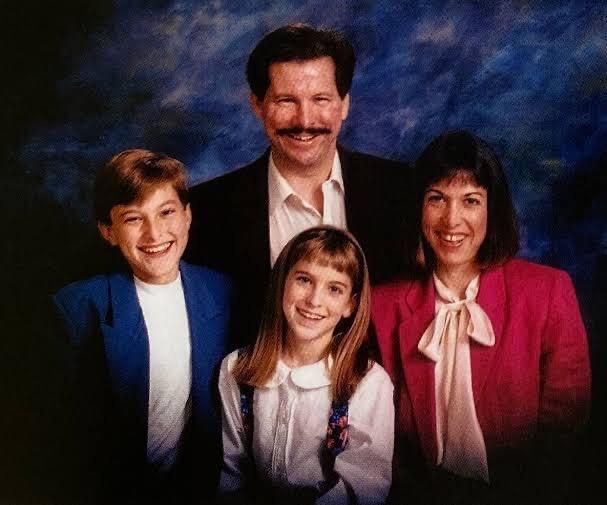
"My kids understand technology. I'm comfortable with my legacy." 🙏
Before he passed, Hal wrote a farewell letter and posted it on a Bitcoin forum he had been a part of since the beginning.
The letter is called "Bitcoin and Me" 🥹
"My kids understand technology. I'm comfortable with my legacy." 🙏
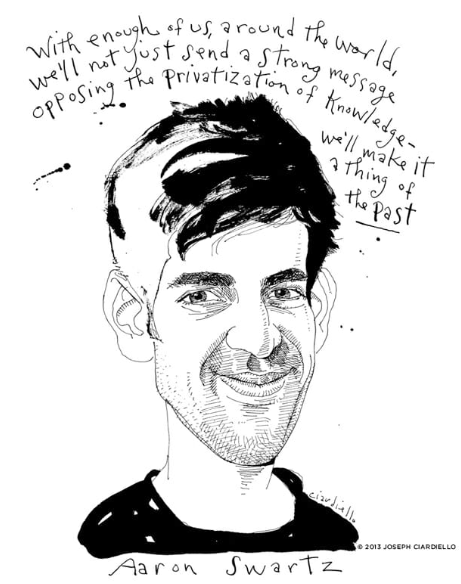
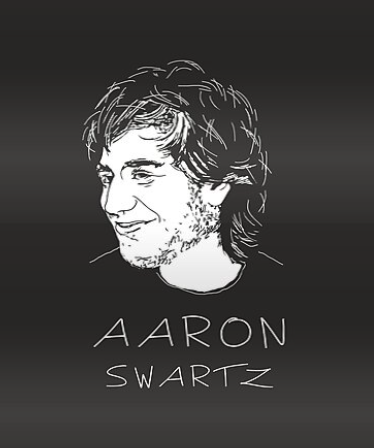
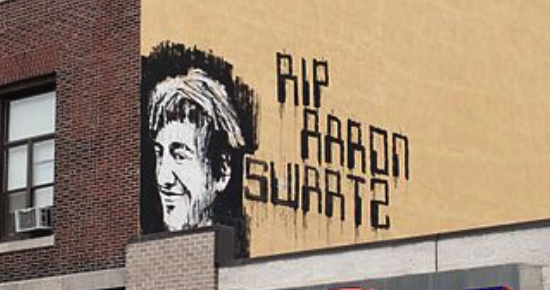
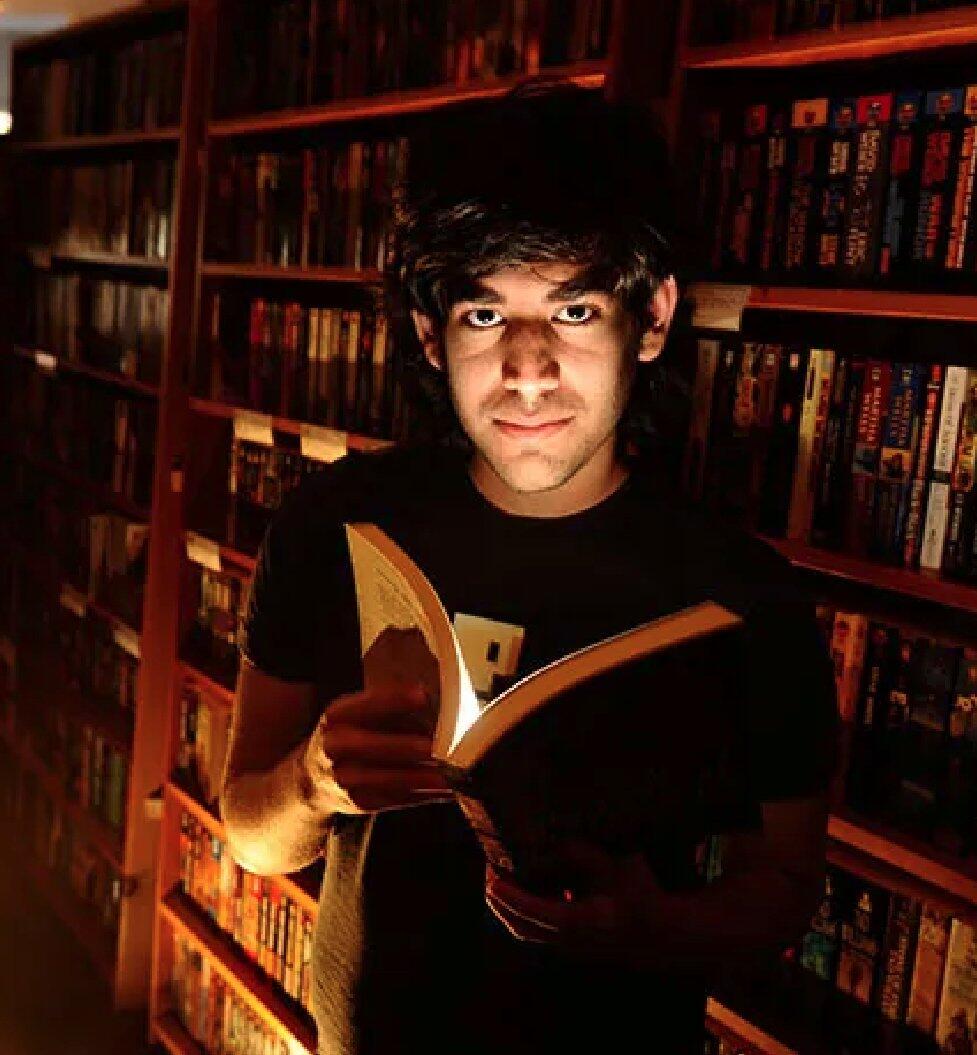 Aaron was creative, focused, and brilliant.
At 14, he invented RSS; He dropped out of Stanford; At 19, he was in the first Y Combinator class; He co-founded Reddit.
Most likely, if he were alive today, he would be involved with #Bitcoin.
But that’s not EVEN 1% of what he did for us 🙏
Let’s take a look 👇
Aaron was creative, focused, and brilliant.
At 14, he invented RSS; He dropped out of Stanford; At 19, he was in the first Y Combinator class; He co-founded Reddit.
Most likely, if he were alive today, he would be involved with #Bitcoin.
But that’s not EVEN 1% of what he did for us 🙏
Let’s take a look 👇
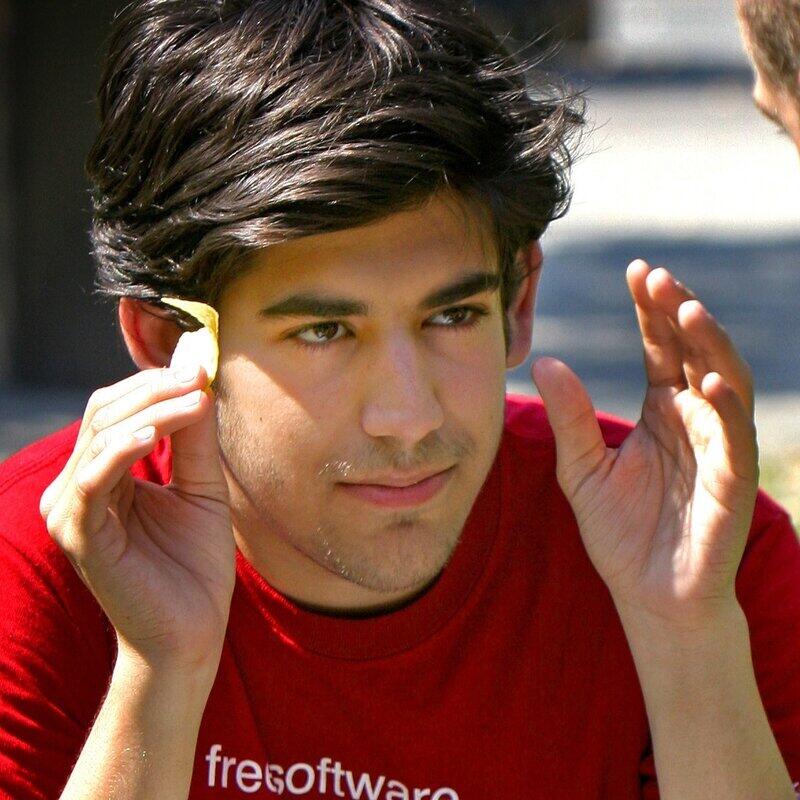 From a young age, Aaron believed in an OPEN INTERNET. In computers as a tool for LIBERATION.
"But wait, wasn’t the internet always open?"
No.
Believe it or not, there was a time when they wanted you to REGISTER your ID before you could browse or send an email.
From a young age, Aaron believed in an OPEN INTERNET. In computers as a tool for LIBERATION.
"But wait, wasn’t the internet always open?"
No.
Believe it or not, there was a time when they wanted you to REGISTER your ID before you could browse or send an email.
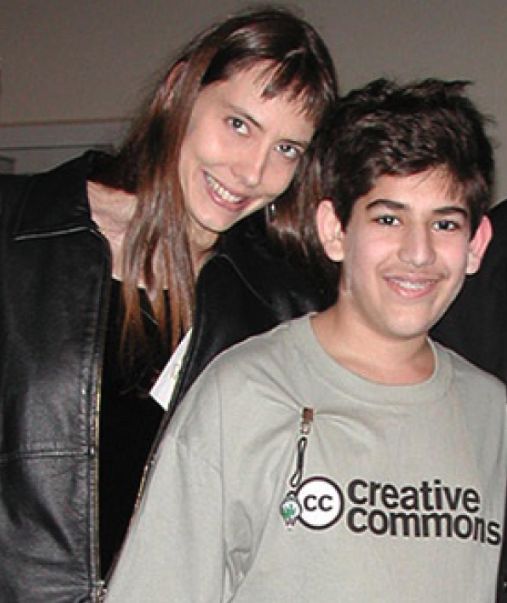
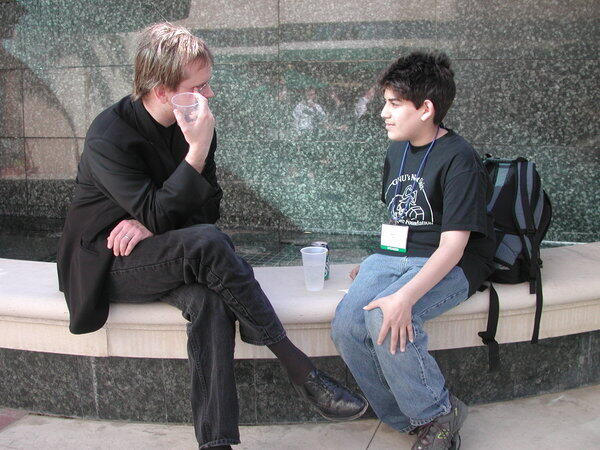
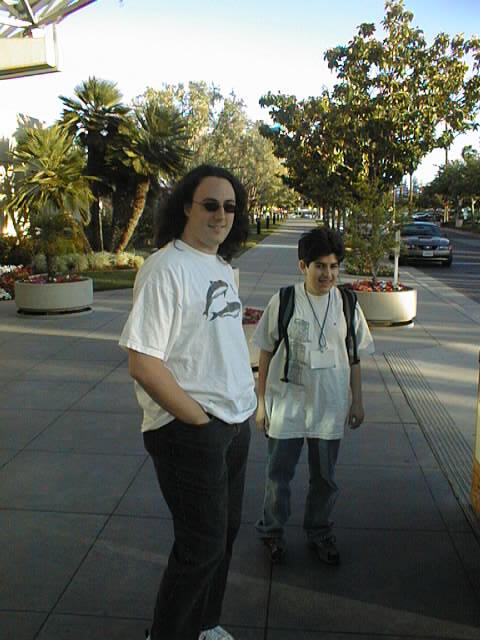
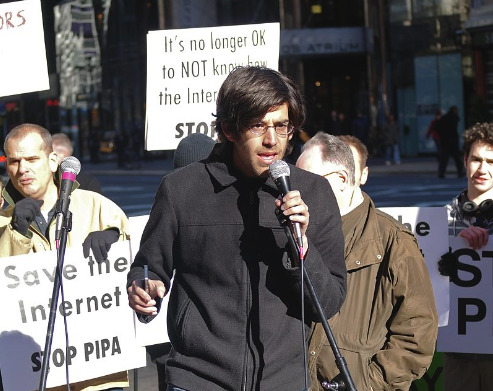 "SOPA/PIPA" 👉 if you're over 20, you probably still remember these acronyms.
A bill to "combat piracy"... which was just an excuse for the government to shut down ANY SITE, without warning.
Some companies loved the idea.
But those who loved the internet fought back.
"SOPA/PIPA" 👉 if you're over 20, you probably still remember these acronyms.
A bill to "combat piracy"... which was just an excuse for the government to shut down ANY SITE, without warning.
Some companies loved the idea.
But those who loved the internet fought back.
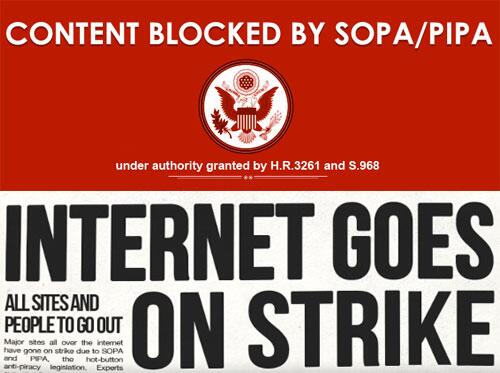 And then, something wonderful happened.
We still knew how to fight against online censorship.
In a coordinated response, the biggest websites on the internet "went on STRIKE."
Wikipedia and Reddit went offline. Google turned black.
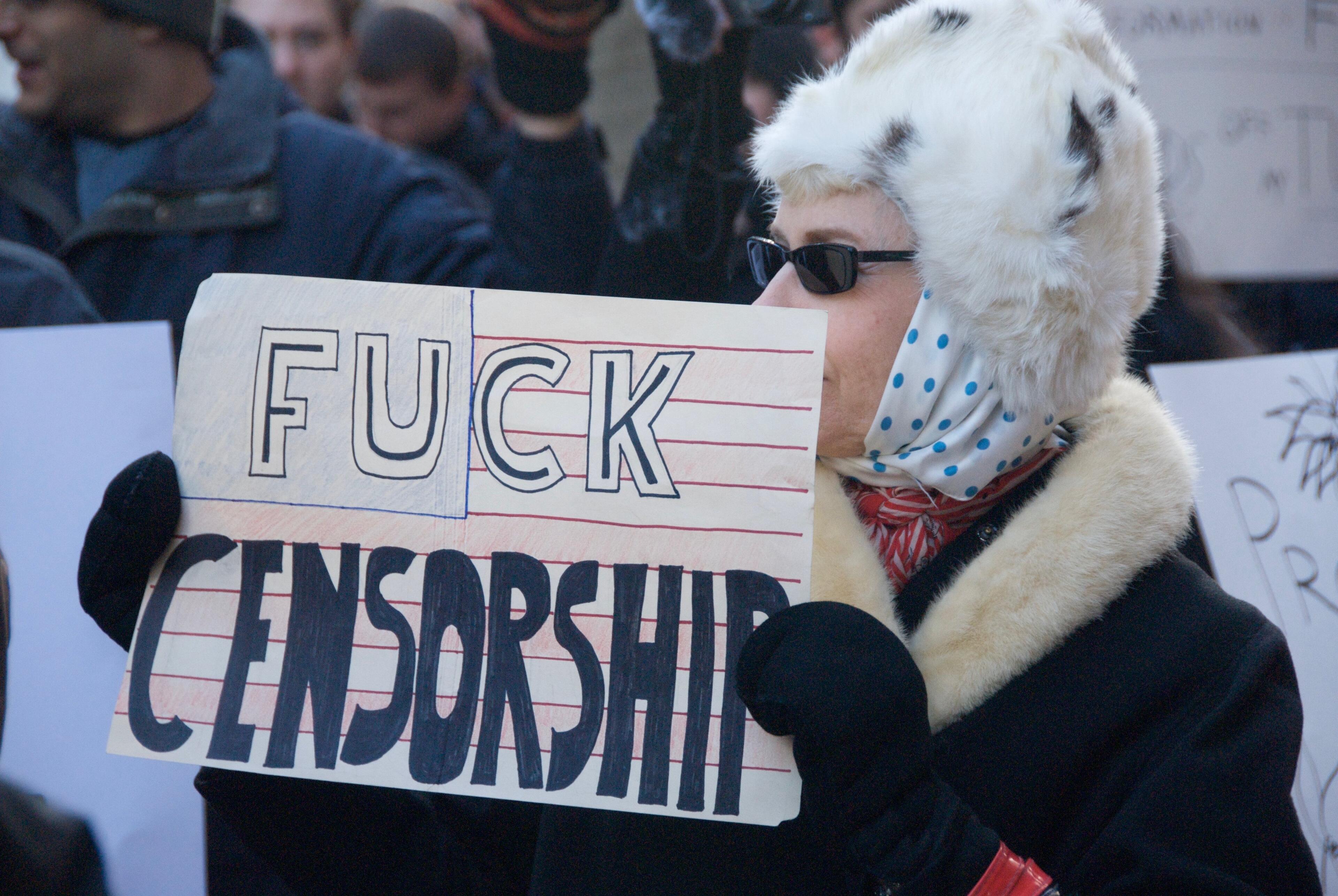
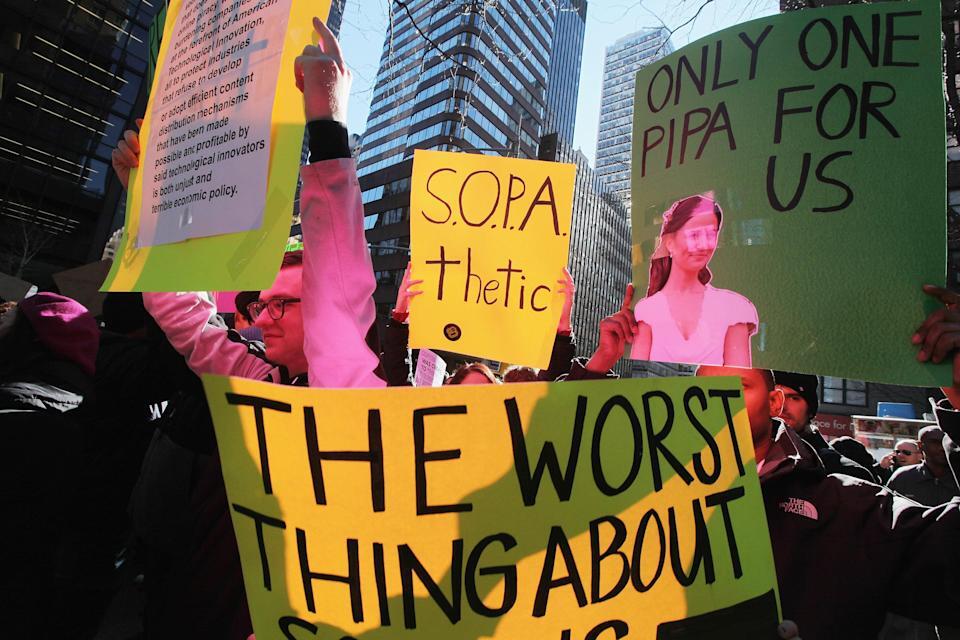
Protests also erupted in the STREETS.
But...
And then, something wonderful happened.
We still knew how to fight against online censorship.
In a coordinated response, the biggest websites on the internet "went on STRIKE."
Wikipedia and Reddit went offline. Google turned black.
Protests also erupted in the STREETS.
But...

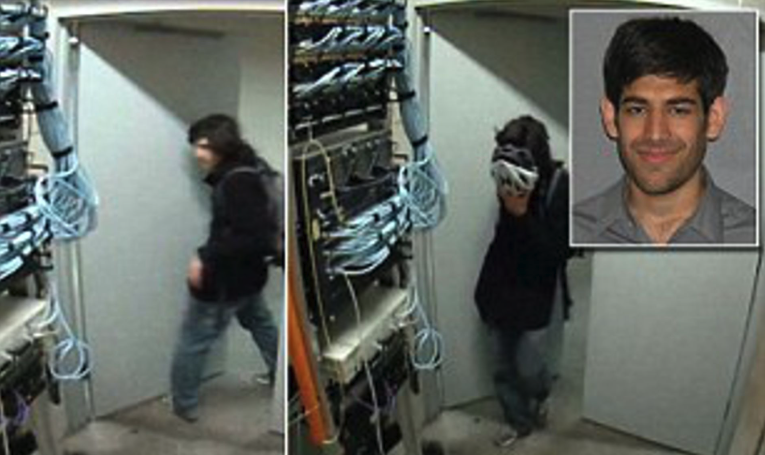 JSTOR was Swartz's final target: the largest database of academic papers in the world.
Aaron wrote a script to download MILLIONS of papers, over the course of months, using his MIT access, in a small room.
MIT has a rebellious culture.
But the FBI could no longer tolerate the boy's defiance.
JSTOR was Swartz's final target: the largest database of academic papers in the world.
Aaron wrote a script to download MILLIONS of papers, over the course of months, using his MIT access, in a small room.
MIT has a rebellious culture.
But the FBI could no longer tolerate the boy's defiance.
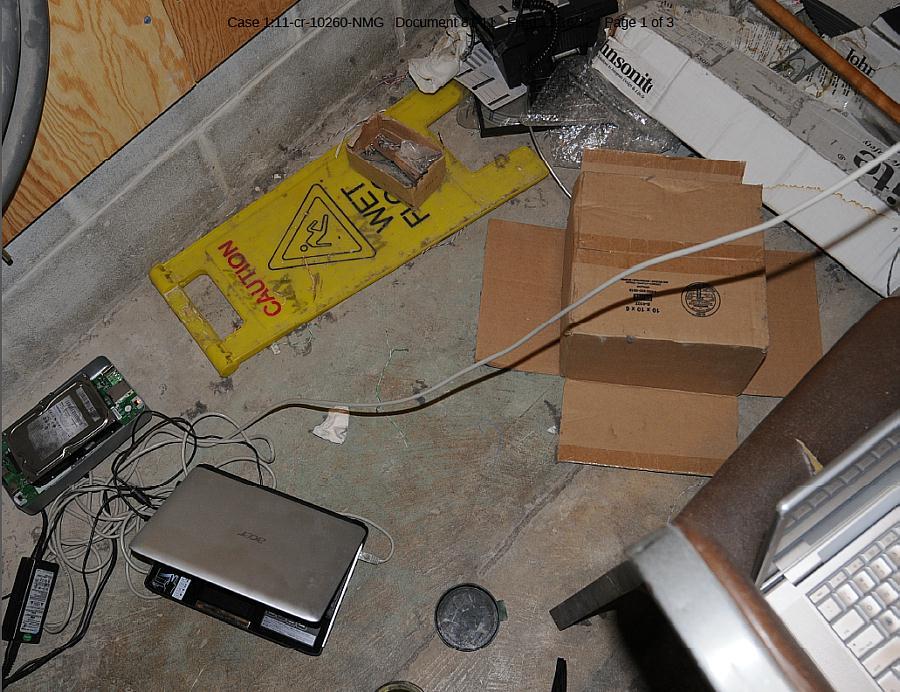 With the video evidence, the U.S. prosecution charged Aaron with 13 crimes. Up to 50 years in prison.
In January 2011, he was arrested by undercover agents near the Harvard campus.
From then on, he was legally tortured.
Two years later, he would be found dead at home.
With the video evidence, the U.S. prosecution charged Aaron with 13 crimes. Up to 50 years in prison.
In January 2011, he was arrested by undercover agents near the Harvard campus.
From then on, he was legally tortured.
Two years later, he would be found dead at home.
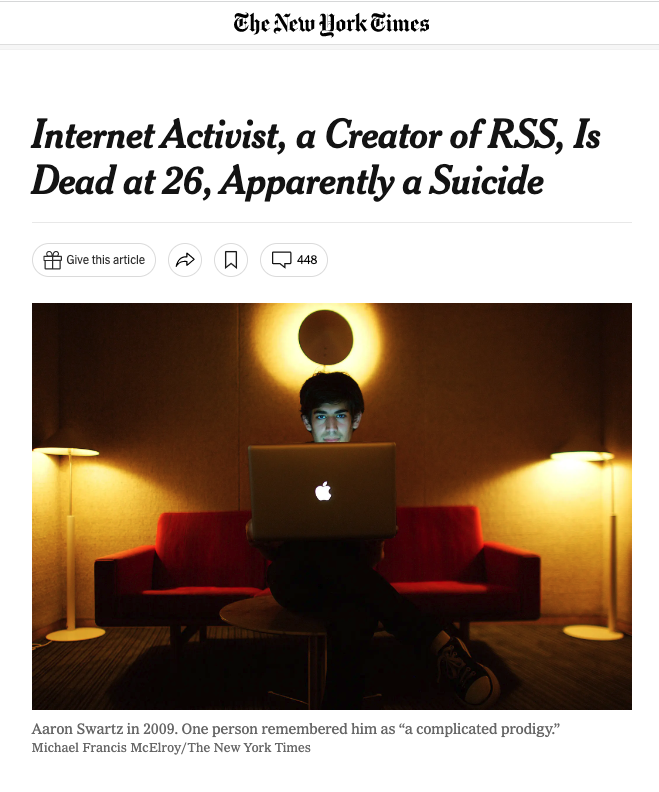
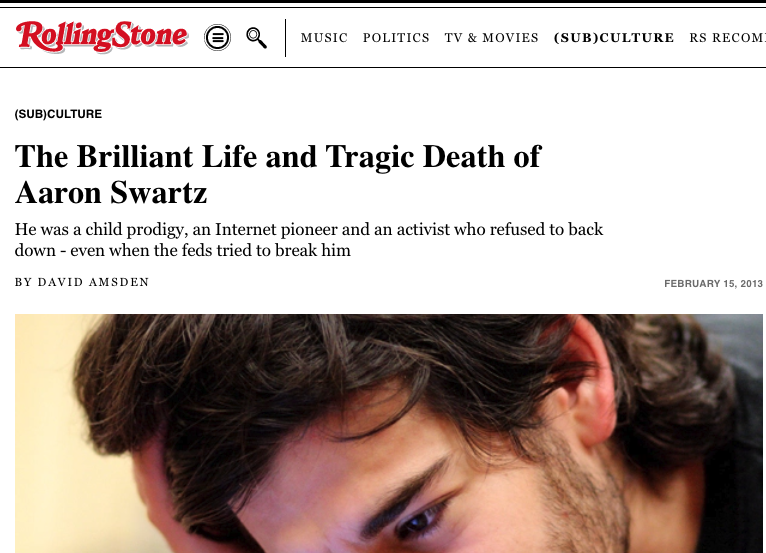
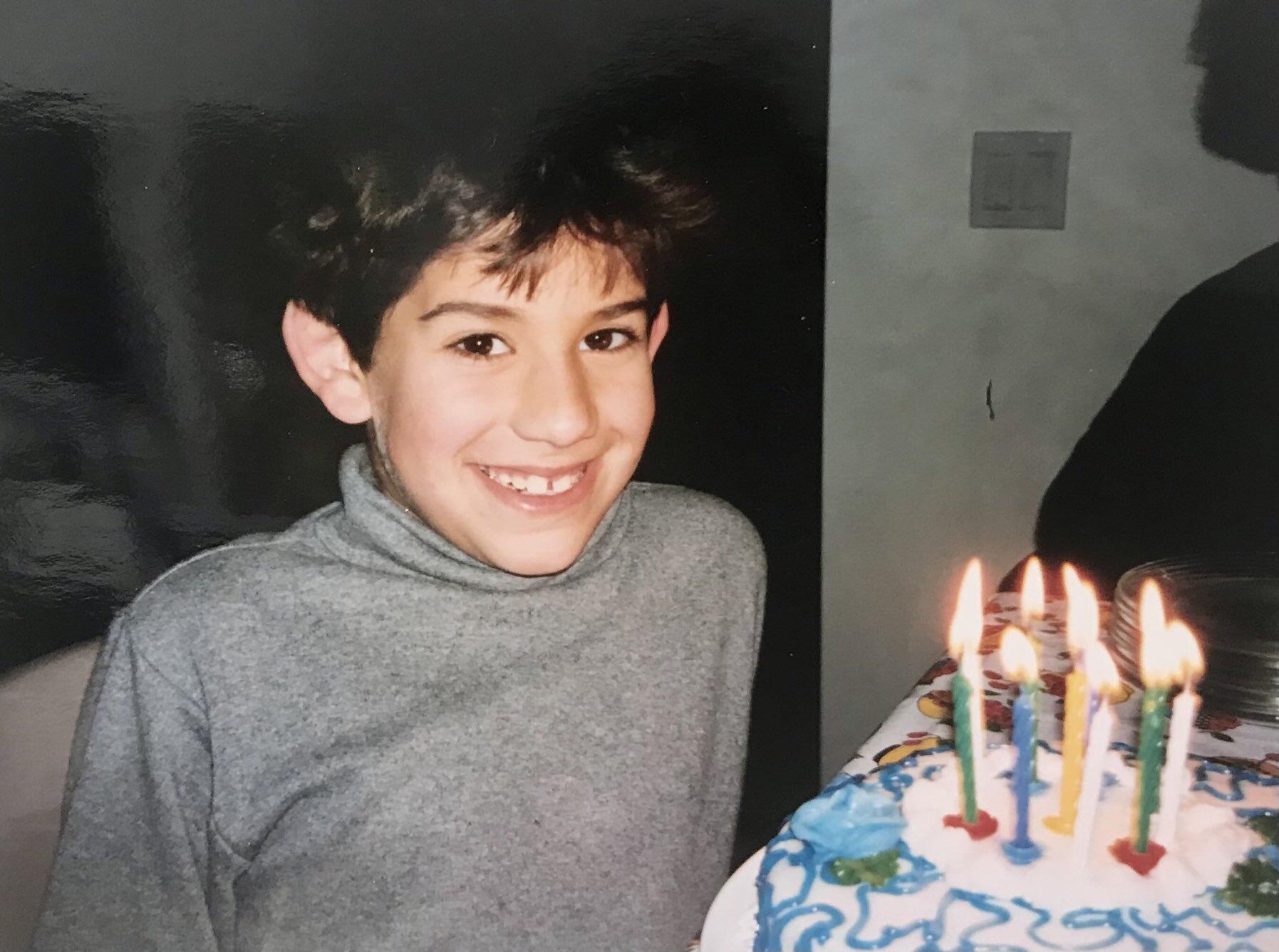 After his death, the charges were dropped by the government.
Aaron never considered entering a 'plea deal'. He would have faced millions of dollars in legal costs.
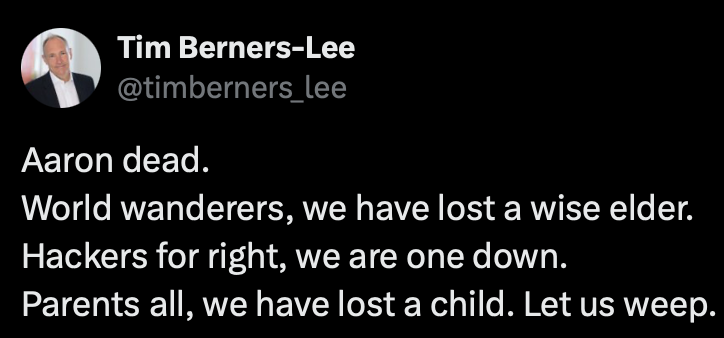
The father of the internet, Tim Berners-Lee, published a short poem at the time that says it all:
“The world was a little worse for his passing,
But a lot better for his being.”
After his death, the charges were dropped by the government.
Aaron never considered entering a 'plea deal'. He would have faced millions of dollars in legal costs.
The father of the internet, Tim Berners-Lee, published a short poem at the time that says it all:
“The world was a little worse for his passing,
But a lot better for his being.”
 Aaron wasn’t a unanimous figure. You may disagree with his methods.
But he was faithful to his ideal.
He was genuine. Firm in what he believed.
He was a person who used his prodigious skills not to enrich himself, but to make the internet fairer, and the world a better place.
Aaron wasn’t a unanimous figure. You may disagree with his methods.
But he was faithful to his ideal.
He was genuine. Firm in what he believed.
He was a person who used his prodigious skills not to enrich himself, but to make the internet fairer, and the world a better place.
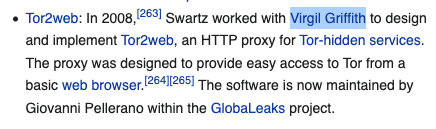
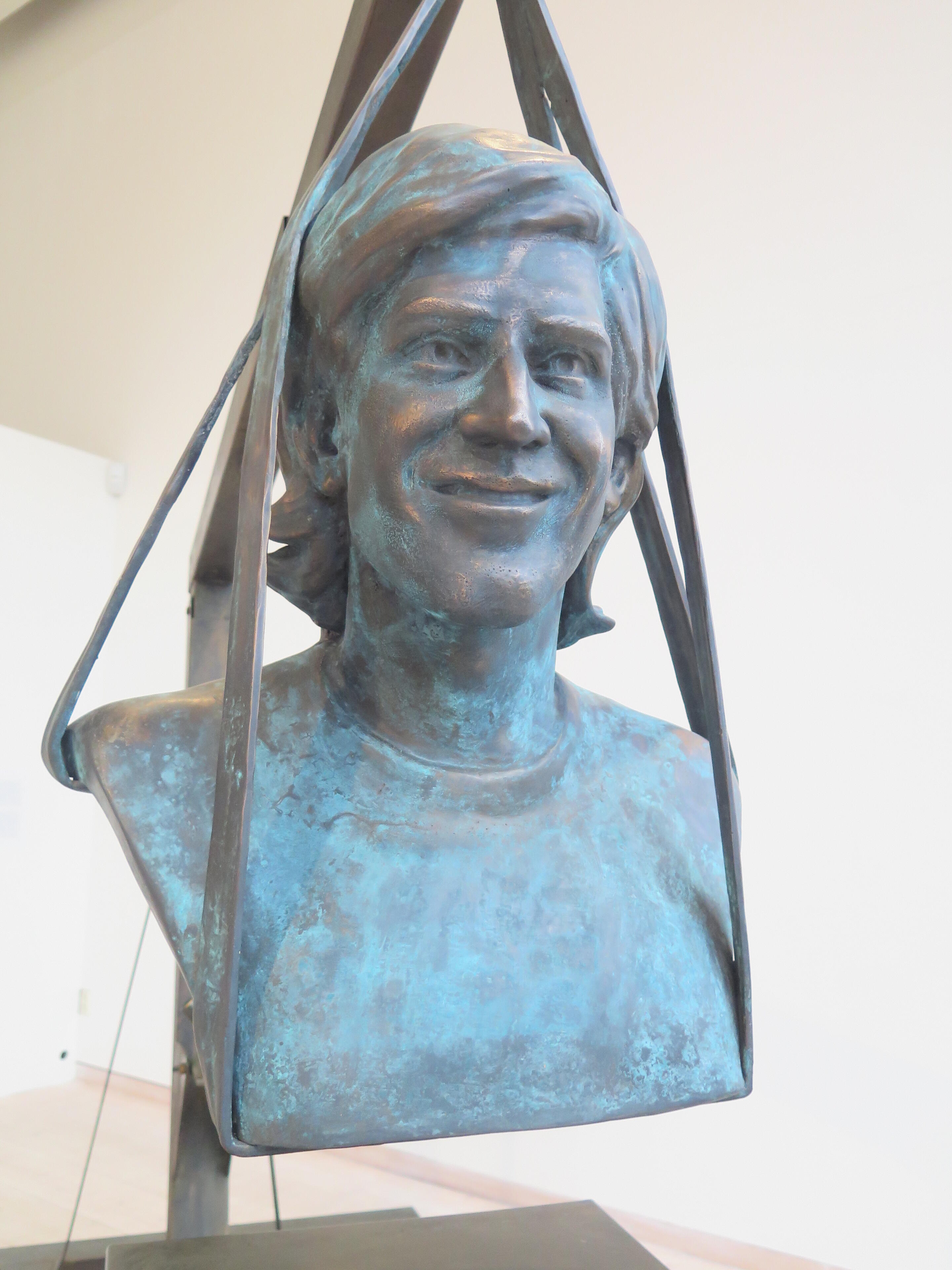 Aaron had worked with Virgil Griffith (former Ethereum, now imprisoned for "teaching about crypto" to North Koreans).
He knew Elizabeth Stark (from Lightning).
He was friends with Zooko.
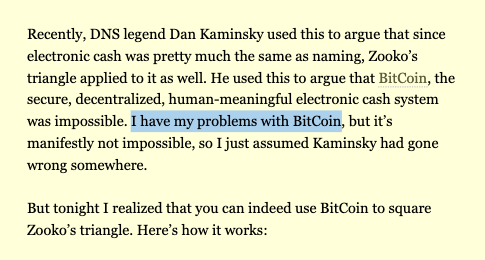
And he wrote about #Bitcoin — on the DAY he was arrested (1/6/11)! 😢
Aaron had worked with Virgil Griffith (former Ethereum, now imprisoned for "teaching about crypto" to North Koreans).
He knew Elizabeth Stark (from Lightning).
He was friends with Zooko.
And he wrote about #Bitcoin — on the DAY he was arrested (1/6/11)! 😢