Sea otters were nearly hunted into extinction a century ago for their luxurious pelts. But they have been surging in population in the Gulf of Alaska, bringing both benefits to nearshore ecosystems and drawbacks to the shellfish economy. Described by commercial shellfish harvesters and Native Alaskans as pillagers of clams and crabs, sea otters are seen by many marine biologists as having positive impacts on kelp forests. by Justin Catanoso #news #otters #Alaska
When environmental journalism in Latin America needed a regional voice, Maria Isabel Torres, Program Director of Mongabay Latam, focused on building one rooted in collaboration, empathy, and impact. From cross-border investigations on deforestation to stories amplifying women and Indigenous defenders, Maria Isabel and the team at Mongabay Latam have reshaped how environmental issues are reported across the region. Meet the person behind this journalism:
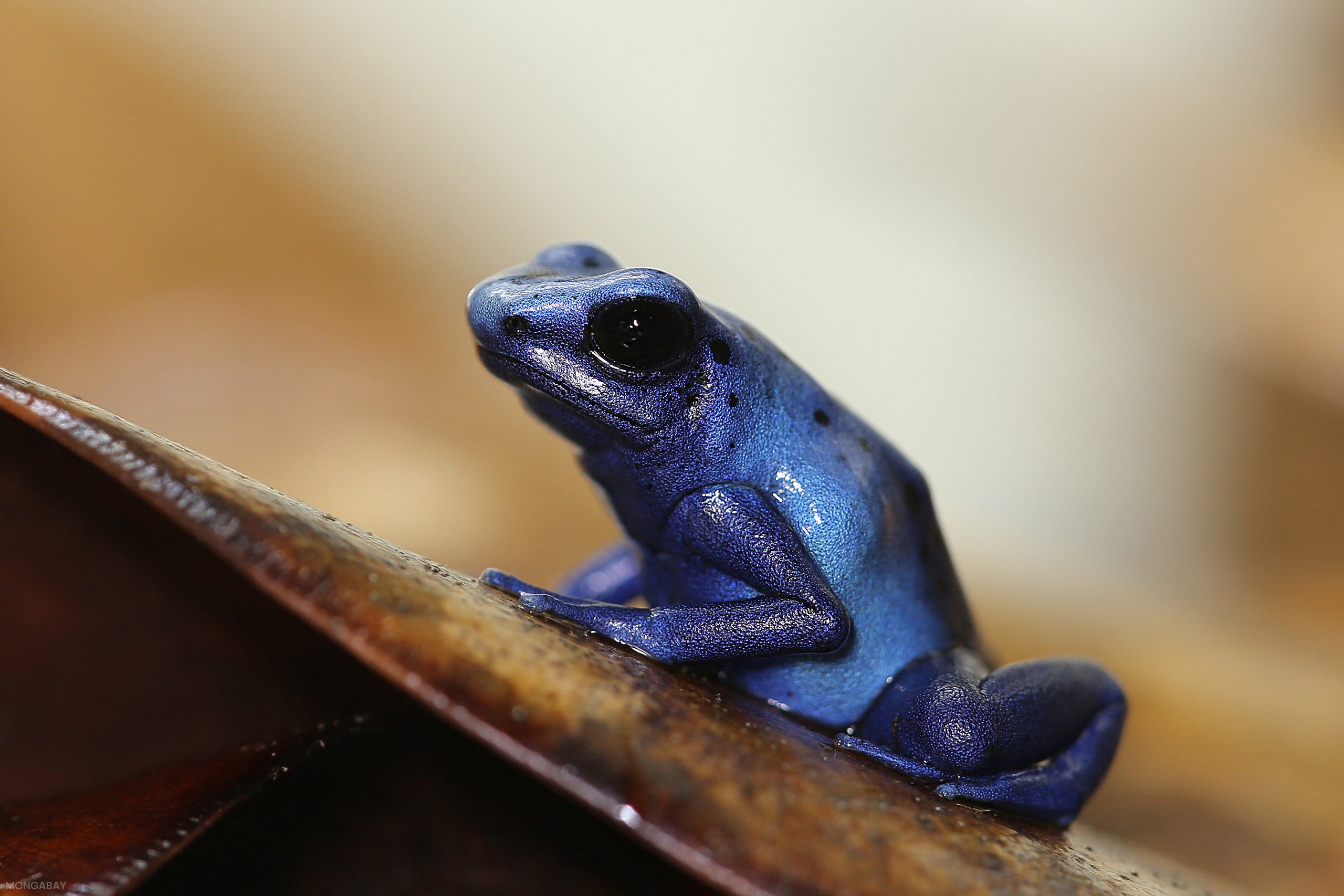
For decades, conservationists have warned that the planet’s attention—and its purse—are skewed toward the charismatic few. A sweeping analysis of some 14,600 conservation projects over 25 years confirms that bias in stark terms. The authors, led by Benoit Guénard, found that 83 percent of funding and 84 percent of projects went to vertebrates, leaving plants, invertebrates, fungi, and algae to divide the scraps. by Rhett Ayers Butler #news #conservation #amphibians
In the past few years, previously spotless air-conditioned icons of Singapore such as Changi Airport and the Apple Store have experienced infestations and diseases on indoor greenery. Experts say the rise in extreme temperatures as the city-state loses forest cover explains the migration of flies, bees, butterflies and rats into cooler indoor environments. by Robin Hicks #animal behavior #climate change #insects #pesticides #singapore
🌿 Mongabay founder & CEO Rhett Ayers Butler has been awarded the 2025 Henry Shaw Medal by the Missouri Botanical Garden — one of the oldest conservation honors. The award recognizes individuals whose work has advanced science, conservation, and public understanding of nature. While many recipients have been scientists, Rhett joins a distinguished group from outside academia, including the National Geographic Society and the U.K.’s King Charles III. by Bobby Bascomb
Brazil’s antitrust regulator, CADE, on Sept. 30 decided to suspend the Amazon soy moratorium from Jan. 1, 2026. Depending on the probe’s course of action, this could dismantle one of the nation’s most important private sector pacts credited with slowing deforestation of the tropical rainforest for soy plantations. by Shanna Hanbury #news #deforestation #soy #conservation #Amazon #rainforests #Brazil
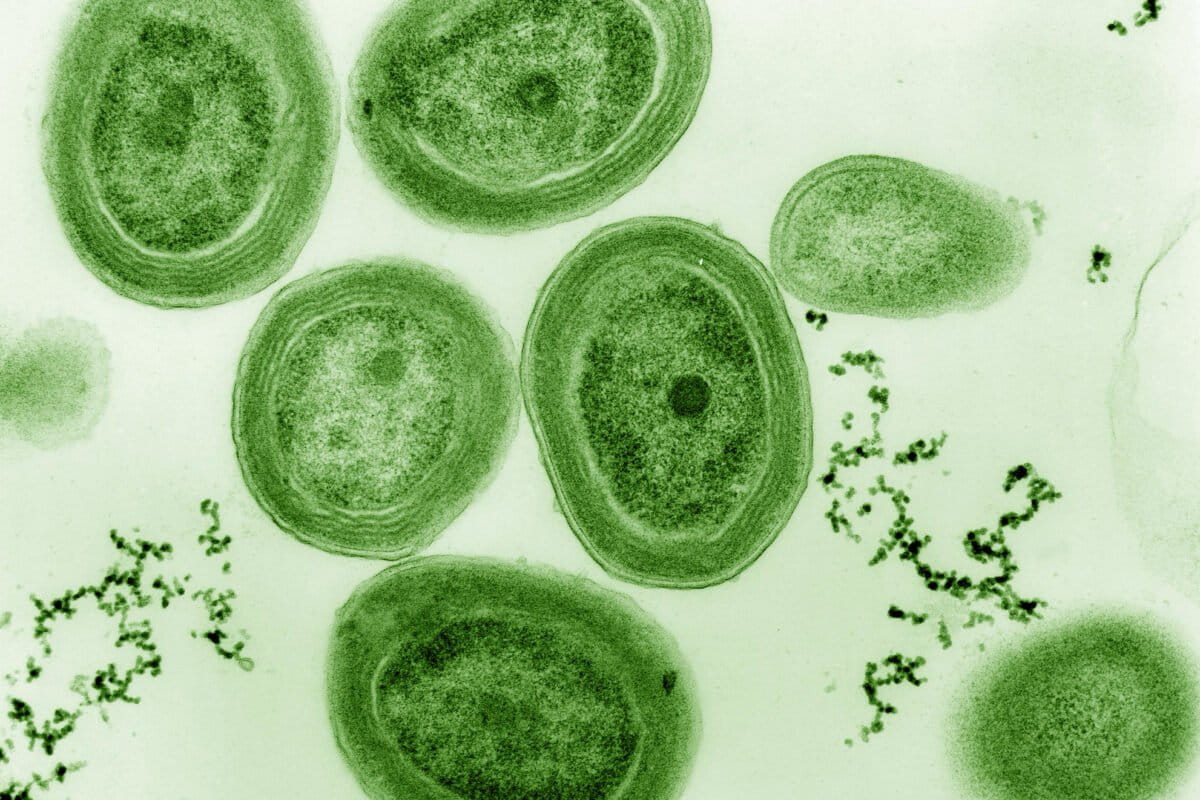
The IUCN, the global wildlife conservation authority, has established a new expert group that will help shape conservation priorities for a previously overlooked but vital group of organisms: microbes. In a recent commentary, the Microbial Conservation Specialist Group (MCSG) announced that it will look at the status and threats to various beneficial microbes that are critical for the health of humans and ecosystems. by Shreya Dasgupta #news #microbes #conservation
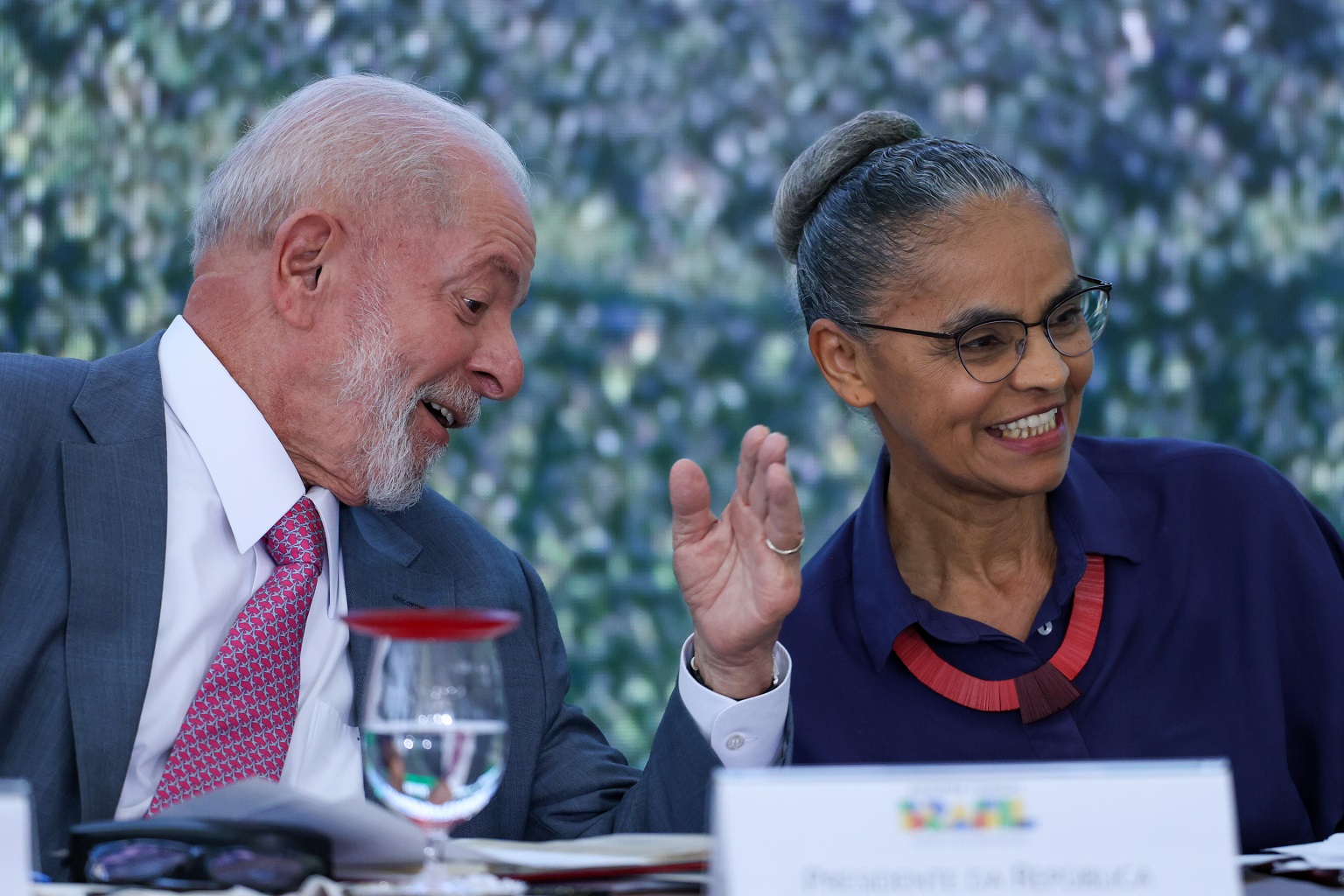
Brazil’s President Lula has personally cemented his support for the project and set his cabinet to work out a deal to renew the BR-319 highway, which passes through one of the most preserved areas of the Amazon. Scientists warn the highway will create a “fishbone effect” of illegal side roads, fueling deforestation that could push the Amazon past a critical tipping point and trigger its irreversible conversion into a savanna. by Rafael Spuldar #news #Amazon #Brazil
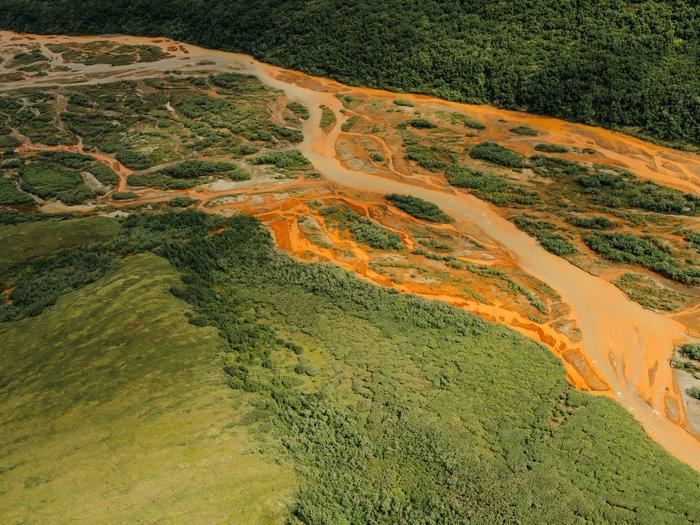
A new study found that 75 streams in Alaska’s Brooks Range have turned orange due to thawing permafrost, which releases metals that exceed U.S. Environmental Protection Agency safety thresholds for aquatic life. The contamination threatens fish populations that Indigenous communities depend on for food and income. Scientists warn that this climate change impact is irreversible and spreading. by Liz Kimbrough #news #biodiversity #fish #climatechange #indigenouspeople
Forged signatures. Flawed assessments. Secret night-time bulldozing. Mongabay uncovered how a hydropower project in Nepal’s sacred mountains was 90x bigger than reported—threatening Indigenous yak herders, red pandas, and snow leopards. Within weeks, 30+ organizations cited our coverage, and in 2025 it won the Indigenous Media Award. This is the power of independent journalism. 🌍 Support our efforts: