VERY interesting research on how academic twitter migrated to #Bluesky.
Interesting topline takeaways for growing #nostr. No rocket science that's not been said before, but it's nice to have some data:
1- External shocks are key. Capitalize on them. >15% of transitions explained this way. Think geopolitical events, outages, Musk making a big disliked policy change etc.

2- Audiences move from incumbent platforms following influential voices that they follow. Focus on onboarding these influential voices. This is more impactful than just trying to bring the whole audience first.

This dynamic can build contagion. Find ways to more publicly highlight when influential accounts join.
And make it super easy for Nostr users to use clients to reconstruct followees & social graphs from incumbent platform. Trick will be to do this in a privacy respecting way.
(sidenote: that's way the follow packs were such a good idea. But we need much more of this)
(note: influential voices may experience a period of 'where's my audience?' So it's key to find ways to get the transitioning user from that to the reconstruction of their network. )
3- Multiple peers transitioning is key. Having local clusters develop is important (& probably helps with the dry period before an audience is rebuilt.)
Interesting nuance: transition rates to #bluesky were 25-30% in fields like arts/social sciences, but about half that in medical / physical sciences / engineering. Possible predictors include baseline political engagement & political values expressed.

This has an implication for Nostr: focus messaging on Nostr features that may align with people in incumbent platforms. There has to be desire.
Paper "Why Academics Are Leaving Twitter for Bluesky"
https://arxiv.org/pdf/2505.24801


 That's enough friction to keep the knowledge from most of the globe.
Every time I encounter knowledge gatekeeping in a health related journal I wince.
I wonder if the American Journal of Psychiatry has considered the costs to the field, and our global mental health, of staying closed?
That's enough friction to keep the knowledge from most of the globe.
Every time I encounter knowledge gatekeeping in a health related journal I wince.
I wonder if the American Journal of Psychiatry has considered the costs to the field, and our global mental health, of staying closed?
 The thing is, I can personally read these articles thanks to my institutional affiliation.
But the momentary friction as I cross through the paywall reminds me that most people can't.
The article:
The thing is, I can personally read these articles thanks to my institutional affiliation.
But the momentary friction as I cross through the paywall reminds me that most people can't.
The article:  Their website:
 Including severing Ledger founder David Balland's finger.
Authorities are probing possible links to additional cases.
Including severing Ledger founder David Balland's finger.
Authorities are probing possible links to additional cases.
 This dynamic of remotely-masterminded attacks is terrifying. Nothing about these attacks requires super special skills, and the sheer ease of moving the assets once the wrench attack has happened is likely to attract more criminal groups.
 I still think we're in the earliest days of these. Plenty of #OPSEC lessons and complexities to start thinking about here.
Also, almost certainly the case that post- #Coinbase breach we will see more of these attacks.
Read the news story:
I still think we're in the earliest days of these. Plenty of #OPSEC lessons and complexities to start thinking about here.
Also, almost certainly the case that post- #Coinbase breach we will see more of these attacks.
Read the news story: 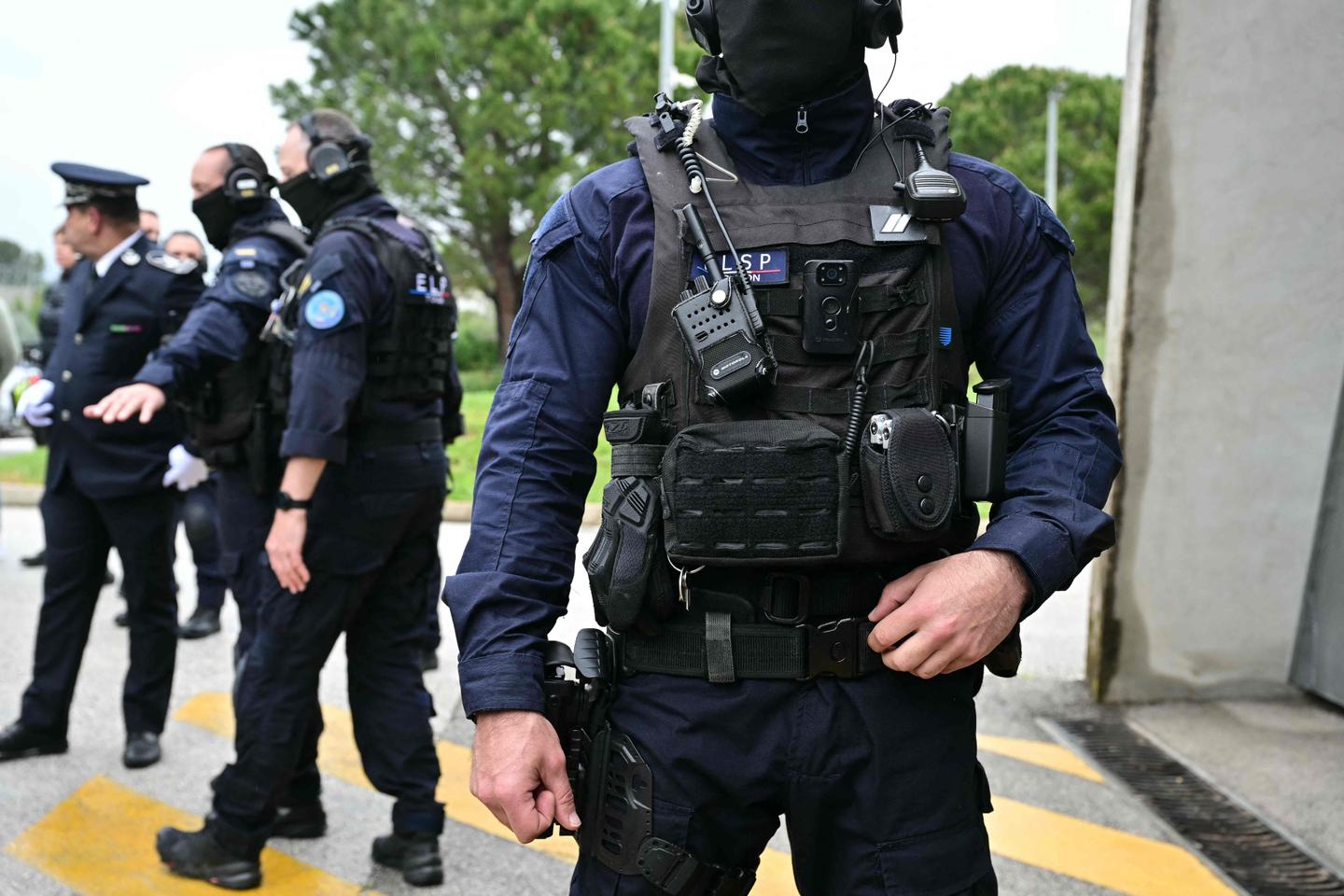

 It's the kind of 'turn this one thing on if you face elevated risk' that we've been asking for from Google.
And likely reflects some learning after Google watched #Apple's Lockdown Mode play out.
Here are some thoughts:
SOME FEATURES IM EXCITED FOR:
The Intrusion Logging feature is interesting & is going to impose substantial cost on attackers trying to hide evidence of exploitation. Logs get e2ee encrypted into the cloud. This one is spicy.
The Offline Lock, Inactivity Reboot & USB protection will frustrate non-consensual attempts to physically grab device data.
Memory Tagging Extension is going to make a lot of attack & exploitation categories harder.
2G Network Protection & disabling Auto-connect to insecure networks are going to address categories of threat from things like IMSI catchers & hostile WiFi.
FEATURES IM ..MORE CAUTIOUSLY CURIOUS ABOUT
Spam & Scam detection: Google messages feature that suggests message content awareness and some kind of scanning.
It's the kind of 'turn this one thing on if you face elevated risk' that we've been asking for from Google.
And likely reflects some learning after Google watched #Apple's Lockdown Mode play out.
Here are some thoughts:
SOME FEATURES IM EXCITED FOR:
The Intrusion Logging feature is interesting & is going to impose substantial cost on attackers trying to hide evidence of exploitation. Logs get e2ee encrypted into the cloud. This one is spicy.
The Offline Lock, Inactivity Reboot & USB protection will frustrate non-consensual attempts to physically grab device data.
Memory Tagging Extension is going to make a lot of attack & exploitation categories harder.
2G Network Protection & disabling Auto-connect to insecure networks are going to address categories of threat from things like IMSI catchers & hostile WiFi.
FEATURES IM ..MORE CAUTIOUSLY CURIOUS ABOUT
Spam & Scam detection: Google messages feature that suggests message content awareness and some kind of scanning.
 Scam detection for Phone by Google is interesting & coming later. The way it is described suggests phone conversation awareness. This also addresses a different category of threat than the stuff above. I can see it addressing a whole category of bad things that regular users (& high risk ones too!) face. Will be curious how privacy is addressed or if this done purely locally.
FRICTION POINTS?
I see Google thinking some of thisC through, but I'm going to add a potential concern: what will users do when they encounter friction? Will they turn this off & forget to re-enable?
We've seen users turn off iOS Lockdown Mode when they run into friction for specific websites or, say, legacy WiFi.
They then forget to turn it back on. And stay vulnerable.
Bottom line: users disabling Apple's Lockdown Mode for a temporary thing & leaving it off because they forget to turn it on happens a lot. This is a serious % of users in my experience... And should be factored into design decisions for similar modes.
GIVE US A SNOOZE BUTTON
I feel like a good balance is a 'snooze button' or equivalent so that users can disable all/some features for a brief few minute period to do something they need to do, and then auto re-enable.
Yes, during that brief period there is vulnerability (and a potential social engineering target), but if the trade off is that the user likely just turns the whole thing off and forgets it..that is worse.
HIGH SECURITY & HIGH PARANOIA USERS
Some users, esp. those that migrated to security & privacy-focused Android distros because of because of the absence of such a feature are clear candidates for it...
But they may also voice privacy concerns around some of the screening features. And about the fact that the phone would need to be re-googled (think:Graphene which confers a lot of privacy by stripping out most google features)
Clear communication from the Google Security / Android team will be key here.
TAKEAWAYS
I'm excited to see how #Android Advanced Protection plays with high risk users' experiences.
I'm also super curious whether the spam/scam detection features may also be helpful to more vulnerable users (think: aging seniors)...
Google's blog:
Scam detection for Phone by Google is interesting & coming later. The way it is described suggests phone conversation awareness. This also addresses a different category of threat than the stuff above. I can see it addressing a whole category of bad things that regular users (& high risk ones too!) face. Will be curious how privacy is addressed or if this done purely locally.
FRICTION POINTS?
I see Google thinking some of thisC through, but I'm going to add a potential concern: what will users do when they encounter friction? Will they turn this off & forget to re-enable?
We've seen users turn off iOS Lockdown Mode when they run into friction for specific websites or, say, legacy WiFi.
They then forget to turn it back on. And stay vulnerable.
Bottom line: users disabling Apple's Lockdown Mode for a temporary thing & leaving it off because they forget to turn it on happens a lot. This is a serious % of users in my experience... And should be factored into design decisions for similar modes.
GIVE US A SNOOZE BUTTON
I feel like a good balance is a 'snooze button' or equivalent so that users can disable all/some features for a brief few minute period to do something they need to do, and then auto re-enable.
Yes, during that brief period there is vulnerability (and a potential social engineering target), but if the trade off is that the user likely just turns the whole thing off and forgets it..that is worse.
HIGH SECURITY & HIGH PARANOIA USERS
Some users, esp. those that migrated to security & privacy-focused Android distros because of because of the absence of such a feature are clear candidates for it...
But they may also voice privacy concerns around some of the screening features. And about the fact that the phone would need to be re-googled (think:Graphene which confers a lot of privacy by stripping out most google features)
Clear communication from the Google Security / Android team will be key here.
TAKEAWAYS
I'm excited to see how #Android Advanced Protection plays with high risk users' experiences.
I'm also super curious whether the spam/scam detection features may also be helpful to more vulnerable users (think: aging seniors)...
Google's blog: 