Scientists just created the first global maps of mycorrhizal fungi, the vast underground mushroom networks that connect plant roots and let plants trade nutrients and store carbon. Safeguarding these networks could boost biodiversity, food security, and carbon storage all at once, with the maps identifying hotspots most in need of protection. Plus, the initiative was led by SPUN, the whimsically named Society for the Protection of Underground Networks. #ShareGoodNewsToo
Just one year after its breakout public health moment, 'miracle drug' lenacapavir has been approved by the FDA and recommended by the WHO. The drug, which Science called its 'breakthrough of the year' in 2024, is a long-lasting shot that provides almost 100% protection against HIV infection. https://www.science.org/content/article/breakthrough-2024 #ShareGoodNewsToo
Murujuga, a 1.000 km² property in Western Australia that holds the world’s densest concentration of rock art, has been added to the UNESCO World Heritage list. Home to over a million petroglyphs carved by First Nations over tens of thousands of years, it means Australia now has two World Heritage sites exclusively listed as Indigenous sites of outstanding universal value to all humanity. https://archive.md/p823A #ShareGoodNewsToo
Poland repeals its last anti-LGBT+ resolutions. In 2019 and 2020, over 100 local authorities around Poland adopted sometimes-thinly-veiled anti-LGBT+ resolutions, declaring themselves free of “LGBT ideology” or pledging to “protect children from moral corruption.” Last week, the last of those declarations was revoked after the EU threatened to deny those regions funding, marking the end of Poland’s so-called 'LGBT-free zones.' Human Rights Watch. #ShareGoodNewsToo
A $65,000 electric Kia just out-dragged Ferrari’s $400,000 Purosangue. We haven't featured one of these drag races in a while... they're fun reminders that mainstream EV drivetrains have smashed the performance ceiling once reserved for supercars. Electric torque, not cylinders, now rules acceleration bragging rights. insideevs.com #ShareGoodNewsToo
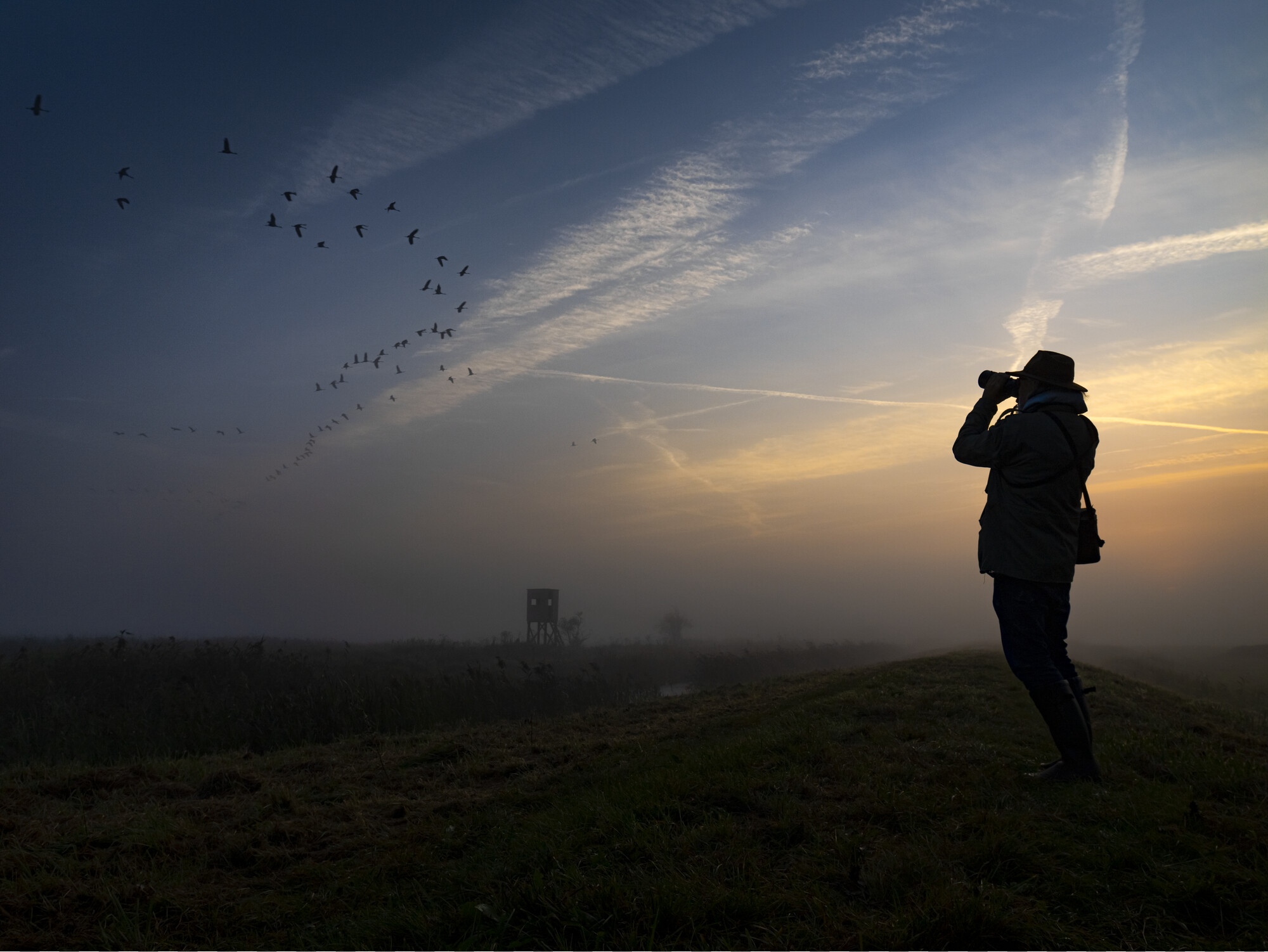
The Oder Delta becomes Europe’s wetland classroom, thanks to ten years of cross-border rewilding. Poland and Germany have re-flooded polders, removed dams and restored landscapes, two-thirds of which is now under protection. Wildlife tourism is soaring as elk, wolf, grey seal, and beaver recolonise the area, while European bison and Eurasian lynx are gradually moving westwards towards the delta from Poland. Rewilding Europe #ShareGoodNewsToo
Scientists have figured out how to turn Earth’s most abundant mineral into zero-waste battery metals. The most abundant mineral in earth’s crust is something called olivine: pretty in the gemstone peridot, but otherwise pretty useless. Now, New Zealand engineers have figured out how to dissolve olivine to yield silica (50%), magnesium (40%) and nickel-manganese-cobalt hydroxide (10%) for lithium-ion cathodes, leaving only brine. IEEE Spectrum https://spectrum.ieee.org/nmc-battery-aspiring-materials?ref=fixthenews.com #ShareGoodNewsToo
Solar overtakes fossil gas as California's largest source of electricity. Gas is also struggling in the world’s fifth-largest economy. A decade ago, fossil gas supplied nearly 60% of California’s power; today two-thirds of the state’s electricity is emissions-free. PV Magazine #ShareGoodNewsToo
The number of people without access to electricity has been cut by 292 million in the last decade - despite the global population increasing by around 760 million during the same period. That means 92% of humanity now has electricity, up from 87% in 2010. Increasingly, that electrification is being driven by renewables, and hundreds of millions more people are no longer cooking over open stoves. SDG 7 Progress Report 📄.pdf #ShareGoodNewsToo
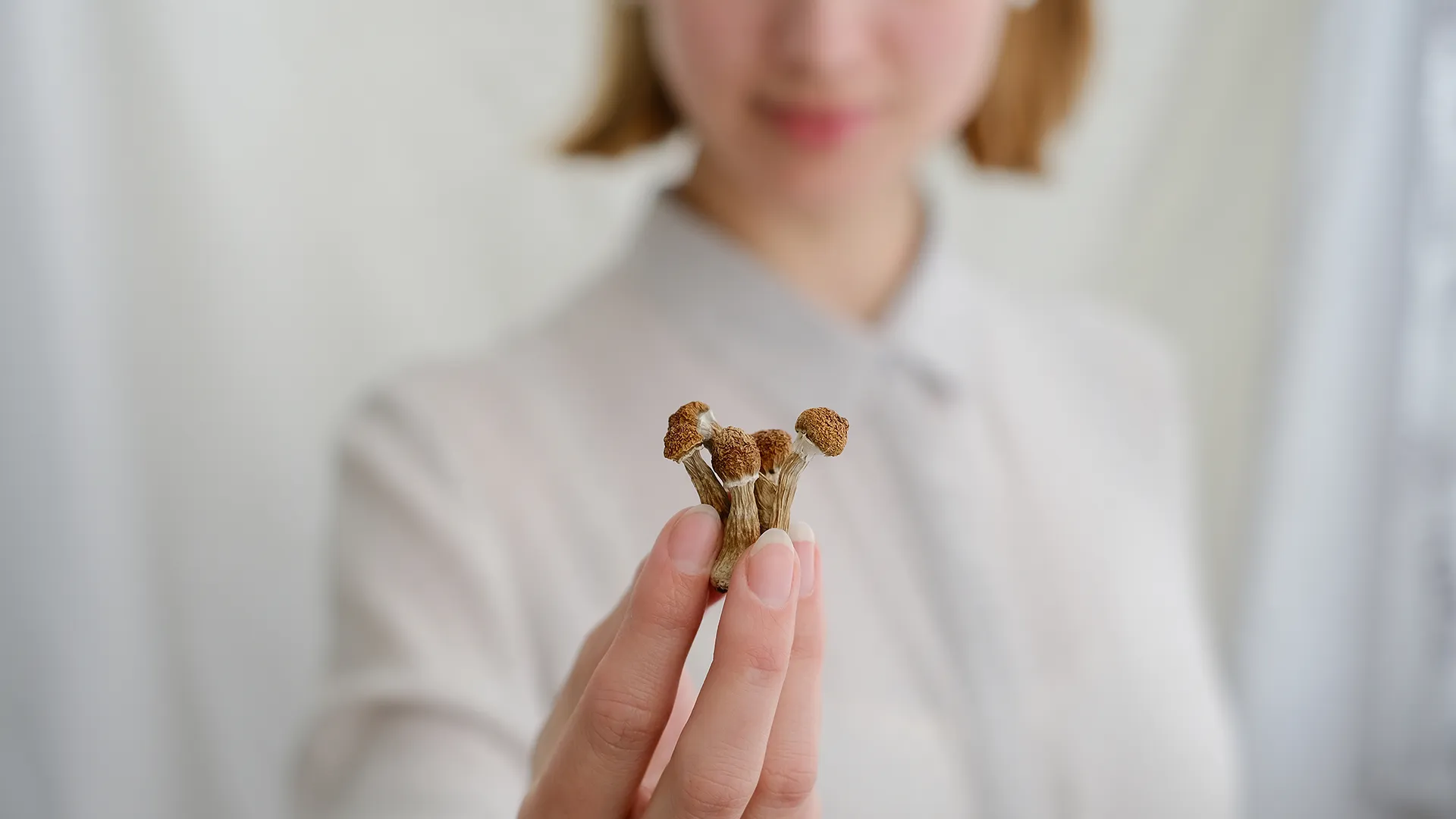
Psilocybin shows strong results treating major depression in cancer patients. Being diagnosed with a hard-to-treat cancer has major mental health implications. Now researchers in palliative care have shown that a small dose of psilocybin, combined with therapy, could treat depression in cancer patients more durably than treatment with long-term antidepressants – one psilocybin trip kept half of cancer patients depression-free for two years. Science Daily #ShareGoodNewsToo