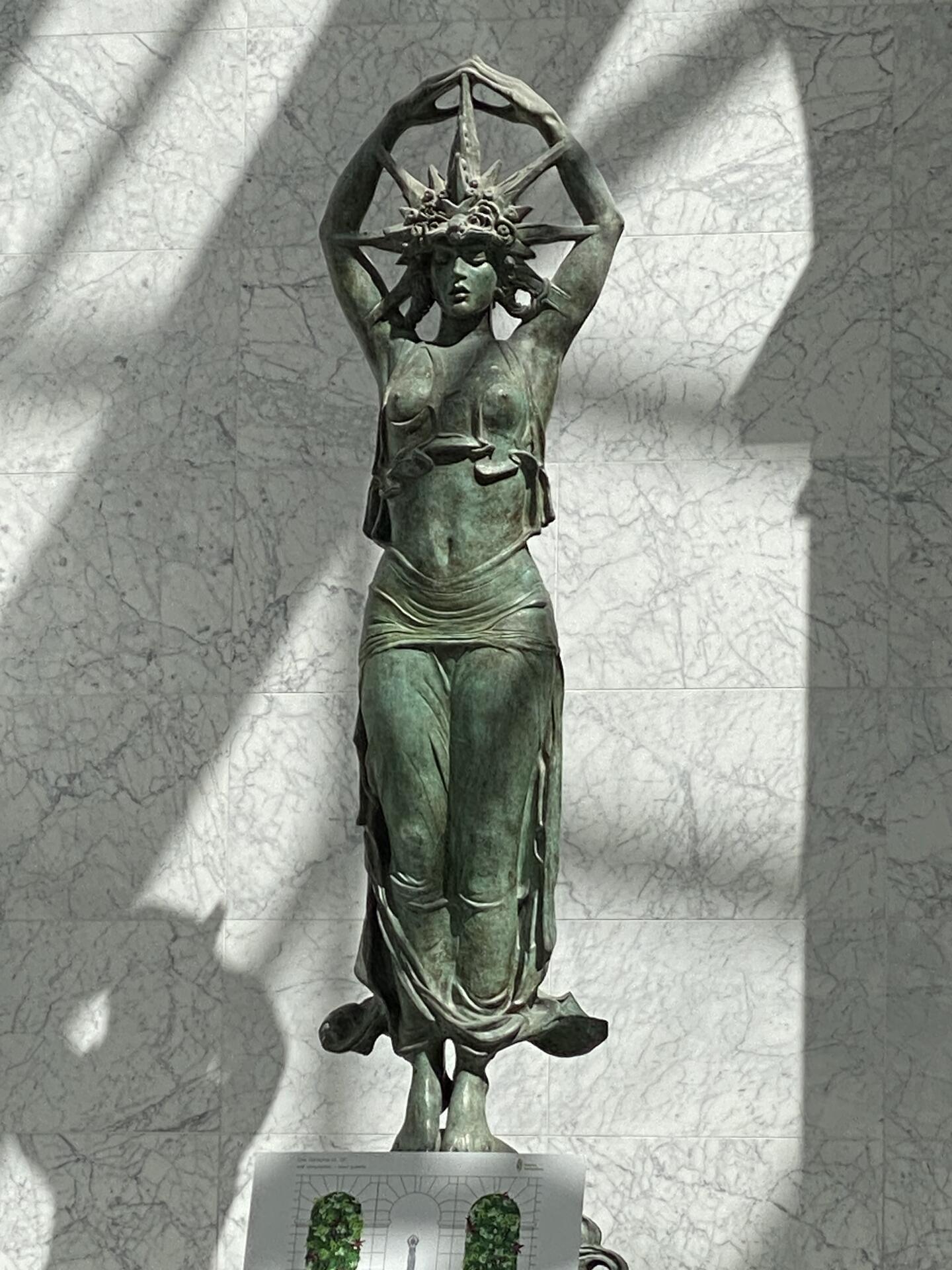
ANAHATA —> AAAA
opinions are a dime a dozen but i probably would not vote for this (not that i care where anyone lives) but: 1) if only to keep that much money out of Sacramento 2) there are folks that donate a significant portion of their wealth, are they exempt? 3) we saw gross mismanagement and/or corruption of homeless funds (plus box buildings without parks, landscaping i.e. everything that makes an environment safe, pleasant & liveable) 4) municipal & counties do most schools not states (junior college system in Cali is a high value sleeper hit, so education funds should not go to the state coffers) 5) why not set up a donation system like a wedding registry so better coordination between donors & social needs that involves an element of choice rather than forcing money in the hands of people who may not execute well 6) capital is not cash so they are trying to tax unrealized wealth—makes no sense. going to have to agree with gross thiel on this one!
There is the original, and then there are the counterfeits—as in money, so in life.
ርሑስ በዓል ልደት Ruhus Be’al Lidet, or, in other words: Merry Christmas. i.e. when it has to do with iyesus’ birth not overlaying onto a pagan winter solstice ritual (the “j” came in the middle ages). which script looks older to you, the one based on ge’ez above or greek or hebrew? ASKING FOR A FRIEND. image
THINK FOR YOURSELF (EVEN IT FEELS WEIRD): “Once you let other people do your thinking for you, your single most valuable asset—your intellectual independence—is impaired. And once you lose part of your sense of self, losing financial wealth won’t be far behind. By the time you recognise you lost the ability to think for yourself, it will be too late. A single exposure to an opinion from someone described as an expert enhances your memory of the information and how favorably you view it. And agreeing with your peers or with purported experts will activate the same regions of the brain that process the anticipation of reward. The more people “like” a post on social media, the higher the odds that you will like it as well. “Liking” a post already liked by lots of other people activates a key reward center in the human brain more intensely than liking a less popular post. Meanwhile, bucking the consensus engages circuits in the brain that generate pain, fear, anxiety, and disgust. The larger the group, the more painful standing alone becomes. Worse, the algorithms embedded in social-media platforms like Facebook, Twitter, and TikTok…are an invisible but pervasive force field that pulls you away from thinking for yourself.” Jason Zweig, excerpts, p. 124-131 in The Intelligent Investor, B. Graham, 75th anniversary edition.