The W3C @npub1zekl...2tug has published the Privacy Principles as a W3C Statement. Privacy is an essential part of the web. This document provides definitions for privacy and related concepts that are applicable worldwide as well as a set of privacy principles that should guide the development of the web as a trustworthy platform. People using the web would benefit from a stronger relationship between technology and policy, and this document is written to work with both. #privacy

"Third Party Cookies Must Be Removed" has been published as a W3C Draft finding by @npub1zekl...2tug "Third-party (AKA cross-site) cookies are harmful to the web, and must be removed from the web platform. This finding explains why they must be removed, and examines the challenges in removing them. We highlight some use cases that depend on third-party cookies and offer some examples of designed-for-purpose technologies that can replace them."
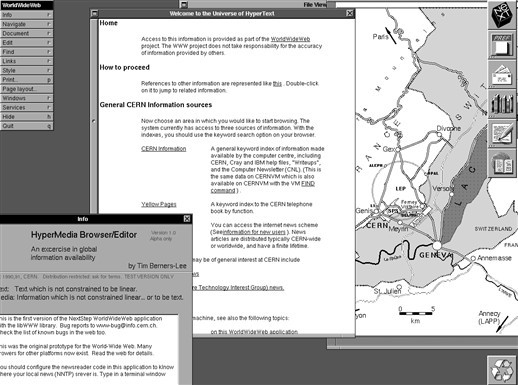
On 30 April 1993, CERN's Directors declared that the three components of Web software (the basic line-mode client, the basic server and the library of common code) that Tim Berners-Lee @npub1rknc...cdxd had first proposed in 1989, were to be put in the Public Domain. We are grateful to CERN and to Tim for this world changing decision which has enabled the W3C community to create open, accessible, international web standards which make the web work, for everyone. image
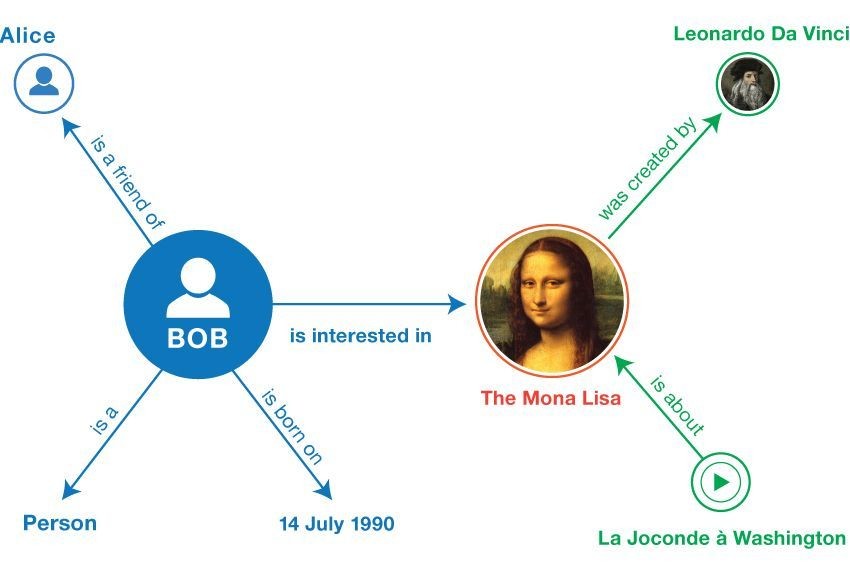
The RDF-star Working Group has published a first Draft Note of RDF 1.2 Primer. This primer is designed to provide the reader with the basic knowledge required to effectively use RDF. It introduces the basic concepts of RDF and shows concrete examples of the use of RDF. Learn more at: image
W3C tech in the news: "A Long-Shot Bet to Bypass the Middlemen of Social Media" "The energy around ActivityPub reminds me of the early days of the Web,” Mr. Nelson said in a recent interview, β€œwhere anything seemed possible, and innovation was around every corner.” https://webcf.waybackmachine.org/web/20250307210844/https://www.nytimes.com/2025/03/06/technology/mike-mccue-surf-browser-decentralized-internet.html
The Web Real-Time Communications WG has published WebRTC: Real-Time Communication in Browsers as an updated W3C Recommendation. This defines a set of ECMAScript APIs in WebIDL to allow media and generic application data to be sent to and received from another browser or device implementing the appropriate set of real-time protocols. This spec is being developed in conjunction with a protocol specification developed by the IETF RTCWEB group
The Verifiable Credentials WG published 7 documents as W3C Proposed Recommendations: Verifiable Credentials Data Model v2.0 Verifiable Credential Data Integrity 1.0 Data Integrity EdDSA Cryptosuites v1.0 Data Integrity ECDSA Cryptosuites v1.0 Securing Verifiable Credentials using JOSE and COSE Controlled Identifiers v1.0 Bitstring Status List v1.0 Verifiable Credentials make exchanging credentials that have been verified by a 3rd party easier and more secure on the Web
Today is the anniversary of the invention of the World Wide Web in 1989 by Tim Berners-Lee. W3C has continued to expand on what the web does by our mission to make the web work, for everyone. We bring together global stakeholders to develop open standards that enable a World Wide Web that connects and empowers humanity.
Welcome back our Chinese friends in the web community after the vibrant celebrations of the Year of the Snake. May the qualities of the Snakeβ€”wisdom, agility, power, grace, and determinationβ€”inspire us all to embrace change and innovation as we navigate the opportunities and challenges ahead. We wish everyone a prosperous start in 2025! image
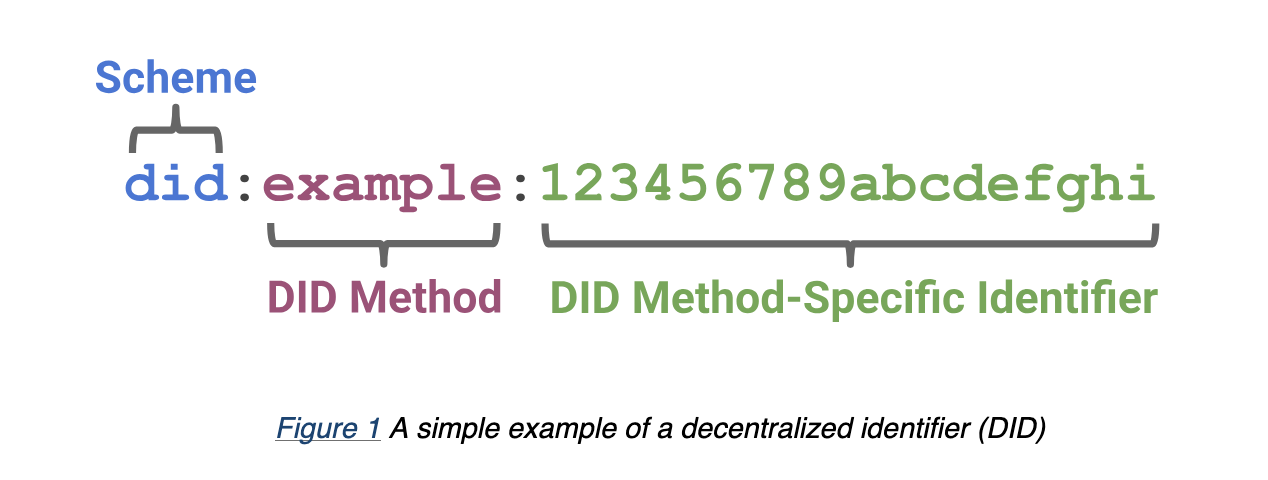
The Decentralized Identifier WG has published a First Public Working Draft of Decentralized Identifiers (DIDs) v1.1. This document specifies the DID syntax, a common data model, core properties, serialized representations, DID operations, and an explanation of the process of resolving DIDs to the resources that they represent. DIDs are a new type of identifier that enables verifiable, decentralized digital identity. image