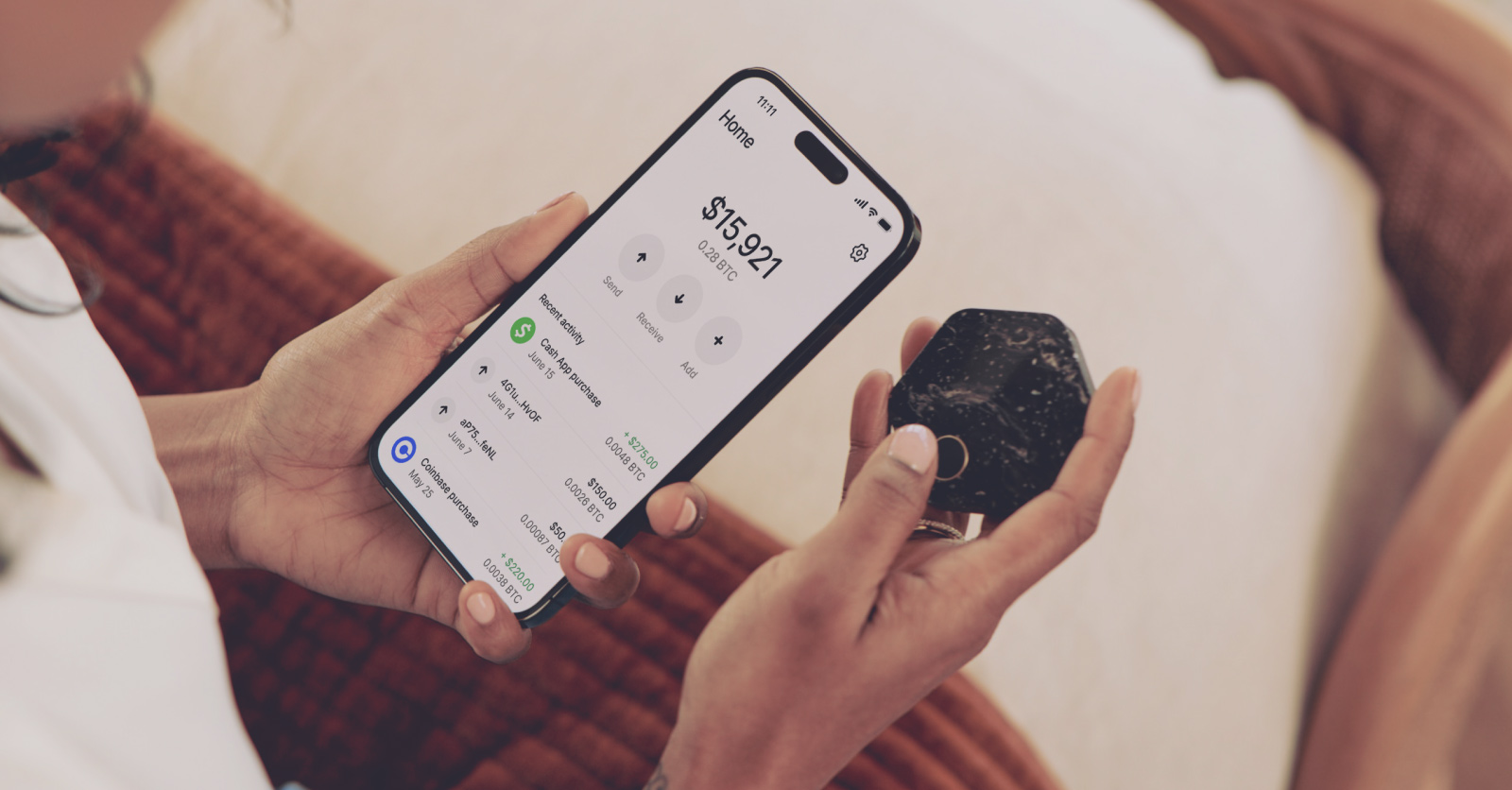
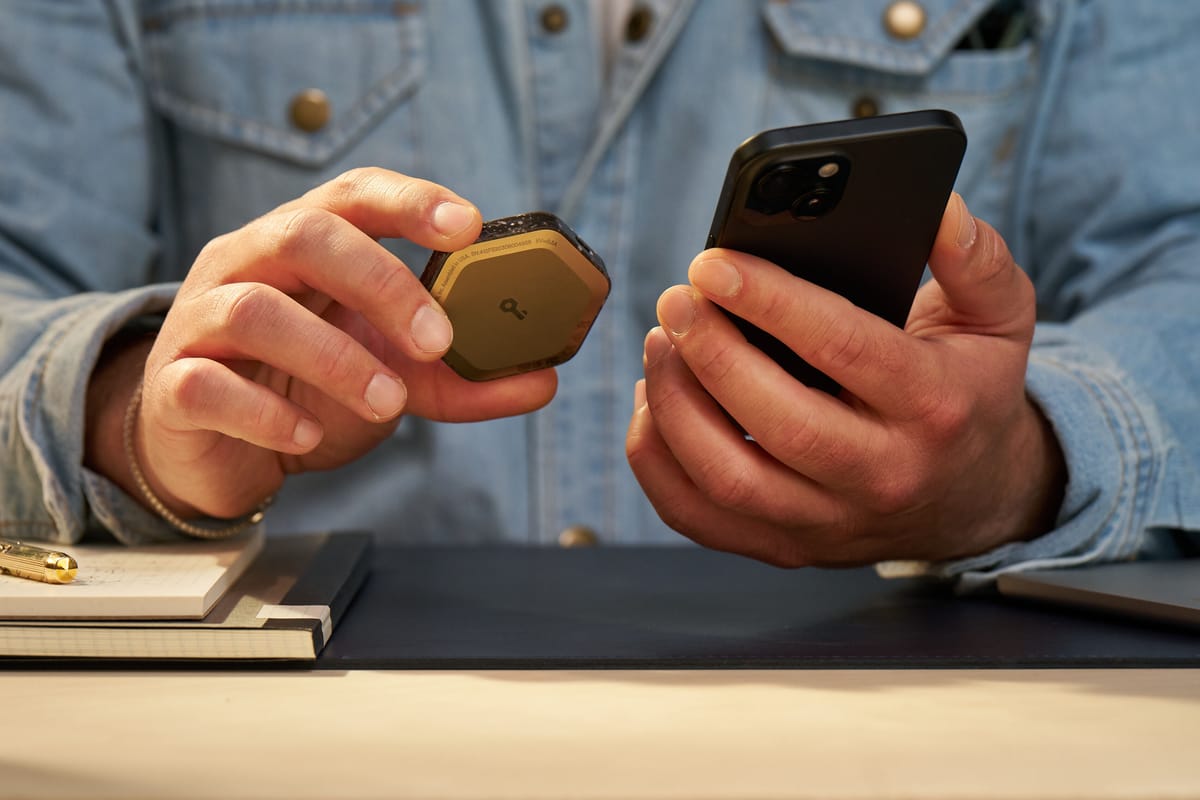
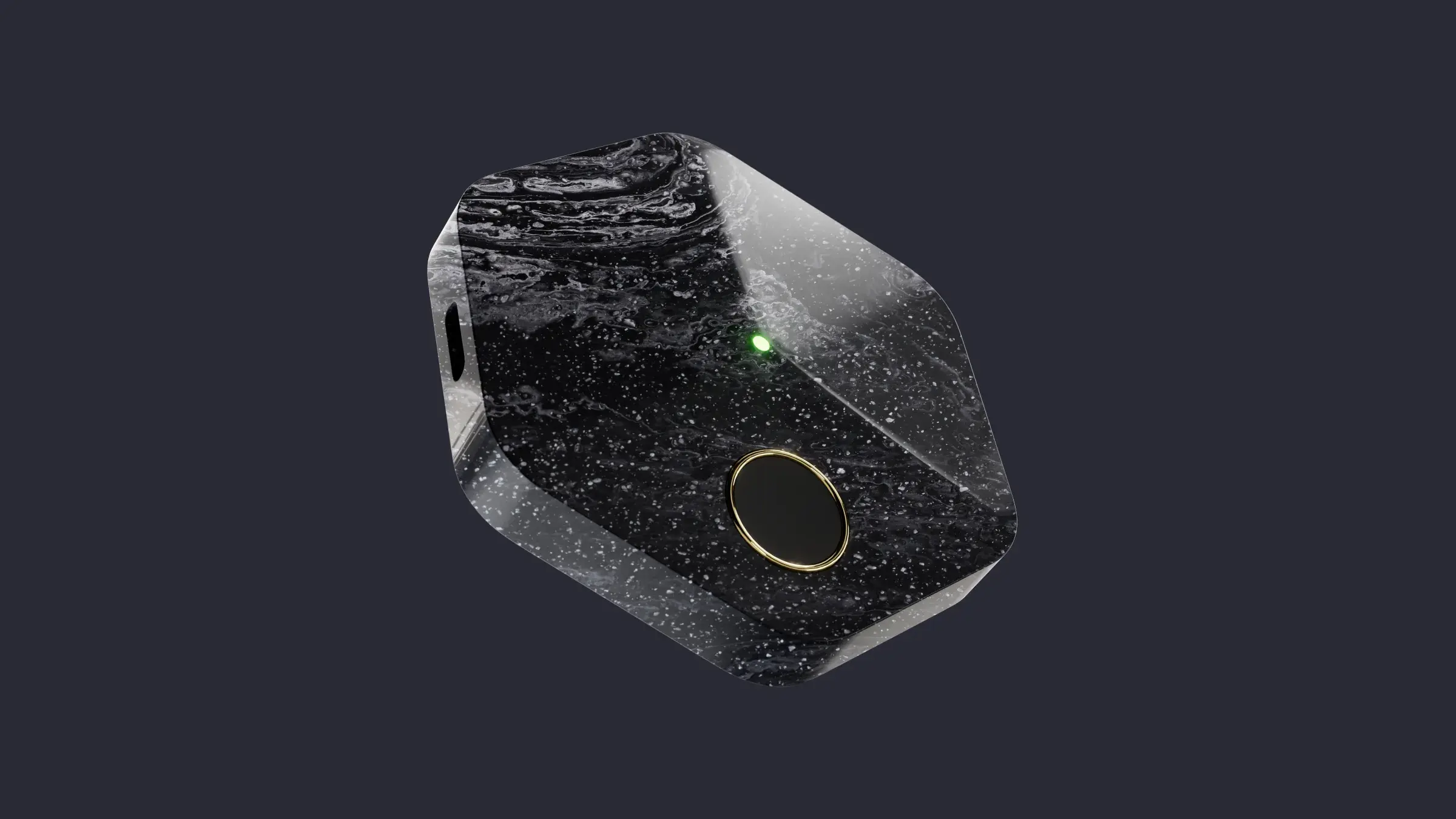
Bitkey doesn’t use seed phrases.
Not because recovery doesn’t matter, but because relying on one fragile backup creates a single point of failure.
Self-custody should survive real life.
Why we built it this way ↓
Hardware wallets are essential.
But they’re not the full answer to self-custody.
Secure signing ≠ safe ownership.
True self-custody has to account for loss, theft, coercion, inheritance — and real life.
Our Product Lead, Jonathan breaks down why hardware alone isn’t enough, and what it takes to solve the whole custody problem 👇
Collaborative multisig has always come with a privacy tradeoff.
Chain Code Delegation removes it.
Cosigners can help with recovery and policy enforcement—without seeing balances or transaction history.
That’s a privacy win for the entire bitcoin ecosystem.
Bitcoin MENA was special.
Real conversations about bitcoin self-custody, privacy, and building for real life.
Grateful for the community — onward to 2026.
2026 resolution: eliminate single points of failure in self-custody.
Bitcoin should be built for real life, not perfect behavior.
What’s your bitcoin resolution?
Acquiring Bitkey shouldn’t require giving up your home address.
With private pickup points, you can get a Bitkey device without linking your identity or location to your purchase.
Less data. Less exposure. More control.
Learn more:
Self-custody doesn’t have to mean “you’re on your own.”
Bitkey is built around:
– Multi-layered security
– Open-source transparency
– 2-of-3 multisig (no single key = no single failure)
– Systems designed for real humans, not just experts