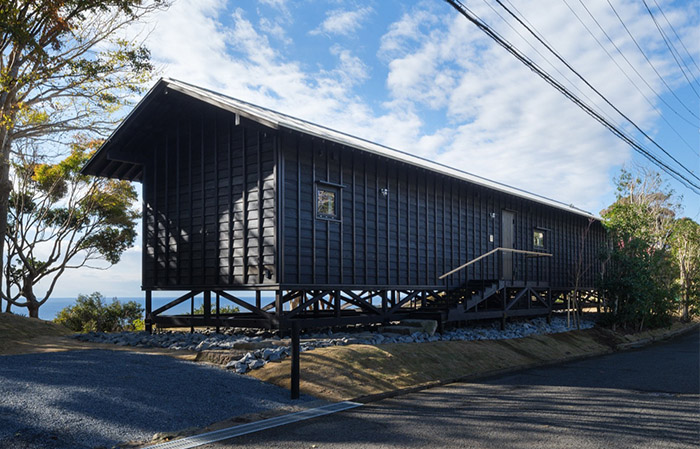
The Shinto religion emphasize purity, nature, life, birth and renewal, and thus Shinto shrines tend to have roofs covered in natural, short-lived, organic, materials such as straw, wood shingles, bark. The Buddhist religion in Japan emphasize permanency, eternity, longevity, robustness, and thus Buddhist temples tend to have roofs covered in long-lived inorganic materials such as tiles, copper, stone. Knowing this simple difference will help you understand and appreciate the metaphysical differences in traditional religious architecture in Japan. Of course this is just a general rule, and there are many exceptions, especially with urban shrines that tend to have inorganic roofs for fire safety codes, and rural temples that have organic roofs out of habit and necessity.
https://hell.twtr.plus/media/d61fc64415d3255b551ebedb355f20ea36d74ac8ec513481e644f142bffed6b8.file
https://hell.twtr.plus/media/c6ecddb1a886a25fbd9430ab927ef0692e44b0948a0a9f707062e38b825e4b45.file