PG&E should've been municipalized decades ago and its execs imprisoned for the scores of people killed through its negligence and greed. *8 killed in San Bruno pipeline explosion, 2010 *2 killed in Butte fire, 2015 *22 killed in 2017 Oct wildfires *85 killed in 2018 Camp fire *1500 wildfires sparked by PG&E in past 6 years *Unknown number of cancer deaths in Hinkley from illegal dumping of
image
image
image
image
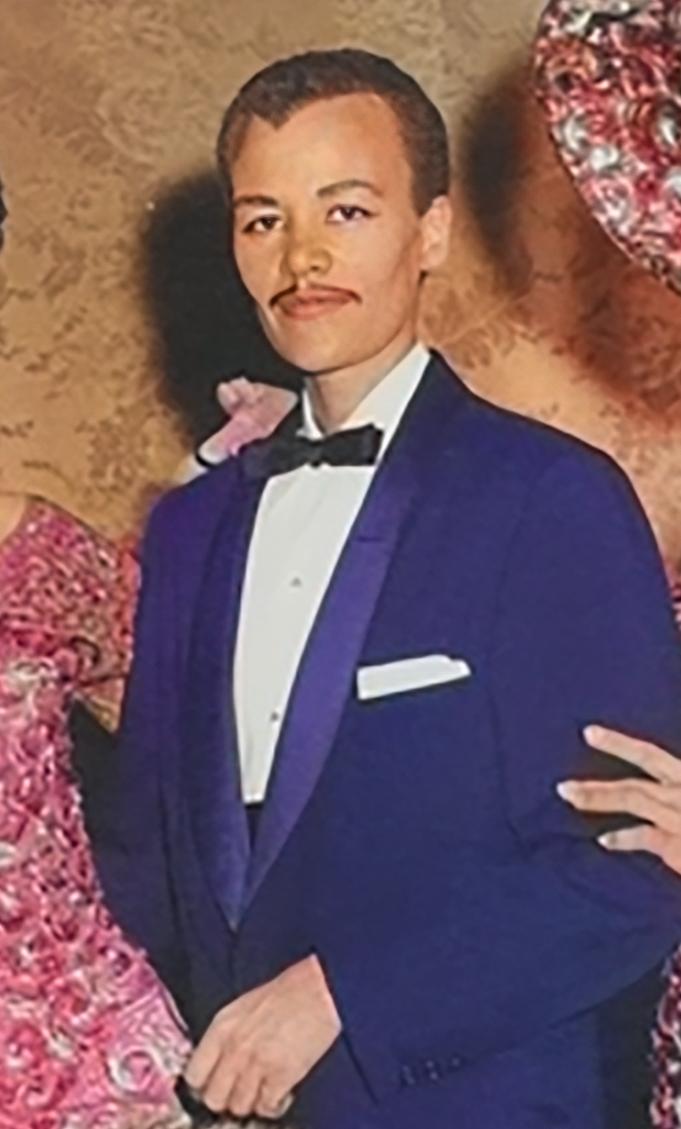
Today in Labor History December 24, 1920: Stormé DeLarverie was born in New Orleans. Stormé, a biracial lesbian, is sometimes known as "the Rosa Parks of the gay community." Many have credited her resistance to being arrested as sparking the Stonewall Riots. And she was quite open about having punched a cop in the face during that arrest. But she also said she wasn't "the Stonewall Lesbian" who started the fighting, adding "I know who that was, but I'm not telling." Stormé worked as an MC, singer, bouncer, bodyguard, and as an armed street patrol, which earned her the moniker, "guardian of lesbians in the Village." Stormé was androgynous and could pass for male or female. Even when wearing typically feminine attire to avoid being arrested for violating cross-dressing laws, she was still mistaken as a drag queen and arrested at least twice. As a child, she was regularly beaten up by both black and white kids “For being a negro with a white face." From 1955 to 1969, she toured the Black theater circuit as the MC and only drag king of the Jewel Box Revue, North America's first racially integrated drag revue. #workingclass #LaborHistory #lgbtq #dragking #StorméDeLarverie #stonewall #riot #lesbian #uprising image
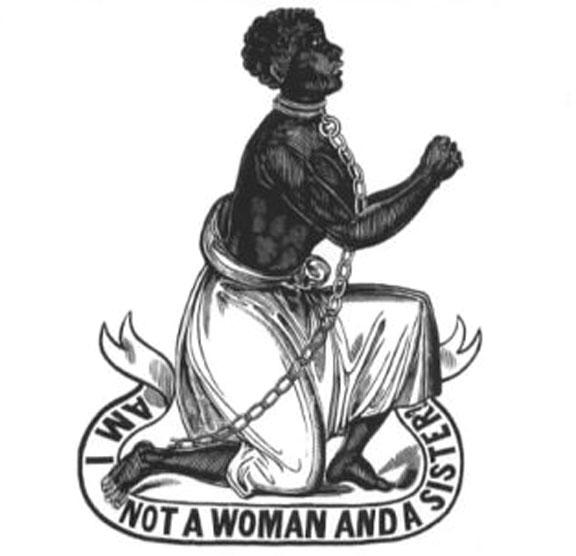
Today in Labor History December 24, 1807: Elizabeth Chandler, poet and abolitionist, was born on this date. In 1825, when she was only eighteen years old, her poem, "The Slave-Ship", was published, leading Benjamin Lundy, a well-known abolitionist and publisher, to ask her to write for his periodical, “The Genius of Universal Emancipation.” Chandler called for better treatment for Native Americans and the immediate emancipation of slaves. She was also responsible for popularizing one of the most famous abolitionist images, the kneeling female slave with the slogan "Am I not a Woman and a Sister?" #workingclass #LaborHistory #slavery #emancipation #abolition #indigenous #poetry #poem #poet #books #elizabethchandler @npub1qv0v...rtf3 image
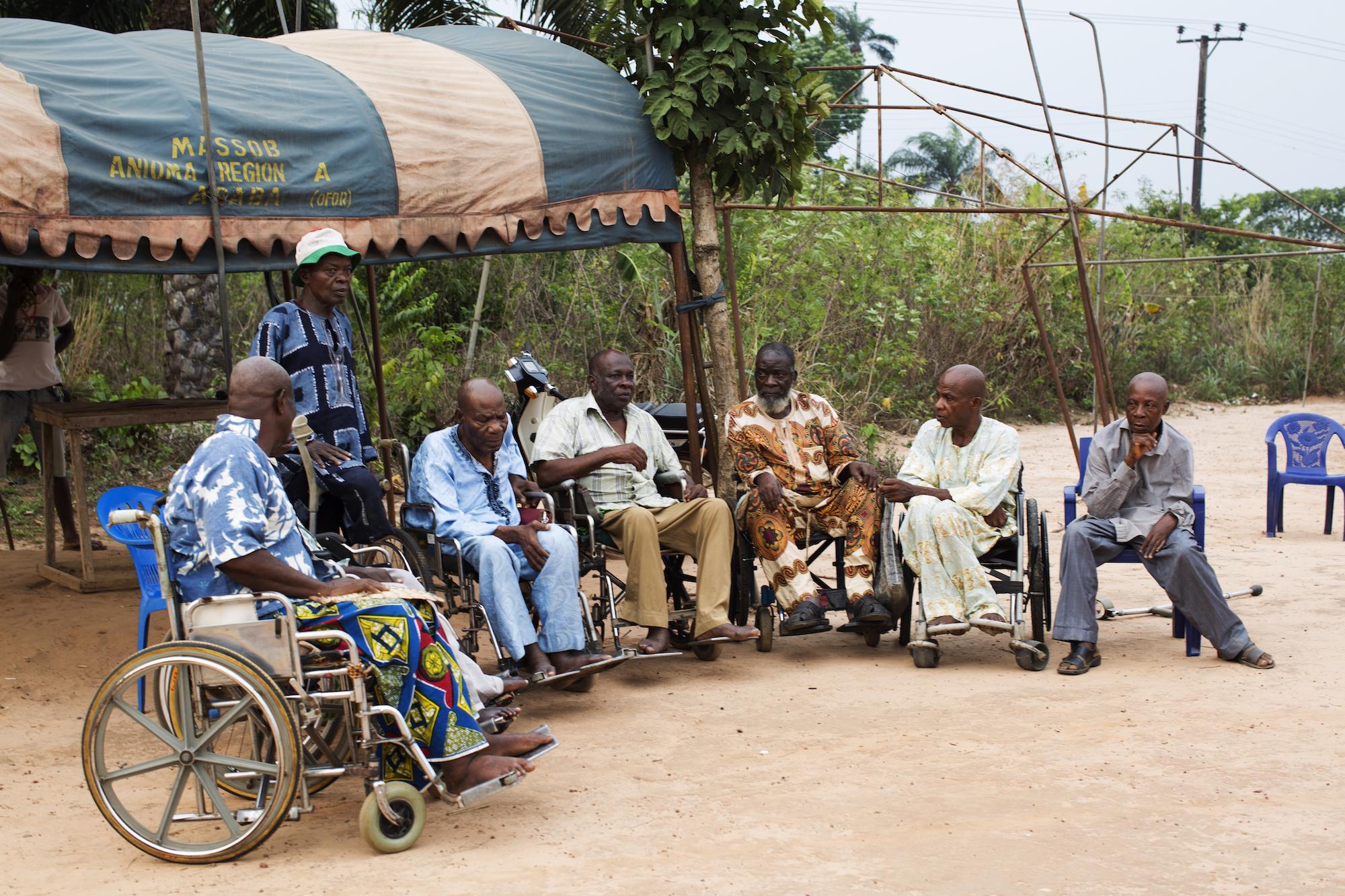
Today in Labor History December 24, 1969: Nigerian troops captured Umuahia, the Biafran capital, leading to the end of Biafran independence. Igbo nationalists in the southeastern region of Nigeria seceded from Nigeria in 1967 and created the independent state Biafra, which existed from May 1967 to January 1970. They did it in the wake of the 1966 pogroms against them by northerners that killed up 30,000 (half of whom were children), and forced another 1 million to flee the region. Many nations recognized Biafra or provided support during their short independence, including Tanzania, Zambia, France, Spain, Portugal, Norway, Rhodesia and South Africa. Doctors Without Borders provided medical support. Nigeria, however, never accepted Biafran independence. In the civil war that followed succession, as many as 100,000 people died and over 4 million civilians became refugees. However, the Nigerian naval blockade of Biafra resulted in up to 3 million civilians dying from starvation. In 1999, the Movement for the Actualization of the Sovereign State of Biafra emerged as a nonviolent means toward re-independence. They have organized numerous peaceful protests, which the Nigerian government has attacked, leading to many deaths. The Indigenous People of Biafra, and other Biafran nationalist groups, have been fighting a guerilla war against the Nigerian government since 2021. Persecution of the Igbo traces back to at least the colonial period. In building up a Nigerian army, the British followed their “Martial Race” theory (that certain ethnic groups made better soldiers), recruiting primarily people from the north, excluding Igbos, Yoruba, and others from the south of the country. After the Civil War, the southeast of the country remained underdeveloped and the Igbos continued to be excluded from key position in the government and military. However, the majority of Igbo lived in the southeast, which included the Niger River delta and Nigeria’s massive oil reserves. Controlling these resources was one of the primary reasons the Nigerian government refused to accept Biafran secession. Only five countries (Tanzania, Gabon, Ivory Coast, Zambia, and Haiti) officially recognized the new republic of Biafra. The UK sent heavy weapons and supplies to the Nigerian side in order to preserve their access to the oil and protect their oligarchs’ investments in Shell-BP, which had controlled oil exploration and extraction since 1937. The Soviets also supplied the Nigerian government weaponry, seeing the war as a repeat of the Congo situation (maintaining access to African minerals, while keeping them out of the hands of the U.S.) Israel also support the Nigerian government in the war. France, which called the Nigerian treatment of Biafrans a genocide, secretly supplied the Biafrans with weapons. The U.S. was initially neutral (officially). Kissinger compared the Igbos to the Jews, but ultimately chose to support the Nigerian government in order to protect the interests of Gulf Oil, which operated offshore of the conflict zone. Numerous international mercenaries fought on the side of Biafra. #workingclass #LaborHistory #genocide #Biafra #nigeria #coldwar #civilwar #famine #starvation #independence #colonialism #blackmastodon image
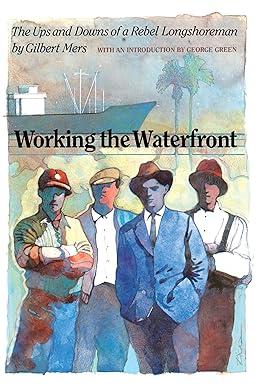
Today in Labor History December 24, 1936: On Christmas Eve, drunk cops beat up 150 strikers on the Houston docks, sending 18 to the hospital. They were members of the Maritime Federation of the Gulf Coast. Gilbert Mers, who had dual membership in the Maritime Federation and the IWW, was their leader. Violence against dockers was rampant along the gulf coast in the 1930s. In July 1934, three black longshoremen were shot to death during a strike. In 1935, longshoremen struck along the entire gulf coast, with 14 more workers getting killed. From 1936 to 1938, 28 union members were killed and over 300 injured in strikes. Mers’ autobiography, “Working the Waterfront: The Ups and Downs of a Rebel Longshoreman,” was published in 1988, ten years before his death, at age 90. As a young man, Mers worked the docks in Corpus Christi, but went on to become President of the Corpus Christi Central Labor Council and the President of the Maritime Federation of the Gulf Coast, while remaining a dedicated dual member of the IWW throughout his life. He was part of the effort to establish an industry-wide union along the Gulf Coast states. In his autobiography, he exposes the brutality and corruption of the Texas Rangers in the 1930s-‘40s, and their use as violent, strike-breaking bullies with badges. #workingclass #LaborHistory #IWW #GilbertMers #waterfront #longshore #texas #rangers #union #strike #unionbusting #police #policebrutality #maritime #racism #books #writer #author #memoir #autobiography @npub1qv0v...rtf3 image