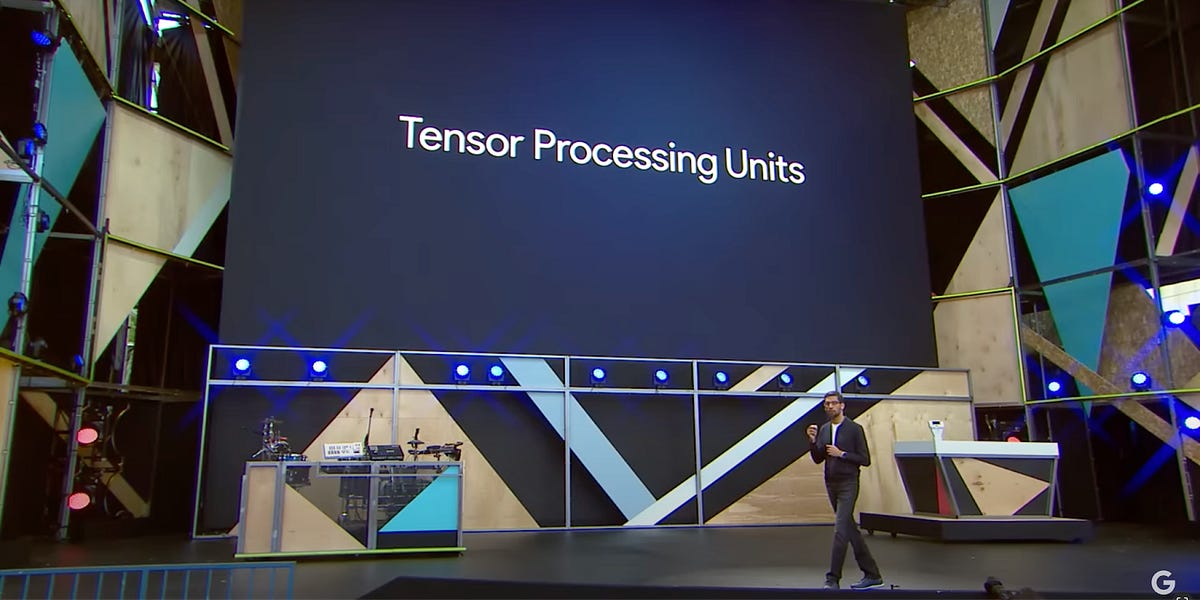
Google's TPUs and Gemini are competitive but Nvidia's and OpenAI's first-mover advantage makes their lead seem durable, and Google faces the innovator's dilemma (SiliconANGLE)
Some US schools are deploying AI surveillance tech like facial recognition and listening devices; critics say there is little evidence they make school safer (Thomas Brewster/Forbes) https://www.forbes.com/sites/thomasbrewster/2025/12/16/ai-bathroom-monitors-welcome-to-americas-new-surveillance-high-schools/
A look at Google's TPU evolution, its decision to sell chips to competitors after 12 years of internal use, the TPU vs. GPU architecture showdown, and more (The Chip Letter)
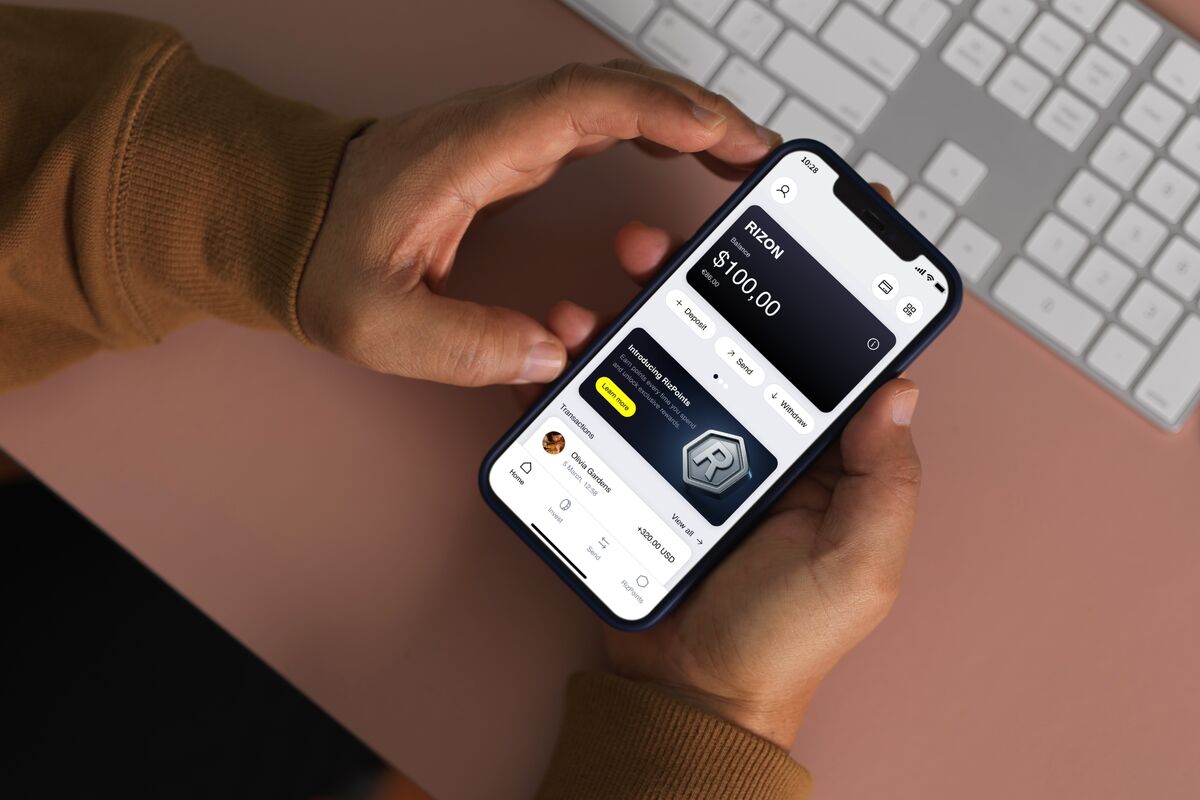
A look at stablecoin-powered neobanks like Rizon and Dakota that are offering dollar-denominated digital banking services to customers worldwide (Emily Mason/Bloomberg)
Q&A with iRobot co-founder Colin Angle on the company's Chapter 11 bankruptcy, regulatory pressure that killed Amazon's deal, his new robotics startup, and more (Connie Loizos/TechCrunch)
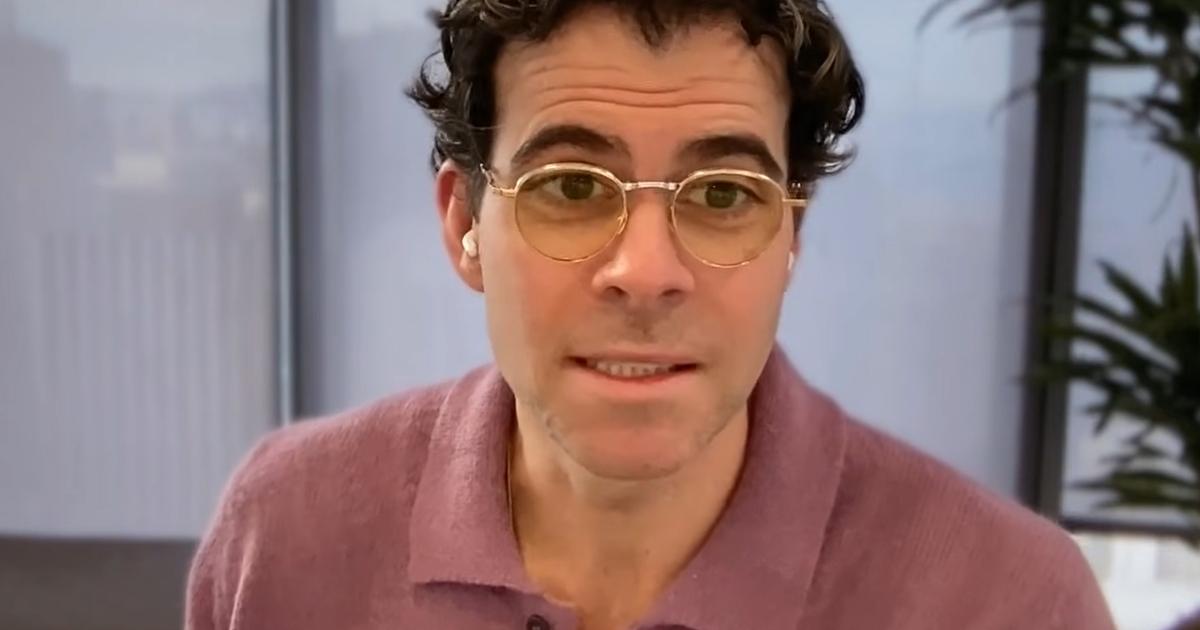
Adam Mosseri says "maybe we'll need" premium longform video for Instagram, and that TikTok's US sale turmoil has given Meta time to retune algorithms (Max Tani/Semafor)
Waymo resumes robotaxi service in San Francisco after a blackout, and says most active trips were completed before vehicles returned to depots or pulled over (CNBC)
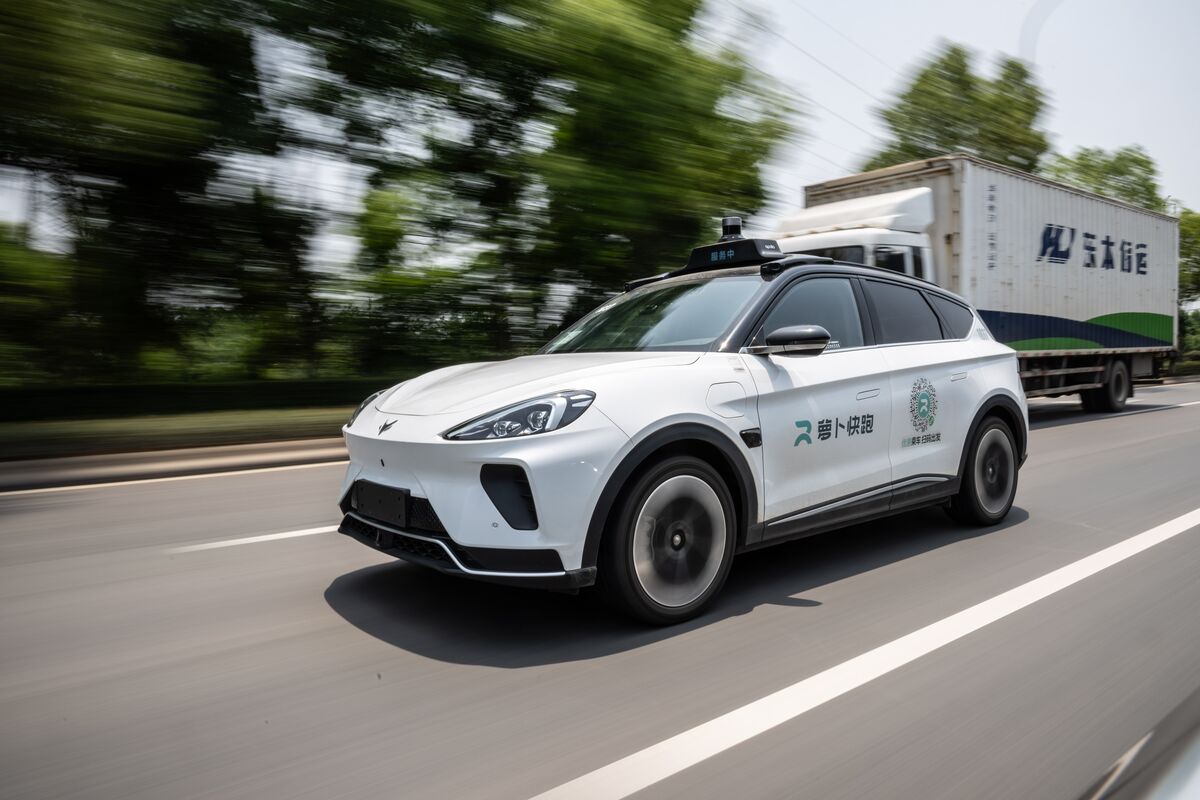
Uber plans to trial driverless taxis in London using Baidu's Apollo Go RT6 robotaxis, starting in H1 2026 with services available by the end of 2026 (Bloomberg)
Some experts in the human-computer interaction field say making AI chatbots act humanlike creates cognitive dissonance for users over how much to trust them (Kashmir Hill/New York Times)
Pirate activist group Anna's Archive says it scraped 86M music files and 256M rows of track metadata from Spotify, and releases them in ~300TB of torrent files (Mitchell Peters/Billboard)