As our societies militarise, gaps and risks are emerging in the legal and regulatory frameworks that are meant to protect us and our privacy. Institutional monitoring and enforcement mechanisms are no longer fit for purpose. How can we put a break to a civil-military fusion that threatens our privacy, dignity and autonomy? Read more:
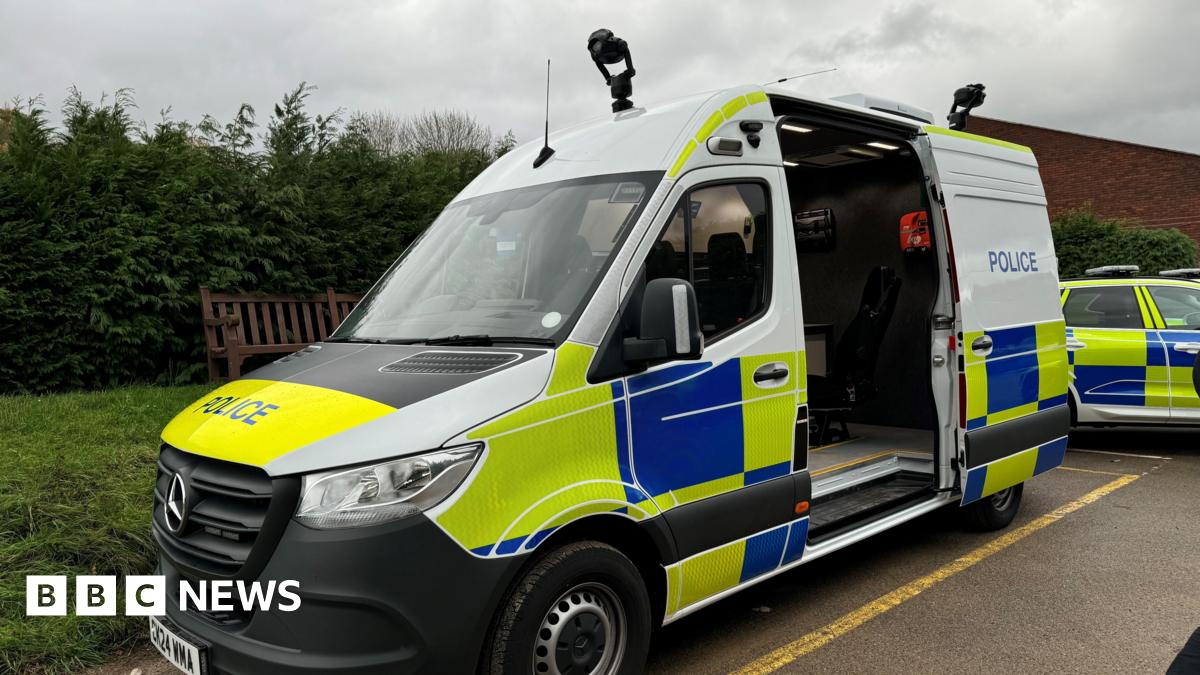
We are deeply concerned about news regarding the expansion of vans equipped with live facial recognition technology (FRT) cameras to 7 police forces across England.
Sports unite us - celebrating identity, passion, and, and even providing a place to protest. But growing surveillance in stadiums turns this space of escape and freedom into one of control. Discover how privacy shapes sports fandom
Don’t want your phone to know where you’ve been? We have a guide for that…
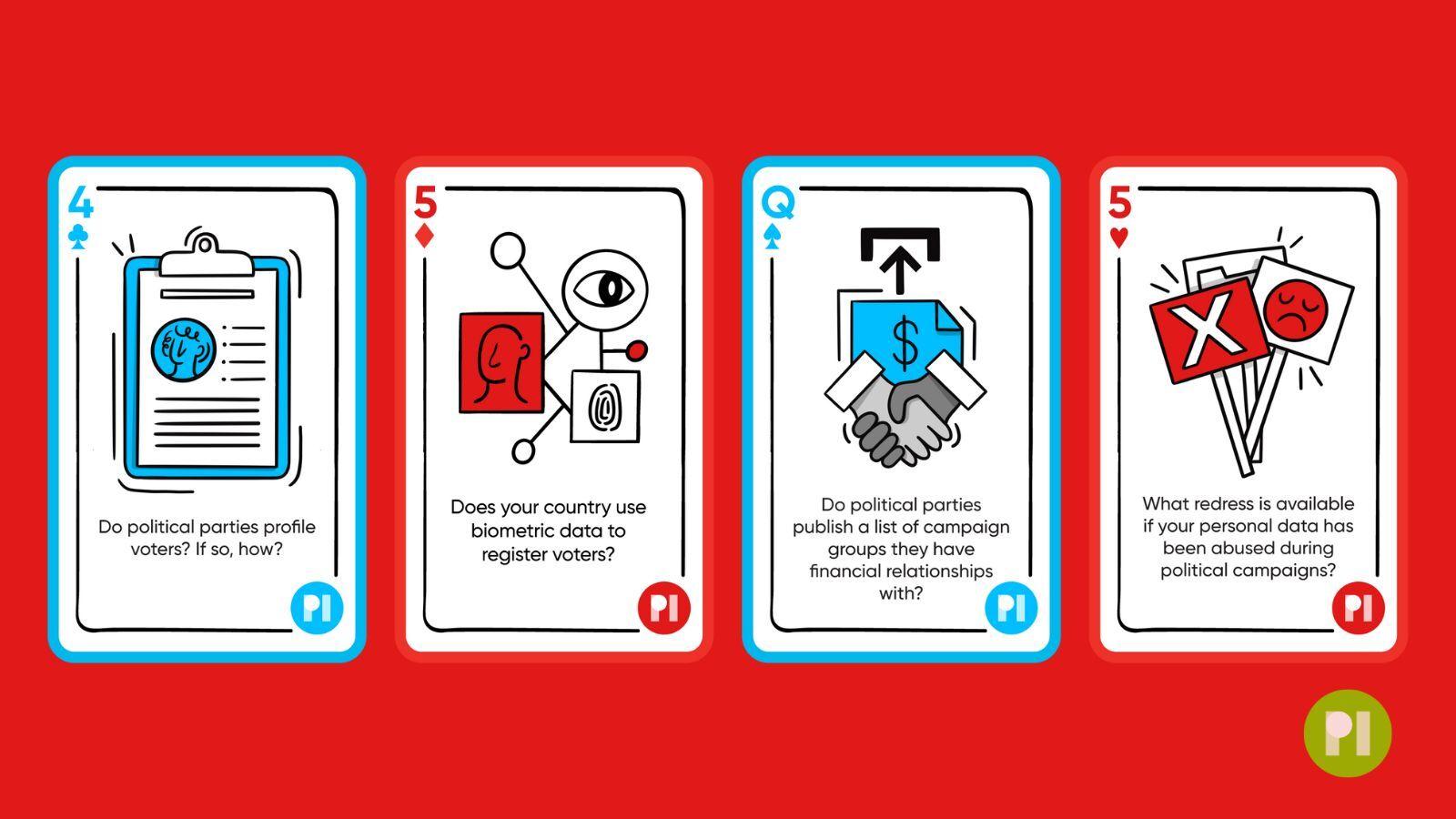
♥️ We’ve created a deck of tech, data and elections playing cards! They give electoral observers and civil society the necessary tools to explore the role of technologies in the electoral process. image
PROTEST SURVEILLANCE INTO COURT Intrusive surveillance technology is increasingly used during protests around the world, and is now being used to prosecute activists and peaceful protesters. Read our report:
Legal regimes governing armed conflict and peace are traditionally clearly defined - but the militarisation of tech challenges this tidy distinction. How do the rights to privacy & data protection apply in armed conflict? International Humanitarian Law seems to be silent on data protection. But protections of these rights are needed more than ever before to limit the adverse effects of exploitative data-intensive systems.
Earlier this year, Europe saw a milestone: three defence start-ups reached unicorn status, each valued at over €1 billion. These companies build autonomous drones and robotic systems - part of a growing wave of defence-tech innovation. And our personal data is the critical resource underlying much of this innovation.