LastPass is warning about an ongoing campaign where scammers are writing reviews for its Chrome extension to promote a fake customer support phone number. However, this phone number is part of a much larger campaign to trick callers into giving scammers remote access to their computers, as discovered by BleepingComputer.

qBittorrent has addressed a remote code execution flaw caused by the failure to validate SSL/TLS certificates in the application's DownloadManager, a component that manages downloads throughout the app.
​Interbank, one of Peru's leading financial institutions, has confirmed a data breach after a threat actor who hacked into its systems leaked stolen data online.
UnitedHealth has confirmed for the first time that over 100 million people had their personal information and healthcare data stolen in the Change Healthcare ransomware attack, marking this as the largest healthcare data breach in recent years.
Henry Schein has finally disclosed a data breach following at least two back-to-back cyberattacks in 2023 by the BlackCat Ransomware gang, revealing that over 160,000 people had their personal information stolen.
NEW: Fortinet has finally publicly disclosed a new actively exploited critical FortiManager API flaw tracked as CVE-2024-47575 after it was privately notifying customers over a week ago.
Proof-of-concept exploit code is now public for a vulnerability in Microsoft's Remote Registry client that could be used to take control of a Windows domain by downgrading the security of the authentication process.
The Internet Archive was breached again, this time on their Zendesk email support platform after repeated warnings that threat actors stole exposed GitLab authentication tokens.
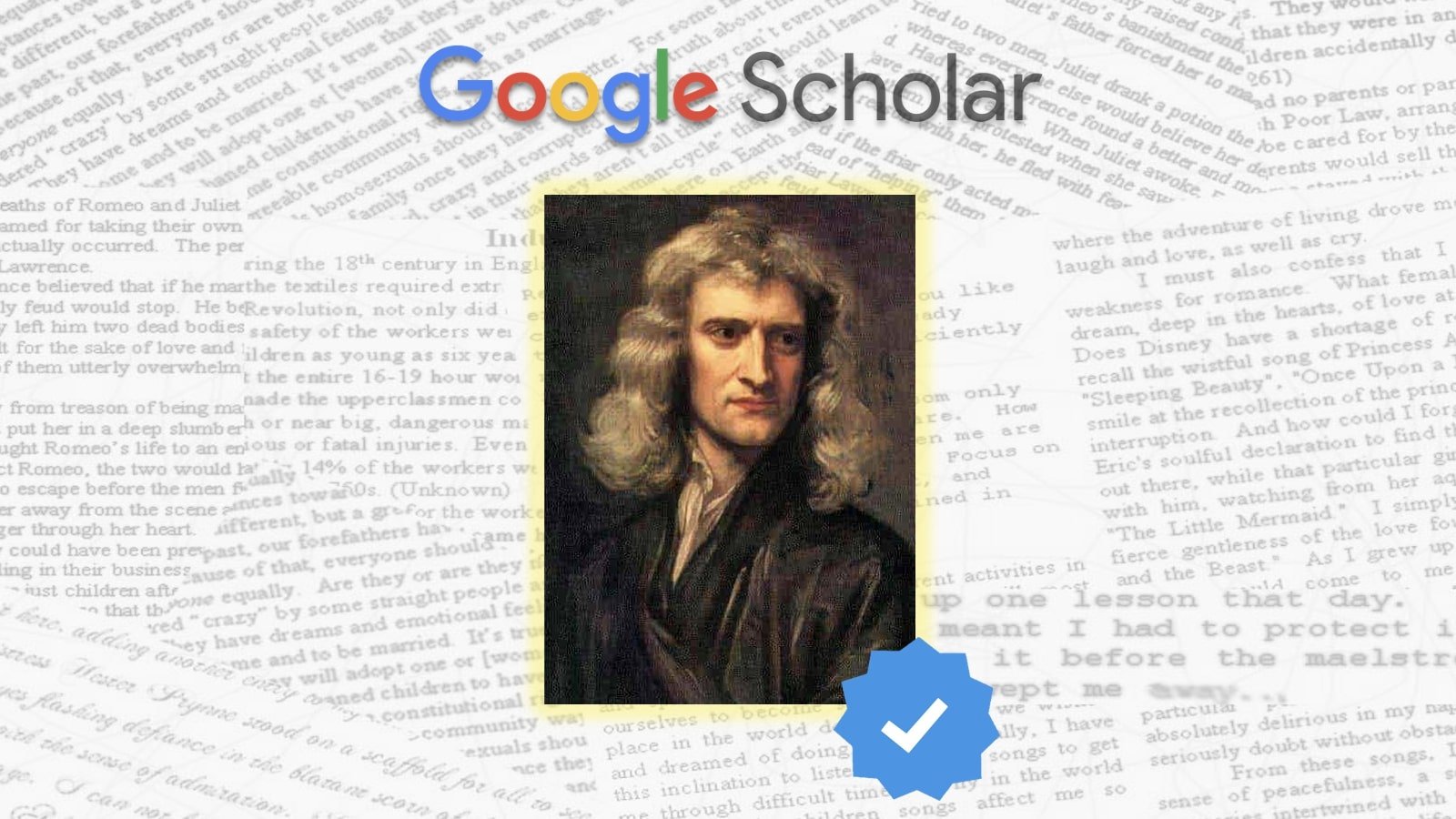
It's true: Google Scholar profile of the renowned former physicist and polymath, Sir Isaac Newton bears a "verified" email note. According to Google Scholar, Isaac Newton is a "Professor of Physics, MIT" with a "Verified email at mit.edu."
Google Play, the official store for Android, distributed over a period of one year more than 200 malicious applications, which cumulatively counted nearly eight million downloads.