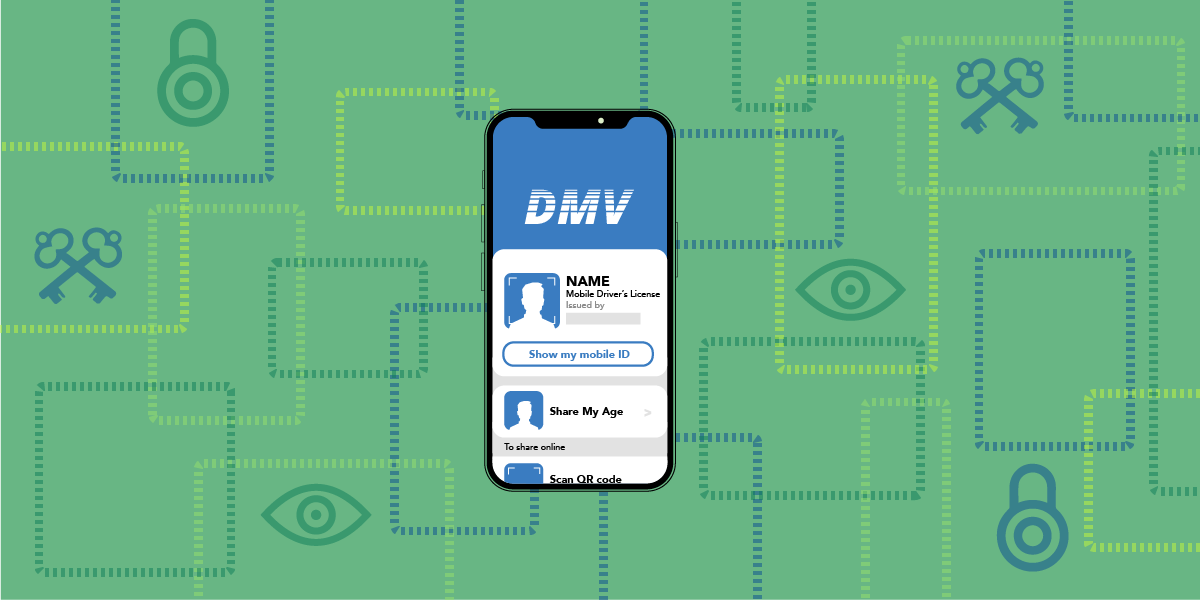
While digital ID gets pushed as the solution to the problem of uploading IDs to each site users access, the security and privacy on them varies based on implementation. But when privacy is involved, regulators must make room for negotiation.
Online tracking is pervasive and most people don’t realize the risks of browsing the web unprotected. Organizations like libraries and schools can make digital privacy more accessible by installing Privacy Badger on the computers they provide.
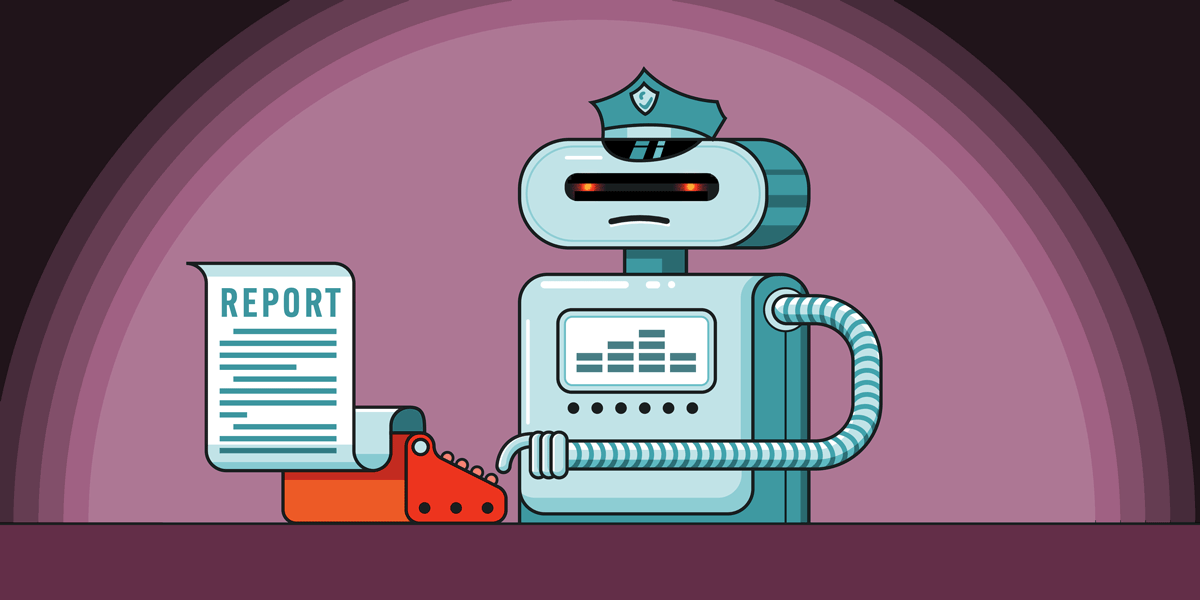
Axon’s AI police report writing tool is designed to not keep a record of which parts of a final report were written by AI and which parts were written by the officer.
There’s been some confusion around what exactly WhatsApp’s “Advanced Chat Privacy” option does, so we dug in to see exactly how it works.
Schools, libraries, and other organizations can make private browsing the norm by installing Privacy Badger on their computers.
The Google verdict “shows that juries made up of regular people understand privacy harm better than most lawyers,” EFF’s Mario Trujillo told Bloomberg Law, but “it will take a lot more than $425 million for a giant company like Google to completely change.”
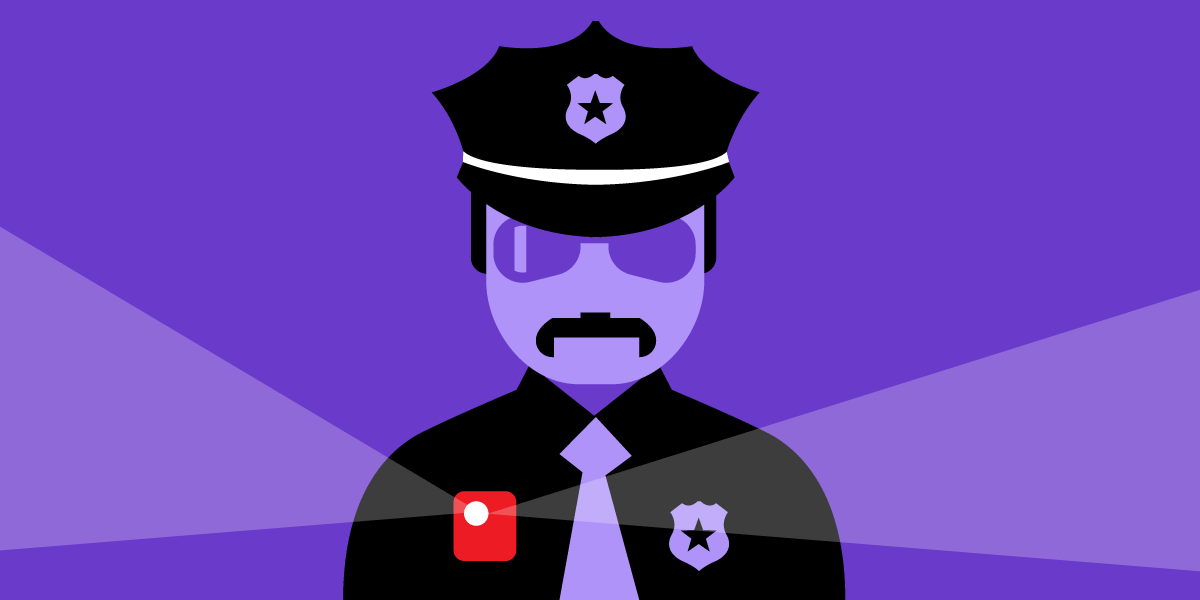
Get the low-down on body-worn cameras from EFF's Street-Level Surveillance project.
Take your online security and privacy to the next level with this Surveillance Self-Defense playlist.
Millions browse the web on school, library, and workplace computers that leave them exposed to hidden trackers. Privacy Badger can be installed organization-wide to enhance privacy and security on these devices.
Privacy Badger is now available on another mobile browser—Microsoft Edge for Android! Stop companies from spying on you while you browse the web on your phone.