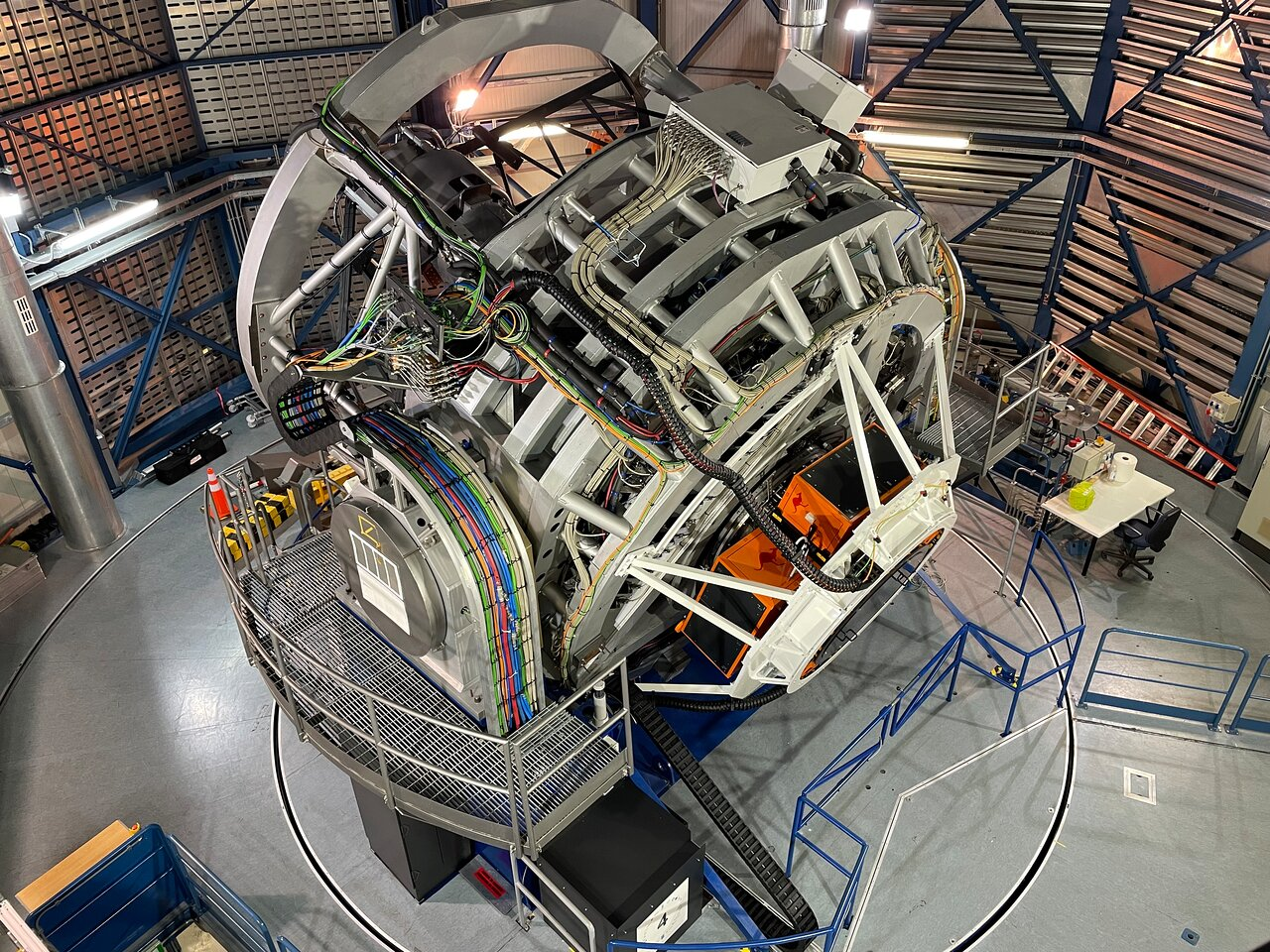
1/2 Thousands of eyes on the sky: 4MOST sees first light 🎉 Installed on our VISTA telescope in #Chile, 4MOST has completed the first test observations over the weekend. It is the largest facility of its kind to survey the southern skies. It can capture the light of thousands of cosmic objects simultaneously, using more than 2400 thin optical fibres, each about the width of a human hair. 📷 AIP/A. Saviauk #astrodon #astronomy #astrophysics #space #science image
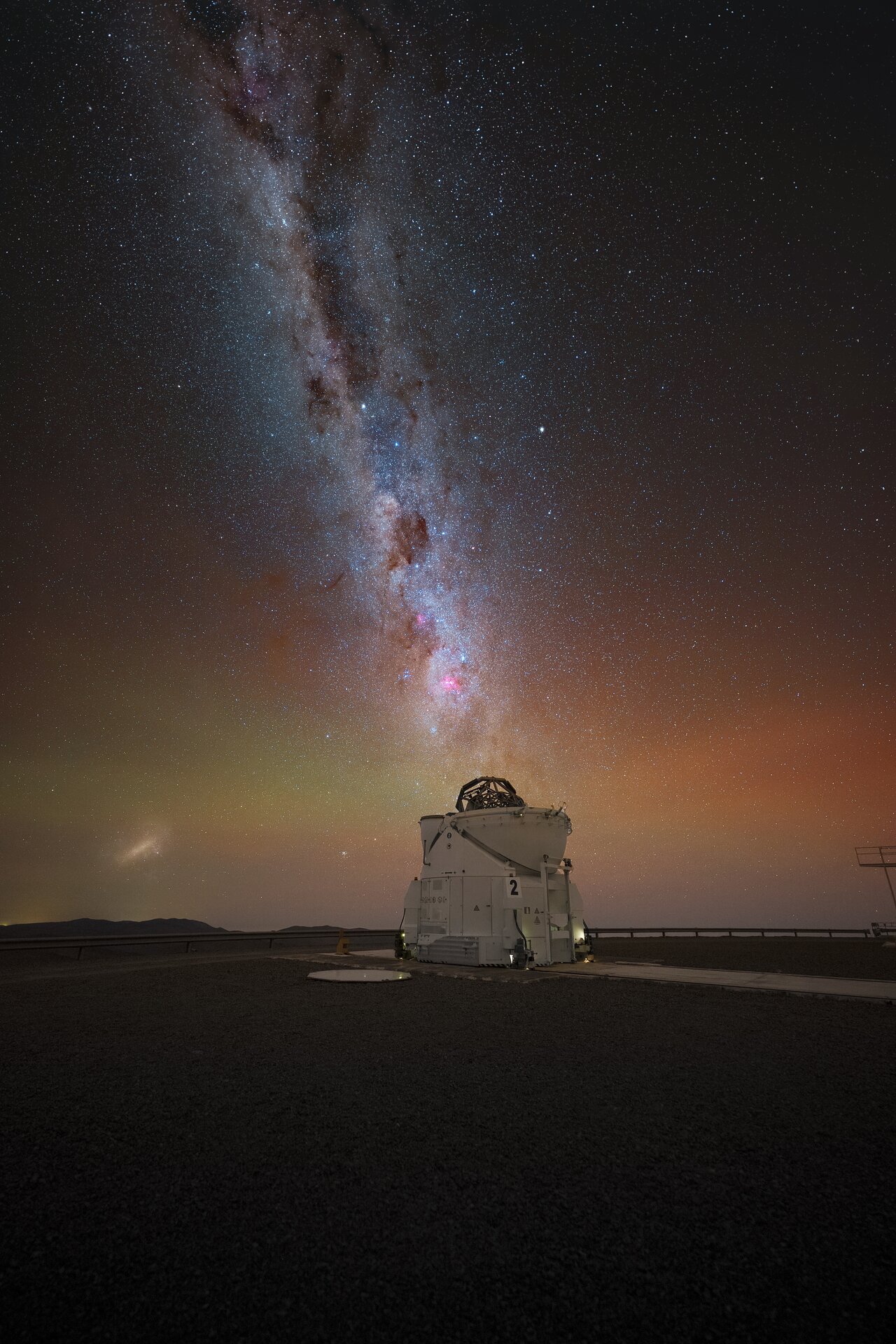
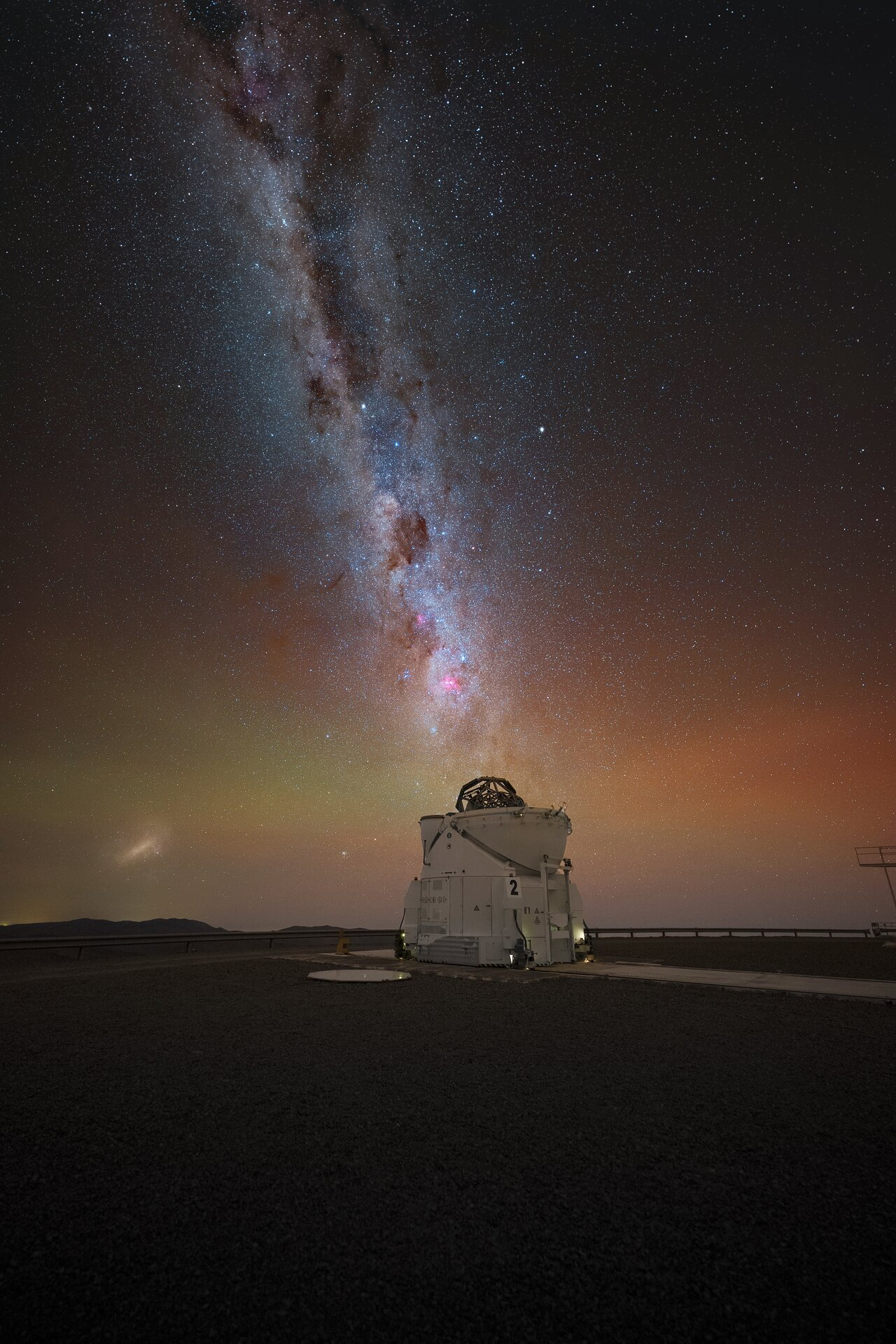
“It was an unforgettable moment“, said photographer Julien Looten when he saw the Carina Nebula with his own eyes at our Paranal Observatory in #Chile. Its southern location and its uniquely dark skies made it possible for Julien to capture this breathtaking view. The Carina Nebula — a massive star-forming region — is visible here as a big pink spot above one of the four Auxiliary Telescopes. More: 📷 J. Looten/ESO #astrodon #astronomy #astrophotography #space #science image
The water you're drinking could be older than the Sun! New ALMA observations show that water molecules carry the same chemical fingerprint all the way from star-forming clouds to planet-forming discs and comets, meaning these molecules have remained unaltered since they first formed. What is this chemical signature and how do astronomers use it to trace the history of water? Find out: #astrodon #astronomy #astrophysics #space #science
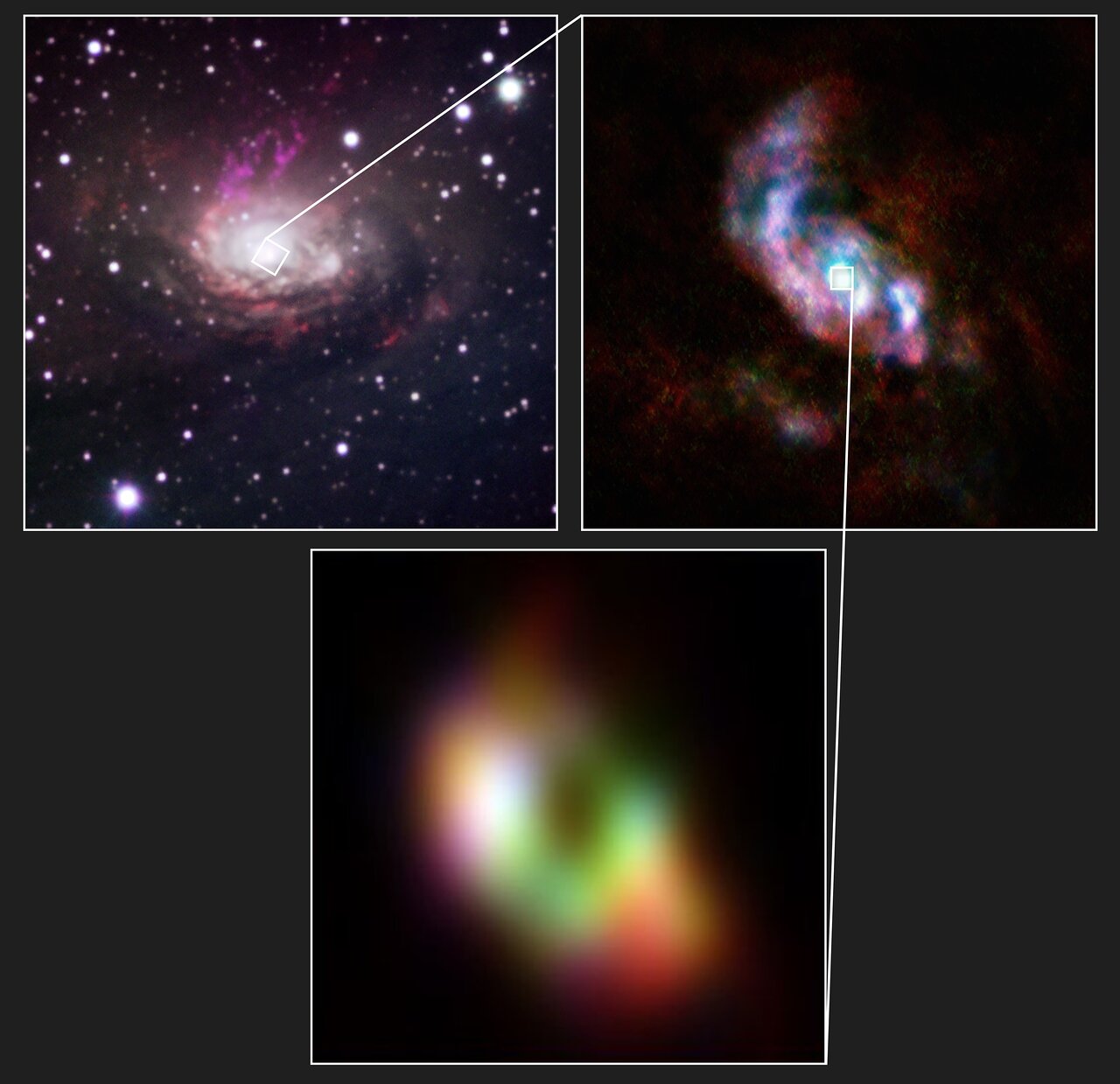
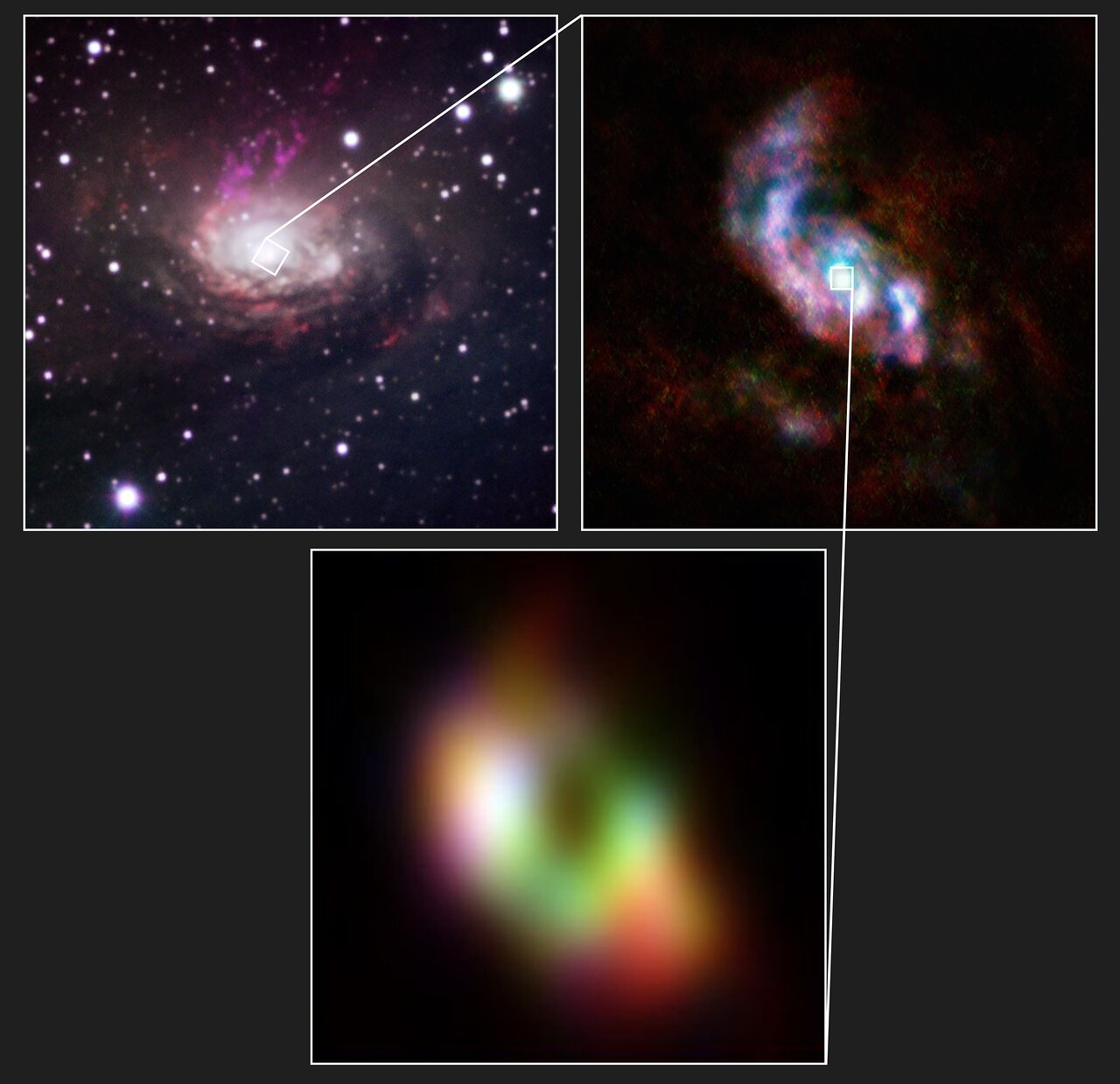
Black holes don’t suck, they get fed! The belief that black holes simply suck in anything that comes near them is wrong. Material can only fall into a black hole when it’s slowed down somehow. In the Circinus galaxy, the gravitational influence of the galaxy's spiral arms drives the gas into the monster's mouth. Yet most of this gas is not doomed, discover why: 📷 ALMA(ESO/NAOJ/NRAO)/ESO/W. Goesaert et al. #astrodon #astronomy #astrophysics #space #science image
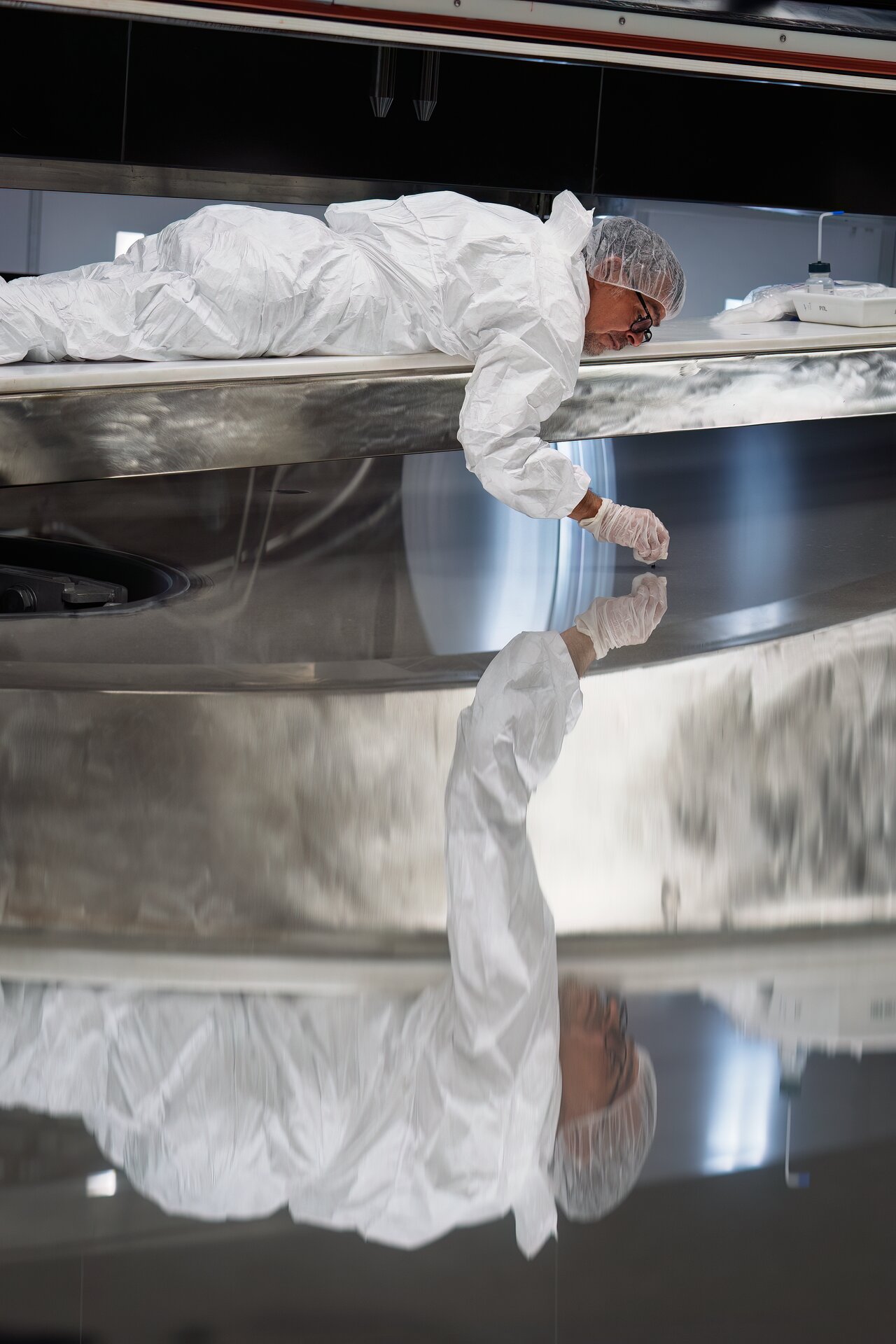
Not even our mirrors stay clean forever! 🧽 Optical engineer Jaime González is checking for large particles on a VLT mirror. This step is part of a periodic cleaning process that keeps the mirrors ultra-precise & super-reflective. Find out how this is done: And for a deeper dive: 📷 ESO/N. Schafer #astrodon #astronomy #astrophysics #space #science #engineering #technology image
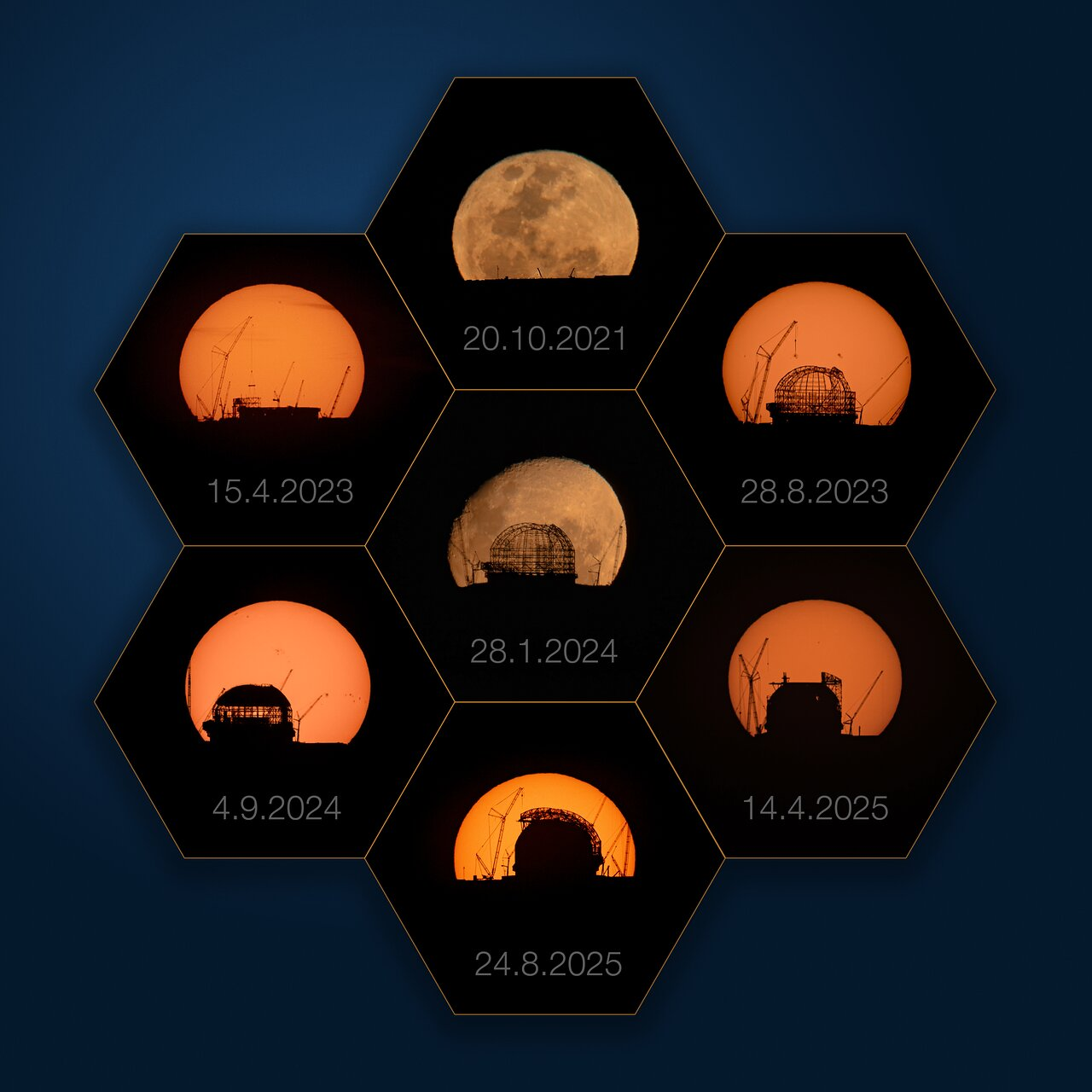
A rising telescope under a rising Sun and Moon! This montage offers a kaleidoscope of moments from the construction of our Extremely Large Telescope (ELT), each one perfectly framed by the #Sun and #Moon behind it. Creating this collage was no small feat: it took Boris Häußler, an ESO astronomer in #Chile, years of meticulous planning to time each frame almost down to the exact second. Discover why: 📷 B. Häußler/ESO #astrodon #astronomy #astrophysics #space #science image
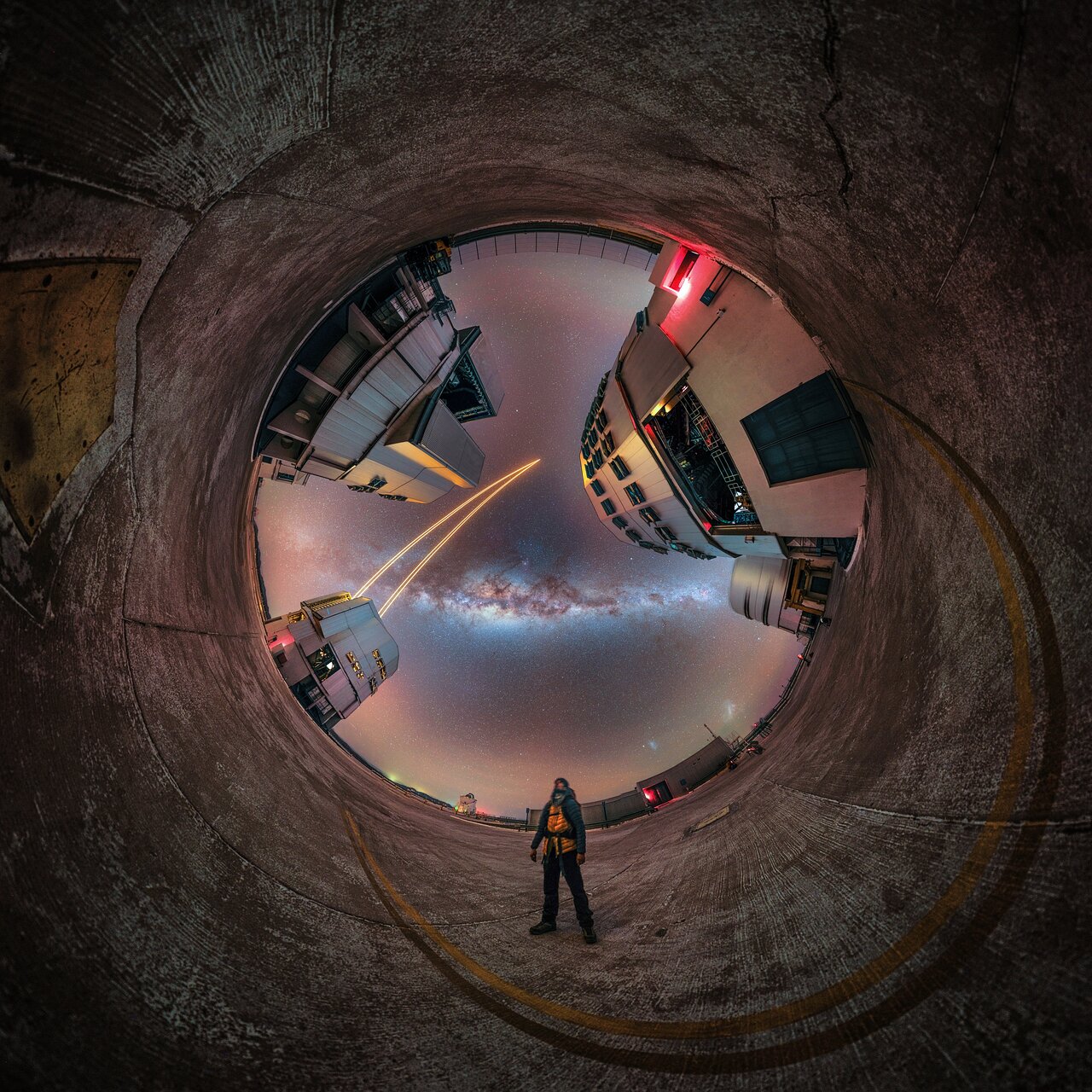
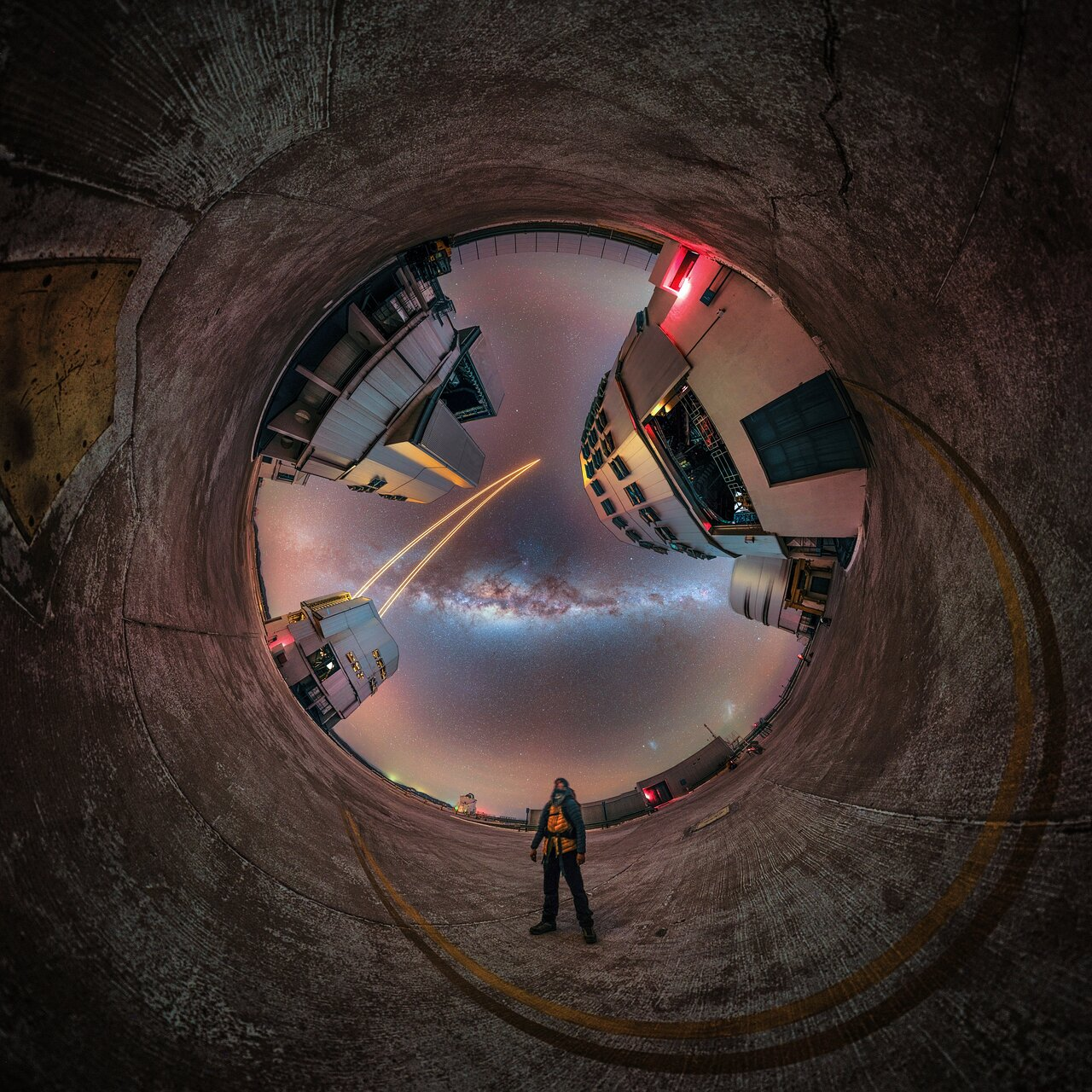
Look up! In search of the darkest and most pristine skies, French astrophotographer Martin Lefranc and colleagues visited our Very Large Telescope (VLT) in #Chile. The sight that they were met with was nothing but surreal. And this mesmerizing fish-eye view captured outside the VLT speaks for itself 🤩 Read more: 📷 M. Lefranc/ESO #astrodon #astronomy #astrophysics #astrophotography #space #science image
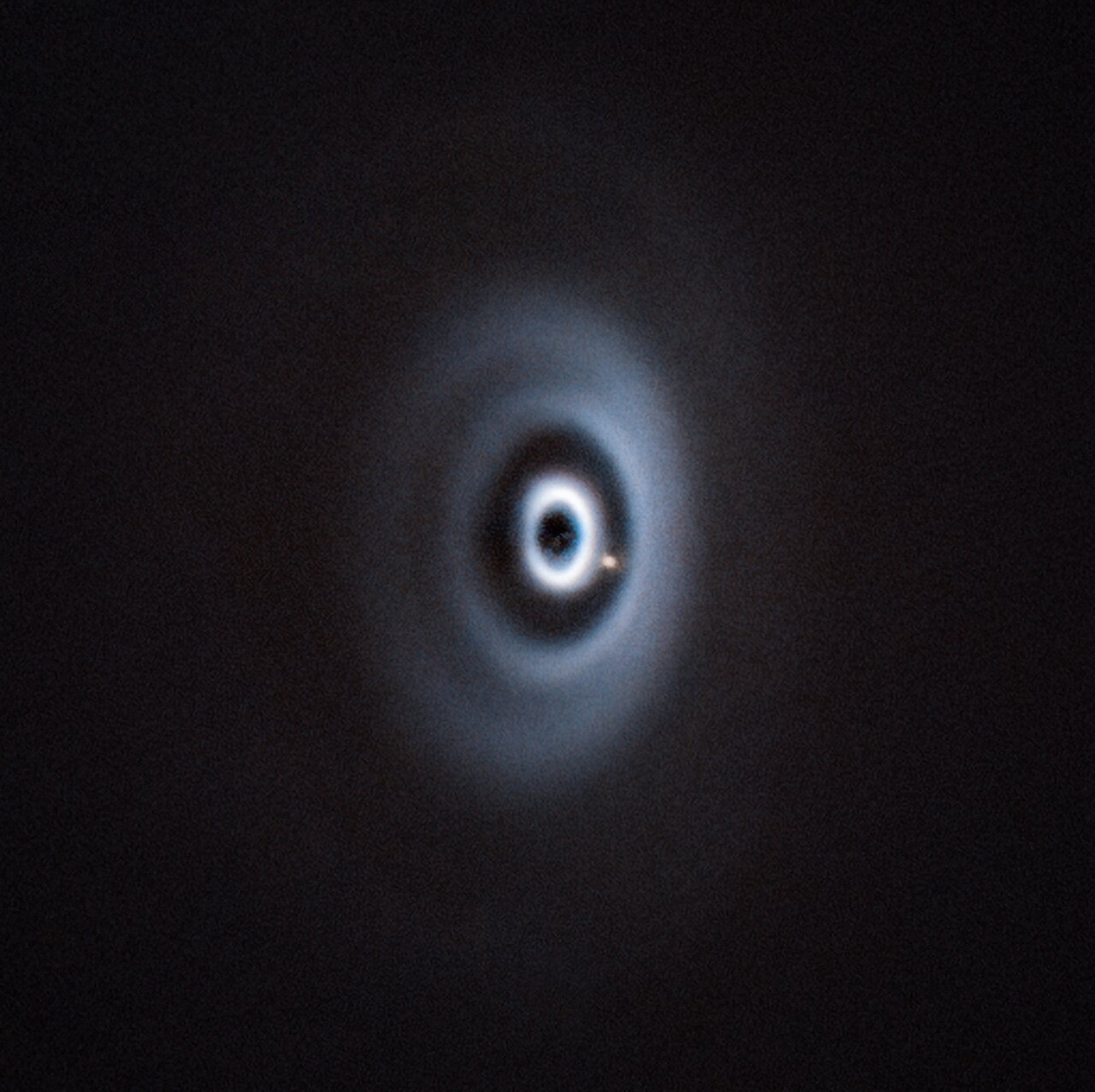
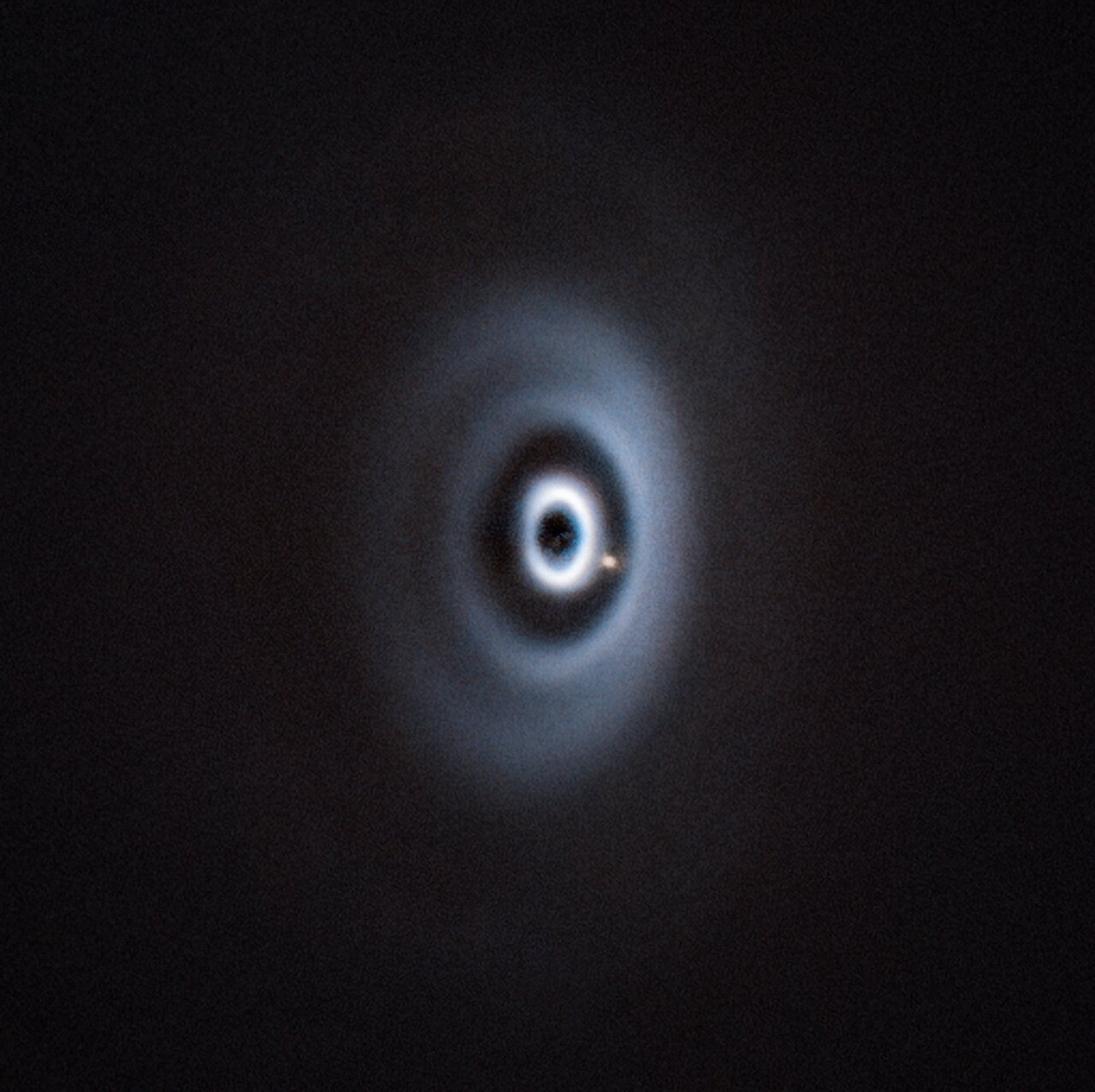
A very hungry planet! 🪐 That little dot is WISPIT 2b, a newborn exoplanet. About 5 times the mass of Jupiter, the planet is eating its way through its dusty cradle as it orbits the host star, a younger version of our Sun 🌞 Taken with ESO’s Very Large Telescope (VLT) in #Chile, this image is the first clear detection of a baby planet in a disc with multiple rings. Read more: 📷 ESO/R. F. van Capelleveen et al. #astrodon #astronomy #astrophysics #space #science image
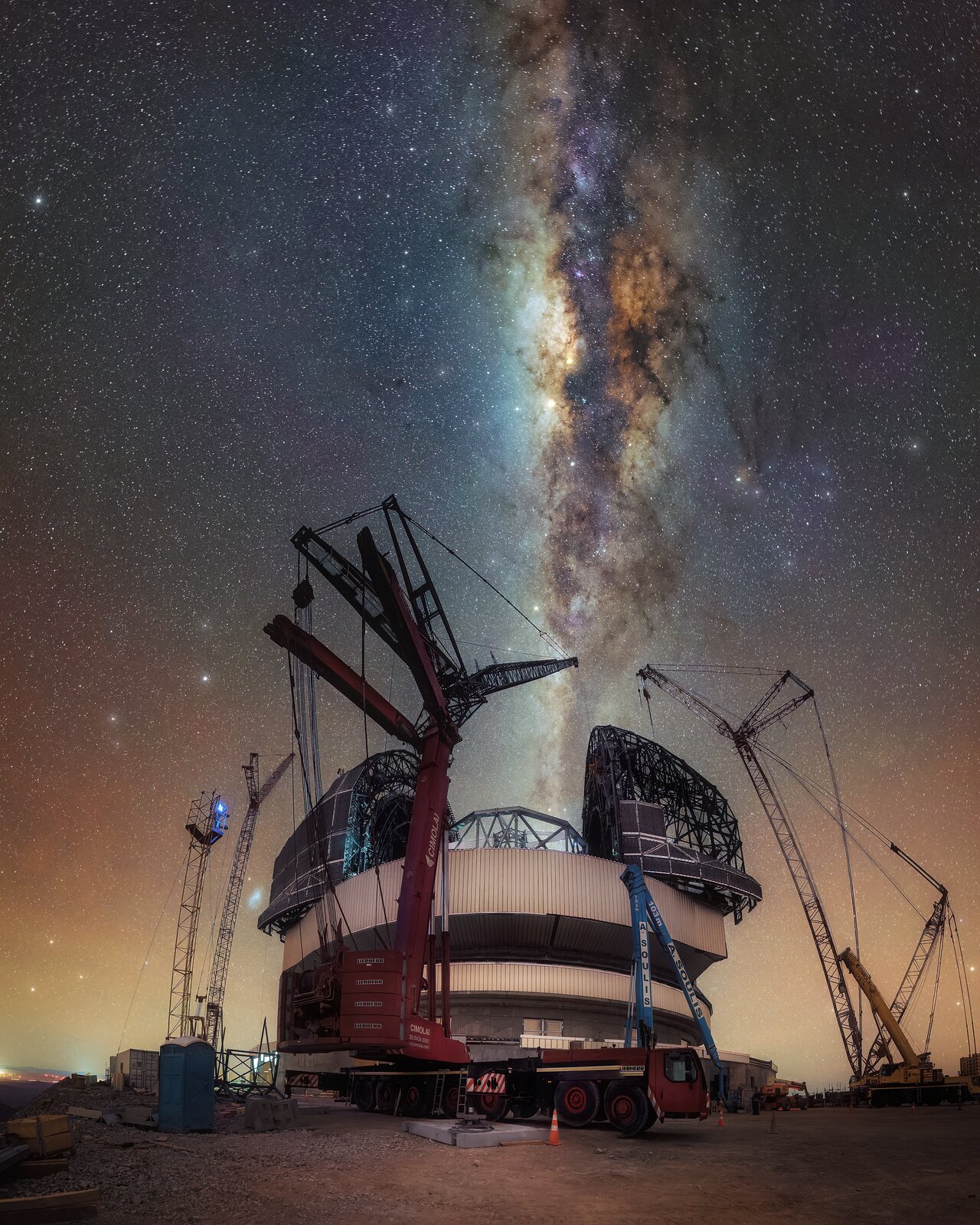
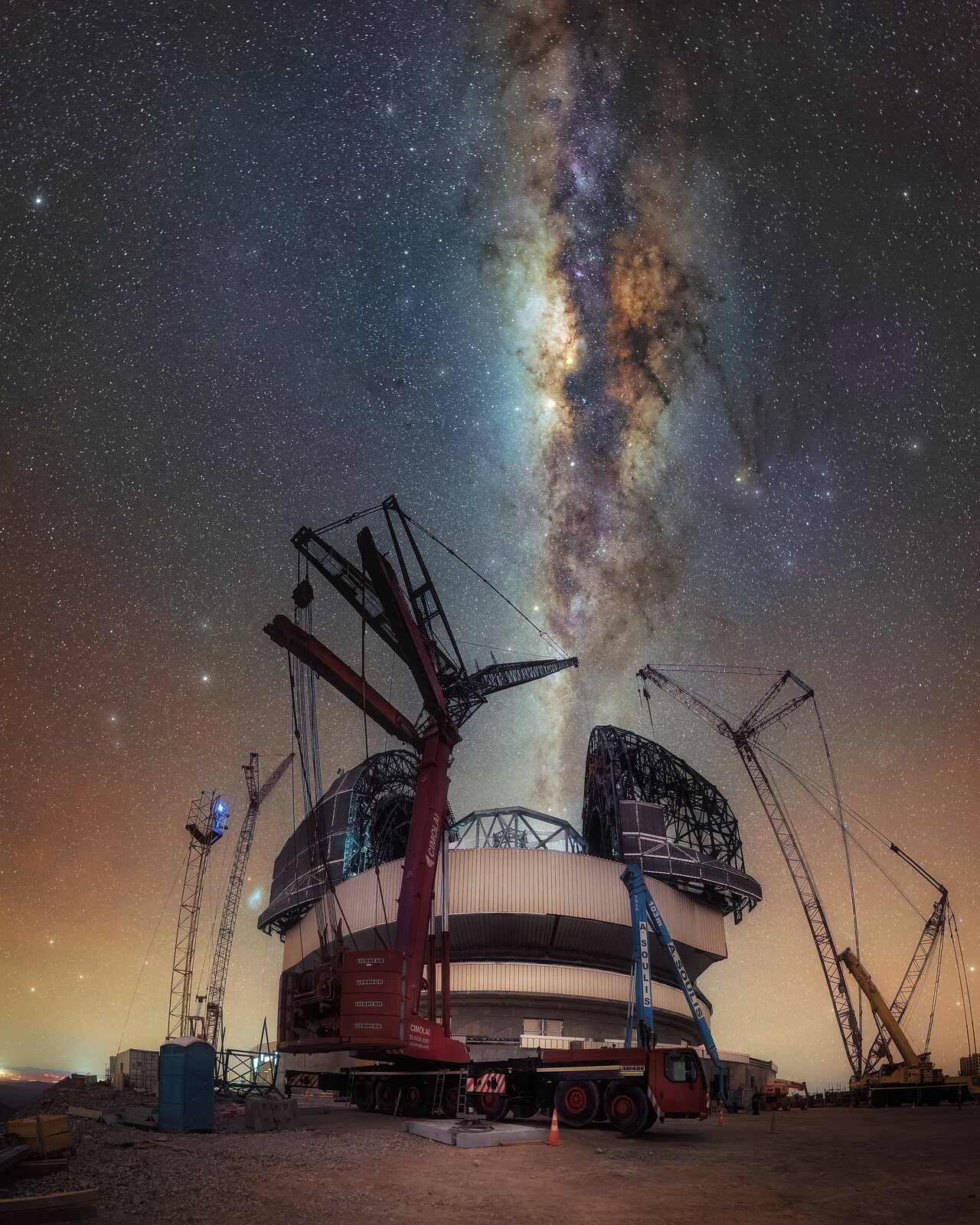
As the Milky Way band appears to pour into our Extremely Large Telescope in #Chile, the cranes around it seem to do the same while they further advance the telescope. Once complete, the ELT will be breaking down the light above in unparalleled detail with its huge 39 m mirror. More: 📷 C. Letelier/ESO #astrodon #astronomy #astrophysics #astrophotography #space #science image
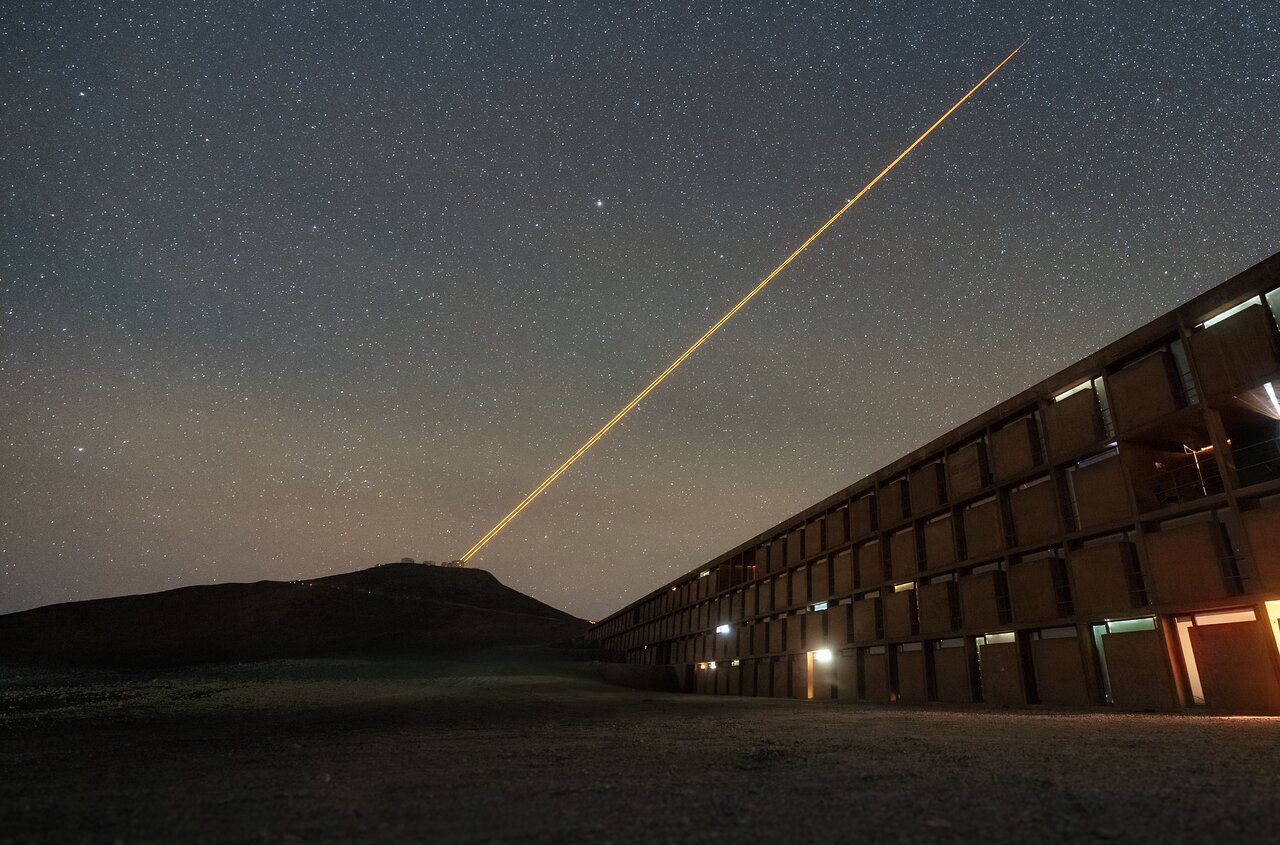
The laser guide star system of our Very Large Telescope (VLT) comes into action in this photo, tracking its orange beams all the way from Cerro Paranal to the skies.⁠ The lasers create artificial stars –seen here as a dot at the end of the beams– that allow us to measure and correct atmospheric turbulence, delivering sharp images. 📷 ESO/N. Schafer #astrodon #astronomy #astrophysics #space #science image