And to sever and dissect the rest of us image
image
In case anyone wants to read more about it: https://www.commondreams.org/news/world-inequality-report image
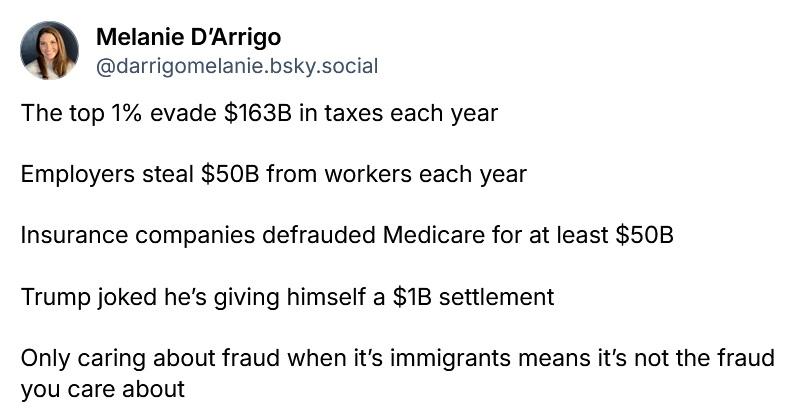
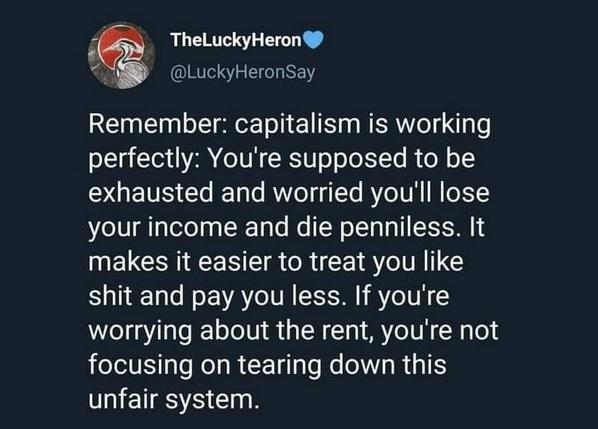
Yet another example of how they’ve got so many of us fighting a culture war to keep folks from joining the Class War. Or, said differently, they’ve got people punching down so they don’t see them with their hand in their pockets. And remember, these examples given by Melanie D’Arrigo are just some of the illegal ways in which they fleece us. Every day, they fleece us legally by paying us only a fraction of the value of our labor, keeping the rest for themselves, mostly as profits. image
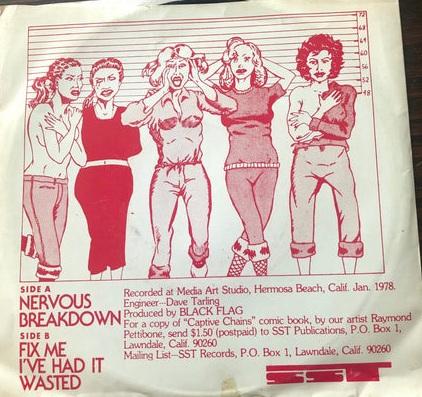
Here are some of the cuts: Nervous Breakdown: Wasted: Fix Me: #punk #punkrock #blackflag #raypettibone image
image
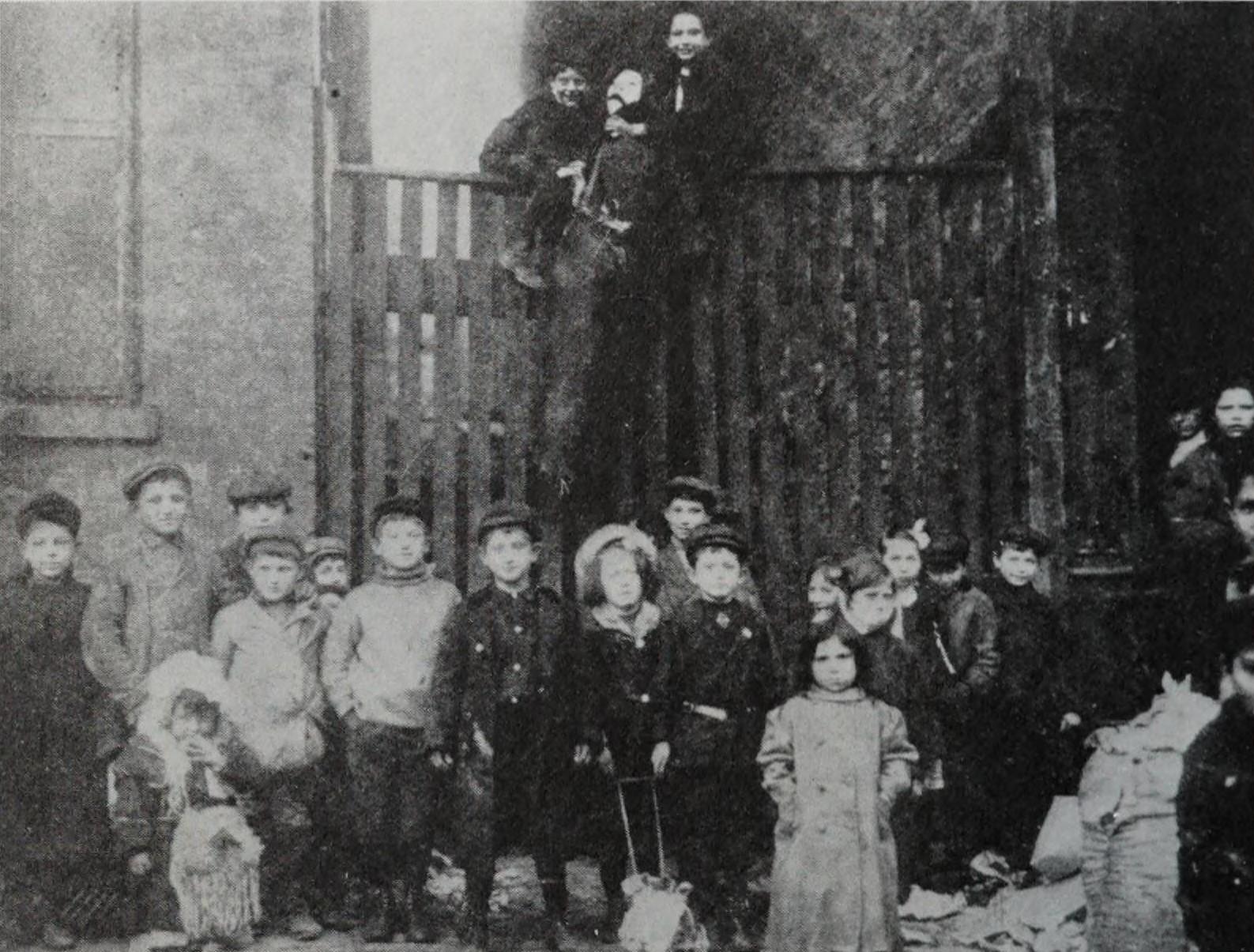
Today in Labor History December 28, 1907: The New York Rent Strike began in the Lower Eastside, in response to proposed rent increases during the Panic of 1907, when tens of thousands lost their jobs. The organizers were Jewish immigrant women, but leadership was eventually taken over by the Socialist Party of America. One of the early organizers of the rent strike was Pauline Newman, who had been working at the Triangle Shirtwaist Factory since age 11. By age 15, she was active in Socialist organizations. She survived the deadly fire at the Triangle factory in 1911, which killed 146 young women and girls, mostly Jewish and Italian immigrants, and became an effective organizer with the ILGWU. She helped organize a 1909 General Strike among women garment worikers. Her organizing earned her the moniker “East Side Joan of Arc.” The Lower Eastside rent strike soon spread to other parts of Manhattan and Brooklyn, with roughly 10,000 tenants taking part. The landlords ultimately broke the strike through mass evictions and police brutality. Nevertheless, approximately 2,000 people did successfully block rent increases. The rent strike was the larges the city had ever seen until then, and it helped to spawn decades of radical tenant organizing in New York. #workingclass #LaborHistory #housing #rent #rentstrike #strike #police #policebrutality #evictions #jewish #immigration #socialism #paulinenewman #feminism #ilgwu #triangleshirtwaist #childlabor #GeneralStrike image
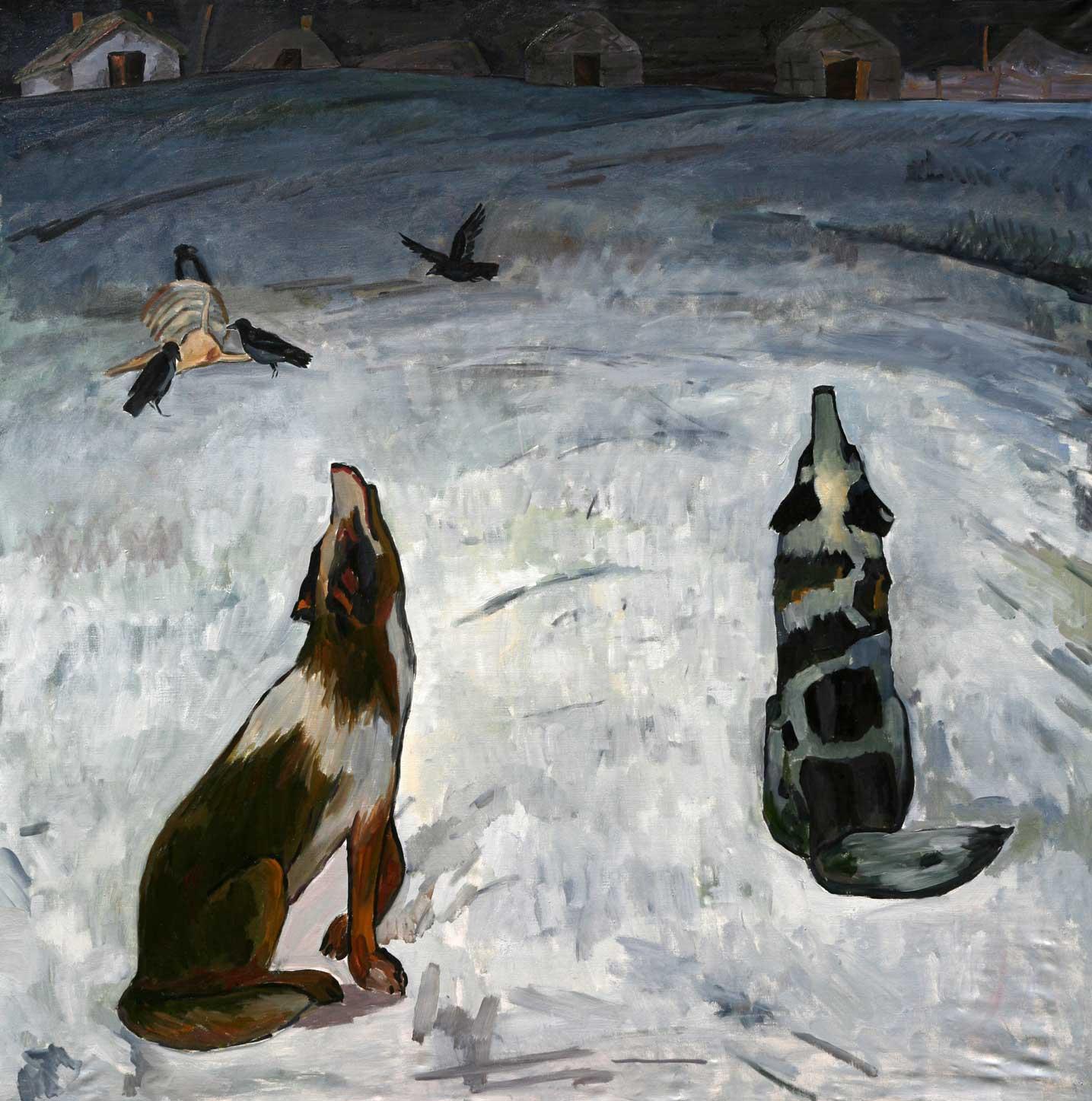
Today in Labor History December 28, 1943: Soviet authorities began Operation Ulussy, the deportation of the Kalmyk nation to Siberia and Central Asia. They forcibly relocated over 93,000 people of Kalmyk nationality in cattle wagons on December 28–31 to forced labor camps. The government accused them all of collaborating with the Nazis based on the roughly 5,000 Kalmyks who fought in the Nazi-affiliated Kalmykian Cavalry Corps. However, over 23,000 Kalmyks served in the Red Army and fought against Axis forces at the same time. The deportation resulted in more than 16,000 deaths. Overall, the Soviet government deported millions of ethnic minorities from the 1930s-‘50s, and hundreds of thousands died in the process. In 1956, Khrushchev rehabilitated The Kalmyks. In 1989 the Supreme Council of the Soviet Union declared all of Stalin's deportations "illegal and criminal." #workingclass #LaborHistory #ussr #russia #communism #stalin #deportation #fascism #nazis #Kalmyk #ForcedLabor #siberia #slavery image
Today in Labor History December 28, 1918: Constance Markievicz, while detained in Holloway prison, became the first woman to be elected Member of Parliament (MP) to the British House of Commons. She was an Irish revolutionary, suffragist and socialist, who fought in the Easter Rising in 1916, when Irish republicans attempted to end British rule and establish an Irish Republic. Originally, they had sentenced her to death for her role in the Rising. However, they commuted her sentence to life imprisonment because she was a woman. During the Rising, she designed the Citizen Army uniform, composed its anthem, and fought in St Stephen's Green, where she shot a member of the Dublin Metropolitan Police. #workingclass #LaborHistory #constancemarkievicz #ireland #independence #easterrising #prison #Revolution #feminism #socialism image
Today in Labor History December 28, 1869: Uriah Stephens founded the Knights of Labor (KOL) on this date. Though the leadership often denounced socialists and anarchists, the KOL attracted and spawned many, including Daniel DeLeon, who would go on to later cofound the IWW and the Socialist Labor Party, as well as two of the anarchist Haymarket martyrs. The KOL also denounced strikes, yet, like its more radical cousin, the IWW, it called for the abolition of the wage system and fought to organize all workers into one big union, including women and immigrants. They gave lectures on the evils of wage slavery, monopoly, and over-accumulation of wealth. And, like the IWW, one of the KOL’s slogans was, “An Injury to One is the Concern of All.” They were also one of the first labor organizations not only to take on the Robber Barons, but to defeat them (if only temporarily). And they were one of the only labor organizations to support the 1877 strike wave known as the Great Upheaval, in which over 100 workers were killed by police and soldiers as they protested wage cuts and firings across the U.S. The Knights of Labor was a “brotherhood of toil,” open to every laborer, mechanic, and artisan, regardless of country, creed, or color. They were particularly accepting of black workers at a time when virtually all other unions in the U.S. refused to do so. By 1886, there were over 60,000 African American members of the KOL, with 500 all-black branches, mostly in the South. In 1877, 10,000 Louisiana sugarcane workers went on strike with the KOL. It was the largest strike ever in that industry, and the first to be led by a union. During that strike, the Louisiana Militia, aided by vigilantes, murdered 35-50 unarmed black workers in the Thibodaux Massacre. The massacre ended the strike and any concerted effort to organize black cane workers until the 1940s. And in the wake of that strike, Democrats in the state passed a series of laws that disenfranchised black voters and enforced segregation and Jim Crow. As the KOL grew, so did its xenophobia. They supported the Chinese Exclusion Act, and its members participated in several anti-Chinese pogroms. In 1882, the San Francisco branch of the KOL joined a rally demanding the expulsion of the city’s Chinese population. Several years later, they participated in a pogrom that expelled Chinese residents from Seattle, Washington. In the 1885 Rock Springs Massacre, in Wyoming, a mob of mostly KOL members murdered at least 28 Chinese immigrant laborers and drove the survivors out of the state. Also in 1885, KOL members participated in an anti-Chinese pogrom in Tacoma, Washington, in which over 10% of the city’s Chinese population was expelled. The KOL, like the IWW, often included music in their regular meetings, and encouraged local members to write and perform their work. In 1885, a Knights of Labor songbook was published that included the song, "Hold the Fort," which was often included in the IWW’s Little Red Songbook. It was the most popular labor song in the U.S. until IWW member Ralph Chaplin's anthem "Solidarity Forever." #workingclass #LaborHistory #KnightsOfLabor #IWW #union #strike #solidarity #socialism #anarchism #haymarket #racism #massacre #folkmusic #BlackMastodon image