I just got a "Decomputing" talk accepted by a very tech-focused business conference (as a Keynote even) and a labor rights organization who wanted me to propose a talk instantly went for the "The Luddites were right" suggestion. Two things that a few months ago would not have been possible I think. Things are changing, the dire state of the world sometimes allows new narratives to punch through.

It is an interesting data point that the "resonant computing" thing was pushed on Bluesky by a lot of people and it's basically non-existent on the Fediverse.
But if AI is so userful and everyone wants it, why does Microsoft have to cut its AI sales targets in half? (Original title: Microsoft drops AI sales targets in half after salespeople miss their quotas)
Any social internet worth thinking about needs to be built on the idea of care. - care for the wellbeing of the people on the network (moderation) - care for those doing extra work (like moderation) - care for each other (add alt-texts to images, thinking about inclusivity etc) - care to make running infrastructure sustainable (in all respects) The social Internet needs to be a web of human care.
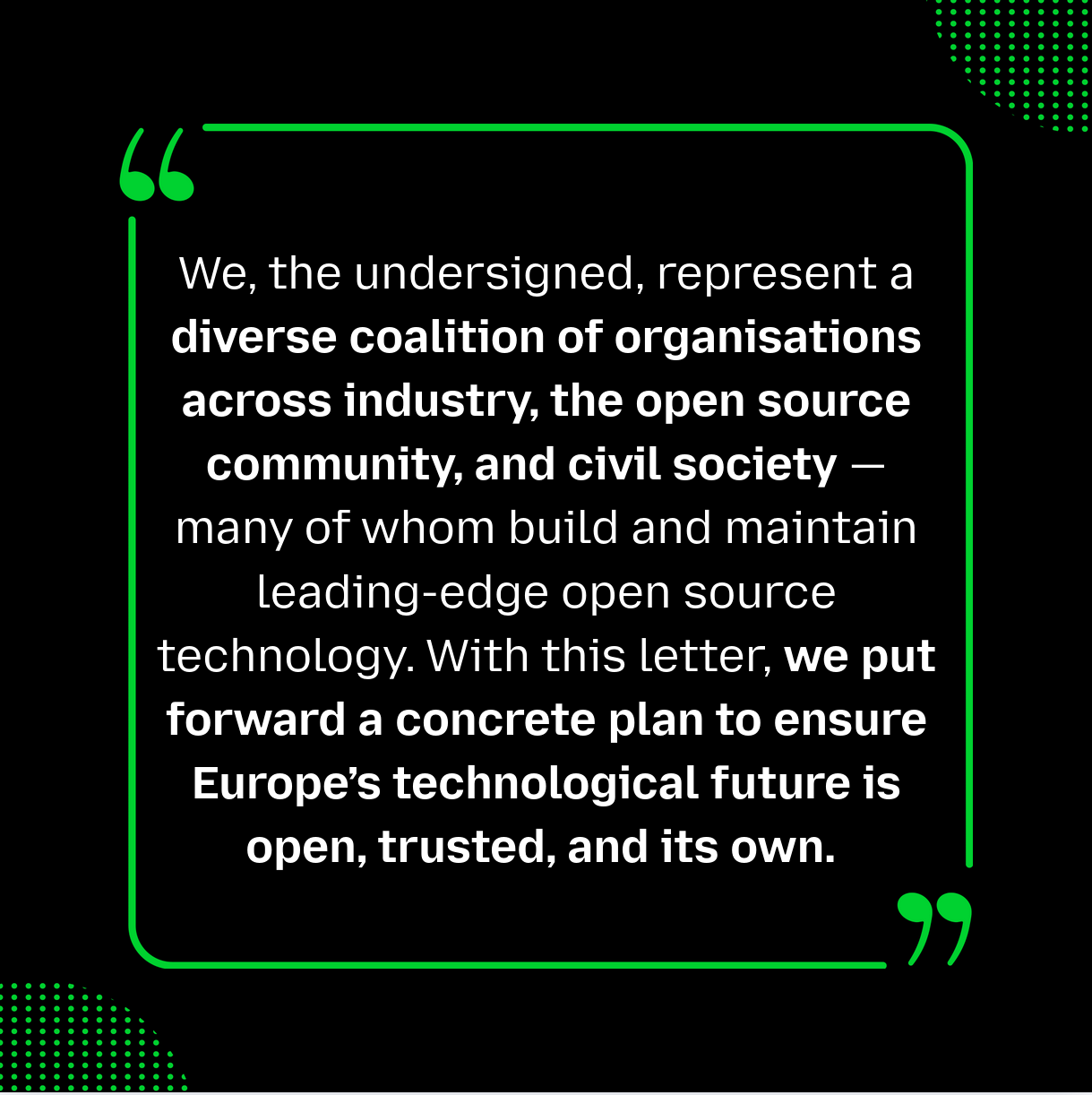
RE: Sure, bringing more Open Source into public infrastructures would be great. Pouring more funding (and structural support) into that space also would be fantastic. But what has "AI" to do with any of that? (Open Source AI does not exist even if the OSI made up a bad definition that undermines the fundamental ideas of open source/free software) View quoted note →
GitHub is not your friend. They're also not on your side.
So, @npub16sjv...va89 wrote an interesting reflection on "AI" and Firefox a few days ago: He argues that the number of people who want Mozilla to just stop with the AI development and focus on a more traditional browser is small (probably true) and that people are so used to using AI in their everyday lives that it's Firefox's/Mozilla's job to make that as secure and "less big tech dependy" as possible. I think that's not an unreasonable argument. I do think that the actual question is more about _what Mozilla is for_ and not "AI" (or other tech hypes). From my reading the people who don't want AI in Firefox are often AI critical, sure. But it's also about resources and narrative. The idea of Mozilla was to have something that would work for the good of the open web, that would fight for users through participating in standards development but that would also argue based on what is right. Mozilla's sales pitch was a moral one - at least that is how many in the community on Mastodon for example interpreted it. So when Mozilla cuts down on policy work, cuts work on technologies like Servo or Rust that were supposed to materially improve the security of browsers and people online while setting a lot of developer hours on fire in order to integrate fundamentally insecure (and some would say fundamentally anti-"open web") systems "just because people use them", it feels like an organization having lost their mission or the drive to push their values. I think "AI" is just the latest (and probably biggest) event that illustrates a sentiment that has been brewing for a while: That Mozilla's mission or goals have shifted in a way that their original supporters no longer feel aligned with.
Good night. image
We bought into the "post scarcity" narrative because digital tech feels so magic and ethereal but we need to get back to an understanding of the material costs and effects of those systems. They are not very post-scarce in reality.
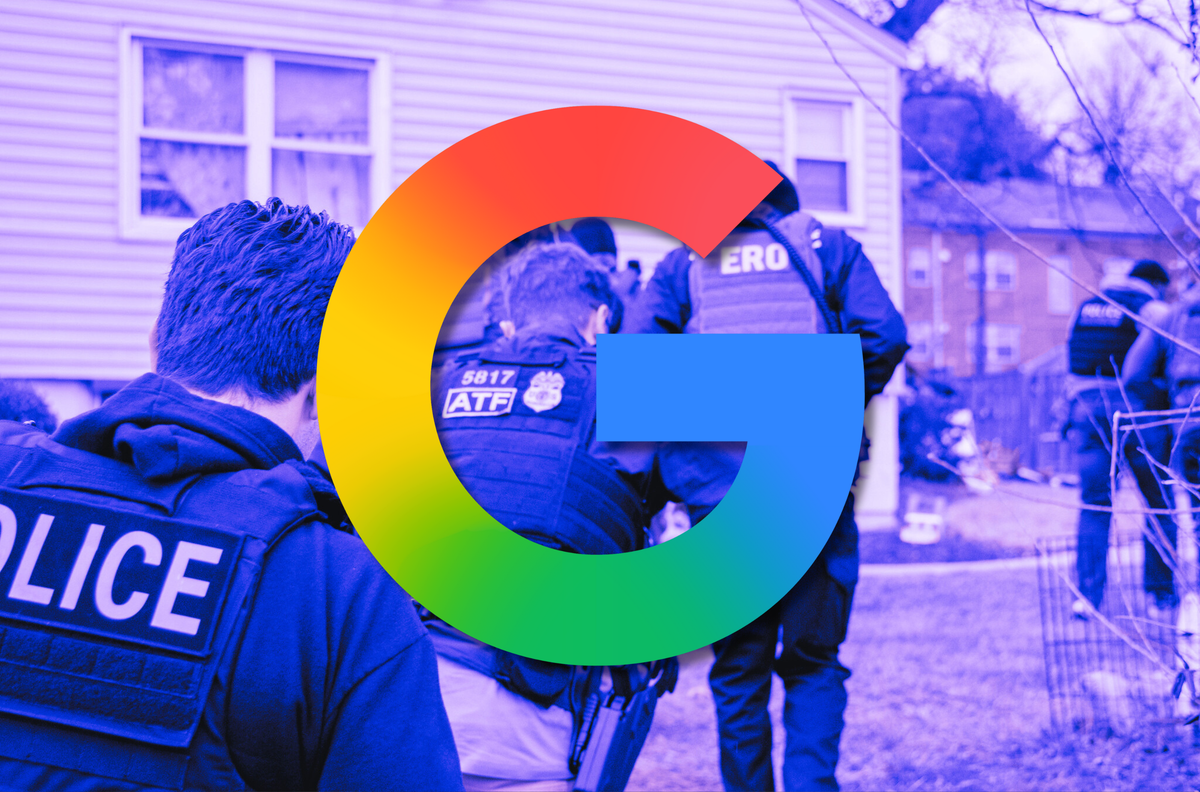
"Don't be evil" is so far in the past, it's not even a memory anymore (Original title: Google Has Chosen a Side in Trump's Mass Deportation Effort)