Japanese government bond yields keep rising, investors will stop treating Japan as a source of basically free fiat currency, and the whole carry-trade party will come to an end. Soon the US will be the only major central bank still cutting interest rates, effectively turning America into the new Japan – the world’s primary supplier of cheap fiat currency. With QT officially ending on December 1st, the Fed is now in full liquidity-reflood mode. And since the AI boom isn’t actually a bubble (it’s the new foundational infrastructure), the system will require endless amounts of this fresh fiat to keep growing – meaning the US now has to play global bailout provider for the entire AI buildout. The US will quietly start backing its endless fiat issuance with Bitcoin, gold, and other real assets, turning itself into a giant, sovereign version of what El Salvador is doing today. Once the rest of the world sees that the only way to escape terminal fiat debasement is to accumulate hard, verifiable collateral behind their own currencies, nations will have no choice but to follow America’s lead or get left behind in the biggest monetary reset in history.
How to earn Bitcoin Mining rewards from Ocean with Alby Hub Earn Bitcoin mining rewards directly in Alby Hub, your own self-custodial wallet. Learn how to set up Ocean’s BOLT12 bitcoin lightning payouts and receive mining rewards seamlessly into your on-chain or Lightning wallet.
This article brilliantly unpacks how Bitcoin and open-source code bring anarcho-capitalist ideas like voluntary property rights to life, proving that true innovation thrives without coercion or state mandates. It's a must-read for anyone curious about why Bitcoin isn't just money—it's a radical blueprint for a freer world. Bitcoin, Open Source, and the Radical Case for Voluntary Property Rights How anarcho-capitalist philosophy found its first real-world proof in Bitcoin and code
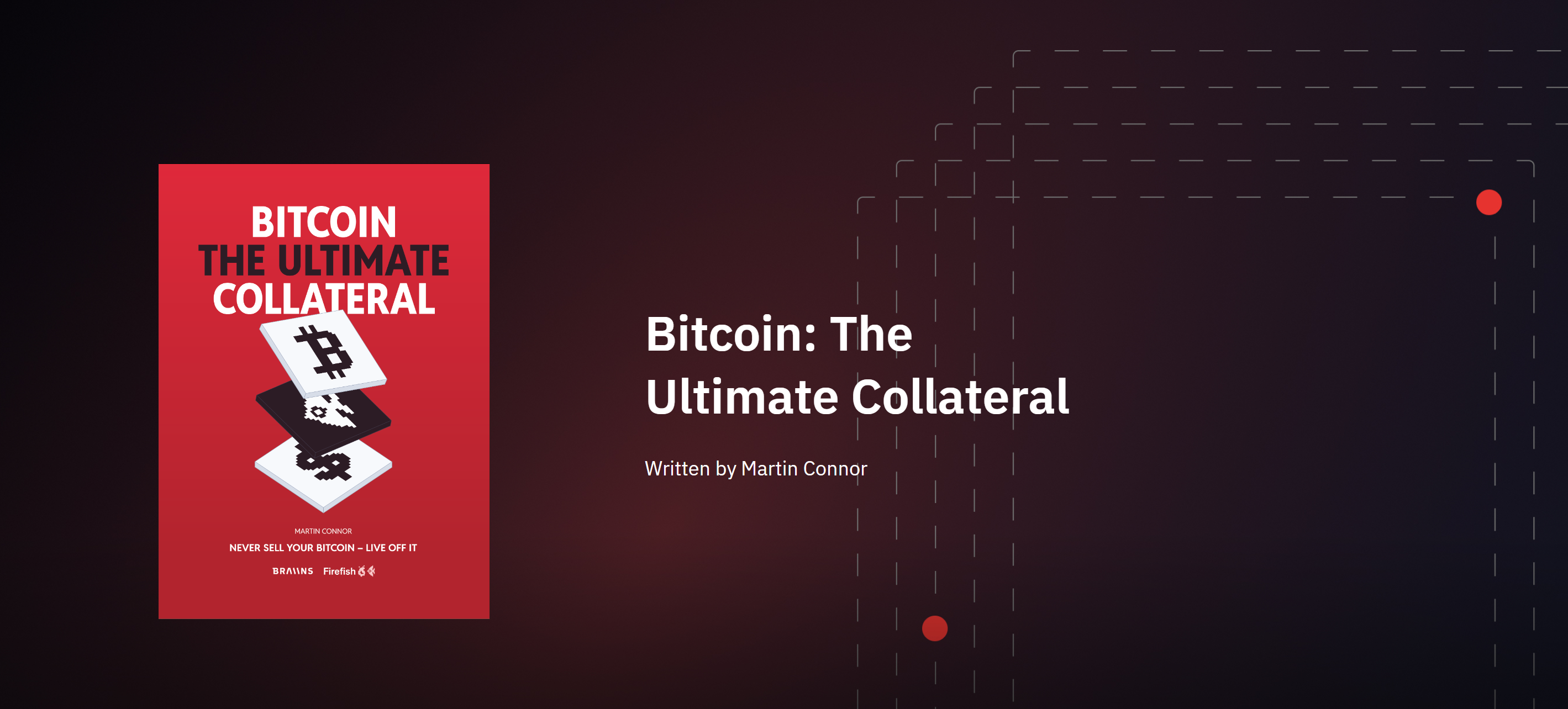
"The best, simplest, ultimate form of collateral is something that can instantly be claimed and sold at any time when the debtor fails to make their payments. A house can take months, even years to sell. Stocks too have time restrictions, but Bitcoin doesn't." ~ The Ultimate Collateral The Ultimate Collateral written by Martin Connor This was an excellent piece that boils down to one killer insight: Bitcoin is the highest-quality collateral humanity has ever invented. Most people still rank houses, stocks, gold, or cash at the top, but that’s only because nothing better existed—so they never noticed how deeply flawed all of those are. Put the pieces together—true shared ownership via multisig, absolute digital scarcity, instant global portability, and a network with literally unmatched uptime—and Bitcoin stops looking like “digital gold.” It’s something entirely new. When any stranger on earth can verify it in seconds, move it in minutes, and it has a multi-decade track record of appreciating, are we still thinking too narrowly about what Bitcoin is really built for?
FBI Warns That Hackers Are Posing As Fake Feds — What You Need To Know https://www.forbes.com/sites/daveywinder/2025/11/27/fbi-warns-that-hackers-are-posing-as-fake-feds---what-you-need-to-know/ Never share passwords, 2FA codes, or login details with anyone who contacts you—real companies never ask. If you get a “fraud alert,” hang up and call your bank/exchange directly using a number you already trust. Bookmark official login pages; never Google them. Legit support will never demand your MFA code or remote access. Holding big money on an exchange? Move it off. A multi-signature wallet keeps your bitcoin fully under your control, off breach target lists, and safe even if one key gets compromised. Your keys, your bitcoins—done right.
Chat Control: EU lawmakers finally agree on the voluntary scanning of your private chats You can't just "slightly weaken" true end-to-end encryption without breaking it entirely. If a system is built to scan your messages before they're encrypted (like some proposed laws want), that capability can always be abused, broadened, or hacked by others later. Stick to messaging apps that offer real end-to-end encryption, where the code is fully open source and independently verifiable. And stay alert—bills and regulations like these are often attempts to sneak in backdoors that let governments (or anyone who compromises them) read your private conversations.
Voltage co-founder: Bitcoin’s Lightning Network is bringing crypto into daily life Voltage’s Aaron Bollinger said that Lightning payments are already being rolled out across Jack Dorsey’s Square network. https://www.thestreet.com/crypto/innovation/voltage-cofounder-bitcoins-lightning-network-is-bringing-crypto-into-daily-life A significant development in the adoption of Lightning, a Bitcoin payment system, has been buried in a recent article. According to a Voltage executive, all Square payment terminals will have Lightning integration by the end of the year. This is a substantial breakthrough, as it means many merchants will unknowingly have the ability to accept Bitcoin payments. Although some of these merchants may not retain the Bitcoin they receive, others who have been eager to use Bitcoin but lacked a compatible point-of-sale system may now be able to do so, potentially offsetting the difference.
You can refuse to let third parties control your cell phone, internet, or debit cards. That’s exactly what I do: • Phone: GrapheneOS with zero Google involvement • Internet: always-on VPN (including my own self-hosted VPN) • Payments: only local debit cards when necessary, and mostly — everything under my own control.
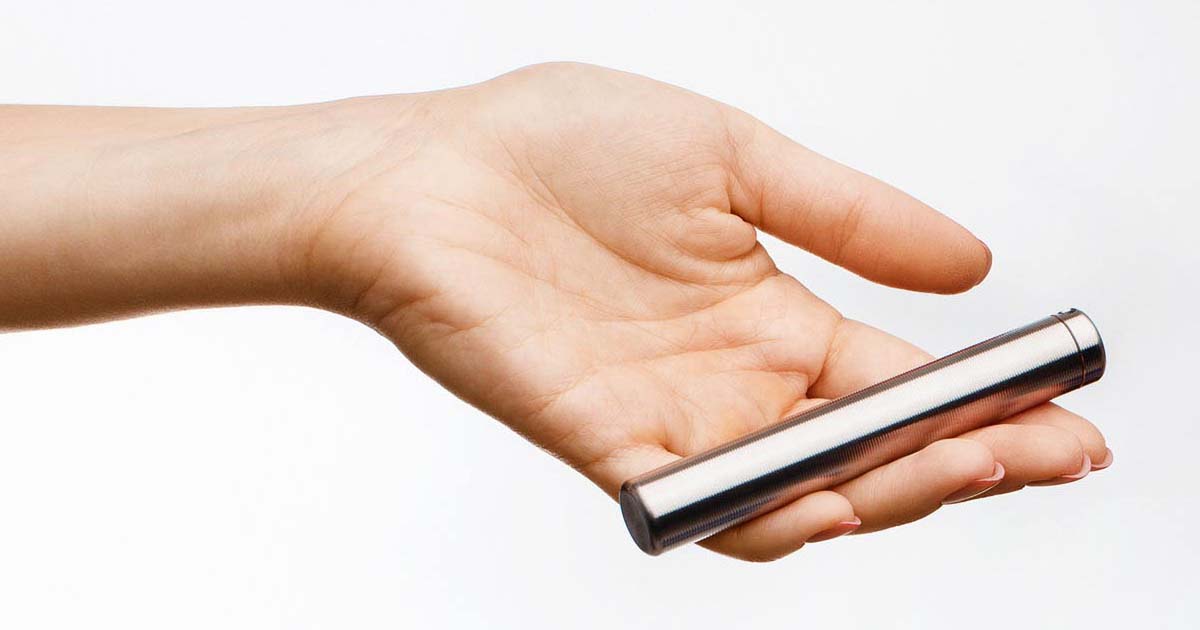
Always practice good crypto hygiene by properly securing your cryptocurrency secrets (seed phrases, private keys, etc.). The best way to do this is with offline, tamper-proof backups that protect against fire, water, hacks, or loss. Tools like Cryptosteel make it incredibly easy and reliable—for example, their metal backup plates () are simply the best for sanitizing cryptocurrency secrets.
Why Chronic Irritation Might Actually Be a Superpower (Not a Glitch) From clunky file-sharing systems that waste everyone’s time, to cringe-worthy movie adaptations that butcher beloved books, to economic theories that blatantly contradict themselves—most of the world’s biggest breakthroughs and companies were born out of someone being relentlessly pissed off. What if the real question that predicts what you’ll spend your life on isn’t “What do you love doing?” but “What annoys you so badly that you simply refuse to let it stay broken?” Here’s a fantastic article that dives deep into exactly this idea: Thank you for being annoying