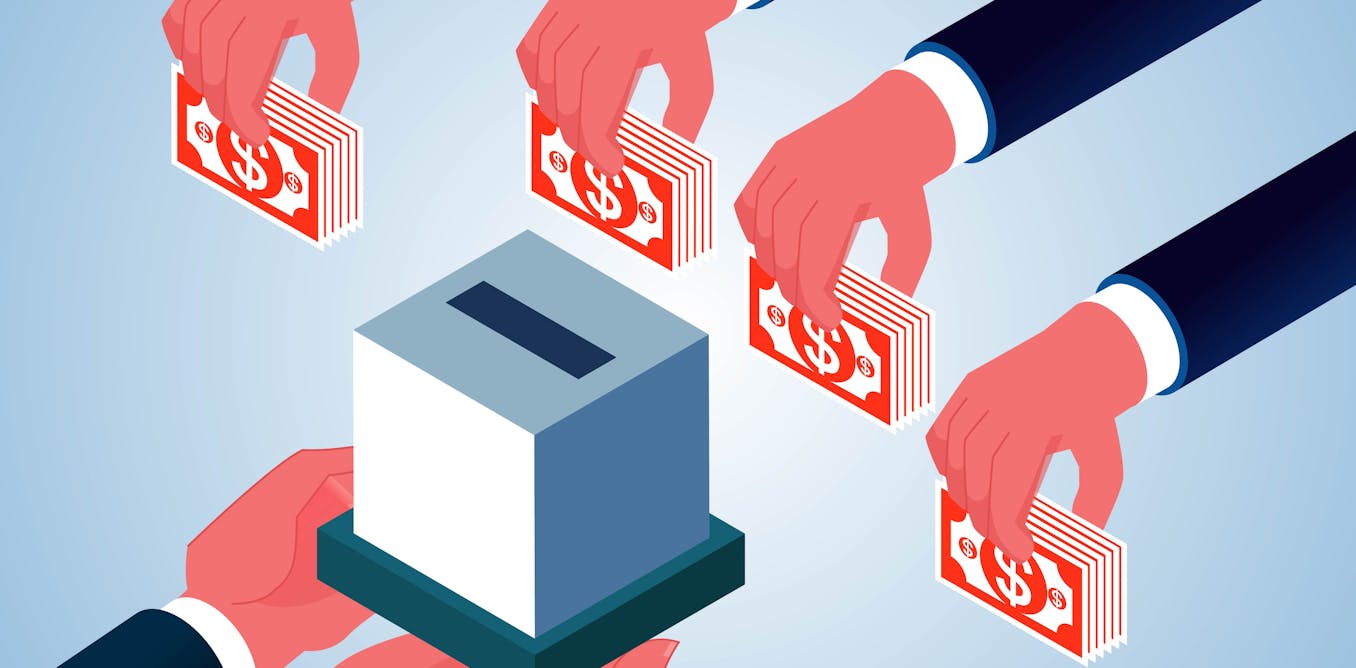
Donor-advised funds support fringe hate and antigovernment charities at 3.5x the rate of other donors. For rich people, these charitable funds may help them hide their support for controversial causes.
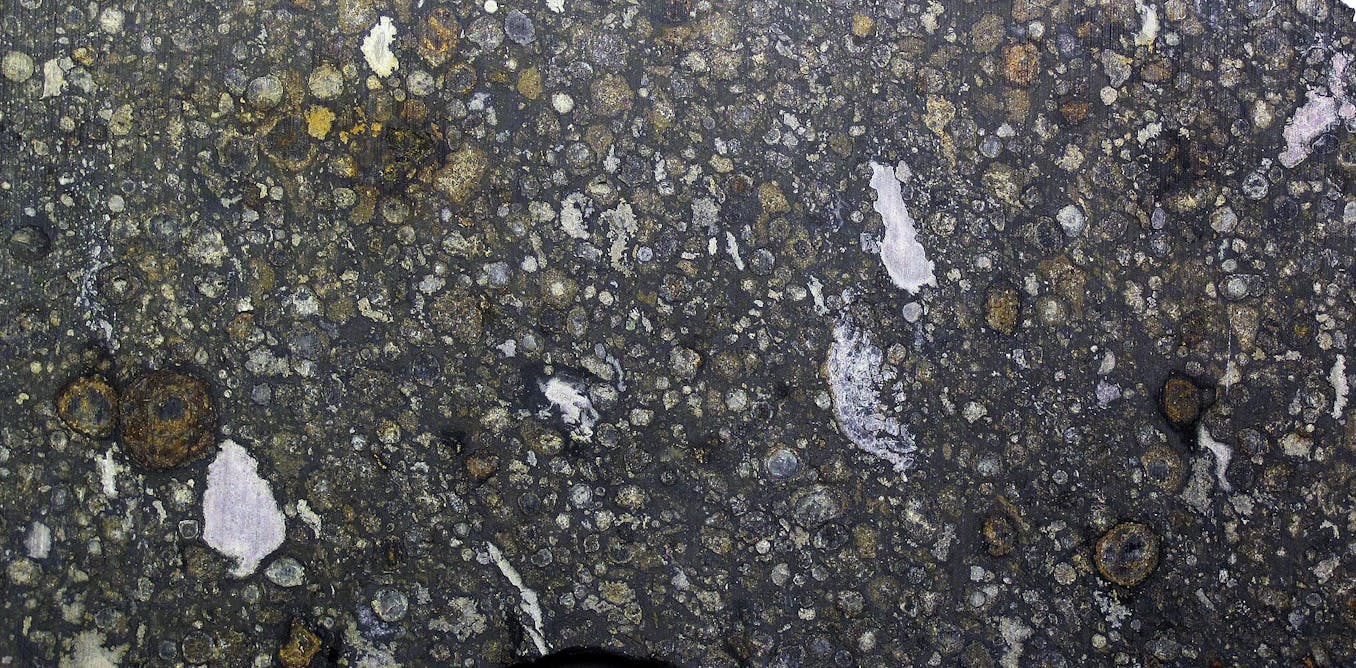
A sample NASA brought back from an asteroid contained amino acids, yet showed no signs of life. But how will we know what is alien life? A new machine learning approach could help scientists distinguish between chemistry that merely looks alive and chemistry that actually is.
Warner Bros. Discovery's three-year track record shows what happens with consolidation in the media industry: canceled shows, gutted newsrooms and higher prices. An acquisition by Netflix or Paramount would lead to more of the same, according to a media studies professor.
Data centers can be built in under a year, but the power plants needed to supply them take two to three years. State regulators are now grappling with who should foot the bill when those timelines don't align.
A new executive order directs the US Attorney General to challenge state laws regulating #AI. Big Tech companies have been lobbying to have one set of federal rules. Here’s a look at some of the initiatives that states have taken, in the absence of federal regulation:
Pregnant women who work night shifts face 3-4x greater risk for preterm birth, according to psychologists who study sleep behavior. The connection between disrupted sleep and #mentalhealth during pregnancy has serious implications for mothers and their babies.
Researchers studying gifts for cancer patients found a massive disconnect: People are buying fuzzy socks and coloring books while patients actually want practical gifts like meals, laundry help and grocery delivery. Our story from a sociologist who was diagnosed with cancer in her early 30s, in the Washington Post: https://www.washingtonpost.com/wellness/2025/12/03/gifts-cancer-patients/