Ocmulgee Mounds in Georgia, which contains 12,000 years of Indigenous history, may become the newest U.S. national park. But here's the catch: the redesignation won't actually offer additional legal protection or funding for the site.

Hanukkah’s story of the heroism of Judah Maccabee and his brothers ignores two inspiring women who were prominent in the earliest tellings of the story.
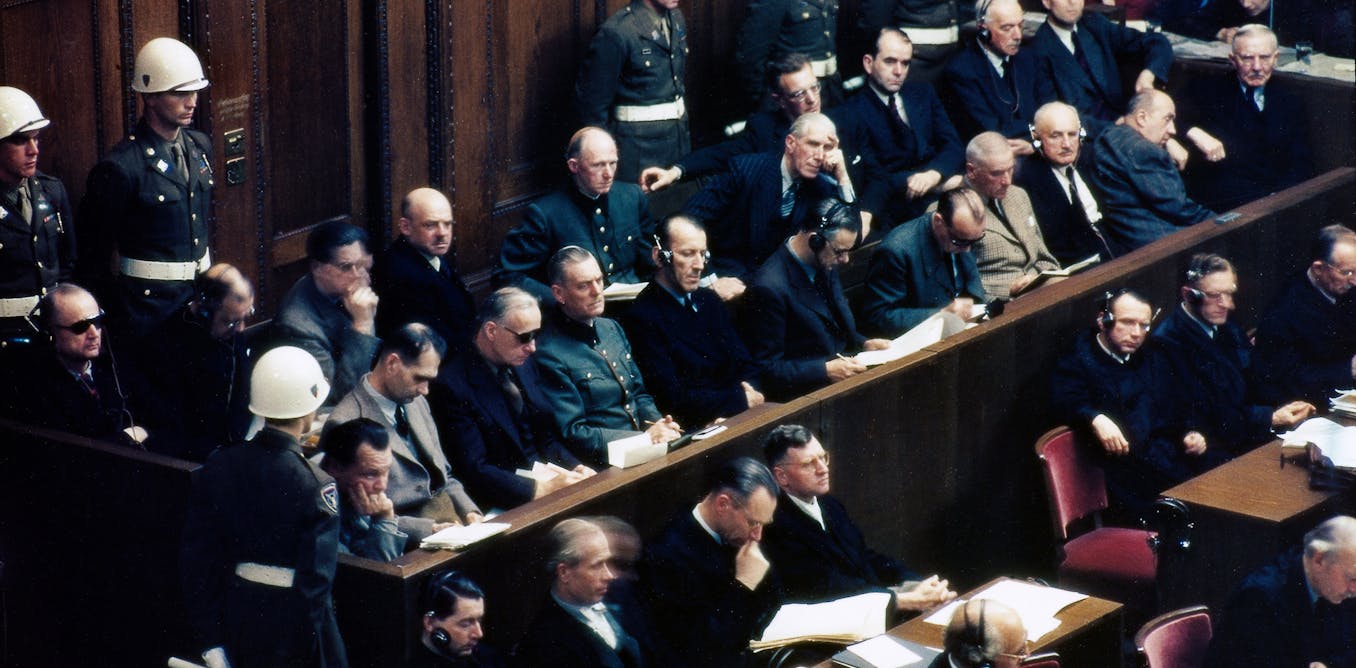
The new film “Nuremberg” highlights how the tribunal broke ground – and where it fell short – raising enduring questions about complicity, morality and whether humanity can ever truly judge its worst crimes.
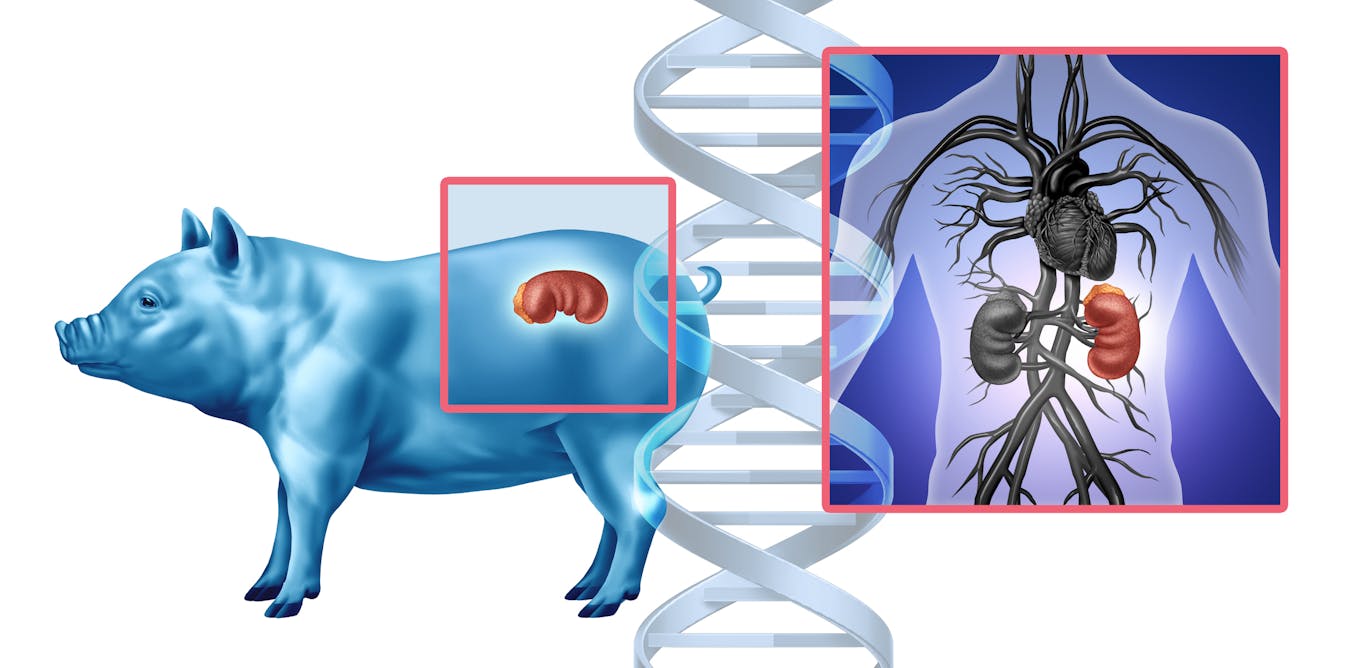
The NIH paused funding for growing human organs inside pigs in 2015 over fears that human cells might make pigs too human. Yet regulators now approve putting pig organs in humans. A bioethicist examines the inconsistent logic.
Jewish Christmas traditions date back centuries in Europe. But in the U.S., new traditions arose, with Chinese food becoming the most famous way Jews marked a day when most of the world shut down.
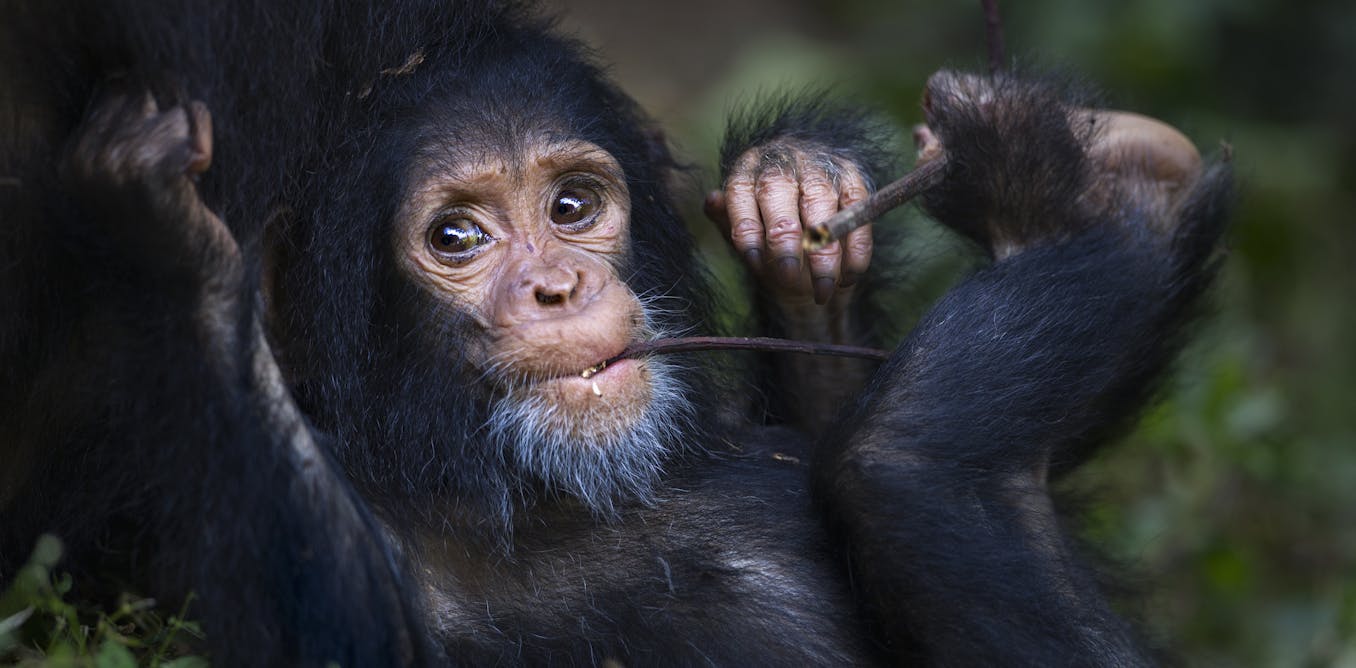
Ever wonder why people can’t use their feet like chimpanzees, easily grasping things with our toes just as easily as we do with our fingers? A biological anthropologist explains:
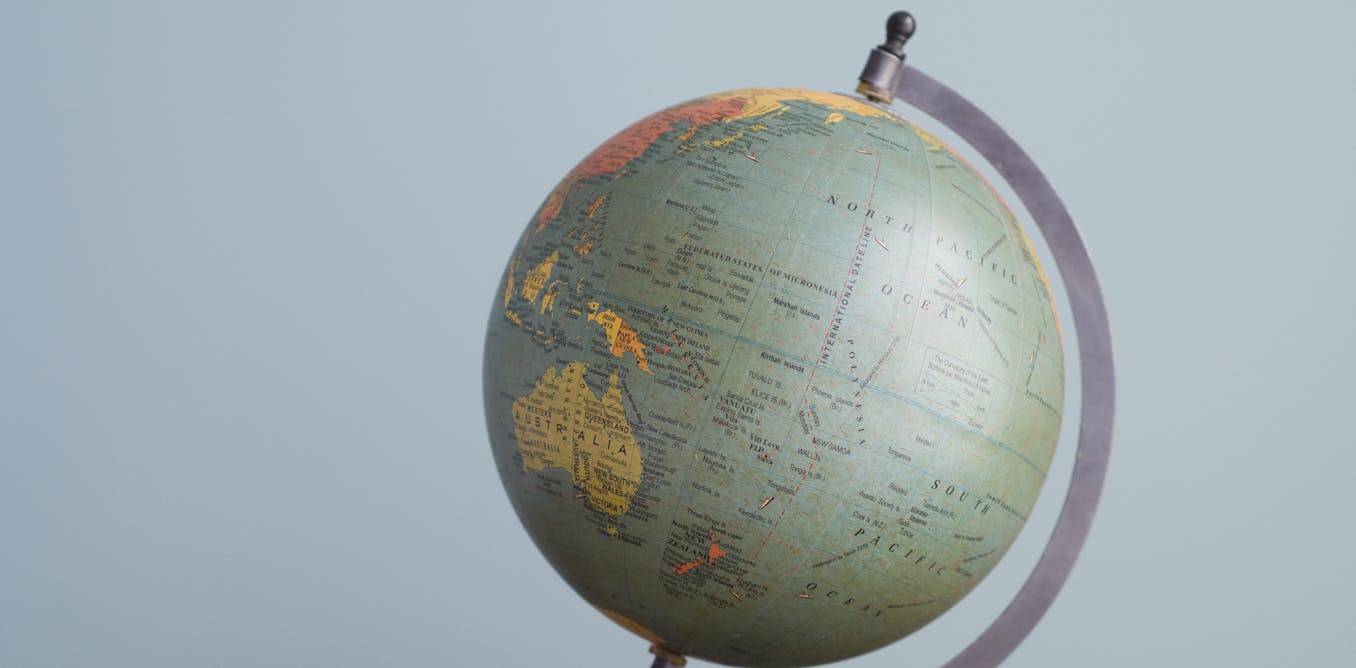
When George W. Bush called Iran, Iraq and North Korea an "axis of evil," he wasn't describing reality. He was creating a reality in the public imagination. An international relations scholar explains how this metaphor has shaped geopolitics for decades.
Recent statements by a new Fed governor highlights how the Federal Reserve technically has a mandate to keep long-term interest rates, like mortgage rates, moderate. An economist explains why this goal is already embedded in the Fed’s other two goals.
Netflix acquiring Warner Bros. follows Disney's $71.3 billion purchase of 21st Century Fox and Amazon's acquisition of MGM. US industries have traditionally consolidated into 3 to 5 main players. This acquisition would combine the biggest streaming service with the 4th largest, HBO Max. image
Obituaries reveal shifting cultural values across time and place. Here’s what psychology researchers found when they sifted through 38 million published from 1998 to 2024