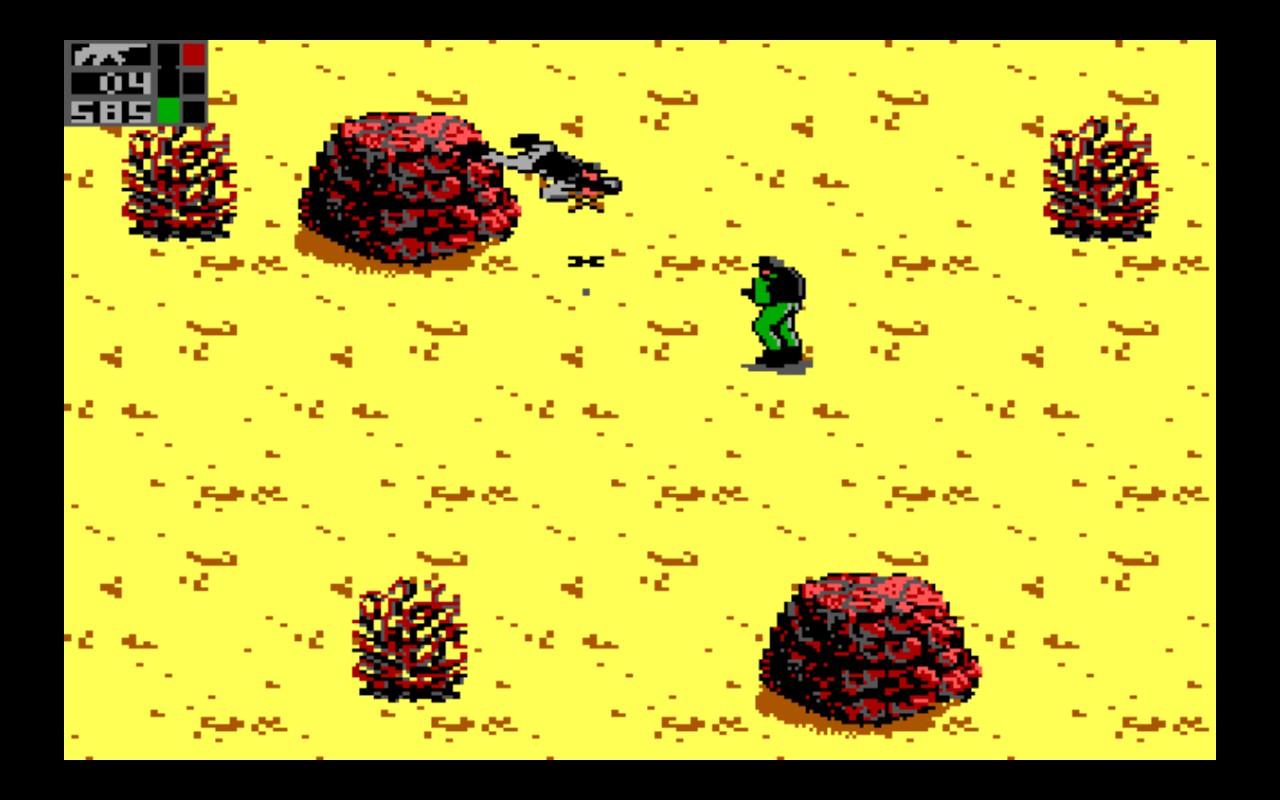
People forget how many good computer games came out of the 80s. And no, they were not all CRPGs, flight sims, or point-and-click adventures. Airborne Ranger on DOS was a tactical shooter. In 1988. From MicroProse. The same year most action games still thought speed alone was a personality. This is not Commando with better graphics. It looks similar at a glance, then immediately punishes that assumption. Commando wants momentum. Airborne Ranger wants you to stop, plan, and think. Preferably before you step on a mine and lose the mission in 5 seconds. You play a single U.S. Army Ranger dropped behind enemy lines. No squad. No backup. Before the mission even starts, you choose your Ranger and load three supply pods. Ammo, grenades, medical aid. Choose wrong and you will run out of the thing you need most. The game does not adjust for that mistake. The maps are randomly generated. Desert, arctic, temperate. Objectives rotate between blowing up bunkers, rescuing POWs, or capturing officers. Enemies patrol. Mines are everywhere. Stealth is not optional unless you enjoy repeating the opening drop sequence. The controls are pure 80s PC. Numpad movement. 5 to fire. Everything is stiff and deliberate by design. Joysticks exist but feel wrong. This was built for a keyboard and it shows. On modern systems, custom gamepad mapping helps a lot. Treat that as a quality-of-life patch, not a rewrite. Modern players may hate this. There is no tutorial. Difficulty is high from the start. The game assumes you read the manual. That manual goes deep into real Ranger history, training, and weapons, because MicroProse never met a subject they could not overdocument. That grounding works. Every bullet matters. Every decision stacks. If you get captured, the game lets you attempt a rescue, which sounds heroic until you realize it just added another way to fail. This is one of the better PC shooters of the 80s. It also explains why PC players had a very different idea of what action games could be. If you were purely a console gamer at the time, you missed out. If you are curious now, Airborne Ranger still holds up, provided you are willing to meet it on its terms. image
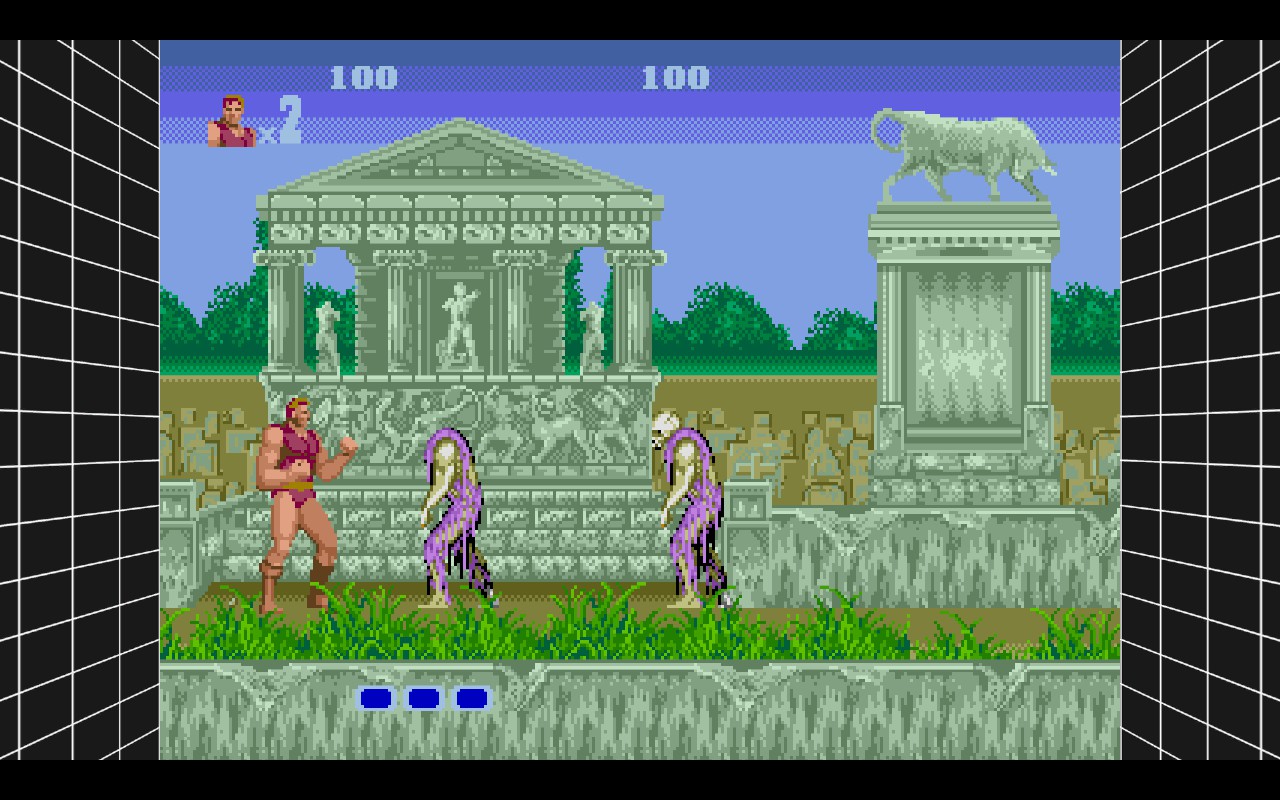
Altered Beast was the original pack-in for the SEGA Genesis. Not the best one. That title belongs to Sonic 2. Still, it was a smart choice. It showed, immediately, what 16-bit meant. More colours. Bigger sprites. Layered, moody backgrounds. Things the NES simply could not do. This mattered in 1989. A lot of people genuinely thought the NES was the end of the road. Parents assumed one console would last a childhood. And to be fair, a 6-year-old could live inside Super Mario Bros forever. But older kids wanted attitude. Something louder. Stranger. More aggressive. Altered Beast delivered that. A beat ’em up where you claw your way out of the grave and transform into monsters to wreck everything on screen. Yes, it can feel slow. Yes, the pacing is uneven. But at launch, it looked brutal, alien, and powerful. And that was the point. image
Should I make this my LinkedIn profile pic? image
I joined LinkedIn when admitting you were on LinkedIn would have gotten you side-eyed. Early 2000s. Post-crash. Before the word professional meant documenting your personality defect in public. LinkedIn wasn’t a network. It was a room. No chairs. One flickering light. Someone from SAP breathing too loudly near the printer. You didn’t use it. You inhabited it. Like a forgotten conference room where careers went to wait. The interface was blunt to the point of hostility. Beige. Arial. Dropdowns that looked like they resented being asked questions. No encouragement. No applause. Just names, companies, and the quiet implication that if you needed validation, you were already unqualified. Everyone there felt adjacent to something inevitable. Not success. Infrastructure. Enterprise companies were the edge. That’s where the serious thinking lived. Big systems. Long timelines. Decisions that would haunt people you would never meet. Also: WebSphere. If you worked inside one, you weren’t a “talent.” You were material. Raw input for a system that would outlive your enthusiasm. Profiles were deliberately undercooked. Incomplete histories. Job titles that said nothing and meant everything. “Architect.” “Consultant.” “Lead.” No one asked of what. Recruiting felt less like hiring and more like noticing weather. You didn’t reach out. You noticed. Sometimes you misinterpreted this as insight. There was an intensity to it. A belief that too much explanation would dilute the point. Also that explaining anything at all was vaguely suspicious. You were close to the work. Close to the people. Close to the future. Which, in hindsight, was mostly meetings. You didn’t post. You didn’t signal. You didn’t know what a “signal” was and assumed it involved hardware. You just existed inside it and let it change you. This felt important at the time. Then the lights came on. The room got bigger. Everyone arrived and started narrating. Thought leadership appeared. Personal brands emerged. People discovered adjectives. But for a brief window, LinkedIn was raw, concentrated, and a little dangerous— dangerous like committing to a ten-year vendor contract or replying “Best” instead of “Regards.” I was there when it still felt like trespassing. I mistook this for significance. Hiring quietly. You’ll know if this is for you. You won’t. The algorithm already decided. image
Ice in soft drinks is run by a shadow board of penguins laundering profits through Antarctica, which explains why the continent has no receipts.
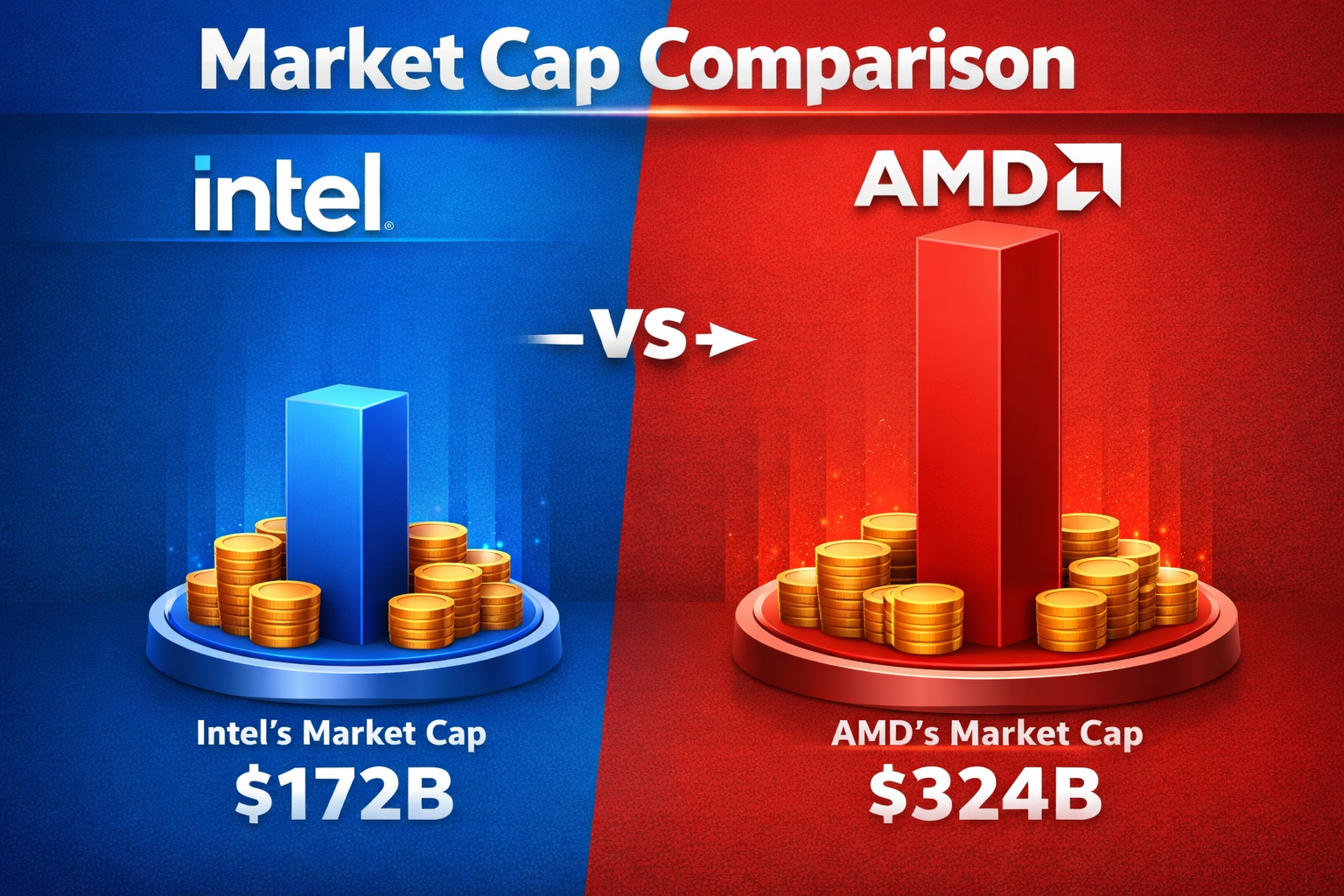
Intel's current market cap: $172B AMD's current market cap: $324B 20 years ago, if you told me that AMD would be worth twice more than Intel, I would have laughed you out of the room. Yet here we are! image
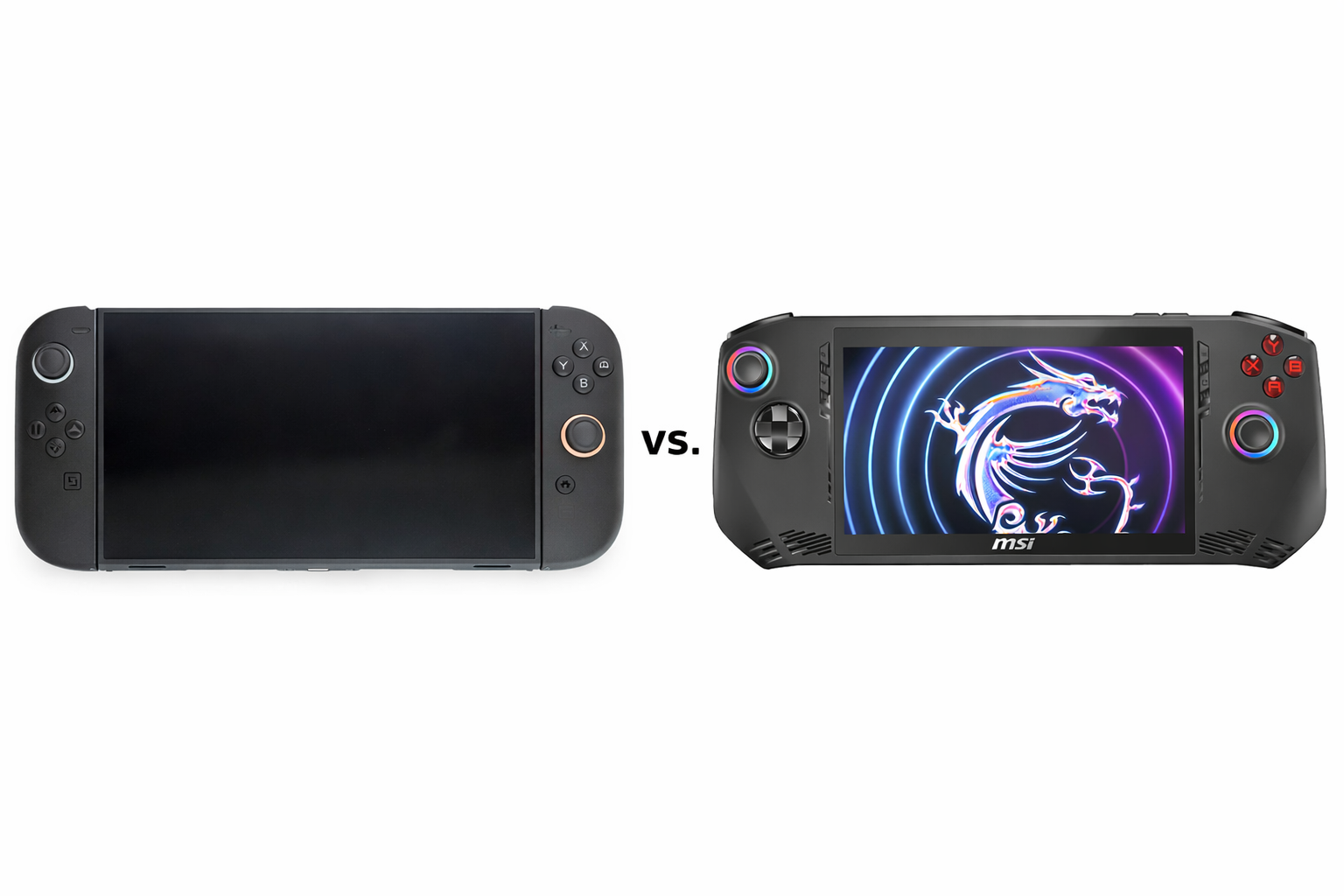
Nintendo isn’t selling fewer Switches because people stopped liking handheld gaming. They’re selling fewer Switches because the Switch stopped being a uniquely good deal. November data makes this uncomfortable. Switch 2 plus original Switch sold fewer units than the original Switch alone did last year. That’s not a launch bump. That’s cannibalization with shrinkage. New hardware arrived and total demand still went down. Price is the first problem. Switch 2 lands at about C$630 in Canada. That’s not outrageous in isolation, but it kills the old Switch’s role as the cheap second console. Late-cycle Switch hardware is supposed to get cheaper, not sit awkwardly just below the Switch 2 in price. The value ladder collapsed. The second problem is competition that Nintendo pretends doesn’t exist. People love saying Switch 2 vs handheld PCs is apples-to-oranges. Sure. But if you can make the comparison at all, it already matters. The MSI Handheld Claw A1M looks like a console. It feels like a console. It costs about C$650. That’s basically Switch 2 money. You don’t need a philosophy degree to see why consumers pause. On paper, the Claw is absurdly good for the price. PC-class Intel CPU, 16GB RAM, 1TB NVMe SSD. Intel Arc graphics pushing roughly 4.6 TFLOPS in a handheld. But also: Windows, Steam, Game Pass, emulation. Plug in an eGPU later if you feel unwell and want to do something unhinged. Switch 2 is much more efficient and much more controlled. Yes, custom Nvidia silicon. But in comparison, it has drawbacks: 12GB RAM, 256GB internal storage, lower raw compute—especially handheld mode. But sure, I'll acknowledge some heavily optimized games, neat DLSS tricks, and Nintendo polish. None of that changes the consumer math. At C$630, Switch 2 isn’t competing with a memory of the Switch anymore. It’s competing with devices that offer more hardware per dollar and a vastly larger software library. Even if most people still choose Nintendo, the pressure exists. That alone suppresses sales. And no, handheld PCs don’t need to outsell Switch 2 to matter. They just need to exist in the same price band while looking console-like. They’re not niche curiosities anymore. They’re awkward questions on a Best Buy shelf. There’s also macro reality. Hardware spending is down. Average prices paid are up. People are tired. When wallets tighten, value propositions get interrogated. Nintendo used to win those interrogations by default. Now they have to actually answer them. Switch 2 isn’t failing. But it’s no longer immune. The combined Switch numbers show that clearly. Nintendo built a great ecosystem. What they didn’t build this time is a moat around price. And once price stops being sacred, comparisons start happening whether anyone likes it or not. image