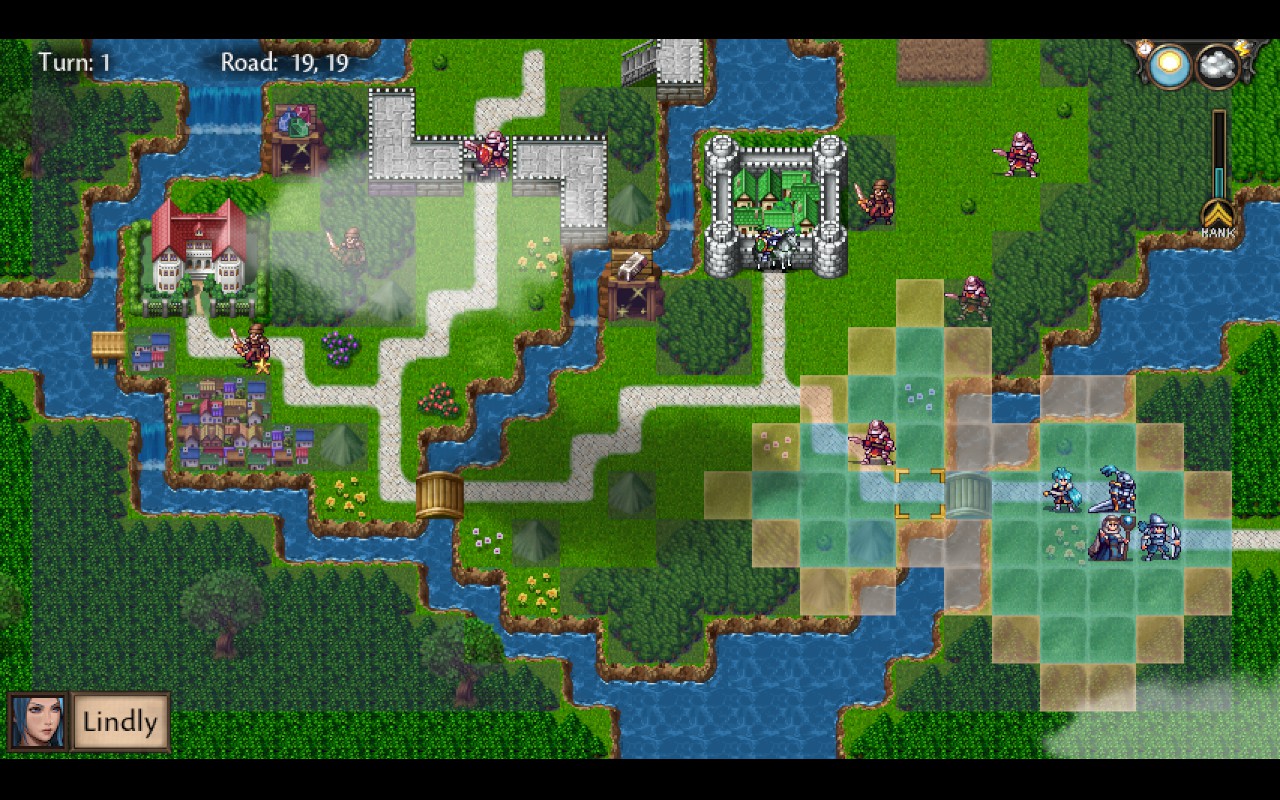
30 years ago, Shining Force on the SEGA Genesis set the bar for me. Deep systems, clean pacing, real tactical weight. It made me a lifelong strategy RPG fan. Plenty of good games followed. Persona included. None of them ever felt like Shining Force. Until Symphony of War: The Nephilim Saga. This is the closest thing to a modern Shining Force. It is not a grind-first RPG. Positioning matters. Formation matters. You decide whether to press forward or bait the enemy into a bad engagement. The map actually matters. The art style lands exactly where it should. Clearly 16-bit inspired, but far more detailed. Strong character portraits. Strong battlefield readability. The music does its job without getting in the way. It runs flawlessly on the Steam Deck. Low overhead. Long battery life. Perfect for short sessions in a coffee shop or long stretches on the couch. It feels designed for handheld play, even if it was not. A genuinely great strategy RPG. One of the best in the genre. image
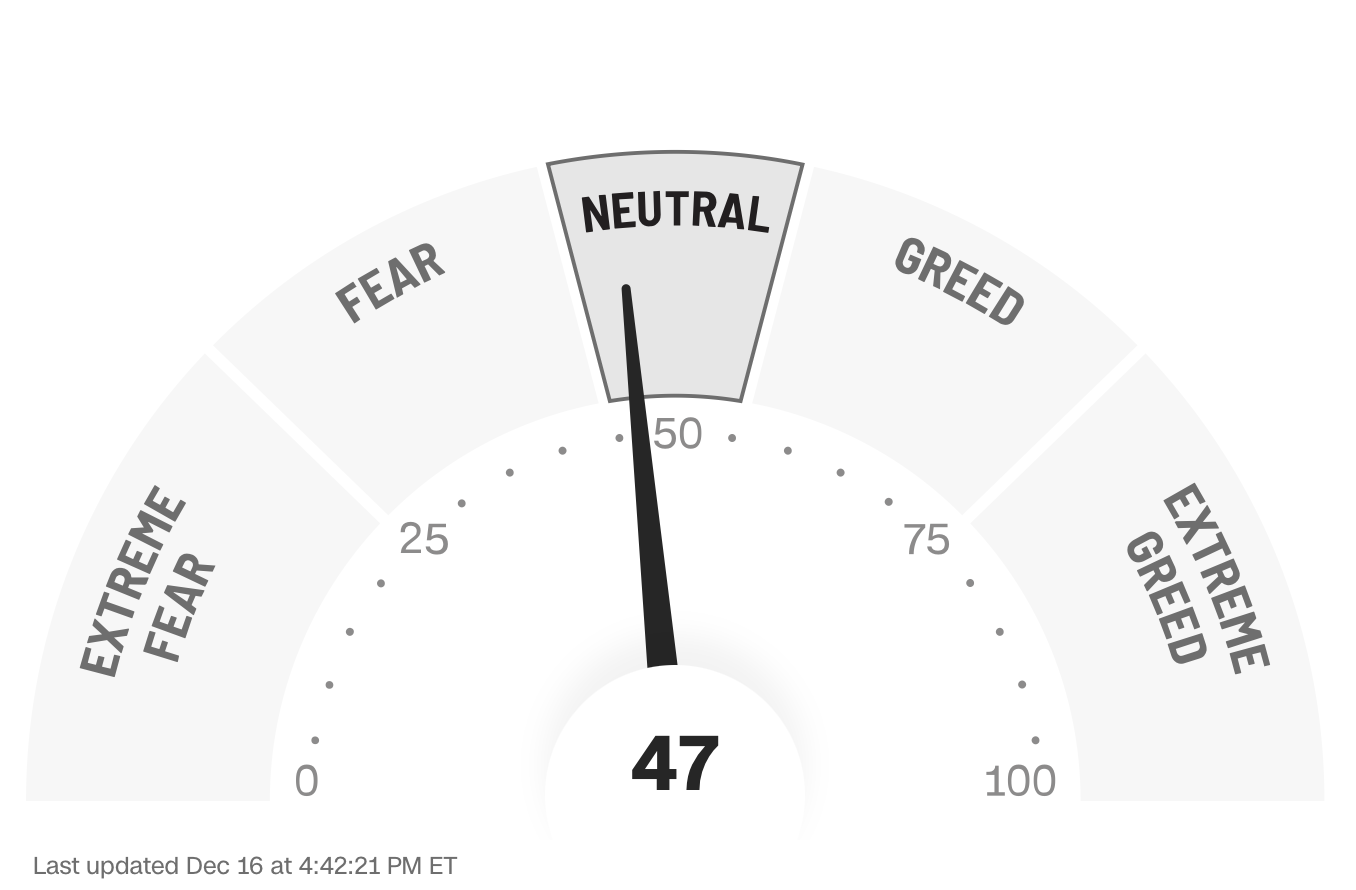
Markets are drifting out of “fear” and back toward neutral. Yes, even as equity prices pull back. Price is not the signal here. Flows are. First, capital is rotating out of the Magnificent 7 and into the rest of the market. This is being framed as “AI bubble fear,” but the behavior matters more than the narrative. Money is not leaving equities. It is reallocating within them. Second, call volume is starting to outweigh puts. Traders are positioning for upside despite recent declines. That tells you sentiment is already decoupling from price. Third, and most important, money is moving out of bonds and back into stocks. Credit risk is creeping up. If a credit crunch is even a possibility, long-duration bonds look worse, not safer. Capital still needs a home. It is not going into crypto. By default, it flows into equities. Context matters. In 2025, we saw roughly 50 days of sustained fear sentiment. During that same period, the NASDAQ Composite rose about 20%. That is not explosive growth. But growth during persistent fear is a tell. Fear is unstable. It exhausts itself. Neutral is the midpoint, not the destination. Greed follows. image
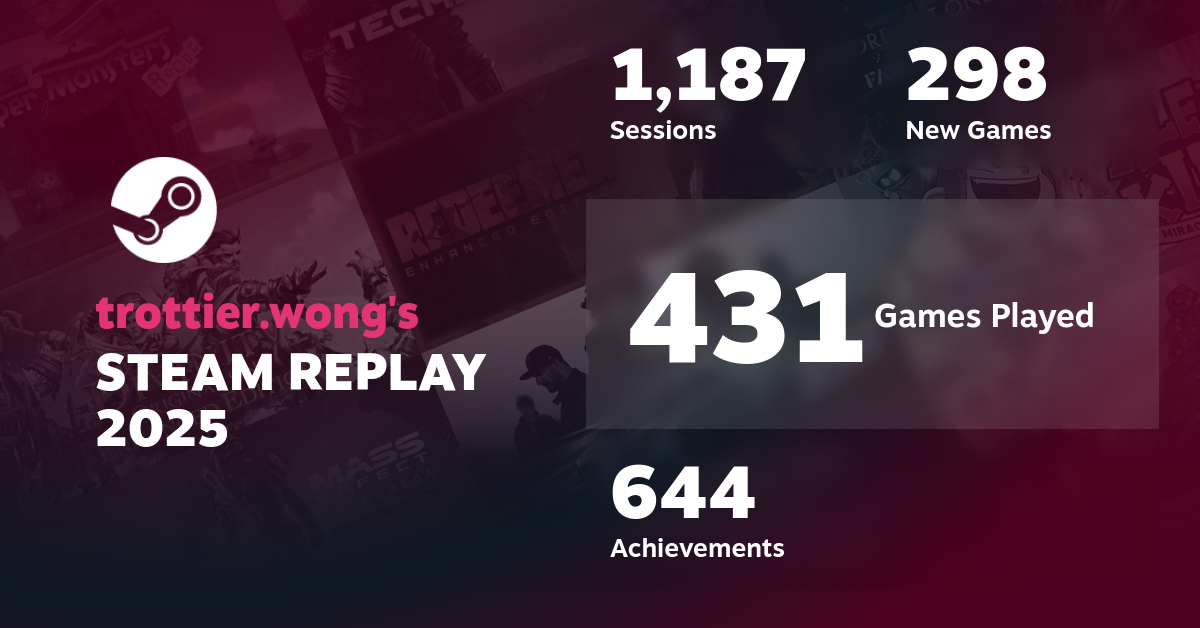
My Steam Replay for 2025 is out. I played 431 games. These were my favourites. 1. The Gunk 2. Sparklite 3. Control 4. RoboCop: Rogue City 5. Shadowgrounds **The Gunk** landed at the top, easily. A game about cleaning a planet with a vacuum sounds like a gimmick. It is not. There is nothing else quite like it. The visuals are gorgeous. I played a lot of it on the TV with my daughter, who was genuinely transfixed. So was I. This is a major departure from the SteamWorld team, and it paid off. **Sparklite** surprised me. I did not expect to sink that much time into it. It is a roguelike RPG that clearly channels old Zelda, wrapped in clean pixel art. Simple loop. Very sticky. **Control** benefited massively from this year’s update. Improved HDR and ray tracing changed the entire presentation. The world finally looks the way it always wanted to. Strange, confident, surreal. One of the best protagonists in modern games, doing impossible things without explanation. **RoboCop: Rogue City** is one of the best FPS games I have played in years. It works because it actually feels like a RoboCop film. Peter Weller’s voice matters more than it should, and it makes the whole thing click. For fun, I docked my Steam Deck to a CRT. That somehow made it even better. **Shadowgrounds** took me 10 years to finish. Worth it. A proper top-down shooter. Right up there with Alien Breed on the Amiga. Great weapons. Great monsters. The combat just flows. One more stat matters. 51% of my playtime was on the Steam Deck. Nearly four years in, I use it more than both of my desktops. Those desktops have serious GPUs. People keep calling the Deck “long in the tooth.” It still plays most of my Steam library without complaint.
There’s a reason I’m not stressed about Netflix or Paramount buying Warner Bros. Discovery. When it comes to video games, almost anything would be an upgrade over the current situation. WBD is the caretaker of a staggeringly large video game archive. In terms of historical depth, it arguably rivals or exceeds Microsoft, Sony, and Nintendo. You would never guess that, because they do nothing with it. Through the Midway Games acquisition alone, they control franchises like: * Mortal Kombat * NBA Jam * Gauntlet * Paperboy * Primal Rage * Hard Drivin’ In 2009, WBD acquired the Atari Games library and most of Midway’s assets for $33 million. That lineage runs straight through the golden age of arcades. This is the company that owns Atari Games, Midway, and Monolith Productions. A core pillar of arcade history going back to the 1970s. Not a side catalogue. Not a footnote. Foundational material. What do they do with it? Almost nothing. They do not preserve it. They do not reissue it. They barely even acknowledge it exists. There is no serious effort to monetize, contextualize, or maintain it. This is not stewardship. It is hoarding. Take *Hydra* as a concrete example. Arcade release in 1990. Home computer ports followed in 1991 for the Amiga, Atari ST, Commodore 64, Amstrad CPC, and ZX Spectrum. The Atari Lynx version arrived in 1992. And today? There is still no straightforward, legal way to play it on modern, reliable hardware. Not because the rights are unclear. Not because the tech is hard. Because WBD does not care. These games deserve legal access, proper preservation, and basic respect as cultural artifacts. Instead, they are left to decay while the rights holder shrugs. So yes. If someone buys WBD and actually does something with this video game legacy, good. Indifference is the worst possible owner.
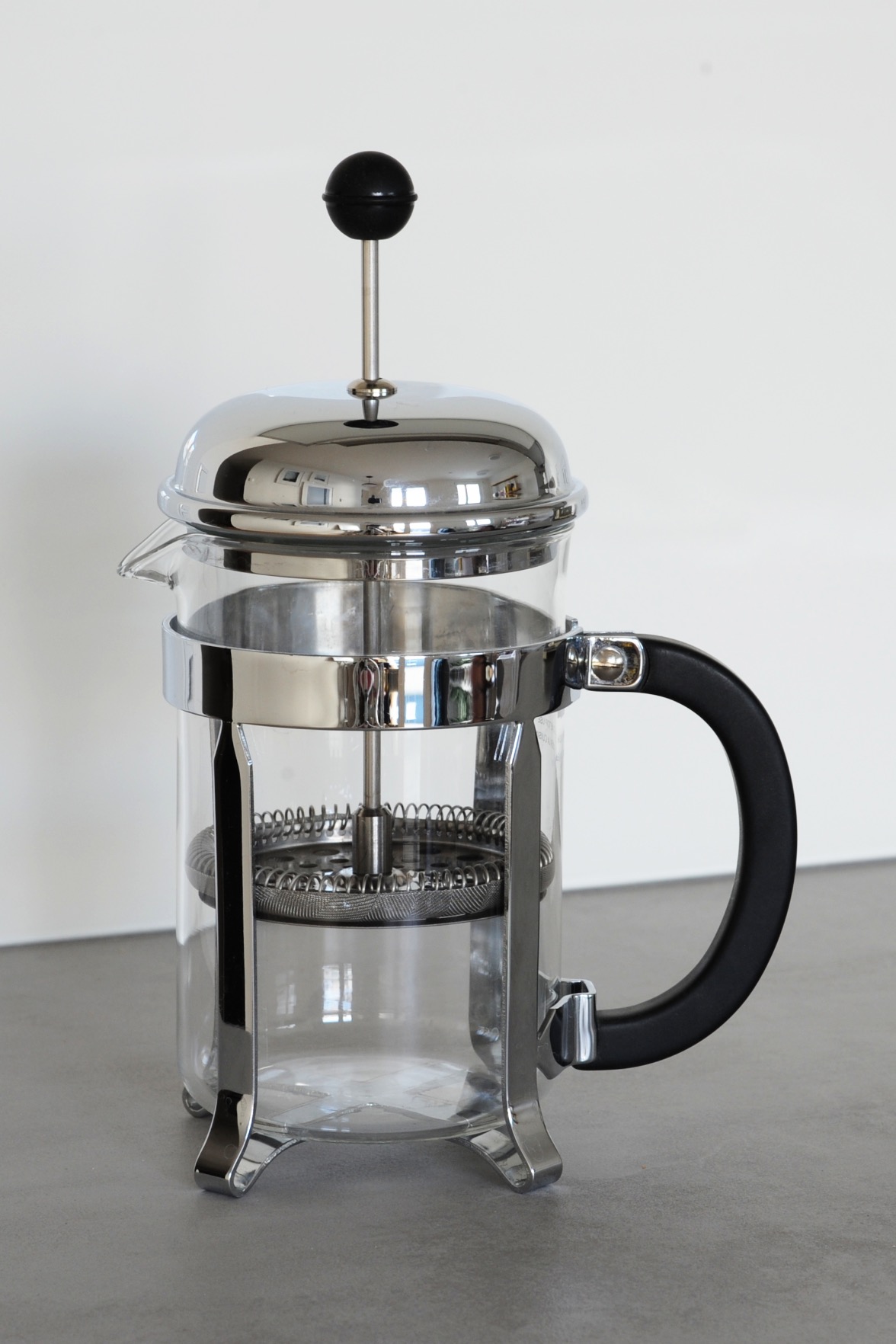
Typically, I make coffee with an Aeropress or a pour over. Today I used a French press. But not the standard method. Low water. Short steep. 250 mL of boiling water. 1 tbsp of grounds. Steeped for 1 minute. Poured straight into a mug. This works because acids extract first. You get brightness and sourness before bitterness has time to show up. The short contact time keeps the harsher compounds out. The body comes from the French press itself. Oils and fines pass through, so even though the coffee is under-extracted, it still feels dense and round. I like it because it’s sharp without being harsh. Bright, concentrated, and clean enough to drink black. It keeps what I want and skips what I don’t. image
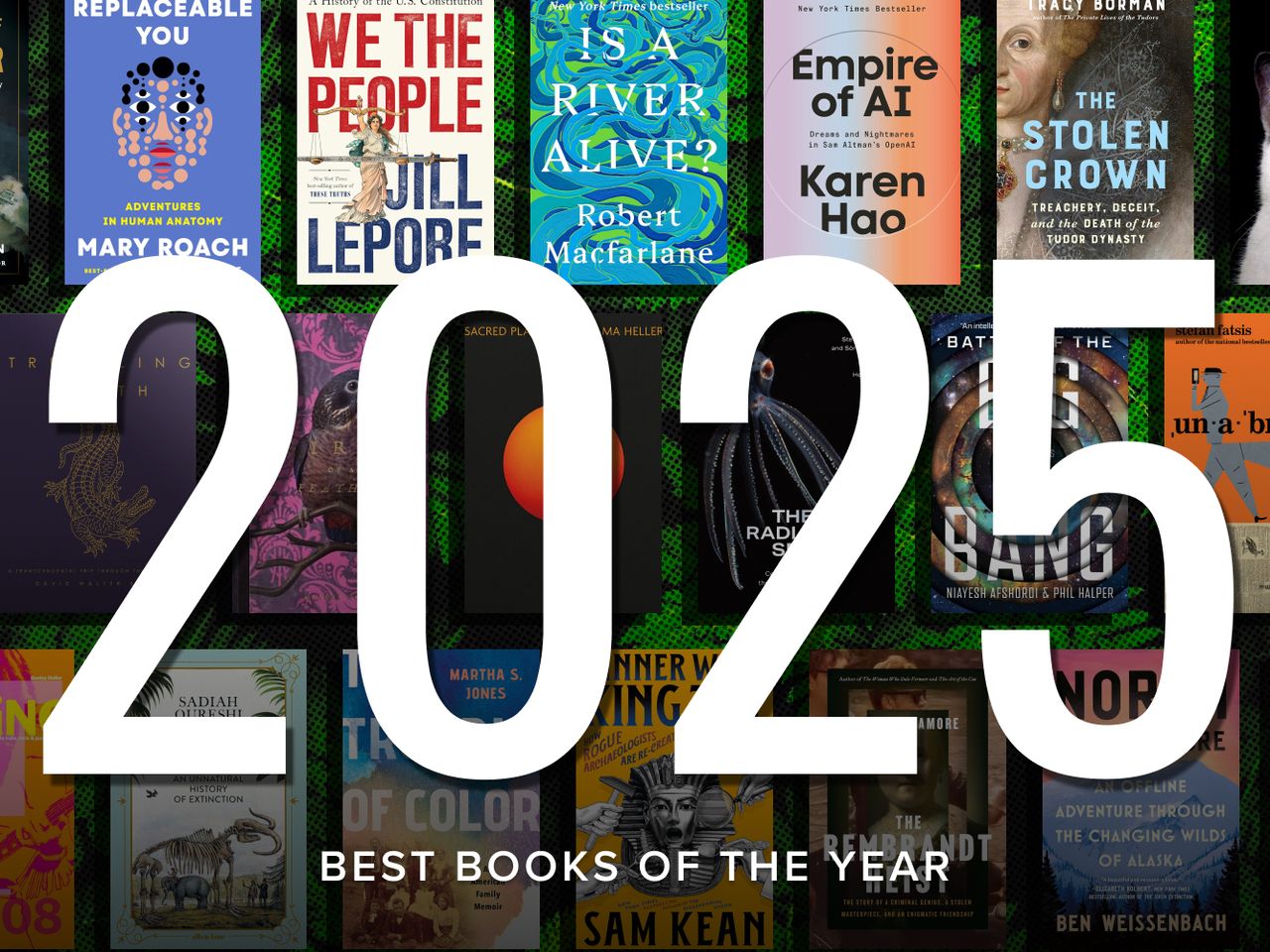
By now you’ve probably been buried under “Best of 2025” lists. I’ve always hated those lists. You cannot crown anything “best” when the volume of output is this insane. And this year the firehose was worse than ever. Rough scale of what dropped in 2025: • 4 million books • 3 million music albums • 1.3 million apps • 20,000 Steam games • 12,000 movies AI slop is part of the spike, but most of this comes from humans taking advantage of a world with fewer gatekeepers and less friction. In the 80s, releasing an album meant studio fees and paying for vinyl or CD runs. Today you record in your bedroom and push it to Spotify. That’s the point. No one has read every book, heard every album, played every game, or seen every movie. The dataset is too large for any person, critic, or newsroom. So why is legacy media still pumping out “Best of” lists? To preserve the fiction that they’re still the gatekeepers. It works only for people who still believe in their taste. The illusion weakens every year. And I say this as someone who tracks gaming obsessively. I follow this industry closer than most people follow their own blood pressure. Even then, I’d never pretend to know the single best game of 2025. There’s always something excellent I missed. People should stop hunting for “the best” and let themselves be surprised. Tastemakers can point you to a few things. But finding something on your own and realizing it’s your new favourite? That hits harder than any list ever will. image
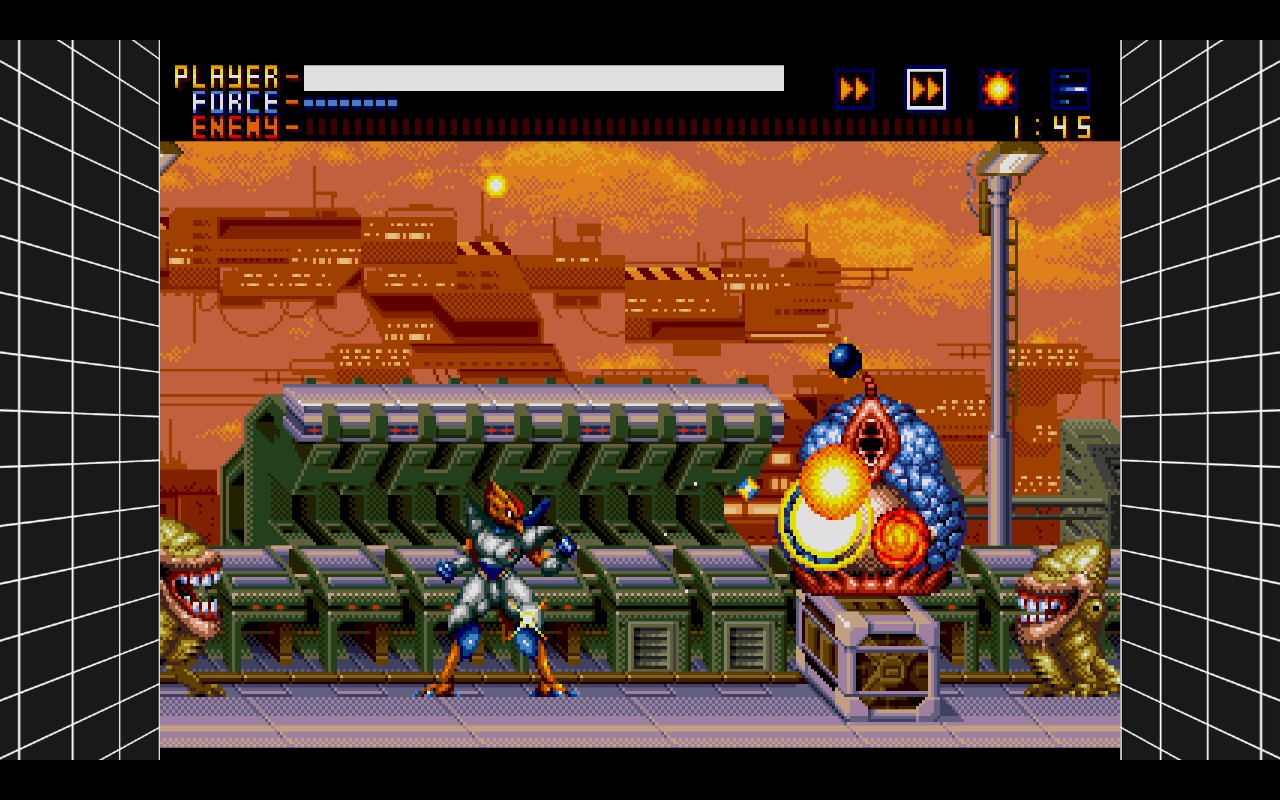
I had never heard of Alien Soldier on the SEGA Genesis. There is a reason. In North America, it was locked to the SEGA Channel. That was an online service in an era when most people did not even have dial-up. If you did not subscribe, the game effectively did not exist. Japan and Europe got physical cartridges. North America did not. I finally bought a legal copy on Steam in 2016. Within minutes, it felt familiar. The controls, the pacing, the combat rhythm. It plays almost exactly like Gunstar Heroes. That is because both were made by Treasure. This is what they did best on the Genesis. The difference is difficulty. Alien Soldier is far harsher. Even on easy, it is punishing. It also clearly wants more buttons while pretending the 3-button controller is enough. Still, it is a strong game. The title is painfully generic. The design is not. If you like Gunstar Heroes and want something meaner, this is worth your time. image
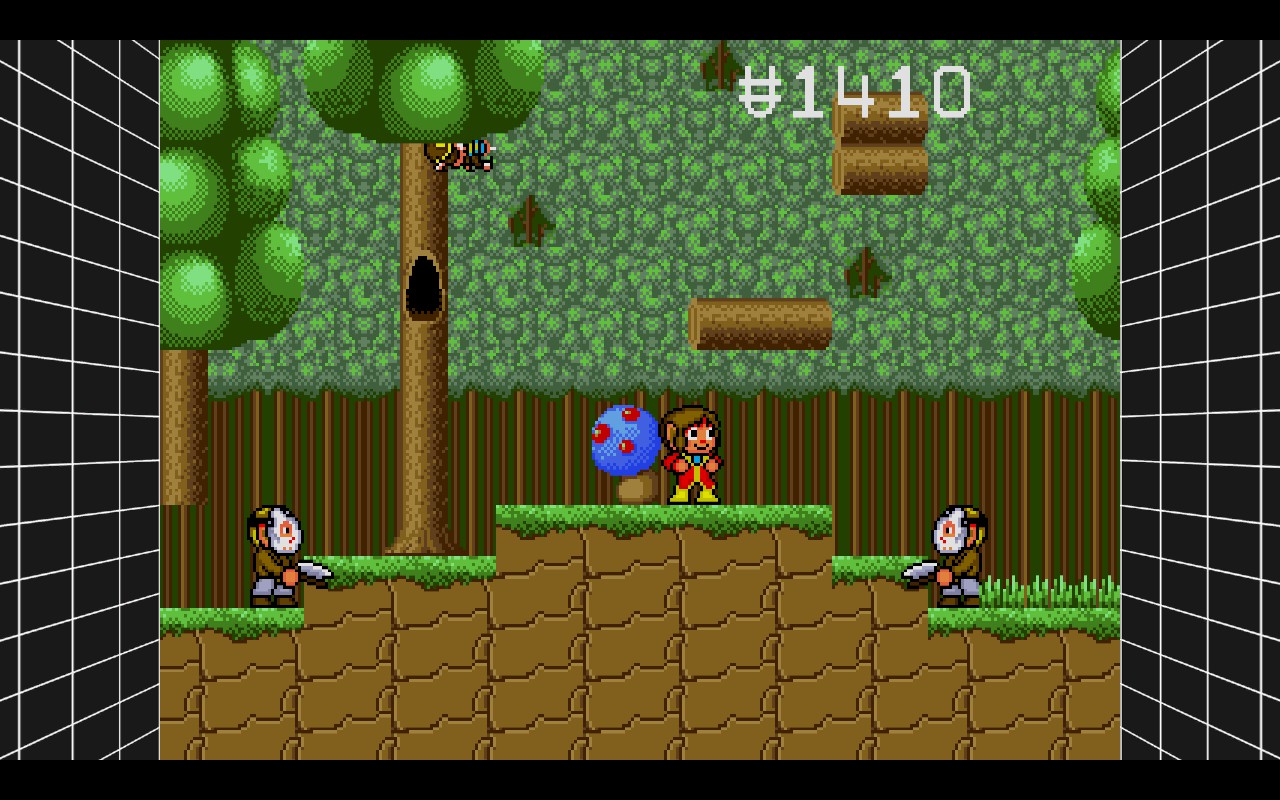
Just realized that back in June 2016 I bought 50+ SEGA Genesis classics on Steam. SEGA even sold an official emulator front end for years before quietly delisting it last year. A lot of these games I had never actually played. Which brings me to Alex Kidd in the Enchanted Castle. When the Genesis was first announced, this was one I was excited for. Alex Kidd was SEGA’s original mascot. Pre-Sonic. Their Mario counterpunch. I had played every Alex Kidd game on the Master System. So a 16-bit Alex Kidd felt inevitable. It just never happened for me. The Genesis library was stacked. Altered Beast looked unreal at the time. Truxton was melting faces. Alex Kidd got pushed to the back burner, helped along by screenshots that looked… underwhelming. I finally played it today. It’s fine. Not a Mario killer. Not even close. Enchanted Castle cannot touch Super Mario Bros. 3. That comparison ends quickly. It’s serviceable, but clearly weaker than Miracle World and Shinobi World. Still much better than High-Tech World, which remains irredeemable. What really hurts is how little this game shows off the Genesis. The visuals are muted. The controls are floaty. Deaths feel cheap. It never feels confident in its own hardware. Which is unfortunate, because this was Alex Kidd’s one and only shot on the Genesis. And that was that. image